
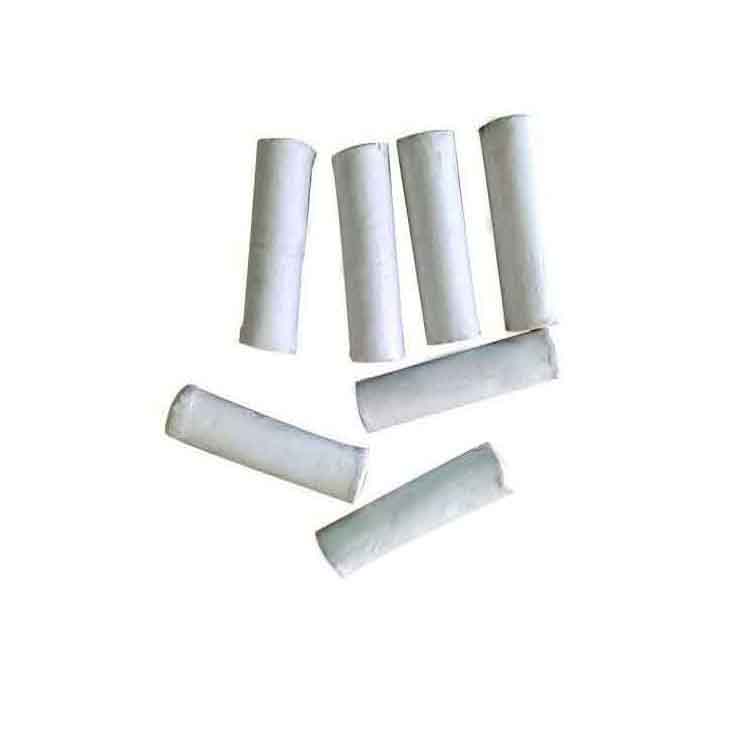
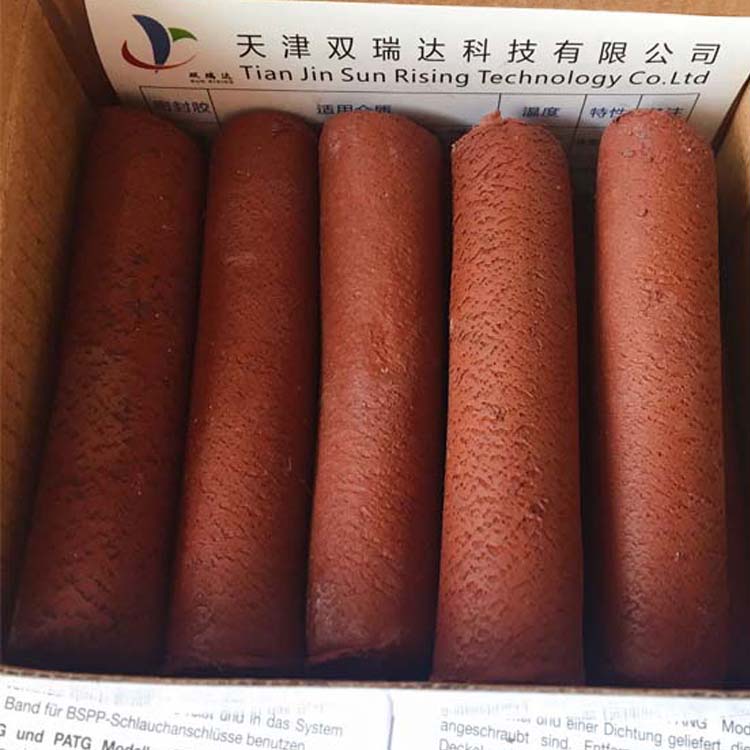


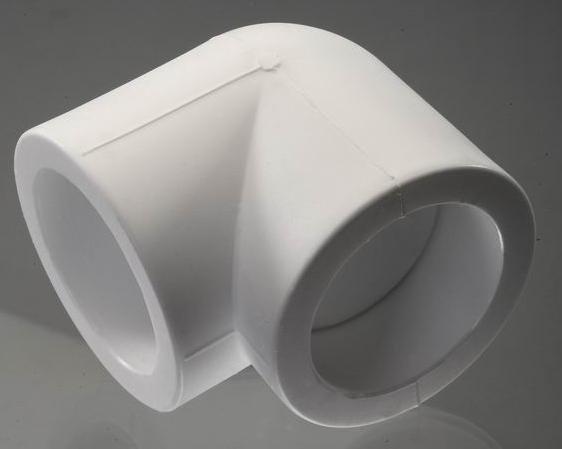
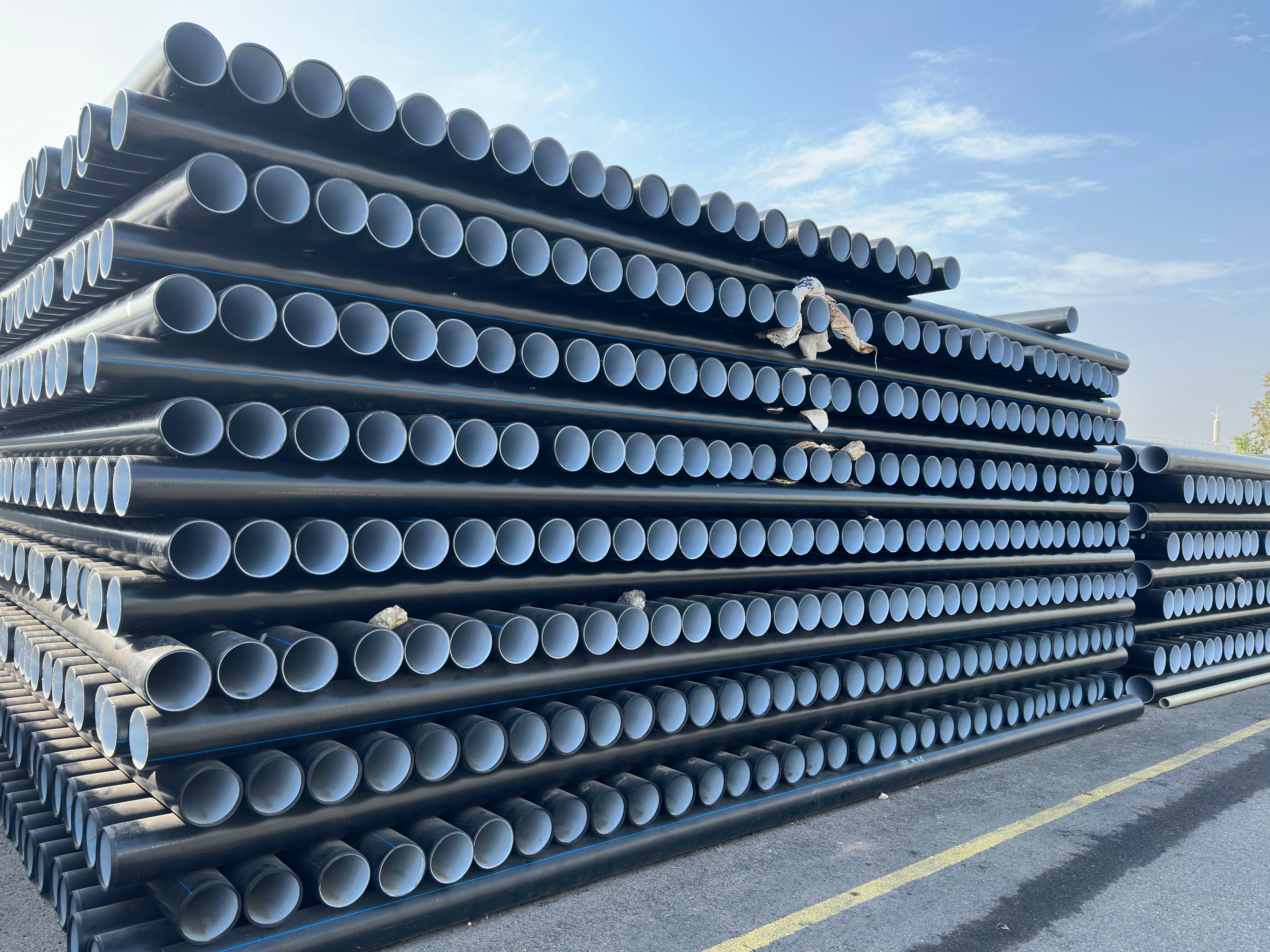





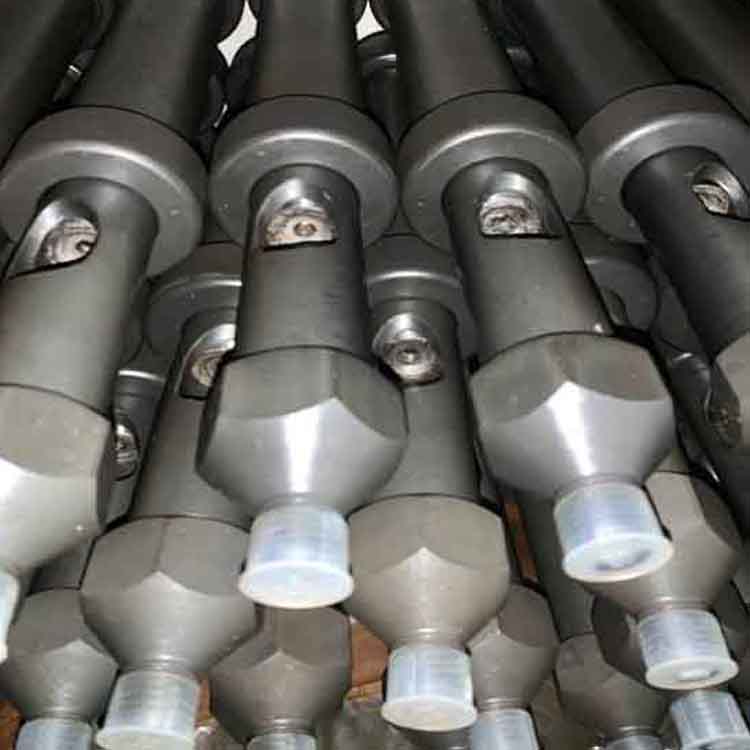
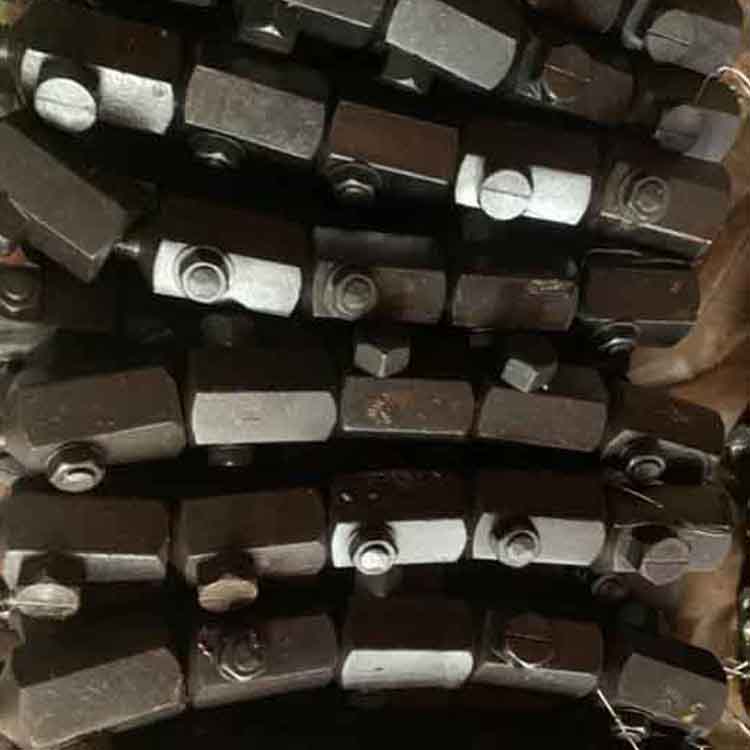
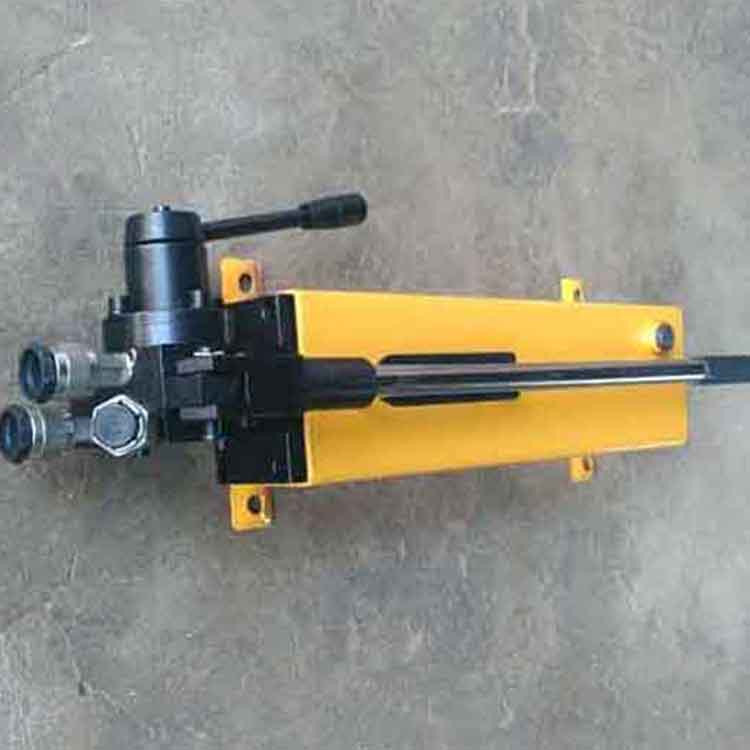
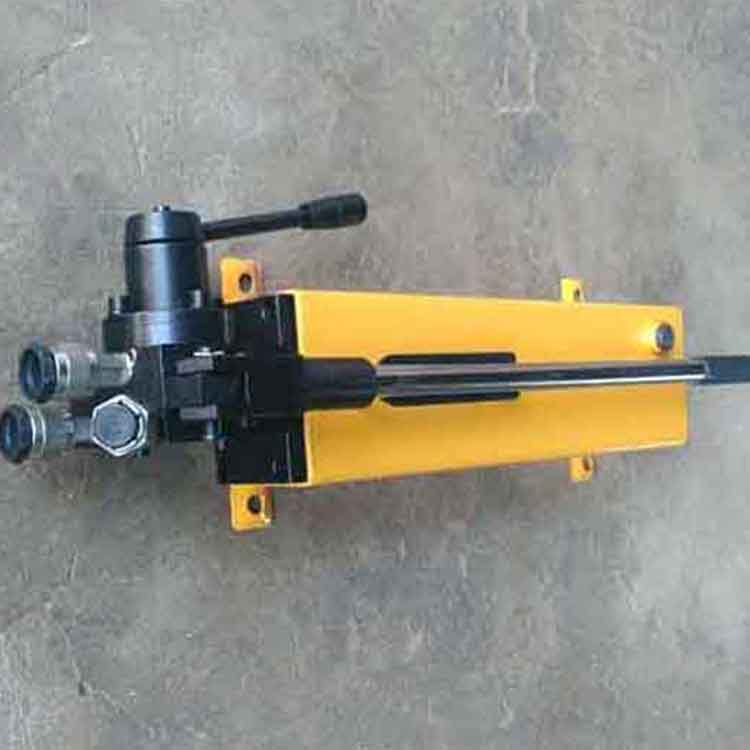

Pressure Sealant refers to a method of stopping leaks in pressure pipelines and storage tanks containing or transporting media at any pressure above atmospheric pressure. It involves stopping leaks without stopping the flow or emptying the tank, while the internal medium is splashing. This often requires operations that can produce sparks, such as electric welding or electric sanding, as the term "pressure sealant" does not imply no fire. However, during actual sealing, flammable and explosive media may be present, which cannot generate any sparks. Therefore, domestically, pressure sealant has generally been changed to "no fire pressure sealant" for clearer industry definition. While people often simplify it to "pressure sealant," today, it is widely understood to mean "no fire pressure sealant." Due to the lack of standardization in the pressure sealant industry, there are different names. Many believe that pressure sealant is an injection-type seal, but in fact, injection-type sealing is just one technique among the pressure sealant technologies. This technique is limited to straight pipes and is ineffective for elbows, tees, reducers, flanges, or large storage tanks.