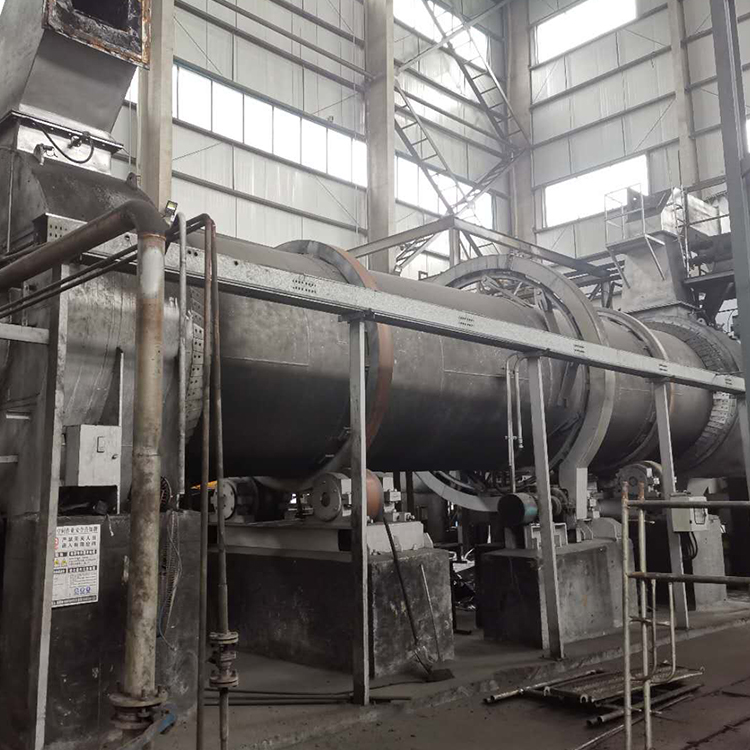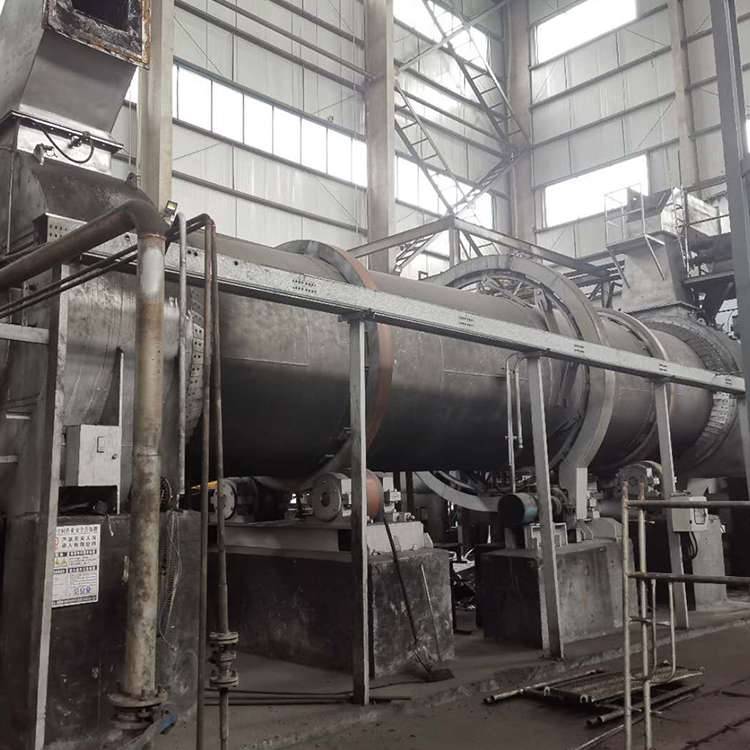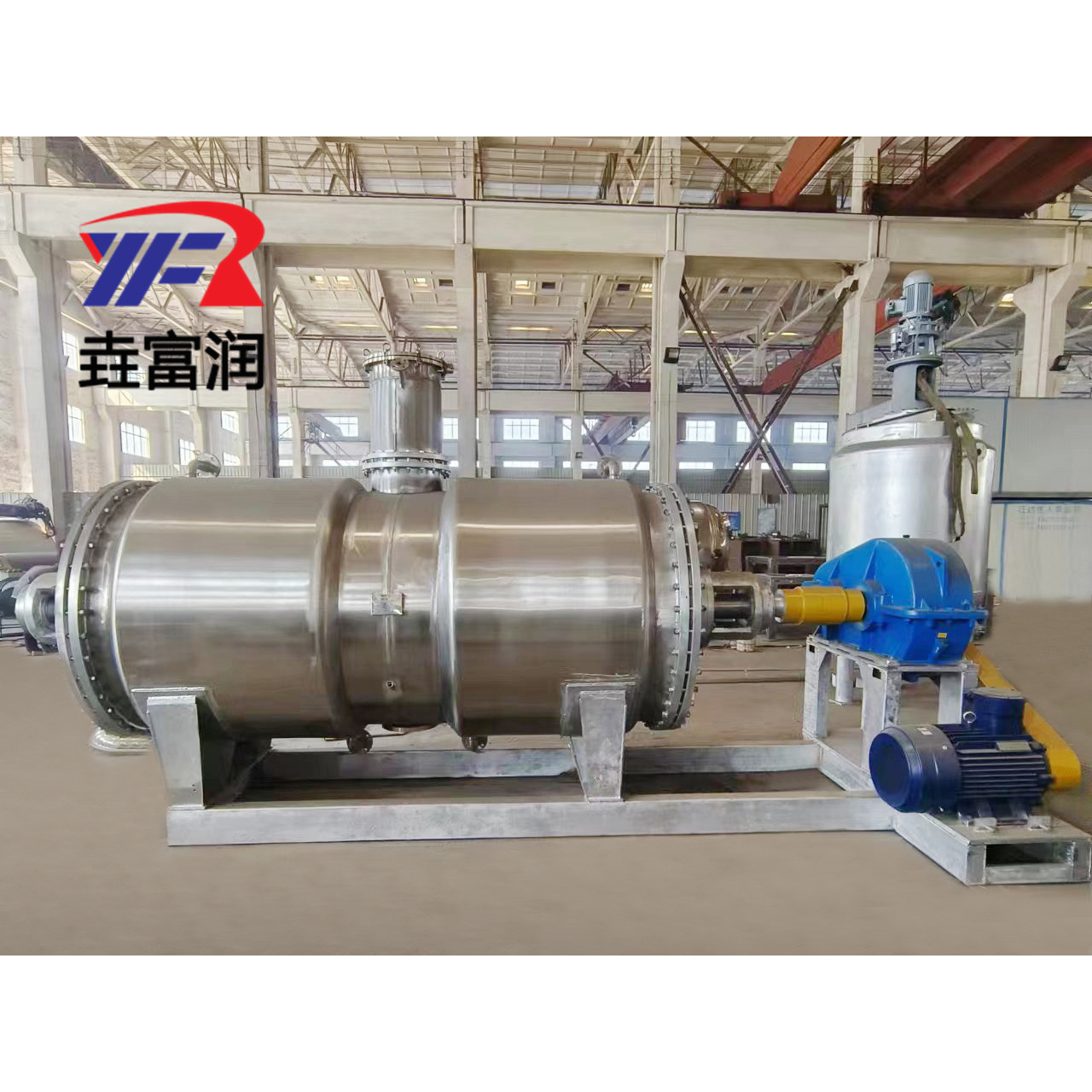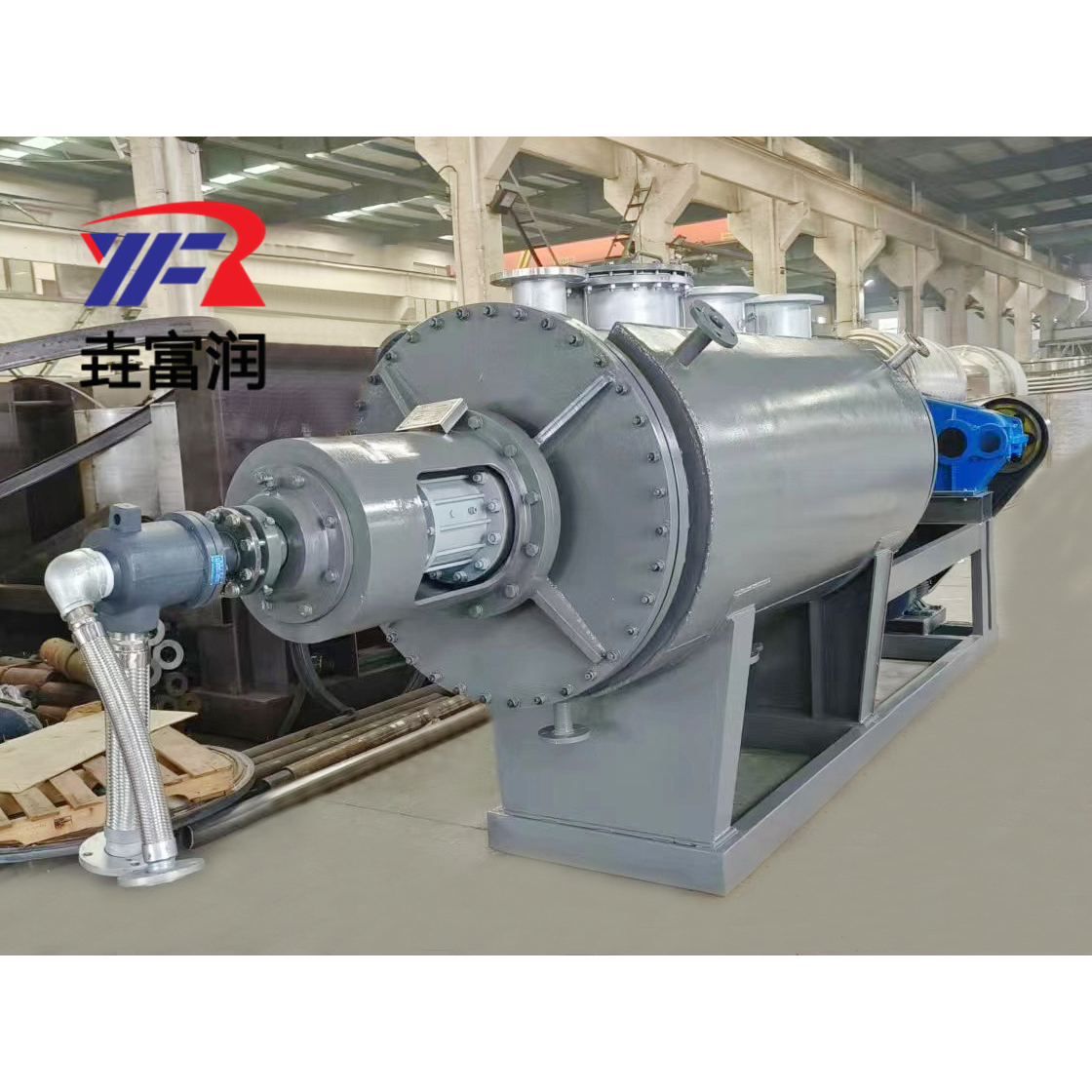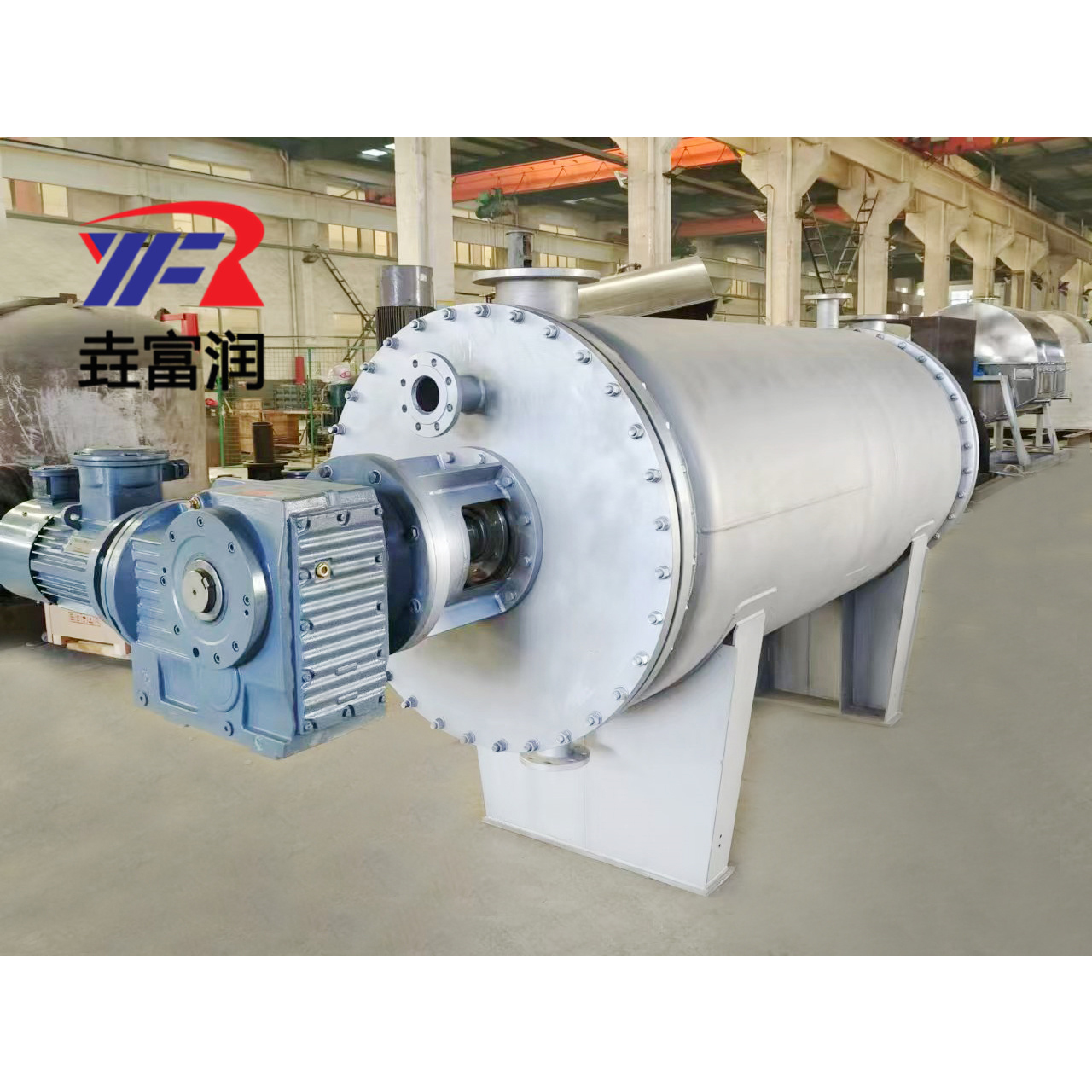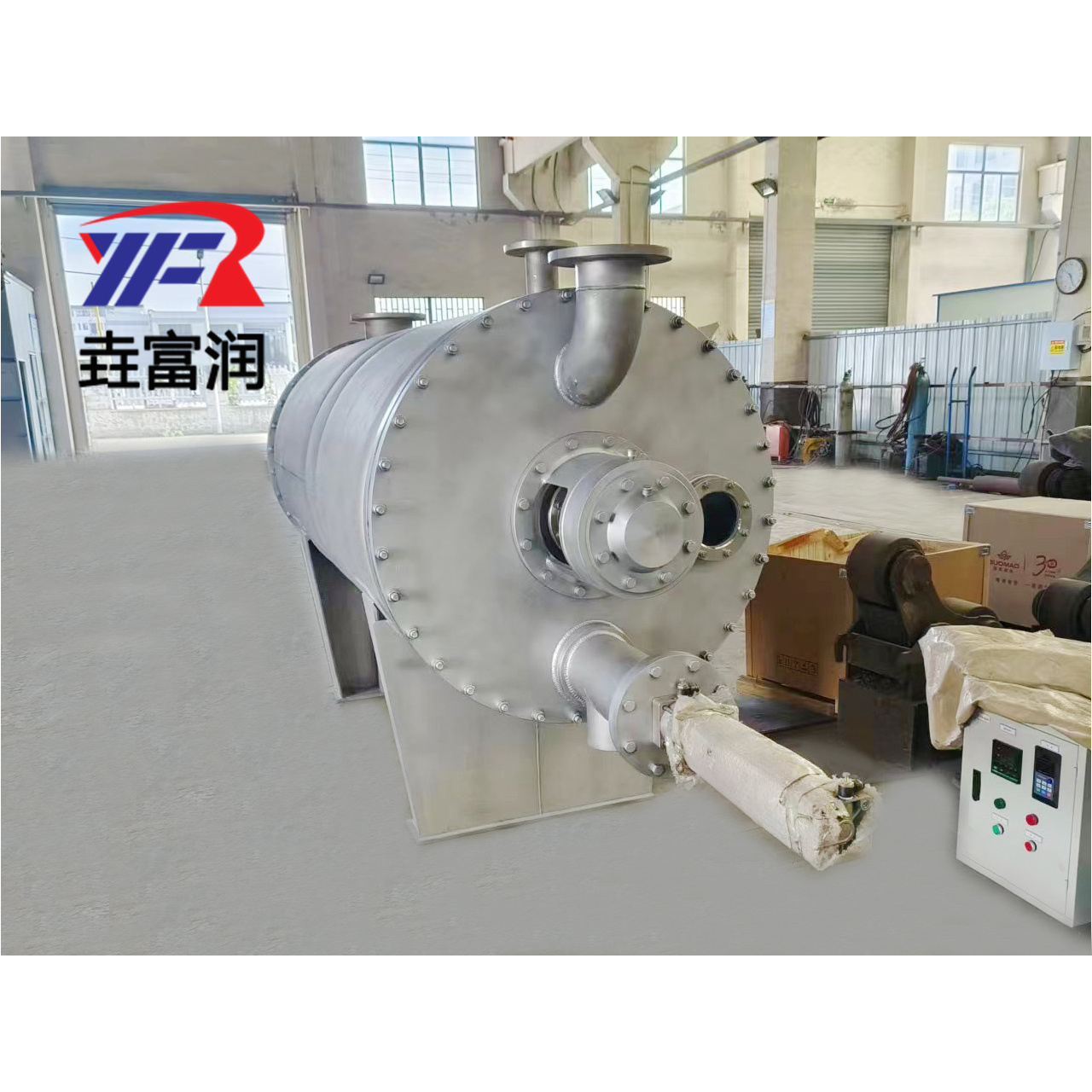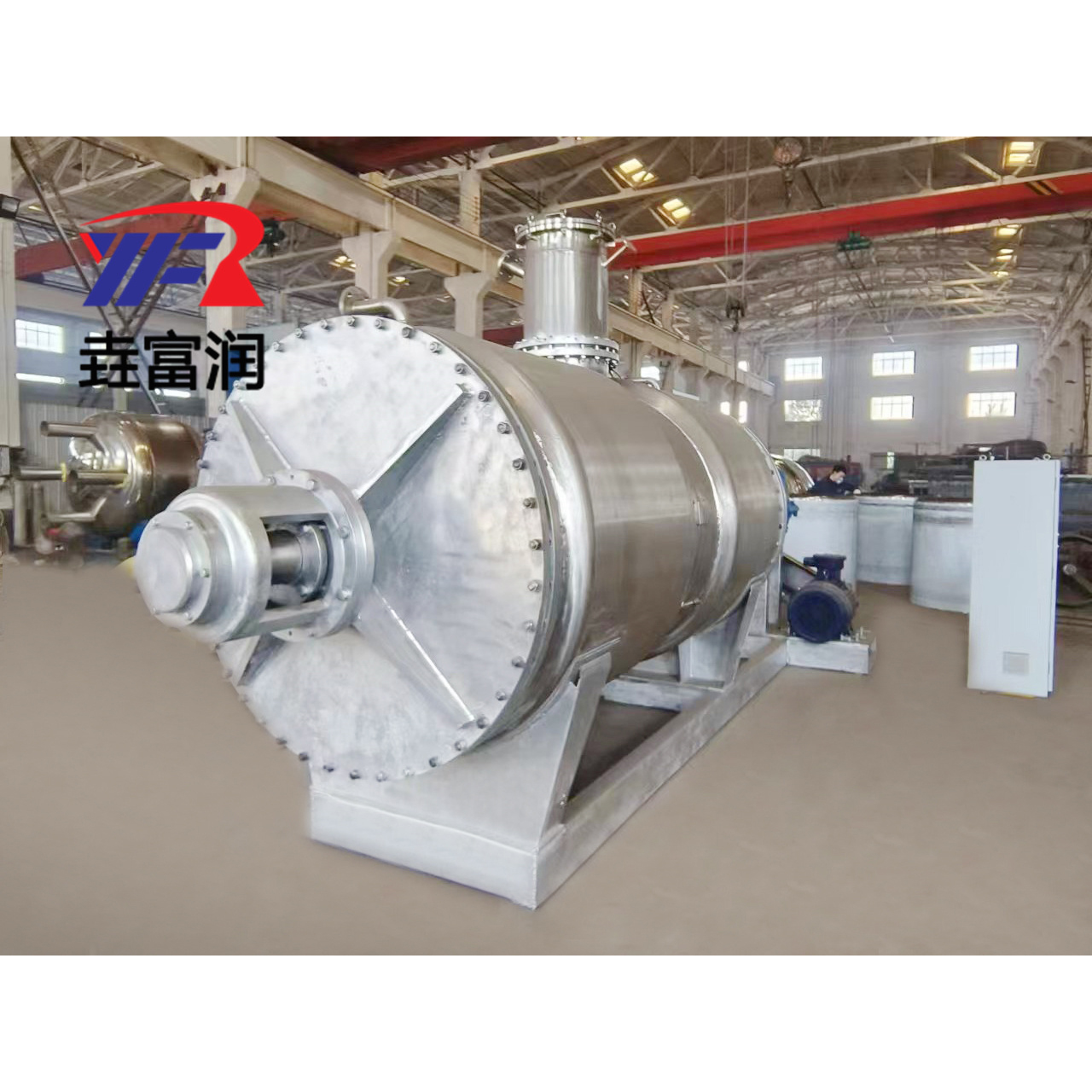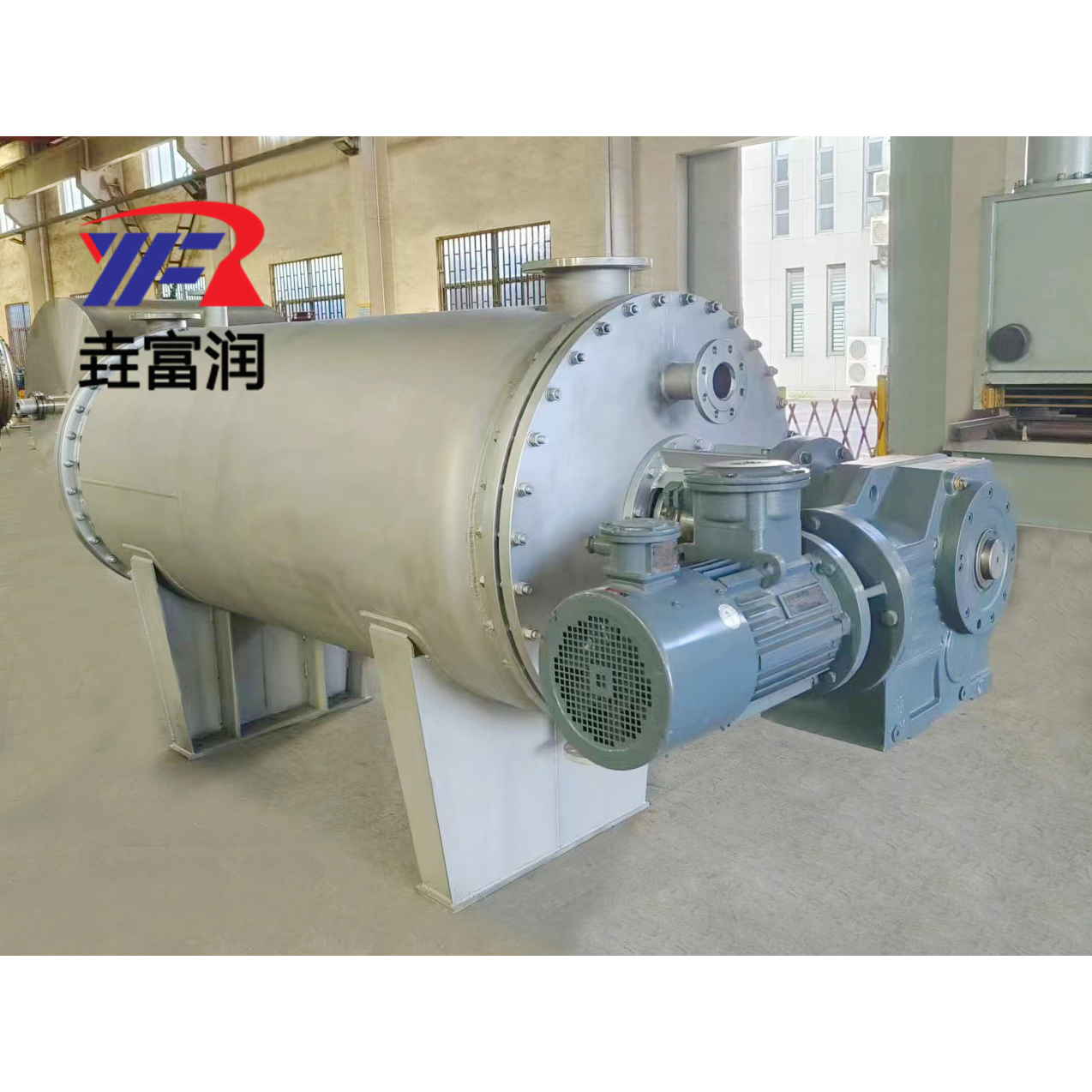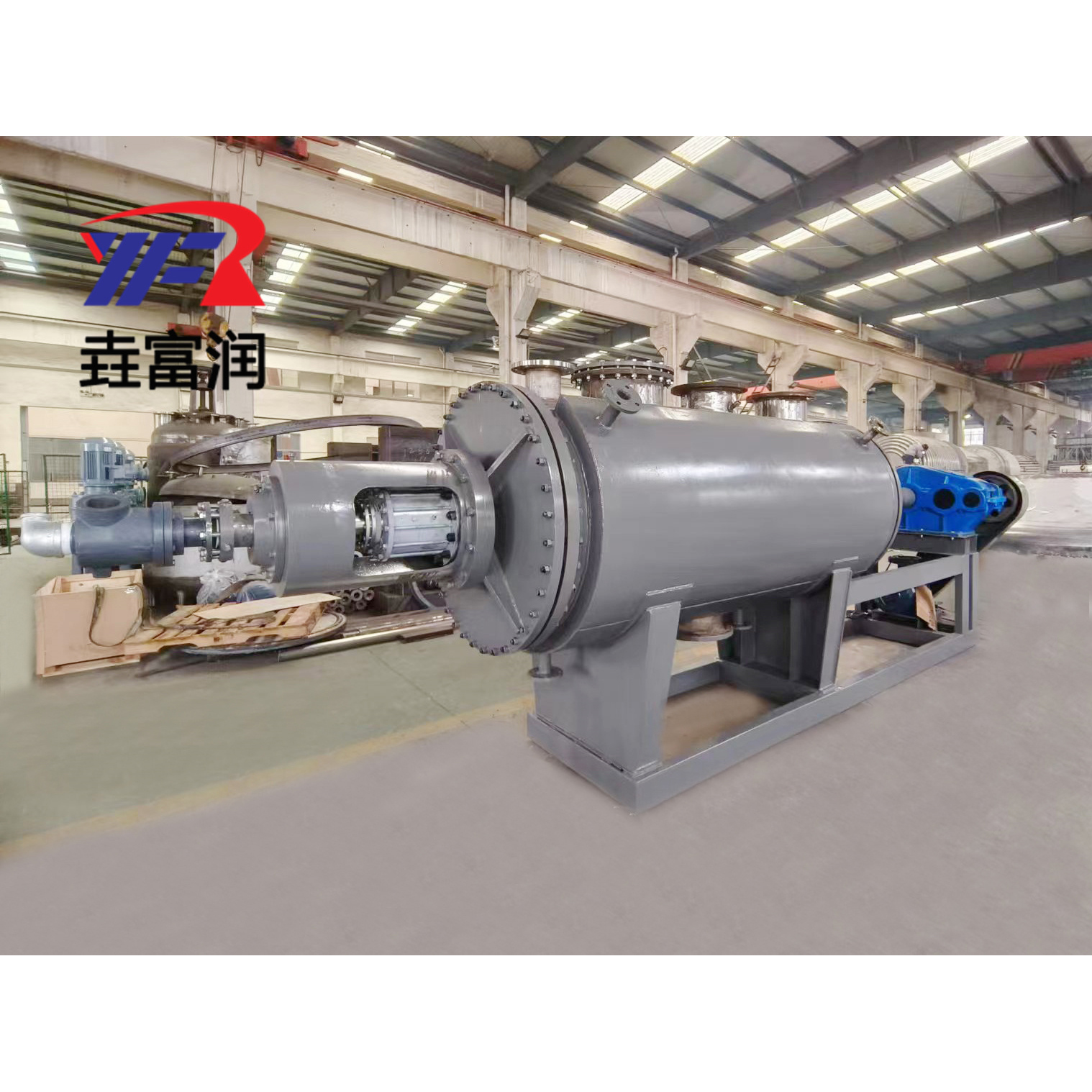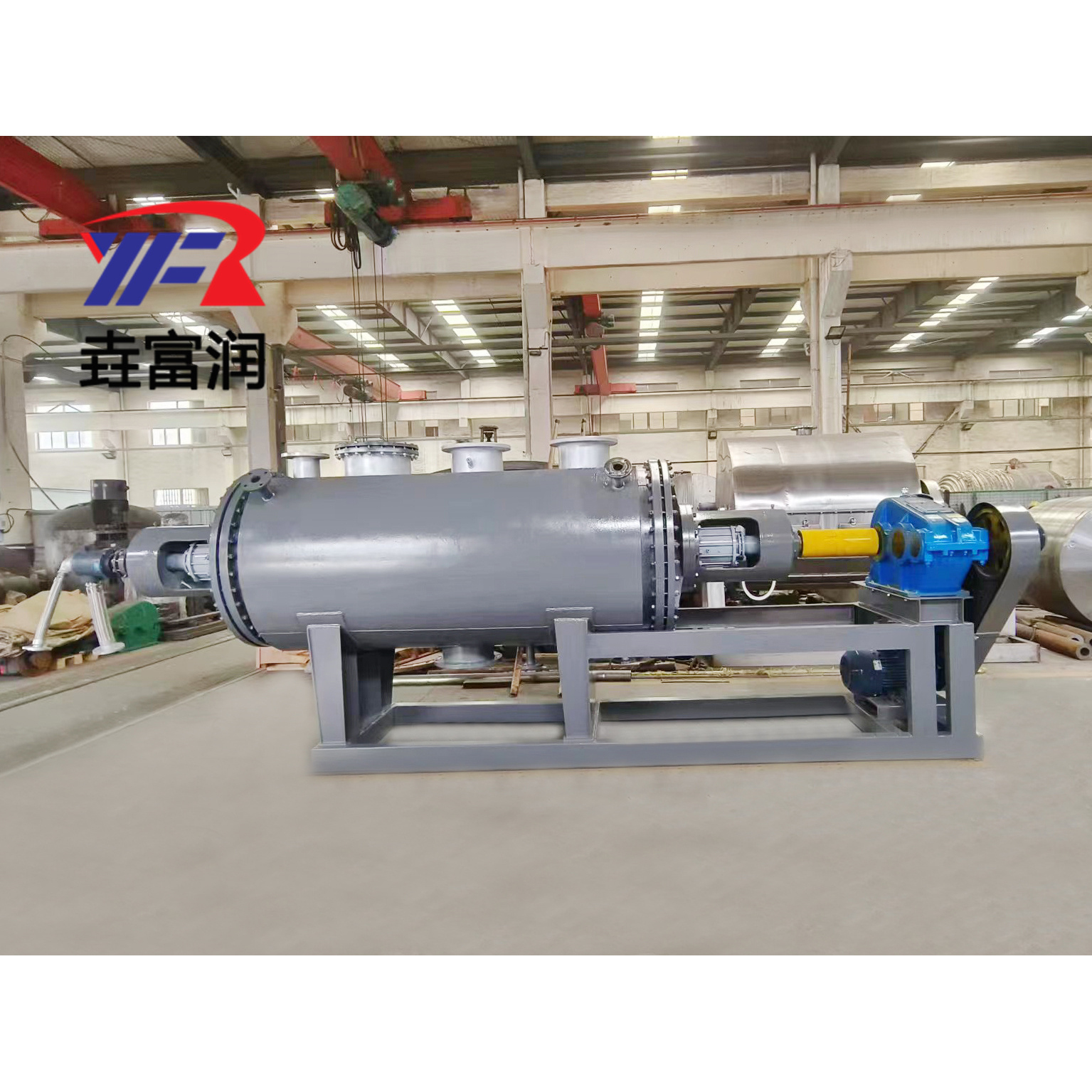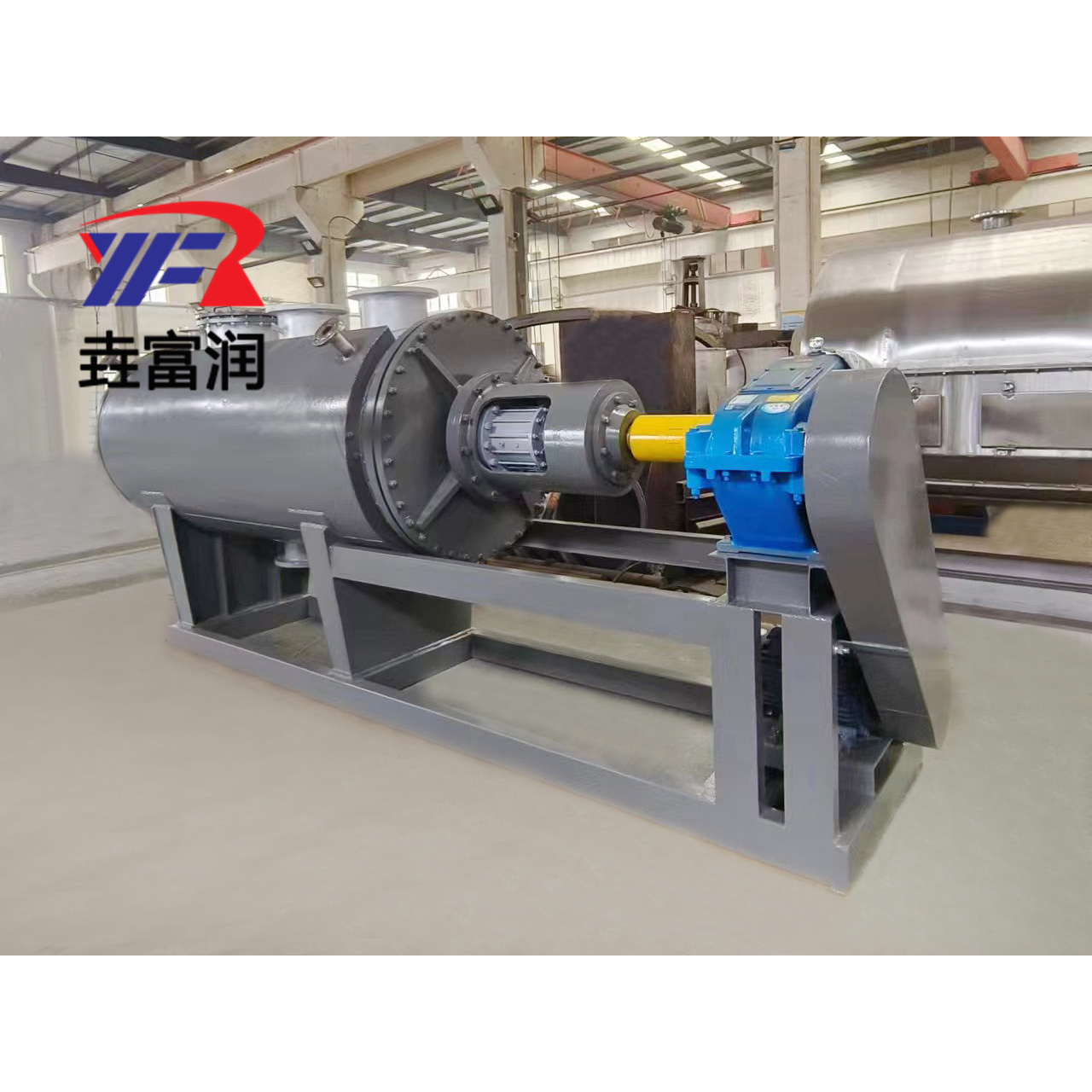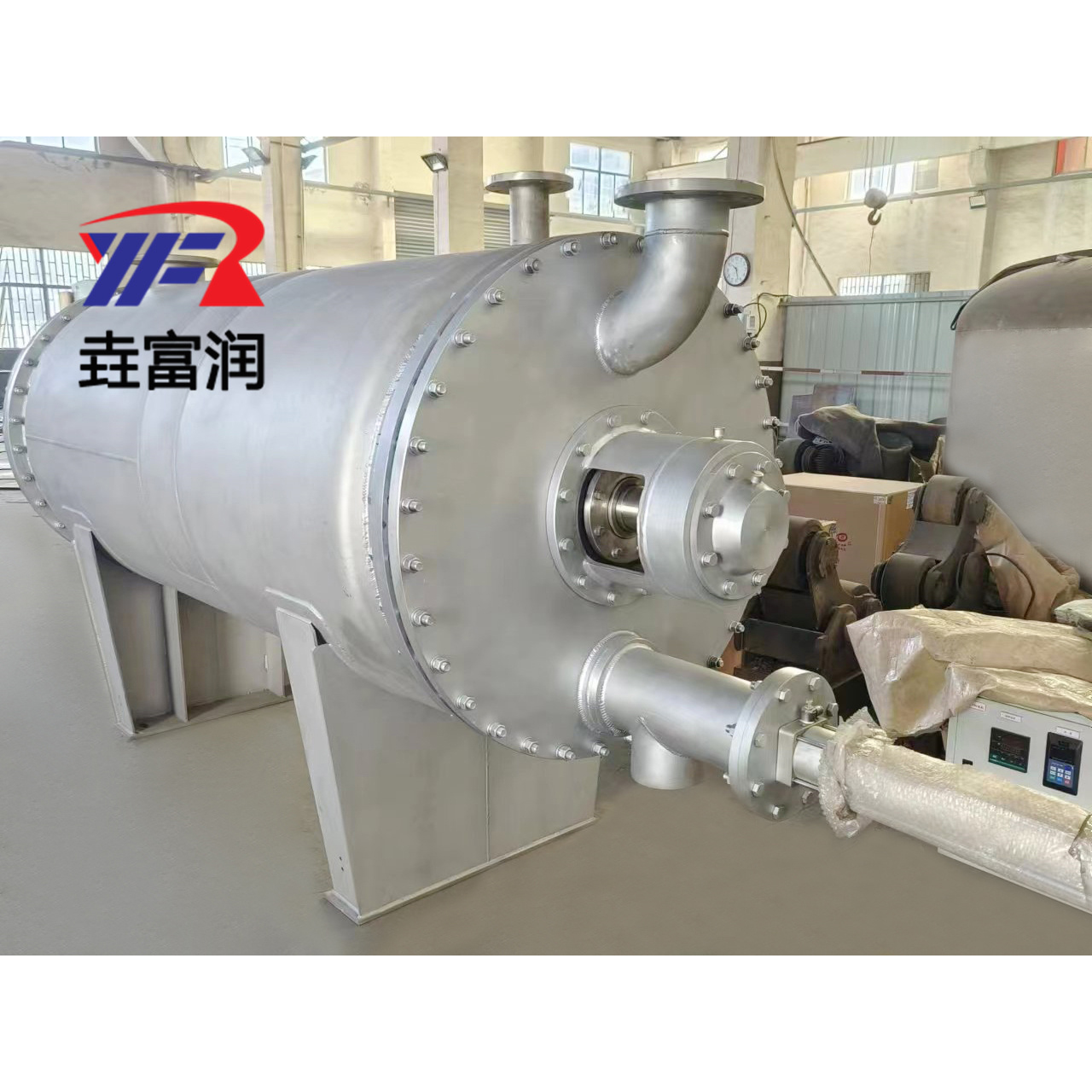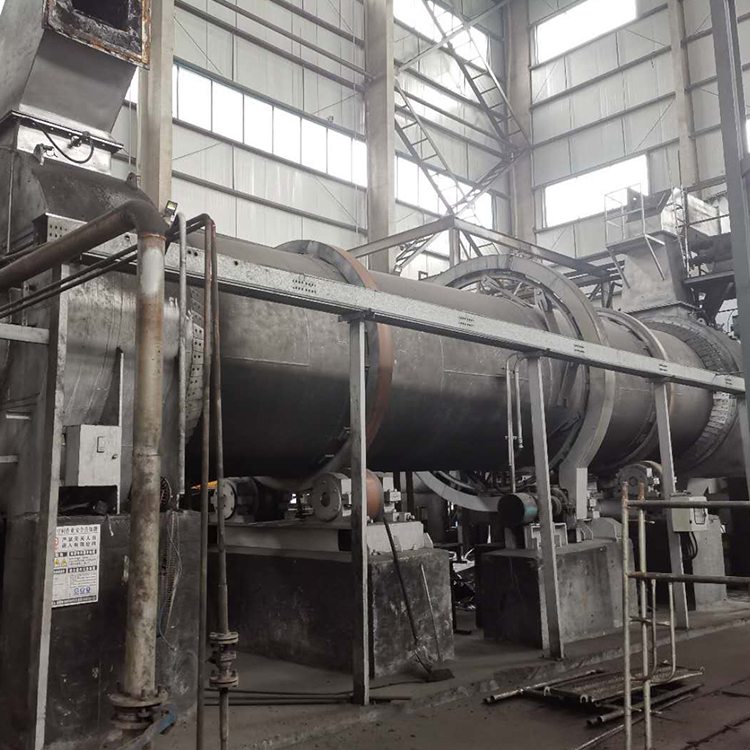

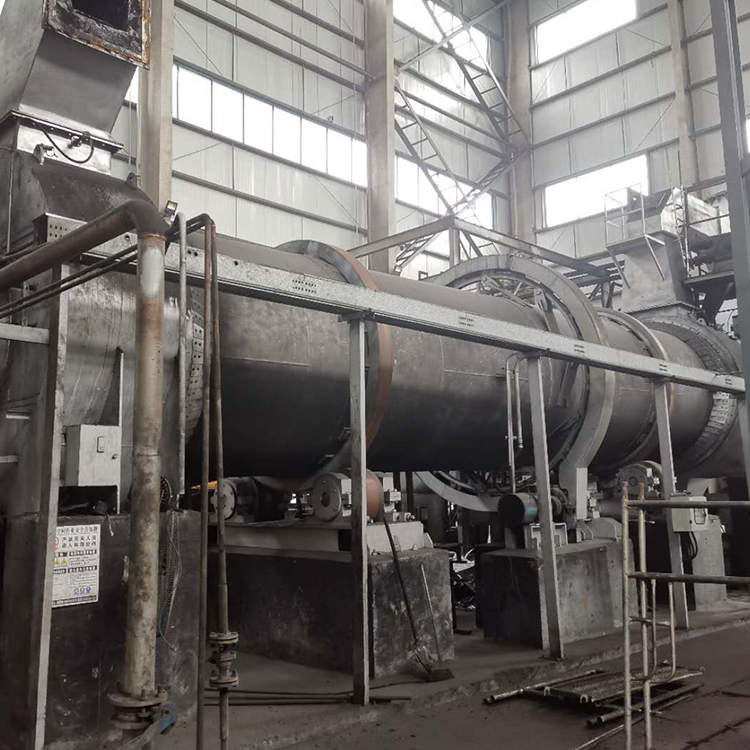
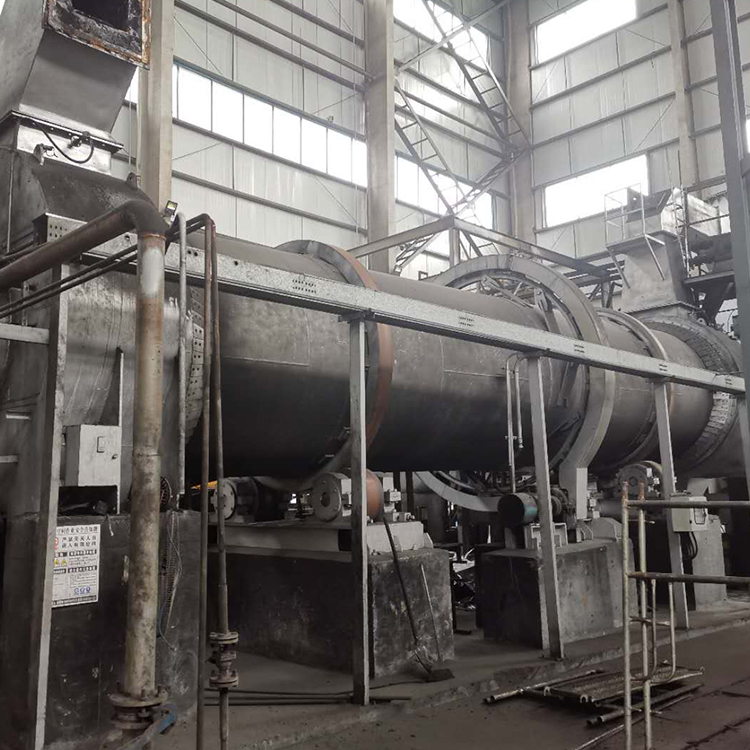
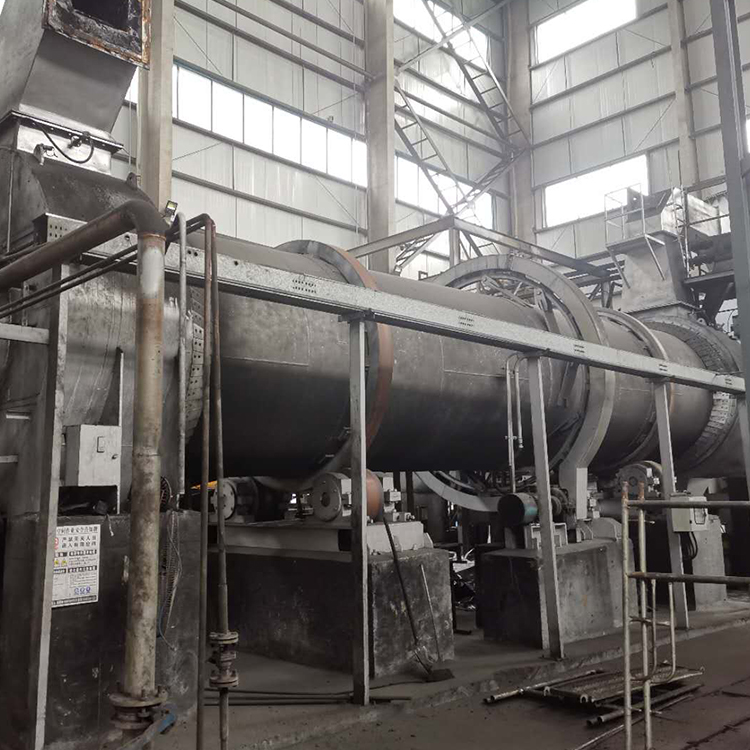


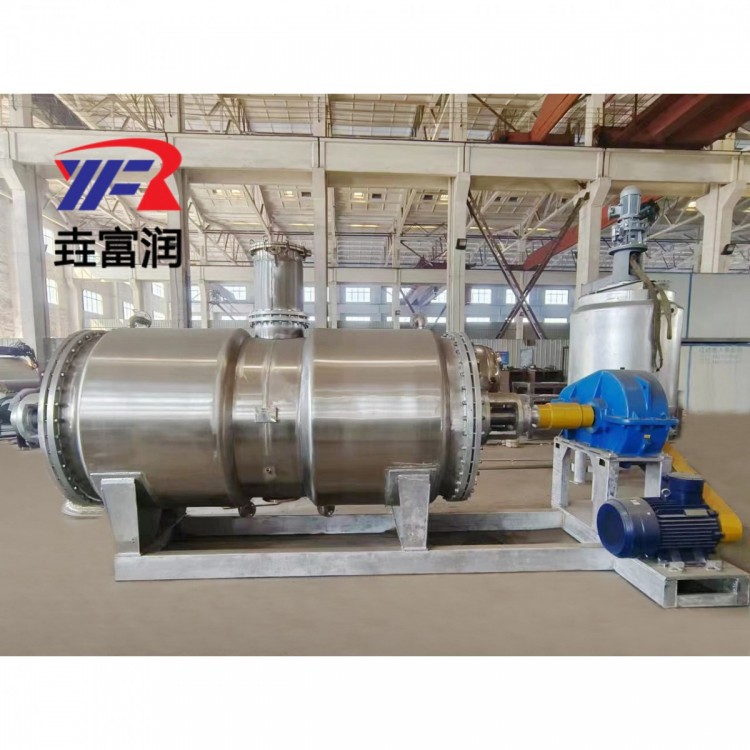
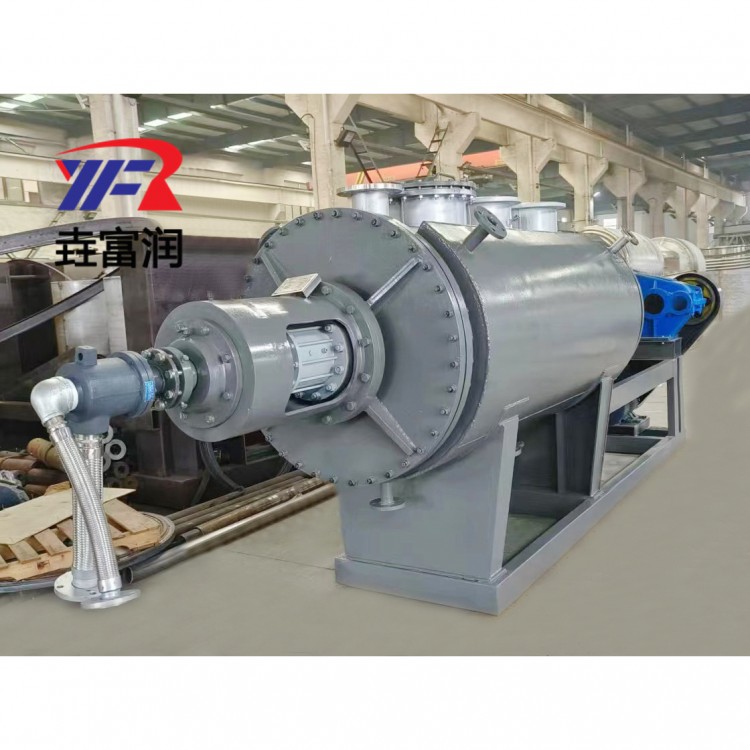
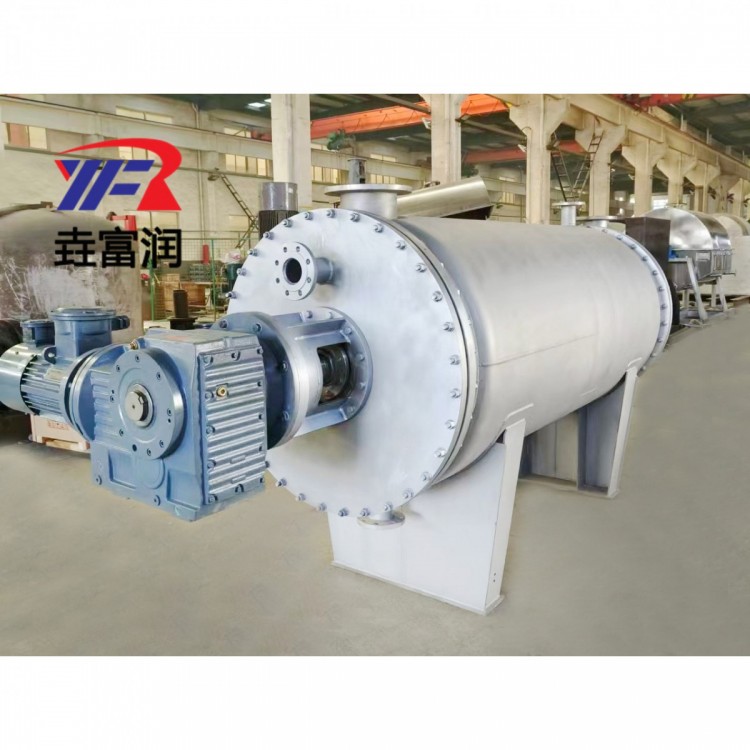
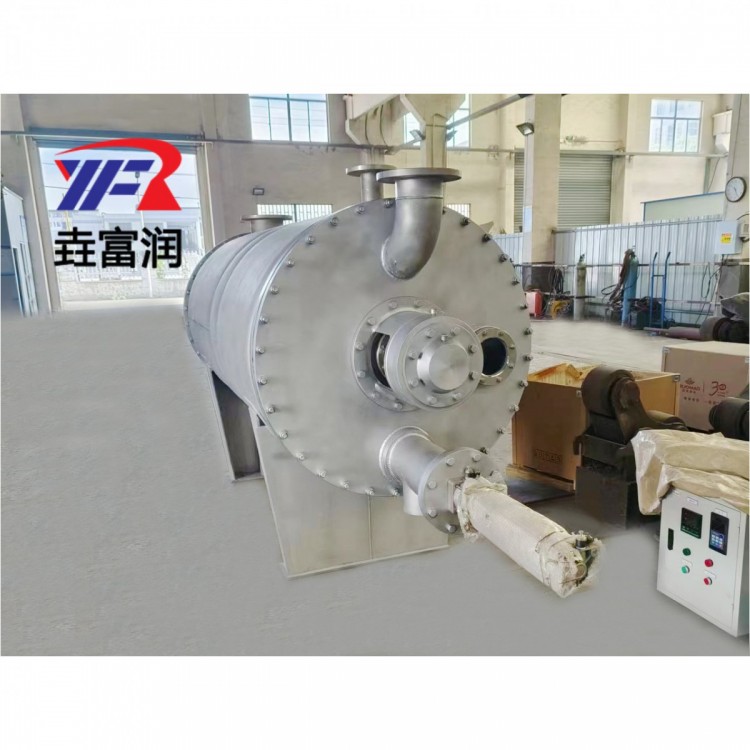
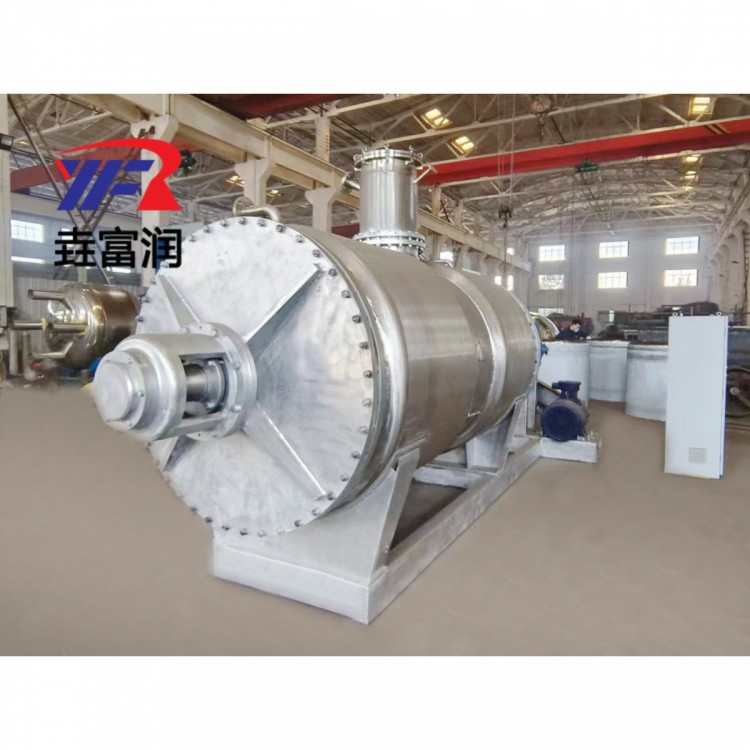





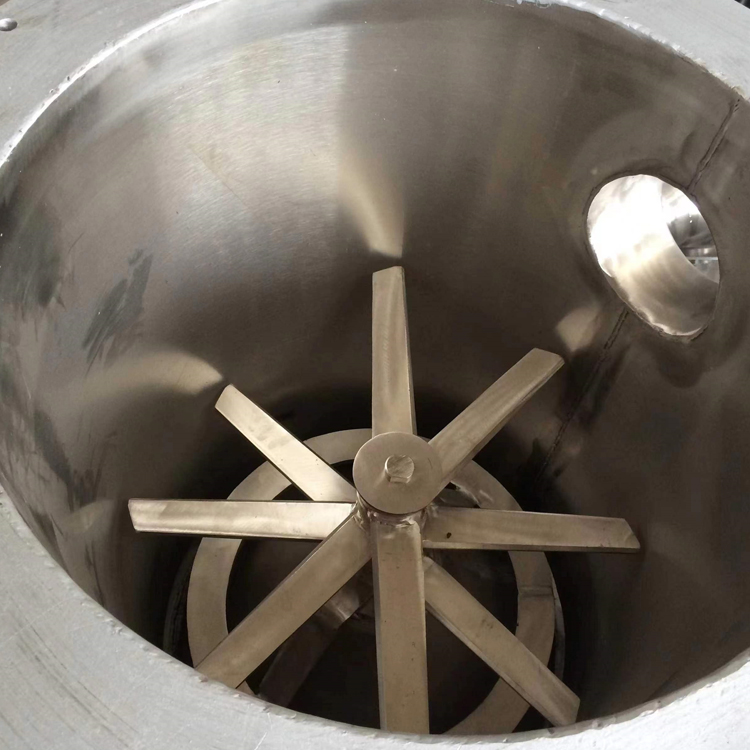
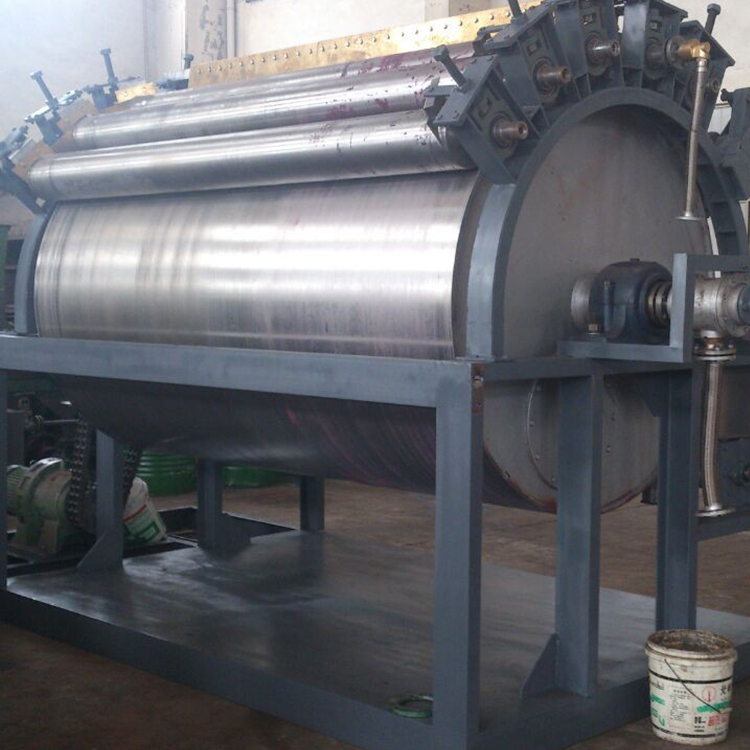
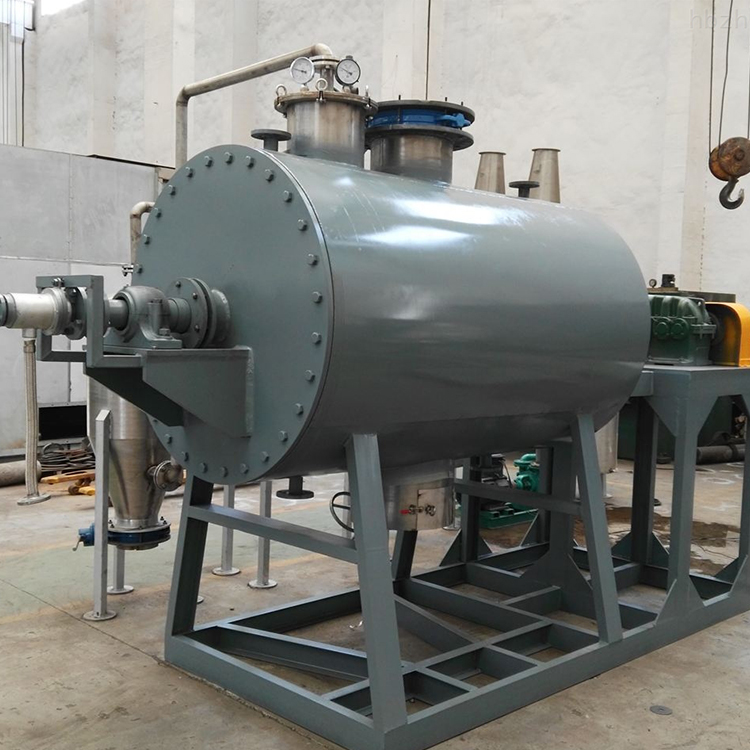
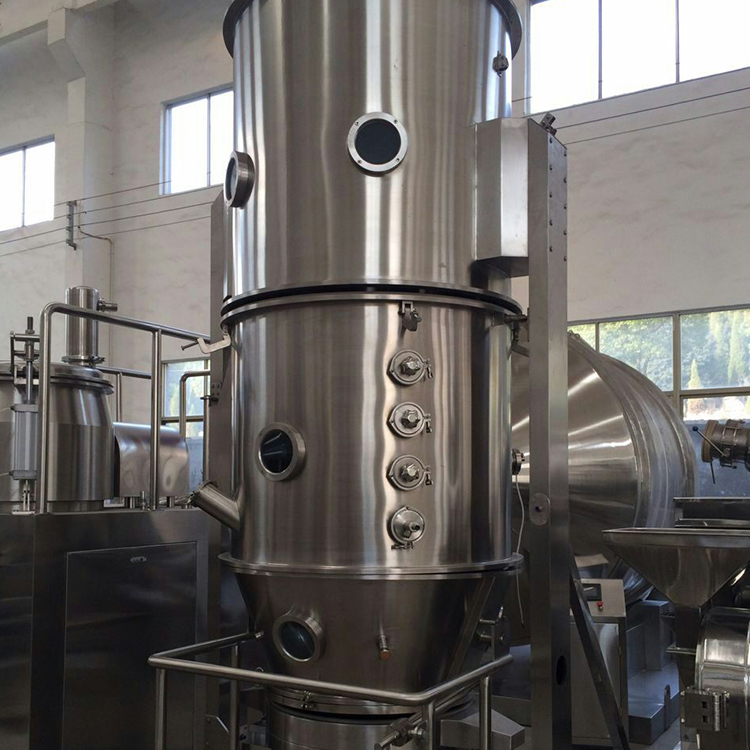
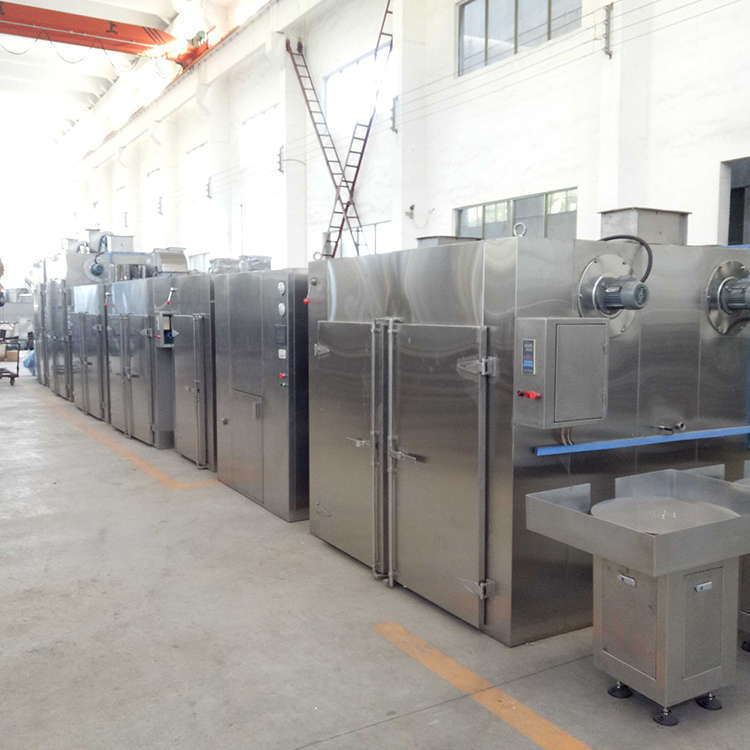

Sludge calcination kiln
Product Introduction:
Sludge calcining kilnThe sludge incineration and disposal equipment and technology utilize a double-tube plug-in type rotary kiln calcination process. Matching with this are aging, conveying, mixing, metering, feeding, kiln ball formation, heat treatment, cooling, screening and grading, as well as the corresponding calcination technology. It also boasts equipment matching, automation control technology capabilities, and experience.
Sludge calcining kilnIn terms of processing capacity, due to its significant heat capacity in large-scale cement production, it allows for moderate fluctuations in the quantity and quality of incoming materials. This enables it to accommodate minor composition changes caused by the inclusion of waste, far exceeding the processing capabilities of existing professional waste treatment equipment in terms of waste utilization scale.
Sludge calcination kilnAdvantages:
1High efficiency, high capacity. These are the unique advantages it demonstrates over traditional equipment; its work efficiency is exceptionally high, and its production capacity is far superior to that of general rotary kiln equipment.5——8Multiple.
2Due to the fact thatSludge calcining kilnHighly automated, it operates extremely smoothly and maintains a stable working condition, significantly reducing the complexity of user operation.
3、Sludge calcination kilnThis is a high-quality piece of equipment, which is evident from its structural composition and configuration. As a result, the quality of this device is even more assured, leading to high user satisfaction.
Product Parameters:
Form | Unit | Direct heating, upstream flow | Direct heating, countercurrent flow | Direct heating countercurrent type | Direct heating counter-current type | Compound Heating | Composite heating |
Material Types | Ore | HP Foaming Agent | Blast Furnace Slag | Ammonium sulfate | Phosphorus fertilizer | ||
Processing Volume | kg/h | 1000 | 466 | 15000 | 20000 | 12000 | 5000 |
Initial moisture content | % | 30 | 13 | 6 | 1.5 | 5 | 6.5 |
Final moisture content | % | 15 | 0.3 | 1 | 0.1 | 0.1 | 0.1 |
Average particle size | mm | 6.5 | 0.05 | 4.7 | 0.5-1.7 | 0.5 | 5 |
Material Pile Intensity | kg/m3 | 770 | 800 | 1890 | 1100 | 1500 | 750 |
Hot air flow | m3/h | 39000 | 5400 | 10750 | 9800 | 6500 | 16000 |
Inlet Gas Temperature | ℃ | 600 | 165 | 500 | 180 | 650 | 570 |
Export Material Temperature | ℃ | 42 | 100 | 70 | 80 | 75 | |
Heating Method | Natural Gas | Steam + Electric Heating | Heavy Oil | Coal-fired hot air stove | Heavy Oil | Heavy Oil | |
Filling Coefficient | % | 6.3 | 7 | 7.5 | 7.8 | 18 | |
RPM | r·p·m | 4 | 4 | 3.5 | 3 | 4 | 2 |
Inclination | m/m | 0.04 | 0.005 | 0.03 | 0.05 | 0.05 | 0.043 |
Counterfeit quantity | 12 | 24 | 12 | 22 | 6 | ||
Drier Diameter | m | 2.0 | 1.5 | 2 | 2.3 | Inner tube: 0.84, Outer tube: 2 | Inner tube: 0.95, Outer tube: 2.4 |
Drier Length | m | 20 | 12 | 17 | 15 | 10 | 16 |
Drive Power | kw | 22 | 7.5 | 15 | 11 | 11 | 15 |