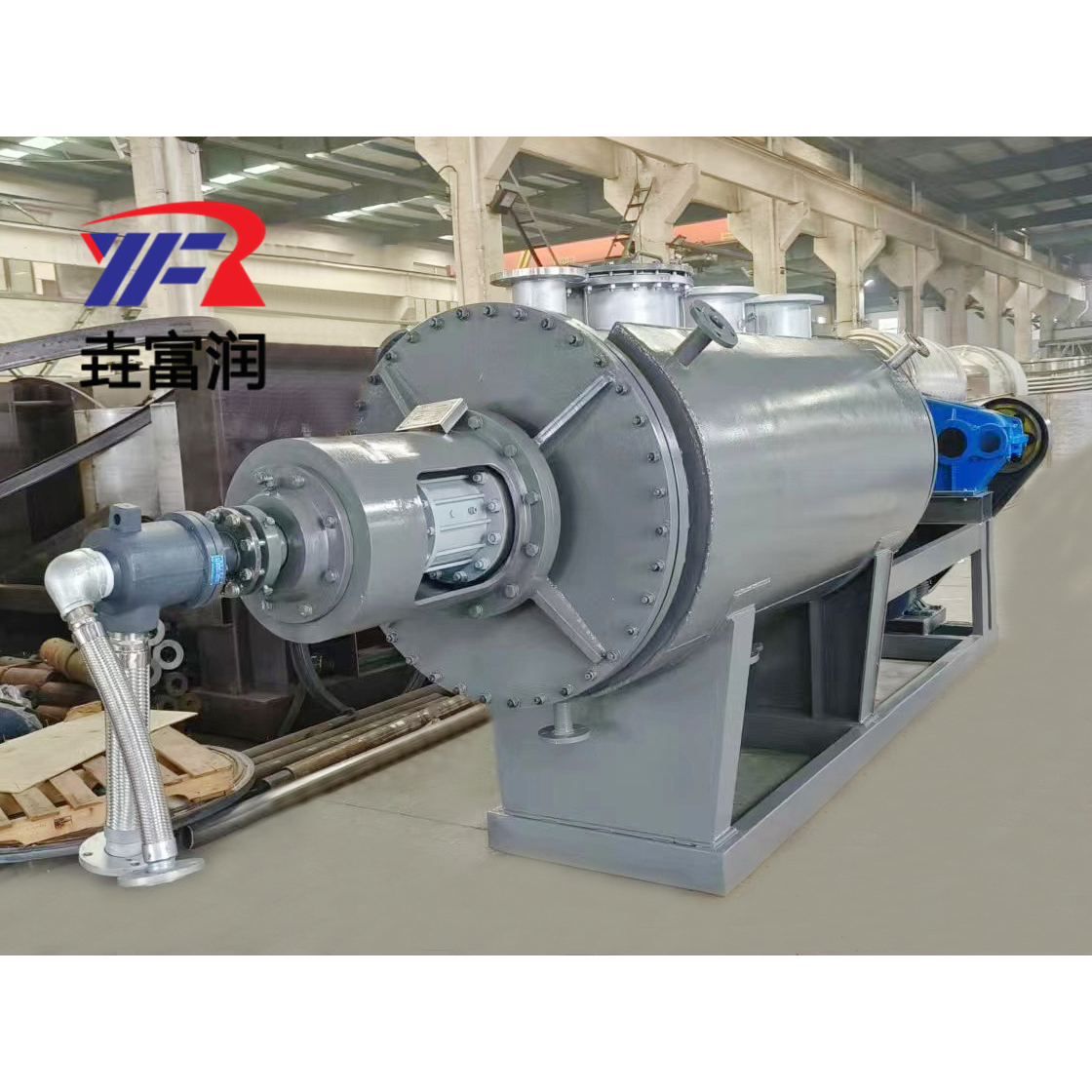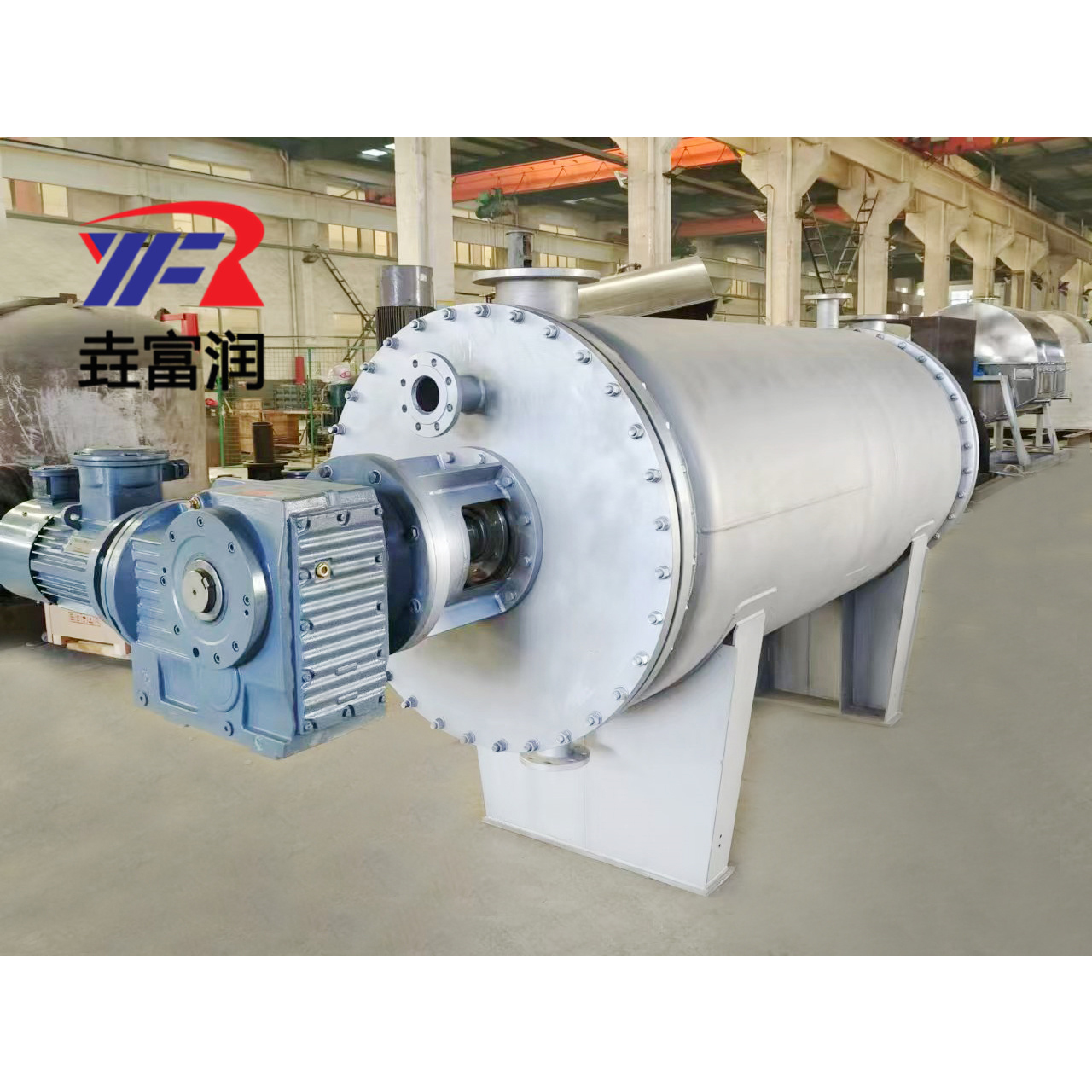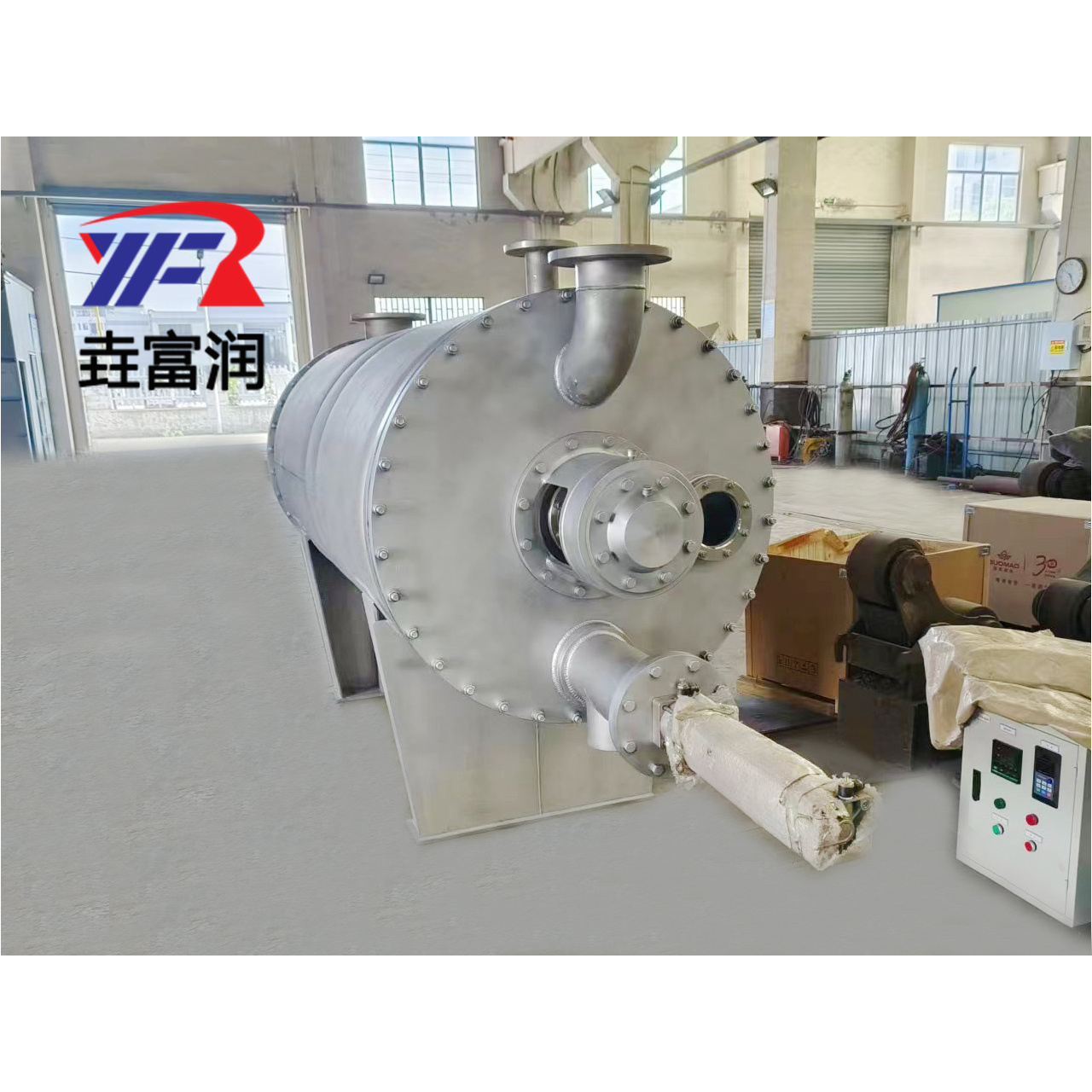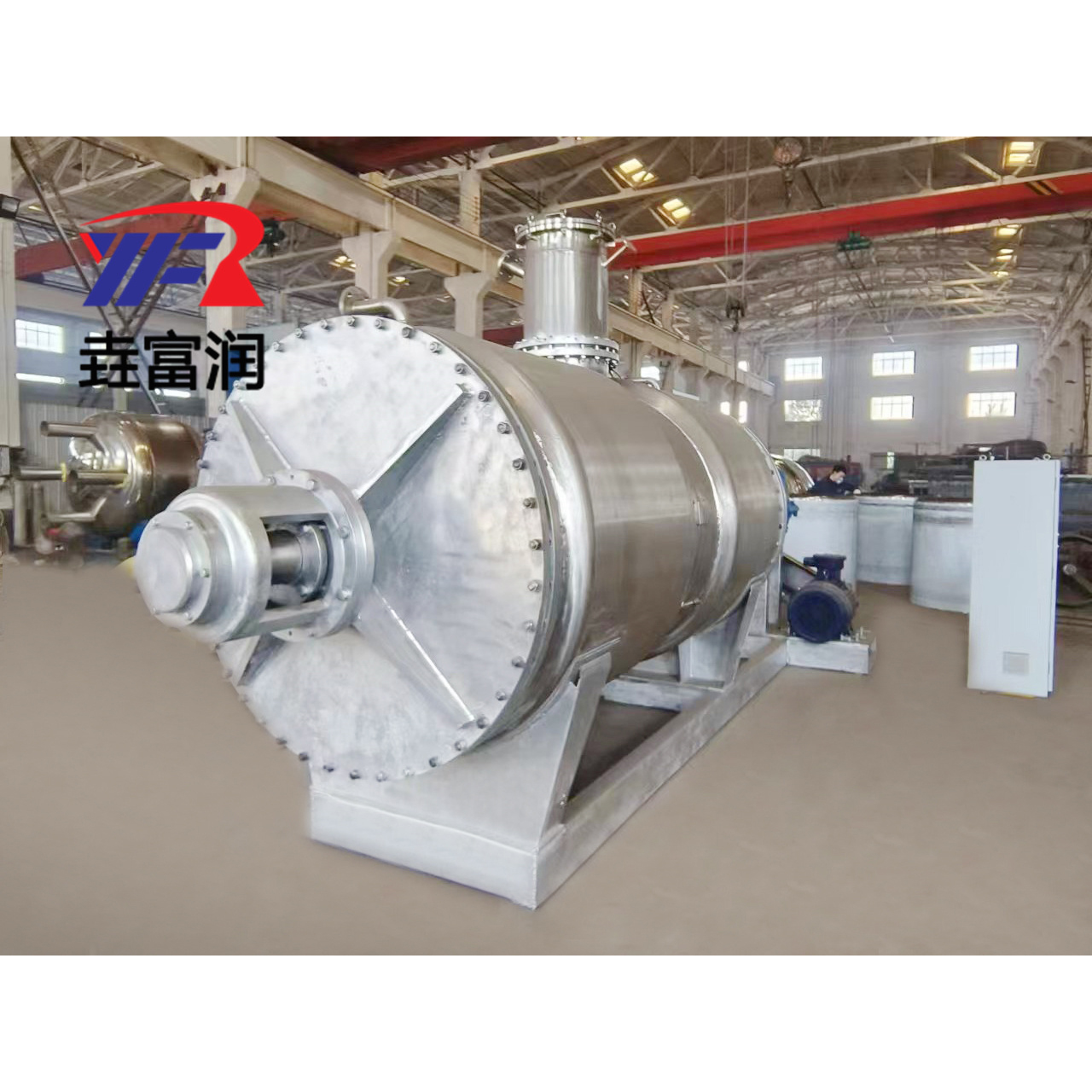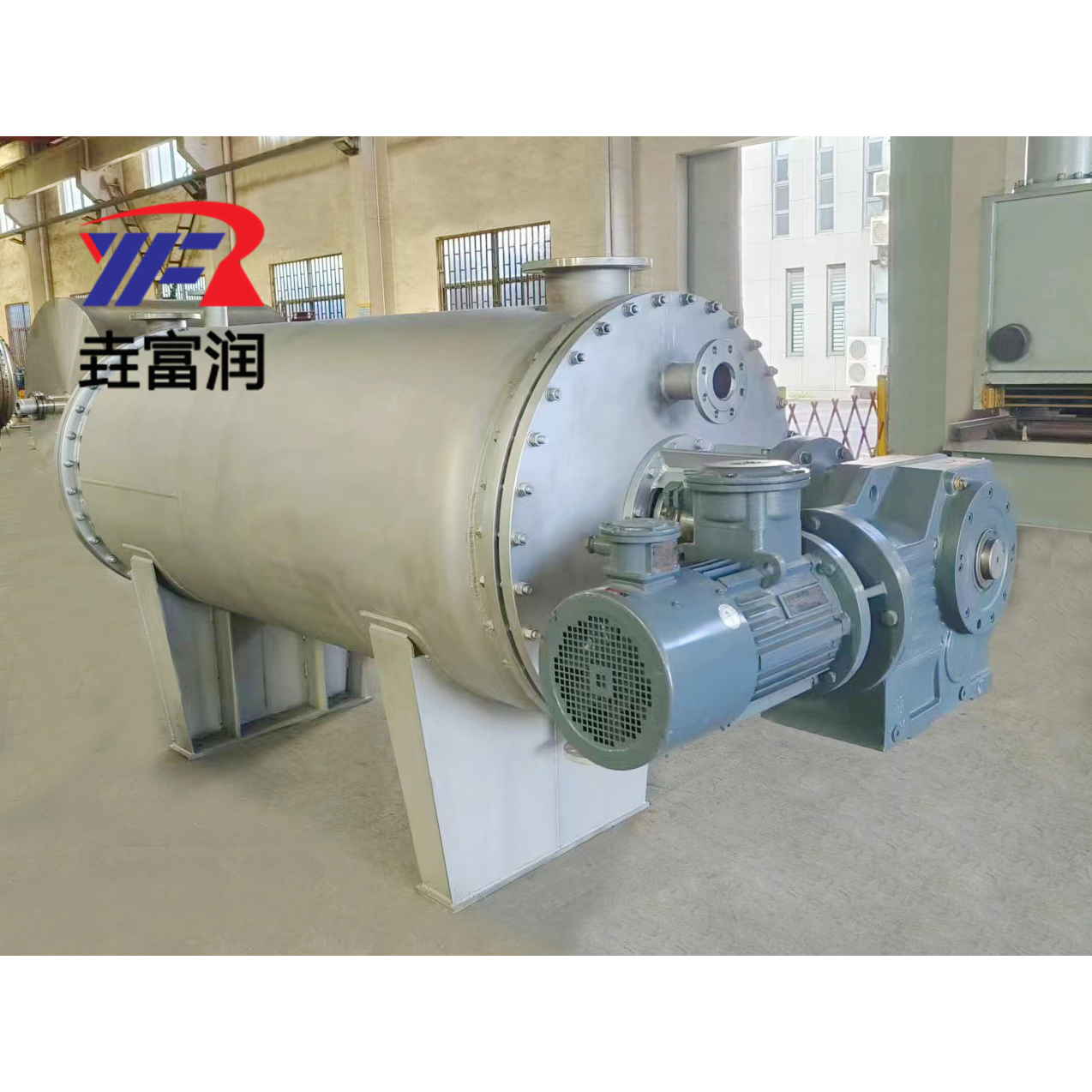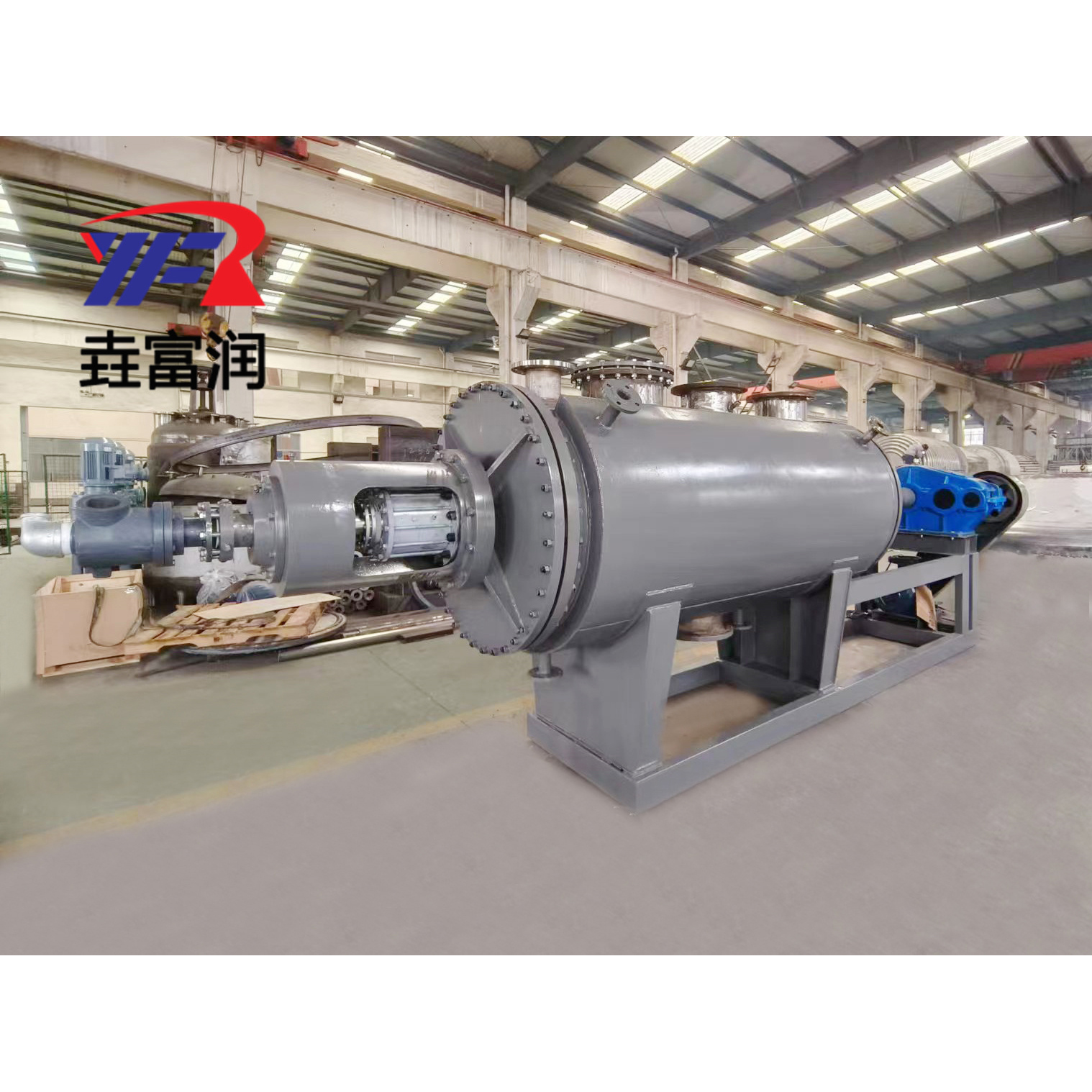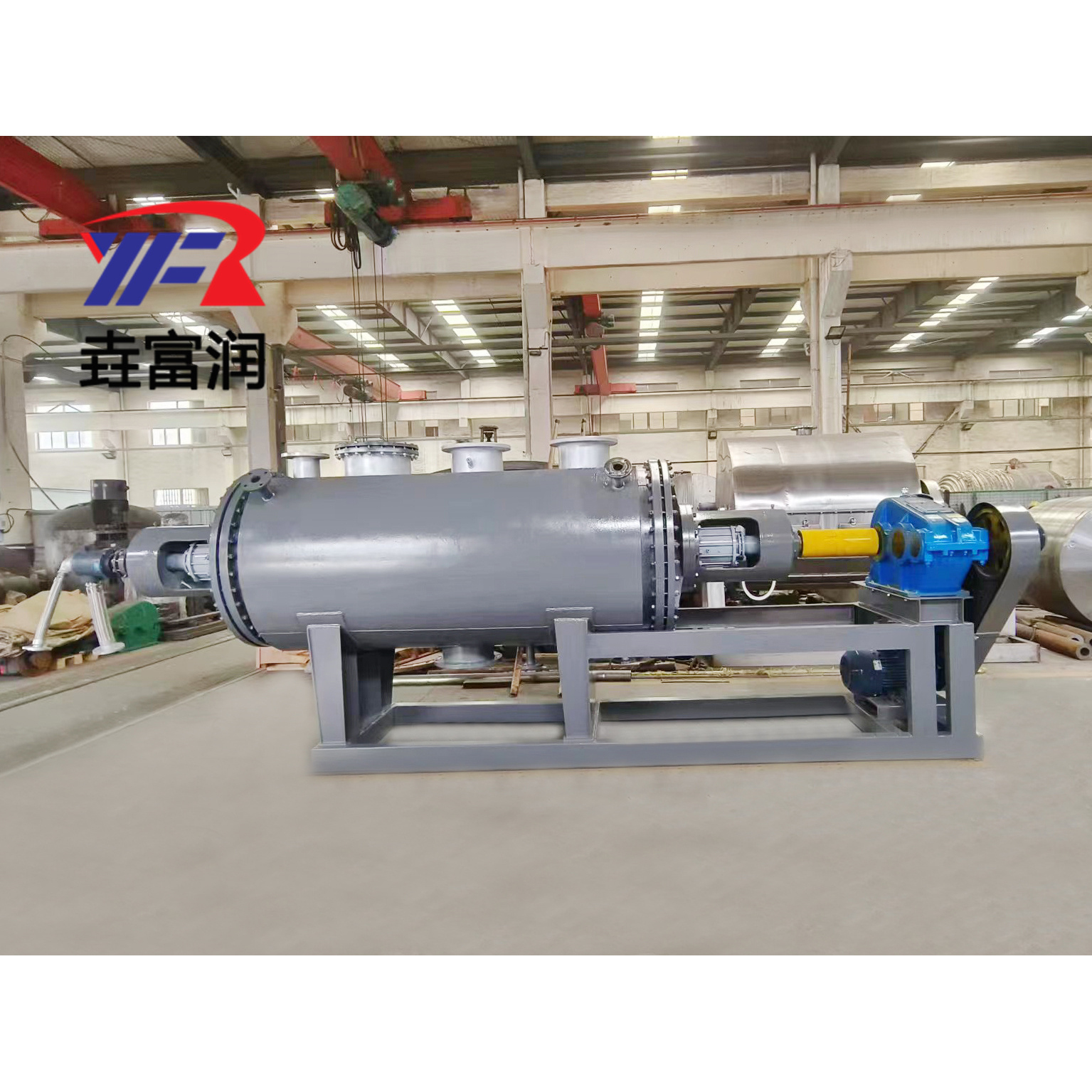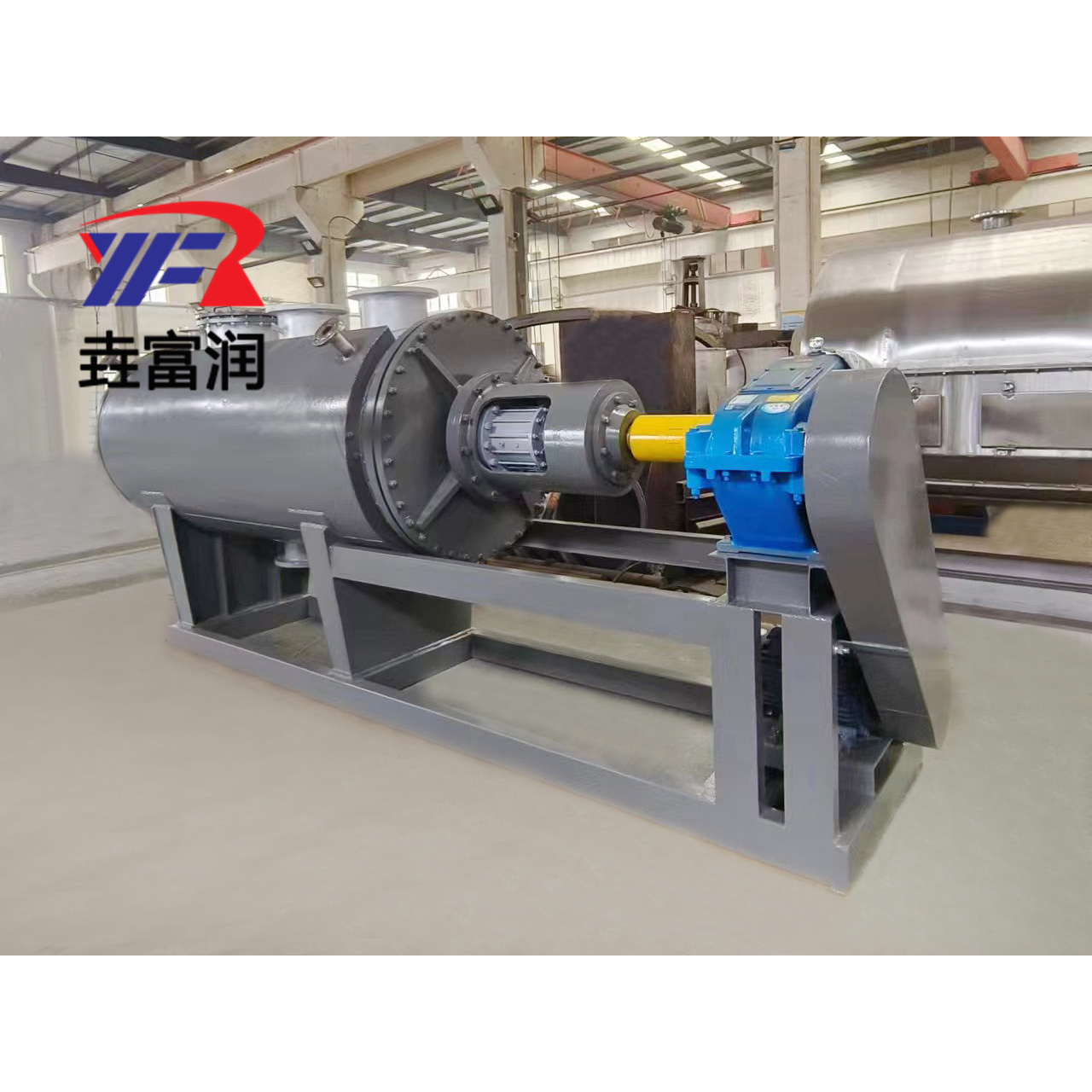








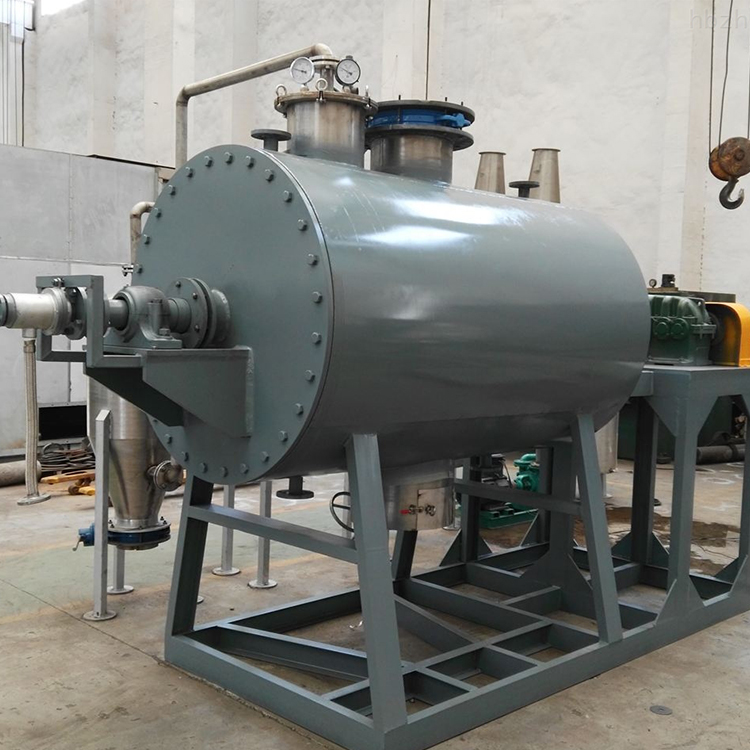
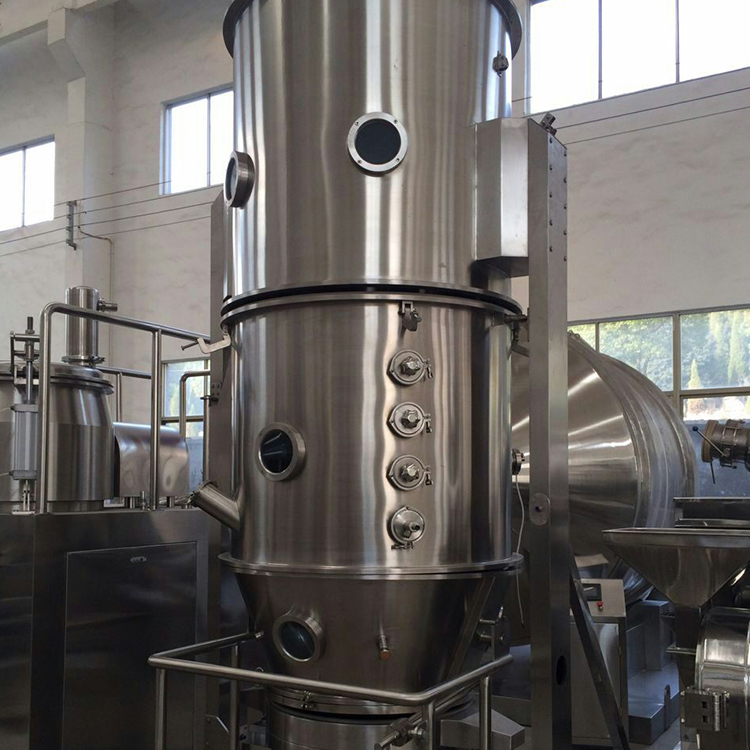

Product Introduction:
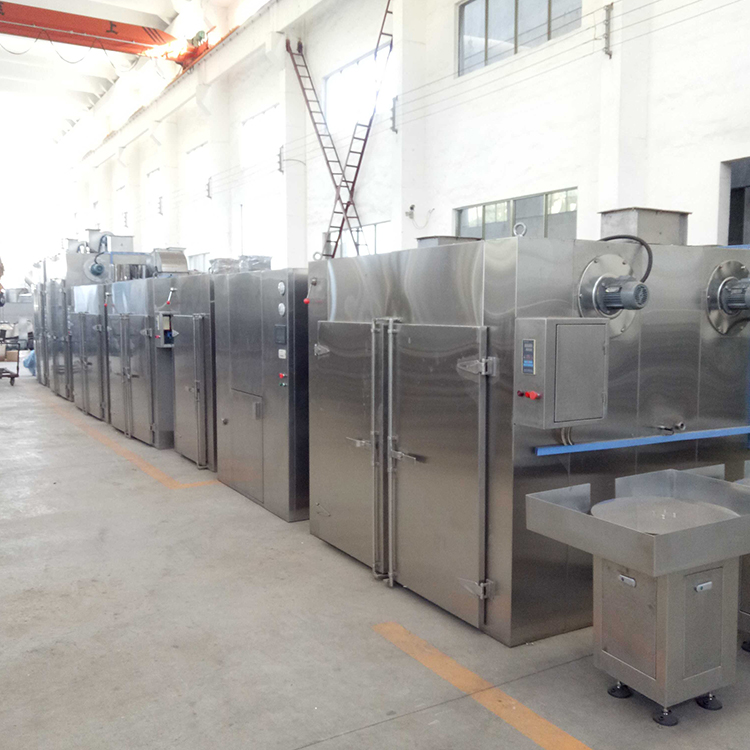
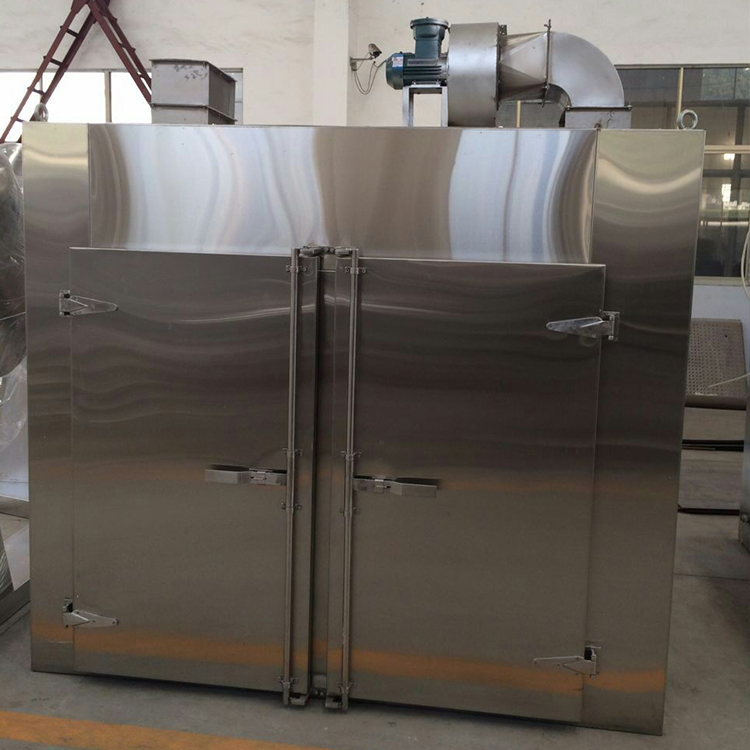
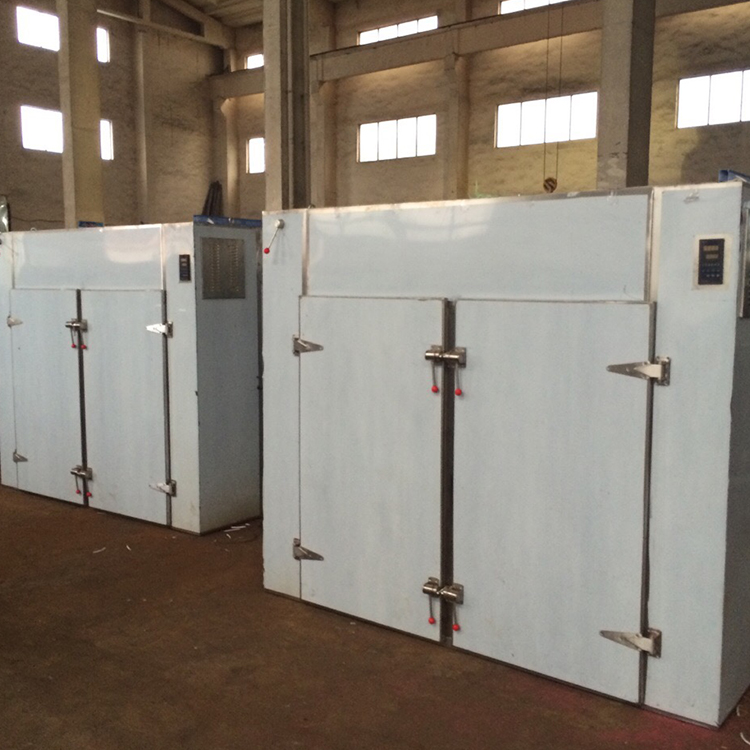
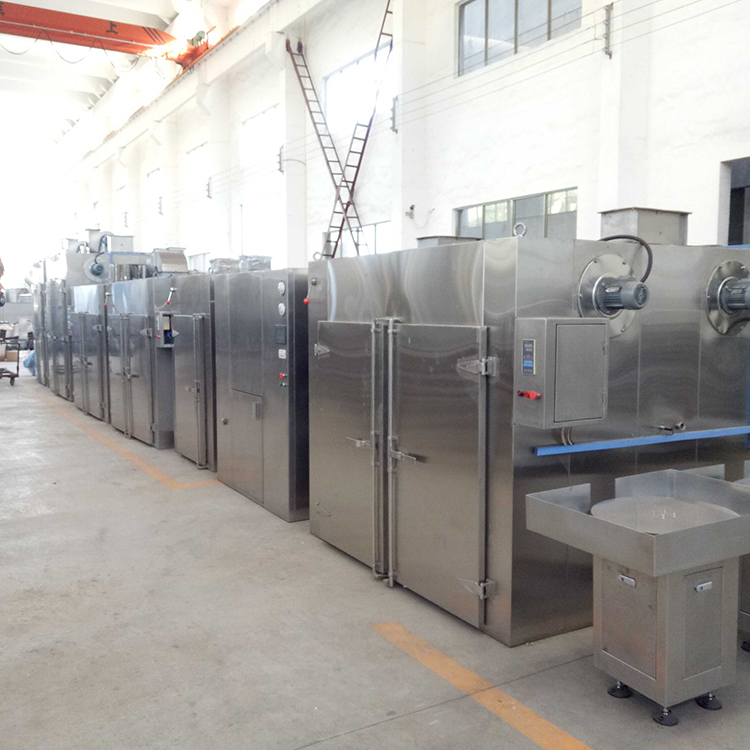
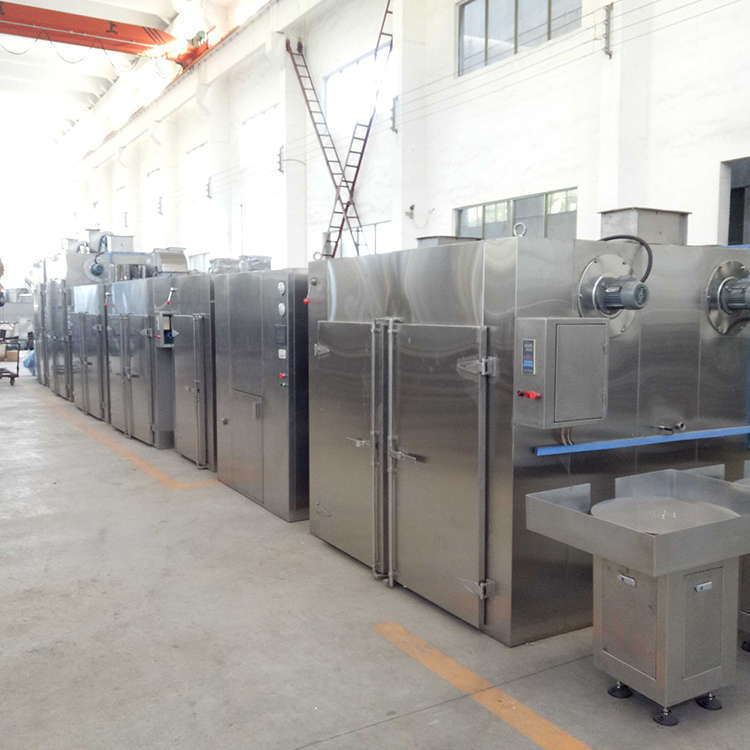
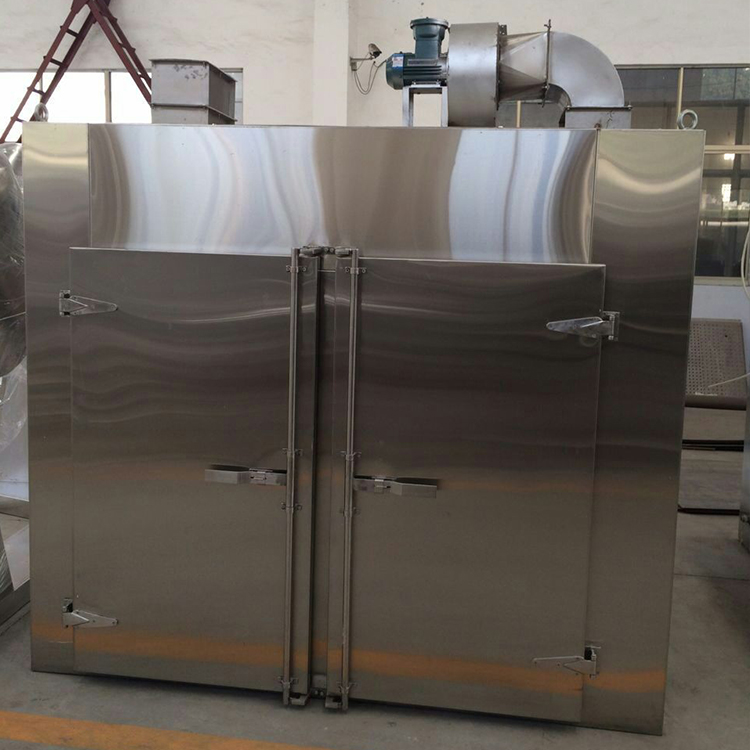
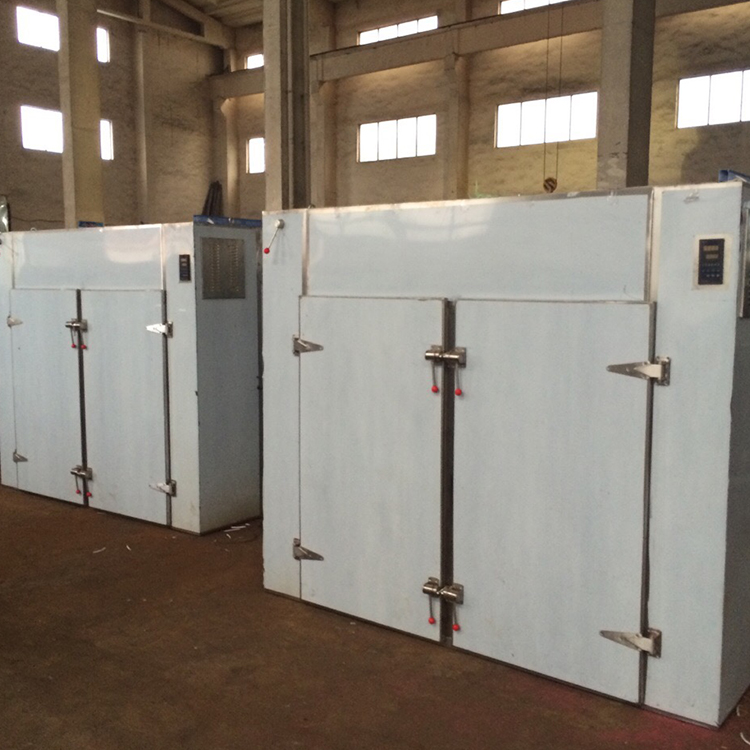
The hot air circulation oven is constructed with angle steel, stainless steel plates, and cold steel plates. The duct design includes two options: horizontal air supply and vertical air supply. The heater can be installed at the bottom, top, or sides. The insulation layer is filled with high-density silica-alumina wool, which ensures the oven's thermal insulation and also guarantees the safety of the user.
The hot air circulation oven can thoroughly dry materials and is widely used in industries such as chemicals. The equipment utilizes automatic heating during the heating process, ensuring high efficiency, and also allows for temperature control.
During operation, a hot air circulation oven may experience temperature differential issues. The user should investigate the problem from the following aspects:
1Inspect common external factors
First, inspect the hot air circulation oven to see if the items being heated are arranged too closely, if the high-temperature filter is clogged, and if the airflow control panel has been altered. After ruling out these causes, then determine if there is a fault with the circulation fan.
2Inspect electrical causes
Check if the source voltage of the hot air circulation oven is normal, for any phase loss or open circuit in the winding. Verify the parameter status to see if there's any human error in operation, causing parameter changes, thereby leading to abnormal system operation and temperature difference.
3Inspect mechanical causes
Inspect the mechanical aspects of the hot air circulation oven for issues such as sweeping, vibration, overheated bearings, damage, loose fan blades, and擦箱壳. Troubleshooting can be tailored to specific situations.
Product Parameters:
Industry Standard Model | Model and Specifications | Each Drying Quantity (kg) | Rated Power (kw) | Steam Consumption (kg/h) | Cooling Area (m²) | Airflow (m³/h) | Temperature Difference Between Upper and Lower (°C) | Baking Pan (Only) | Dimensions: Width x Depth x Height (mm) | Matching oven cars (units) |
RXH-14-B | CT-Ⅰ | 100 | 1.1 | 20 | 20 | 3400 | ±2 | 48 | 2430×1200×2375 | 2 |
RXH-27-B | CT-Ⅱ | 200 | 1.1 | 40 | 40 | 5200 | ±2 | 96 | 2430×2200×2480 | 4 |
RXH-41-B | CT-Ⅲ | 300 | 2.2 | 60 | 80 | 9800 | ±2 | 144 | 3430×2200×2620 | 6 |
RXH-54-B | CT-Ⅳ | 400 | 2.2 | 80 | 100 | 9800 | ±2 | 192 | 4460×2200×2620 | 8 |
RXH-5-C | CT-C-O | 25 | 0.45 | 5 | 5 | 3450 | 0 | 16 | 1280×1100×1750 | 0 |
RXH-7-C | CT-C-ⅠA | 50 | 0.45 | 10 | 10 | 3450 | ±2 | 24 | 1400×1200×2000 | 1 |
RXH-14-C | CT-C-Ⅰ | 120 | 0.45 | 18 | 20 | 3450 | ±2 | 48 | 2300×1200×2000 | 2 |
RXH-27-C | CT-C-Ⅱ | 240 | 0.9 | 36 | 40 | 6900 | ±2 | 96 | 2300×2200×2000 | 4 |
RXH-27A-C | CT-C-ⅡA | 240 | 0.9 | 36 | 40 | 6900 | ±2 | 96 | 4460×1200×2290 | 4 |
RXH-41-C | CT-C-Ⅲ | 360 | 1.35 | 54 | 80 | 10350 | ±2 | 144 | 2300×3220×2000 | 6 |
RXH-42A-C | CT-C-Ⅲ | 360 | 1.35 | 54 | 80 | 10350 | ±2 | 144 | 3430×2200×2000 | 6 |
RXH-54-C | CT-C-Ⅳ | 480 | 1.8 | 72 | 100 | 13800 | ±2 | 192 | 4460×2200×2290 | 8 |
RXH-25-A | High-Temperature Far-Infrared Sterilization Oven | 1200×1000×1600 | 1 | |||||||