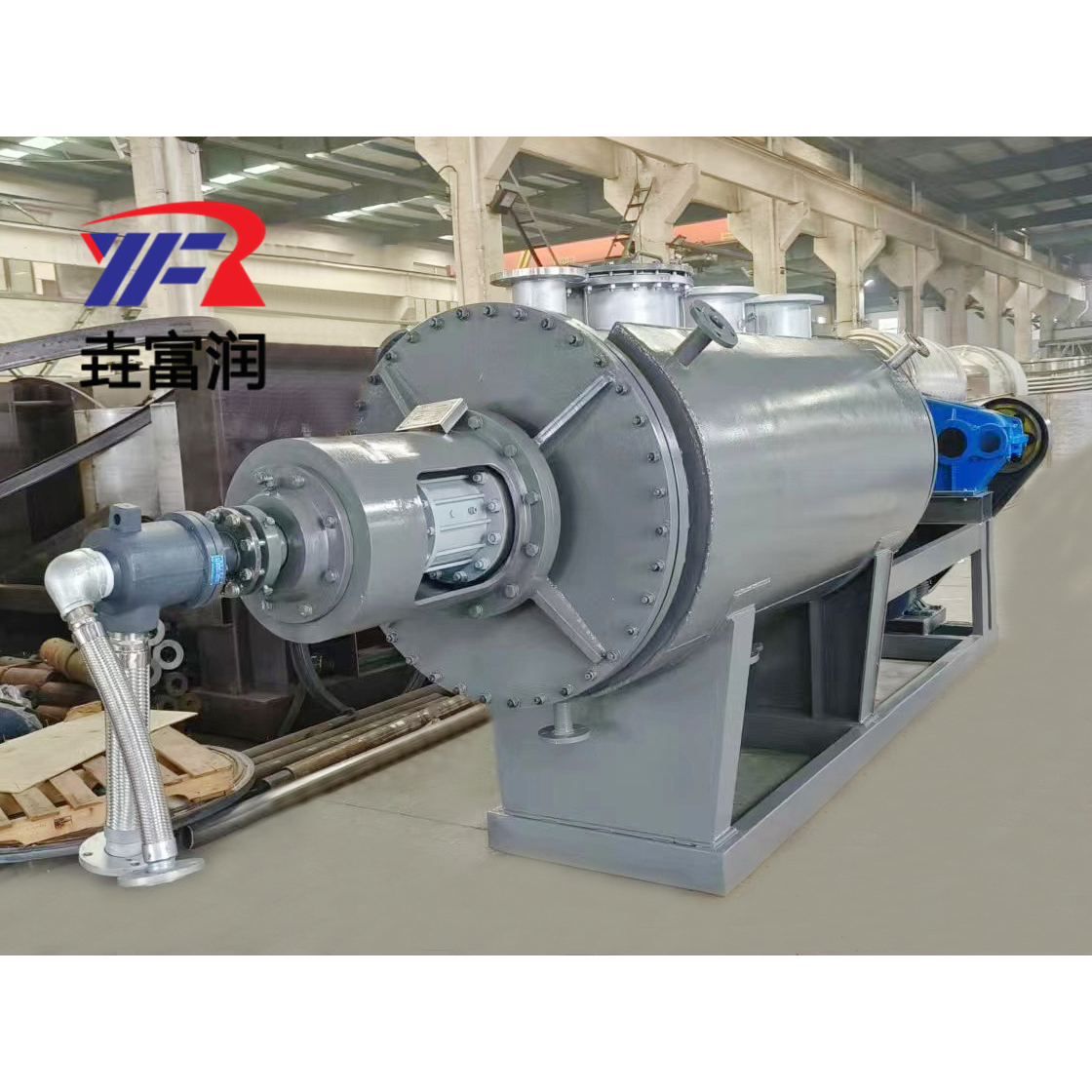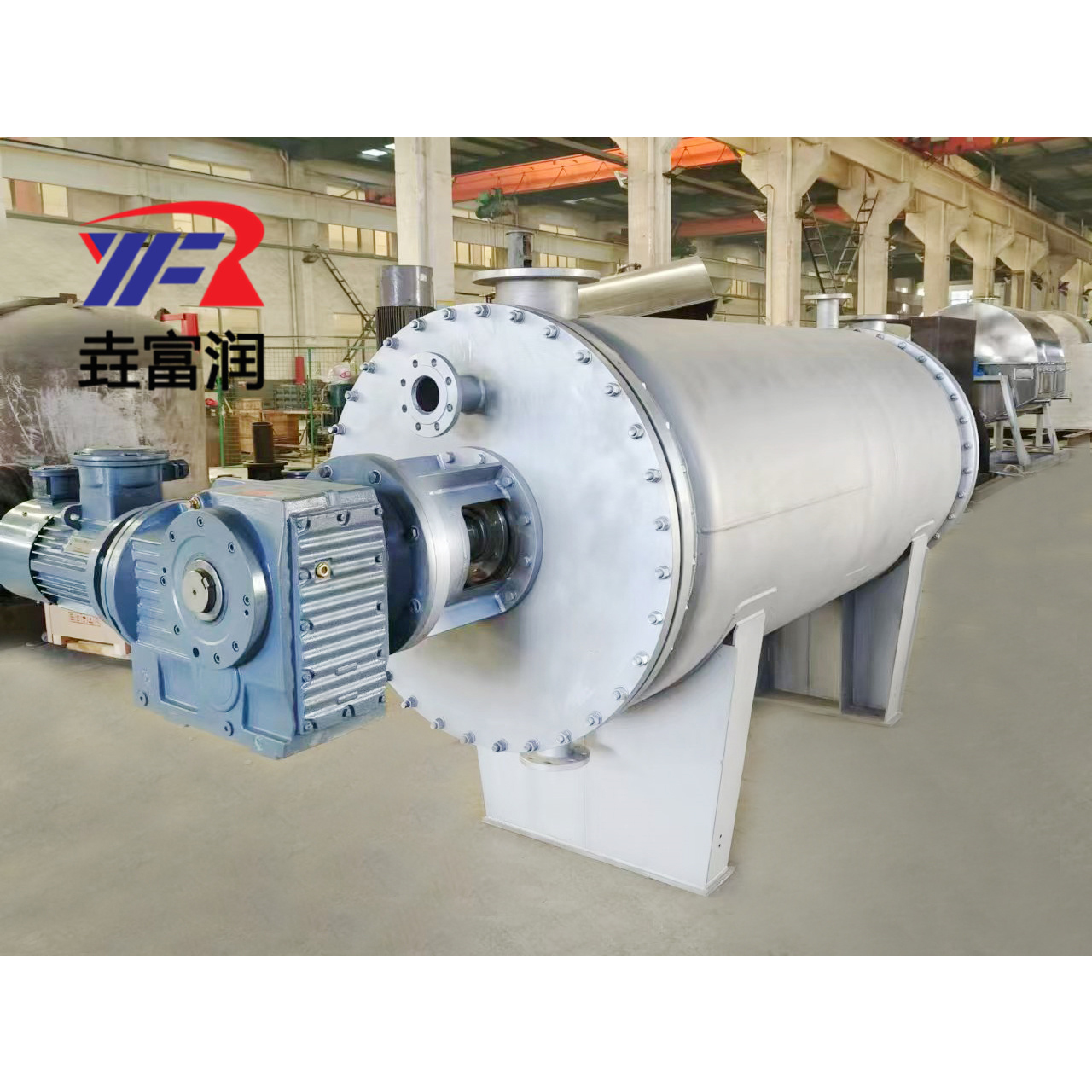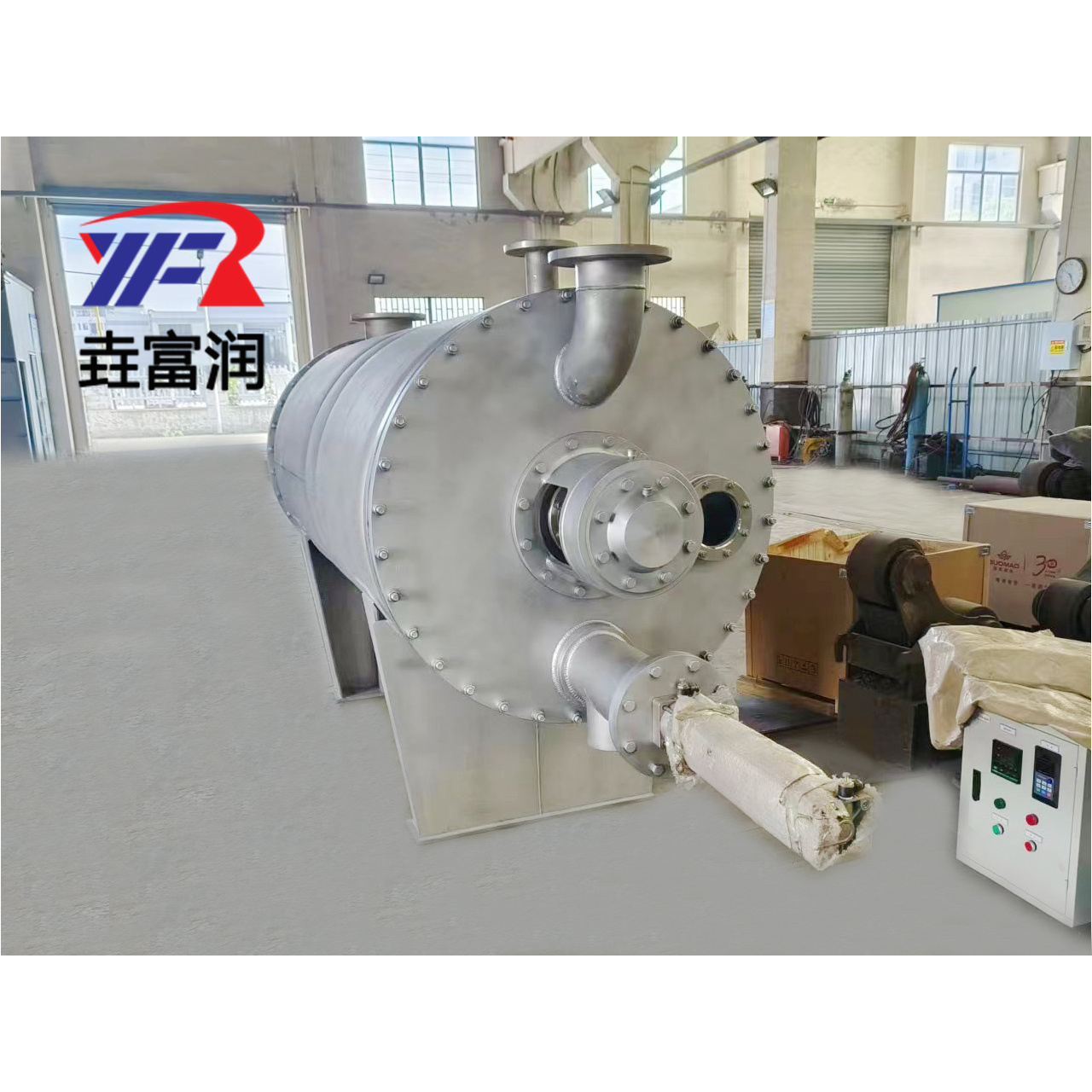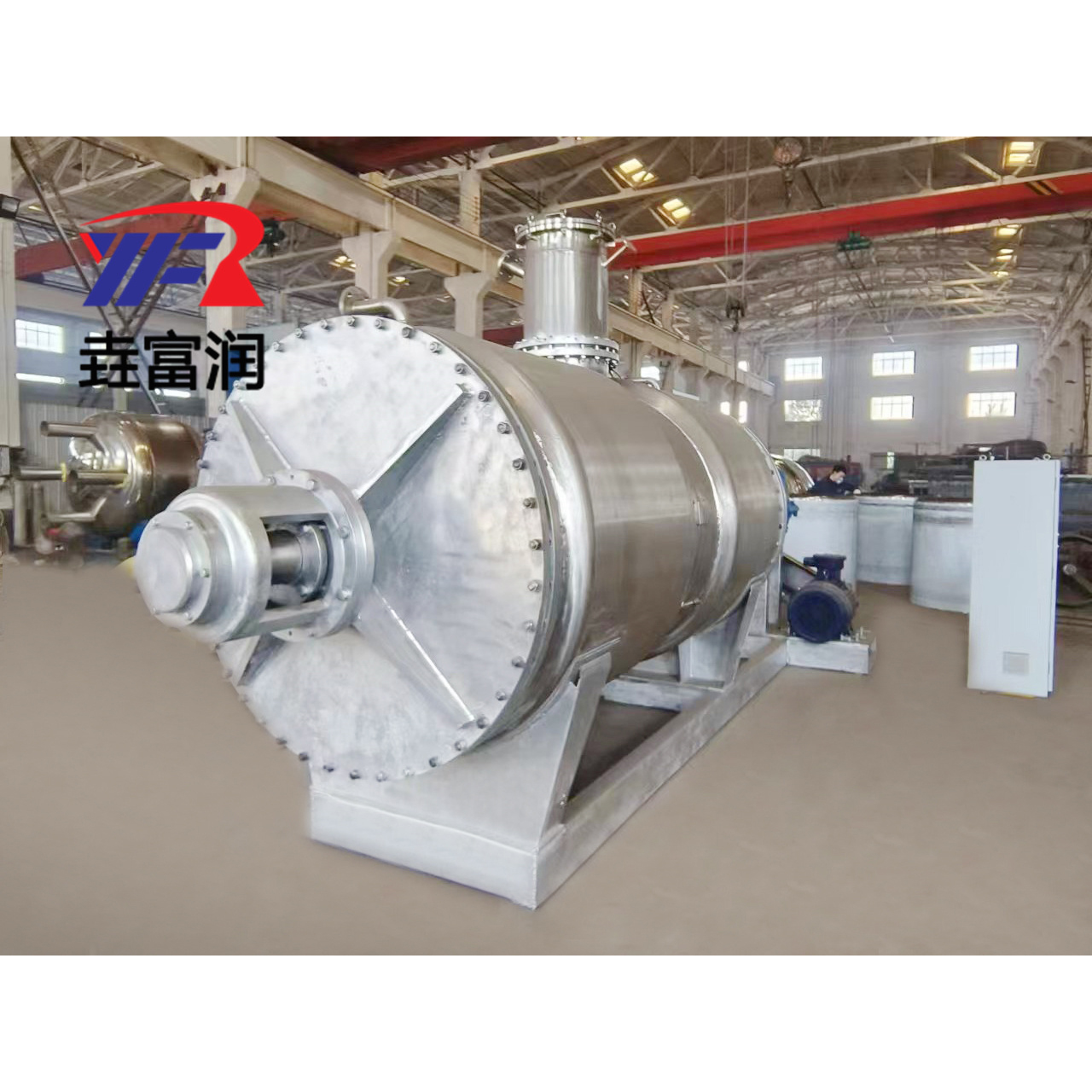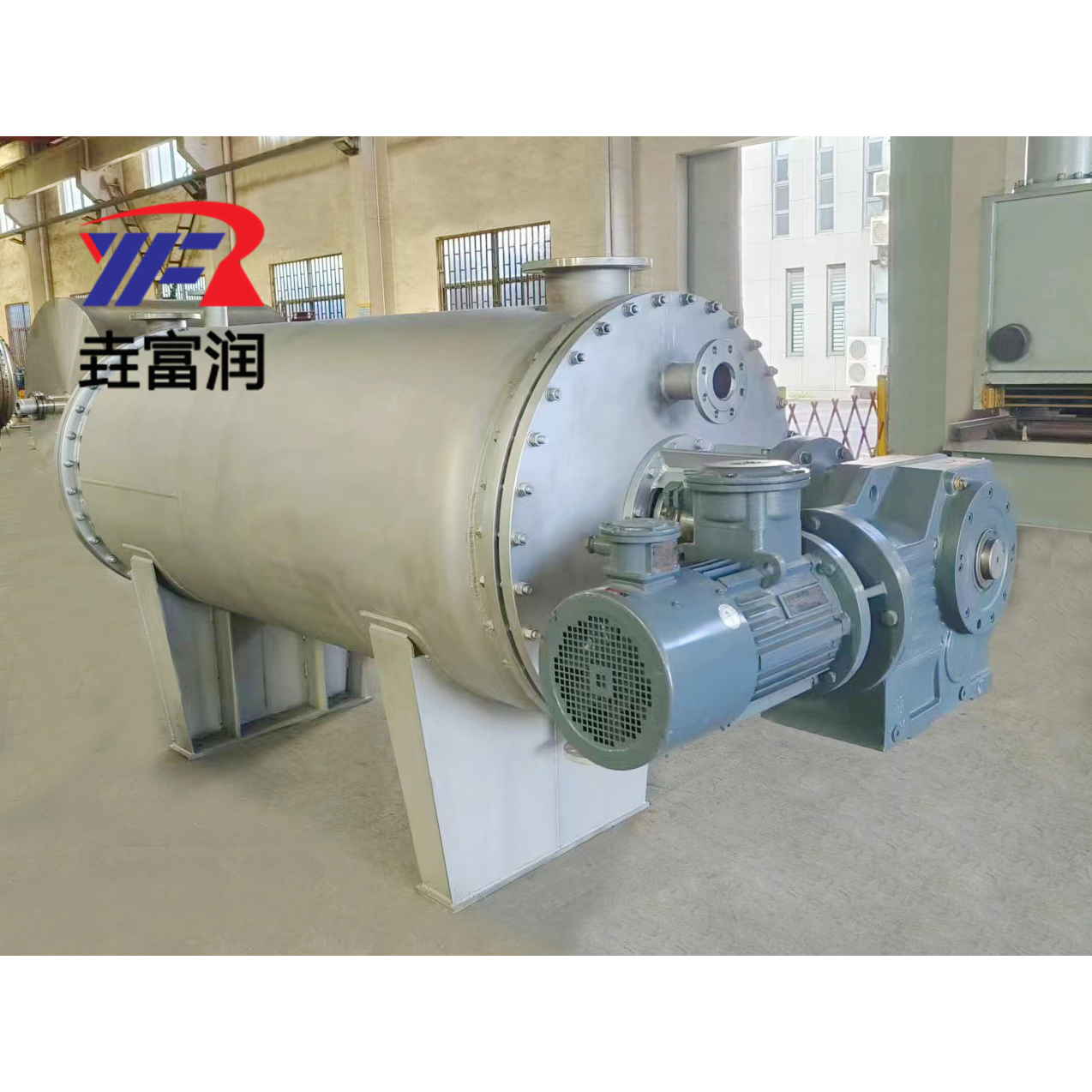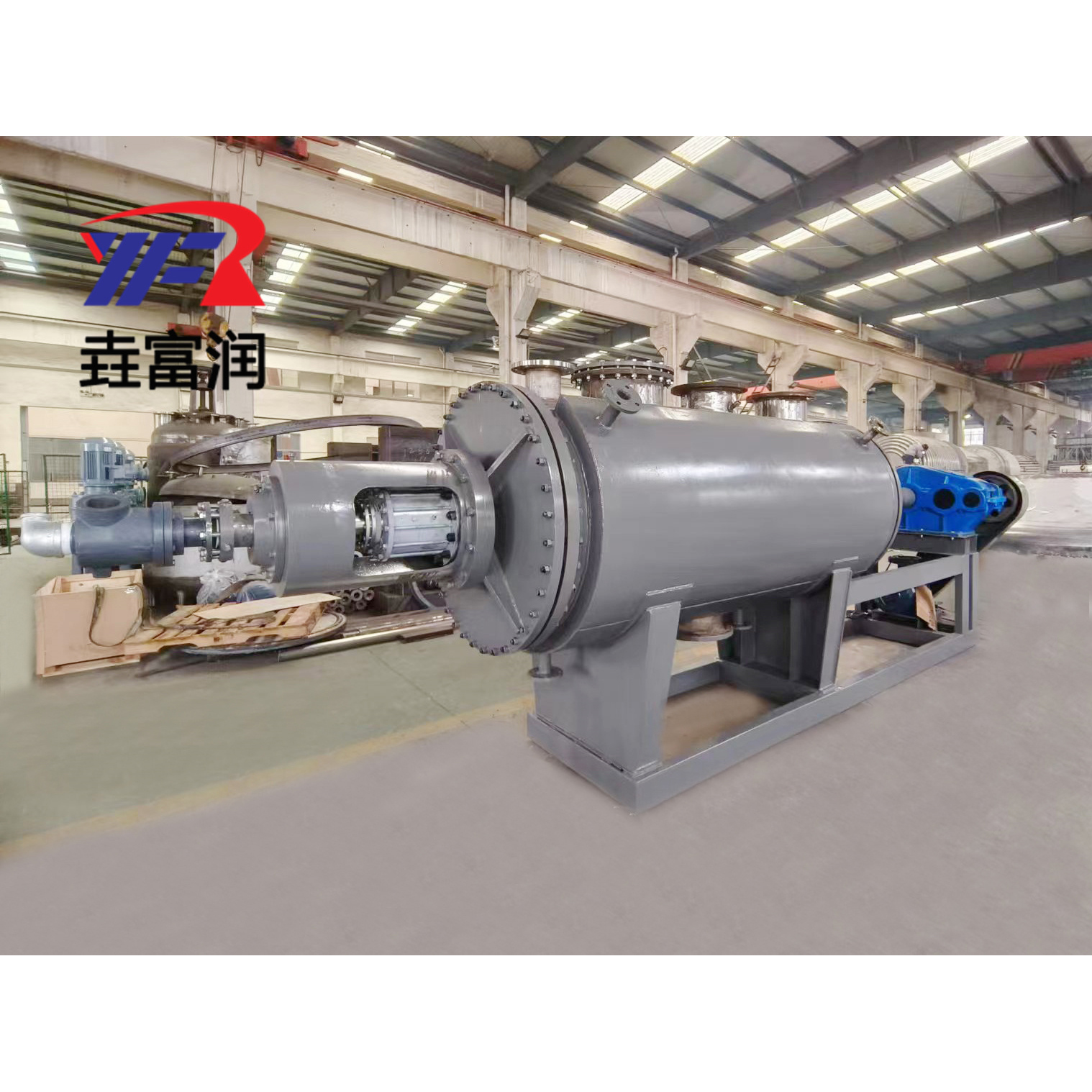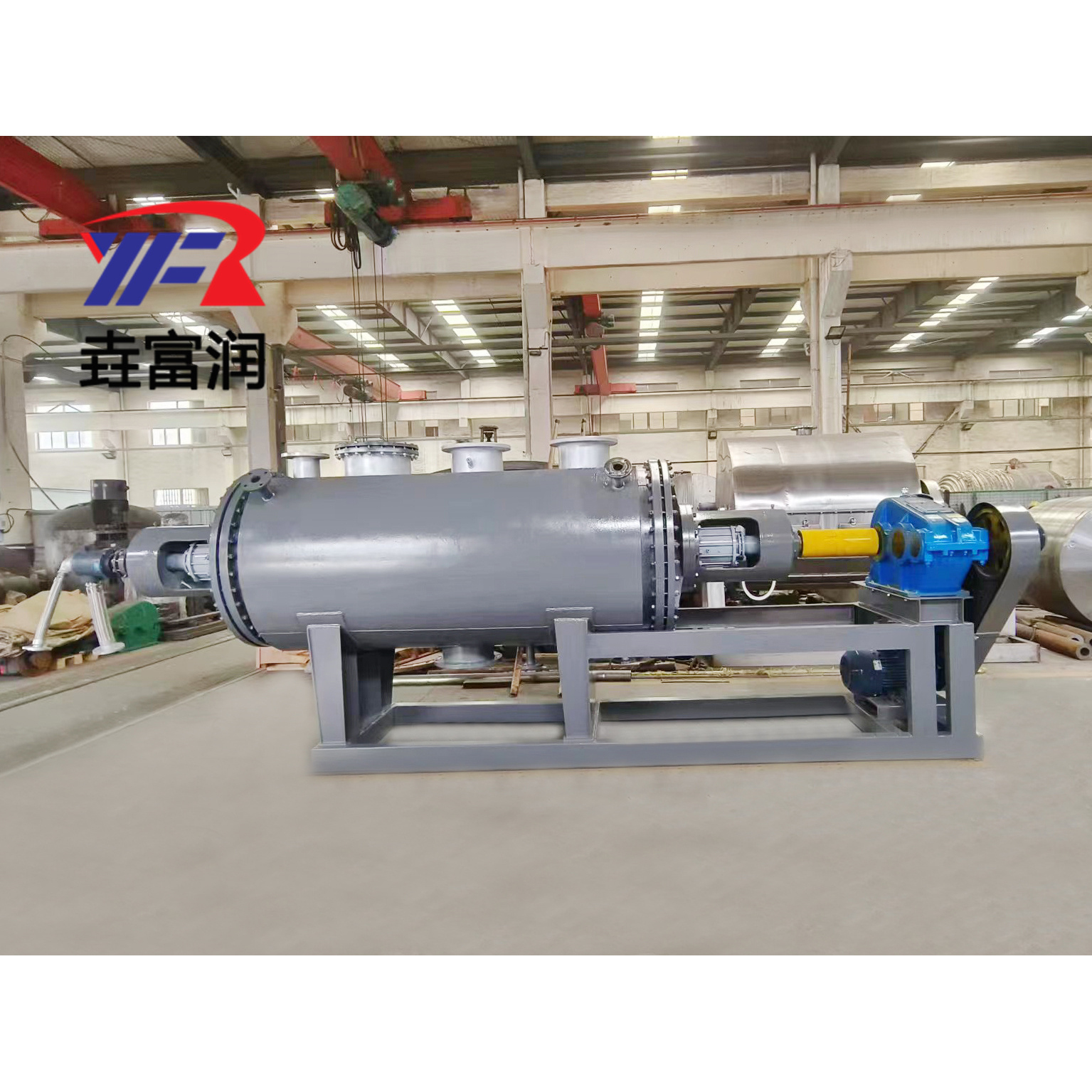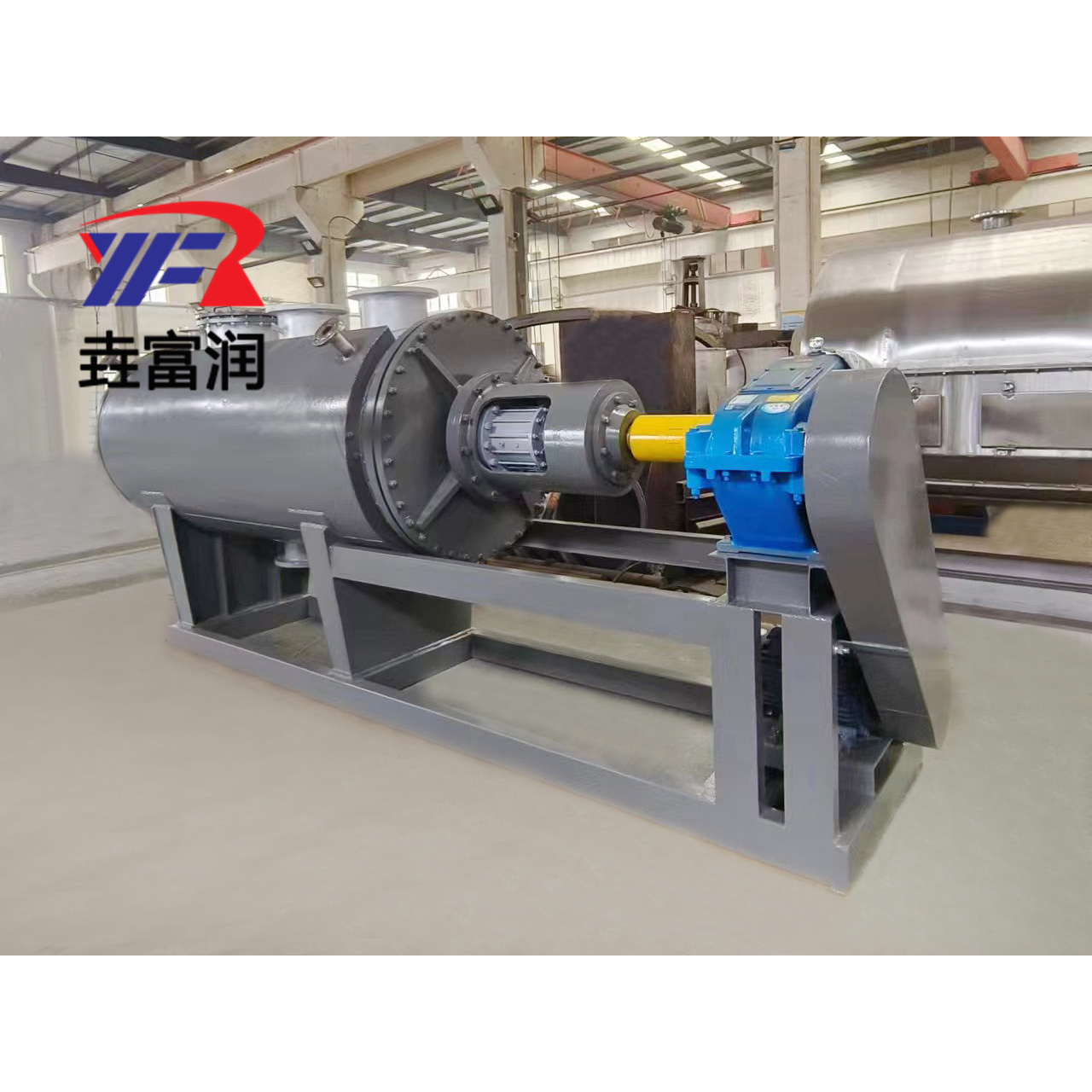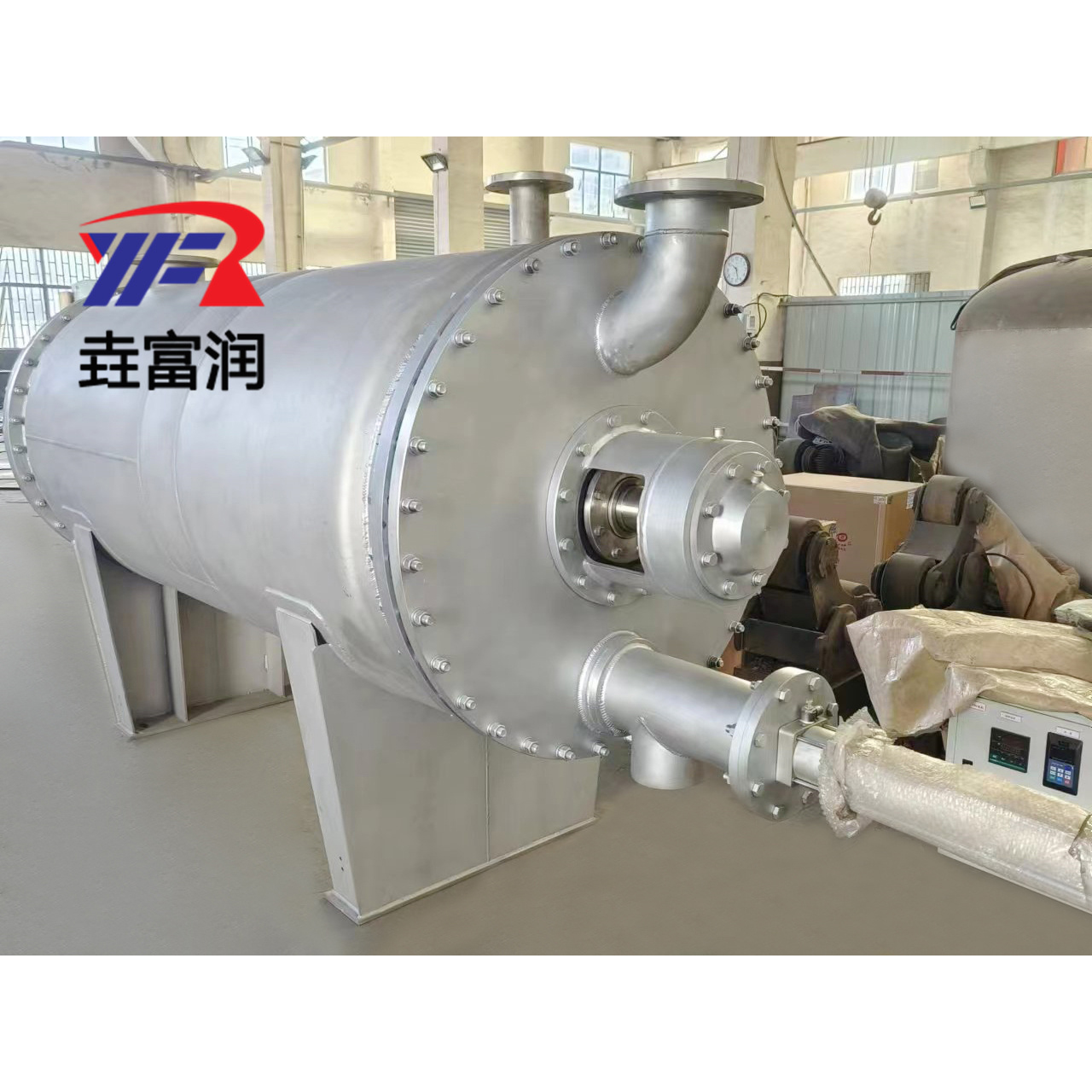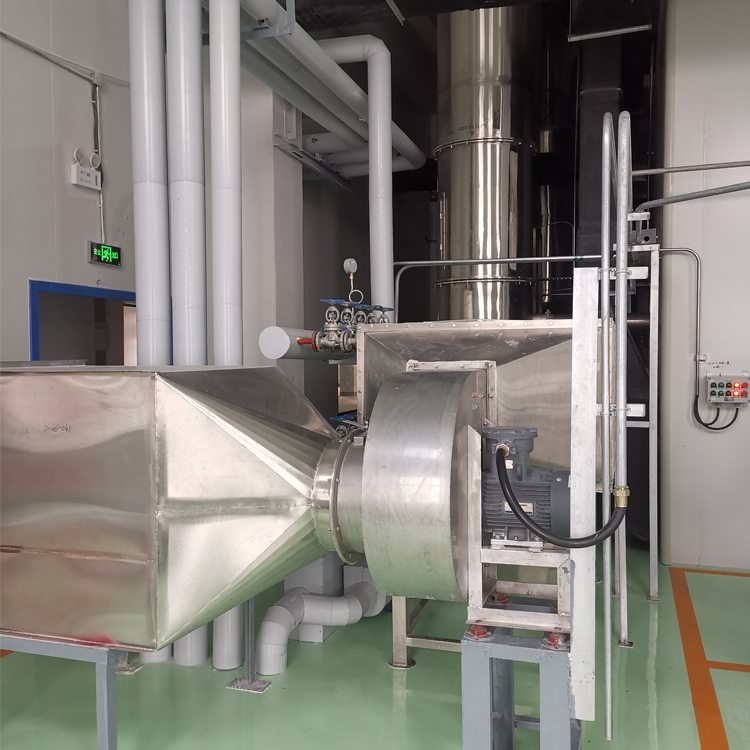




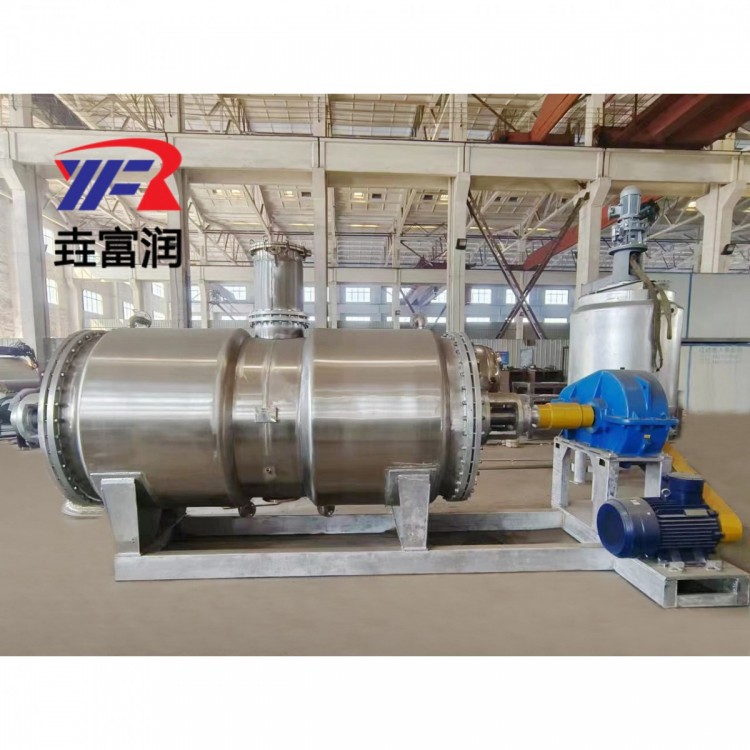
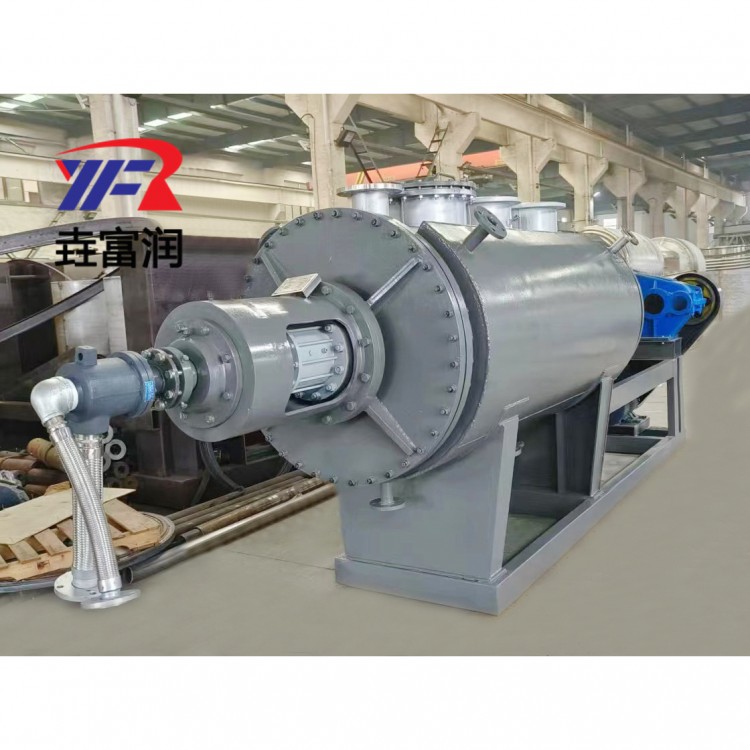
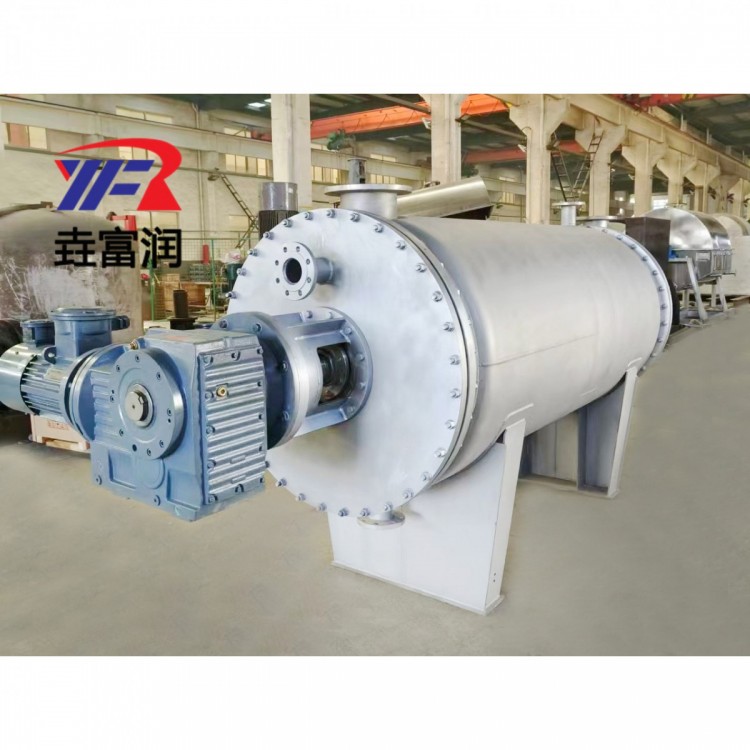
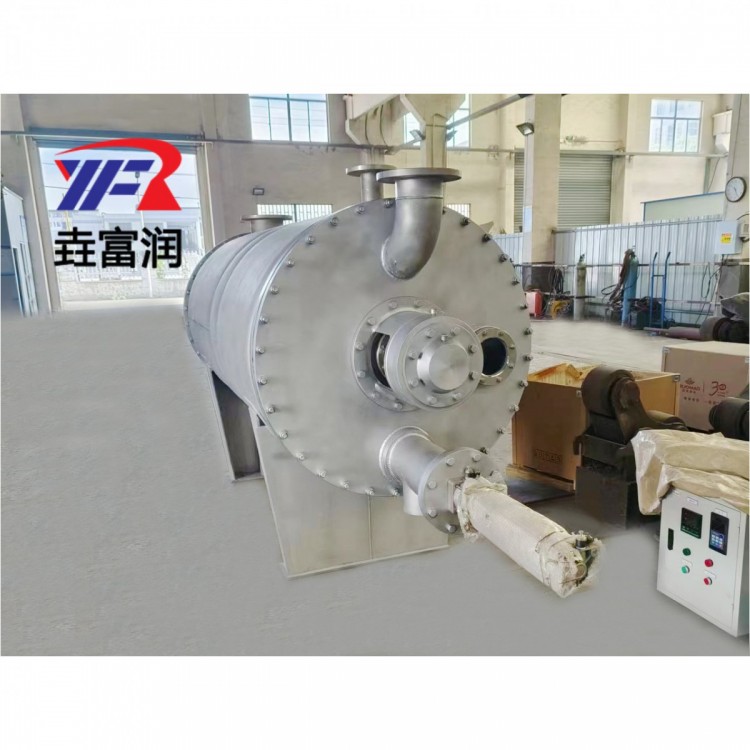






Product Introduction:
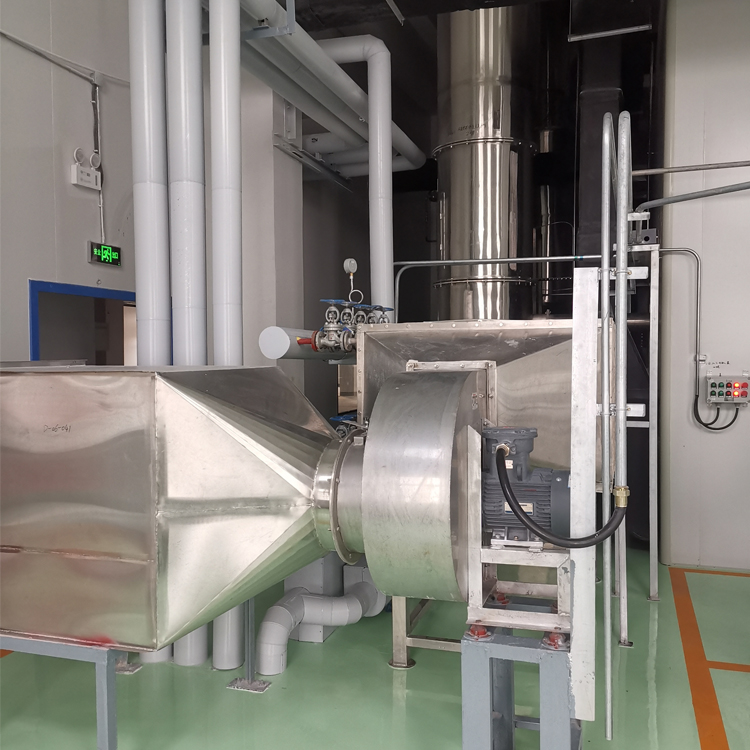
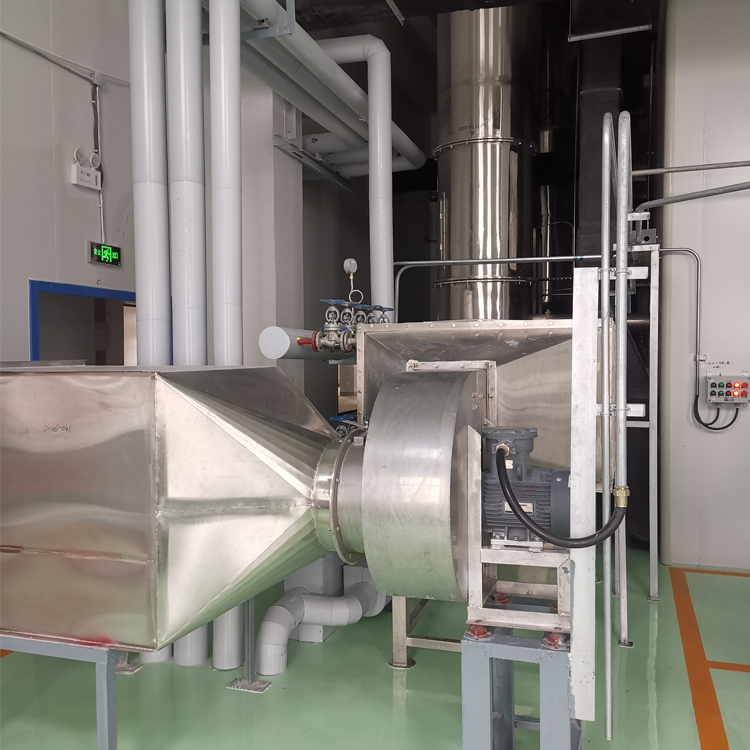
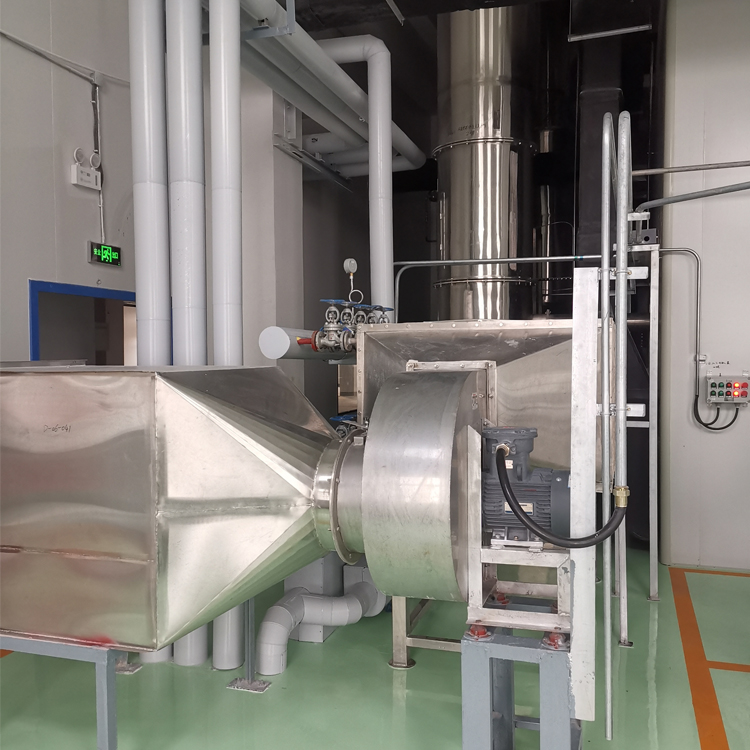
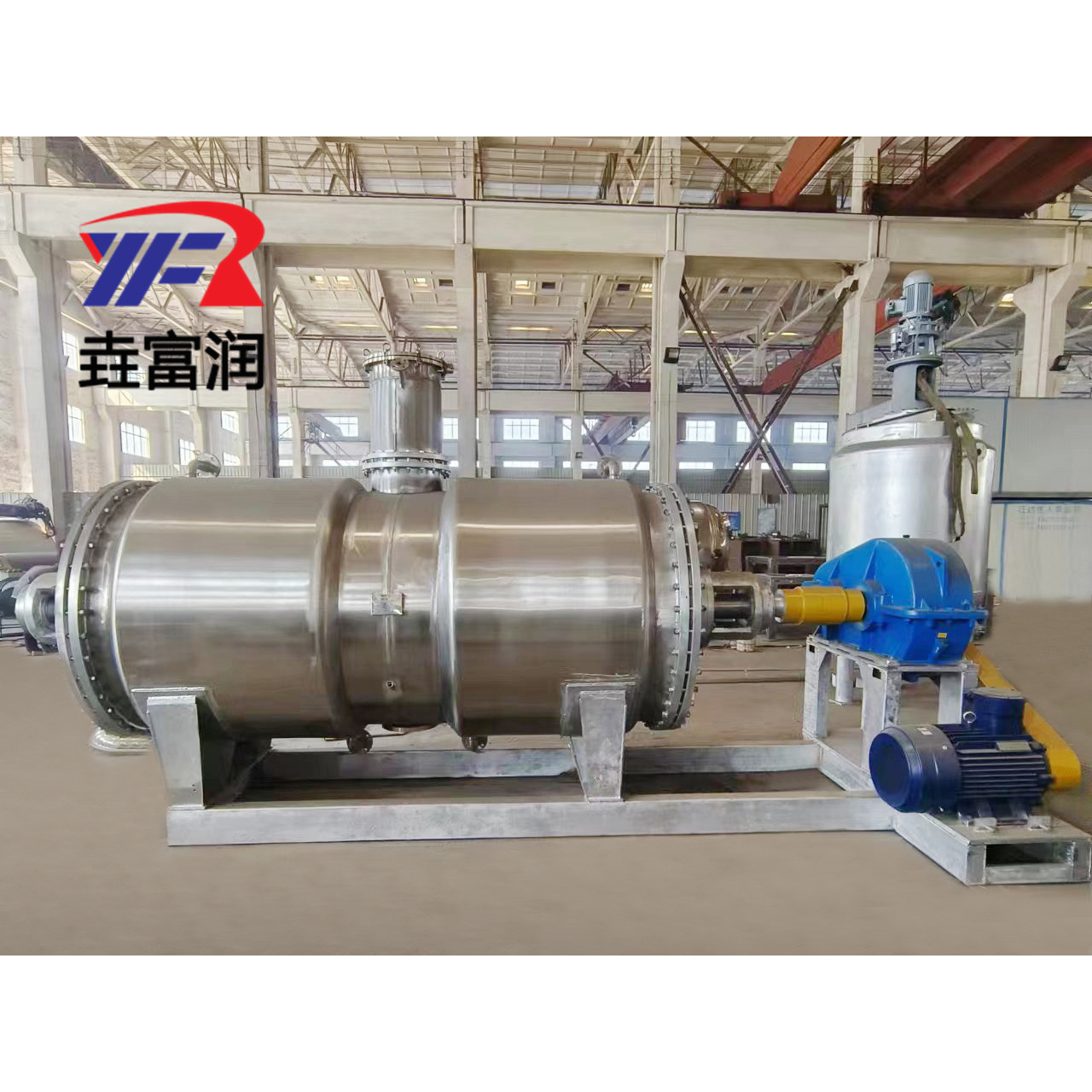
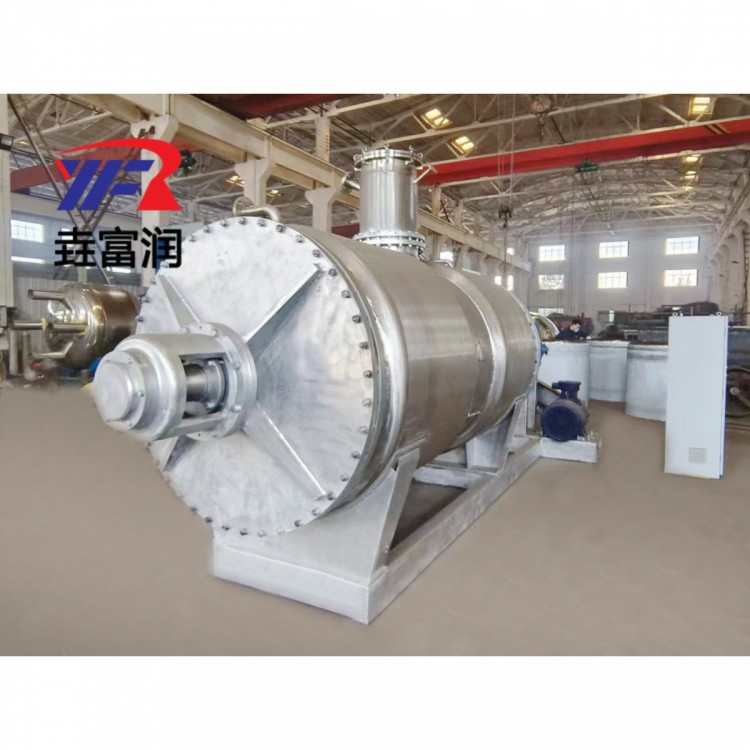
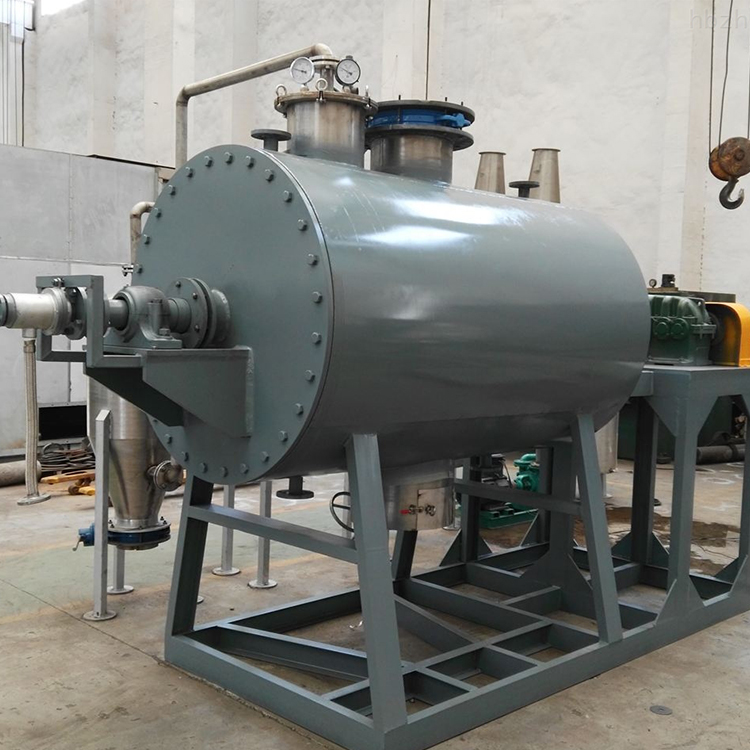
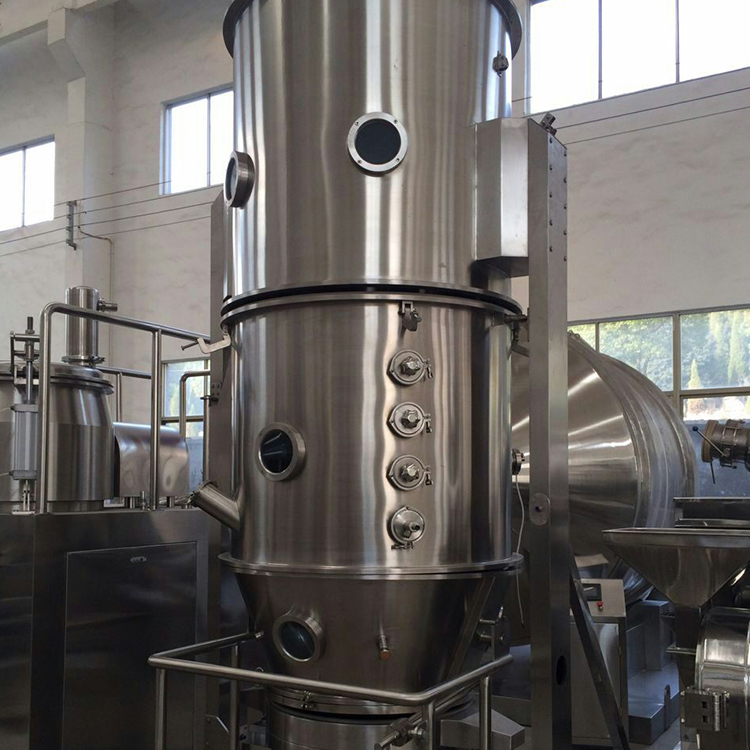
Flash Dryers, also known as rapid flash dryers, are designed to disperse a variety of materials to produce dried, discrete particles. These flash dryers can accommodate a wide range of temperatures and drying gases, providing rapid and safe drying for many materials.-Full processing.
The flash drying machine's operation process is divided into four stages: crushing, gas-solid contact, drying, and grading, respectively:
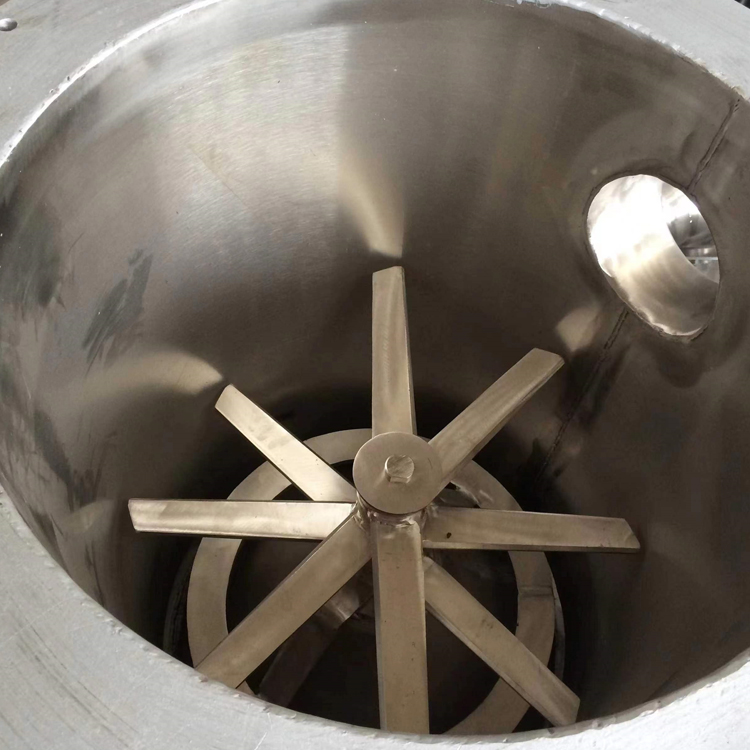
1、 Once the material enters the dryer, it is broken up by the mixing blades and high-speed air currents, thereby maximizing the material's dispersion and the surface area of the wet material per unit volume.
2After the material is crushed, it is blown up into a fluidized bed by the hot gas stream generated from high-speed rotation. The drying process, which involves mass and heat transfer between the material and hot air, sees most of the moisture evaporate at this stage. Once the material is further crushed and the moisture evaporated, its buoyancy exceeds gravity, causing the material to start moving upwards and exit the dryer after being graded.
3The agitator paddle of the flash dryer breaks up the material and produces a dispersion effect, while the air entering the dryer is also in a turbulent state, quickly achieving gas-solid mixing. The solid material falls downwards under gravity, and due to the inverted cone structure at the bottom of the dryer, the air speed is high, ensuring the solid material remains in a good fluidized state and is surrounded by hot air.
4The separator is a circular baffle mounted at the top of the dryer, acting under the force of centrifugal force. As the material rises with the air flow, larger, un-dried particles increase in rotational radius. When this radius exceeds that of the separator ring, they are trapped inside the dryer until they meet the required specifications to pass through the separator and be discharged from the dryer. However, the outer larger particles are continuously crushed and dried, and as the centrifugal force decreases, they move inward. They are carried out with the gas once the moisture content meets the required standard.
Product Specifications:
Model | Tubing diametermm) | Handling Airflowm3/h) | Evaporation Water Amountkg/h) | Mainframe Dimensionsmm) | Main Engine Powerkw) | Square Footage (m2) |
XZG-2 | 200 | 300-800 | 10-20 | 250×2800 | 5-9 | 3500×2500 |
XZG-3 | 300 | 600-1500 | 20-50 | 400×3300 | 8-15 | 3800×2700 |
XZG-4 | 400 | 1250-2500 | 25-70 | 500×3500 | 10-17.5 | 4000×3000 |
XZG-5 | 500 | 1500-4000 | 30-100 | 600×4000 | 12-24 | 4200×3200 |
XZG-6 | 600 | 2500-5000 | 40-200 | 700×4200 | 20-29 | 4250×3250 |
XZG-8 | 800 | 3000-8000 | 60-600 | 900×4600 | 24-35 | 4500×3500 |
XZG-10 | 1000 | 5000-12500 | 100-1000 | 1100×5000 | 40-62 | 4750×3750 |
XZG-12 | 1200 | 10000-20000 | 150-1300 | 1300×5200 | 50-89 | 5000×4000 |
XZG-14 | 1400 | 14000-27000 | 200-1600 | 1500×5400 | 60-105 | 5250×4250 |
XZG-16 | 1600 | 18700-36000 | 250-2000 | 1700×6000 | 70-105 | 5500×4500 |