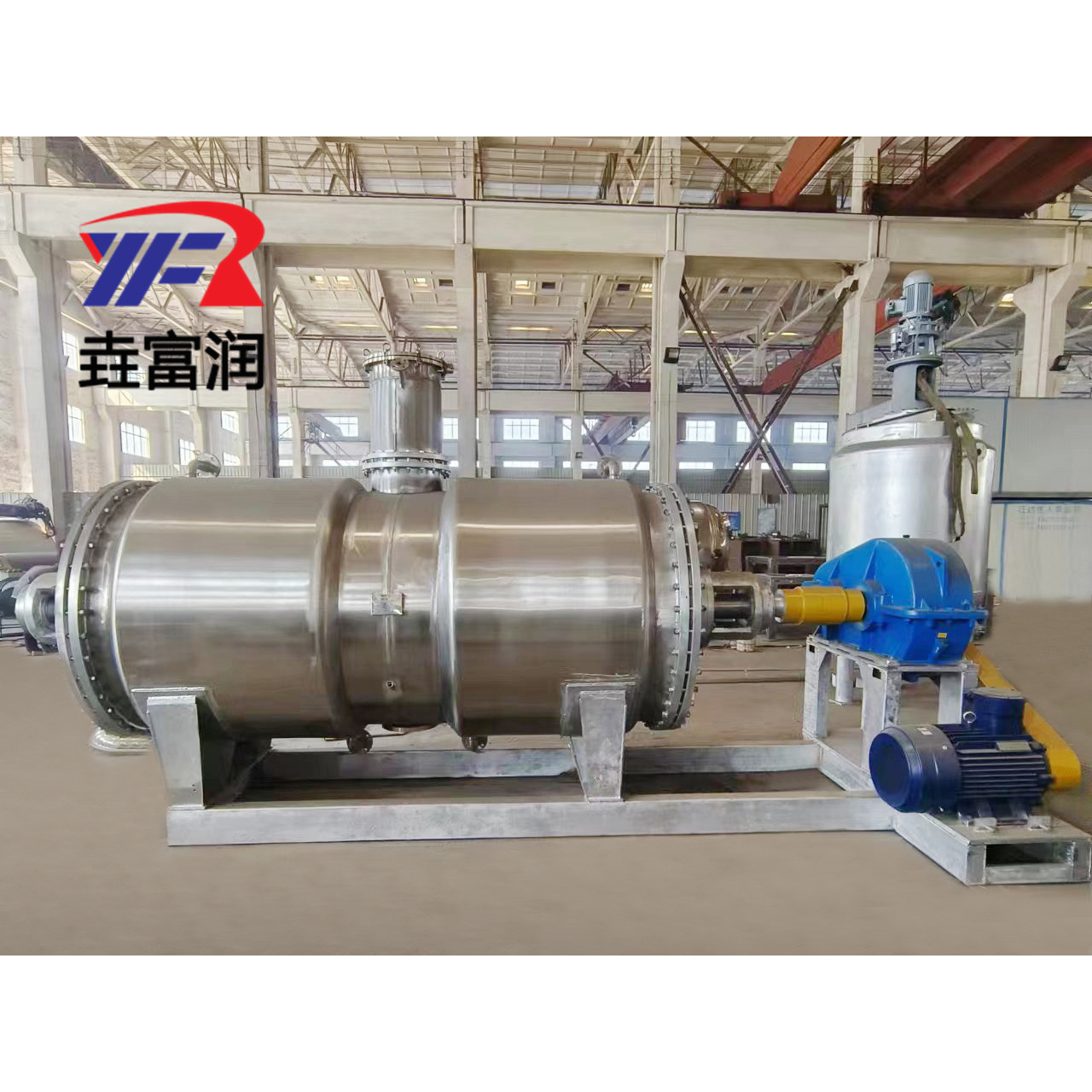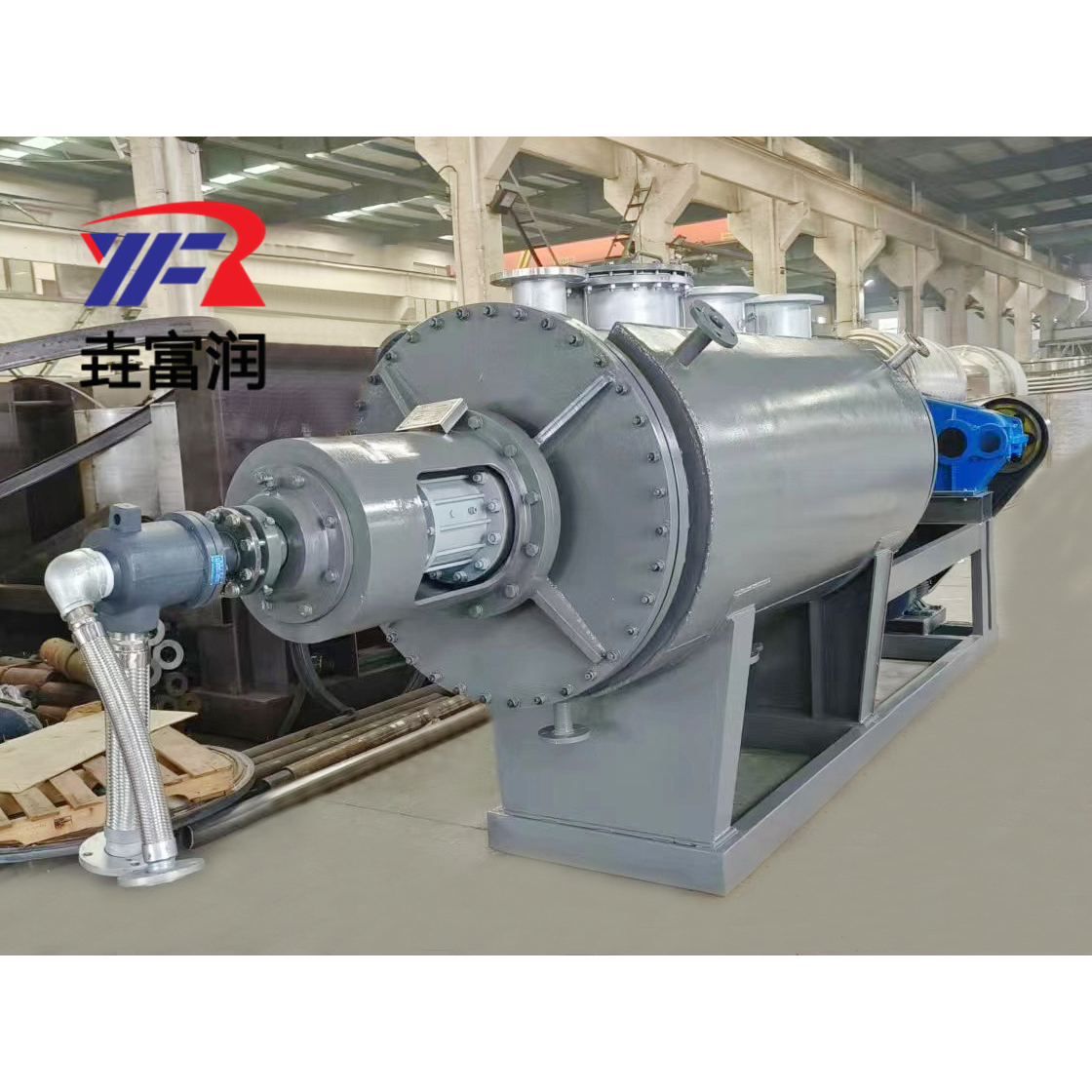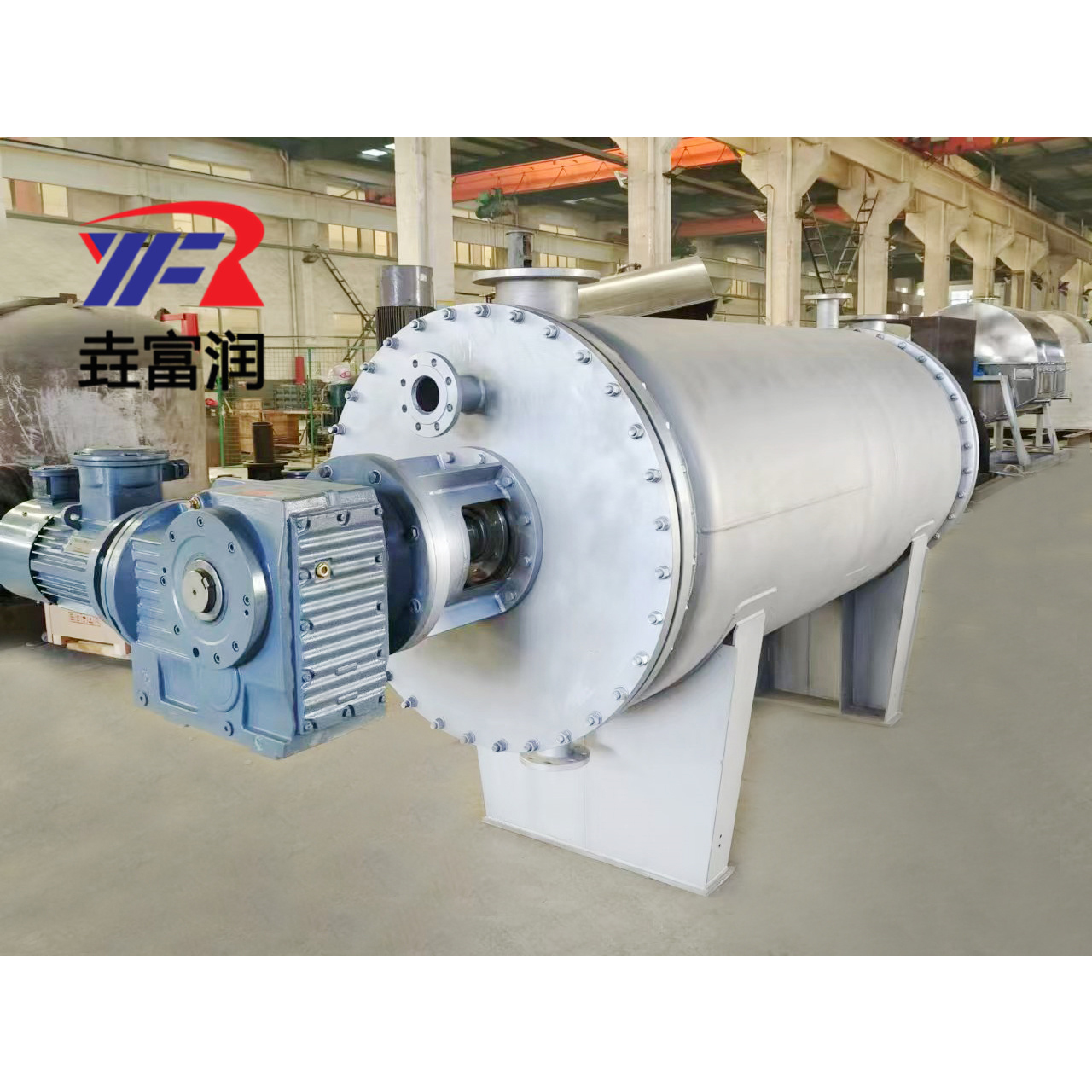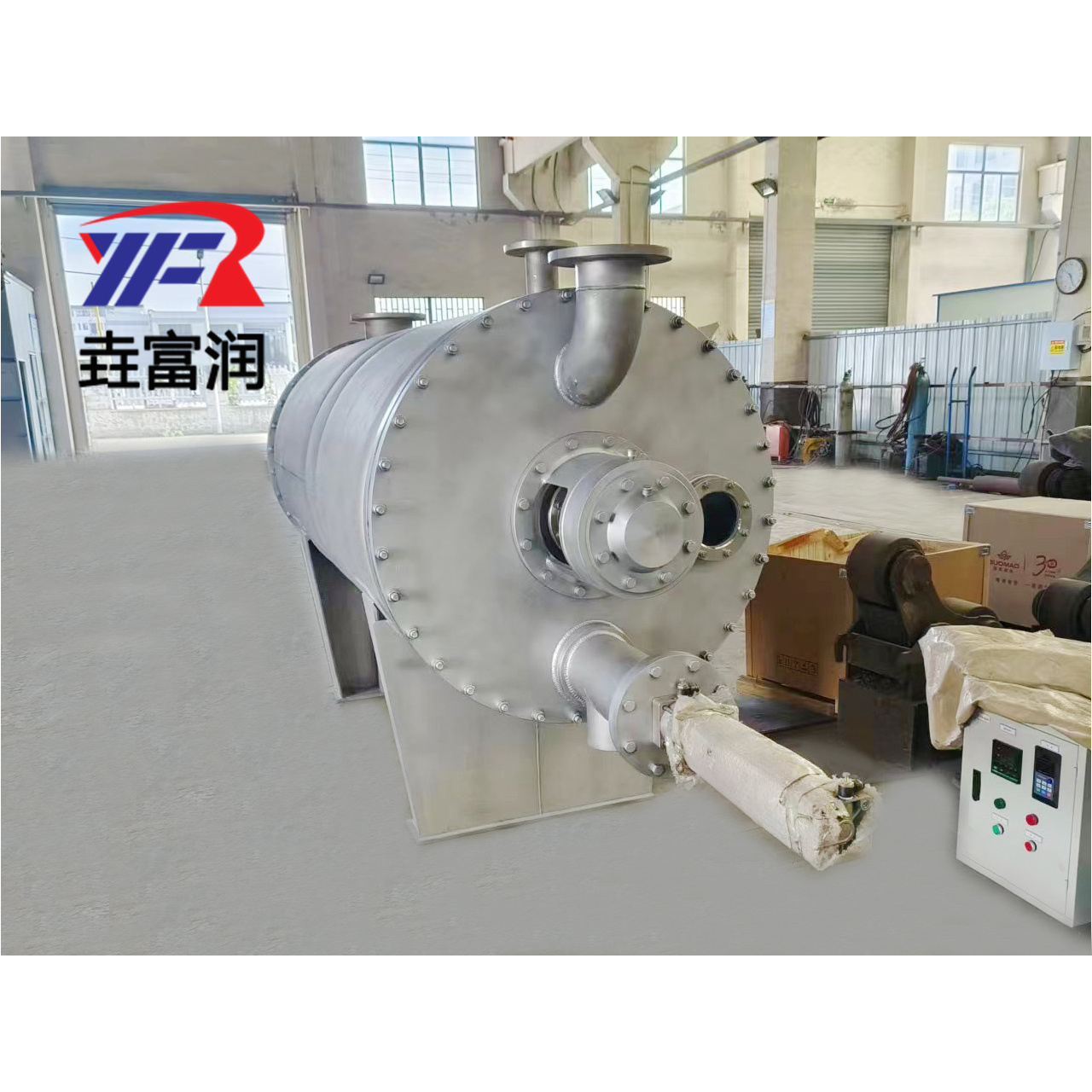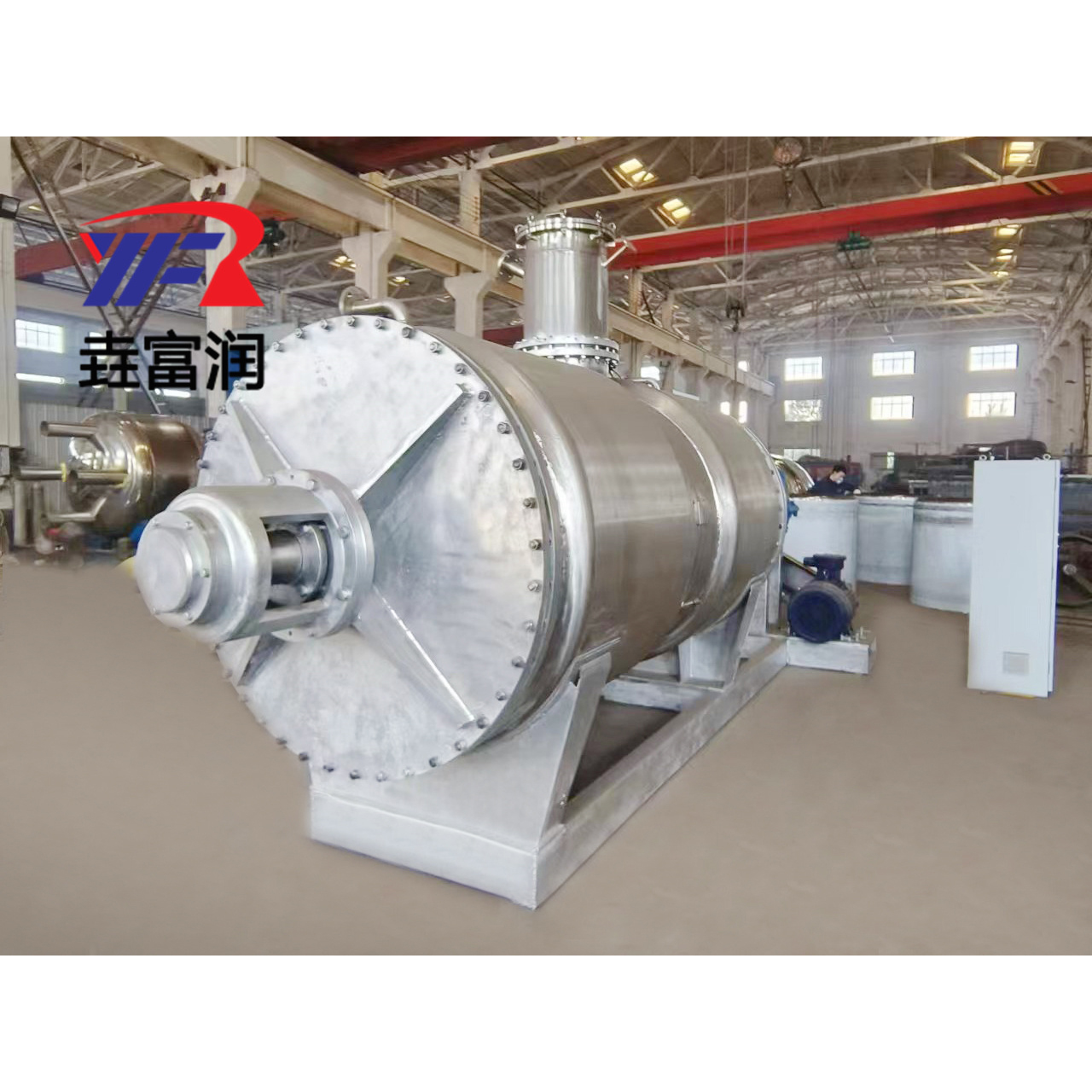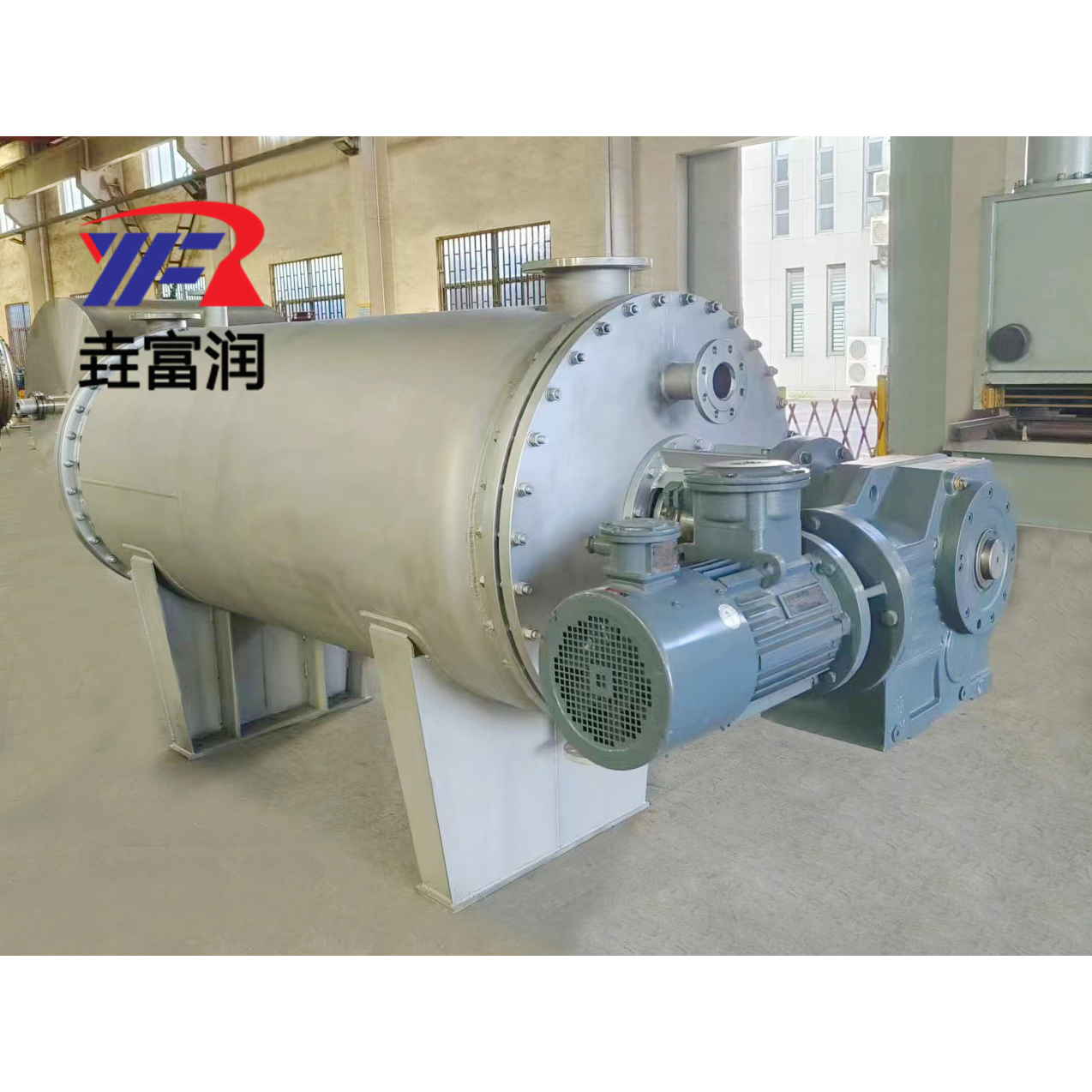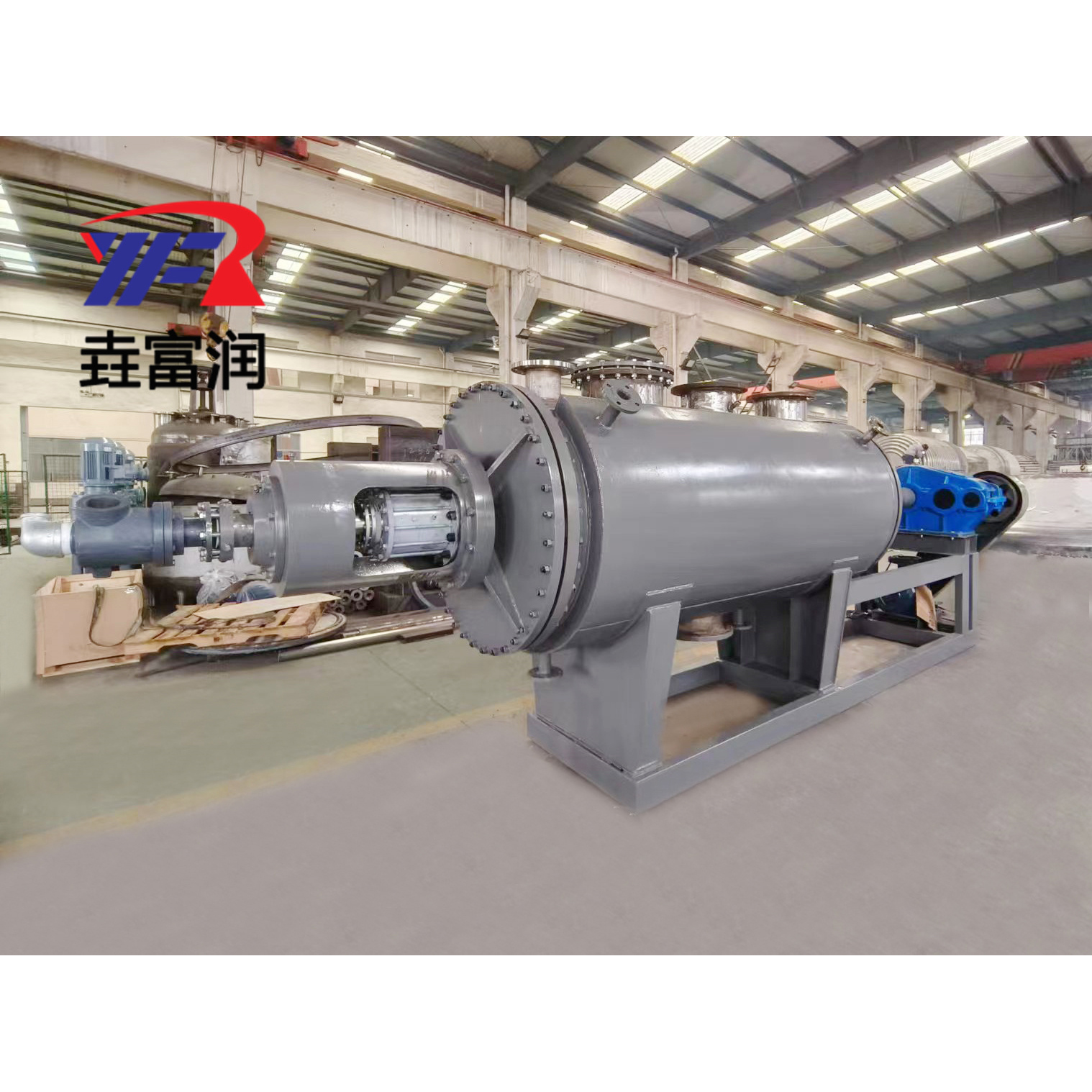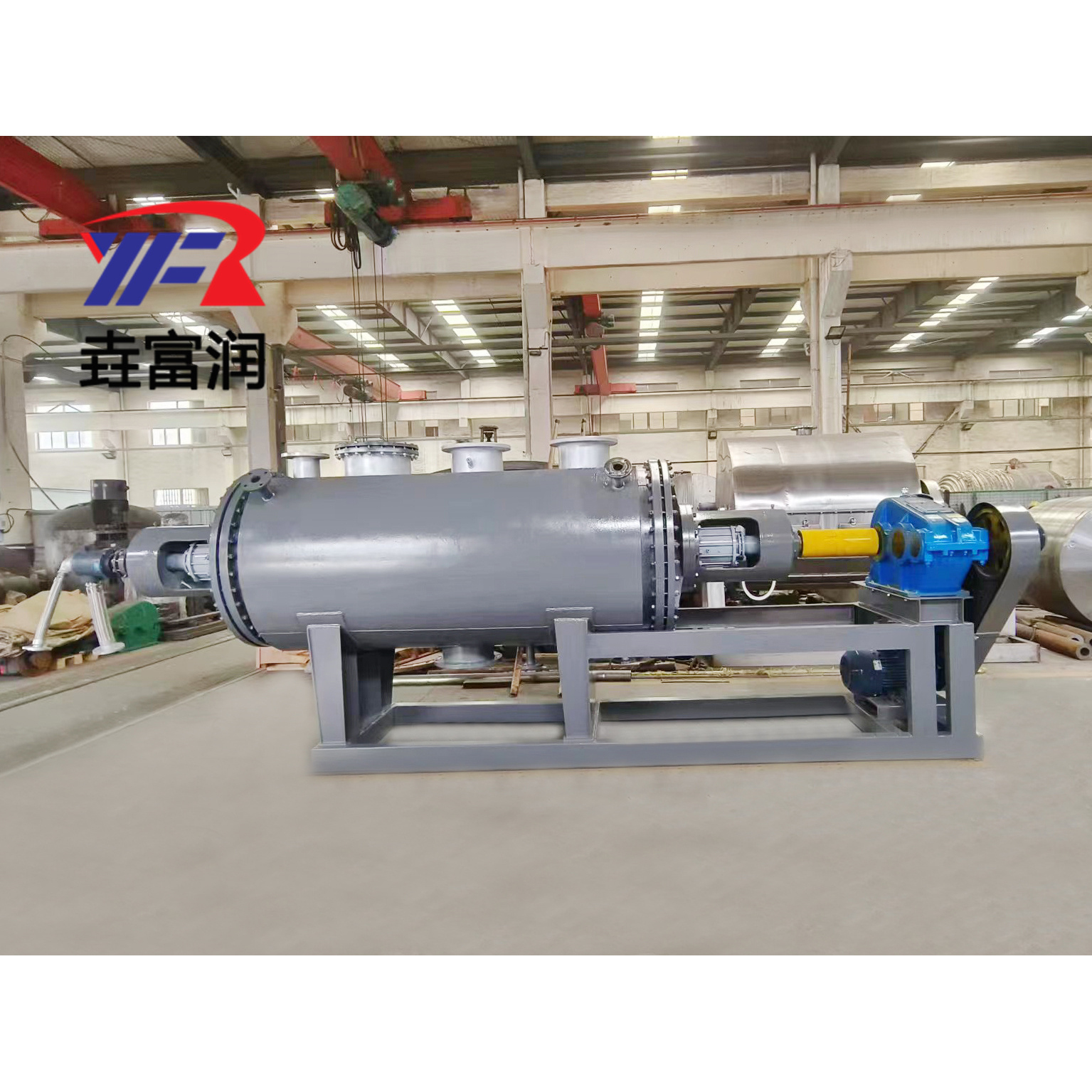









Product Introduction:
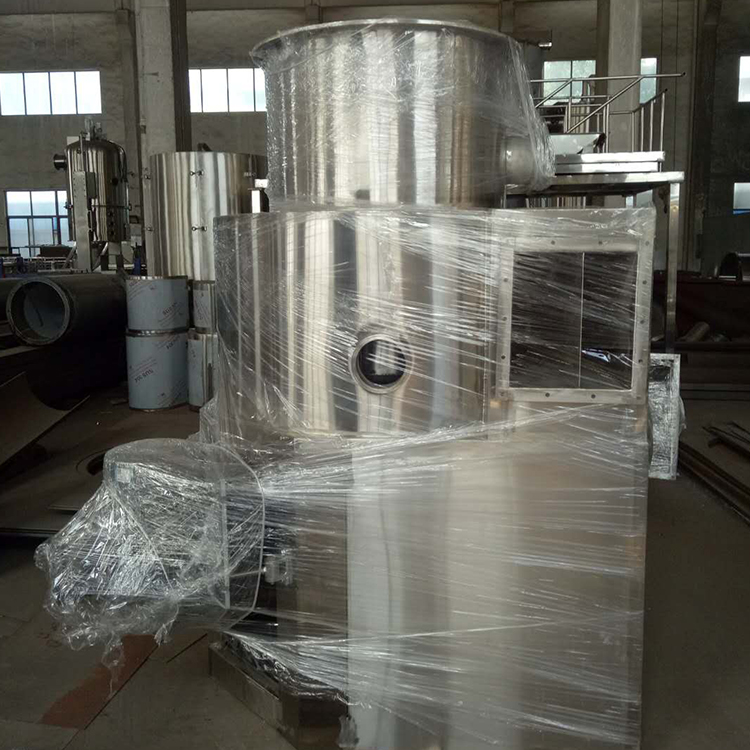
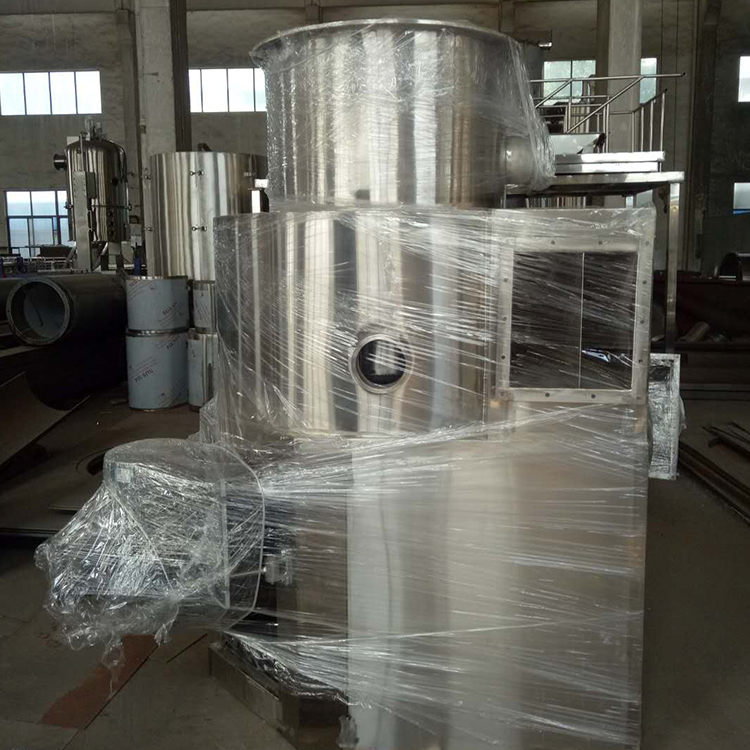
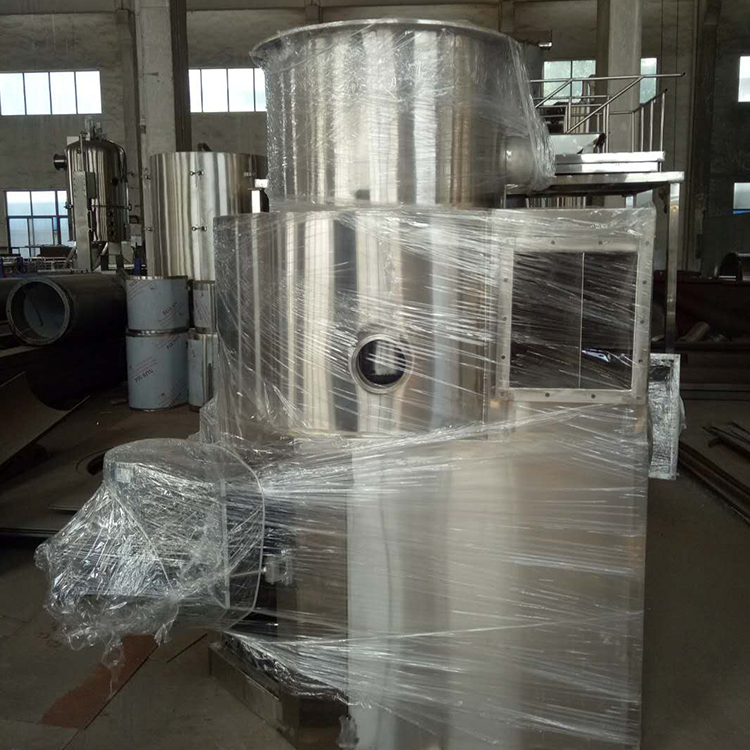
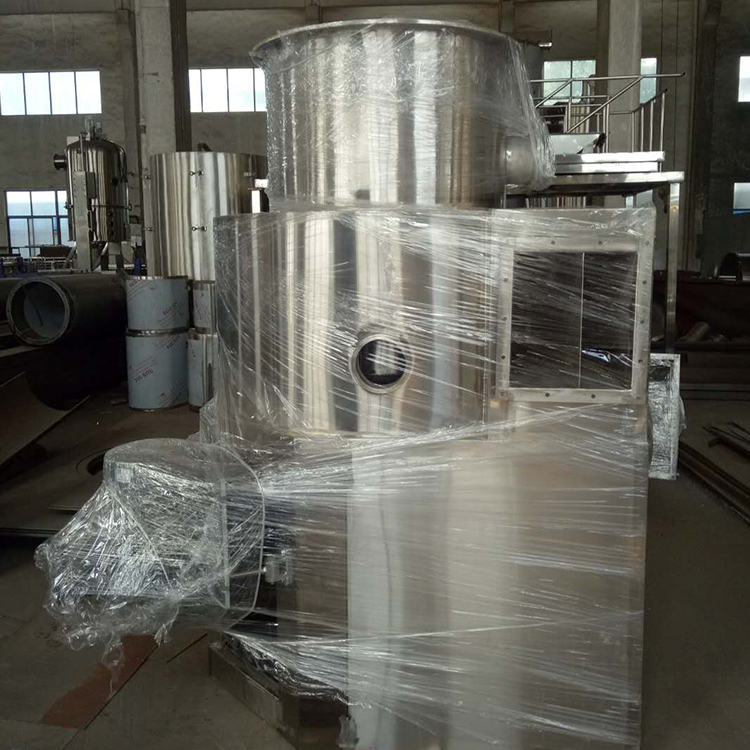
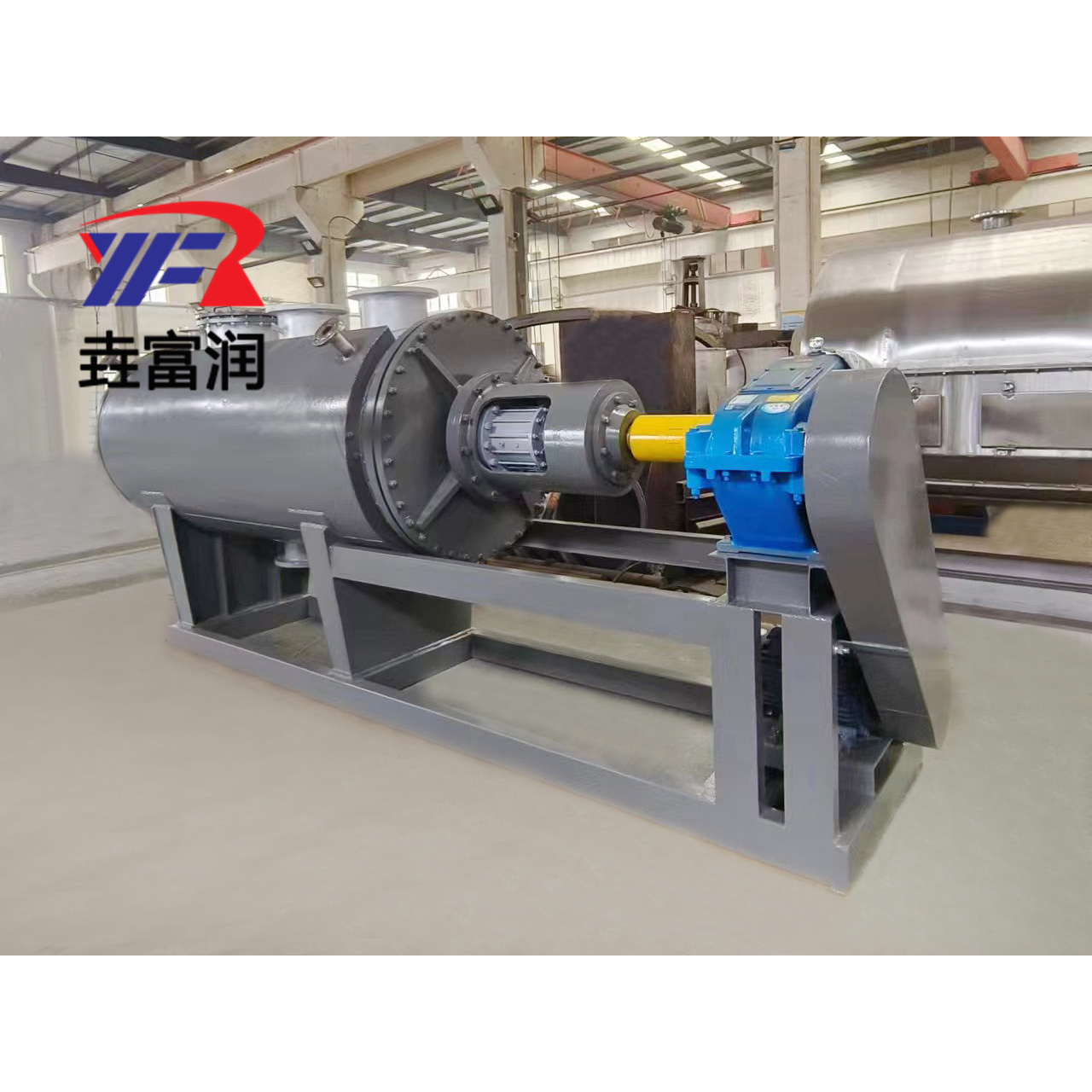
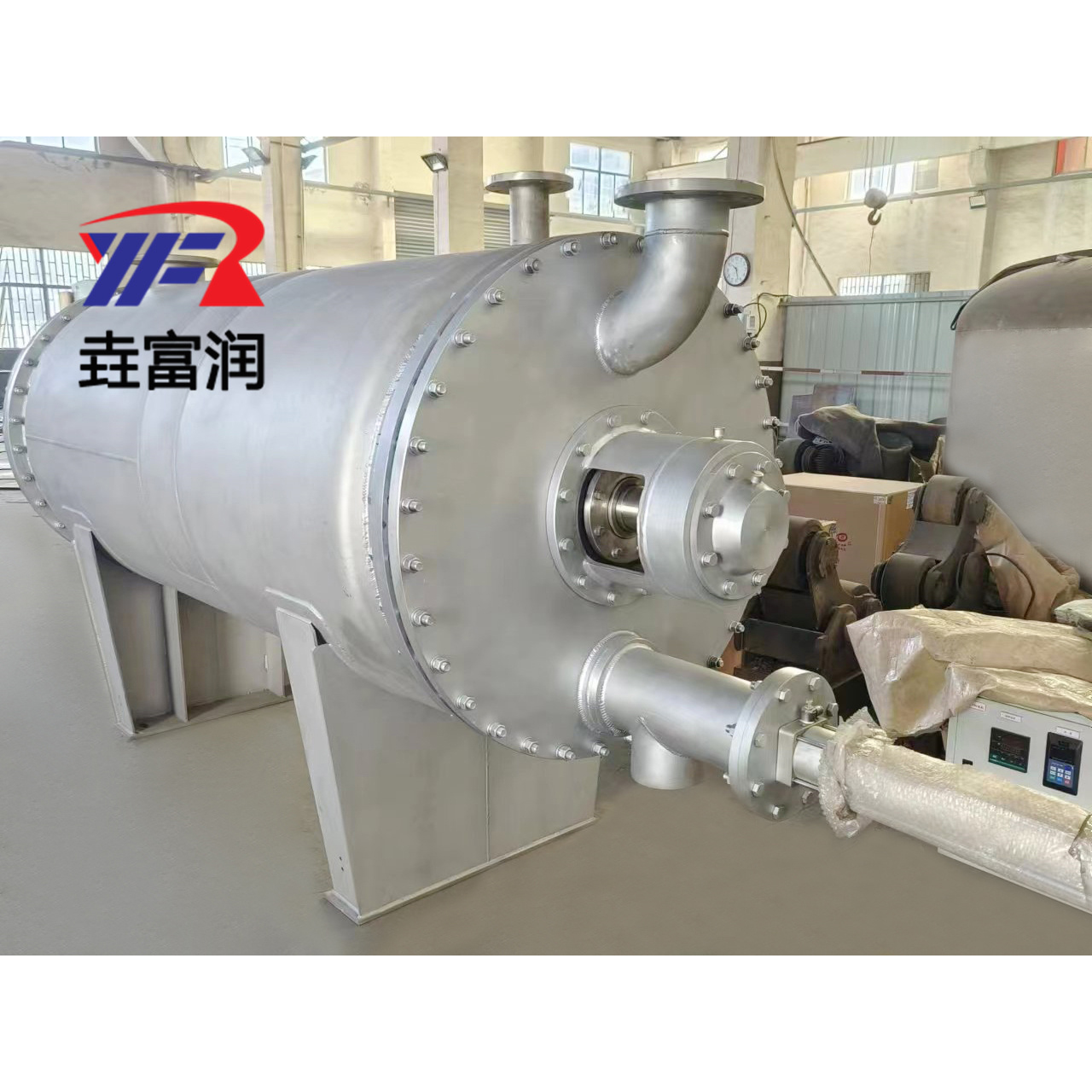
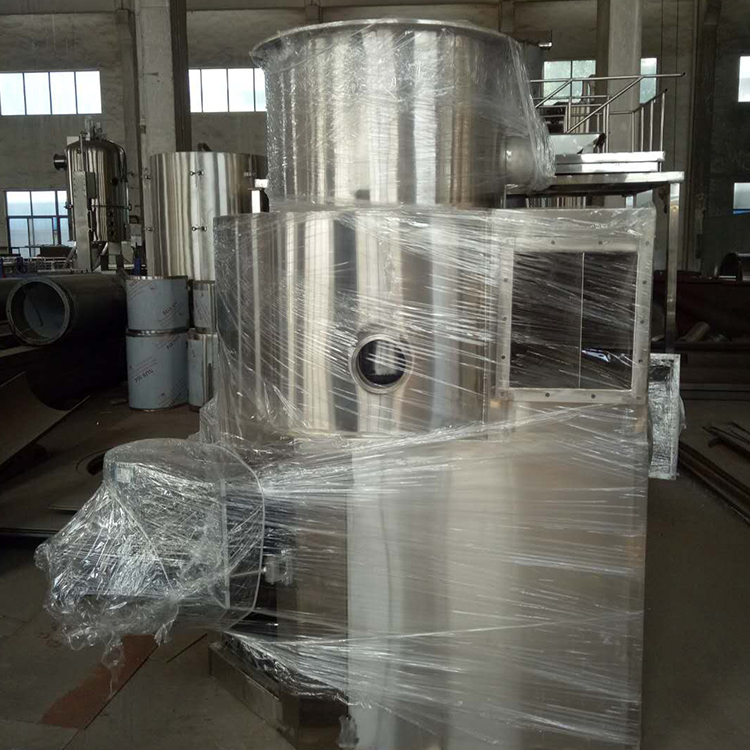
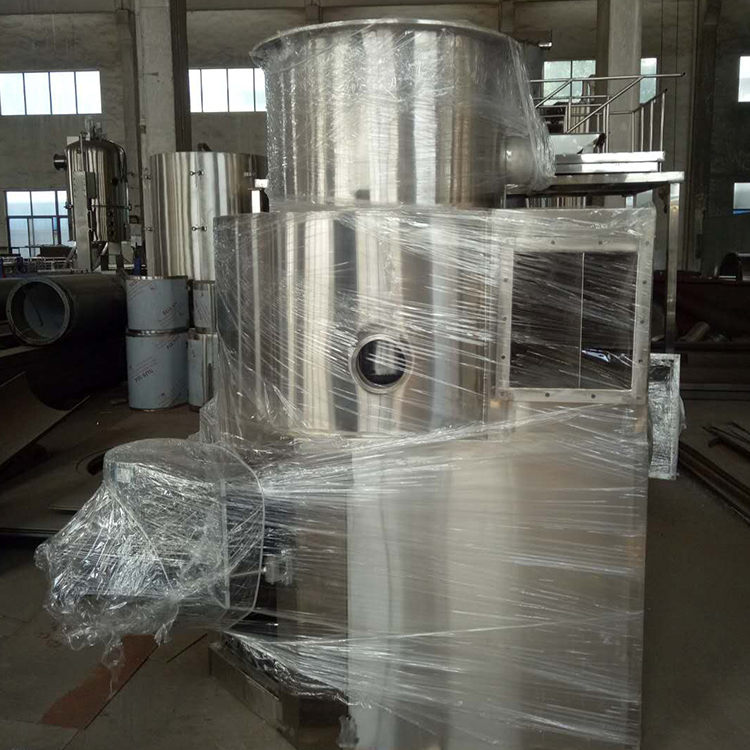
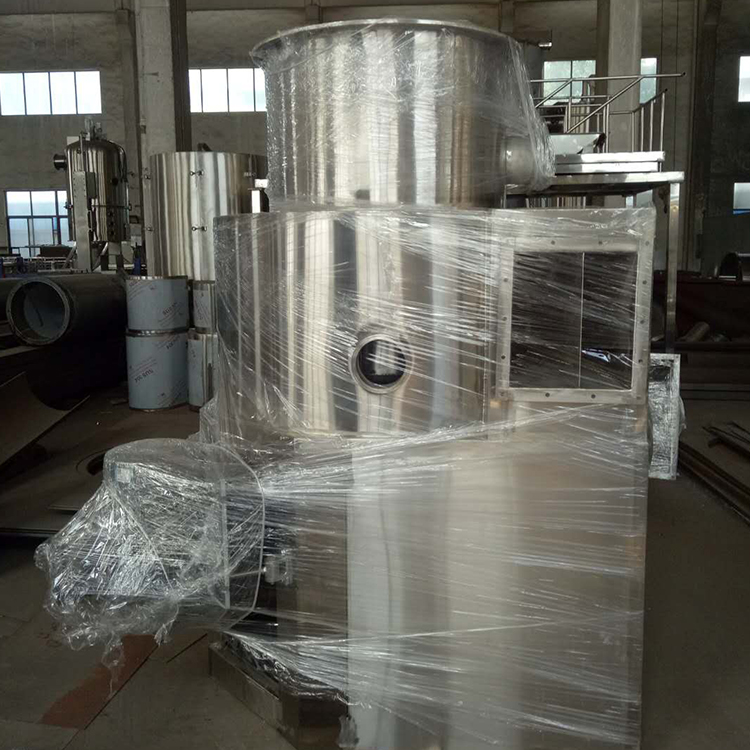
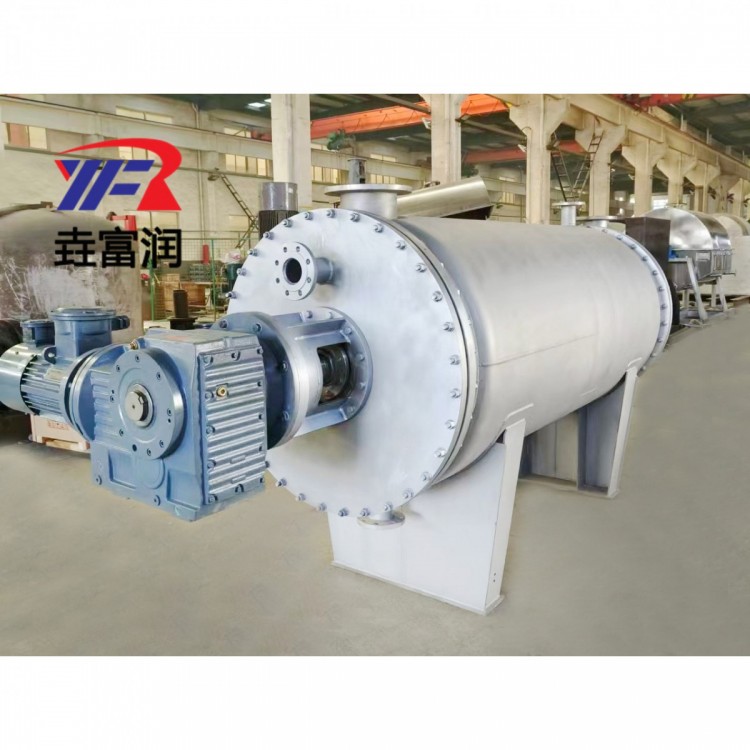
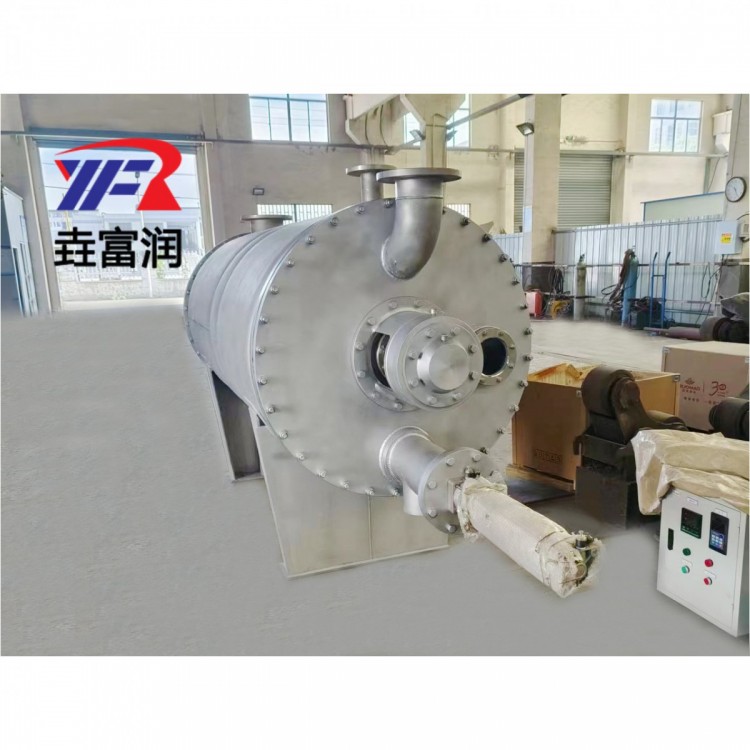
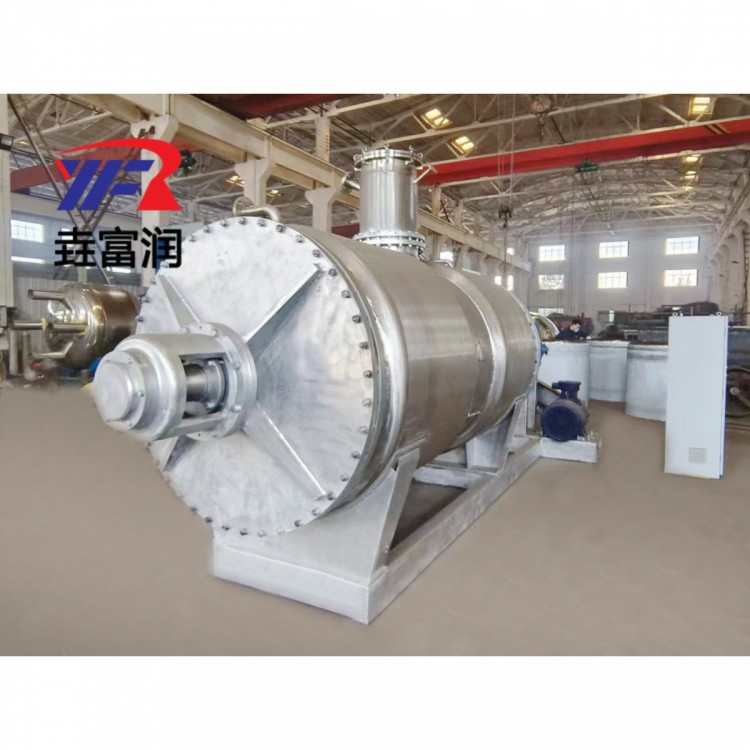
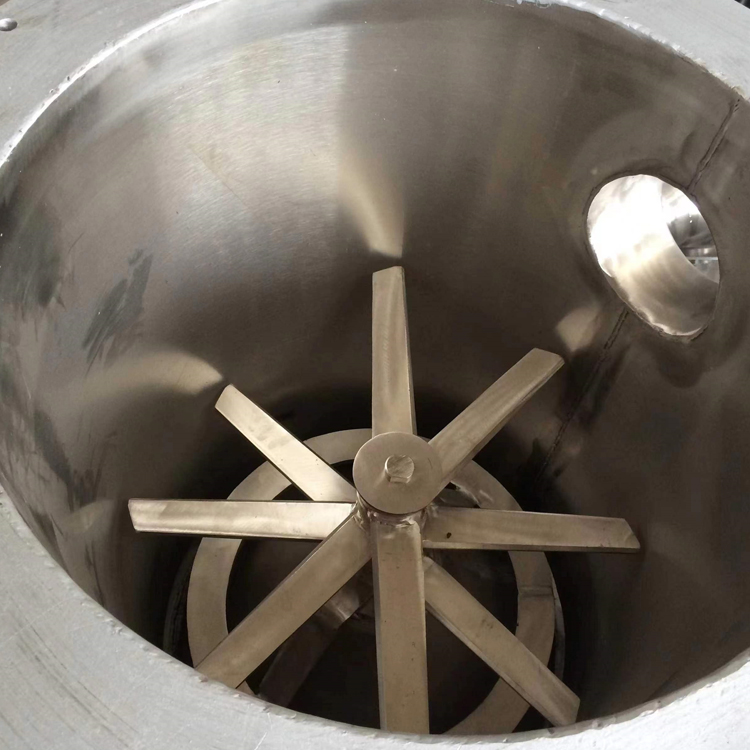
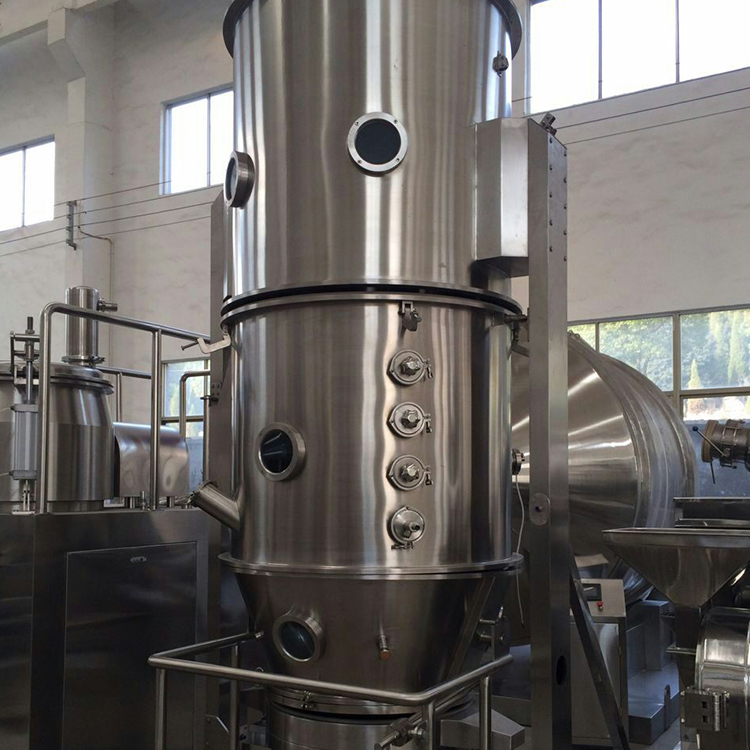
The working principle of the rotary flash dryer: Hot air enters at an angle to the bottom of the dryer, forming a powerful rotating airflow driven by the agitator. Paste-like material is introduced into the dryer by a spiral feeder, where it is dispersed under the intense action of high-speed rotating blades, resulting in rapid crushing of lumpy material, thorough contact with hot air, heating, and drying. The dried material, after dehydration, rises with the hot air stream. The grading ring retains larger particles, while smaller particles are discharged from the center of the ring outside the dryer, collected by a cyclone separator and dust collector. Un-dried or larger pieces are thrown against the wall by centrifugal force, falling back to the bottom to be crushed and dried again.
Performance Features:
1The integrated application of cyclone, fluidization, spray drying, and粉碎 classification technologies.
2Equipment is compact, with a small footprint, high production efficiency, continuous operation, and has achieved"Small equipment, big production"。
3High dry strength, low energy consumption, and high thermal efficiency.
4Short material retention time, high-quality finished products, suitable for drying thermally sensitive materials.
5Vacuum or low-pressure operation, excellent sealing, high efficiency, and environmental pollution elimination.
Rotary Flash Dryer: Regular Maintenance
1Regularly clean the medium efficiency filter bags once a month. They are fed into the boiling machine from the air outlet, loosen the frame screws, and remove the mesh bags to soak in cleaning agent first.30Wash with clean water and dry.
2Regularly clean and lubricate the gear box in the agitator of the flash vapor drying equipment.
3Regularly apply lubricant to the transmission gears of the flash drying equipment feed cars and fill in the equipment lubrication records.
Rotary Flash Dryer Suitable Material:
Inorganic goods:Boric acid, calcium carbonate, hydroxides, copper sulfate, iron oxide, barium carbonate, antimony trioxide, various metal hydroxides, various heavy metal salts, synthetic cryolite, etc.
Organic matter:AtrazineLauric acid, benzoic acid, cinnamic acid, bactericide, sodium metavanadate, cellulose acetate, etc.
Ceramics: Kaolin, Silicon Dioxide, Clay.
Dyes: Anthraquinone, black iron oxide, indigo pigment, butyric acid, titanium dioxide, zinc sulfide, various azo dye intermediates.
Food Products: Soy Protein, Gelling Starch, Distiller's Dregs, Wheat Sugar, Wheat Starch.
Product Specifications:
Model | Tubing Diametermm) | Airflow Handlingm3/h) | Evaporated Water Volumekg/h) | Host dimensionsmm) | Main Engine Powerkw) | Square Footage (m2) |
XZG-2 | 200 | 300-800 | 10-20 | 250×2800 | 5-9 | 3500×2500 |
XZG-3 | 300 | 600-1500 | 20-50 | 400×3300 | 8-15 | 3800×2700 |
XZG-4 | 400 | 1250-2500 | 25-70 | 500×3500 | 10-17.5 | 4000×3000 |
XZG-5 | 500 | 1500-4000 | 30-100 | 600×4000 | 12-24 | 4200×3200 |
XZG-6 | 600 | 2500-5000 | 40-200 | 700×4200 | 20-29 | 4250×3250 |
XZG-8 | 800 | 3000-8000 | 60-600 | 900×4600 | 24-35 | 4500×3500 |
XZG-10 | 1000 | 5000-12500 | 100-1000 | 1100×5000 | 40-62 | 4750×3750 |
XZG-12 | 1200 | 10000-20000 | 150-1300 | 1300×5200 | 50-89 | 5000×4000 |
XZG-14 | 1400 | 14000-27000 | 200-1600 | 1500×5400 | 60-105 | 5250×4250 |
XZG-16 | 1600 | 18700-36000 | 250-2000 | 1700×6000 | 70-105 | 5500×4500 |
1.Evaporation rate based on incoming air humidity180Thermometer, outlet air temperature80Thermometer.
2.The installed capacity is a basic data, which can be altered according to the physical and chemical properties of the material.
3.Lot size is arranged based on actual conditions; the data in the table is for reference only.