








Product Description:
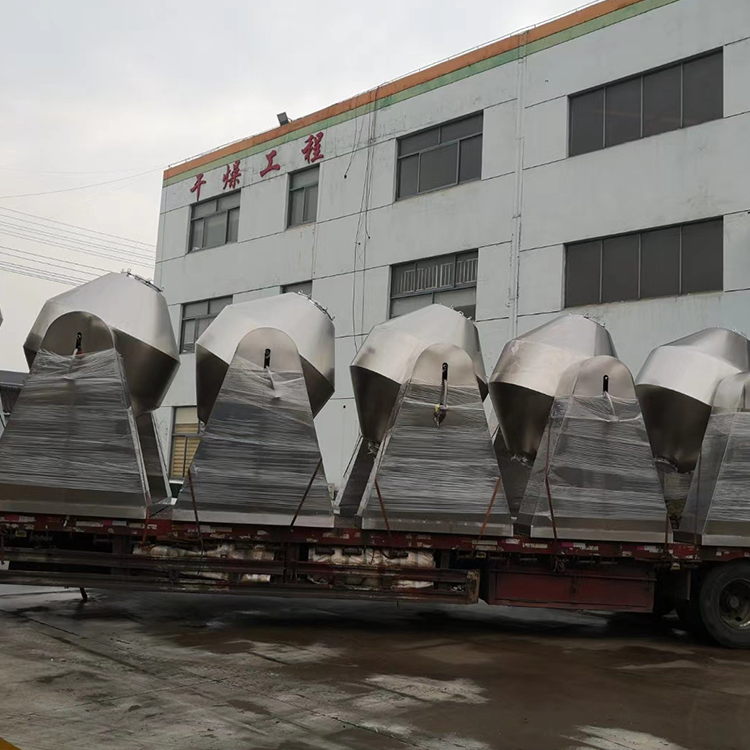
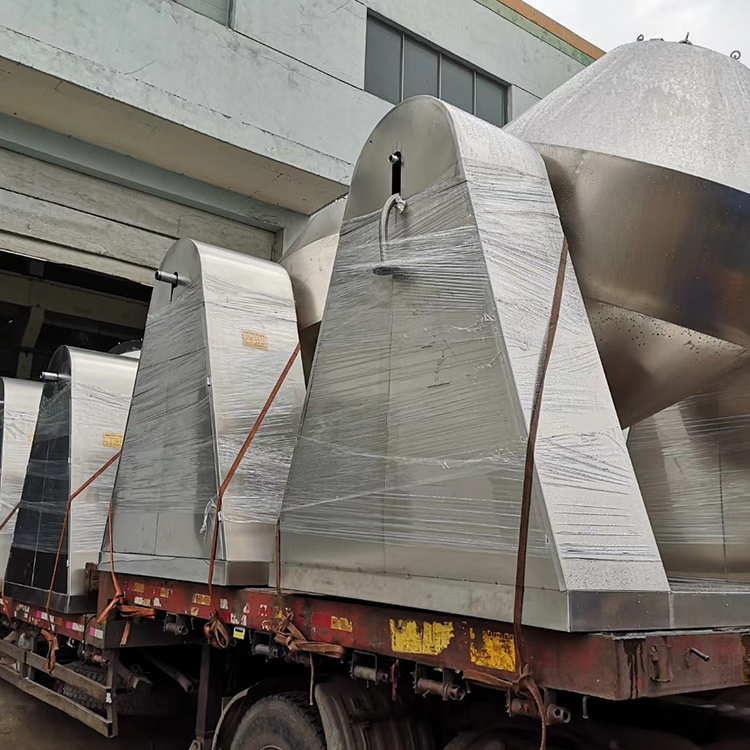
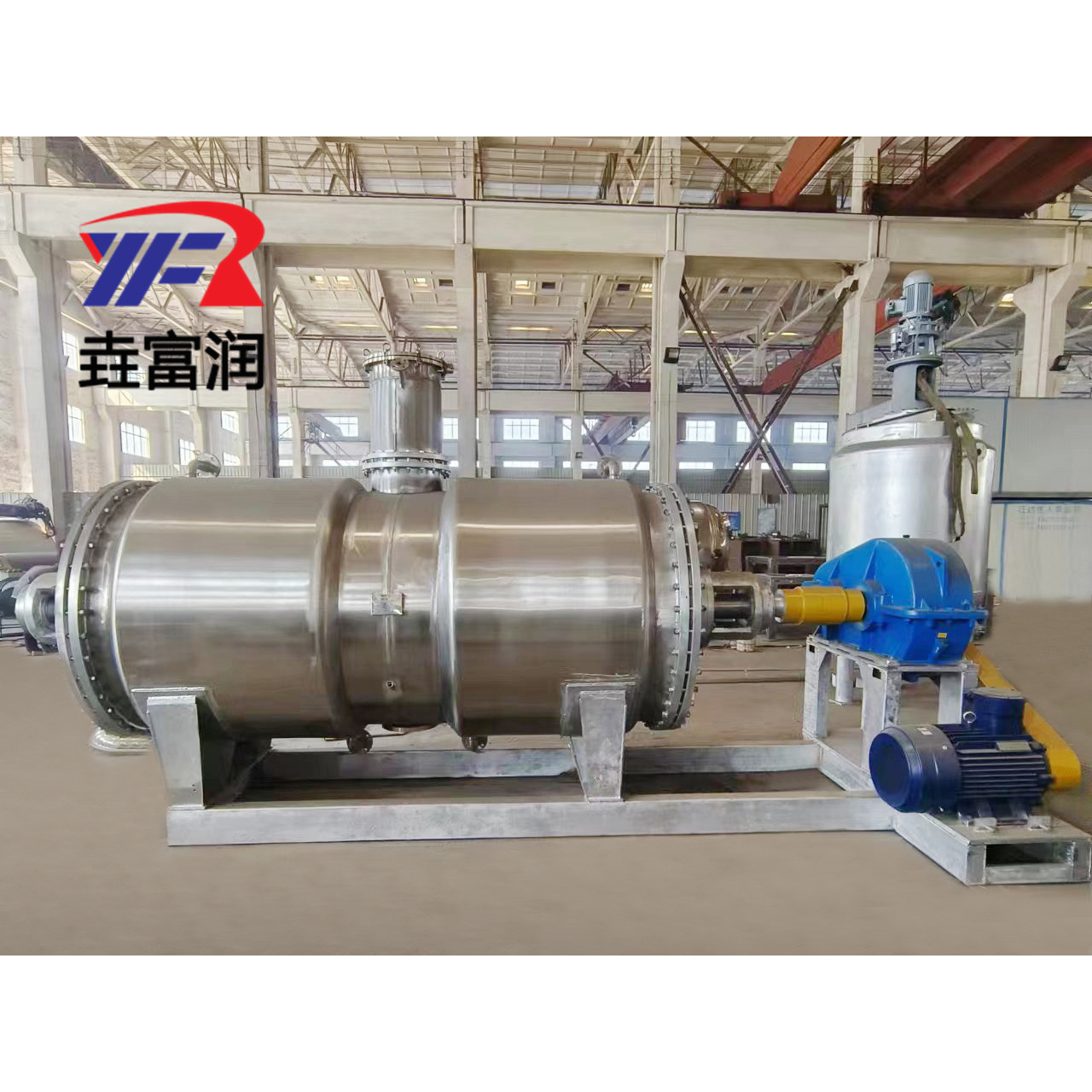
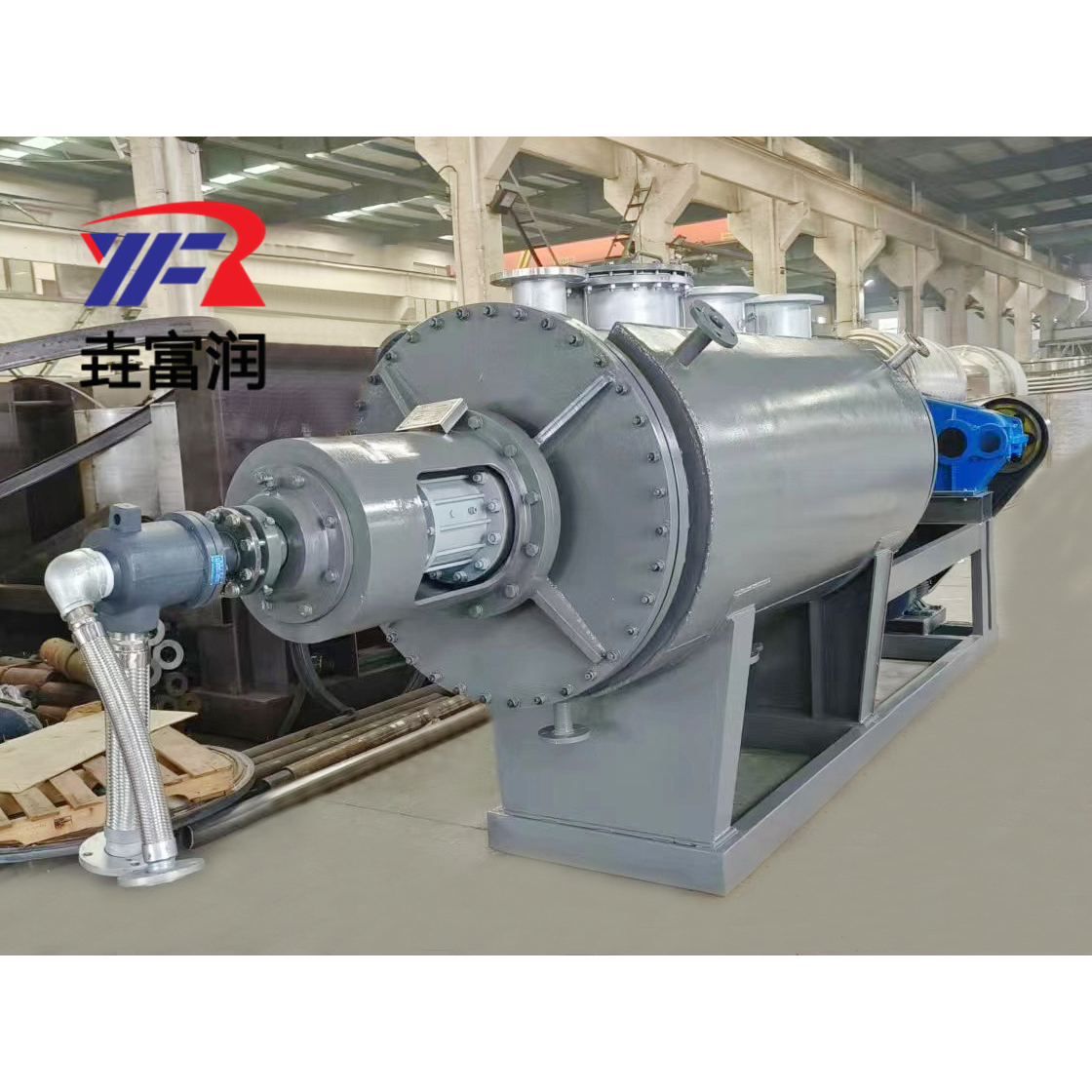
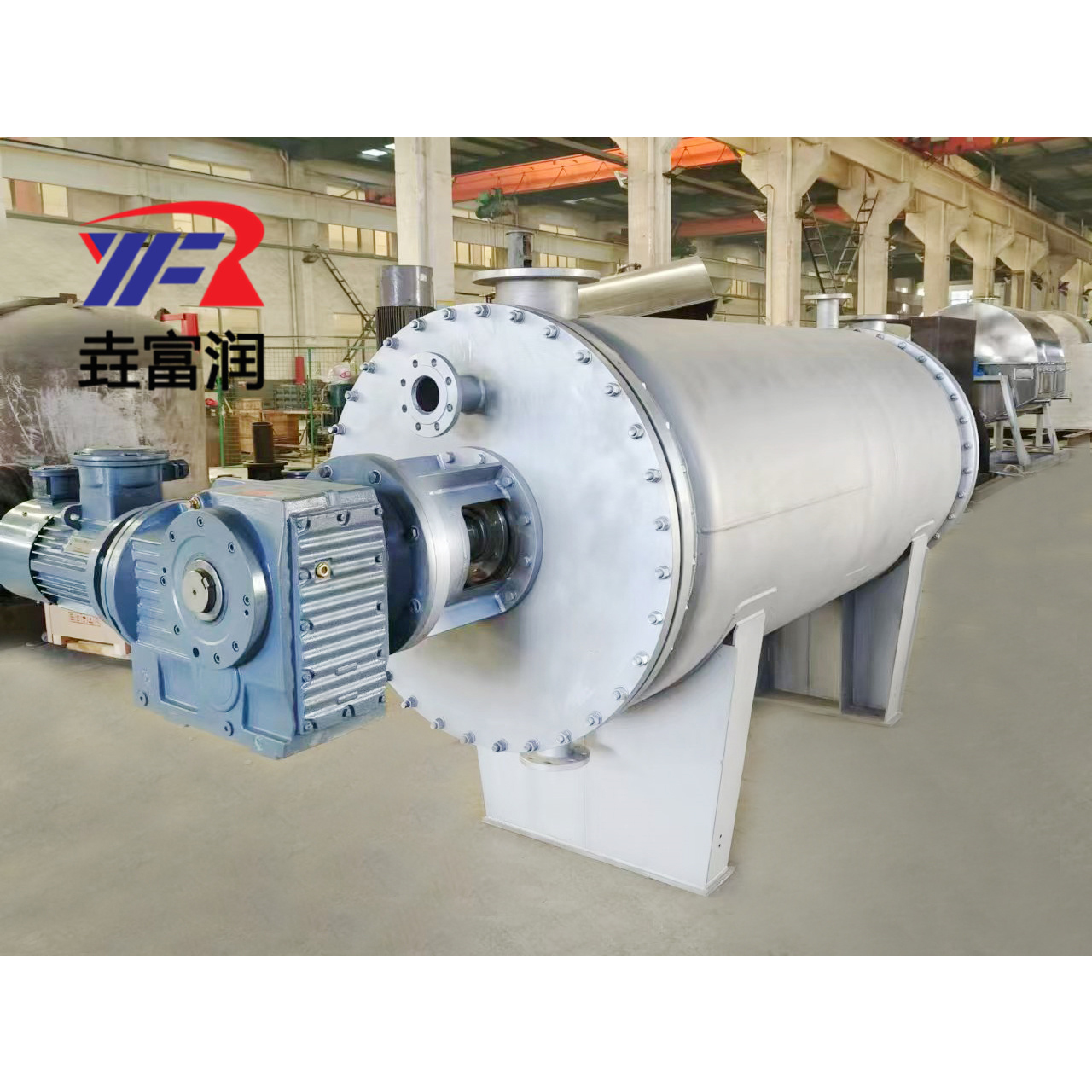
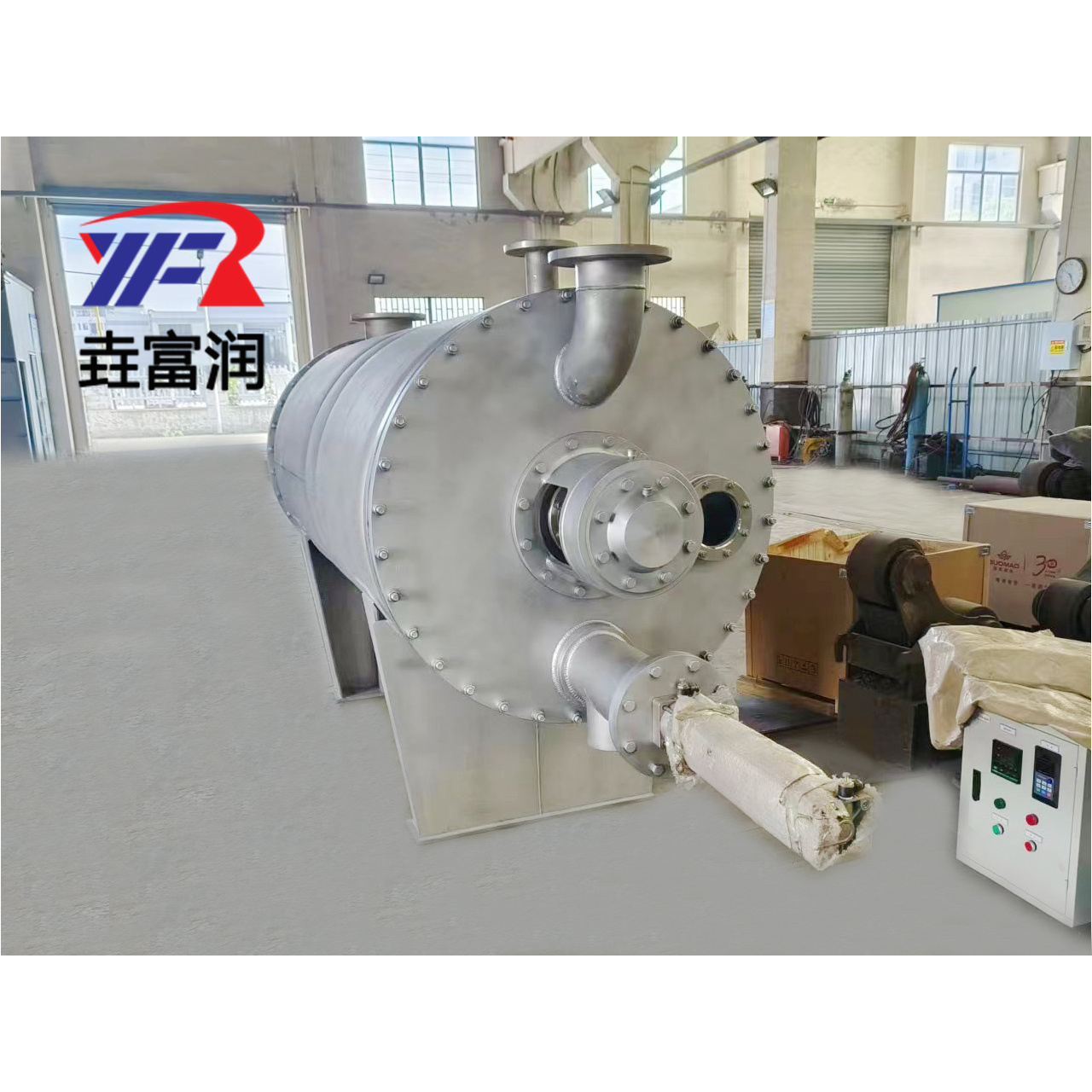
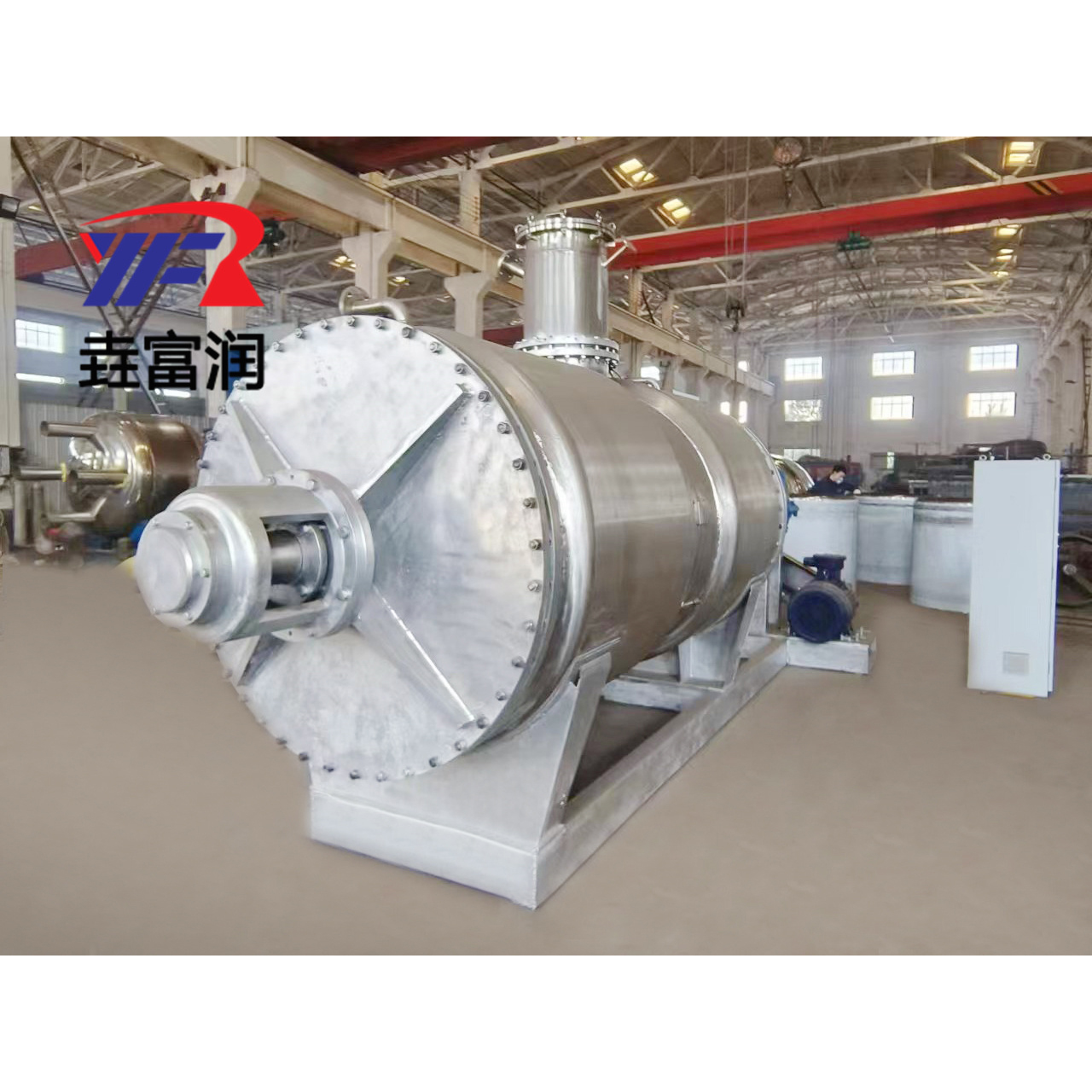
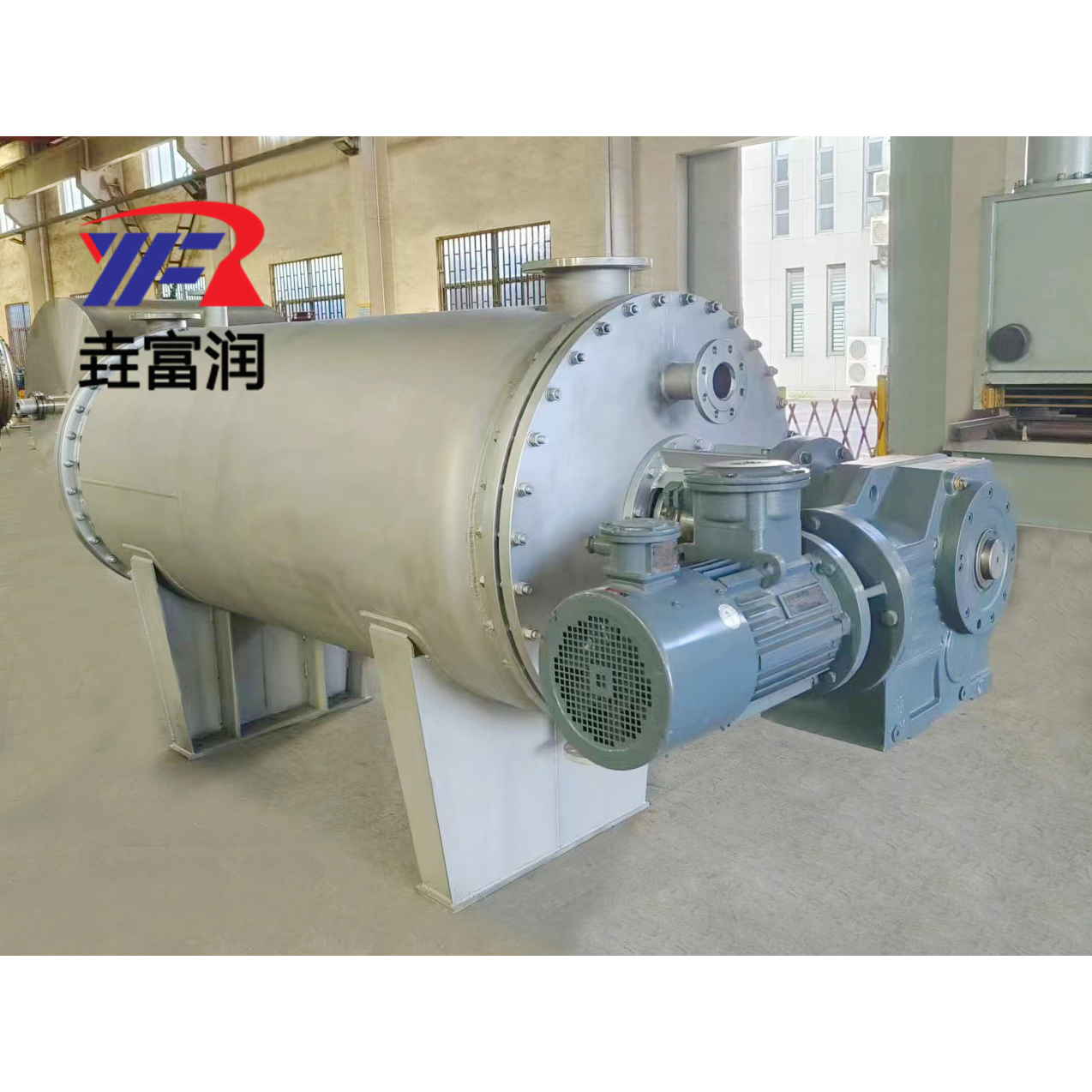
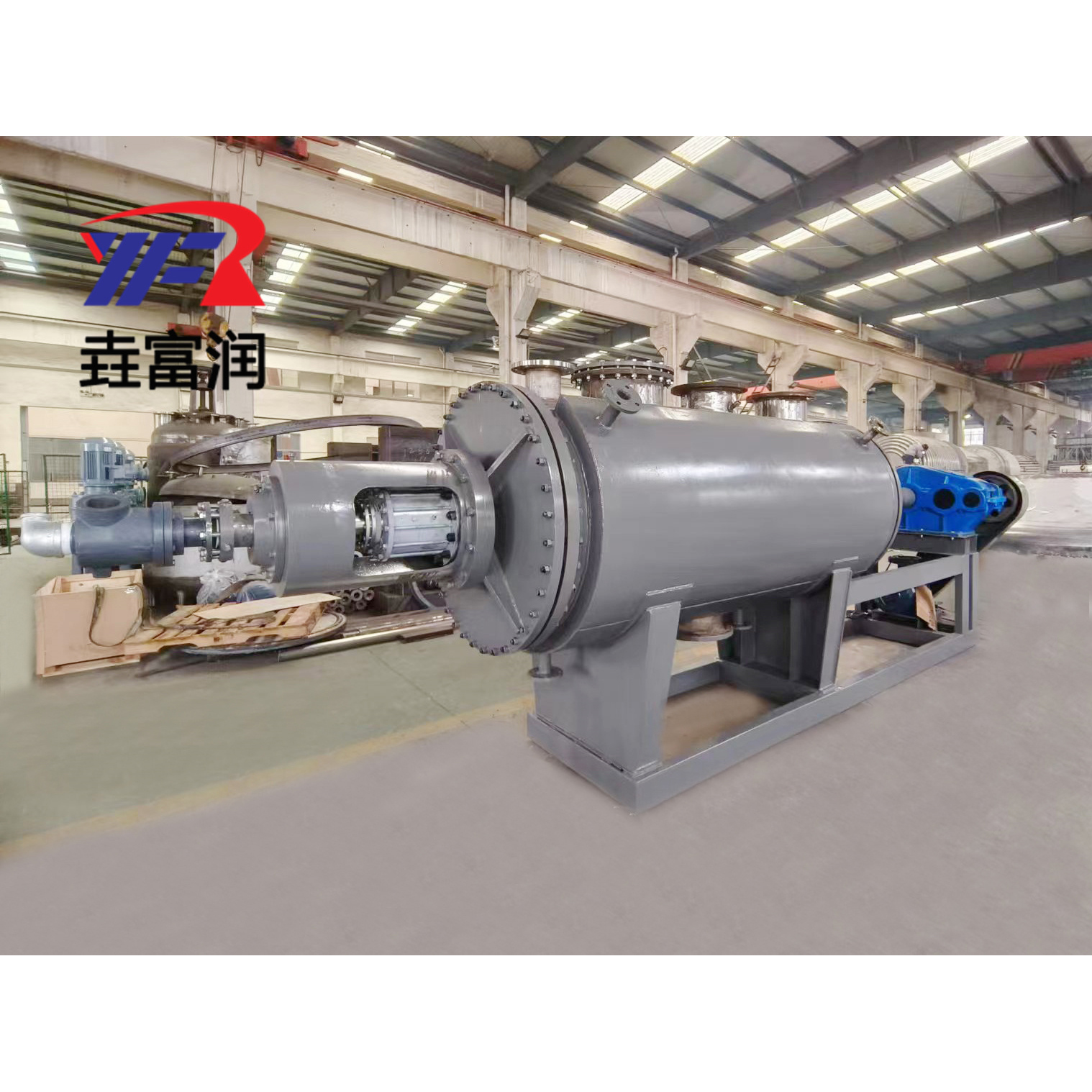
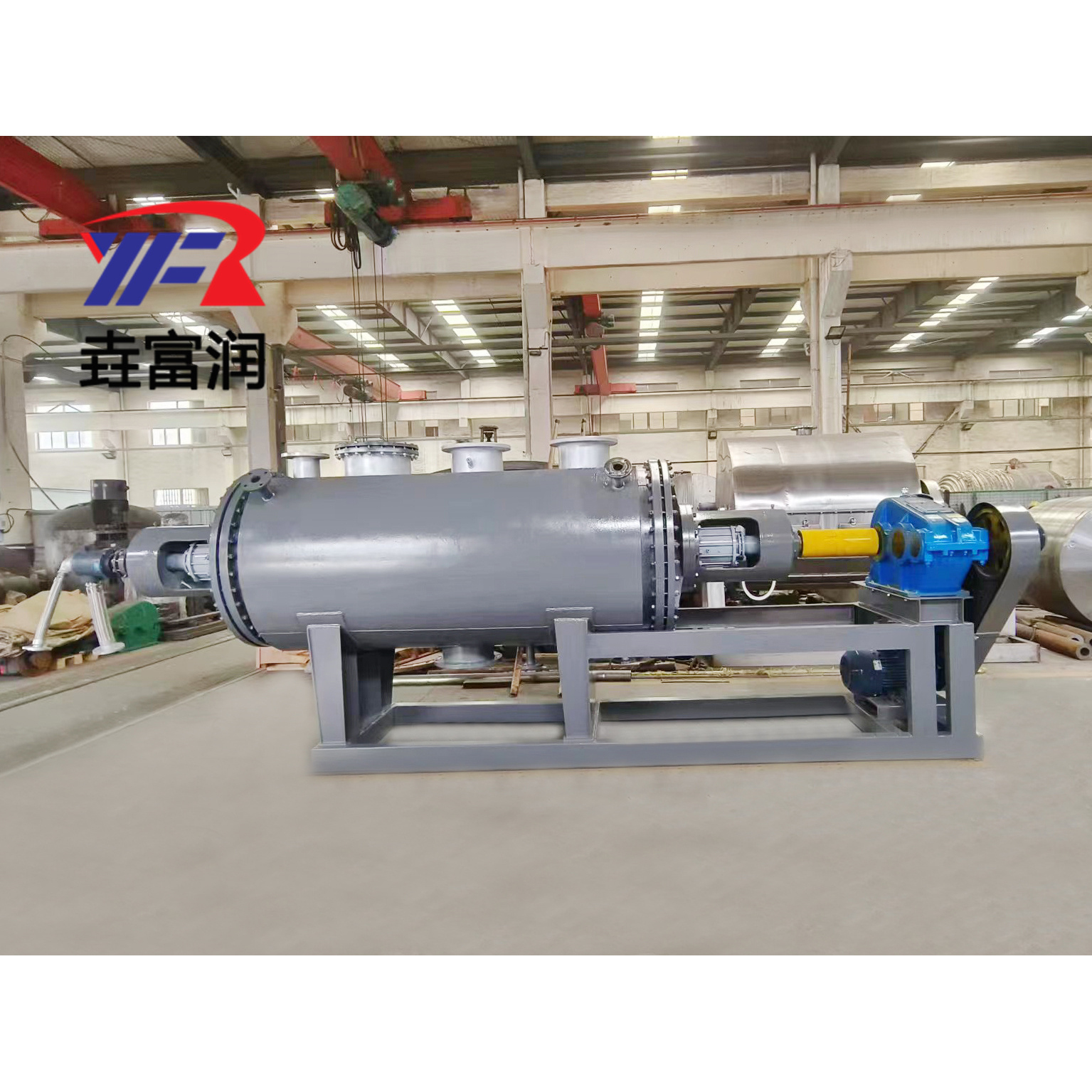
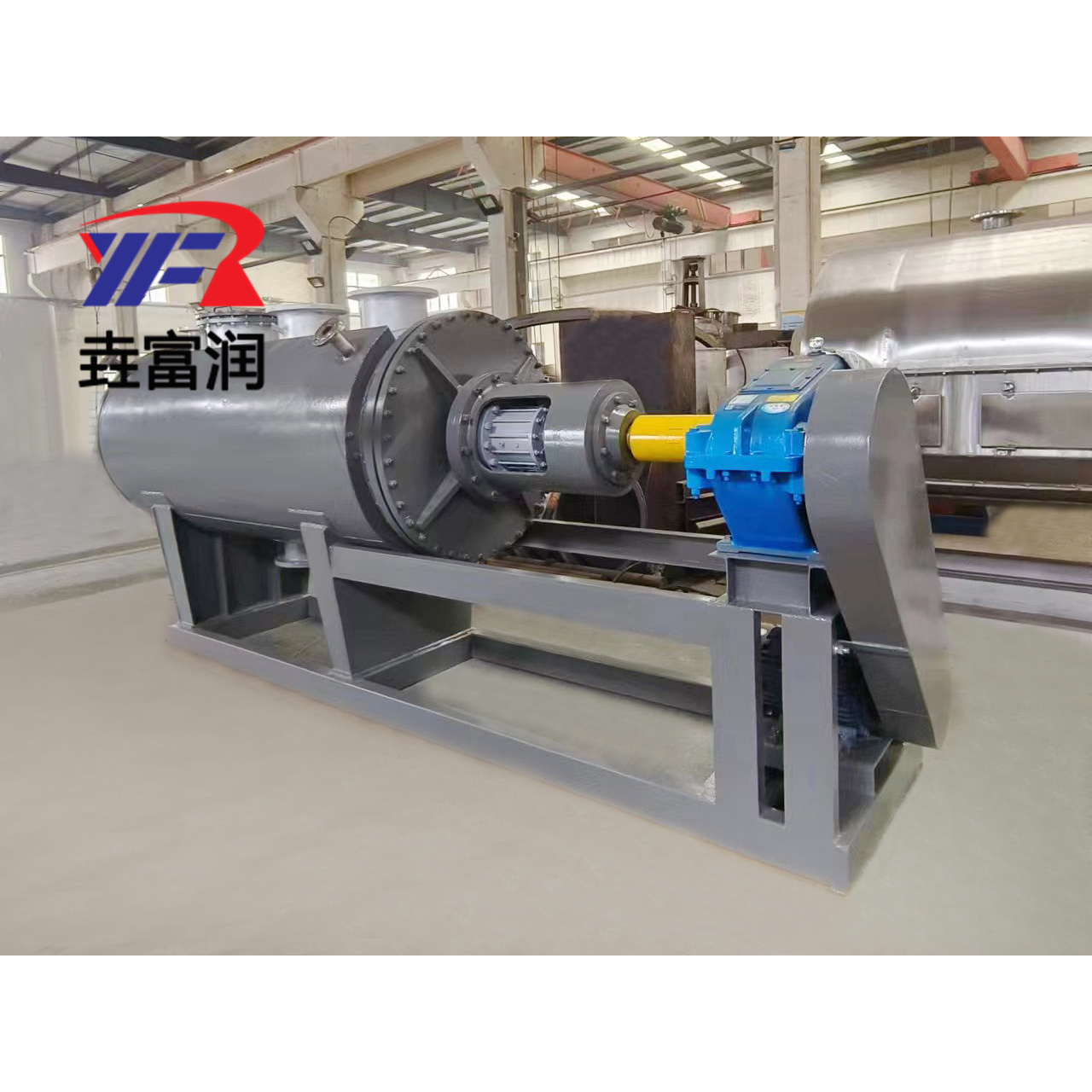
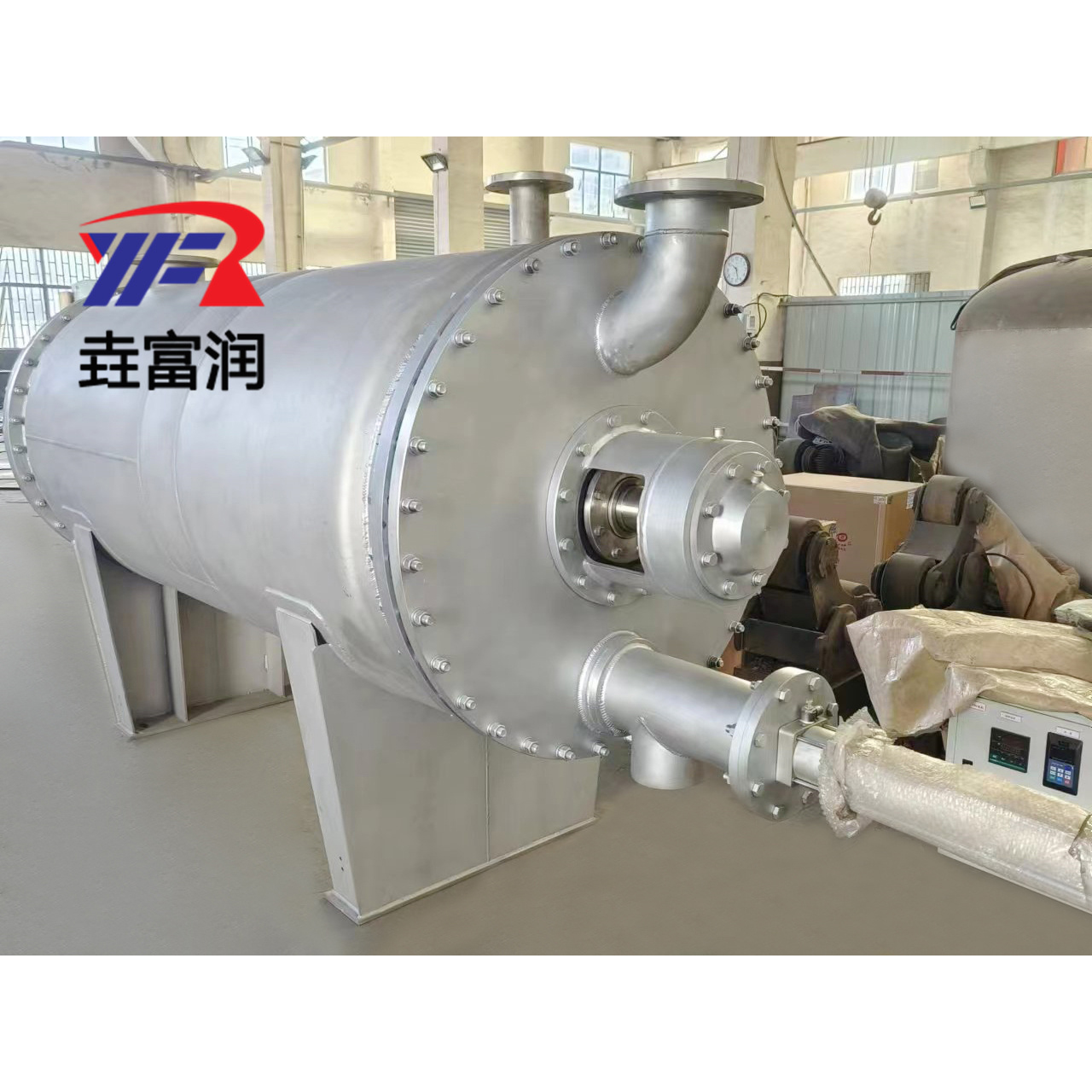
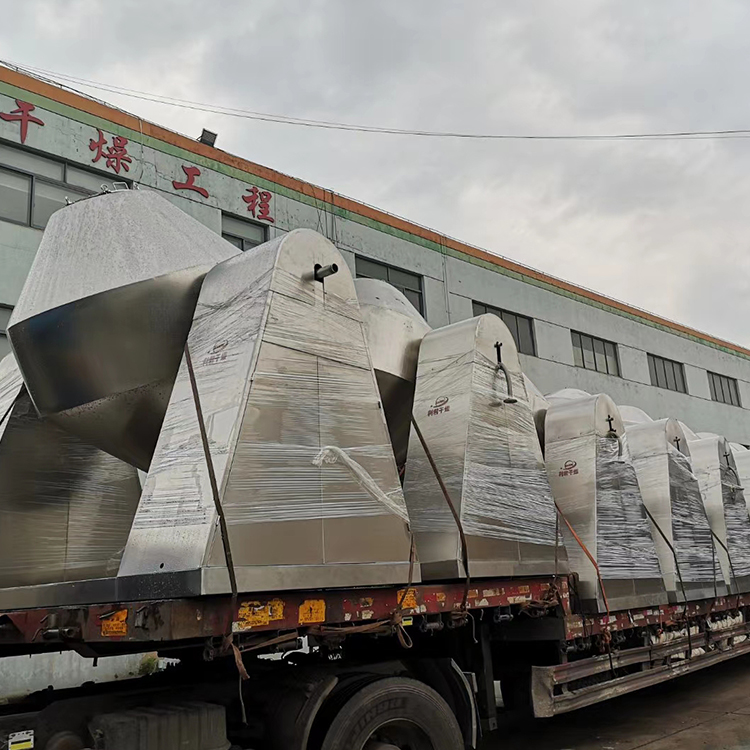
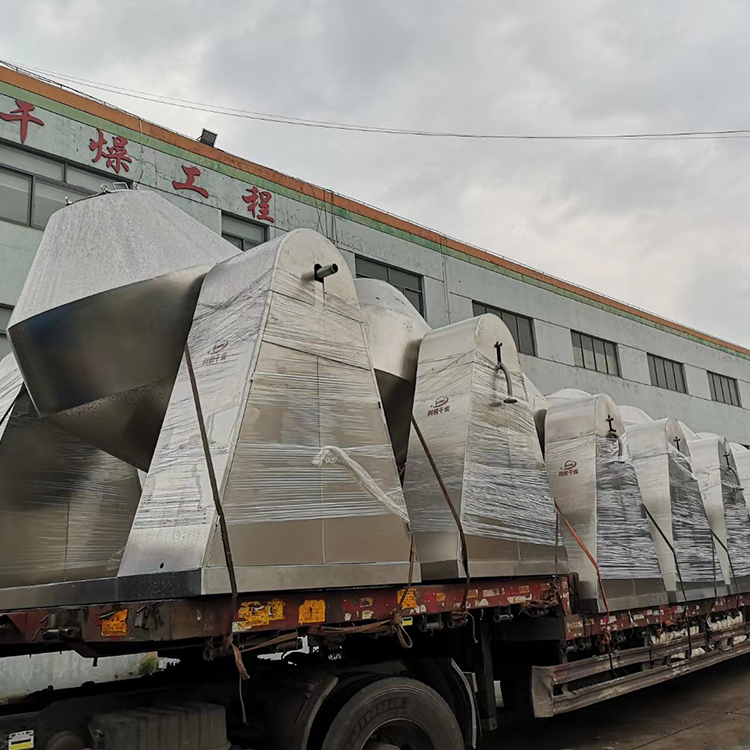
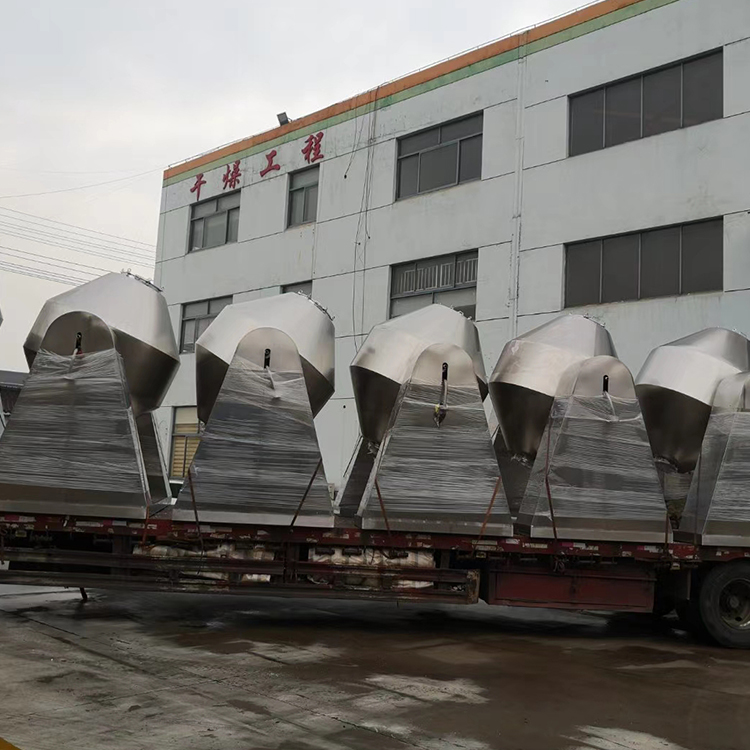
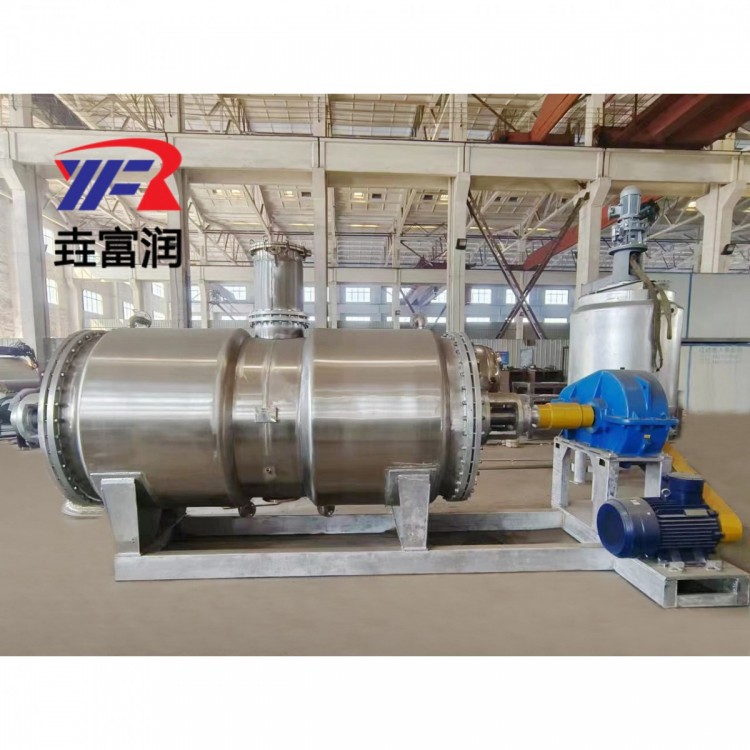
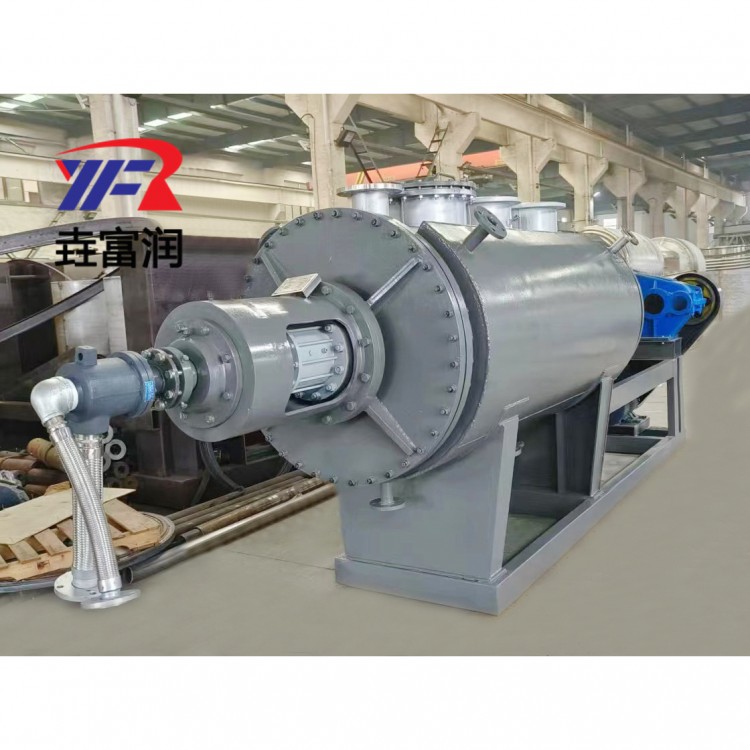
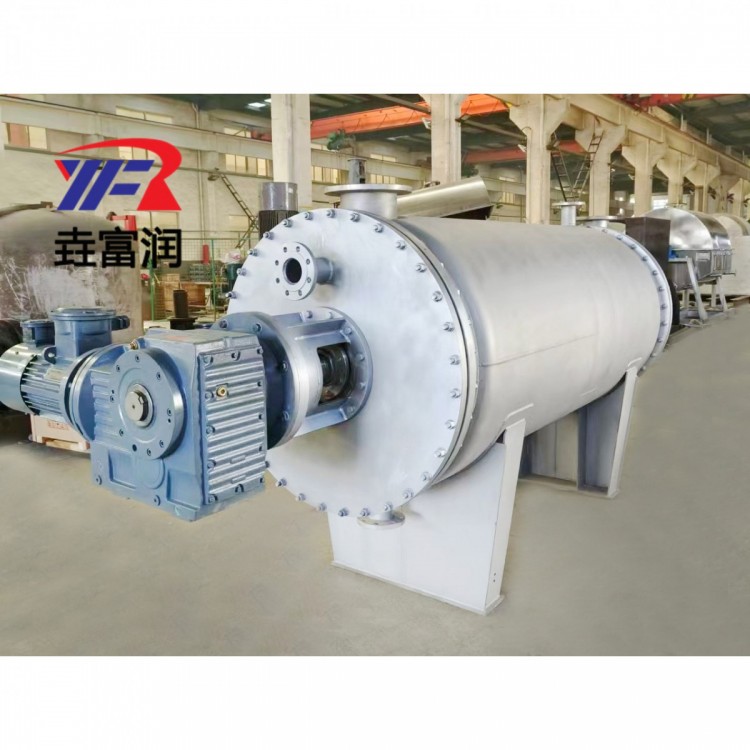
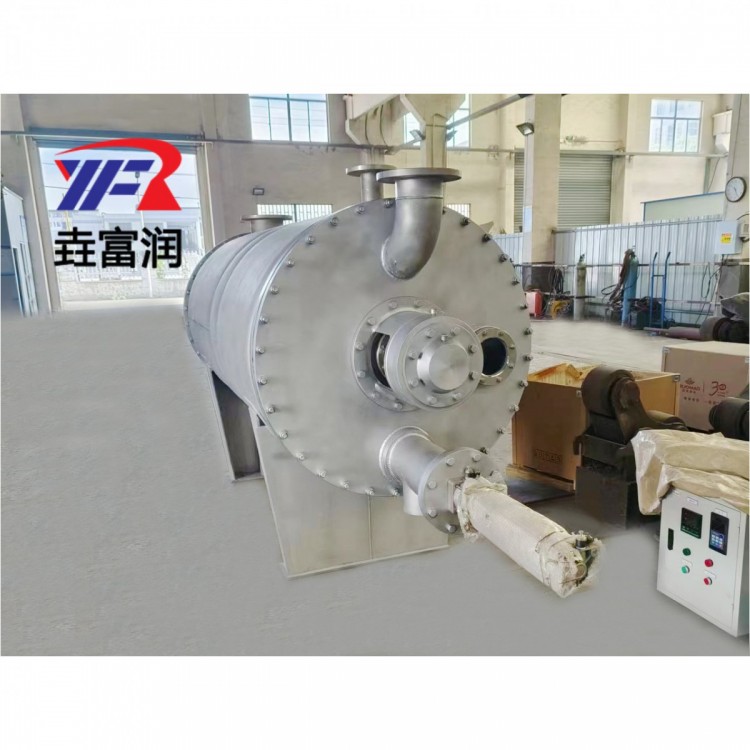
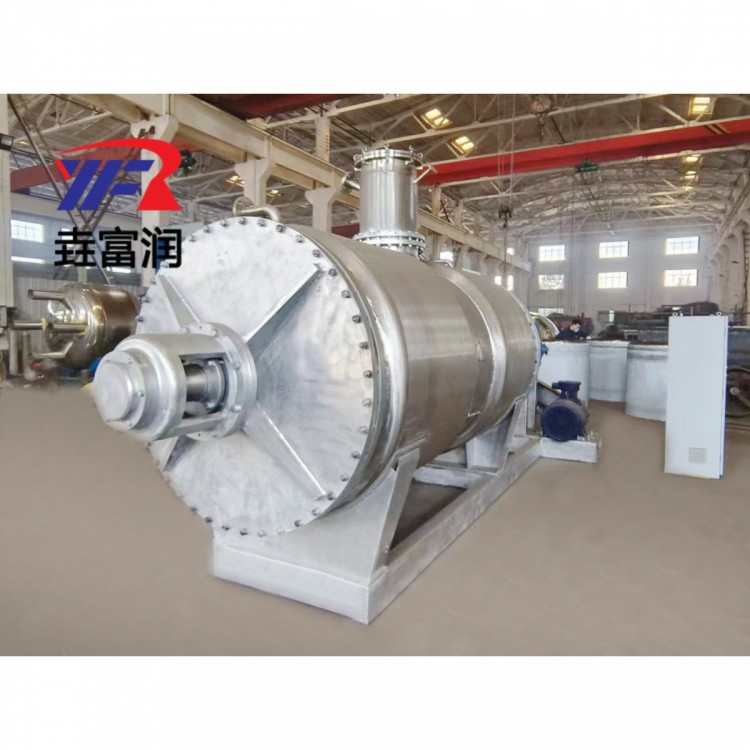
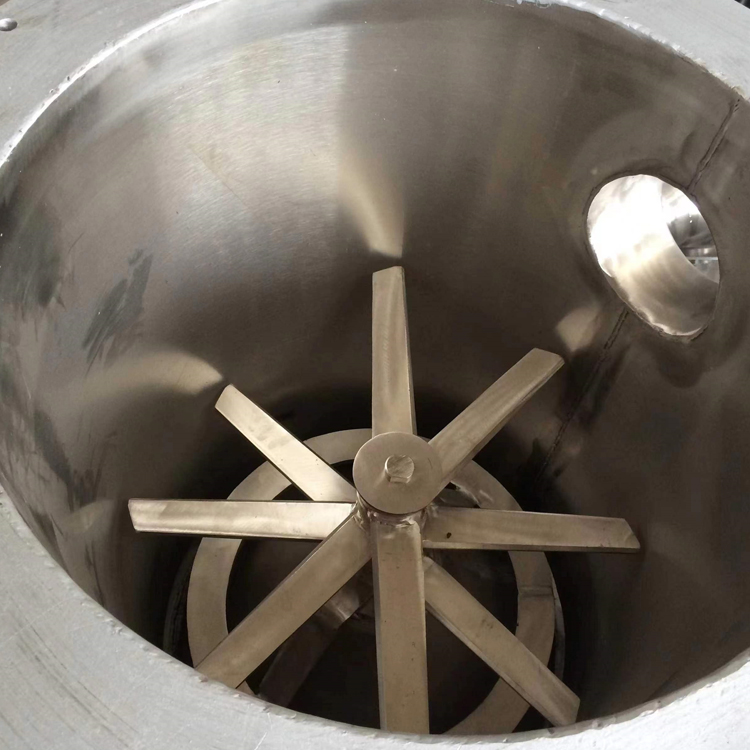
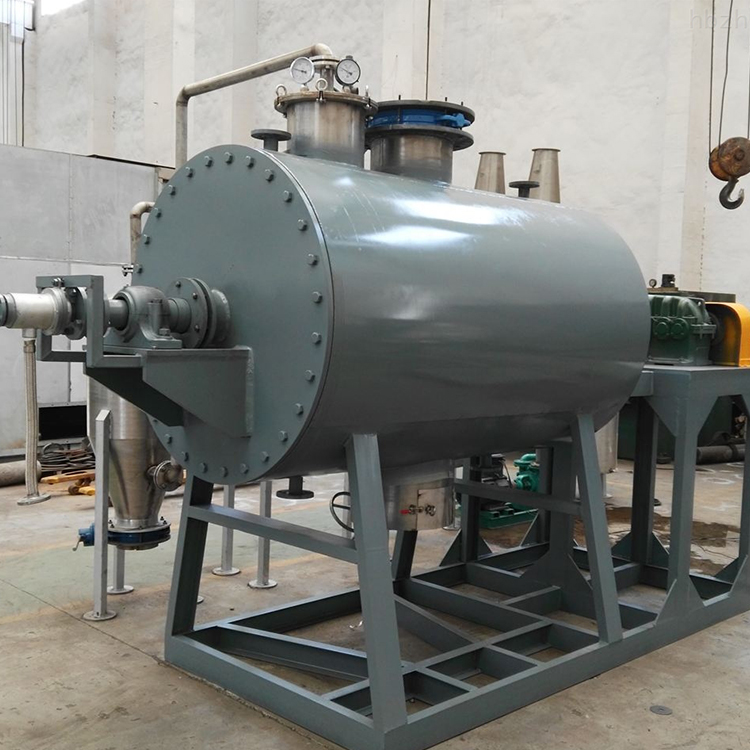
The twin-cone rotary vacuum drying system is mainly composed of a twin-cone rotary vacuum dryer, condenser, dust collector, vacuum suction system, heating system, cooling system, and electrical control system.
This unit is designed with advanced technology, featuring a simple internal structure that is easy to clean. All materials can be fully discharged, with simple operation that reduces labor intensity and improves the working environment. Additionally, due to the container's rotation, materials also rotate without accumulating on the walls, resulting in a high heat transfer coefficient and rapid drying rate. This not only saves energy but also ensures uniform and thorough drying of materials, leading to high quality. It can be widely used in the drying of materials in industries such as chemicals, food, and dyes.
Pre-operational checks for the double-conical rotary vacuum dryer to ensure safe equipment operation.
1Check if the filter position inside the drum is upwards.
2Check if the filter meets the technical requirements and is securely fastened with industrial filter cloth.
3Open the vacuum pump, once the tank reaches a certain vacuum degree, insert the material tube into the powder, and use the vacuum to suck the material into the tank. The amount of material loaded must not exceed the total volume of the tank.50Percentages, and the materials must not contain any solid lumps. If the material's density or moisture content is too high, the feed quantity should be appropriately reduced.
4Open the vacuum pipeline valve to achieve the required vacuum degree inside the tank.
5、.Material extraction complete, directly connect the feed port to the atmosphere, close the valves on the vacuum pipeline, remove the feed receiving unit, install the feed tube cap, and ensure its sealing integrity.
6Open the jacket heating steam (or hot water) inlet valve, heat and dry the material inside the tank, but continuously rotate during the initial drying phase to reduce or eliminate material clumping.
Product Specifications:
Project | Model Type | ||||||||||
Name | Unit | 100 | 200 | 350 | 500 | 750 | 1000 | 1500 | 2000 | 3000 | 4500 |
Total Volume | L | 100 | 200 | 350 | 500 | 750 | 1000 | 1500 | 2000 | 3000 | 4500 |
Work Volume | L | ≤50 | ≤100 | ≤175 | ≤250 | ≤375 | ≤500 | ≤750 | ≤1000 | ≤1500 | ≤2250 |
Heating Area | m2 | 1.16 | 1.5 | 2 | 2.63 | 3.5 | 4.61 | 5.58 | 7.5 | 9.6 | 13.8 |
RPM | rpm | 3-13 | |||||||||
Power | kw | 0.76 | 1.1 | 1.5 | 1.5 | 2 | 3 | 3 | 4 | 5.5 | 7.5 |
Rotary Height | mm | 1810 | 1910 | 2090 | 2195 | 2500 | 2665 | 2915 | 3055 | 3330 | 4210 |
Overall Weight | kg | 550 | 700 | 900 | 1100 | 1200 | 1300 | 1500 | 2000 | 3000 | 4000 |
Internal Can Design Pressure | Mpa | -0.1-0.15 | |||||||||
Laminate design pressure | Mpa | ≤0.3 | |||||||||
Ordering Instructions:
Three heating methods: steam heating, hot water heating, and thermal oil heating.
Please specify the temperature tolerance of the material or the operating temperature of the dryer when placing an order, so that our factory can select or provide a heat source for you.
When drying sticky materials, our factory will specially design the tank“Counterfeit”Structure
Overall equipment packages are priced as required.