







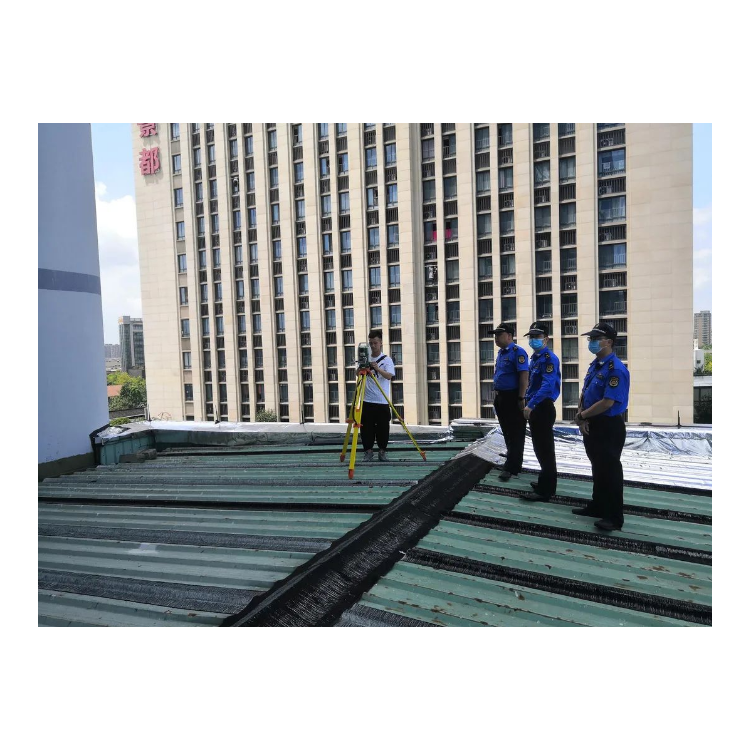
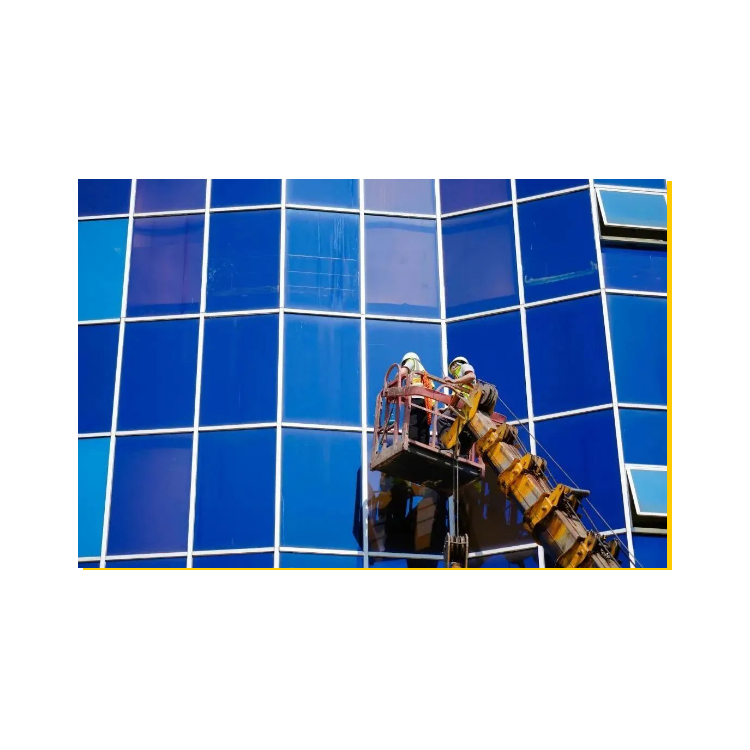
The main procedures required for rural house safety assessment include the following steps:
1. Site Selection Safety Assessment: Conducted an investigation of the surrounding environment for the selection of dangerous housing renovation sites, and performed safety assessment work. The assessment results are categorized into two levels: "Dangerous" and "Basic Safety."
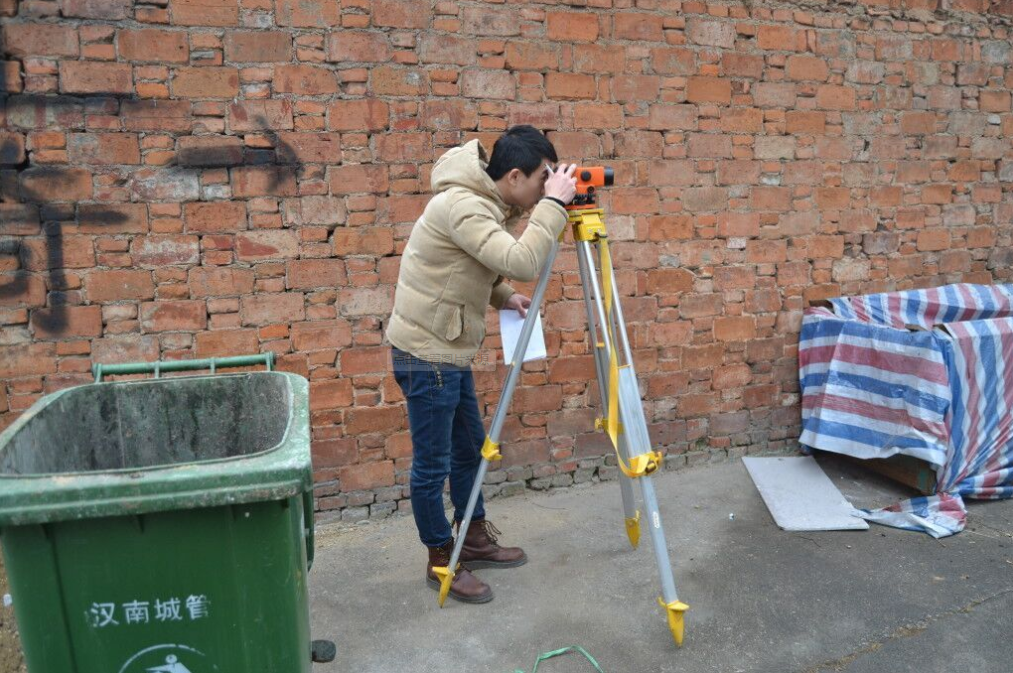
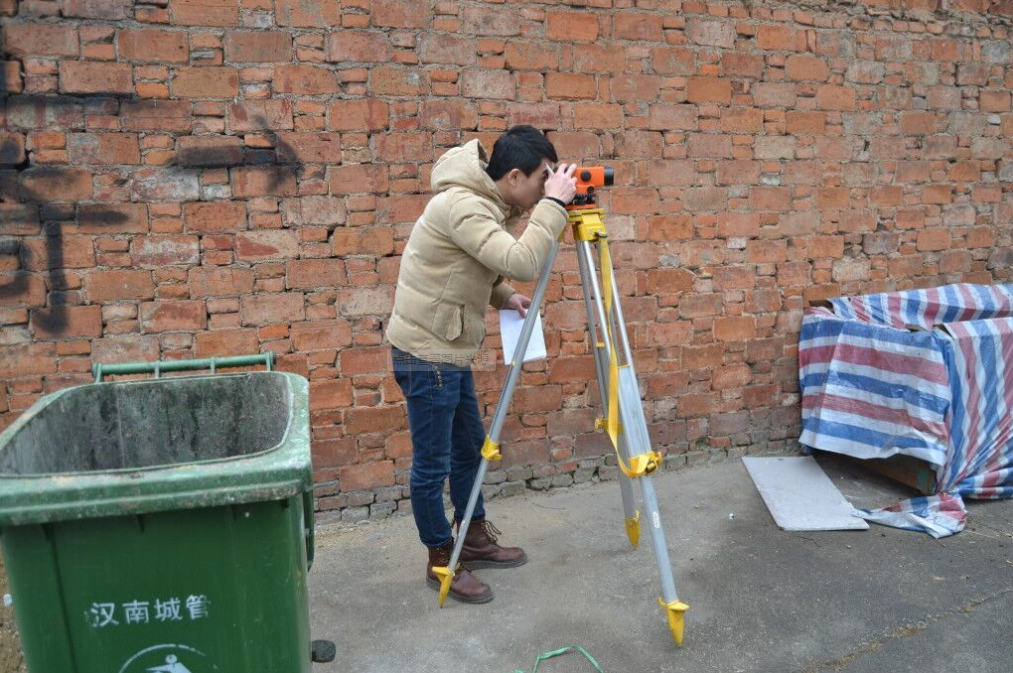
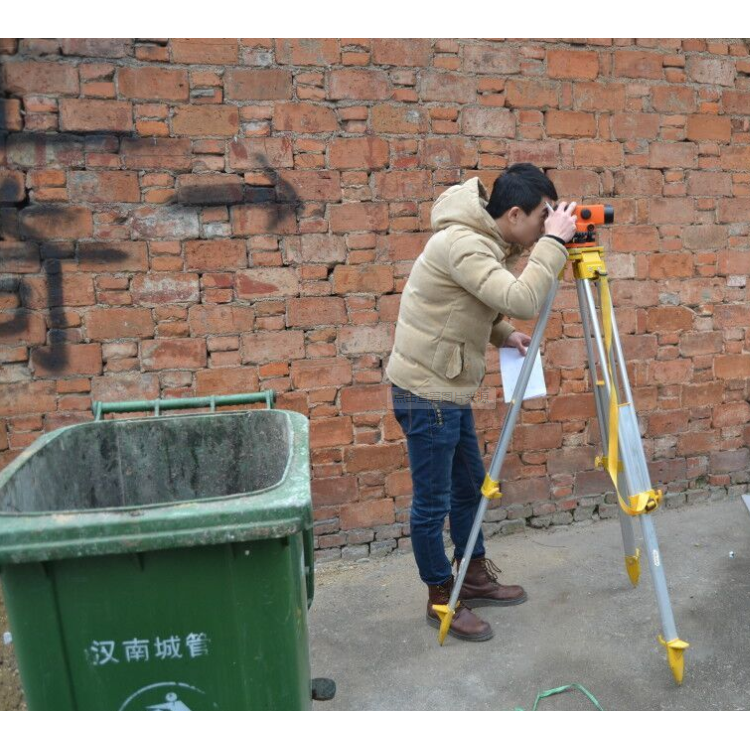
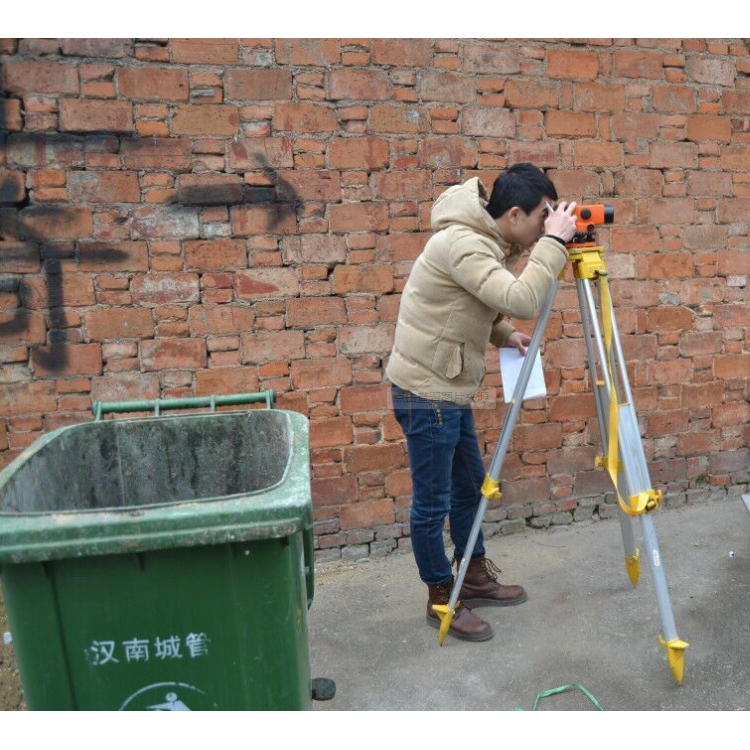
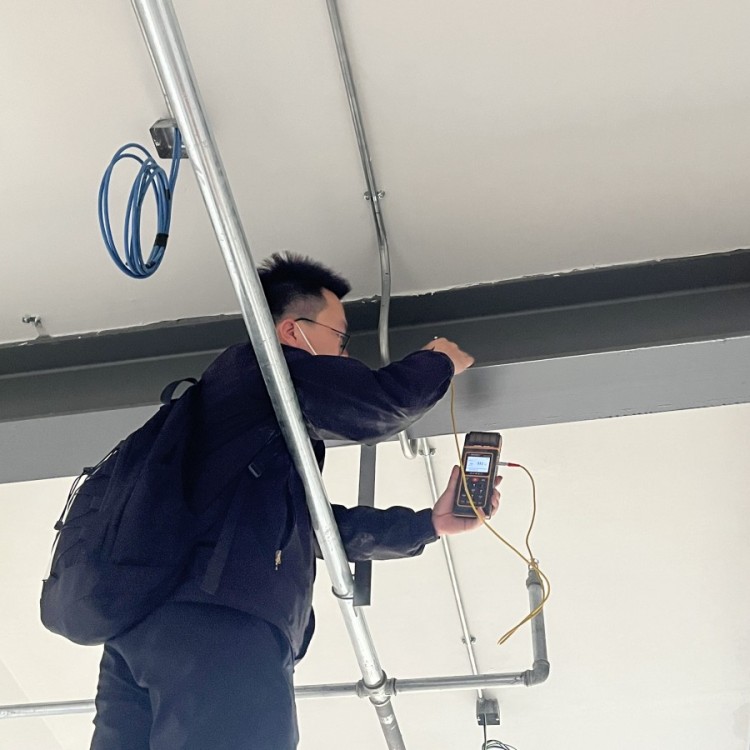
2. Survey the basic condition of the house: Conduct on-site measurement and inspection of the construction of the危改 house to obtain the current status of the building structure.
3. Hazardous Evaluation of Building Components: Conduct on-site measurements of the foundation, load-bearing structures, and protective structures of hazardous renovation houses, and evaluate them individually according to the four grades: a, b, c, and d.
4. Comprehensive House Hazard Assessment: Conduct hazard evaluations for each component of the hazardous renovation houses, categorizing them into four grades: A, B, C, and D.
5. Handling Recommendation: Assess the overall hazard of the buildings undergoing identification, and propose corresponding demolition plans or reinforcement measures.
6. Issue Identification Report: Establish a model corresponding to the dangerous housing renovation, conduct a risk level assessment and analyze related circumstances, and on this basis, provide corresponding solutions.
Houses are categorized into four risk levels: A, B, C, and D. Level A houses have a safe structure with no hazardous points. Level B houses have some structural components in a hazardous state but do not affect the main structure. Level C houses have local hazards with some structural components in a dangerous load-bearing state. Level D houses have overall hazards, making them unsuitable for normal use.
Rural housing renovation and construction must control the area of new buildings to be demolished and reconstructed, ensuring basic living functions and safety. If it is actually necessary to allocate by household, in principle, the floor area of newly constructed or renovated houses for households with 1-3 members should be around 40-60 square meters.
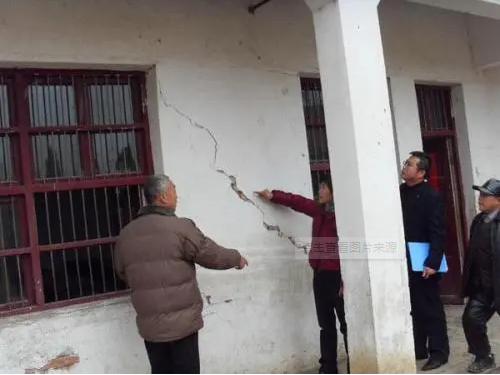
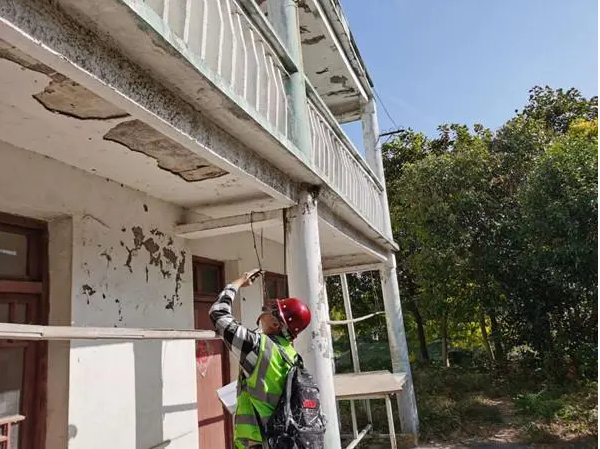
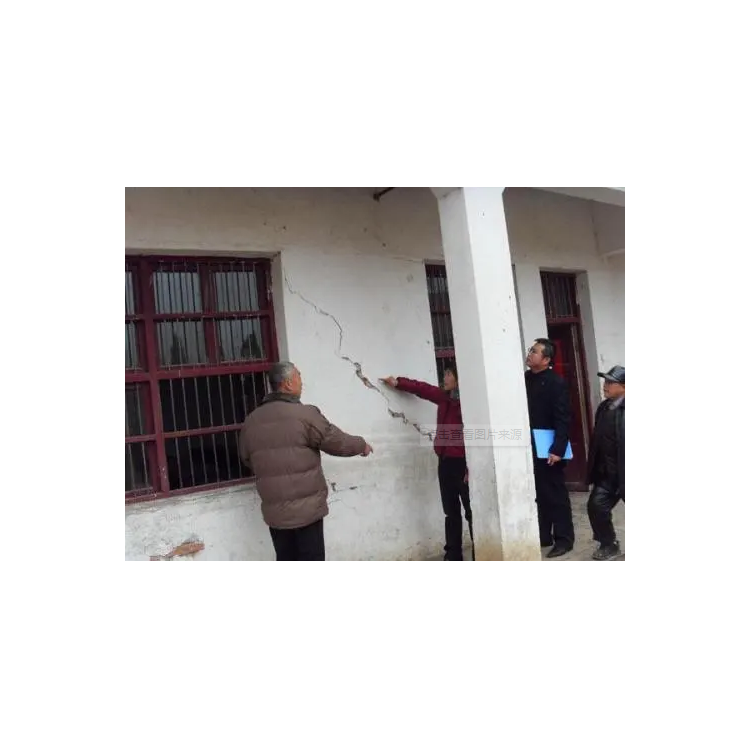
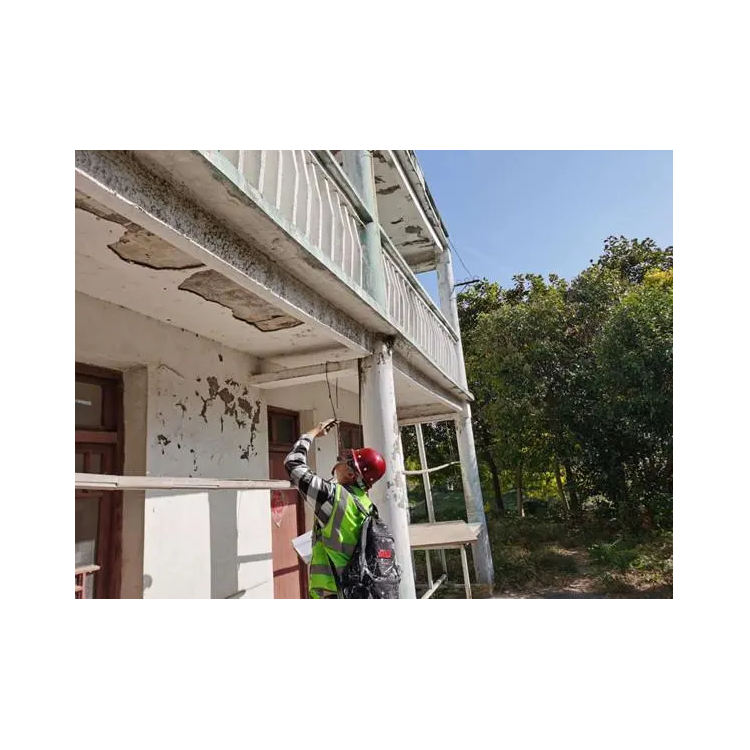
The primary method for rural dilapidated house verification and appraisal is through on-site verification and appraisal. Based on on-site inspections, houses are comprehensively evaluated according to the extent of damage, and the risk level of the houses can be categorized into four grades: A, B, C, and D.
Grade A: No hazardous points.
B Grade: Contains Hazardous Points
C Level: Local Hazard
D危险等级:Overall Hazard
Grade A: Structure meets normal usage requirements; no hazardous points found; building structure is safe.
B Grade: The structure generally meets the requirements for normal use, with some components in a hazardous state but not affecting the overall structural safety; essentially meets normal use requirements.
Grade C: Partial load-bearing structures fail to meet normal usage requirements, with localized hazards present, forming localized dilapidated buildings.
D Level: The load-bearing structure no longer meets normal usage requirements, the entire building is in danger, and constitutes a dangerous building.
Grade A:
1. Foundation: The foundation remains stable with no significant uneven settlement.
2. Walls: Load-bearing walls are in good condition with no visible stress cracks or deformation; no loose or slipping at the corners of walls and at the intersections of longitudinal and transverse walls. Non-load-bearing walls may have slight cracks.
3. Beams and Columns: Beams and columns are intact, with no visible stress cracks or deformation, and the beam and column joints are undamaged, without any cracks.
4. Floors and Roofs: No obvious stress cracks or deformation on the floor and roof panels; no loosening or cracks at the joints where the panels meet the beams.
Grade B:
1. Foundation: The foundation remains stable with no significant uneven settlement.
2. Walls: Load-bearing walls are mostly intact with no obvious stress cracks or deformations; no loose or loose joints are found at the corners of the walls or at the intersections of the longitudinal and transverse walls.
3. Beams and Columns: Beams and columns have minor cracks; joints of beams and columns are intact, without any cracks.
Grade C:
1. Foundation Stability: The foundation remains stable with minor damage observed.
2. Walls: Load-bearing walls mostly have minor cracks or noticeable cracking in sections of non-load-bearing walls; some load-bearing walls show significant displacement and tilt; non-load-bearing walls generally exhibit clear cracks; at some gable end corners and intersections of longitudinal and transverse walls, there is noticeable loosening and tilting.
3. Beams and Columns: Beams and columns have developed cracks but have not reached the limit state of bearing capacity; some beam and column joints show evident damage and cracking.
4. Floors and Roofs: Significant cracks in floors and roofs; loose joints and obvious cracks at the interfaces between floor/roof panels and walls or beams; some roof panels have collapsed.
Grade D:
1. Foundation Base: The foundation has essentially lost stability, with localized or overall collapse of the base.
2. Walls: Load-bearing walls exhibit significant tilting, localized crumbling, or collapse; corners and intersections of longitudinal and transverse walls are generally loose and cracked; non-load-bearing walls and parapets have localized collapses or severe cracks.
3 Beams and Columns: Severe damage at beam and column joints; general cracking in beams and columns; noticeable deformation and displacement in beams and columns; some column bases have serious sliding, with tilting and partial collapse.
4th Floor, Roof: The floor and roof panels are generally cracked, with some severely cracked; there is loosening and severe cracks at the junctions of the floor and roof panels with the walls and beams, with some roof panels collapsing; the roof frame is tilted, and some parts of the roof have collapsed.
5. Floors and Roofs: Floors and roofs have minor cracks but no significant deformation; there is some loose and minor cracking at the junctions of panels with walls and beams; the trusses are not inclined, and there is no obvious displacement at the connection points of the trusses with the columns.
6. Secondary Components: Non-load-bearing walls, walls of stairwells extending beyond the roofline, etc., may have minor cracks; plastering and other decorative layers may have cracks or localized chipping; some components are in a dangerous condition.