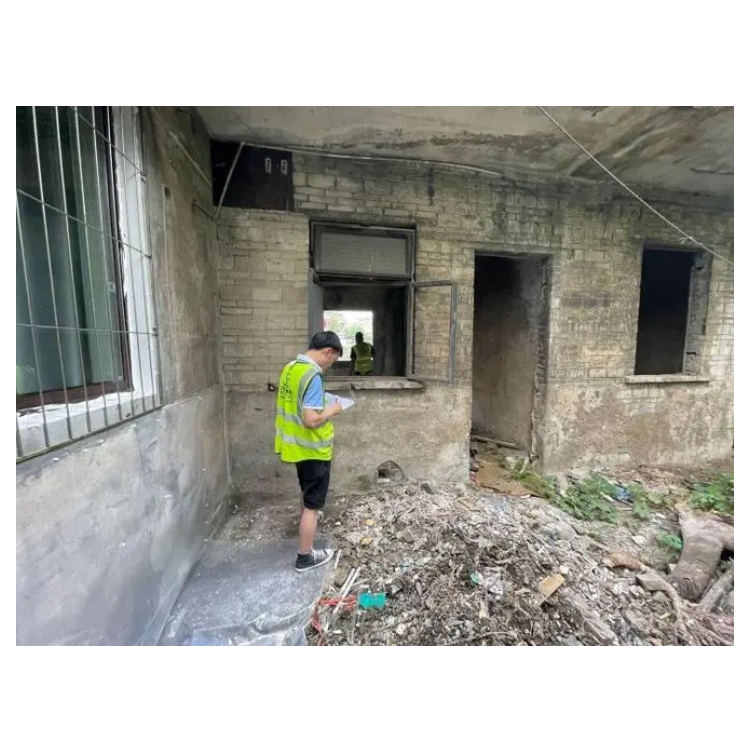








In some older urban districts or rural areas, most houses lack professional maintenance, leading to increasingly evident signs of aging and eventually becoming dilapidated.
For these houses, damage or aging that naturally occurs during use can become diverse quality issues when they further deteriorate into dangerous structures. By the time we discover the danger, it's too late. Because when conducting safety assessments or reinforcement work on dangerous structures, most of the problems found are extremely challenging.
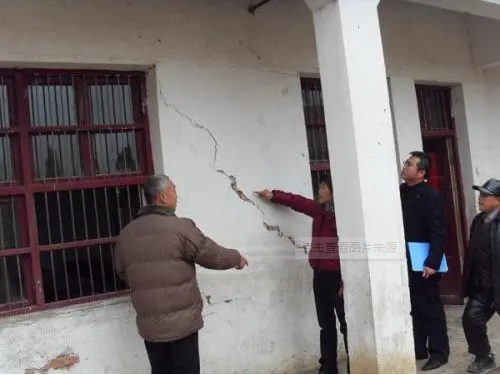
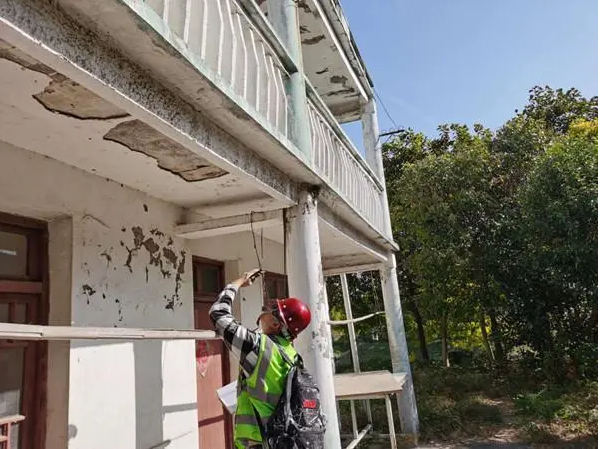
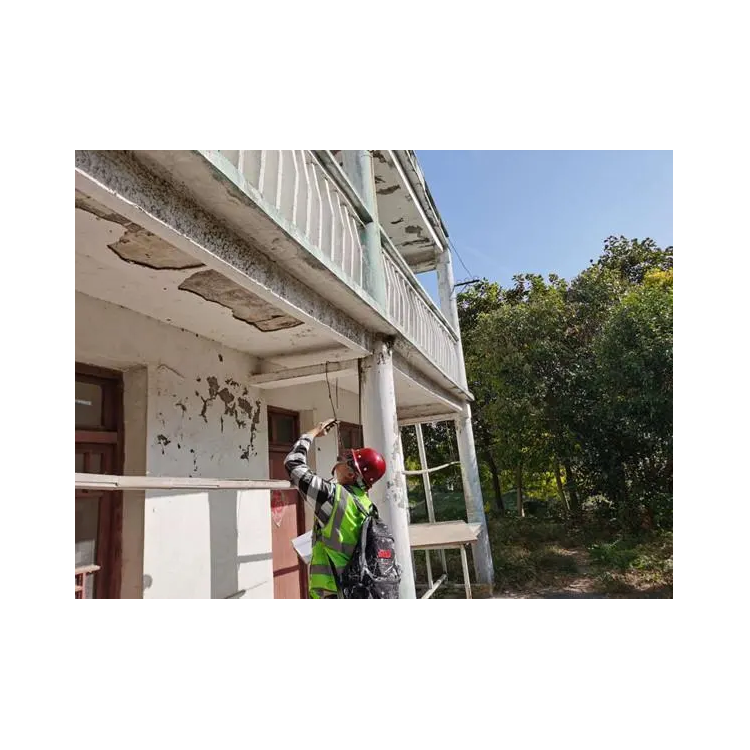
Many people might assume that only houses with visible signs like ground cracking, walls leaning, wall peeling, and tile falling off are considered dangerous.
In fact, from the perspective of building grades, if a building exhibits the aforementioned phenomena, the majority are already considered medium to high-risk structures. Upon inspection with professional detection equipment, it would be revealed that most damage is in a dangerous state, with the load-bearing capacity of the building's structural components being quite low.
For homes with issues that are clearly visible to the naked eye, it is a no-brainer that a property inspection would classify them as dilapidated. Generally, quality issues in homes are not initially apparent and require professional property inspections to detect. In fact, to keep tabs on the home's condition, regular assessments are recommended, especially for those "diagnosed" as dangerous structures.
Based on the safety assessment criteria for dilapidated buildings, these buildings can be categorized into different levels.
1. Deteriorating buildings require analysis and comprehensive judgment criteria from the evaluation unit, which should then be submitted to the municipal real estate management department or its authorized unit for approval.
2. For dilapidated buildings, construction plans should be arranged based on the level of danger, scope of impact, and specific conditions, with priorities given to light, heavy, moderate, and urgent repairs.
3. Hazards should be addressed promptly, combining regular maintenance to eliminate risks.
4. For dilapidated buildings and hazardous areas, effective measures must be taken after investigation and confirmation to ensure safe occupancy.
Safety Assessment Standards for Dangerous Buildings
1. To ensure occupancy, the identification of dangerous houses is based on certain criteria.
2. This standard applies to residential buildings under the management and operation of real estate departments. The identification of units' self-owned and privately-owned buildings can refer to this standard. This standard does not apply to industrial buildings, public buildings, high-rise buildings, or cultural heritage buildings.
3. The components referred to in this standard are load-bearing components; the structures mentioned are systems composed of load-bearing components.
4. Necessary testing and calculations should be conducted for important houses or complex structures that are difficult to authenticate.
5. When there are significant differences in factors that constitute hazardous housing across regions, local real estate management departments may implement specific measures or supplementary regulations in accordance with this standard.
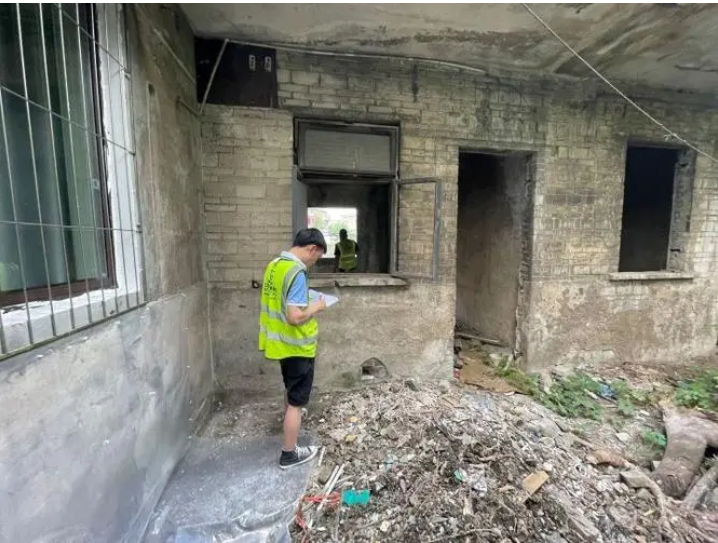
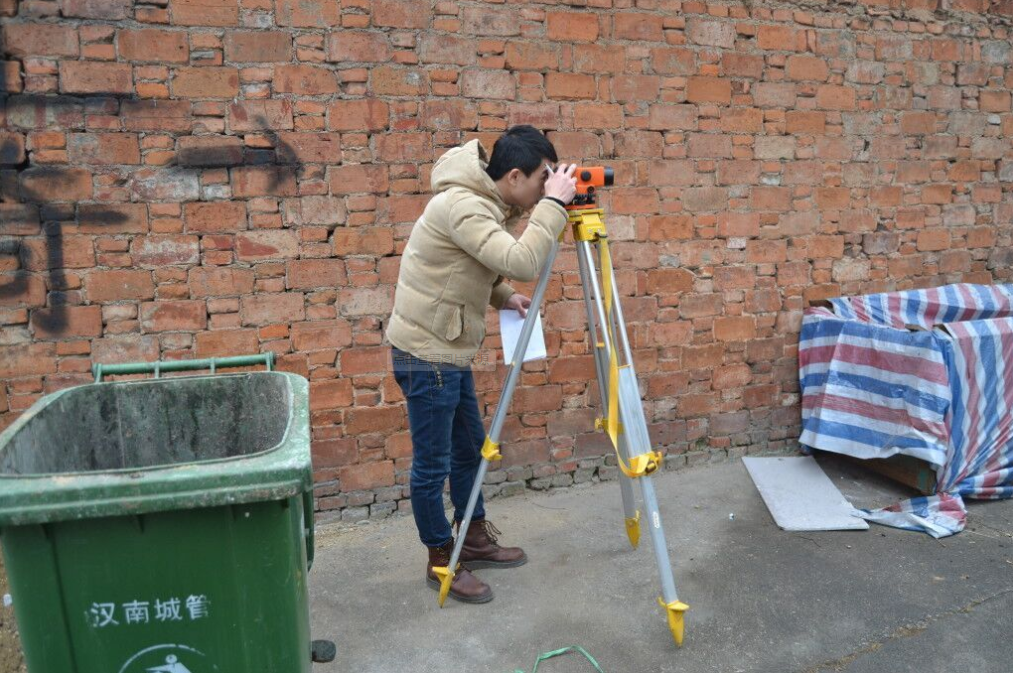
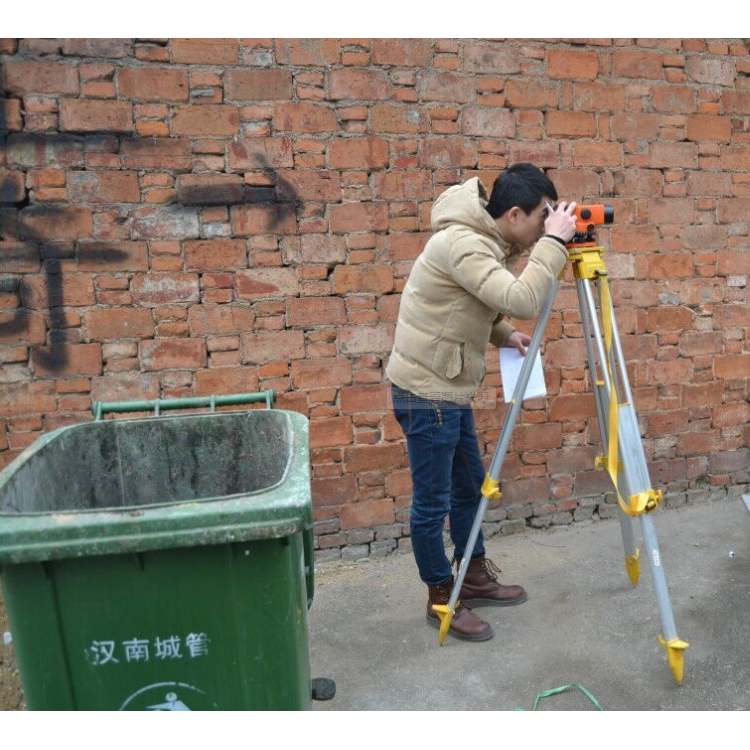
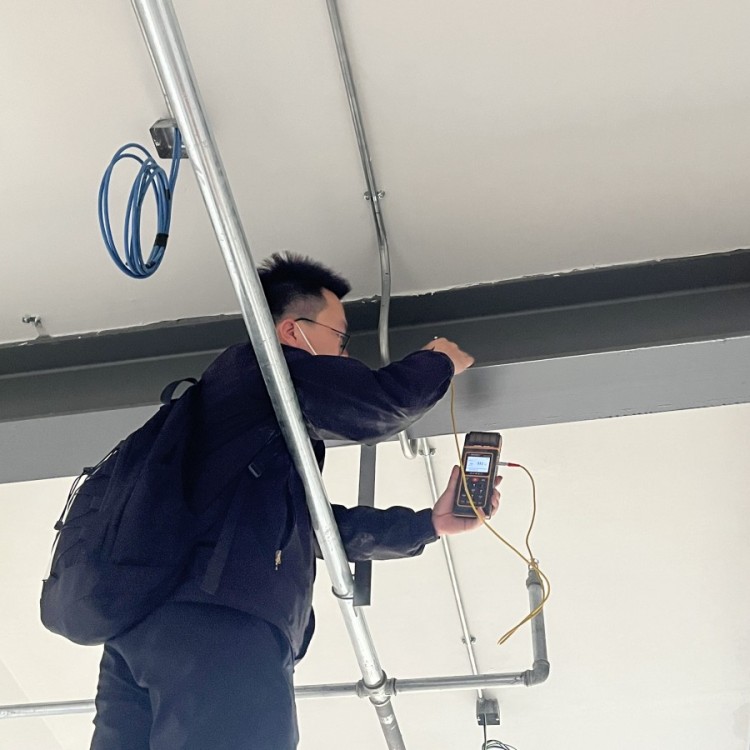
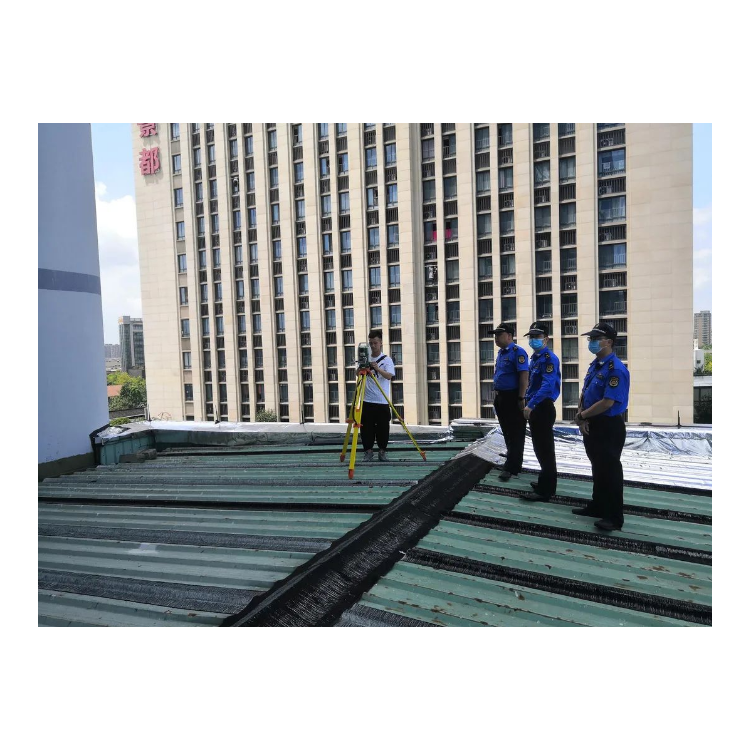
Structural safety assessment of buildings primarily involves on-site inspections and off-site inspections.
On-site inspection items include: tilt, settlement, cracks, foundation, masonry structural components, wood structural components, concrete structural components, steel structural components, etc.
When a house has any of the following conditions, the person responsible for the safety assessment of the house structure shall promptly entrust a house structure safety assessment unit to conduct a safety assessment of the house structure:
1. Foundations and main structures of houses showing signs of significant sinking, cracking, deformation, or corrosion.
2. Houses that exceed their designed service life and require continued use.
3. Damage to the main structure of the building caused by natural disasters or accidents such as explosions and fires.
4. Requires alterations to the main structure or load-bearing components of the building, changes in the building's usage function, or significantly increased loads on the building.
5. Other situations that may pose a risk to house safety requiring assessment.
Houses with the aforementioned conditions, which have not been assessed or have been assessed as not meeting safety standards, may not be used as operating venues.