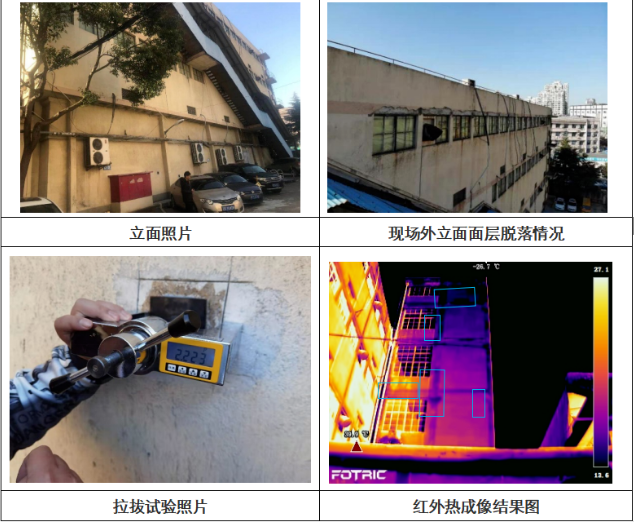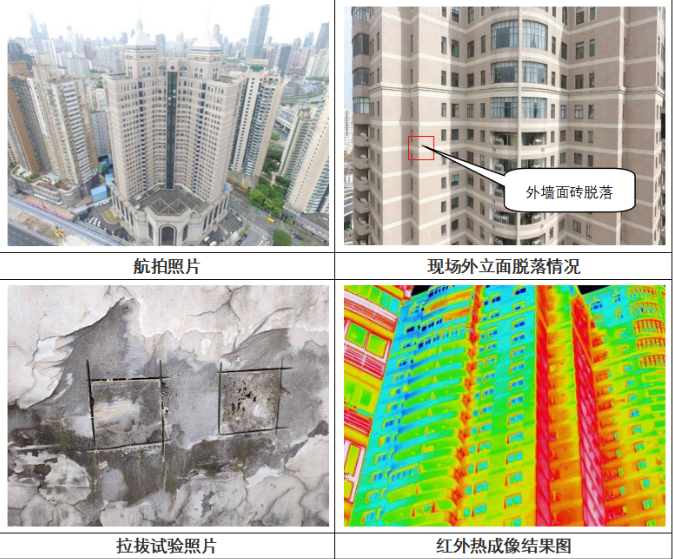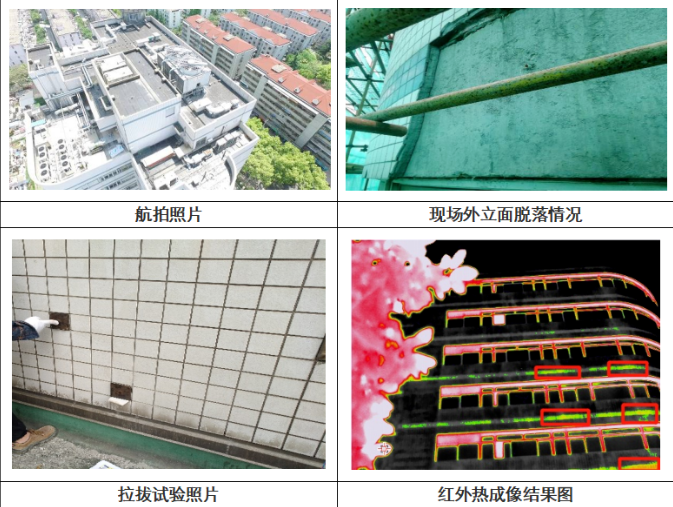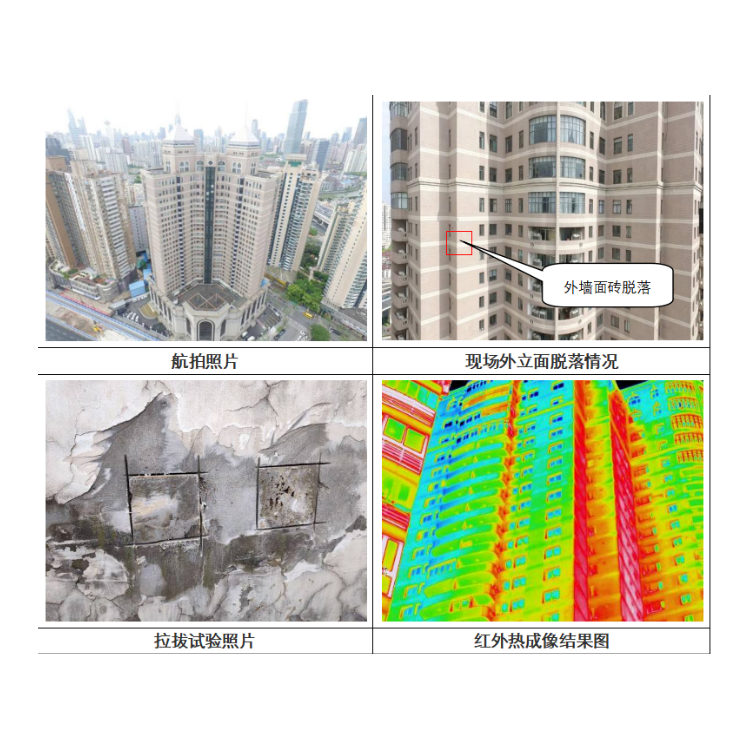

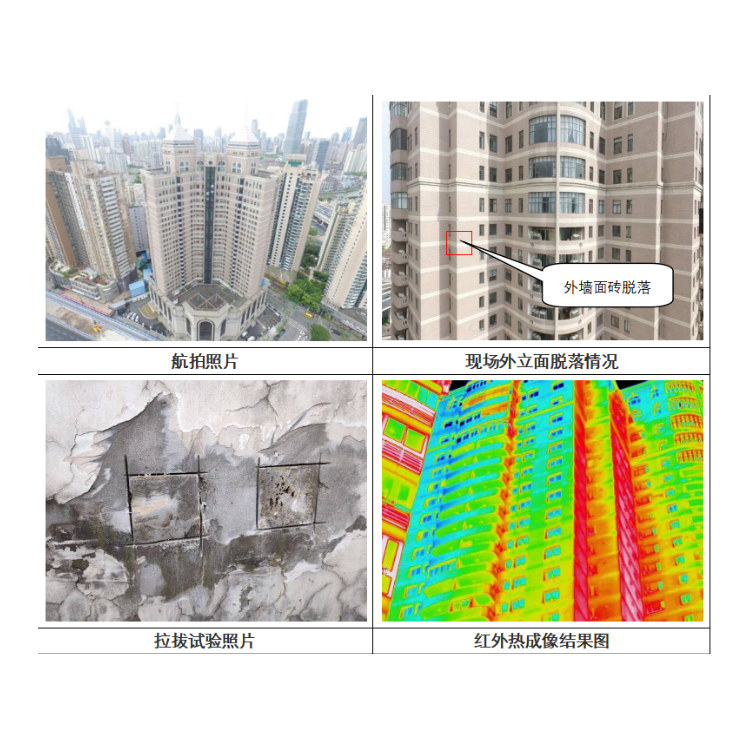
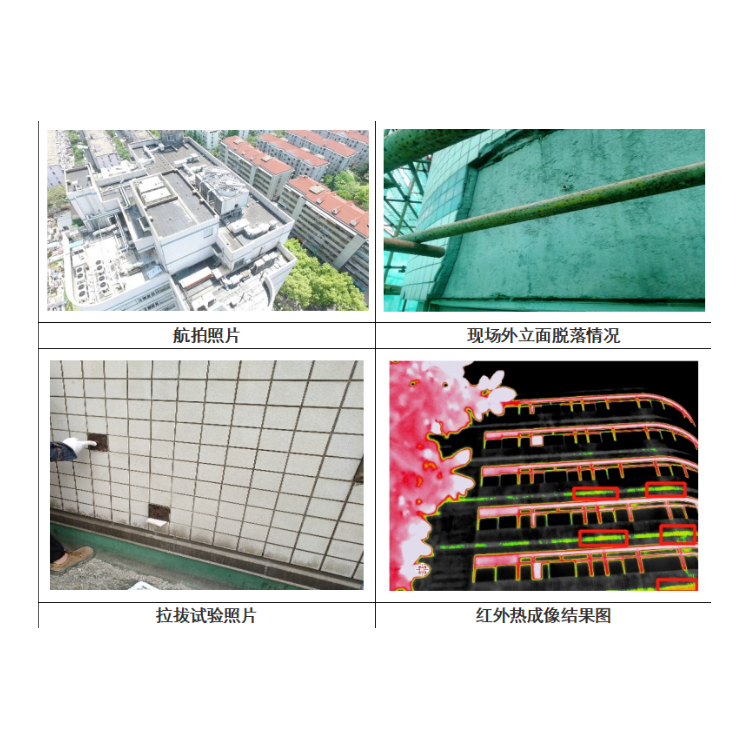







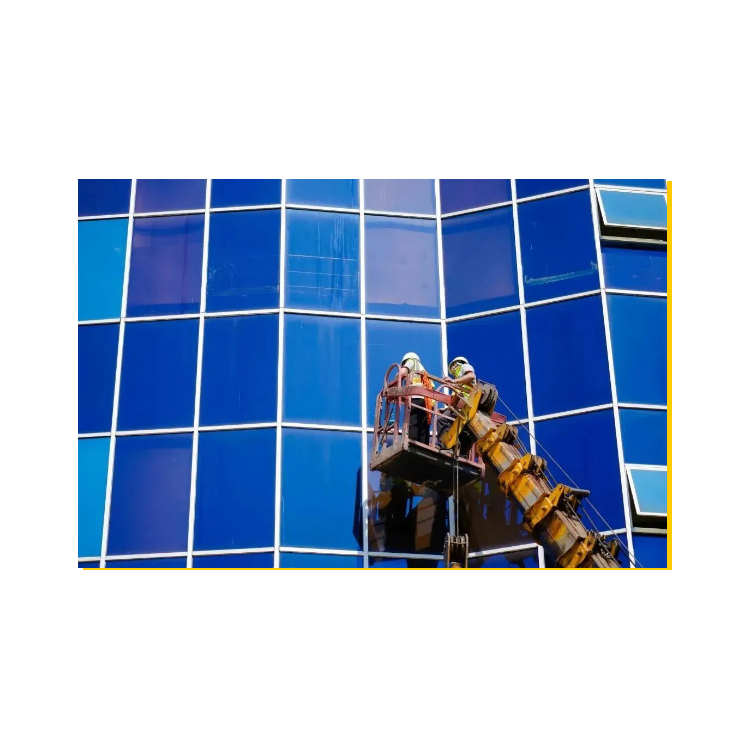
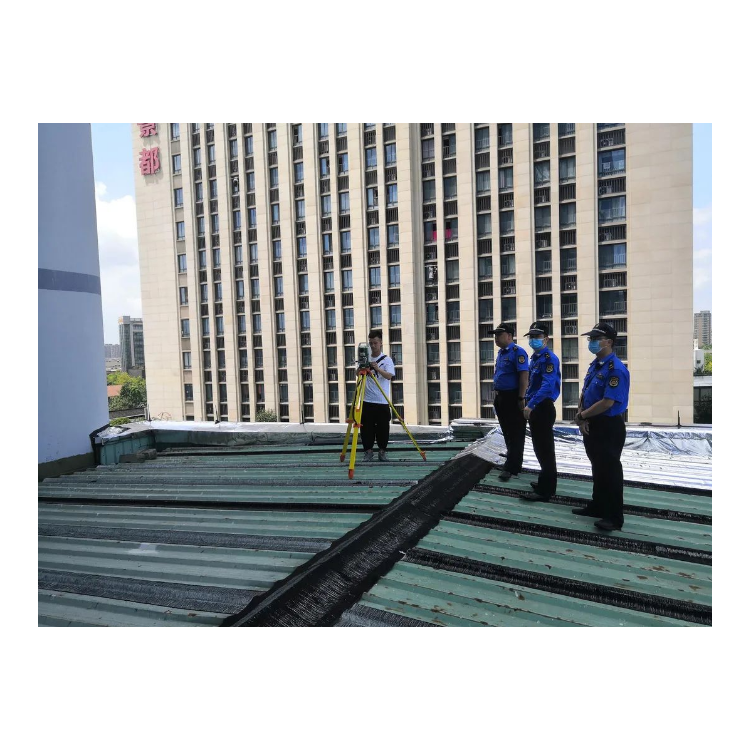
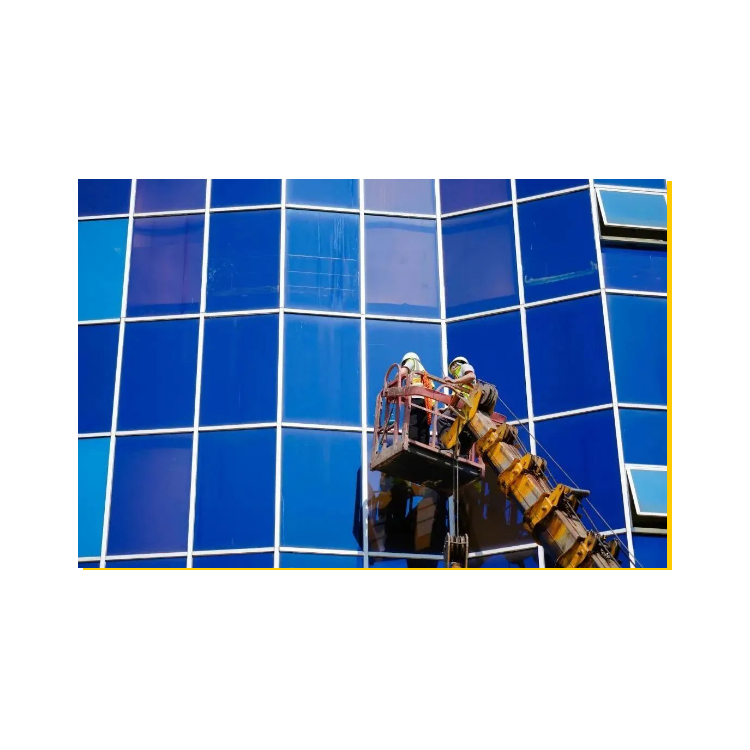
Traditionally, safety inspections of building facades and exterior walls have been labor-intensive, often requiring a significant amount of manual work that's not feasible in many areas. Drones integrated with high-resolution thermal imaging systems have effectively addressed the limitations of traditional inspections, which can now detect signs of damage, tears, and deterioration, allowing relevant personnel to take preemptive measures and prevent safety incidents.
Traditional architectural measurement methods include rulers, measuring tapes, distance meters, plumb bobs, theodolites, and total stations, which, when used to support architectural surveying and modeling, often suffer from issues such as high workload and low accuracy. With the rapid development of new digital surveying technologies like drone oblique photogrammetry and 3D laser scanning, they offer advantages over traditional methods, such as high accuracy, strong data integrity, low operational risks, rich texture information, and high work efficiency. These technologies are already playing a significant role in fields like aerial photography, post-disaster rescue, power line inspections, map making, geological surveys, environmental disaster monitoring, and meteorological detection [1].
Oblique photogrammetry technology involves mounting aerial cameras on drones and other flying platforms to capture real images of ground features from various angles such as vertical, forward, rear, left, and right. Vectorized 3D models of the real-world environment are then constructed through processing software [2]. Conversely, 3D laser scanning technology rapidly acquires characteristic information reflecting the real-time, dynamic changes, and true shape of objective objects using a non-contact, high-speed laser measurement method from 3D laser scanners, providing true 3D, true size, and true texture digital models for architectural preservation. However, engineering practice shows that aerial data captured by drones has blind spots such as overhead corridors and indoor spaces, as well as suboptimal shooting angles due to narrow distances between buildings. Ground-based 3D laser scanner data also has issues like scanning blind spots on building tops and rough expression of texture details.
Based on the aforementioned background, it is proposed to merge the advantages of two technologies. This involves using an unmanned aerial vehicle (UAV) equipped with倾斜摄影测量 technology and a terrestrial 3D laser scanner for precise architectural surveying. The point cloud data generated from the UAV imagery and the textured point cloud data from the 3D laser scanner are then fused in point cloud processing software through feature point matching. The fused point cloud data is imported into modeling software for direct modeling. Subsequently, the real-world model is refined through operations such as deleting minor fragments, flattening roads, patching water surfaces, applying 3D texture mapping, photo mapping, and local reconstruction.
This technology achieves dimensions, proportions, textures, and colors of digital models that are essentially consistent with the current state of buildings, providing model data for application scenarios based on digital twins. It offers significant data support for the digital conservation and revitalization of buildings. The technology has been successfully applied in the conservation of over a hundred cultural heritage buildings, including the Soong Ching-ling Memorial House in Shanghai, the Sun Yat-sen Memorial House in Shanghai, the Nanjing Presidential Palace, and historical buildings in Baoding City.
Mortar strength automated testing
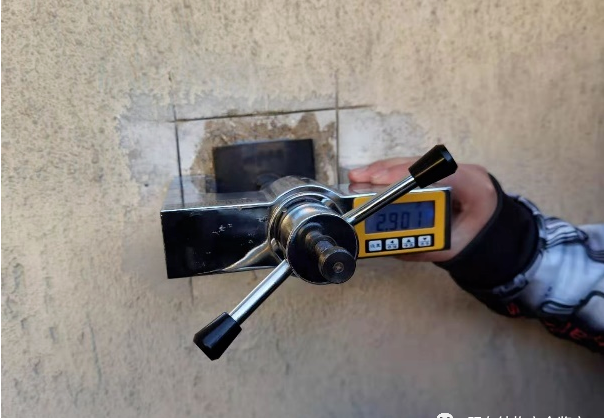
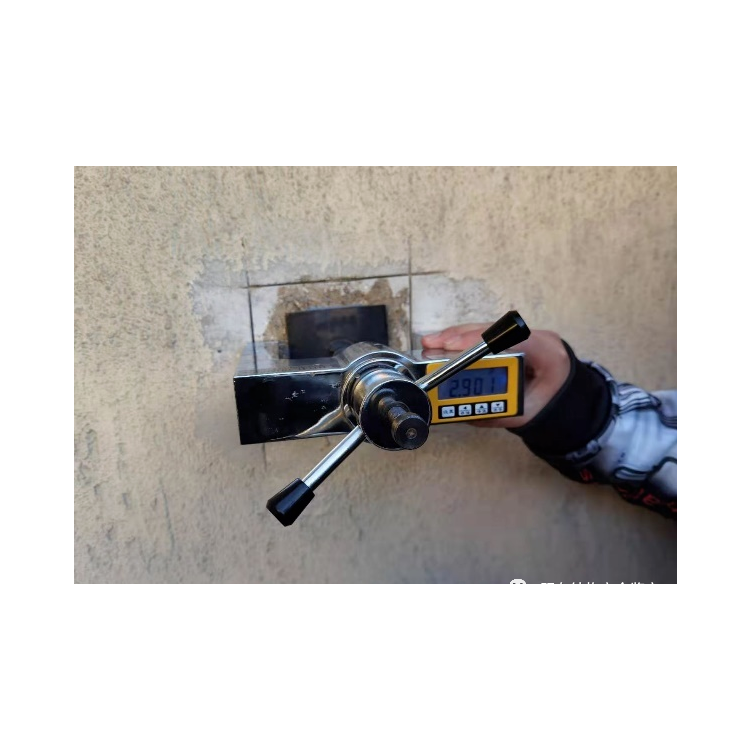
Material strength is a crucial factor affecting the safety of building structures, thus determining material strength is an important task in house quality inspection. Masonry structures account for a significant proportion in existing construction projects in our country, and the strength of masonry materials is determined collectively by the strength of mortar and bricks. Currently, the strength of mortar in engineering projects is typically tested using the penetration method, which involves applying force with a lever to penetrate a test pin into the mortar, and then converting the penetration depth of the pin into the compressive strength of the mortar based on the penetration strength curve. The traditional testing process requires on-site paper records of irregularities and penetration depth measurements, followed by in-house calculations. According to the industry standard "Technical Code for Testing the Compressive Strength of Mortar by Penetration Method" JGJ/T 136-2017, strength estimation values are calculated. This process consumes a great deal of human and material resources, resulting in low testing efficiency.
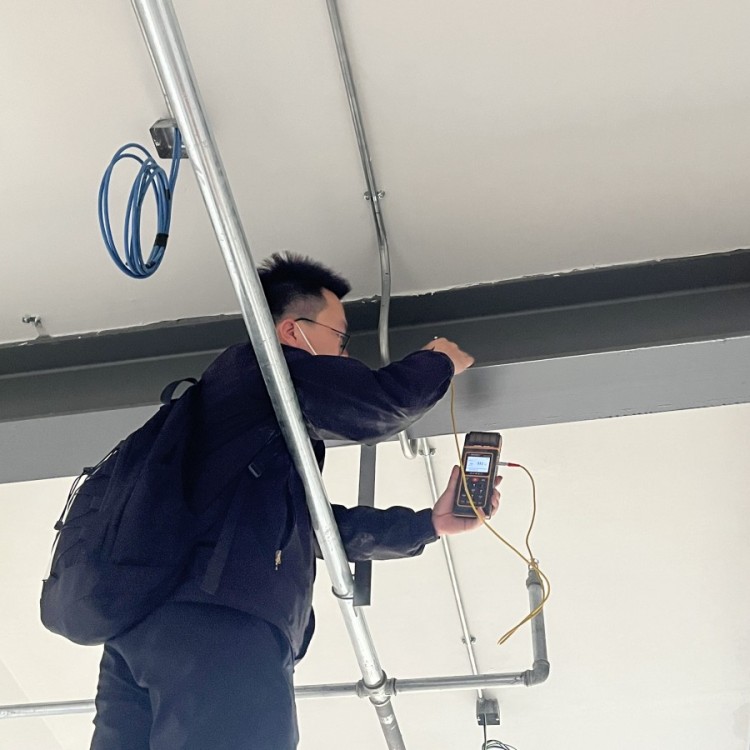
Based on this, an automated data collection and storage module has been added to the depth measurement gauge of traditional penetration meters, resulting in the development of the Digital Mortar Penetration Meter (Figure 2). This meter enables automatic data collection, storage, and export, significantly enhancing the efficiency of mortar strength testing and reducing the time spent on field data recording and in-house data processing.
Automated Detection and Identification of Facade Damage
In recent years, incidents of falling objects from high-rise building facades have become frequent, resulting in casualties and continuous reports, causing severe social repercussions. Currently, Shanghai has conducted inspections for potential falling object hazards in numerous buildings. However, due to the unique conditions of exterior walls and the limitations of detection operations, traditional manual inspection methods are time-consuming and labor-intensive, heavily reliant on experience, and pose certain safety risks during高空 work, failing to meet the demands for large-scale and rapid inspections.
Currently, equipment such as drones and ground high-definition cameras are widely used in the image collection for detecting damage to building facades, significantly enhancing the collection speed and fieldwork efficiency of damage detection. However, after the fieldwork is completed, it often requires manual labeling of damage in the images during the office work, which is labor-intensive and somewhat subjective, potentially overlooking some subtle damage features.
Based on this, an intelligent identification technology for facade damage using the Yolo v5 object detection algorithm (Figure 3) has been proposed, which can quickly identify facade damage in videos or images. YOLO is a single-stage object detection algorithm based on PyTorch proposed by Redmon et al. [4] in 2015, characterized by its fast computation speed, supporting up to 40FPS (frames per second).Frame Rate above RPS (Frames Per Second), real-time video detection. Firstly, collect a large number of exterior wall photos to form a sample library; then, use LabelImg graphic image annotation tool to label cracks in the samples, and train with Yolo v5 algorithm to generate weight files; identify damages in newly captured exterior wall photos.
Engineering practice shows that the intelligent recognition technology for facade damage proposed in the article achieves a recognition rate of 70% for damage. This technology can timely detect safety hazards in facades and auxiliary facilities, effectively reducing the risk of high-altitude falls in peripheral protective structures.