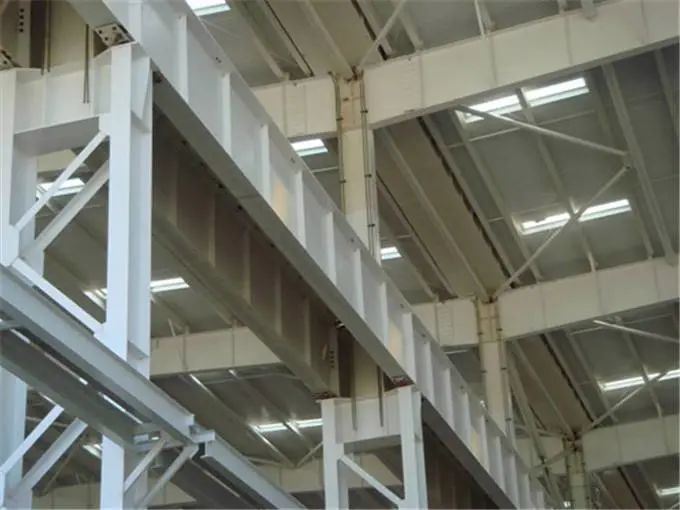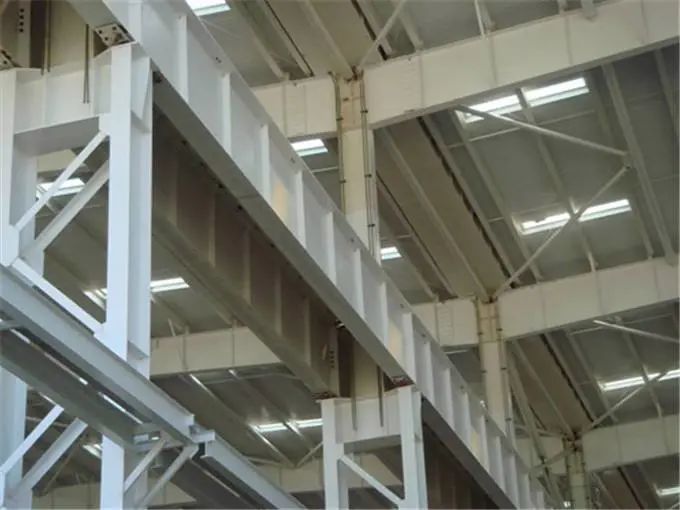









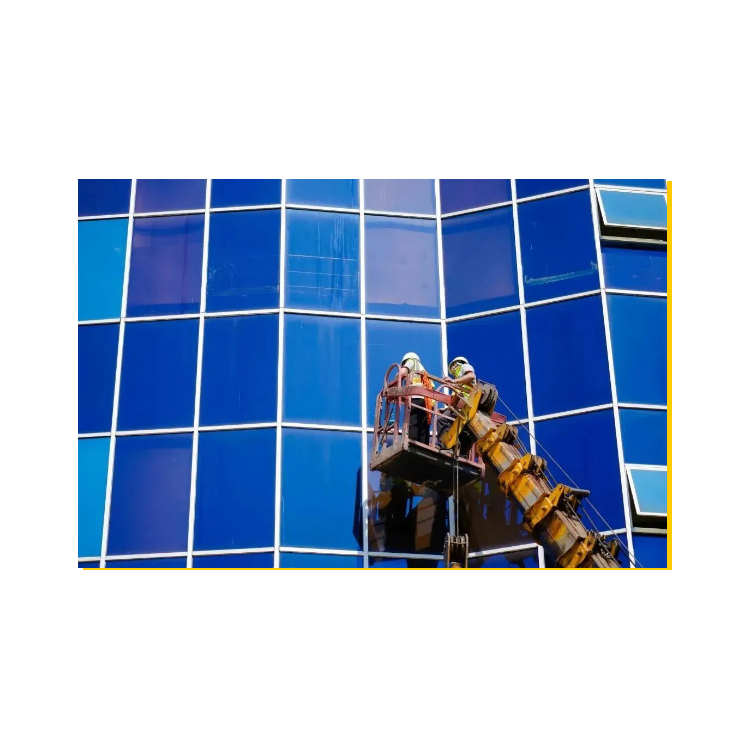
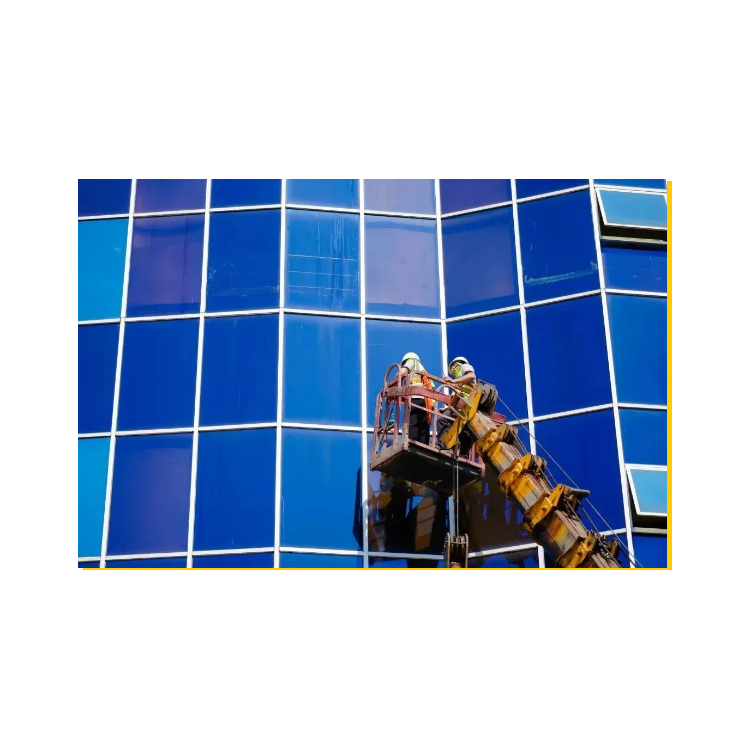
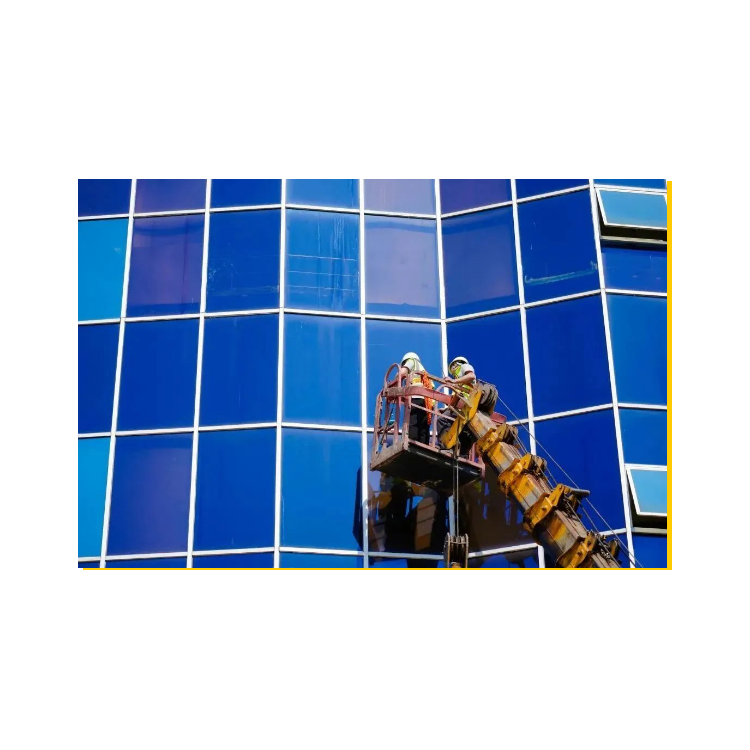
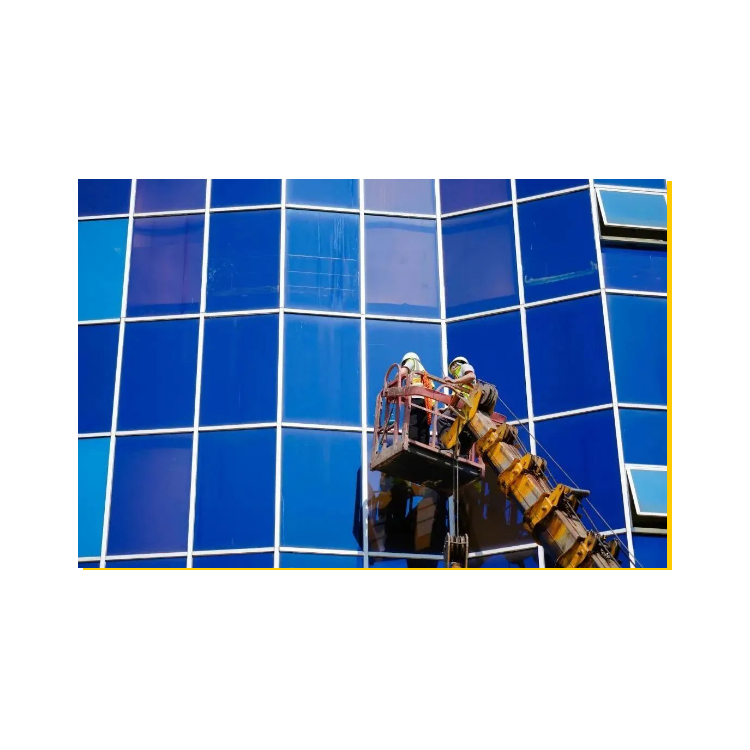
Most factory buildings are constructed using steel. To ensure the safety of these steel structures, it is essential to inspect the steel, making steel structure safety inspections and certifications indispensable. So, when conducting inspections and certifications for these factories, what aspects need to be checked?
1. Gather basic information on the steel structure factory building, such as the building's usage, structural layout, construction date, number of floors, and various drawings of the building.
2. Conduct a verification of the steel frame structure layout, precast component specifications, and floor heights based on the factory engineering drawings collected in Step 1. For factories without relevant engineering drawings, an on-site measurement and drawing preparation are required.
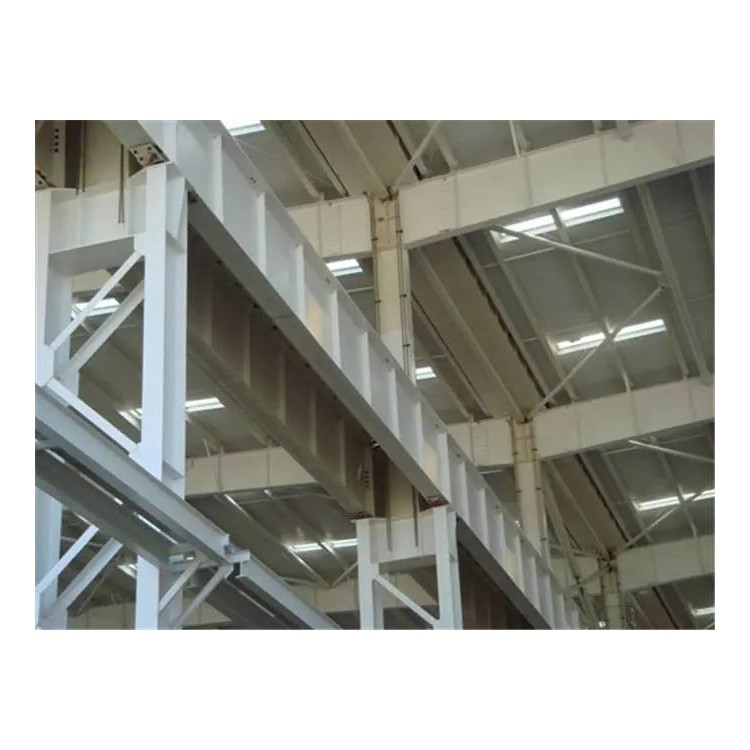
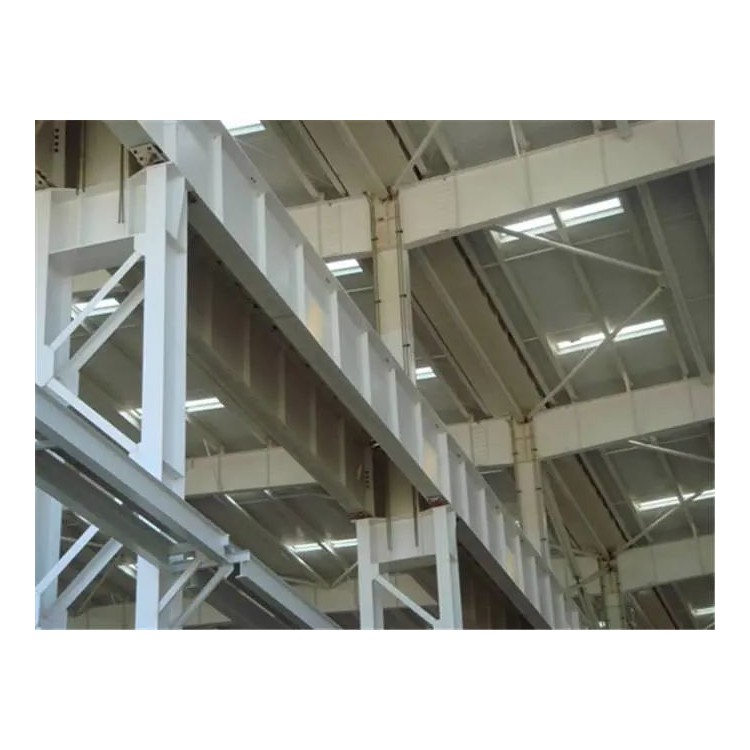
3. Record the current conditions of steel prefabricated components in steel structural workshops, such as rust, damage to connection points, coating loss, welding defects, and the tightness of connections, and conduct inspections and assessments one by one.
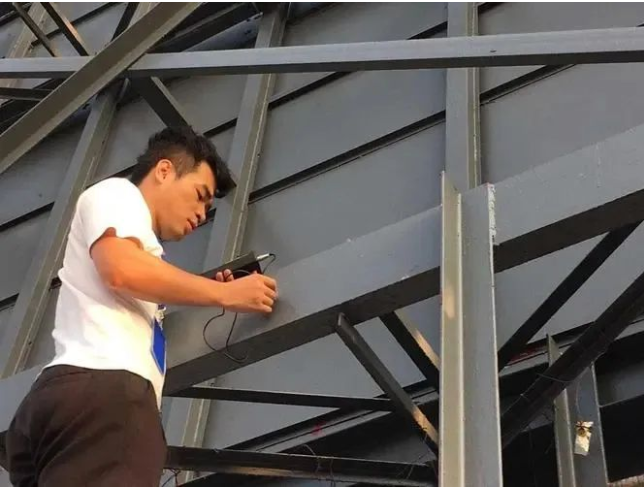
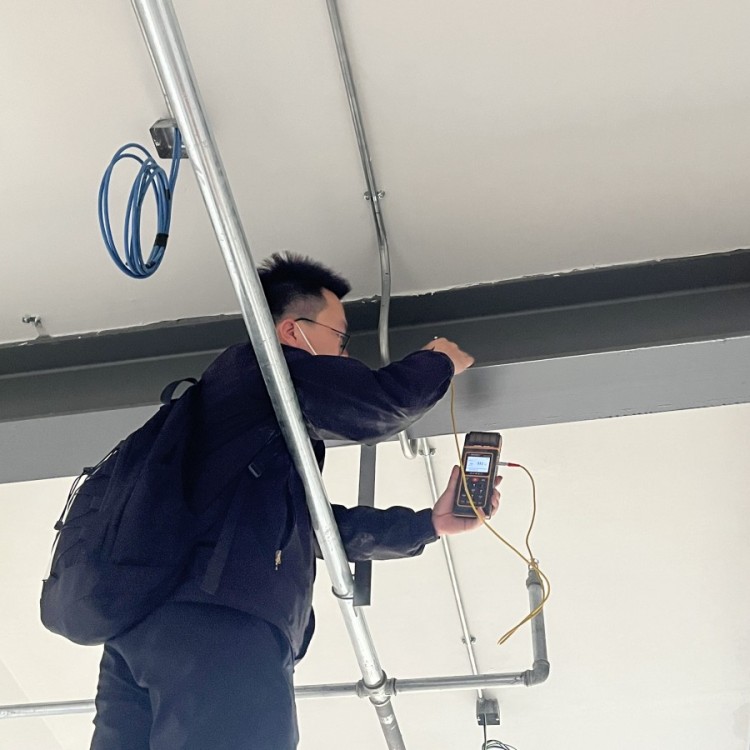
4. A certain number of steel structure prefabricated components are selected for ultrasonic or magnetic particle inspection as per relevant specifications and standards to assess for the presence of defects such as weld beads, arc pit cracks, and arc burn.
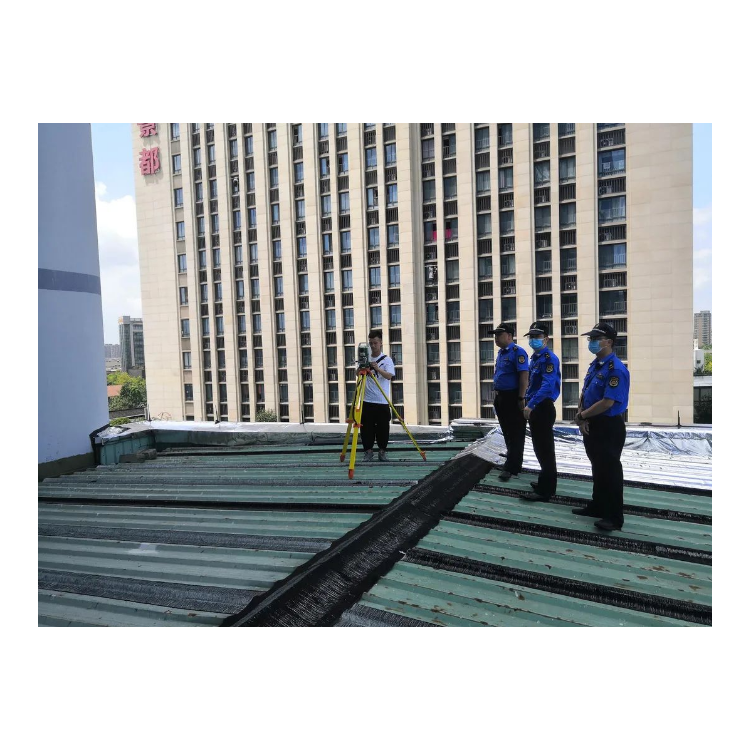
5. Utilize total stations to measure the deflection values of steel trusses, girder structures, and components, determining if their degree of deformation falls within the specified range.
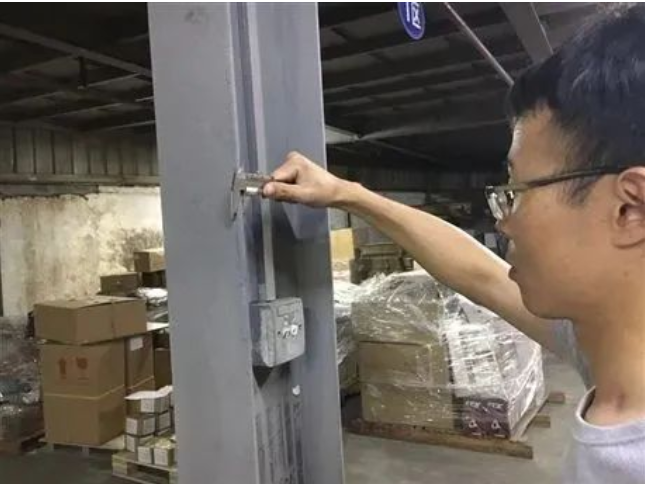
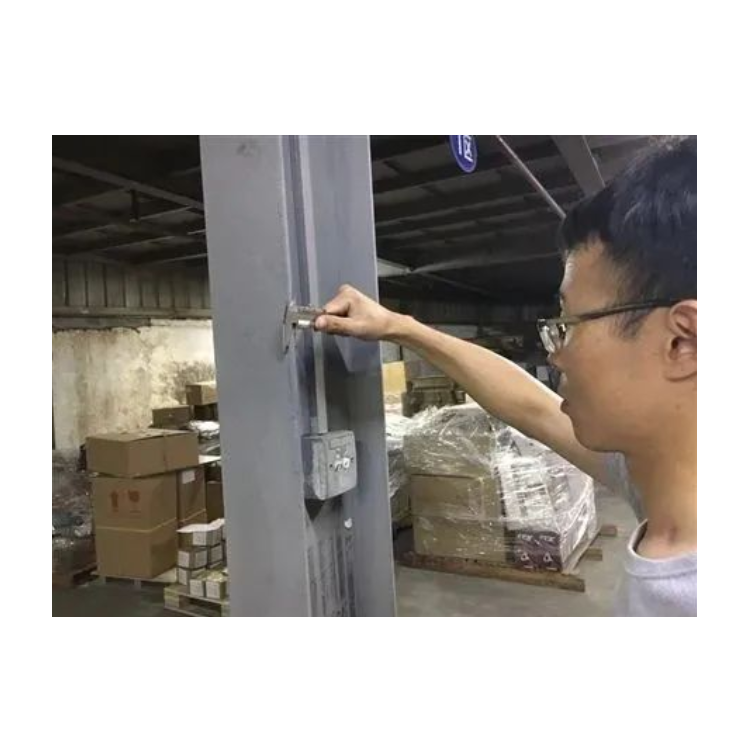
6. The compressive strength of stainless steel plates determines the safety of steel structural components, hence surface strength testing methods must be employed.
7. Steel structure factory buildings in use will have their anti-corrosion and safety coatings on prefabricated components affected by environmental factors. Therefore, it is necessary to inspect the thickness of anti-corrosion or fire safety coatings on steel prefabricated components.
8. Based on the inspection data obtained from the above steel structure component checks, and in accordance with relevant architectural design standards, perform a series of calculations on the load-bearing capacity of the upper structure of the steel structure factory building. Determine if the current load-bearing capacity of the steel structure factory building complies with national standards and safety application regulations for the mid to long term.
9. In accordance with relevant specifications and standards, assess the safety level of the current steel structure factory buildings, and propose effective solutions for prefabricated components that do not meet safety application regulations and have suffered structural damage in the current phase.
Certification Basis and Content for Steel Structure Factory Inspection
"Standard for Reliability Assessment of Industrial Buildings (GB 50144-2019)"
2. "Standard for Evaluation of House Condition and Damage Level"
3. "Standard for Evaluation of Dangerous Buildings" (JGJ 125-2016)
"Code for Deformation Measurement of Buildings (JGJ 8-2016)"
5. "Building Structure Testing and Inspection Technical Standards" (GB/T 50344-2019)
6. "Code for Design of Concrete Structures (GB 50010-2010 2015 Edition)"
7. "Code for Load Design of Building Structures" (GB 50009-2012)
8. "Technical Code for Reinforcement Detection in Concrete (JGJ/T 152-2008)"
9. "Technical Code for Testing Concrete Strength by Core Method" (JGJ/T 384-2016)
10. "Seismic Evaluation Standard for Buildings" (GB 50023-2009)
11. "Code for Design of Reinforcement for Concrete Structures" (GB 50367-2013)
12. "Code for Design of Steel Structures" (GB 50017-2017)
13. Other technical standards, specifications, and procedures required by national regulations such as "Statistical Treatment and Interpretation of Outliers in Normal Samples" (GB/T 4883-2008).
14. Original architectural design documents, reinforcement construction data, renovation construction design plans, site inspections, and test results, etc.
Structural steel workshop inspection and assessment of鉴定 conclusions
Based on the "Standard for Identification of Dangerous Buildings" and the "Standard for Reliability Identification of Civil Buildings" and other regulations and standards, a comprehensive assessment of the building's safety is conducted. The identification report is compiled following principles of objectivity, science, and fairness, presenting the identification conclusions and preliminary measures and methods for handling.