







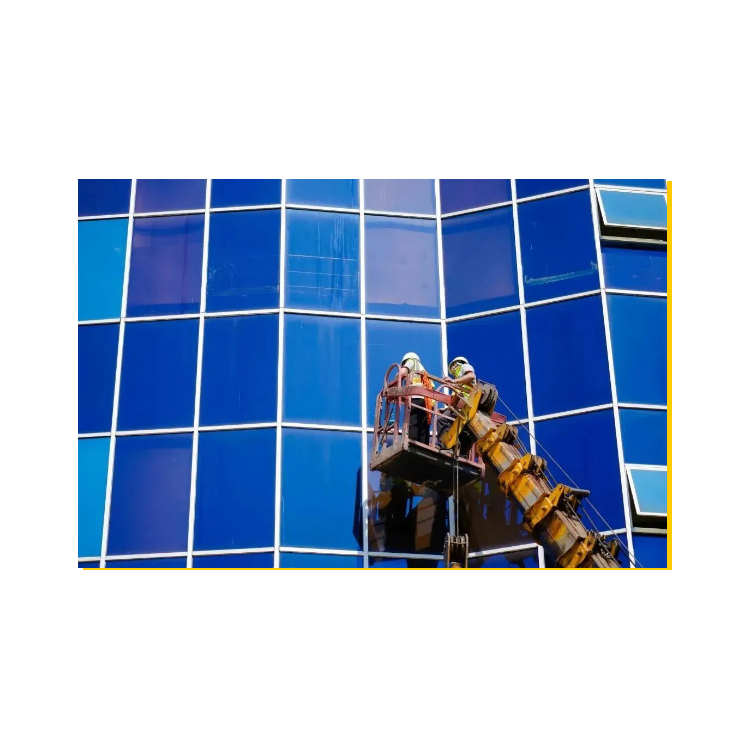
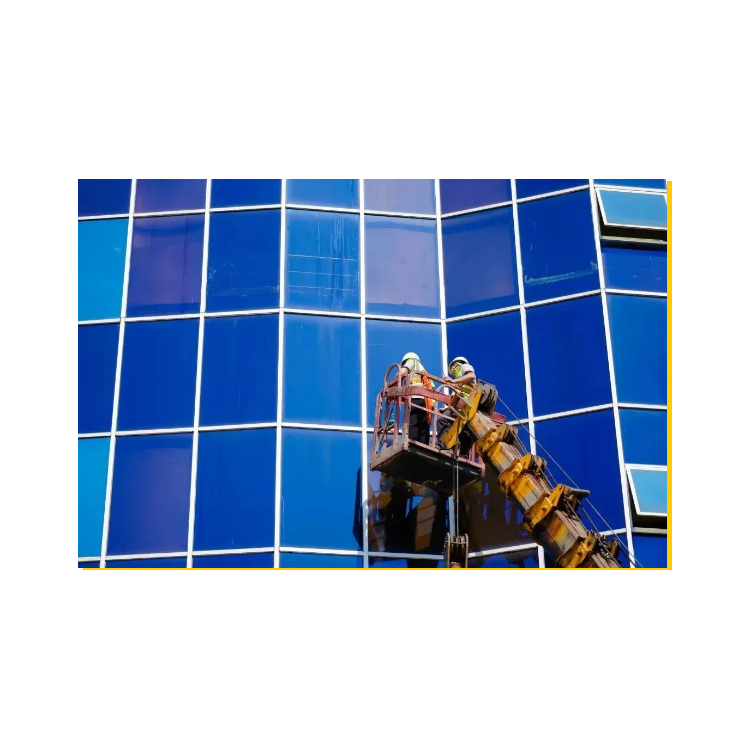
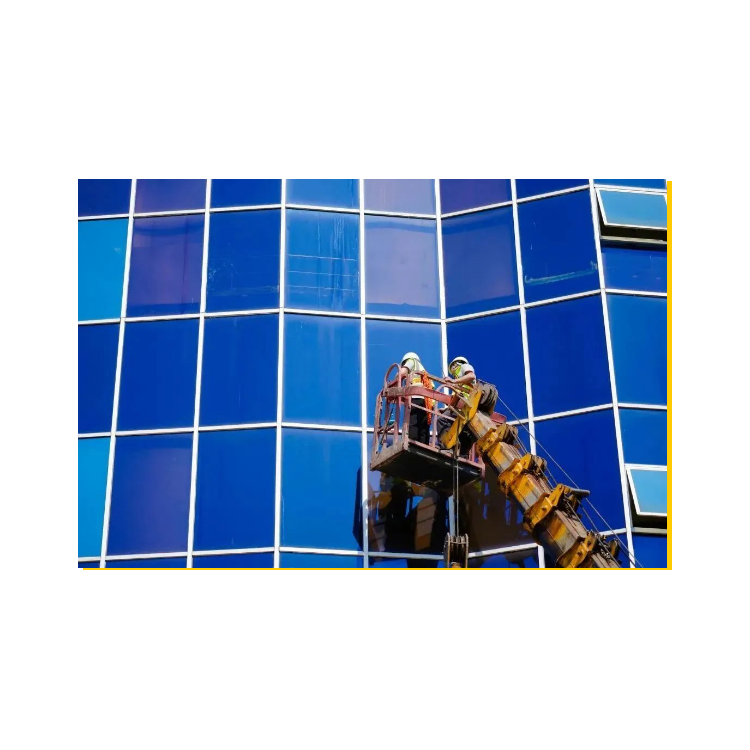
"Glass Façade Engineering Technical Specification"JGJ102-96Chapter12.2.2Article: "After the completion and acceptance of the glass curtain wall"1Yearly maintenance should be performed on the curtain wall.1Pre-inspection, then every5Annual inspection1Every six months after the completion of the tensile curtain wall, prestress checks should be conducted, and they should be carried out at intervals thereafter.3Perform an annual check and adjustment; curtain wall engineering10Post-holiday, conduct sampling inspections of adhesive performance for structural adhesives at different parts, and thereafter, at regular intervals.3"Annual inspection recommended." "Technical Specification for Metal and Stone Facade Engineering"JGJ133-2001Section9.0.3A regulation states: "During normal use, the entity using the curtain wall shall inspect it at regular intervals."5Perform an annual inspection. Check materials such as boards, sealing strips, sealant, and silicone structural sealant."
Original Ministry of Construction Notice on Printing and Distributing the "Management Measures for Safety Maintenance of Existing Building Facades"2006【291Section 15 stipulates: "When a building facade exhibits any of the following conditions, the person responsible for safety maintenance shall proactively entrust a safety assessment: (1) abnormal deformation, detachment, or explosion of panels, connecting components, or local walls; (2) damage caused by natural disasters or sudden accidents such as typhoons, earthquakes, lightning strikes, fires, or explosions; (3) potential safety hazards detected and identified in the main structure of the related building. The facade engineering project shall undergo a safety assessment every ten years, in principle, after the completion and handover for use."
2015The Ministry of Housing and Urban-Rural Development and the General Administration of Safety Supervision have issued the "Notice on Further Strengthening the Safety Protection of Glass Façades" (Building Standard [2015】38Section 3, Article (ii) stipulates: "Enhance maintenance and inspection of glass curtain walls. Conduct final acceptance and inspection of glass curtain walls."1Post New Year's, construction units should inspect the safety of curtain walls. The safety maintenance person in charge shall conduct special inspections of existing glass curtain walls in accordance with regulations. After natural disasters such as hail, typhoons, lightning strikes, earthquakes, or in the event of emergencies like fires or explosions, the safety maintenance person in charge or their designated technical unit with corresponding qualifications shall promptly inspect the glass curtain walls of potentially damaged buildings and carry out timely repairs. (3) Timely assessment of the safety performance of glass curtain walls. When glass curtain walls reach the designed service life, the safety maintenance person in charge shall entrust a unit with corresponding qualifications to assess the safety performance of the glass curtain walls. If renovations, reinforcement, or demolition are required, the corresponding unit shall be responsible for implementation. (4) Strictly regulate the maintenance and reinforcement activities of glass curtain walls. Structural maintenance and reinforcement of glass curtain walls must not alter the structural components arbitrarily. Structural calculations and reinforcement plans must comply with national standards and specifications. For those exceeding technical standards, safety technical arguments should be conducted. After the completion of structural maintenance and reinforcement projects, the owner, safety maintenance unit, or the unit responsible for daily maintenance and management shall organize inspections.
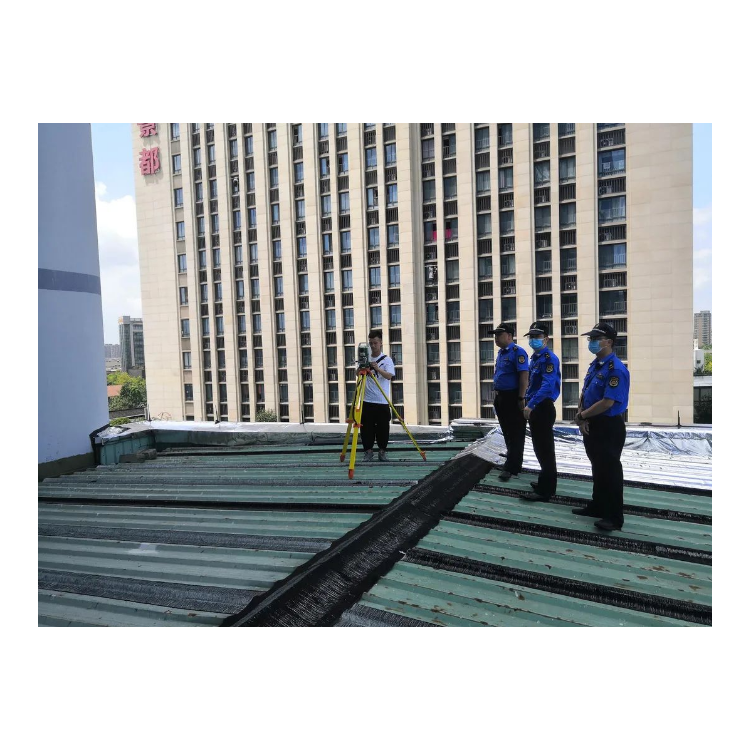
Pursuant to the aforementioned regulations, the building curtain wall project shall be delivered for use after the completion and acceptance inspection., Buildings with any of the following conditions should undergo safety performance testing and evaluation:
1Lack of corresponding curtain wall specifications and standards during design and construction.
2Not designed, constructed, or inspected in accordance with the applicable regulations and standards of the same period.
3Incomplete technical and warranty documents raise concerns about the safety of the curtain wall.
4Panels, support structures, connecting components, or local wall panels showing abnormal deformation, displacement, detachment, cracking, or where an accident has occurred.
5Damaged due to natural disasters such as typhoons, earthquakes, lightning strikes, fires, explosions, or other unforeseen accidents exceeding the design load capacity.
6Exceeding the designed service life and still in use, or equipment that has been neglected due to age.
7Structures with building main body that have been inspected and identified as having potential safety hazards.
8Facades requiring major repairs or renovation.
9. Upon completion and handover for use, safety inspections should be conducted every ten years in principle.