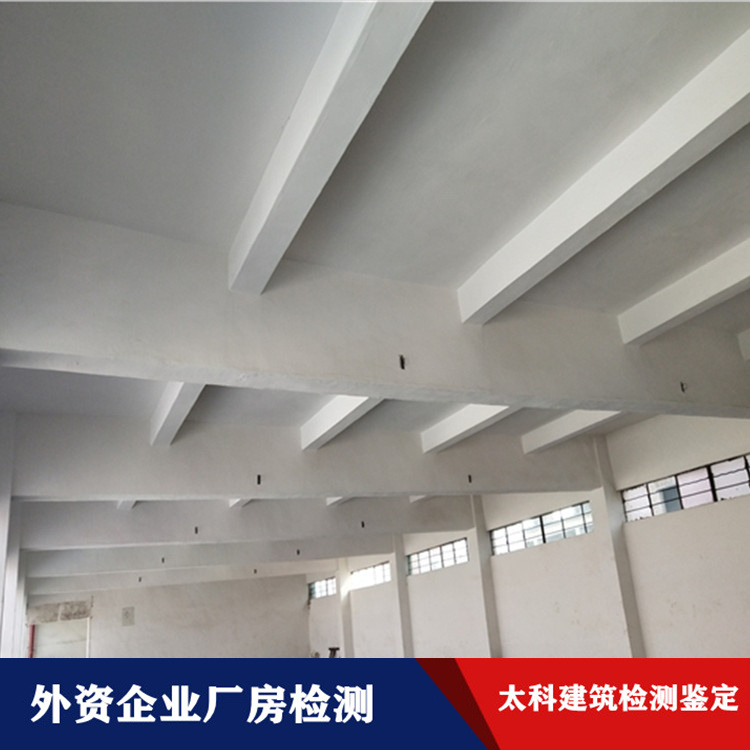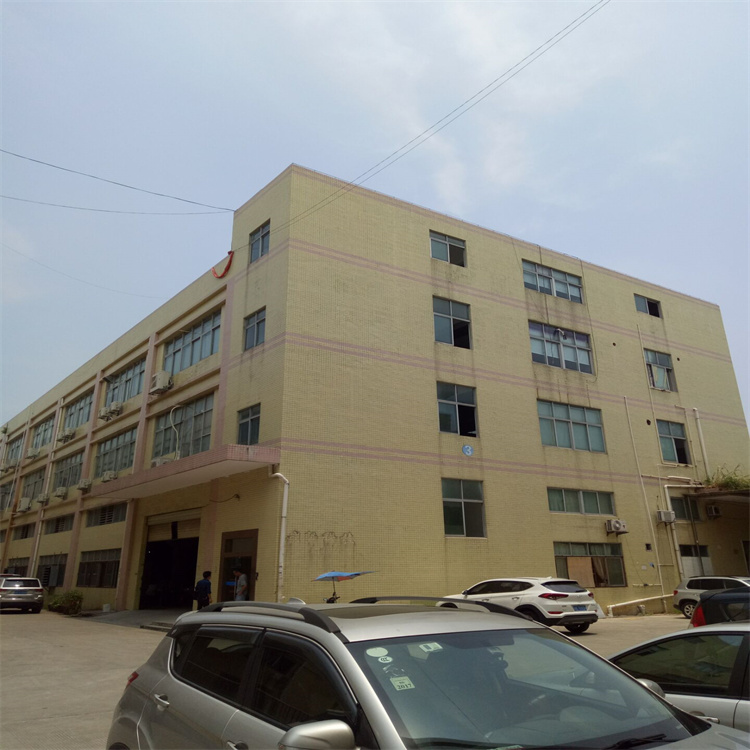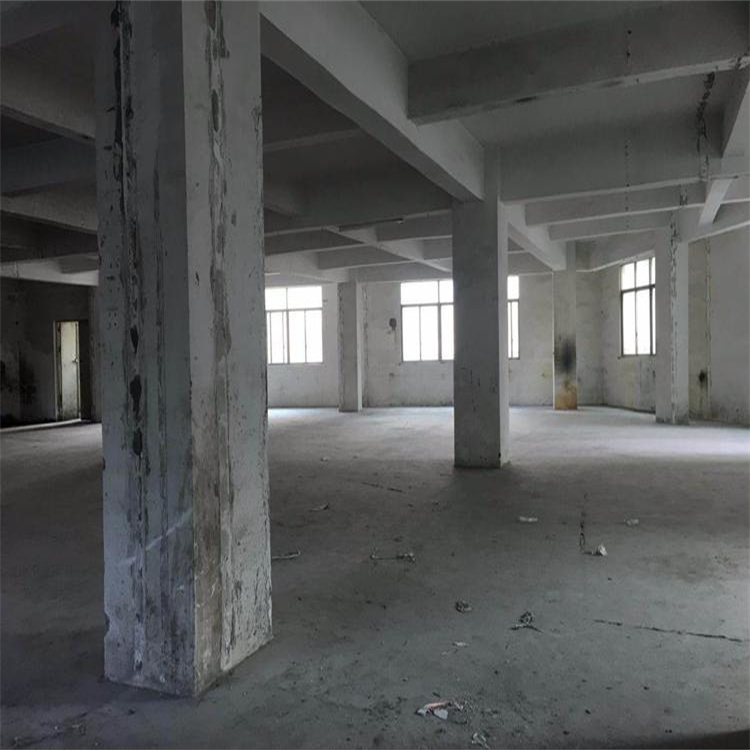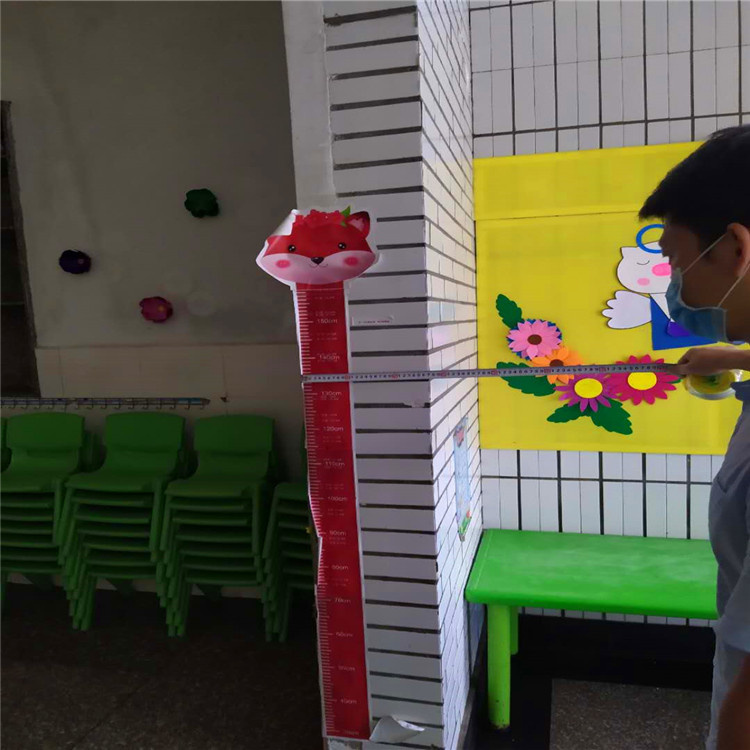

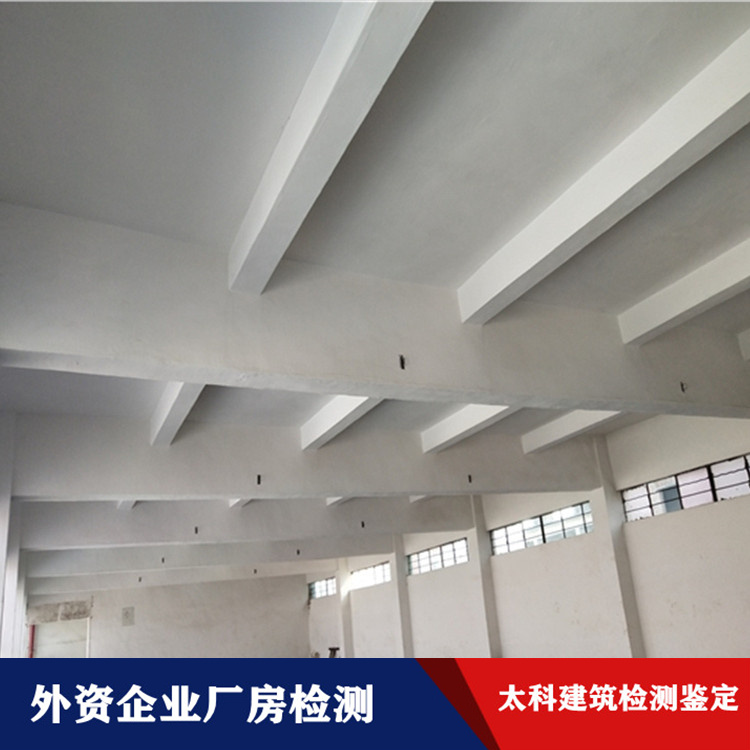

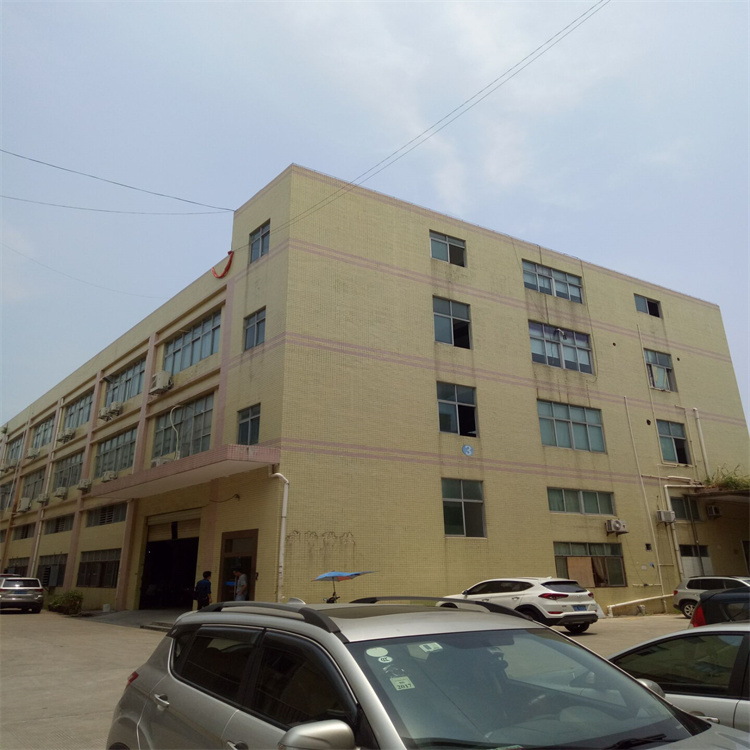
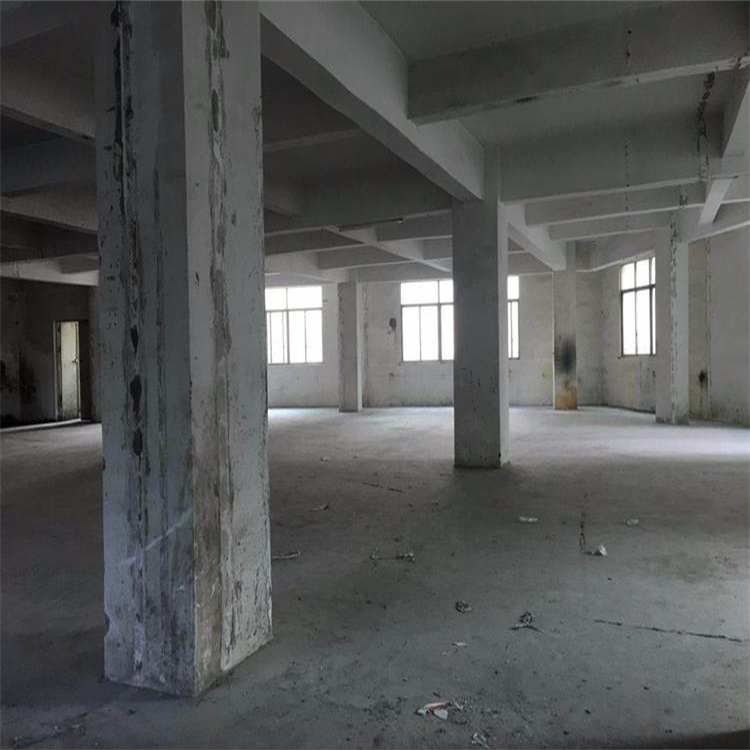







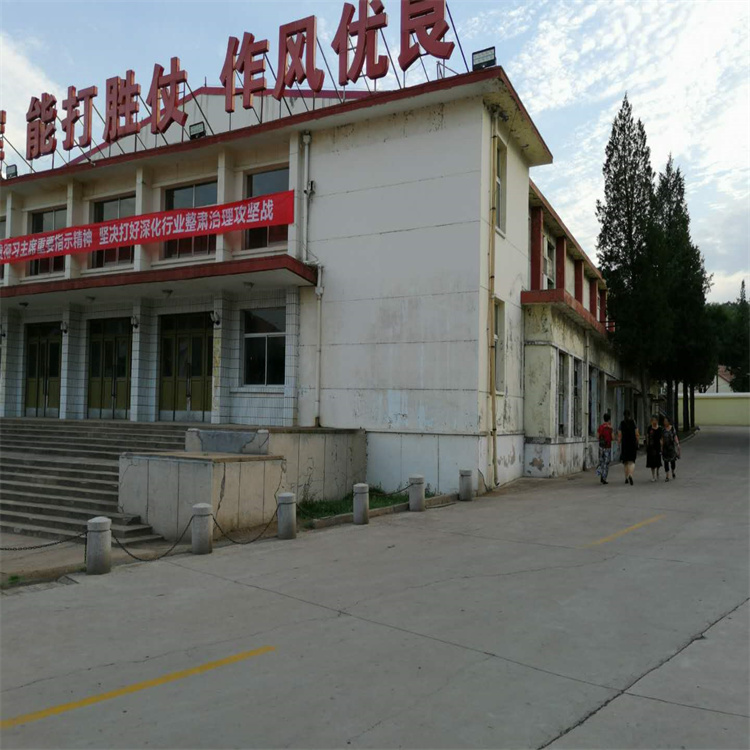
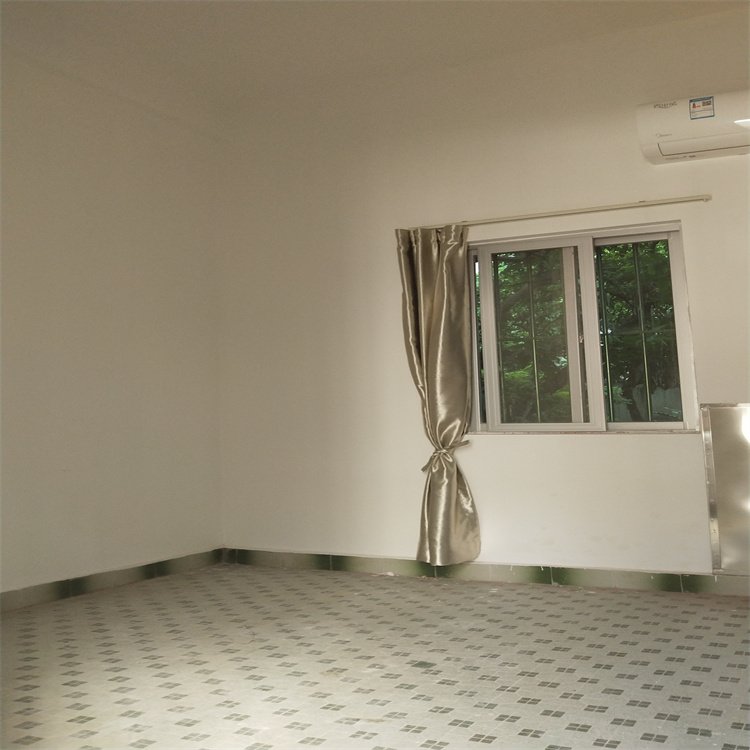
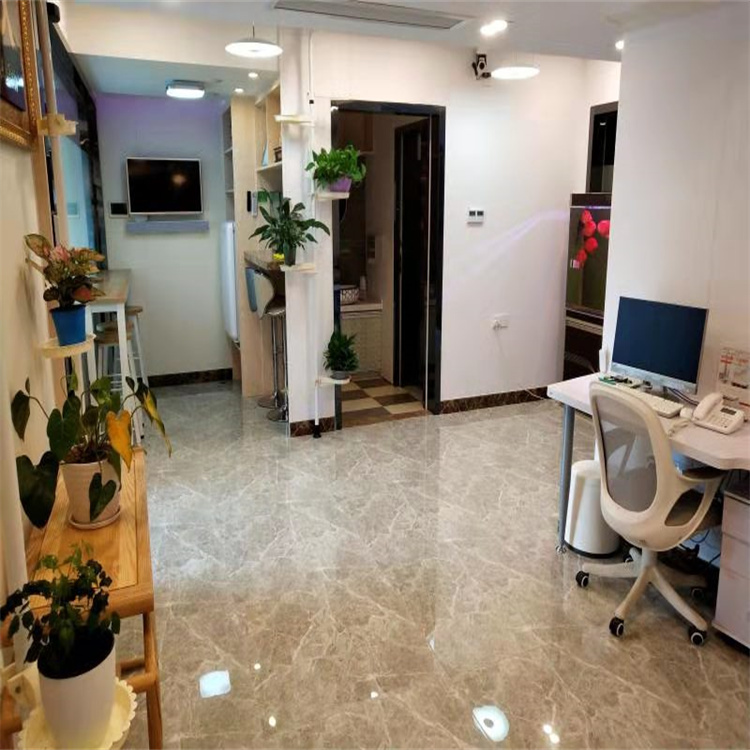
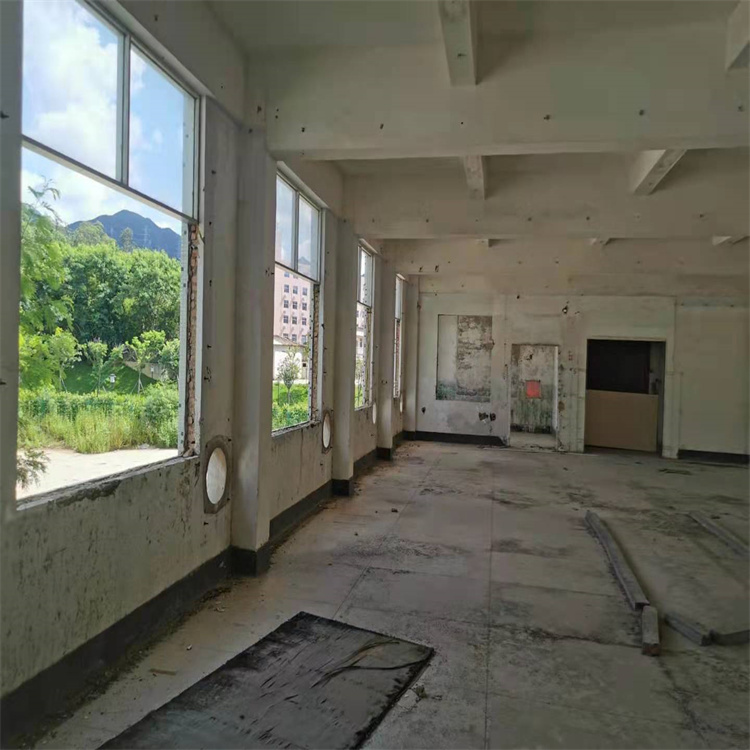
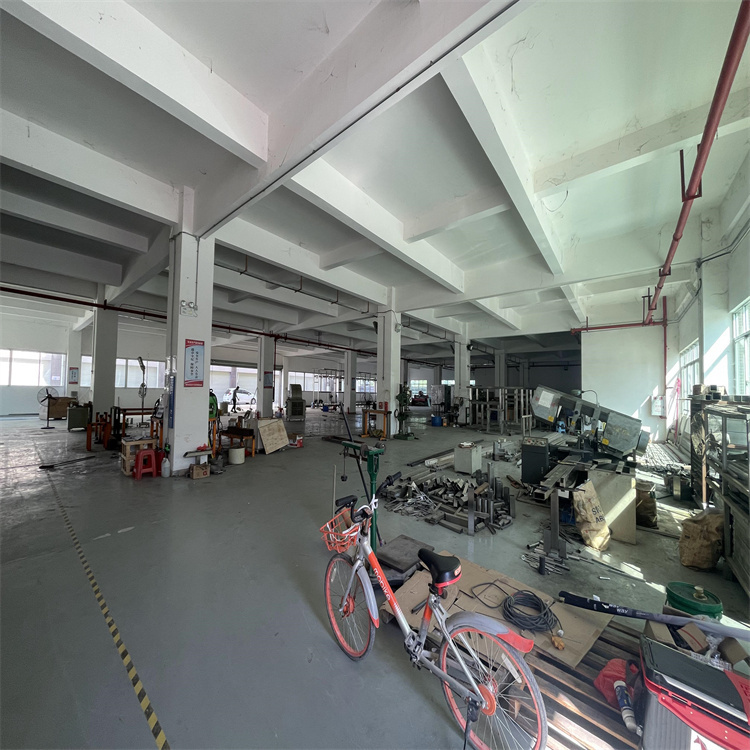
Foreign-invested enterprise factory inspections and appraisals can withstand natural disasters. Inspecting the factory structure can also determine the degree of resistance to natural disasters. If the factory structure has excellent stability, it can greatly ensure against the invasion of natural disasters.
Quality Inspection and Certification for Construction of Foreign-Invested Enterprise Factory Buildings
1. Structural inspection and appraisal for construction projects (concrete structures, masonry structures, steel structures, towers and tall buildings, quality inspection of building components, vibration testing, structural stress testing, on-site structural performance testing); post-disaster structural load-bearing capacity appraisal.
2. Industrial and civil construction safety, suitability, maintainability, durability, and reliability assessment; building seismic evaluation; settlement observation, lighting and sunshine assessment, analysis, Floor Area Ratio (FAR) analysis, area measurement, building function evaluation; residential house inspection and evaluation; decoration and renovation of building quality inspection and evaluation.
3. Municipal engineering and construction quality inspection, road and bridge functional performance and structural safety inspection, as well as repair and reinforcement assessment.
4. Indoor Environmental Testing for Construction Projects: Identification of air composition, harmful substances in decorative building materials, noise and vibration, electromagnetic radiation, light blocking pollution, etc.
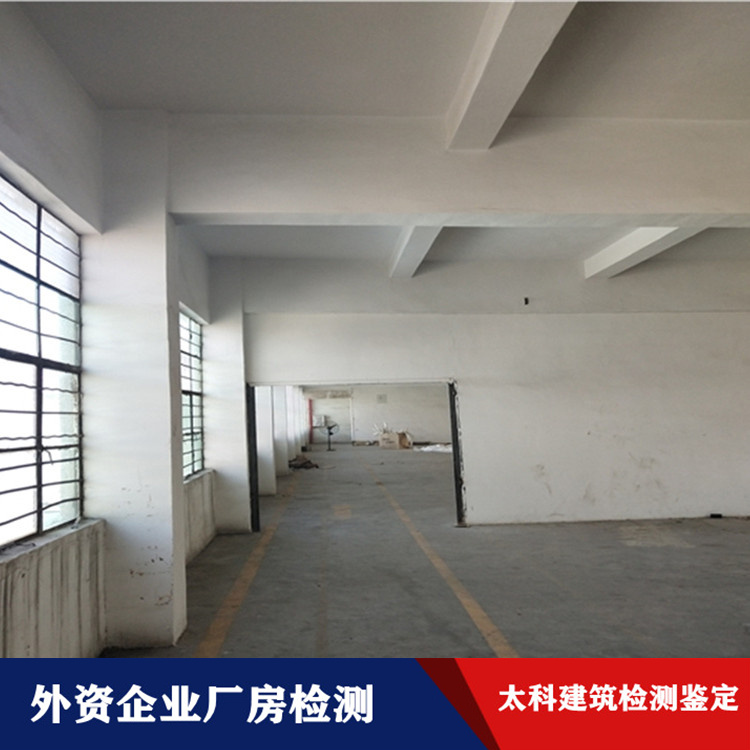
Foreign-Invested Enterprise Factory Safety Inspection Projects:
1. At the factory surrounding the construction site, to assess the safety before and after construction, determine the extent of damage, and analyze the causes, the factory must undergo safety evaluations before and after the construction.
2. When a temporary factory needs to extend its usage period, safety assessments of the facility must be conducted to provide recommendations for the subsequent years of use.
3. Once a factory has reached a certain age of use and shows signs of aging, such as cracks or tilting in the main structure, posing a risk to the building's safety, it is necessary to conduct a safety assessment of the factory.
4. The factory is being altered for a different use, which significantly increases the load, potentially compromising safety. It is necessary to conduct a safety assessment of the factory.
5. Natural disasters (such as floods, fires, typhoons, earthquakes) have occurred, affecting the normal operation of the factory; safety assessments of the factory are required.
6. Other situations that may endanger the safety and normal operation of the factory.
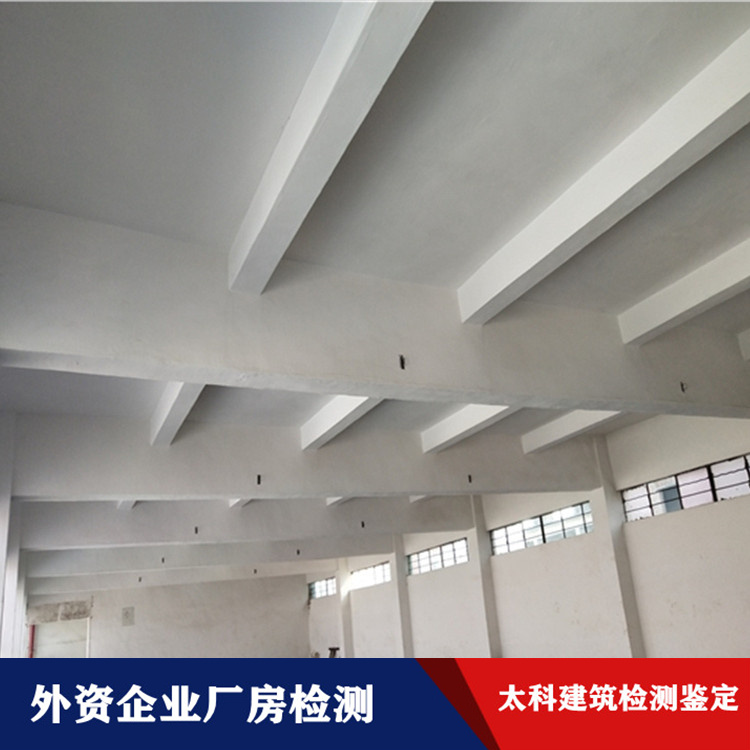
Foreign-invested Enterprise Factory Inspection Process:
1. Investigate the factory's usage history and the condition of its structure.
2. Document the main structure and load-bearing components of the factory using methods such as text, drawings, photographs, or videos.
3. The testing items for the mechanical properties of the factory building structure materials should be determined based on the requirements of the structural load-bearing calculation.
4. As necessary, establish a calculation model based on the characteristics of the factory building structure. According to the actual mechanical properties of the building materials, structure, and the actual loads, calculate the safety reserve of the factory building structure in accordance with current specifications.
5. Assess the current condition of the factory structure to determine the level of safety.
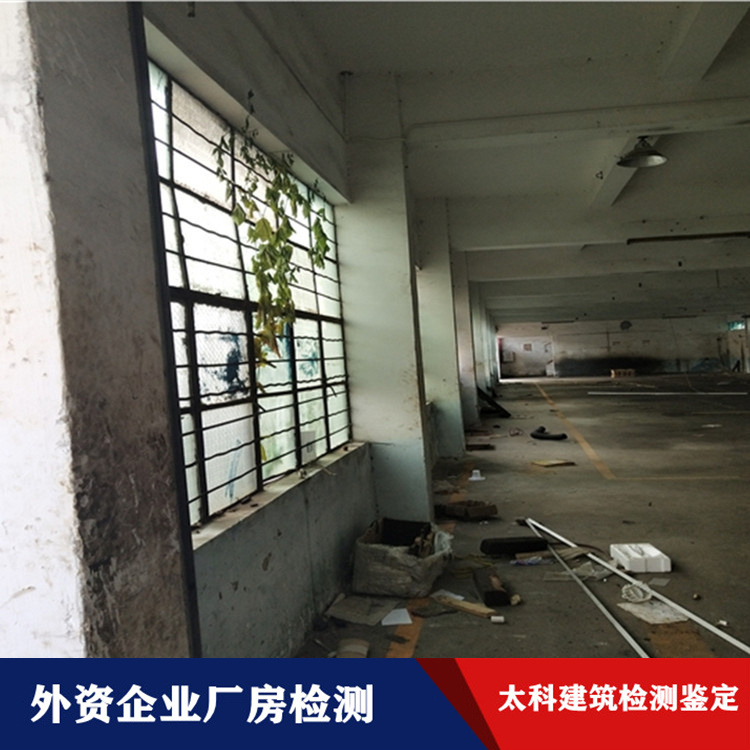
Foreign Capital Factory Audit and Inspection Process:
1. Inspection Items:
The process of evaluating the current quality status of a building, in accordance with the specified seismic fortification requirements, to assess its performance under the action of earthquakes at the specified intensity.
2. Application Scope:
Structures without seismic fortification or with fortification levels below the current regulations, particularly protective buildings, urban lifeline projects, and reconstruction and addition projects.
3. Inspection Content and Process:
(1) Key testing parameters include:
Tilt, settlement, cracking, foundation, masonry structural components, wooden structural components, concrete structural components, steel structural components, etc., general detection of various parameters
For on-site inspection.
(2) Non-site inspection items include:
a. In concrete structure component testing, the concrete core drilling method is used to test concrete strength.
b. In steel structure component inspections, the tensile strength test method is used to measure the tensile strength of steel specimens, and the bending strength test method is used to detect the bending deformation of steel specimens.
Ability.
c. Wood structural component testing, including wood's tensile, compressive, and shear strength tests along the grain, bending strength and modulus of elasticity tests, and wood's perpendicular to grain compressive strength test.
Inspection.
(3) Inspection Process:
1. Gather the original documents including the geological survey report of the house, completion drawings, and engineering acceptance files, and supplement with engineering geological surveys if necessary.
2. Inspect and record the damaged areas, extent, and scope of the foundation, load-bearing structure, and perimeter walls.
3. Investigate and analyze the characteristics, structural layout, and construction of building structures, as well as seismic measures, and review the seismic bearing capacity.
4. The testing items for the mechanical properties of building structural materials should be determined according to the requirements of structural load-bearing calculations.
5. General buildings should comply with the "Seismic Evaluation Standard for Buildings" G023-95 and adopt the corresponding hierarchical evaluation methods for comprehensive seismic capability analysis.
Shenzhen Taikang Building Inspection & Appraisal Co., Ltd. has always adhered to a management philosophy of people-oriented, innovative service, and efficiency first. Guided by the spirit of "focusing on inspection, serving society," we provide comprehensive technical support and services to all sectors of society.