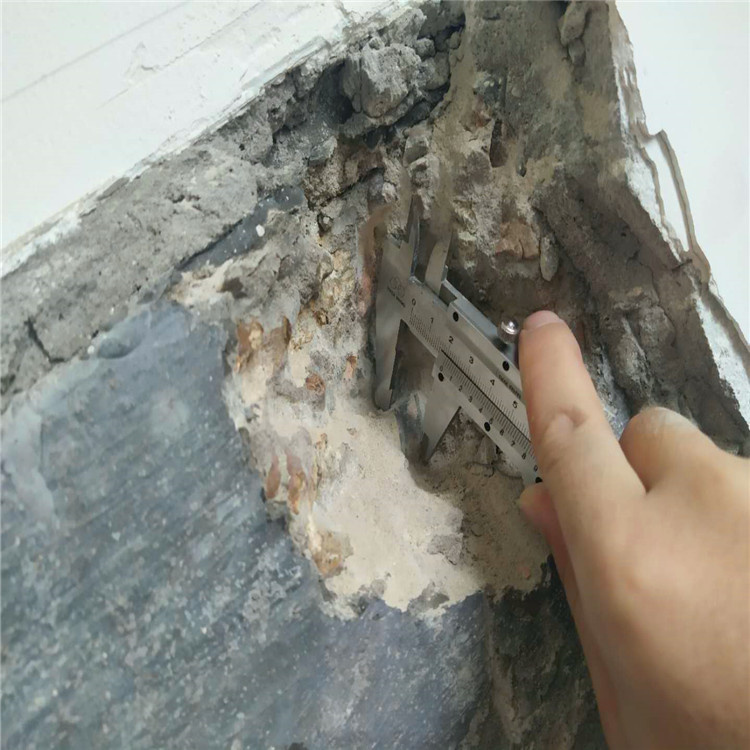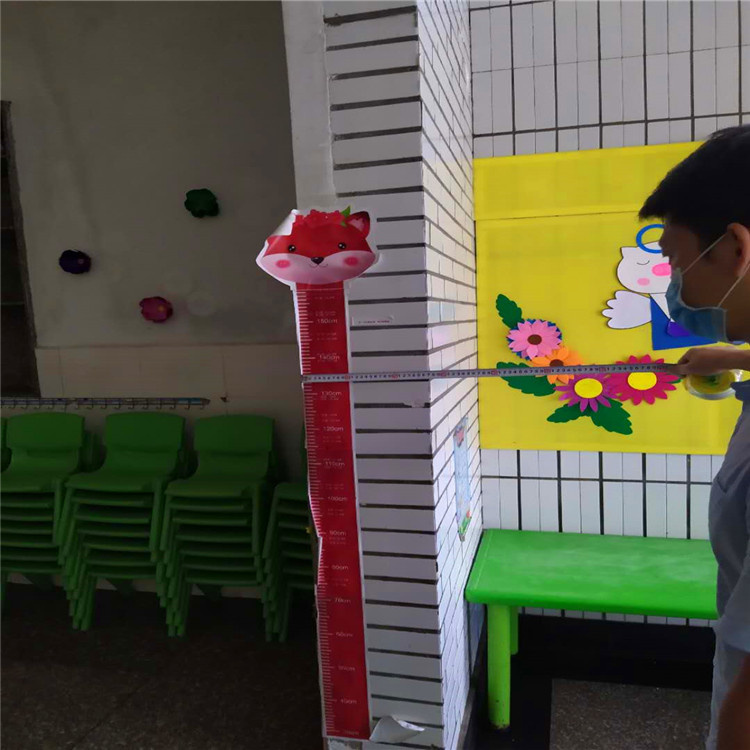

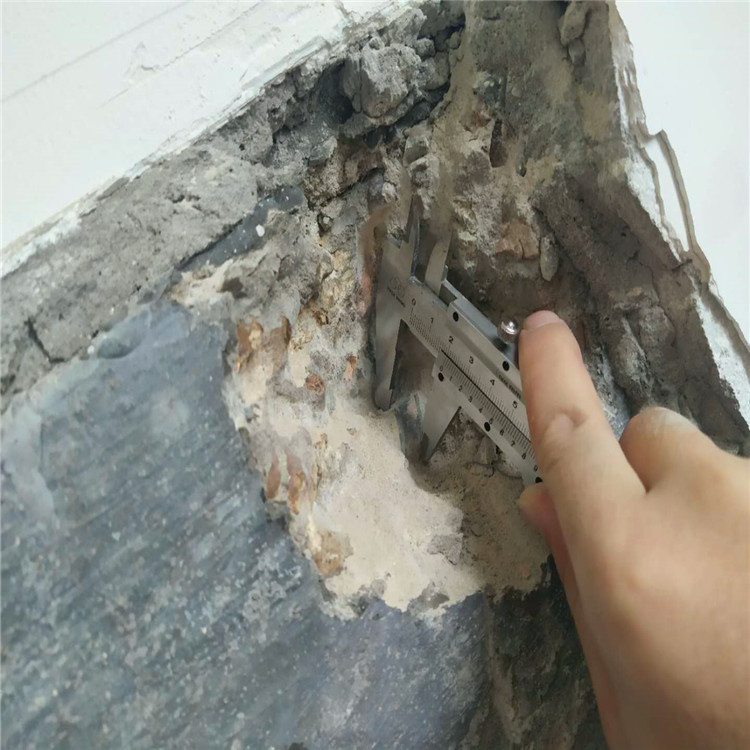

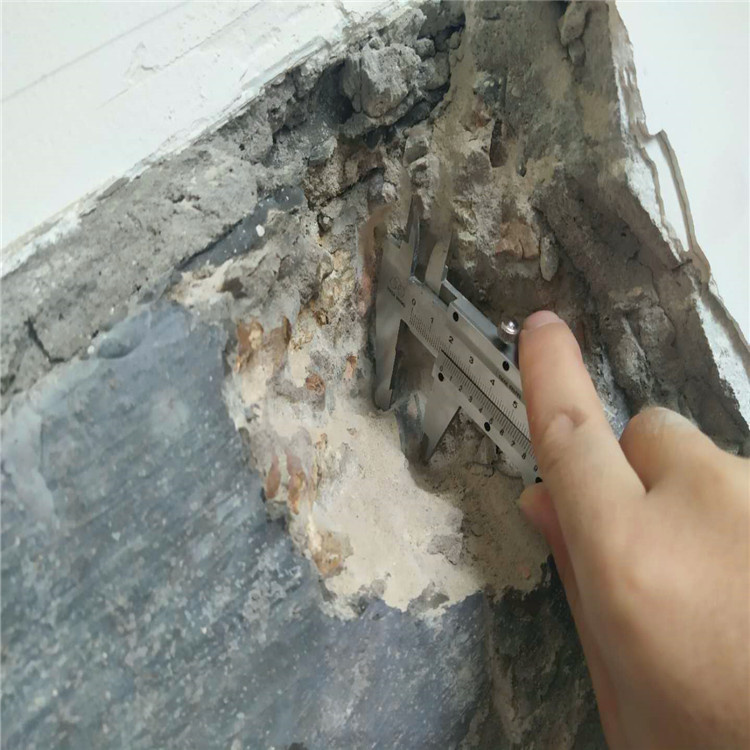









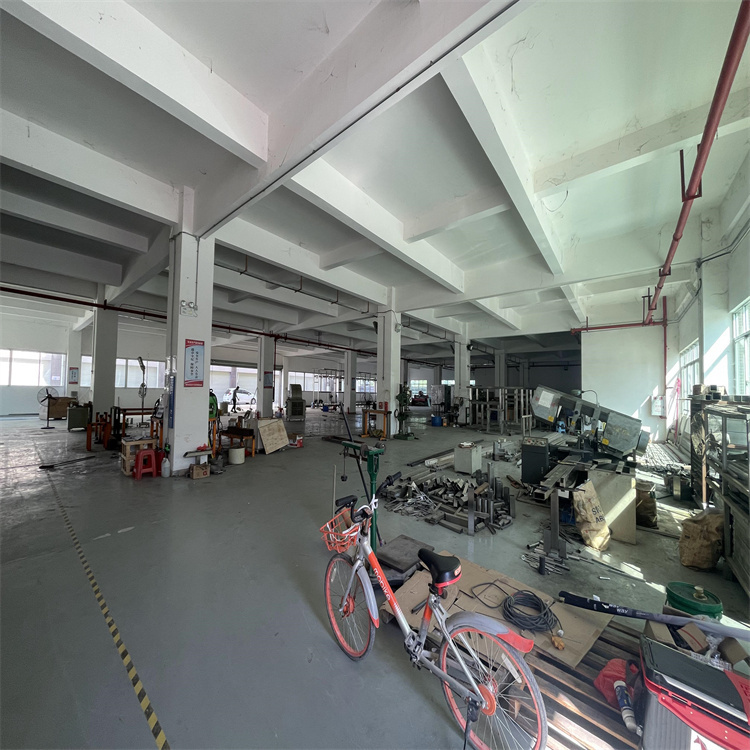
1. Types of Building Inspection and Certification: 1) Safety inspection of building components involves detailed examination and detection of specific components, such as concrete beams, slabs, and columns, to assess their impact on the building structure and any signs of damage or deterioration. 2) Emergency inspection for sudden building safety incidents: In cases of building damage caused by external forces like earthquakes or fires, the assessment team must quickly evaluate the extent of damage based on the on-site situation and determine if the building is unsafe. Adequate preparation is essential, including the ability to immediately enter the site and have emergency response plans and remedial measures in place. 3) Building safety inspection: The objects of this inspection are generally buildings constructed after the 1950s, where safety issues are more common. The complexity of the inspection is determined based on the on-site conditions, as these buildings are often affected by environmental factors. 4) Building usability inspection: This type of certification considers whether the building can be used normally, focusing on issues like leaks and hollow spots during the survey. It emphasizes the verification of drawings and the on-site environment for property registration or changes in building use. 5) Safety inspection of building renovation structures
These houses are for structural renovations, with the focus on re-examination and calculation. The inspection checks whether the renovation has affected the overall structure of the house before and after, and whether it meets the regulatory requirements.

Home safety assessment involves quality inspections by qualified testing agencies, utilizing testing technologies to evaluate the house's condition. It includes structural quality measurements and dynamic monitoring. A comprehensive inspection report is issued based on the full assessment, completing the home safety evaluation. Additionally, through home assessment, quality issues can be identified promptly, and corrective measures can be taken for safety concerns, implementing targeted solutions to avoid safety incidents caused by house problems.
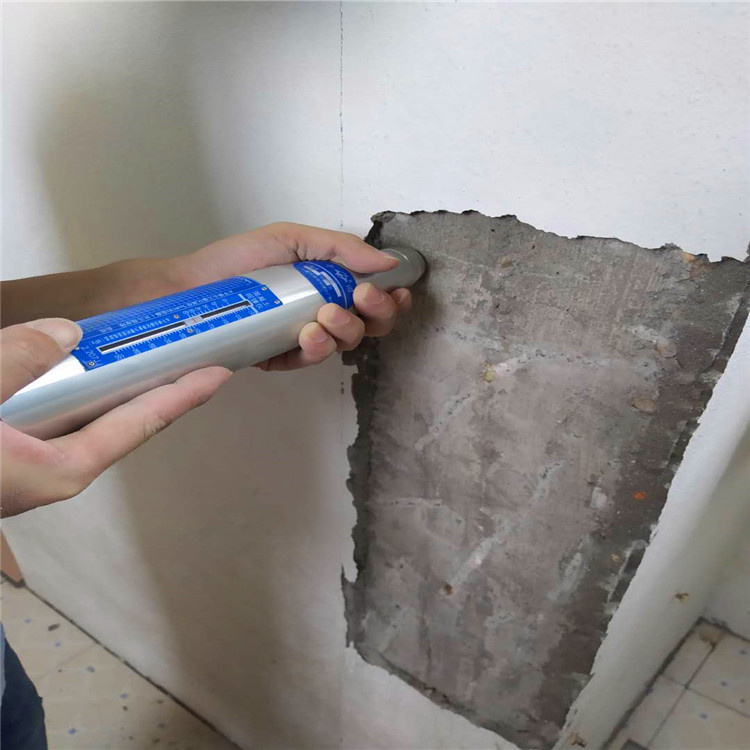
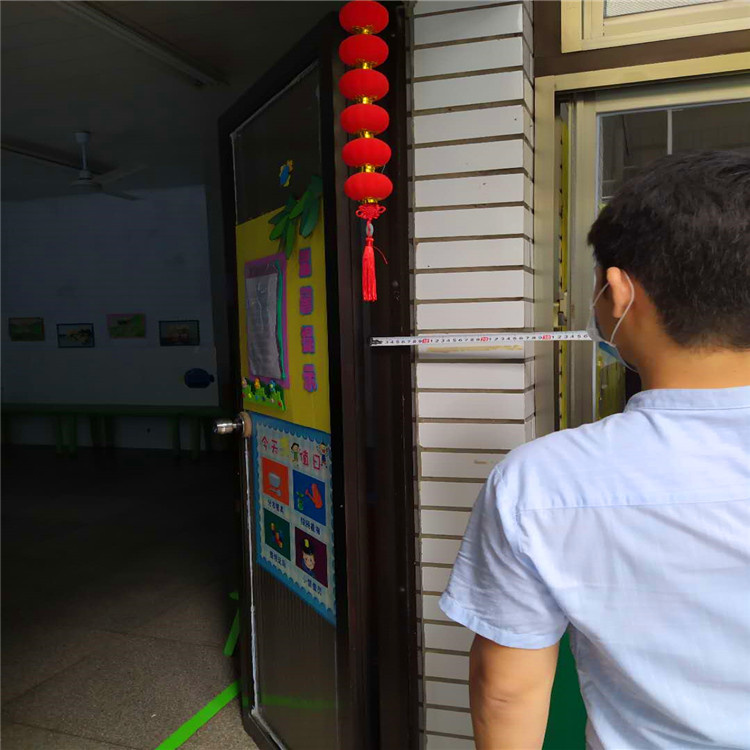
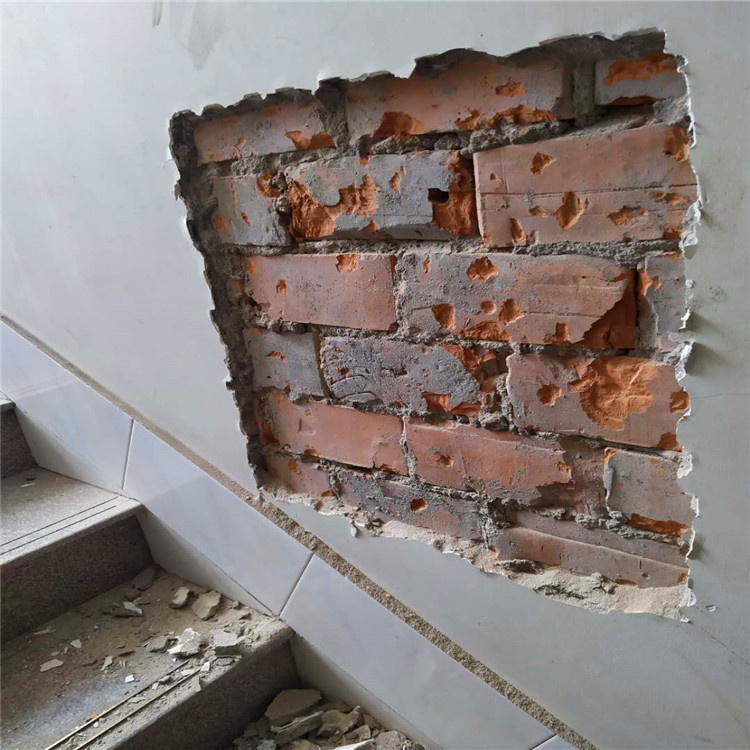
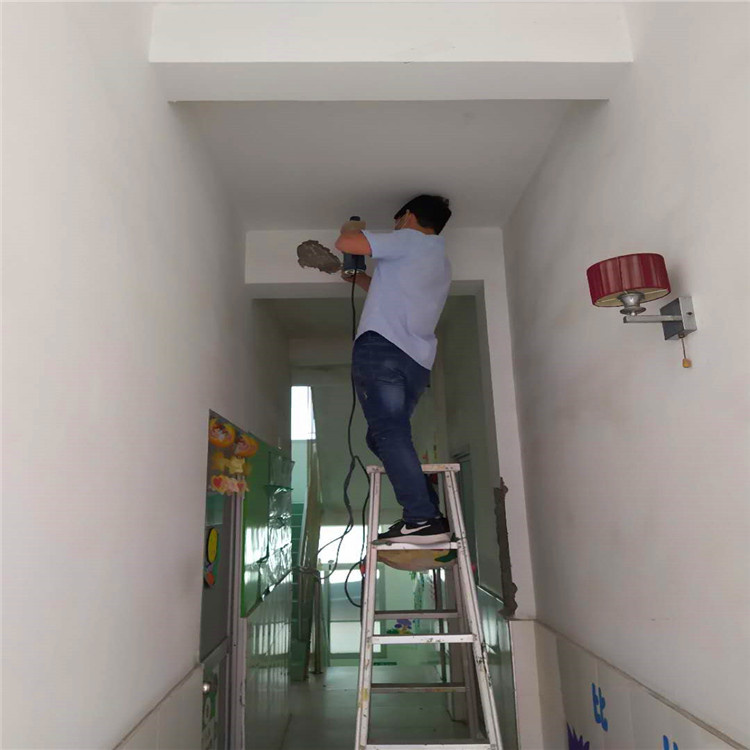
Older houses tend to naturally age and deteriorate, causing damage. However, the extent of damage varies from house to house, and some damage may not be apparent without a property safety assessment. Therefore, it's necessary to conduct regular property safety assessments. Below, we introduce what a property safety assessment is and the types of property inspections available.