

Product Details

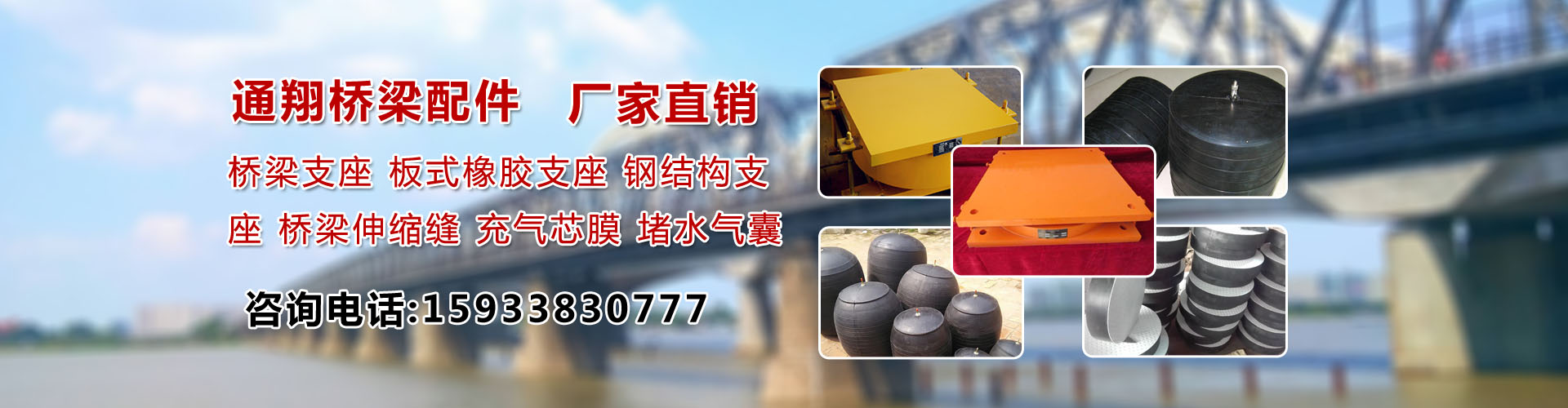
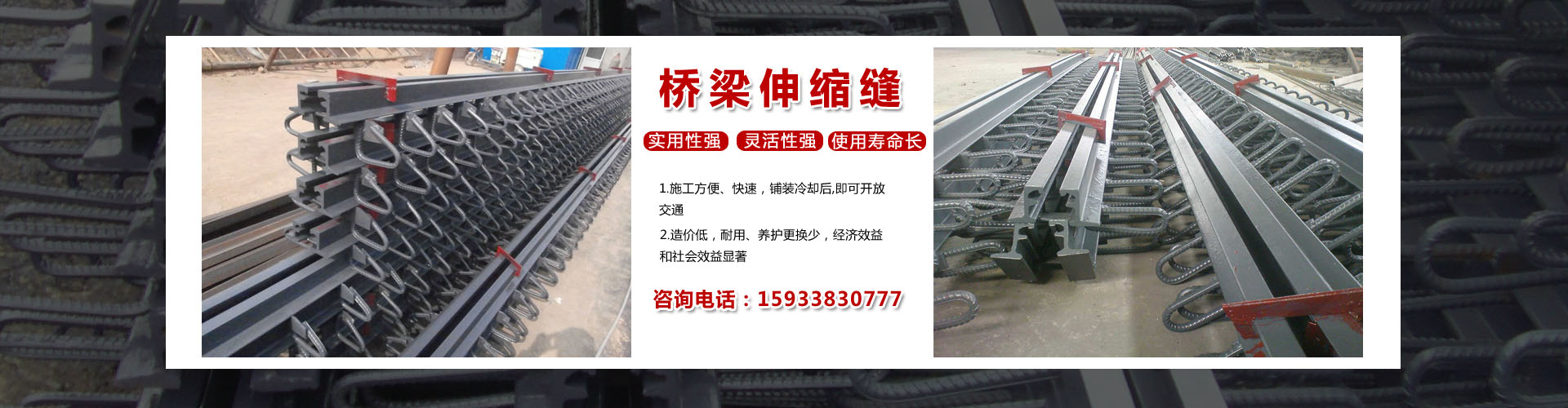
Pipe plug bladders, rubber supports, support steel plates, bowl-shaped supports, spherical supports, bridge expansion joints


价 格Negotiable
最小起订0 Piece库存0 Piece
 Business Card
Negotiable

Negotiable

Negotiable
Negotiable
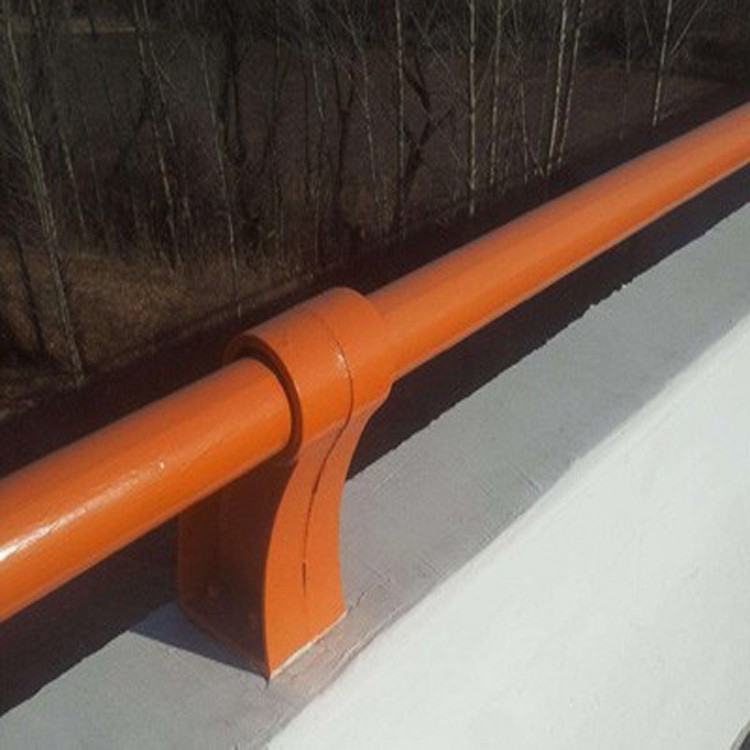 Red Bridge Guardrail Support
Negotiable
Red Bridge Guardrail Support
Negotiable
 Ellipse-shaped rubber inflatable
Negotiable
Ellipse-shaped rubber inflatable
Negotiable
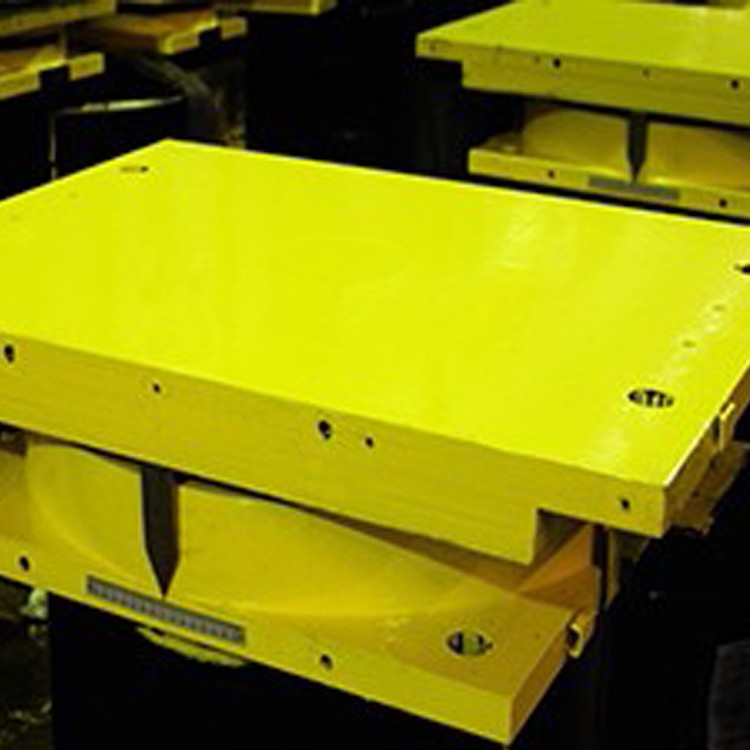 GPZ(2009) Series, GPZ(KZ) Series
Negotiable
GPZ(2009) Series, GPZ(KZ) Series
Negotiable
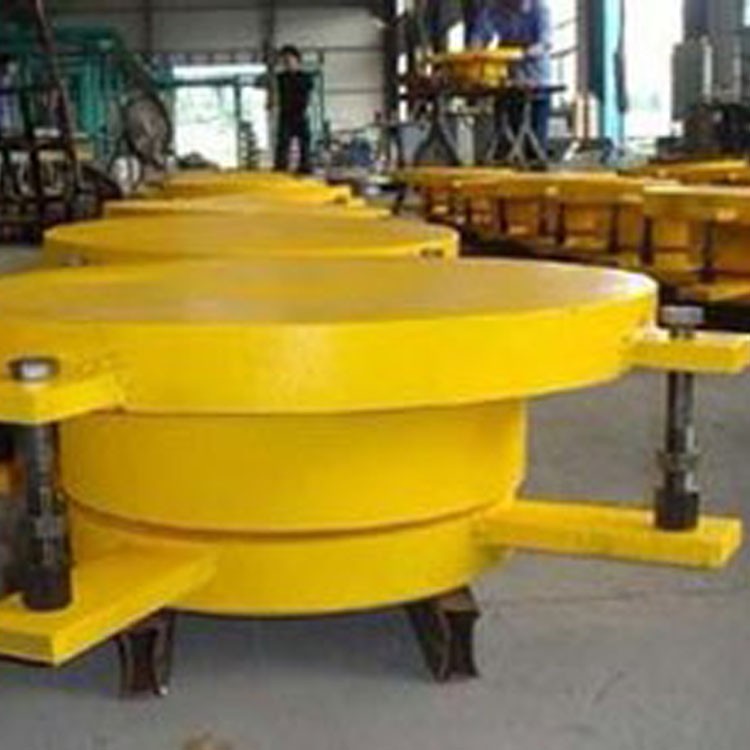 Swivel Pivot Mount
Negotiable
Swivel Pivot Mount
Negotiable
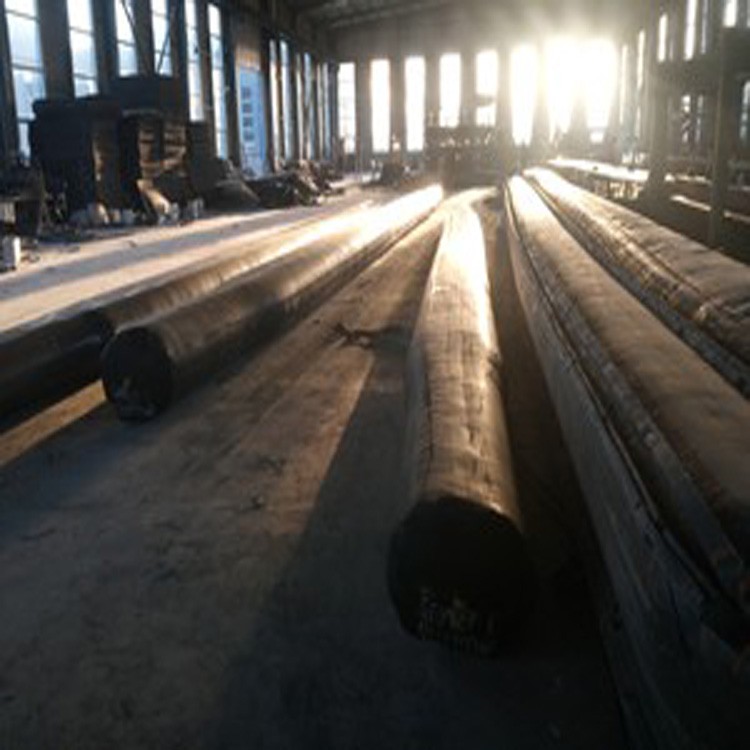 Octagonal rubber air core membran
Negotiable
Octagonal rubber air core membran
Negotiable
 GQF-MZL120, 160, 240, and 320 mod
Negotiable
GQF-MZL120, 160, 240, and 320 mod
Negotiable
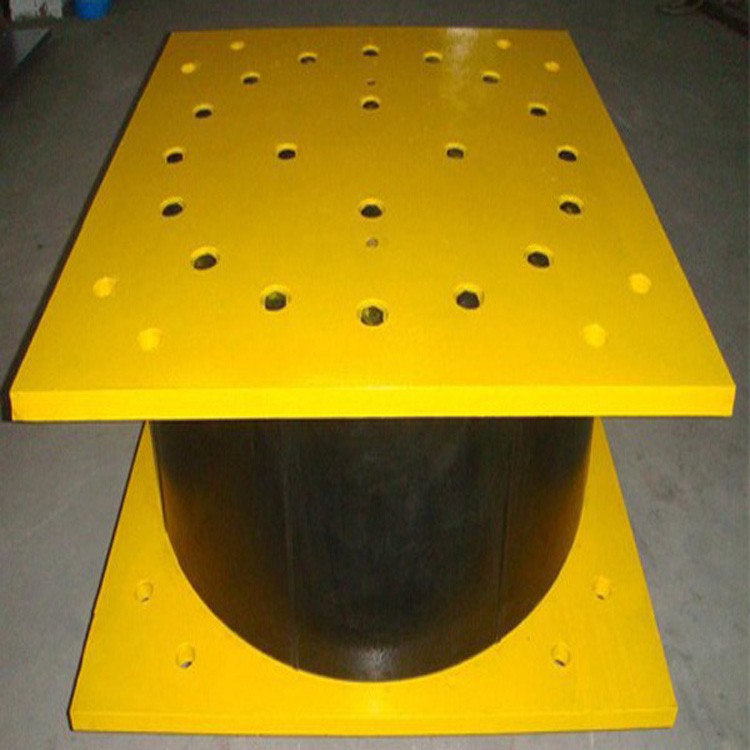 LNR抗震橡胶支座
Negotiable
LNR抗震橡胶支座
Negotiable
 Rubber Water Plug (Airbag)
Negotiable
Rubber Water Plug (Airbag)
Negotiable
 Bridge guardrail bracket
Negotiable
Bridge guardrail bracket
Negotiable
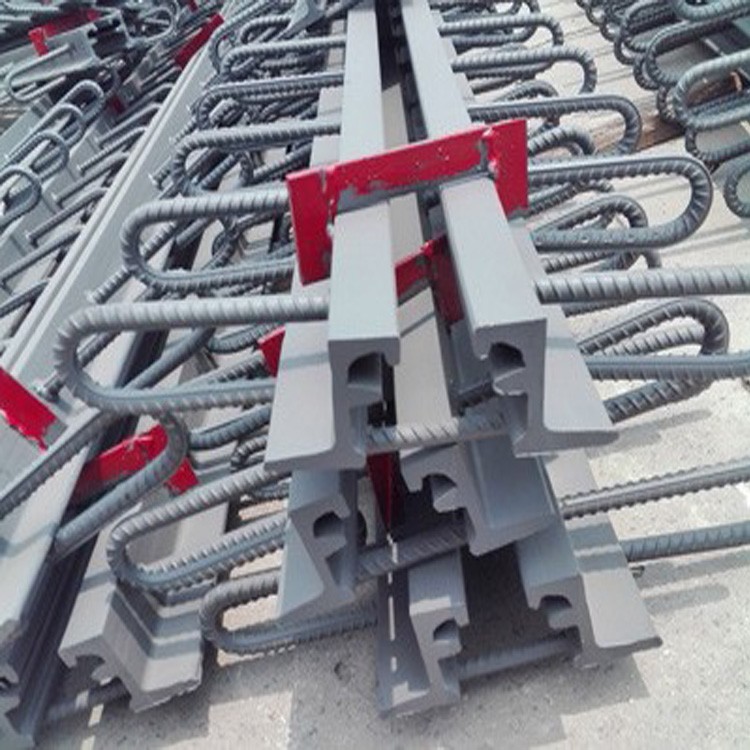 GQF-E40 60/80 Model
Negotiable
GQF-E40 60/80 Model
Negotiable
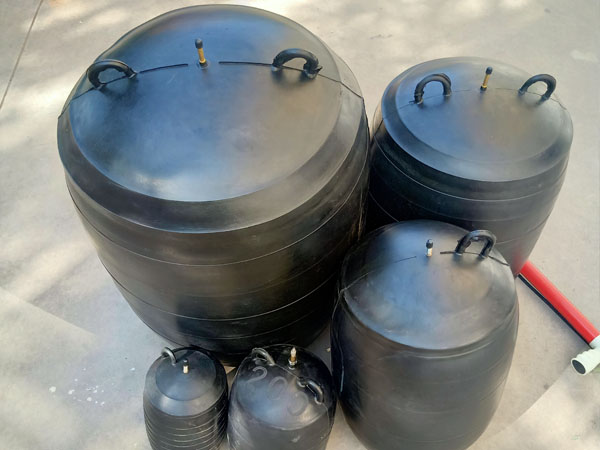
Pipe sealing air bags, made of rubber, are inflated to block water leaks. Once the internal gas pressure of the water-sealing air bag reaches the specified requirement, it fills the entire cross-section of the pipe. The friction between the wall of the pipe sealing air bag and the pipe stops the leak, achieving a quick blockage of water flow through inflation and expansion, thereby preventing any seepage.
Pipe plug bladders available in models: PVC valve bladders, composite water-seal plugs, valve-type water-seal plugs, and dual-inflation bladders
Water Stop Air Bags, consisting of an air bag, pressure gauge, tee, and special pressure-resistant rubber hose. Capable of withstanding the natural pressure of water from 2 to 6 floors in building level water-tightness tests.
Construction Steps
1. Preparation: Assemble the accessories of the municipal engineering circular pipeline plug inflator, and perform a tool air leakage check. Inflate the airbag with a pump, ensuring the air pressure does not exceed 0.15 MAP, and check for air leakage in the airbag.
2. Open the pipeline opening, slowly place the inflatable plug into the required position from this opening, then inflate the pipeline堵头 until it reaches an appropriate pressure (usually 0.25MP). Note, avoid placing the pipeline堵头 at the joints of vertical pipe fittings, reason:
The interior wall at this location has seams, which affect the tightness of water sealing.
(2) To prevent the pipe plug from expanding to one side, causing the pressure to build up and potentially burst the plug if inflation continues.
(3) For municipal drainage pipes, the sand must be thoroughly cleaned, the inner wall must be smooth, and burrs are not permitted. Otherwise, it may affect water-sealing properties and even puncture the airbag.
(4) Pipe pluggers of various sizes must be used in the corresponding pipes; do not use a smaller size to replace a larger one.
3. To prevent the airbag from detaching from the rubber hose, tightly secure the connection with wire ties or another binding method.
4. As you're about to finish inflating the airbag with the pump, reduce the air flow slightly on the pump to avoid over-inflation, which could cause the airbag to burst and lead to an accident.
During the transportation of the airbags, do not drag them to prevent damage to the outer wall of the airbags.
6. During engineering operations, always monitor the airbag pressure. If the pressure is decreasing slowly, there's no need to halt the work. Simply continue to inflate the airbag with a compressor to reach the standard pressure. Check for leaks in the airbag or its accessories only after the operation is completed.
Place the plug-in airbag at the pipe opening that needs to be sealed. Insert the airbag to the full length of the plug-in airbag. Then, inflate with compressed air to the specified pressure through the intake valve. Construction can proceed. After completion, open the intake valve to release the air and remove the plug-in airbag.

Phone Consultation