

Product Details

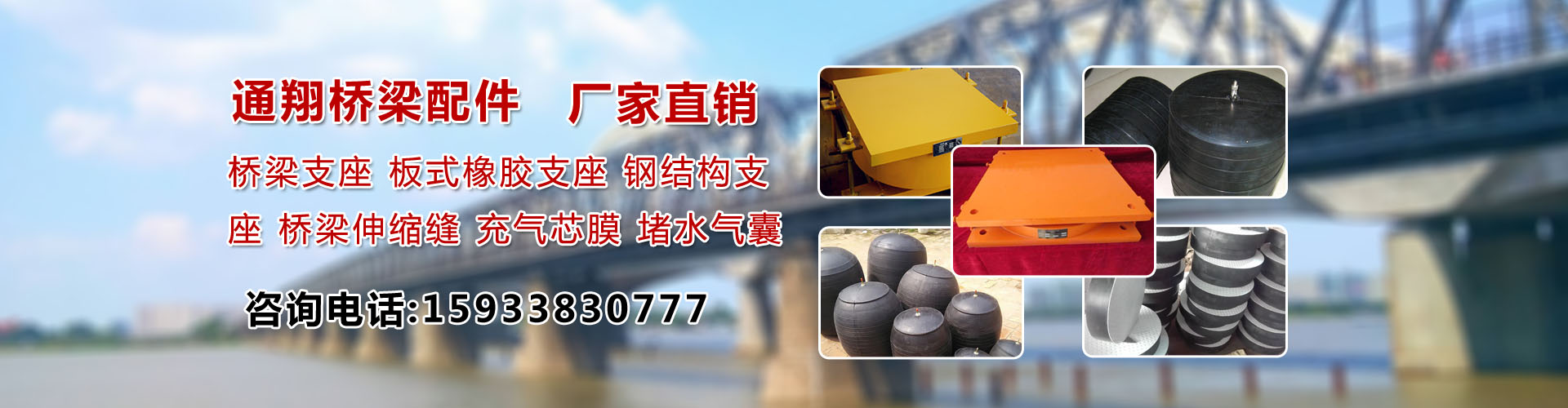
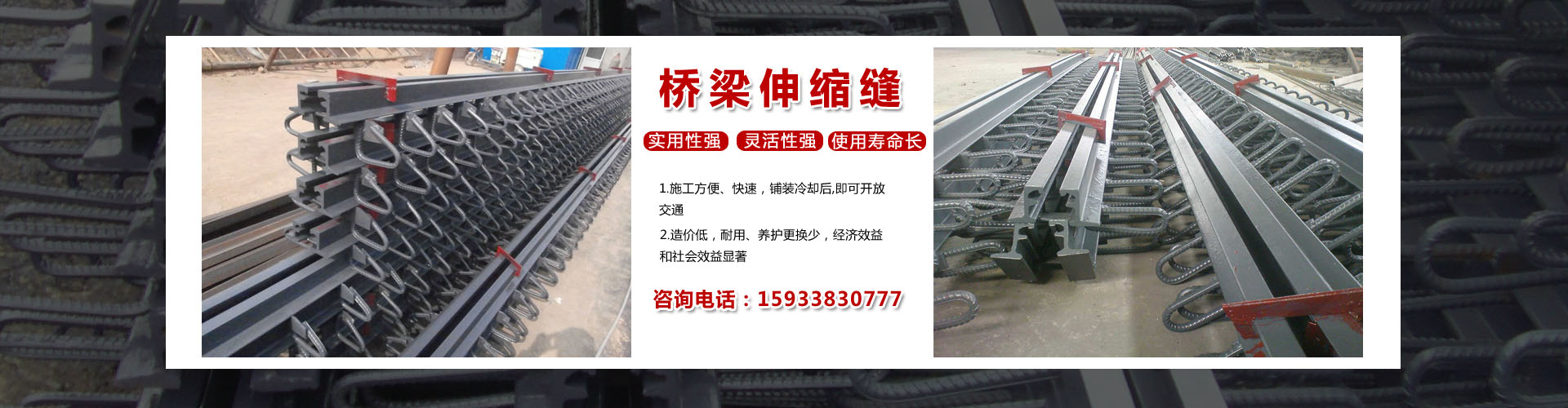
Pipe plug bladders, rubber supports, support steel plates, bowl-shaped supports, spherical supports, bridge expansion joints


价 格Negotiable
最小起订0 Piece库存0 Piece
 Business Card
Negotiable

Negotiable

Negotiable
Negotiable
 Rubber Inflatable Core Molding -
Negotiable
Rubber Inflatable Core Molding -
Negotiable
 Rubber Water Plug (Airbag)
Negotiable
Rubber Water Plug (Airbag)
Negotiable
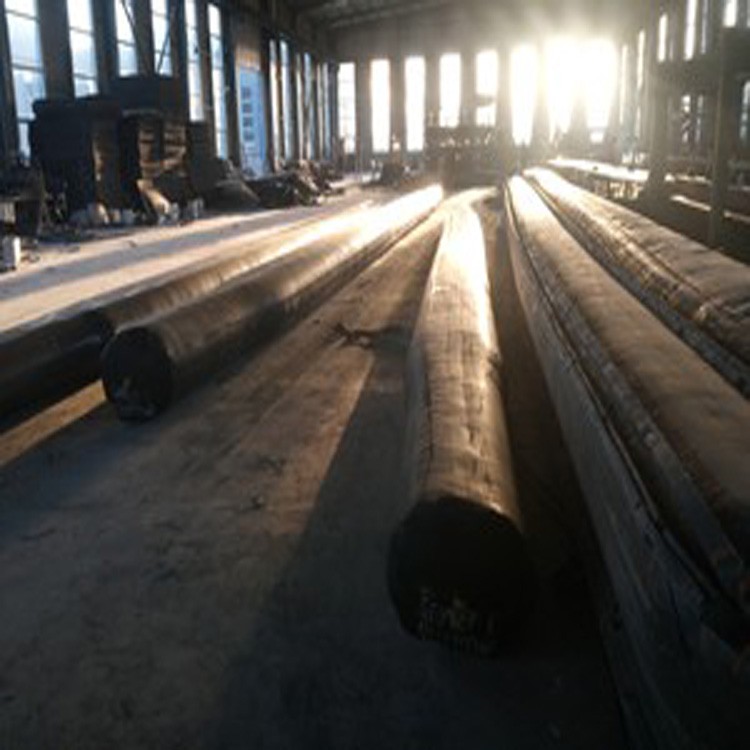 Octagonal rubber air core membran
Negotiable
Octagonal rubber air core membran
Negotiable
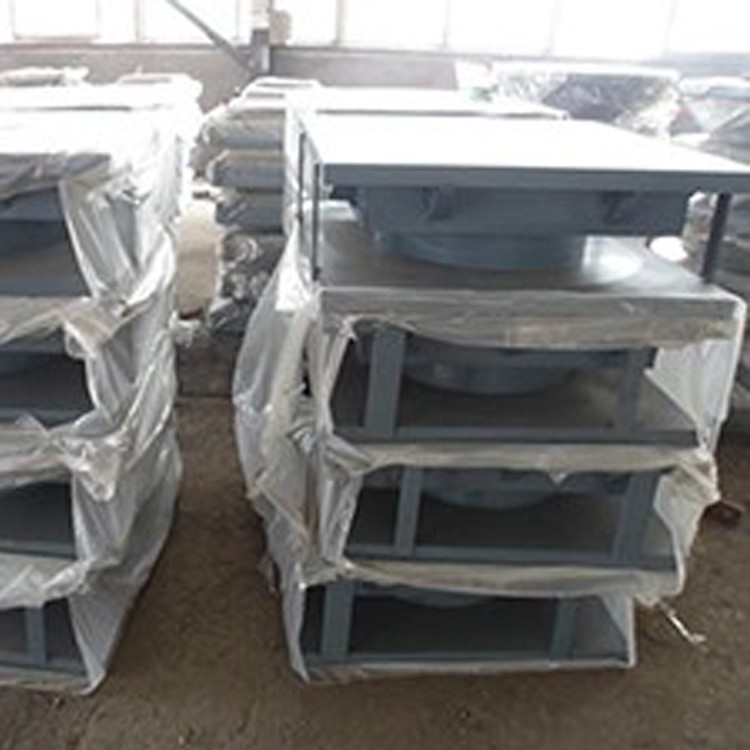 Sliding Support (Single-way, Bi-d
Negotiable
Rubber Water Plug (Airbag)
Negotiable
Sliding Support (Single-way, Bi-d
Negotiable
Rubber Water Plug (Airbag)
Negotiable
 GQF-Z40 60-80 model
Negotiable
GQF-Z40 60-80 model
Negotiable
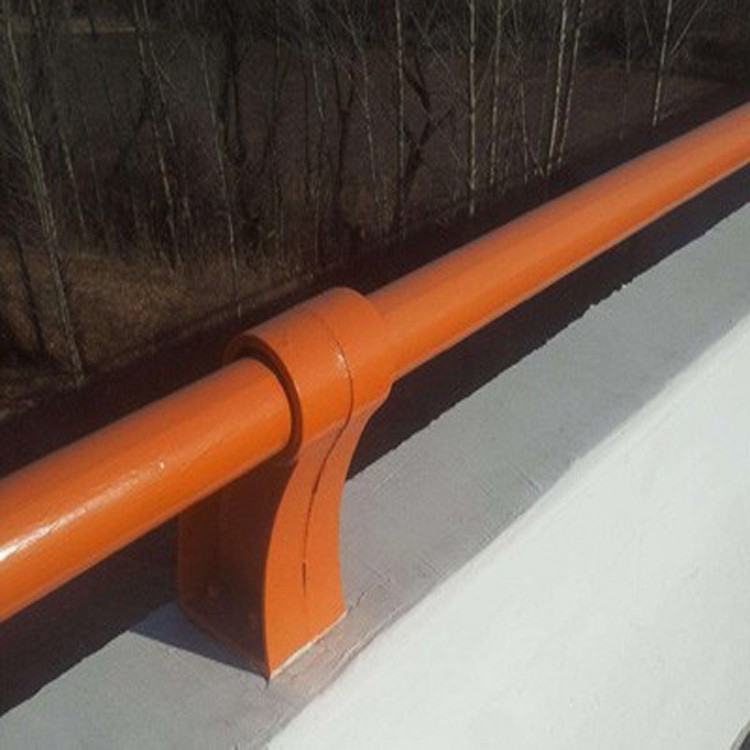 Red Bridge Guardrail Support
Negotiable
Red Bridge Guardrail Support
Negotiable
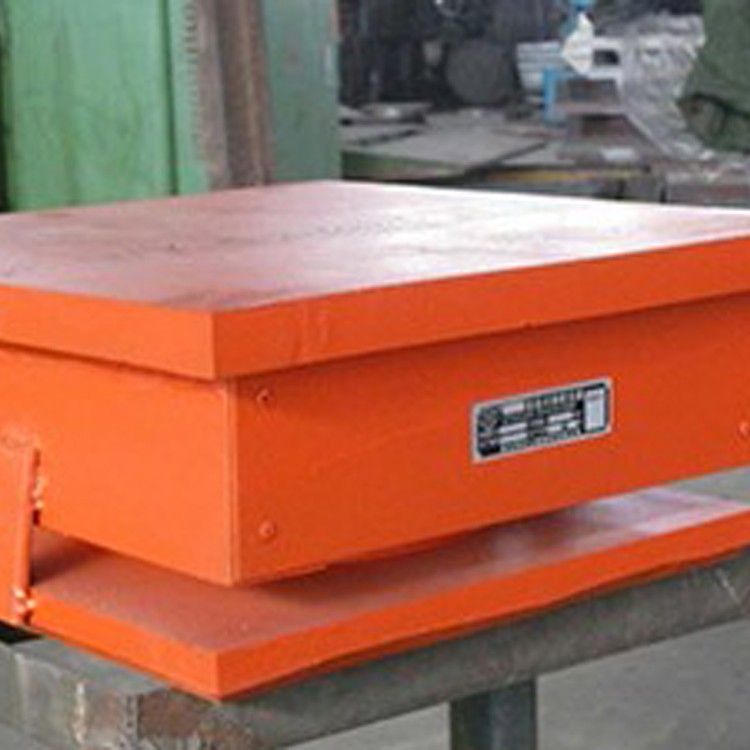 Ball and Socket Support, Basin Su
Negotiable
Ball and Socket Support, Basin Su
Negotiable
 Ellipse-shaped rubber inflatable
Negotiable
Ellipse-shaped rubber inflatable
Negotiable
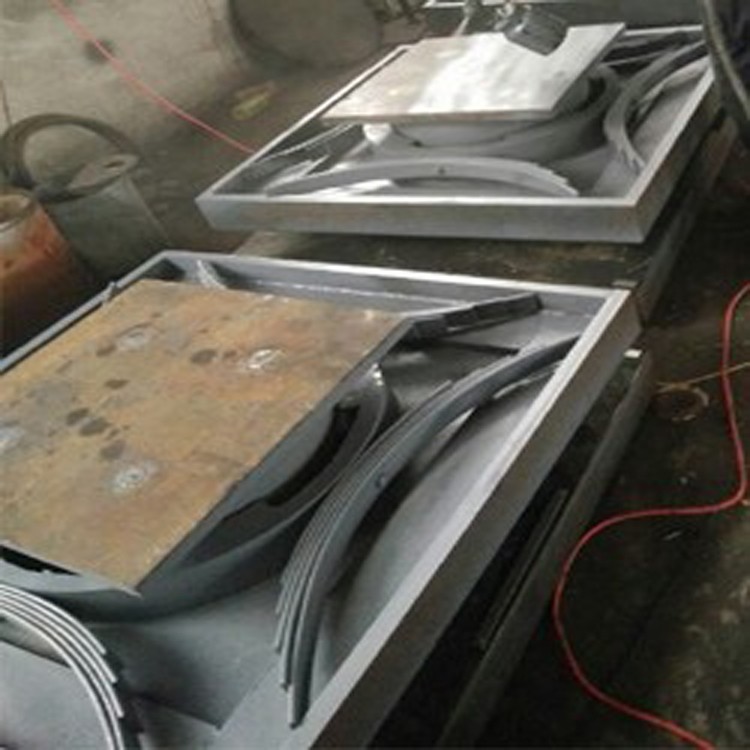 Elastomeric Reset Mount
Negotiable
Elastomeric Reset Mount
Negotiable
Expansion joints, also known as movement joints, are structural gaps strategically placed along the construction joints of buildings or structures to prevent cracking or damage due to climatic temperature changes (expansion due to heat and contraction due to cold). These joints divide building components above the foundation, such as walls, floors, and roofs (excluding wooden roofs), into two separate sections, allowing for horizontal expansion along the length of the structure.
Building expansion joints allow for horizontal expansion along the length of a structure, suitable for rooftops and above buildings. Types: GQF-C Type, GQF-Z Type, GQF-E Type, and other expansion joints, also known as temperature joints. Discipline classification: Architecture, Application field: Building Construction.
One: The primary function is to prevent cracks in buildings due to climate changes. This is achieved by leaving gaps at certain intervals along the length of the building, completely disconnecting all above-ground components such as the roof, walls, and floors. The building foundation, being buried underground, is less affected by temperature changes and does not need to be disconnected. The width of expansion joints is generally 2 to 3 centimeters, filled with insulation material, and the spacing between the two expansion joints is clearly specified in the building structural regulations.
If the building's plan dimensions are too long, due to thermal expansion and contraction, it may cause excessive temperature stress within the structure. It is necessary to set a joint at a certain length of the structure to divide the building into several parts, and this joint is known as a temperature joint. The distance between expansion joints varies depending on the structural system. Article 8.1 of the current Chinese standard "Code for Design of Concrete Structures" GB50010-2010 specifies this specifically.
GQF-C, GQF-Z, GQF-E, GQF-F, and GQF-MZL type expansion joints for bridges, all designed with hot-rolled, integral-shaped, special steel sections. The GQF-C, GQF-Z, GQF-L, and GQF-F models are suitable for bridges with expansion amounts under 80mm. The GQF-MZL model features an expansion joint assembly consisting of side beams, middle beams, cross beams, and a linkage mechanism, designed for expansion amounts ranging from 80mm to 1200mm, ideal for medium to large span bridges.
To meet the requirements of bridge surface deformation, it is usually necessary between the ends of the two beams, between the beam ends and the bridge abutment, or across the bridge.
Section 3: Construction Requirements:
(1) Can freely expand and contract in both directions parallel and perpendicular to the bridge's axis
(2) Durable and reliable
(3) The vehicle should pass smoothly without abrupt jumps or noise.
(4) Waterproof and prevent debris from seeping in and causing blockage
(5) Installation, inspection, maintenance, and cleaning of debris should be easy and convenient

Phone Consultation