

Product Details
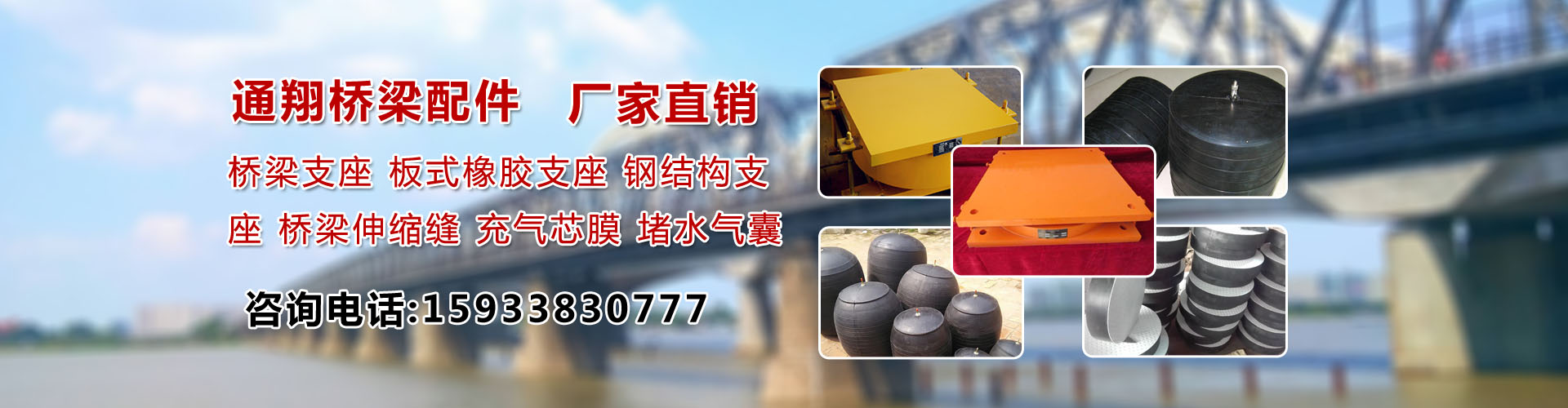
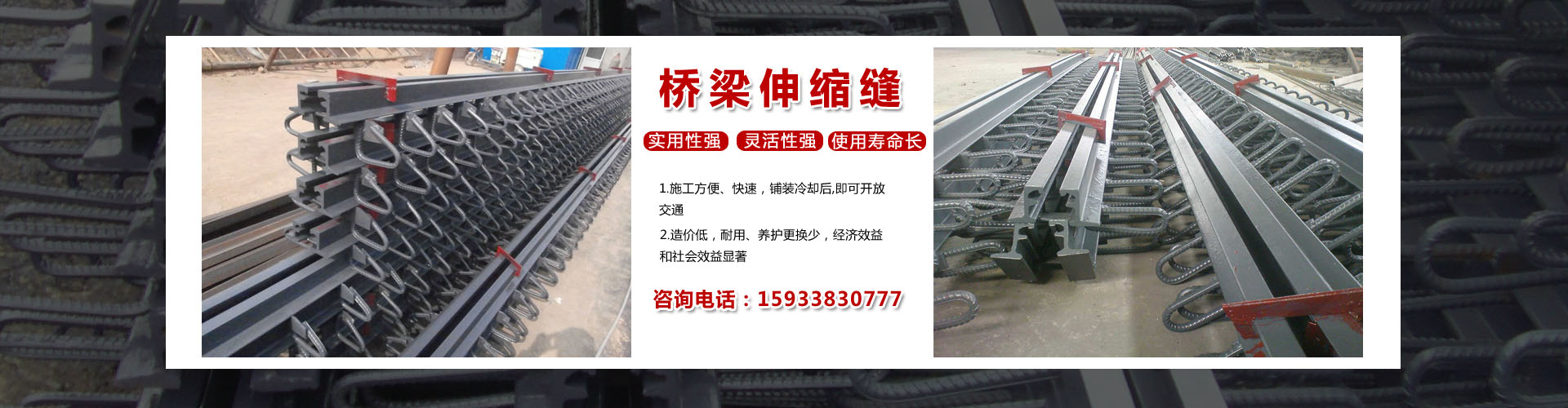
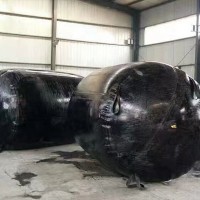
Pipe plug bladders, rubber supports, support steel plates, bowl-shaped supports, spherical supports, bridge expansion joints


价 格Negotiable
最小起订0 Piece库存0 Piece
 Business Card
Negotiable

Negotiable
Negotiable

Negotiable
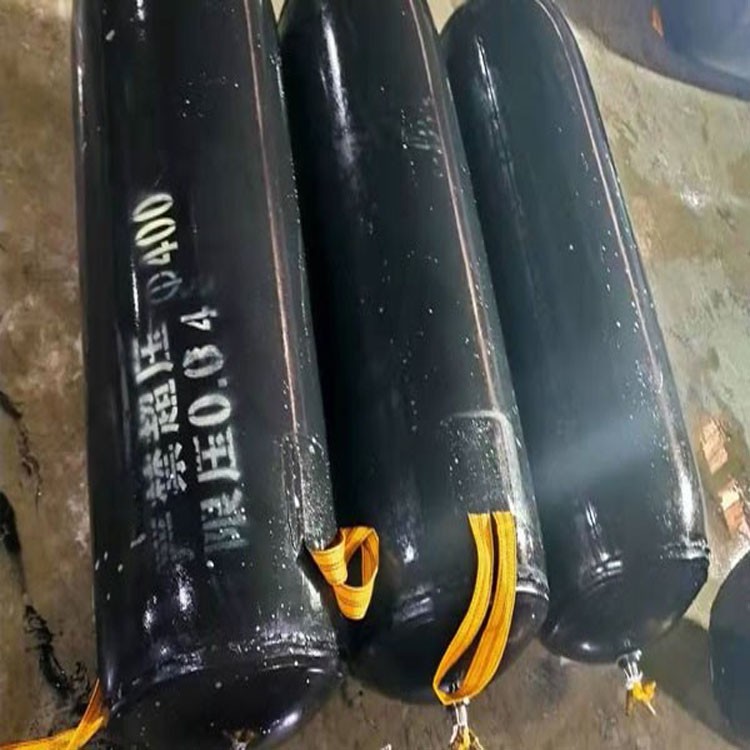 Deflateable堵头
Negotiable
Deflateable堵头
Negotiable
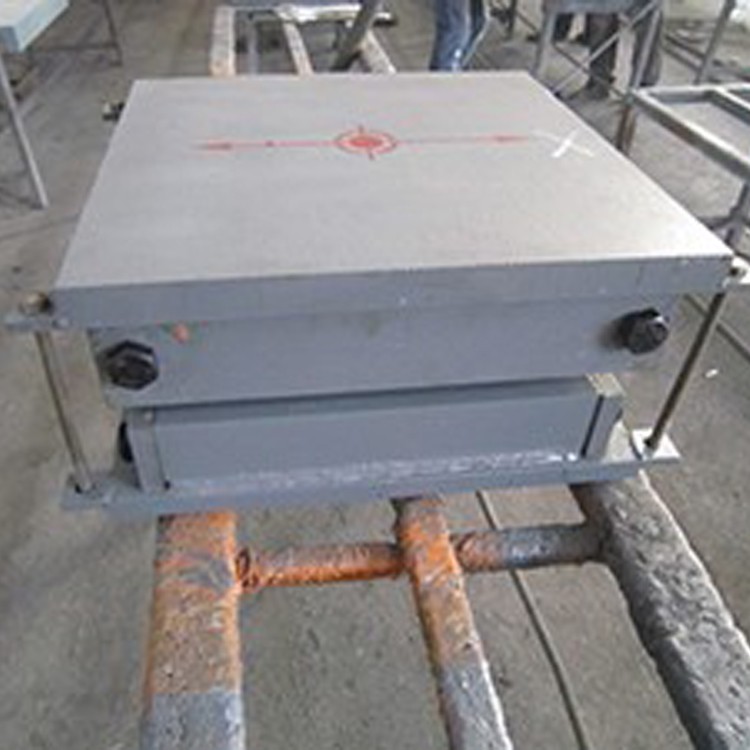 Anti-pull ball-type support (KBQZ
Negotiable
Anti-pull ball-type support (KBQZ
Negotiable
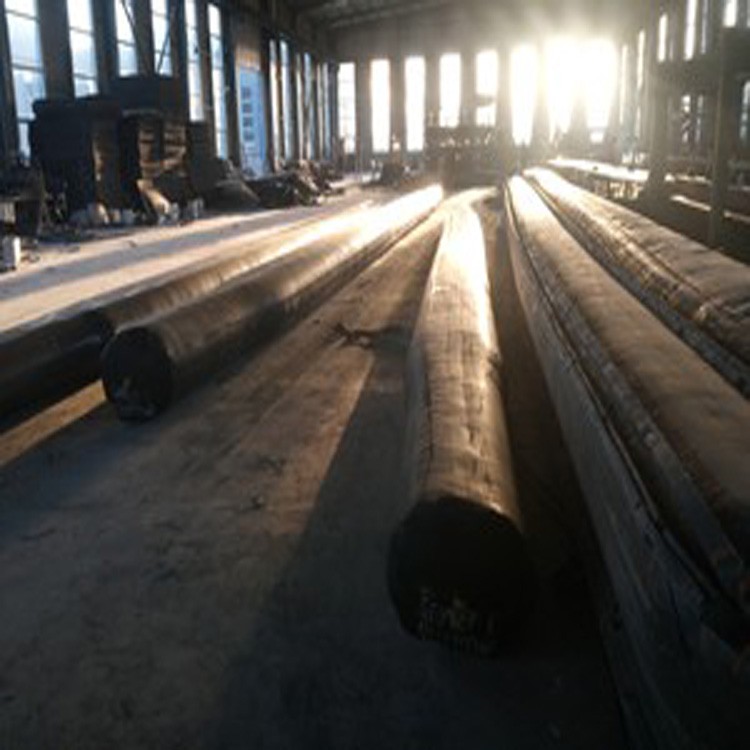 Octagonal rubber air core membran
Negotiable
Octagonal rubber air core membran
Negotiable
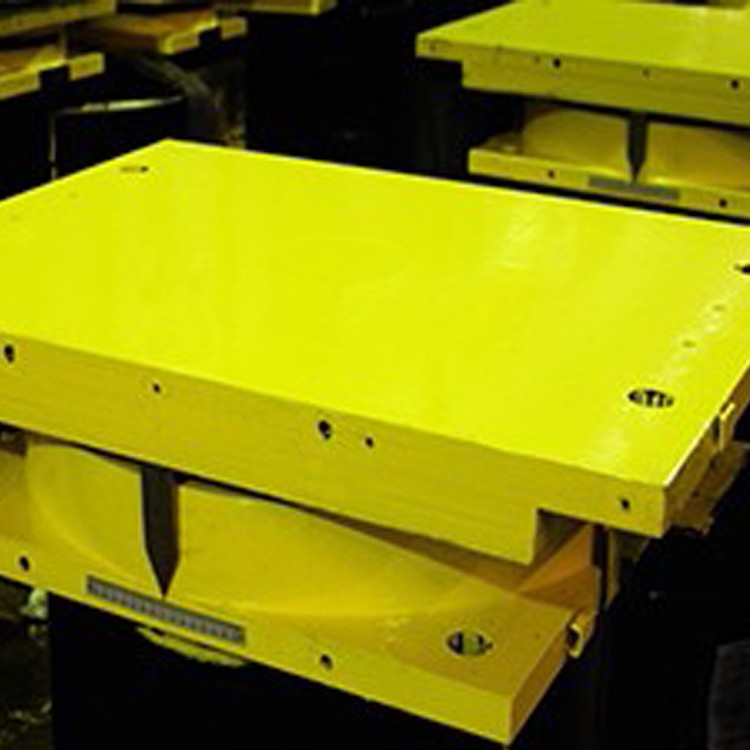 GPZ(2009) Series, GPZ(KZ) Series
Negotiable
GPZ(2009) Series, GPZ(KZ) Series
Negotiable
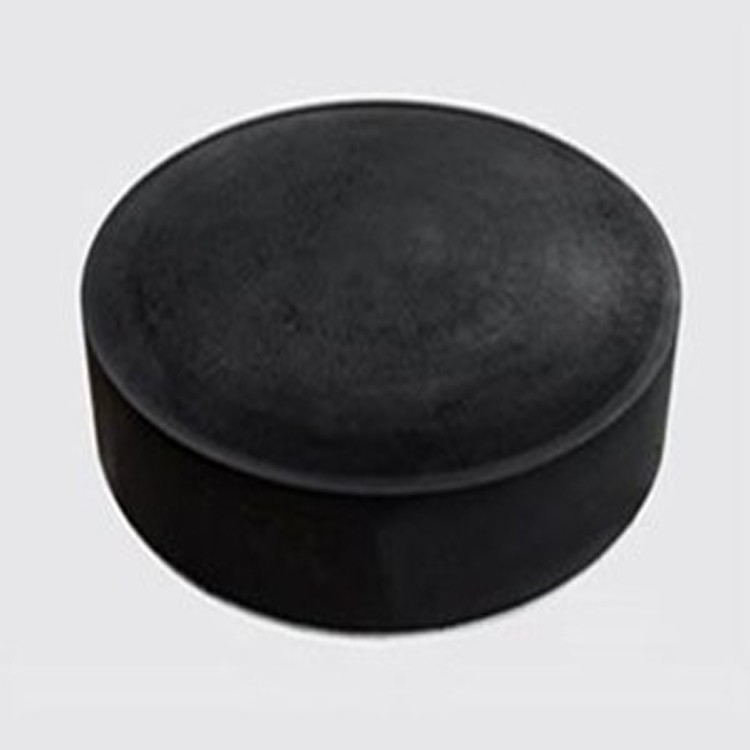 GYZ Series Circular Plate Rubber
Negotiable
GYZ Series Circular Plate Rubber
Negotiable
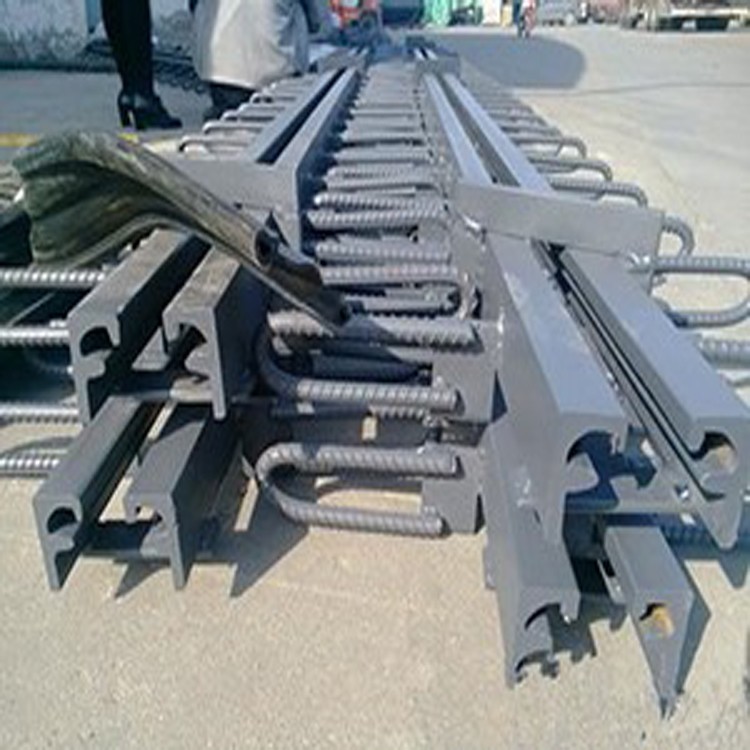 GQF-F40 60-80 model
Negotiable
GQF-F40 60-80 model
Negotiable
 GQF-MZL120, 160, 240, and 320 mod
Negotiable
GQF-MZL120, 160, 240, and 320 mod
Negotiable
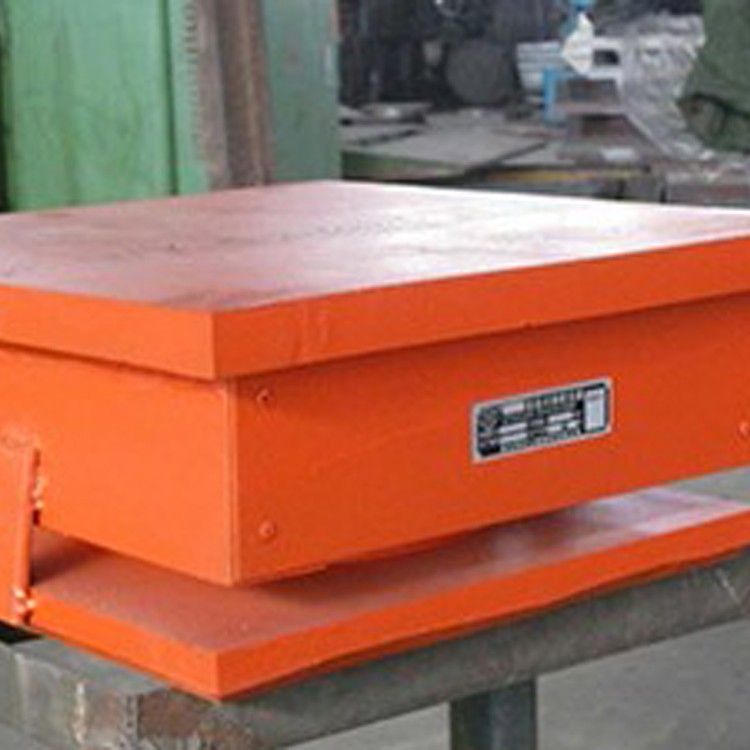 Ball and Socket Support, Basin Su
Negotiable
Ball and Socket Support, Basin Su
Negotiable
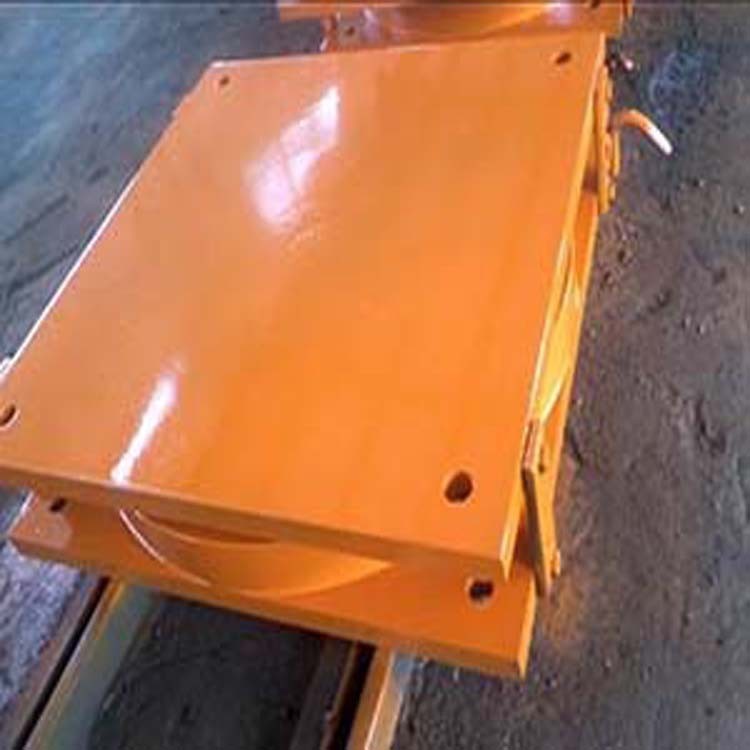 GPZ(Ⅱ) Series
Negotiable
GPZ(Ⅱ) Series
Negotiable
 Bridge guardrail bracket
Negotiable
Bridge guardrail bracket
Negotiable
Key technical properties of steel structure supports:
1. Can bear vertical loads.
2. Features vertical tensile strength to ensure that the upper and lower structures do not disengage during vertical seismic activity.
3. Features anti-lateral force performance to ensure the structure does not disengage during horizontal earthquakes.
4. Adaptable to radial and circumferential displacement requirements.
5. Adaptable to corner requirements in any direction.
6. The shock-absorbing support features excellent vibration damping properties.
7. The support transmits force through a spherical surface, avoiding the phenomenon of force necking, and the reactive forces acting on the upper and lower structures are relatively uniform.
8. The bracket does not use rubber for pressure support, eliminating the impact of rubber aging on the bracket, resulting in a long service life.
Steel structure bracket, grid bracket, seismic spherical steel bracket
Steel structure supports (also known as grid supports) are divided into four types: GKQZ type seismic steel ball supports, GJQZ type shock-absorbing steel ball supports, GKGZ type seismic ball-type steel supports, and GJGZ type shock-absorbing ball-type steel supports. Each type of support is further divided into three configurations: bidirectional movement, unidirectional movement, and fixed.
I. Main technical properties of steel structure supports:
1. Can withstand vertical loads.
2. Possesses vertical tensile strength performance, ensuring that the upper and lower structures do not disconnect during vertical earthquakes.
3. Features anti-horizontal force performance, ensuring the structure does not detach during horizontal earthquakes.
4. Adaptable to radial and circumferential displacement requirements.
5. Adaptable to corner requirements in any direction.
6. The shock-absorbing bracket has excellent shock-absorbing performance.
7. The bracket transmits force through a spherical surface, eliminating the phenomenon of force constriction, resulting in a relatively uniform counterforce distribution on both the upper and lower structures.
8. The bracket does not use rubber to bear pressure, eliminating the impact of rubber aging on the bracket, resulting in a long service life.
Section II: Support Technical Parameters
1. The vertical bearing capacity of the supports is divided into 14 levels: 300KN, 500KN, 1000KN, 1500KN, 2000KN, 2500KN, 3000KN, 4000KN, 5000KN, 6000KN, 7000KN, 8000KN, 9000KN, and 10000KN.
2. The bearing capacity of the bracket against horizontal force is 20% of the vertical load-bearing capacity.
3. Vertical tensile resistance of support bracket:
The GKQZ and GJQZ models have a vertical tensile resistance of 20% of their vertical bearing capacity.
The GKGZ and GJGZ models have a vertical tensile resistance of 30% of their vertical bearing capacity.
4. The design corner is 0.08 rad (can be designed differently according to customer requirements)
5. Radial displacement of the support ±20mm to ±50mm, circumferential displacement ±60mm to ±100mm.
6. Support sliding friction coefficient μ ≤ 0.03 (-25℃ to +60℃)
7. Support rotation friction coefficient μ = 0.05-0.1 (GKQZ type, GJQZ type)
μ ≤ 0.03 (GKGZ model, GJGZ model)
Section 3: Points to Consider When Selecting Steel Structural Supports:
1. When selecting a support, pay attention to the load-bearing capacity, vertical tensile force, horizontal force, and also note the displacement and angular deflection. For shock-absorbing supports, also pay attention to the horizontal elastic stiffness.
2. When selecting a bracket, pay attention to the type of bracket, i.e., bi-directional sliding type, uni-directional sliding type, or fixed type.
3. The constraint directions of the shock-absorbing supports are provided with displacement and stiffness to meet the engineering vibration reduction requirements.

Phone Consultation