

Product Details
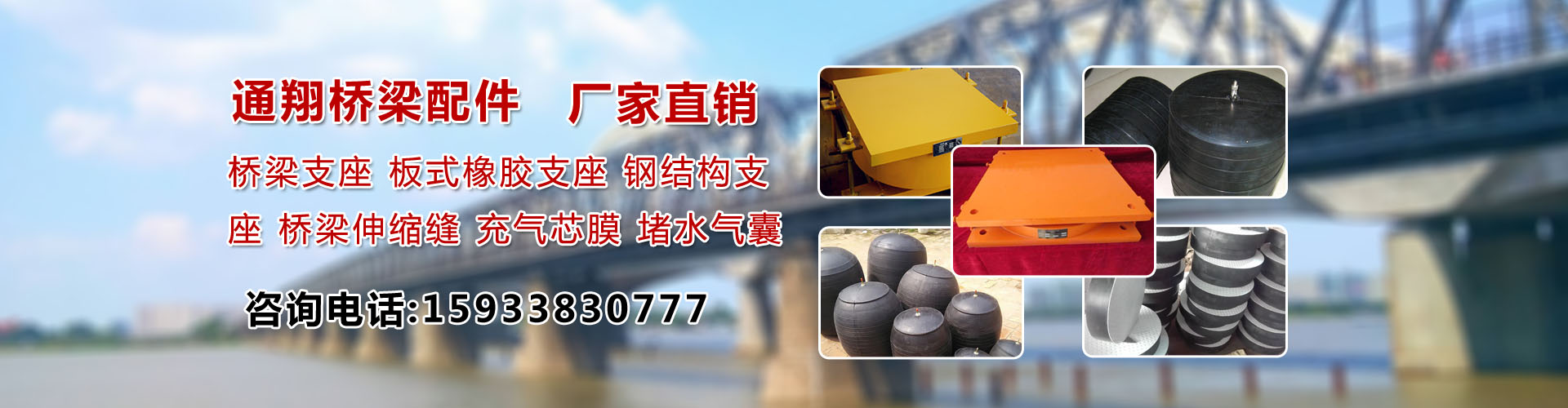
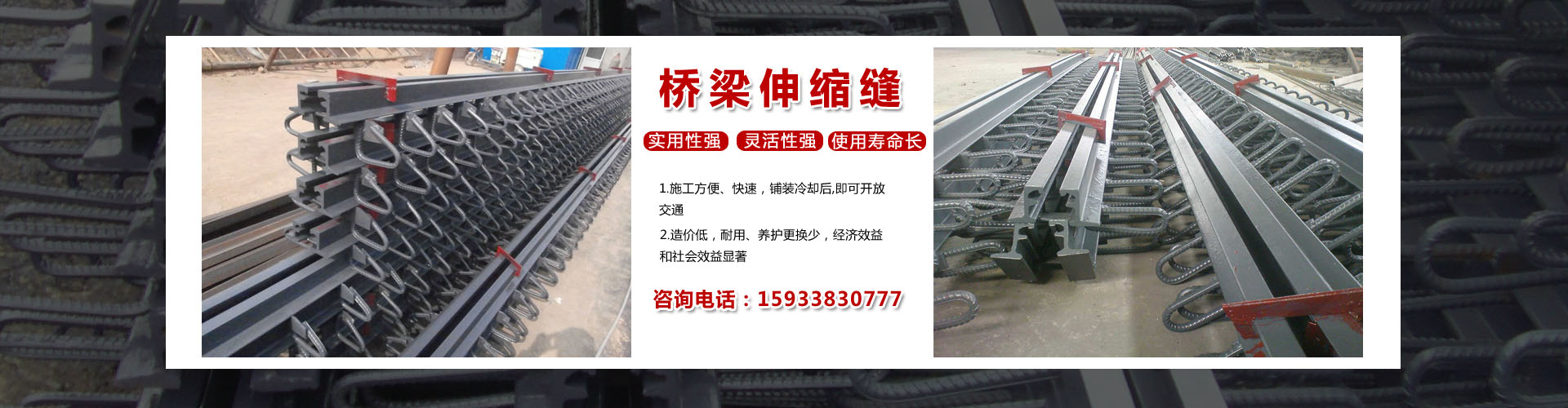
Pipe plug bladders, rubber supports, support steel plates, bowl-shaped supports, spherical supports, bridge expansion joints


价 格Negotiable
最小起订0 Piece库存0 Piece
 Business Card
Negotiable

Negotiable

Negotiable
Negotiable
 GQF-RG40, 60, 80 models
Negotiable
GQF-RG40, 60, 80 models
Negotiable
 GJZf4 Rectangular PTFE Plate Supp
Negotiable
GJZf4 Rectangular PTFE Plate Supp
Negotiable
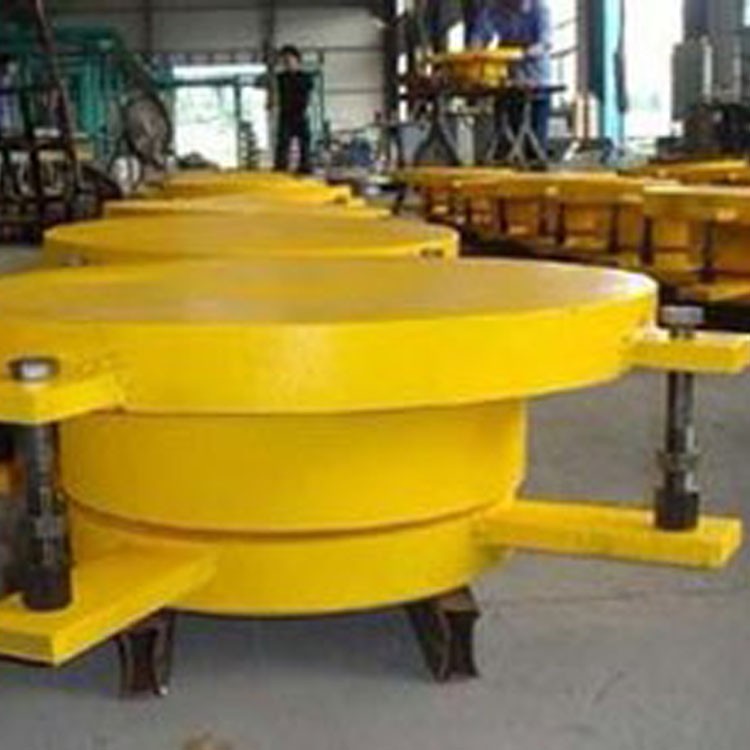 Swivel Pivot Mount
Negotiable
Swivel Pivot Mount
Negotiable
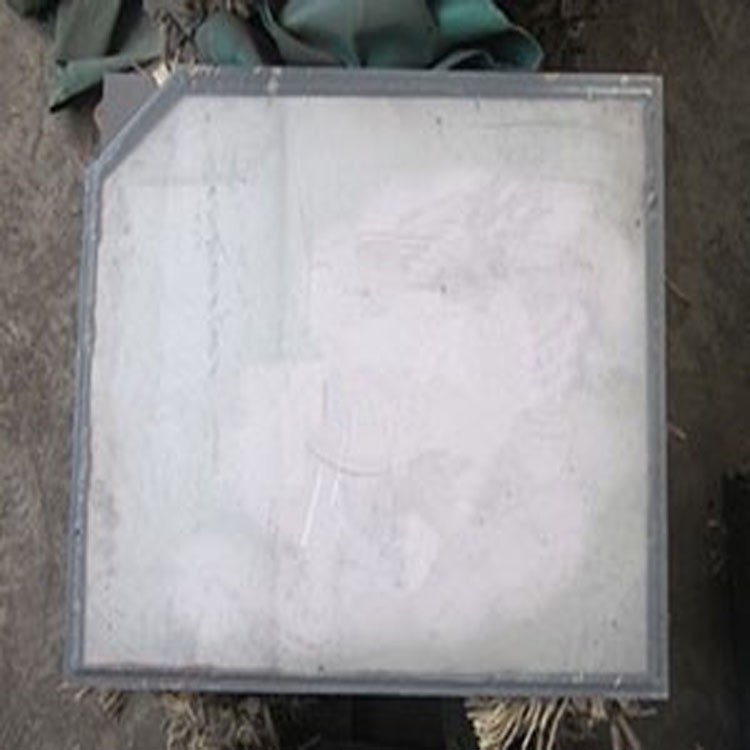 Steel plate on the bracket
Negotiable
Steel plate on the bracket
Negotiable
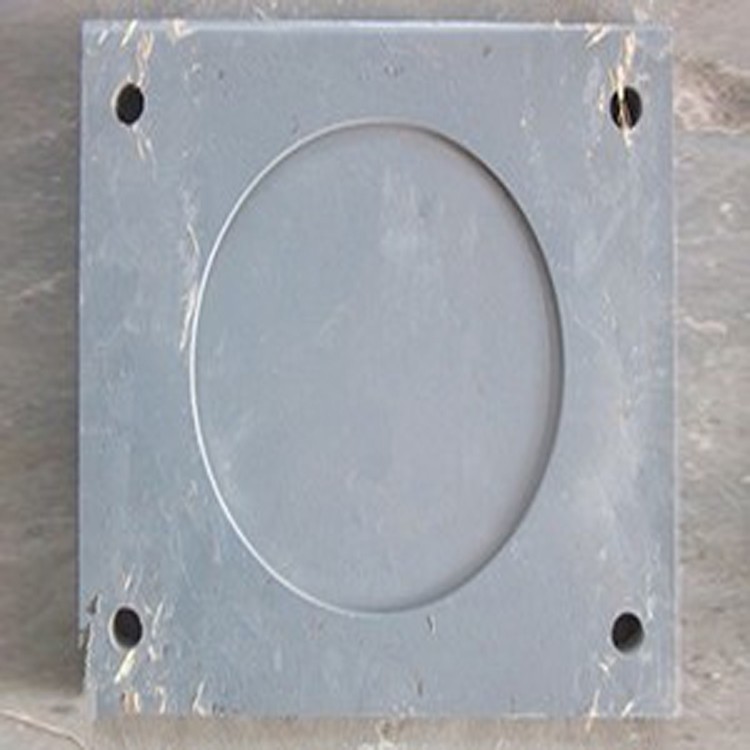 Steel plate under the bracket
Negotiable
Steel plate under the bracket
Negotiable
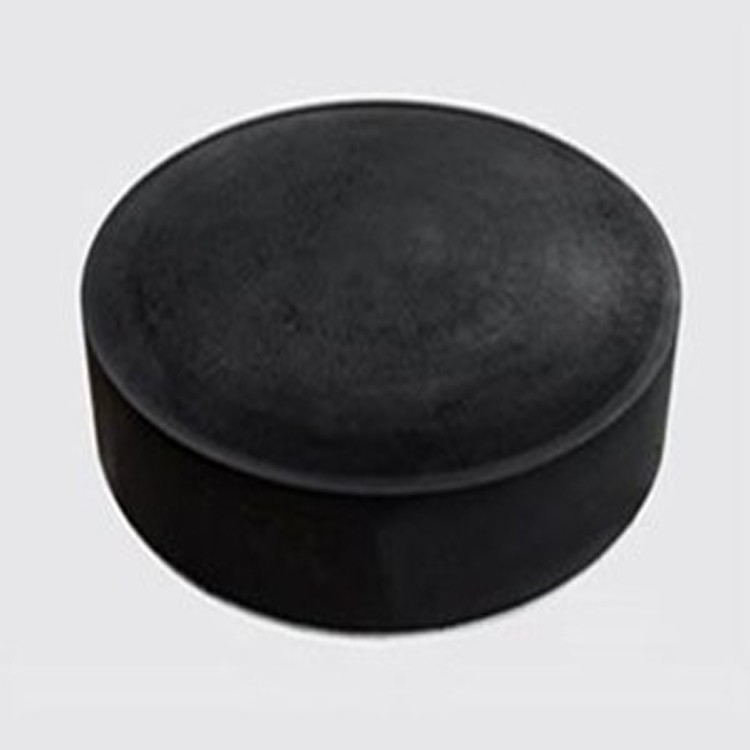 GYZ Series Circular Plate Rubber
Negotiable
GYZ Series Circular Plate Rubber
Negotiable
 GQF-C40 60 80
Negotiable
GQF-C40 60 80
Negotiable
 Waterproofing Test Bladder withou
Negotiable
Waterproofing Test Bladder withou
Negotiable
 GPZ (Ⅲ) Series
Negotiable
GPZ (Ⅲ) Series
Negotiable
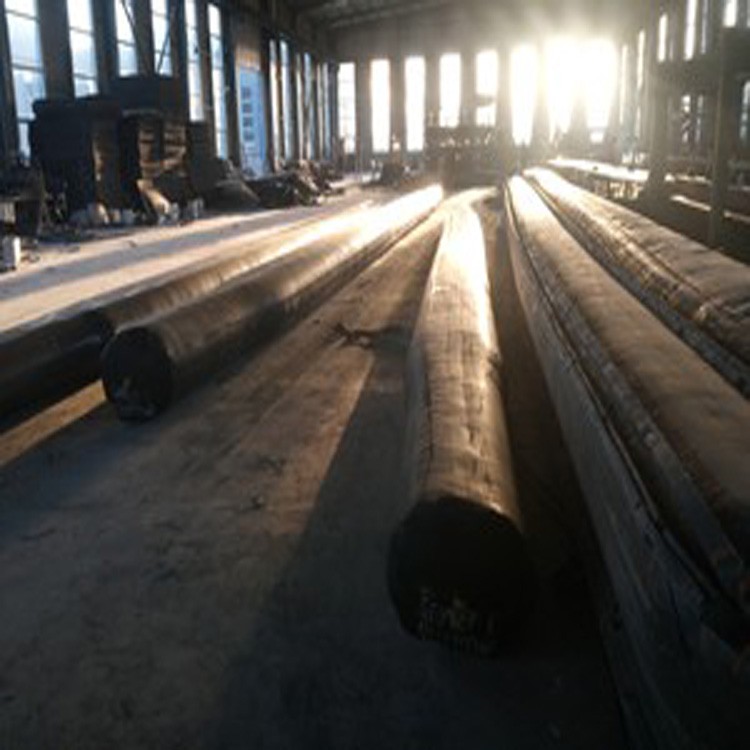 Octagonal rubber air core membran
Negotiable
Octagonal rubber air core membran
Negotiable
Main technical properties of steel structure brackets:
1. Can bear vertical loads.
2. Features vertical tensile resistance, ensuring that the upper and lower structures do not disengage during vertical seismic events.
3. Features anti-lateral force performance, ensuring the structure does not disconnect during lateral earthquakes.
4. Adaptable to radial and circumferential displacement requirements.
5. Adaptable to corner requirements in any direction.
6. The shock-absorbing bracket features excellent shock-absorption properties.
7. The support transmits force through a spherical surface, avoiding any force bottlenecking, resulting in a relatively even reactive force distribution between the upper and lower structures.
8. The bracket does not use rubber for pressure support, eliminating the impact of rubber aging on the bracket, resulting in a longer service life.
Steel Structure Support, Mesh Girder Support, Seismic Ball-Type Steel Support
Steel structure supports (also known as grid supports) are divided into four types: GKQZ type seismic steel ball supports, GJQZ type damping steel ball supports, GKGZ type seismic spherical steel supports, and GJGZ type damping spherical steel supports. Each type of support is further divided into three configurations: bidirectional movement, unidirectional movement, and fixed.
I. Main technical properties of steel structure supports:
1. Can withstand vertical loads.
2. Possesses vertical tensile resistance, ensuring the upper and lower structures do not disengage during vertical seismic activity.
3. Possesses resistance to horizontal forces, ensuring the structure does not detach during horizontal earthquakes.
4. Adaptable to radial and circumferential displacement requirements.
5. Adaptable to corner requirements in any direction.
6. The shock-absorbing bracket has excellent shock absorption properties.
7. The support transmits force through a spherical mechanism, without any force concentration, resulting in a more even reaction force distribution on the upper and lower structures.
8. The bracket does not use rubber to bear pressure, so there is no impact from rubber aging on the bracket, ensuring a long service life.
Section II: Technical Parameters of the Support Bracket
1. The vertical bearing capacity of the supports is divided into 14 levels: 300KN, 500KN, 1000KN, 1500KN, 2000KN, 2500KN, 3000KN, 4000KN, 5000KN, 6000KN, 7000KN, 8000KN, 9000KN, and 10000KN.
2. The anti-lateral force of the bracket is 20% of the vertical bearing capacity.
3. Vertical tensile resistance of bracket:
The GKQZ and GJQZ models have a vertical tensile resistance of 20% of their vertical bearing capacity.
The GKGZ and GJGZ models have a vertical tensile resistance of 30% of their vertical bearing capacity.
4. The design corner is 0.08 rad (can be designed separately according to customer requirements)
5. Radial displacement of the support ±20mm to ±50mm, circumferential displacement ±60mm to ±100mm.
6. The sliding friction coefficient of the support is μ≤0.03 (-25℃ to +60℃).
7. Support pivot friction coefficient μ = 0.05-0.1 (GKQZ model, GJQZ model)
μ ≤ 0.03 (GKGZ type, GJGZ type)
Section 3: Points to Note When Selecting Steel Structure Supports:
1. When selecting a bearing, pay attention to the bearing capacity, the magnitude of vertical tensile force, the magnitude of horizontal force, and also note the displacement amount and angular deflection. For shock-absorbing bearings, also pay attention to the horizontal elastic stiffness.
2. When selecting a bracket, pay attention to the type of bracket, i.e., bidirectional, unidirectional, or fixed.
3. The constraint directions of the shock-absorbing supports are both provided with displacement and stiffness, for the need of engineering shock absorption.

Phone Consultation