

Product Details


价 格¥190000.00
最小起订1 Piece库存999 Piece
 Business Card
¥190000.00

¥190000.00

¥190000.00

¥190000.00
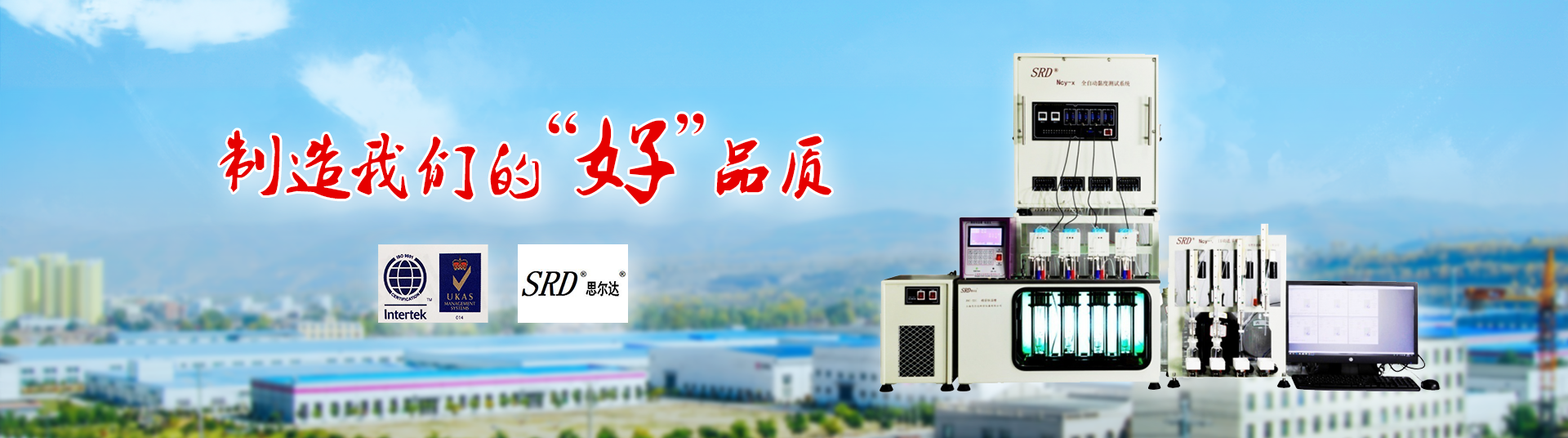
 Fully Automatic Viscosity Meter
¥190000.00/Piece
Fully Automatic Viscosity Meter
¥190000.00/Piece
 Fully Automatic Viscosity Meter
¥190000.00/Piece
Fully Automatic Viscosity Meter
¥190000.00/Piece
 Fully Automatic Viscosity Meter
¥190000.00/Piece
Fully Automatic Viscosity Meter
¥190000.00/Piece
 Automatic Viscosity Meter
Negotiable
Automatic Viscosity Meter
Negotiable
 Automatic Viscosity Meter
Negotiable
Fully Automatic Viscosity Meter
¥190000.00/Piece
Automatic Viscosity Meter
Negotiable
Fully Automatic Viscosity Meter
¥190000.00/Piece
 Fully Automatic Viscosity Meter
¥190000.00/Piece
Fully Automatic Viscosity Meter
¥190000.00/Piece
 Automatic Viscosity Meter
¥190000.00/Piece
Automatic Viscosity Meter
¥190000.00/Piece
 Fully Automatic Viscosity Meter
¥190000.00/Piece
Fully Automatic Viscosity Meter
¥190000.00/Piece
 Differential Pressure Moisture Me
Negotiable
Differential Pressure Moisture Me
Negotiable
Ncy-xSeries (2-digit, 4-digit, 6-digit)
Viscosity Automatic Measurement System
Manual
(NCY-X, 2018.3 Edition)
Over three decades of experience in the research, manufacturing, and service of 0.01℃ precision temperature control baths
Over 25 years of experience in the research, manufacturing, and service of NCY automatic viscometers
Self-owned intellectual property; mechanical & electronic, hardware & software
All in-house R&D designs, no copyright issues!
The viscosity measurement system is a specialized, automated testing equipment designed for the specific viscosity, viscosity number, average molecular weight, and viscosity average molecular weight of polymers. Depending on the number of test units configured in the system, it is categorized as NCY-X/2, NCY-X/4, and NCY-X/6, corresponding to dual, quadruple, and sextuple test units, respectively. These configurations can simultaneously support two, four, or six viscometers.
UtilizeNcy-xViscosity Automatic Measurement System Ahead:
The measurement of the time required for a certain amount of solution to flow through a capillary, originally performed manually.
Originally, the determination of data validity was manually conducted.
Like the NCY Automatic Viscosity Meter, it will still be executed by the system.
The system will still display the flow of the solution in the capillary viscometers within each unit in real-time and visually.
The system will still automatically retest and eliminate out-of-tolerance results, achieving accurate flow times.
The system still features our 1990s national research project achievement—the JWC precision temperature-controlled bath, which will continue to provide long-term temperature fluctuations and distribution better than ±0.01℃. This ensures consistency in test data at any moment and position.
In addition, the automated testing system will also feature the following new functionalities:
Automated liquid preparation instrument with accuracy up to 0.1% concentration, capable of conveniently preparing sample solutions (one-touch liquid preparation).
Double-glazed isolation design of sample bottles, ensuring the prepared solution dissolves rapidly and uniformly in a precise temperature-controlled oscillating bath,不受水分干扰.
Automatic Liquid Delivery System, eliminating the need for manual feeding into the viscosity tube. A comprehensive device that automatically filters the solution and delivers it into the capillary of the viscometer.
Automatic testing completed. The system will automatically extract waste liquid and wait for the arrival of the next sample to automatically complete the capillary rinsing and testing.
When cleaning capillaries is required, simply activate the cleaning program, and the system will autonomously complete the entire process of fluid injection - soaking - recovery - cleaning - drying, without the need for manual intervention.
System Structure
Ncy-xThe automatic viscosity measurement system consists of the following components:
1.1 NCY Test Unit, equipped with various sensors and a central controller, capable of performing tests and cleaning the capillary viscometer within the unit, among other tasks.
1.2 JWC series precision temperature-controlled water baths for placement of test units, ensuring optimal operating environment temperature (instruction manual included).
1.3 PY Series Automatic Mixture Dispenser (optional accessory, manual included).
1.4 WR-2 Rapid Sample Solvent Constant Temperature Oscillator (optional, manual included), equipped with dual solvent bottles, operates at precise temperatures, effectively avoiding water interference during operation.
1.5 NCY-X Viscosity Automatic Measurement System, integrated into the central control system, enables precise measurement of the time taken for the solution to flow through a capillary.
1.6 Sample Loader
Samples are dissolved in the dissolution vial and placed here. After the system initiates testing, the required solution will be automatically filtered through a sand core and sent to the capillary.
1.7 Cleaning System
Pre-set various detergents to clean the viscometer, filter, and all fluid lines during the automated testing process for a specific unit within the central system. After cleaning, perform drying procedures.
1.8 Commercial or industrial computers with a printer, keyboard, and monitor, etc., as terminal equipment.
1.9 NCY-X Central Controller for Automatic Viscosity Testing System
Comprehensive automation of the entire system.
The entire system operates seamlessly on a Chinese interface, utilizing our in-house developed software (Copyright owned).
In light of our developed and produced NCY Automatic Viscosity Meter, which has held an 80%+ market share domestically for nearly two decades, our upgraded NCY-X Automatic Viscosity Measurement System is now compatible with the NCY Automatic Viscosity Meter. Use of the NCY Automatic Viscosity Meter
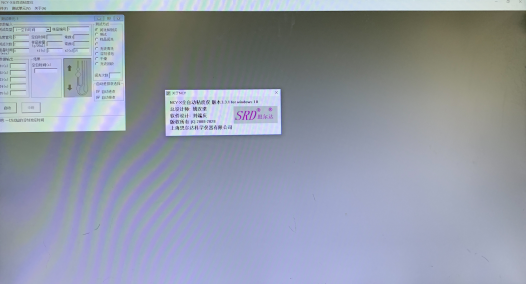
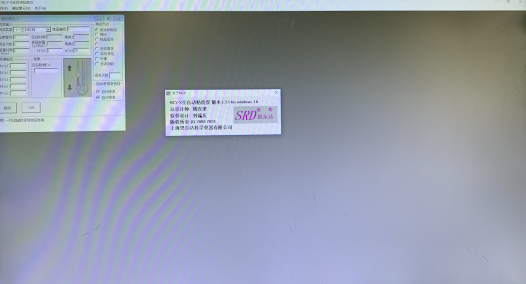
Just as in the past three decades, we still provide our wide range of customers with our own
Intellectual property-protected product designs, software, and hardware, ensuring we continue to provide excellent after-sales service to a wide range of customers.
2. Arrangement of automatic viscosity measurement system
This automated testing system consists of several components and can be arranged in various configurations according to the user's requirements, with its fundamental principle being:
2.1 Ensure all pipeline distances are as short as possible, while also considering actual operations such as filling and pouring. The cover image illustrates a typical reasonable layout.
2.2 The pipeline connecting from the central control unit to the viscometer must only slope downwards from the central control system, without any rises in between.
3. Sample Handling
3.1 Automatic Solution Preparation
See PY Automatic Mixture Dispenser manual (optional accessories).
3.2 Quick Dissolution of Sample
See WR-2 Rapid Sample Dissolution Oscillator manual (optional accessory), equipped with a double-layer insulating sleeve for the sample dissolution bottle.
The dissolution process of the sample in the solvent can sometimes be very lengthy, taking one or even more hours. It needs to be shaken at as high a temperature as possible to accelerate the process, but excessive temperature will lead to degradation, so the temperature should be precisely controlled.
4. Vacuum Pressure Adjustment
The automatic testing system operates under vacuum pressure. This system is equipped with different pressure sources specifically for the injection, testing, transfer of cleaning fluid, and drying. Different vacuum pressures need to be adjusted according to the solvent composition of the sample and cleaning fluid.
Vacuum pressure adjustment method:
There are two pressure gauges on the central control system panel: one maintains the working pressure of the sample solution with a constant pressure gauge, and the other adjusts and controls the working pressure of the wash solution with a pump pressure gauge.
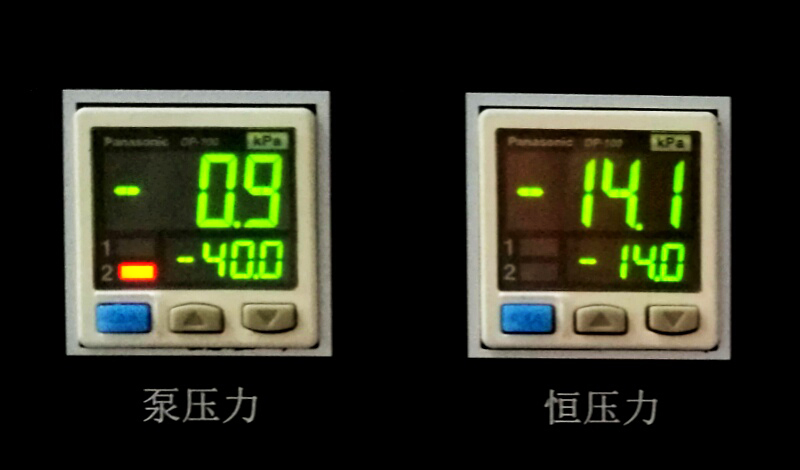
Vacuum pressure regulation methods are as follows:
Press the mode button (left button) until L appears.0-2, which shows the current lower limit of vacuum setting. Press the up and down keys to adjust the upper limit setting.
Press the mode key again to display H1-2 shows the current upper limit of vacuum degree. Press the up and down buttons to adjust the upper limit setting.
Note: The vacuum pressure value is negative.
5. Inlet and Testing
Prepare a clean empty solvent sample bottle, remove the solvent bottle containing the dissolved sample from the oscillator, pour half of its contents into the empty solvent bottle, and place them together in the corresponding sampling unit position.
During testing, only approximately 13mL of sample is required. Therefore, if rinsing is needed before testing, you will need to prepare approximately 26mL of solution at a time. Place the solution bottle on the autosampler, press the rinse button for the corresponding unit, and the solution bottle holder advances. Stop when the previous solution bottle (for rinsing) is in the position of the pipette, then lower the pipette into the flask, while the cap automatically seals the mouth of the flask to be tested. After initiating the test, the testing system will automatically draw the solution from the solution bottle, complete the rinse, and automatically drain the liquid.
Keep holding the test button, another sample vial sent to the testing position, wait for the test to start. Test complete, the sample vial returned to the starting position.

Sample Solution Bottle Location
Wash station: Insert the suction tube into the vial in front, and the mouth of the vial behind will automatically seal.
Test port: Insert the syringe into the vial at the back.
Test completed, reposition the solution bottle to the starting position.
After initiating the test program for this unit on the computer, the unit automatically enters the working state. The subsequent operations are performed automatically by the system. Operators can view the progress of the unit's testing on the screen, and a dialog box will automatically pop up if any issues arise during the test.
Test completed; after the system automatically discharges waste fluid, it proceeds to the next test phase.

6. Capillary Viscometer Cleaning and Drying
After using the viscometer for a period, it should be cleaned.
Firstly, place a solvent sample bottle into the rinse position (or test position) of the sampler, and the pipette will automatically insert into the bottom of the bottle (this is very important!!)
Check and ensure there is an adequate supply of solvents like detergents and potable water, and verify that containers for waste liquids and wastewater have sufficient remaining space.
Then, you can initiate and complete the entire cleaning-drying process.
Select "Wash Solution Soak Cleaning" on the computer interface, the viscometer can complete the entire cleaning-drying process.
7. Routine Maintenance
7.1 Liquid Storage Bottle
The storage bottles require regular monitoring of the liquid level. For waste liquid collection, timely cleaning is necessary when the level is high; for new liquid types, attention must be given to timely replenishment.
Remove the cap with care, noting the original state. Some may have a layer of polytetrafluoroethylene film to address the corrosion issue. When reinserting the plastic tube, be sure to pay attention to the tube's numbering and the corresponding entrance marked on the label. When replacing the cap, ensure it is tightly sealed and sealed properly.
7.2 Vacuum Pump
When operating this type of vacuum pump, if the suction inlet maintains vacuum (low pressure), it may cause the oil pump to spray oil outward from the suction inlet. The machine has a dedicated program in the control system to prevent oil spraying. However, after a considerable period of use, the oil level may decrease. When you observe that the oil level in the oil gauge on the pump side is below the "min" mark, you should add vacuum pump oil from the suction inlet until it reaches between the first and second graduation lines on the oil gauge.
8. Key Technical Specifications
| Timing measurement range: | 0.01s~9999.9s; |
| Timing Repeat Precision: | 0.02s (excluding the influence of residual impurities in the solution) |
| Temperature Control Range: | (5~80)℃; |
| Temperature Fluctuations: | Superior to ±0.01℃ |
| Temperature Distribution: | Superior to ±0.01℃ |
| Long-term temperature stability: | Superior to ±0.01℃ |
| Power Supply: | 220V,(50~60)Hz,10A; |
| Rated Power: | 0.5 kW (other thermostatic baths, refrigerators, see respective manuals). |
9. After-Sales Service
This product includes a five-year free warranty on the test unit.
Computer parts, in accordance with the computer industry maintenance and repair standards.
Other parts come with a two-year free warranty.
Lifetime maintenance.
ViscousDew testing is a manual craft that requires both education and technical skill; it's becoming quite a challenge these days!
Ncy-xGlueDegree automatic testing system, the entire process is fully automated with minimal human intervention.
ViscousFully automated experimental technology for the degree test, enabling:
The entire experimental process achieved further automation.
Significantly reduced the skill requirements for lab personnel.
Effectively isolate personnel from the du reagent as much as possible.
Further streamline the experimental operation staff, effectively reduce expenditures.
Effectively reduce managers' headaches.
Unique design, compatible with new and old machines, a blessing for users.

Phone Consultation