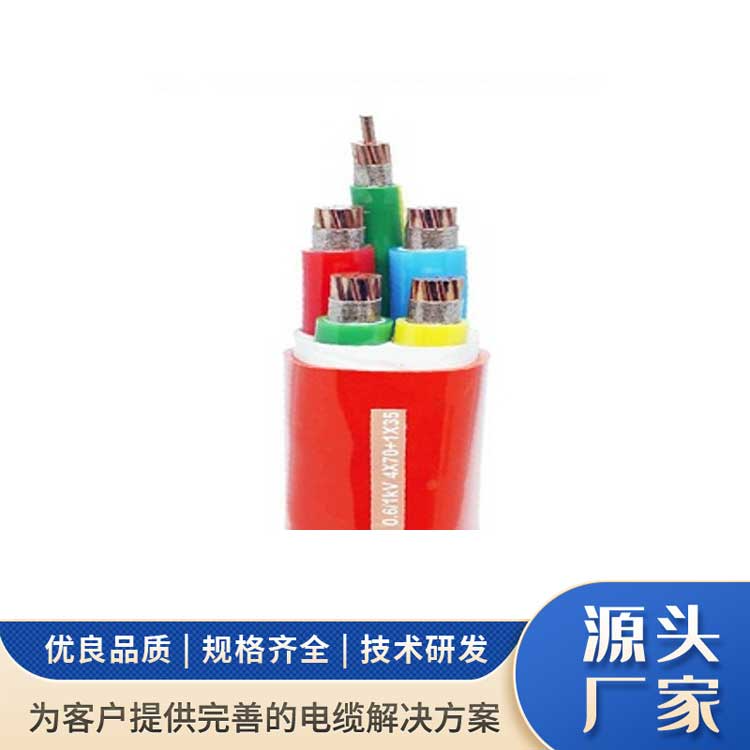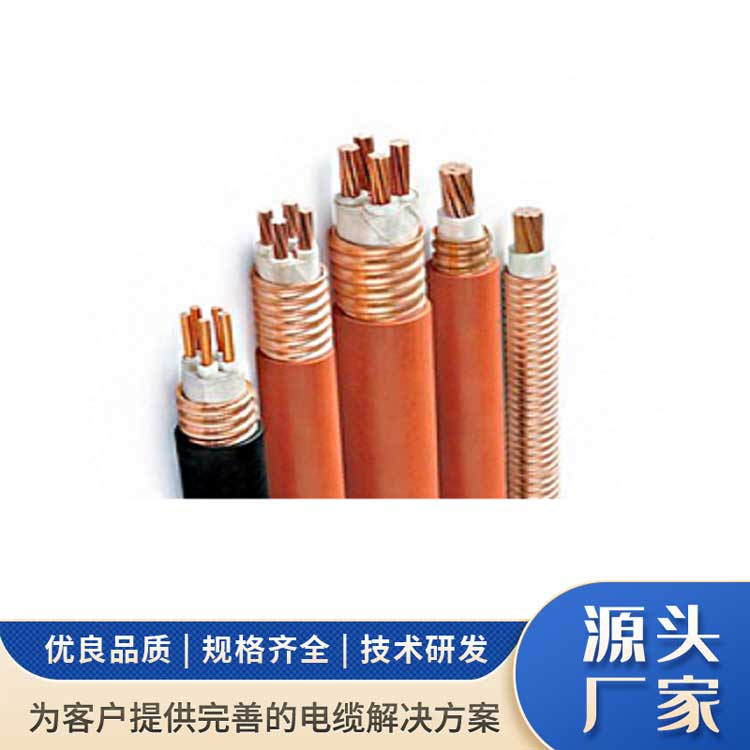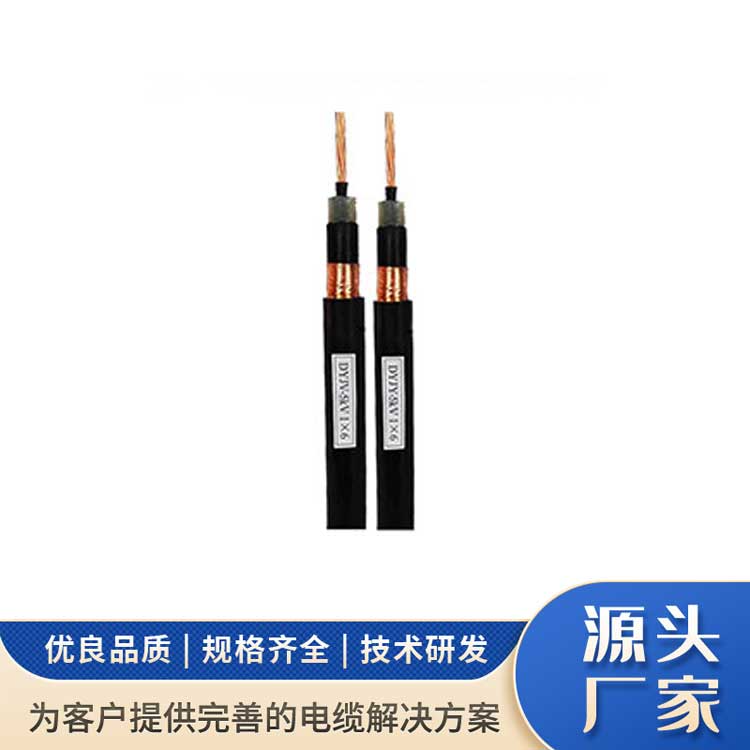



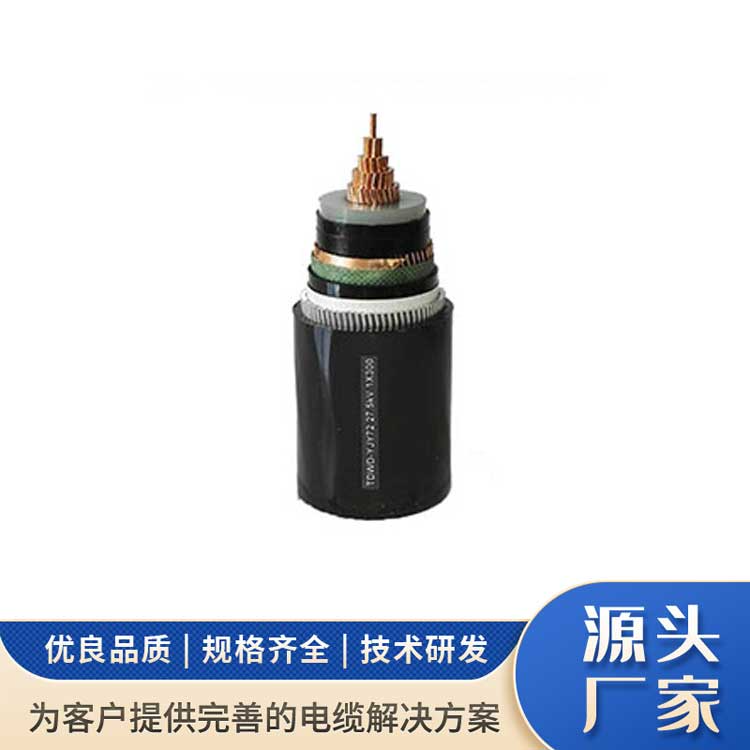
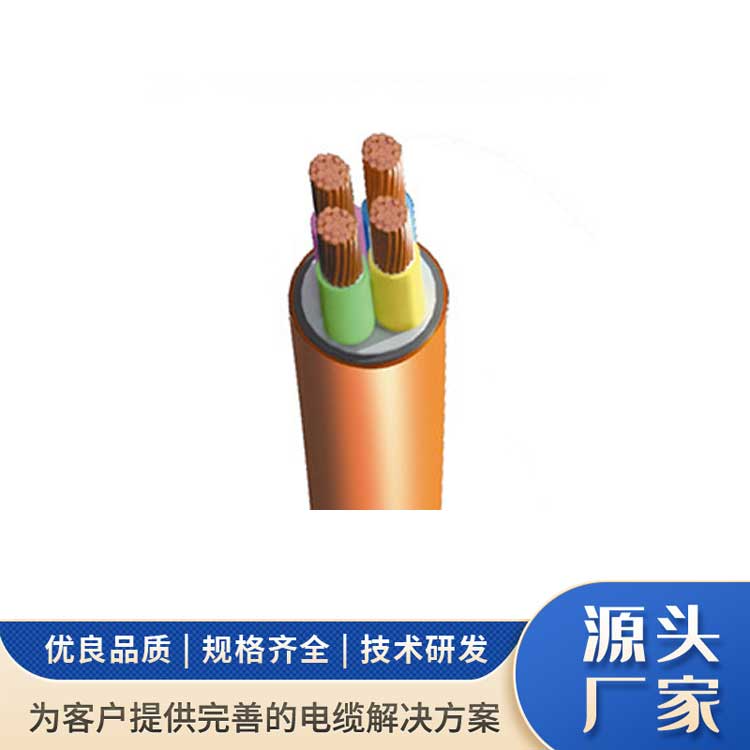





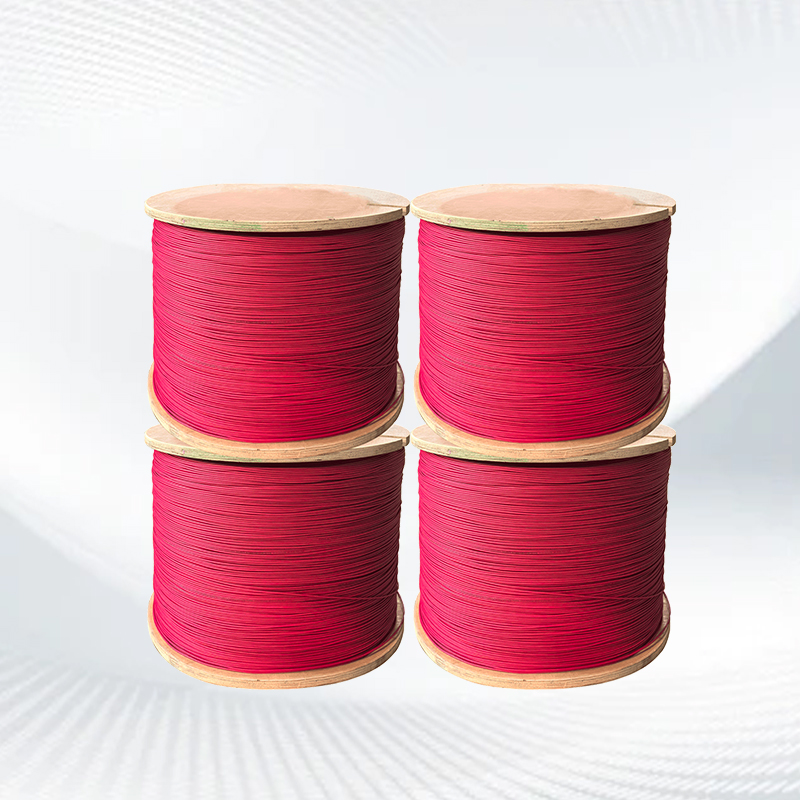
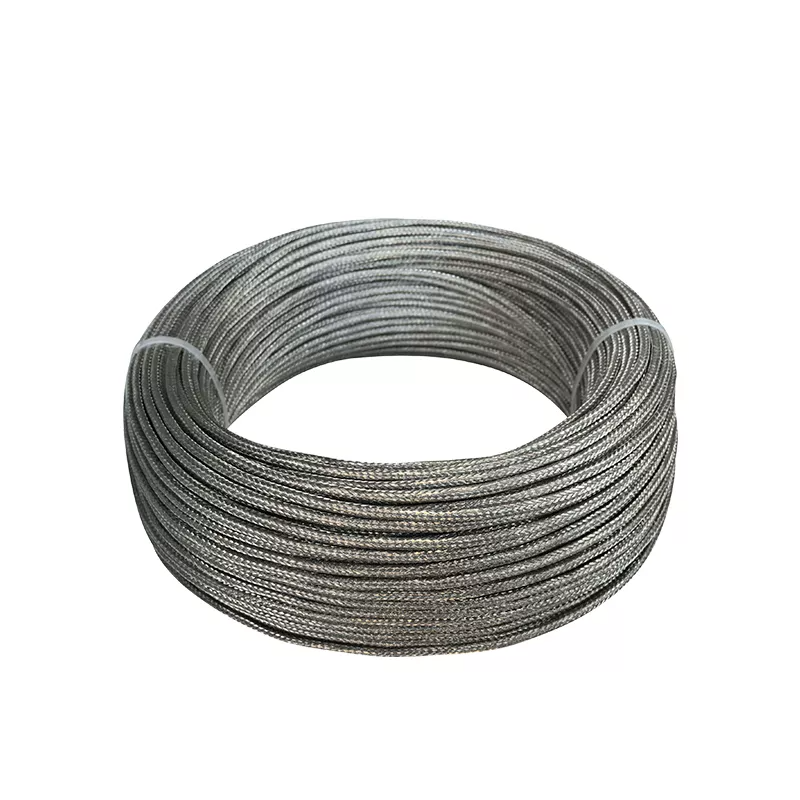
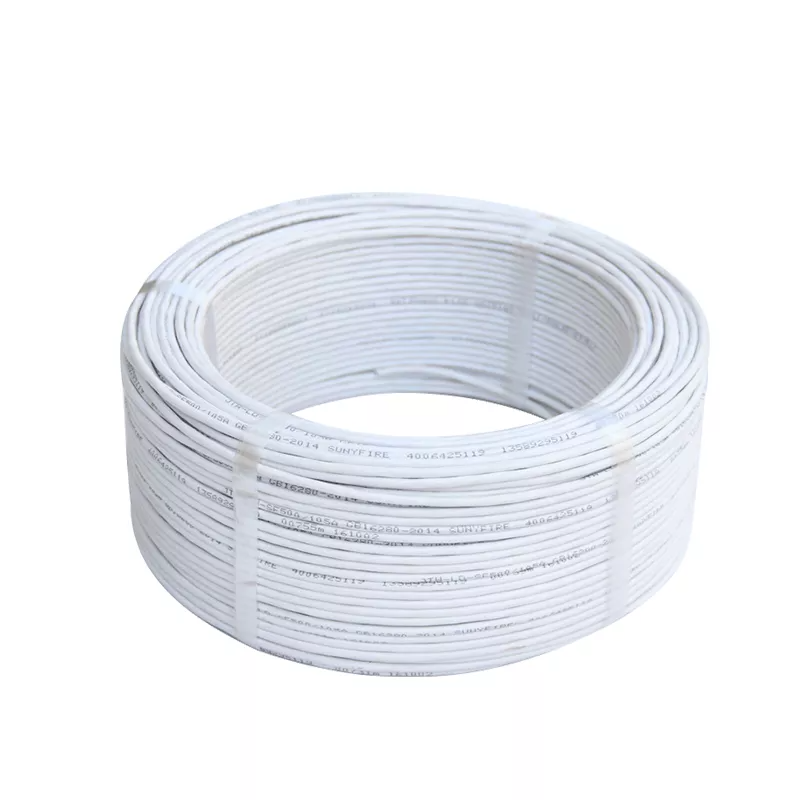
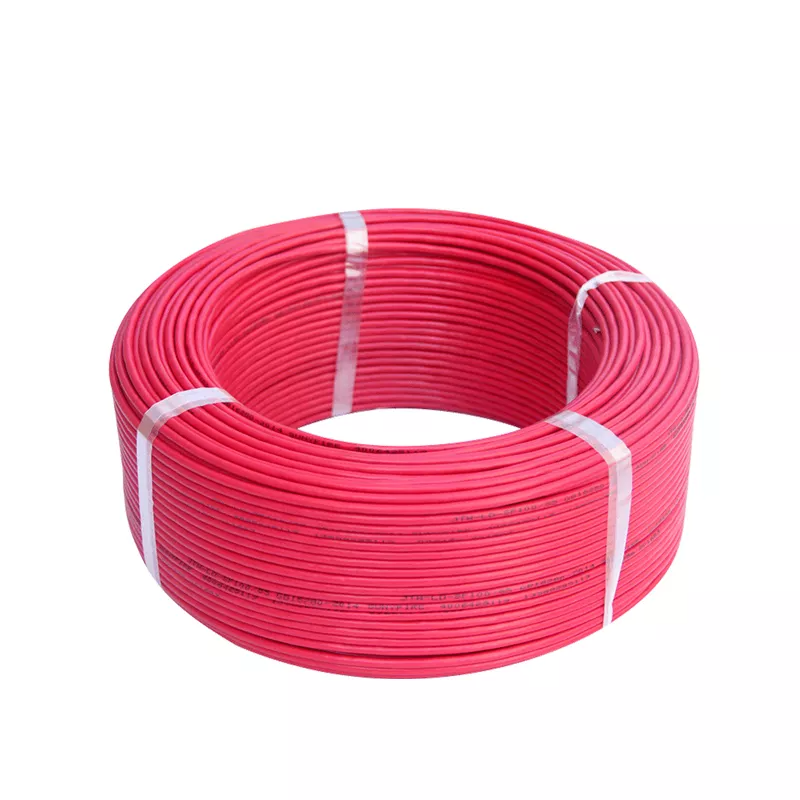
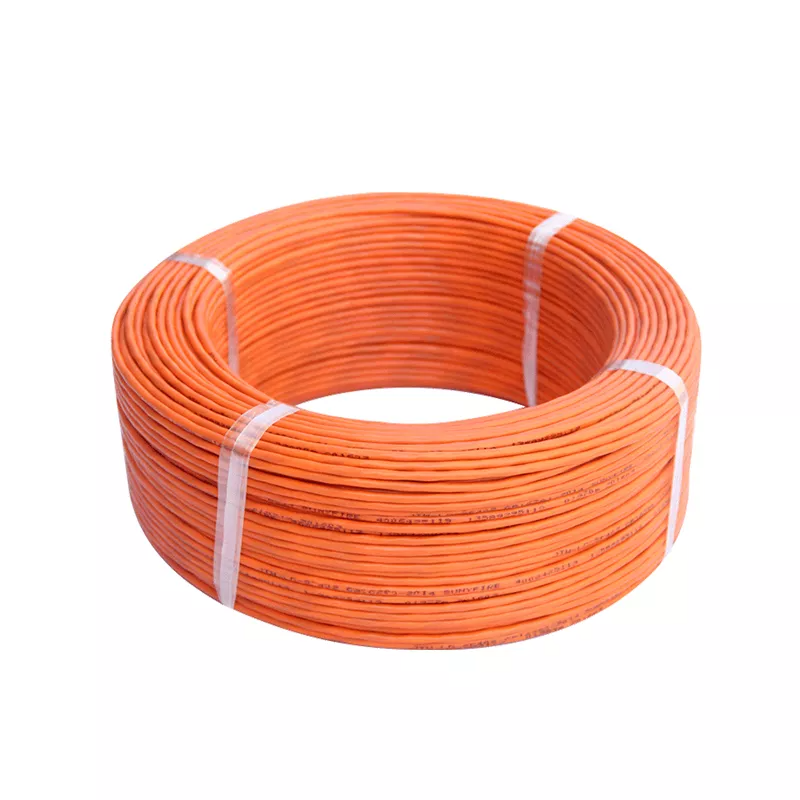
The JTW-LD-SF100/180 Cable Type Linear Temperature-Sensing Fire Detector (hereinafter referred to as the detector) is a new type of non-reusable fire detection patent product that monitors changes in environmental temperature. It is mainly composed of a signal processing unit (microcomputer processor), temperature-sensing electrical (cable) cable, and junction components (terminal box). The detector features the function of responding to temperature alarms and outputting alarm signals.
Product Features
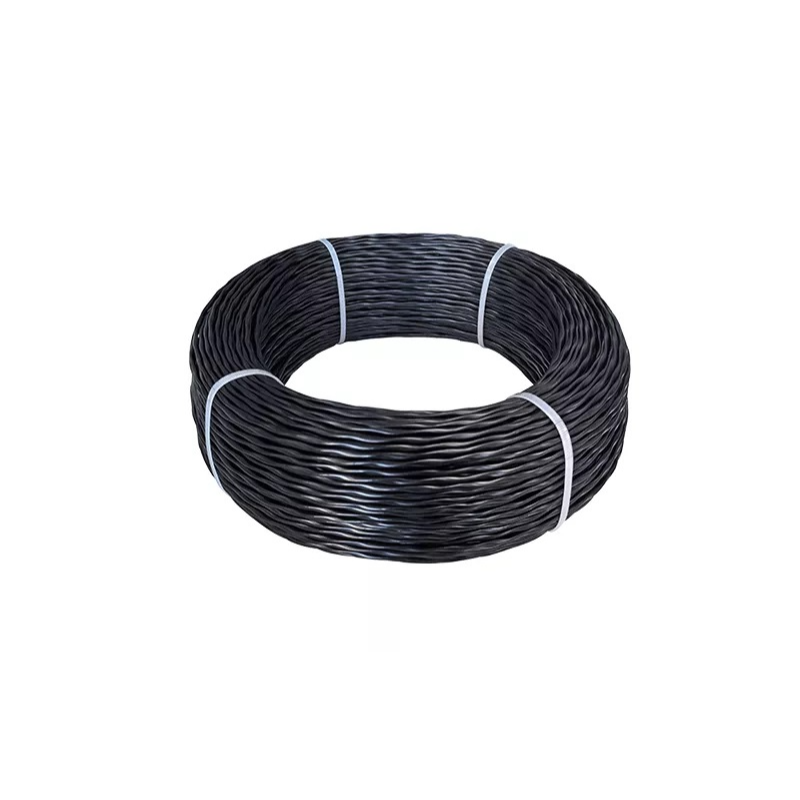
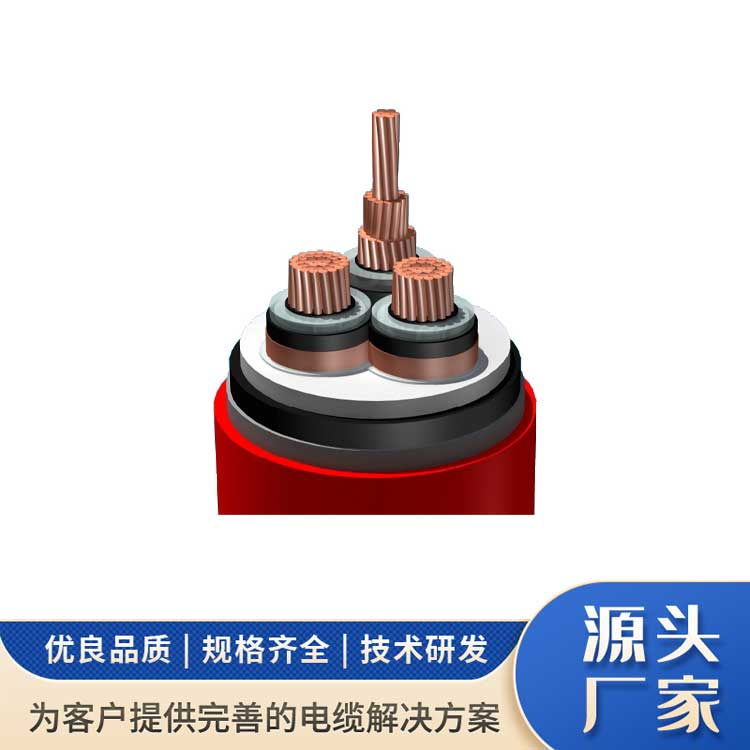
The thermosensitive cable of the detector is a temperature-sensitive element. The JTW-LD-SF100/180 thermosensitive cable consists of three insulated conductors, each extruded with thermosensitive materials, twisted together and sheathed.Thermistor cables can detect temperature changes at any point along their installed length. When the temperature reaches the response value, there is a sudden change in resistance between the cores of the thermistor cables, generating a corresponding signal. This signal is then processed by a microcontroller using fuzzy mathematics to make a fire alarm judgment.
The main features are briefly described as follows:
Thermally sensitive cable has a stable structure, strong anti-interference and tensile, as well as crush resistance properties.
2. Meets the requirements of Section 4.18 for small-sized high-temperature response performance tests in GB16280-2014 and the requirement in Section 12.3.3 of GB50116-2013 that the flame size be no greater than 100mm.
3. Features open circuit and short circuit fault alarms.
4. Microcomputer processors and terminal box shells are made of flame-retardant materials, resistant to corrosion and aging.
5. With manual fire alarm and fault simulation functions.
6. The detector boasts strong anti-interference capabilities, utilizing isolation detection and software anti-interference technology, suitable for use in environments with strong electromagnetic field interference.
Applicable Scenarios
The detector boasts excellent environmental adaptability, capable of close or proximity protection. It operates with high reliability in various fire detection sites with moisture, contamination, and dust, such as warehouses, yards, oil and gas pipelines, transformers, conveyor belts, locomotives, and distribution boards. Particularly suitable for early fire detection in power cables and control cables within cable tunnels, cable trays, and cable wells.