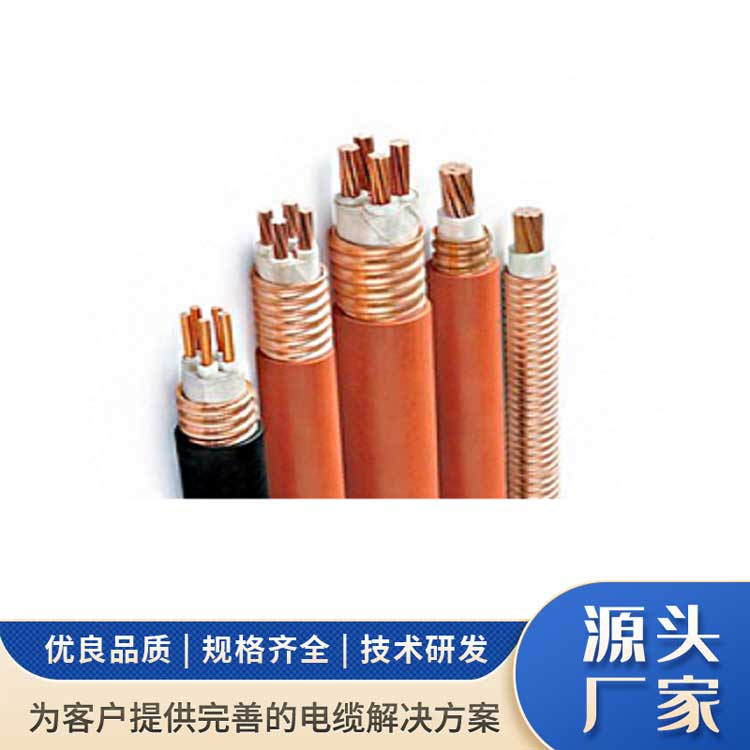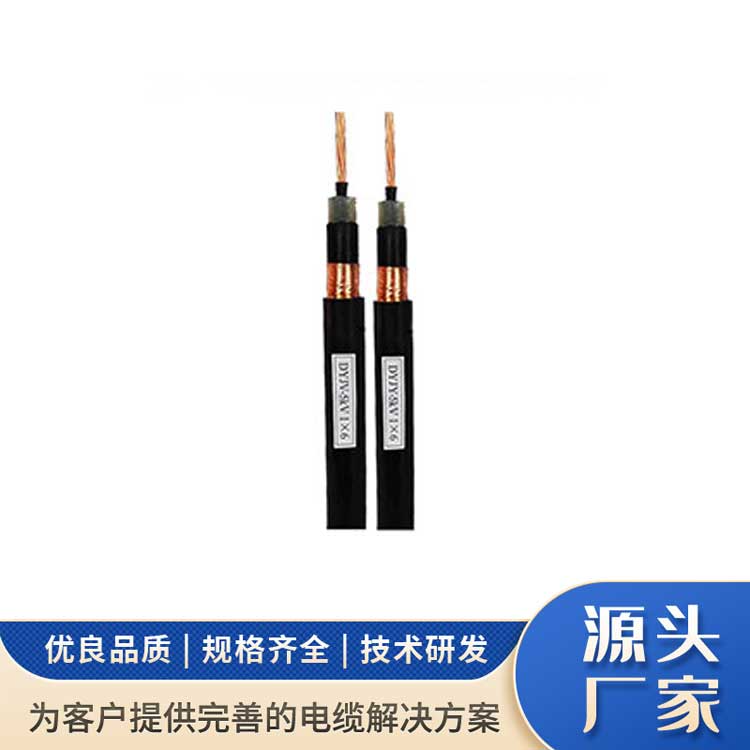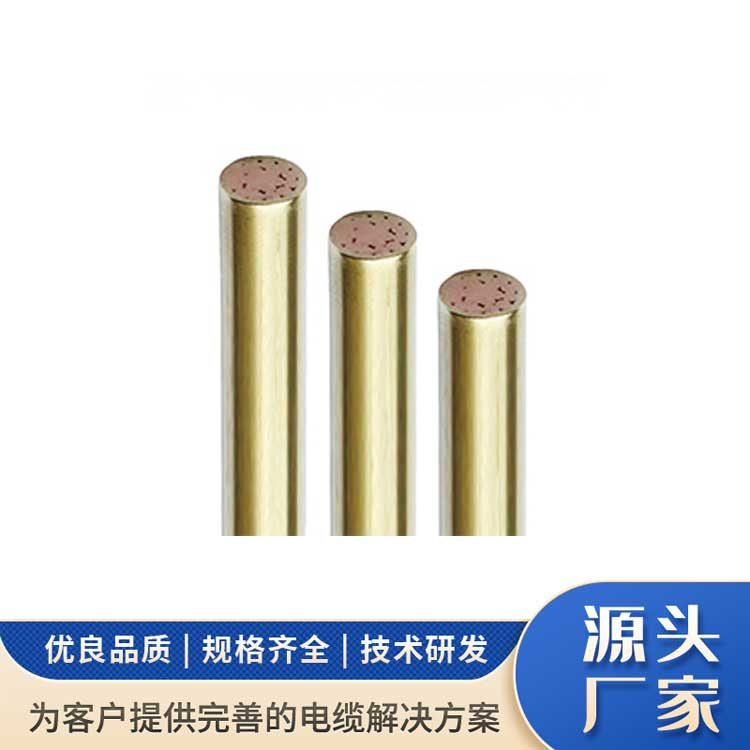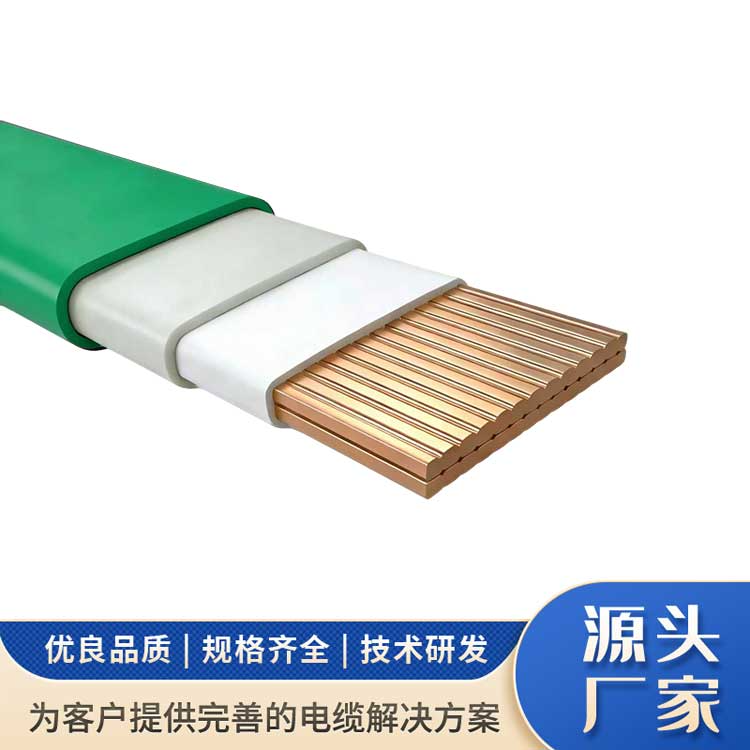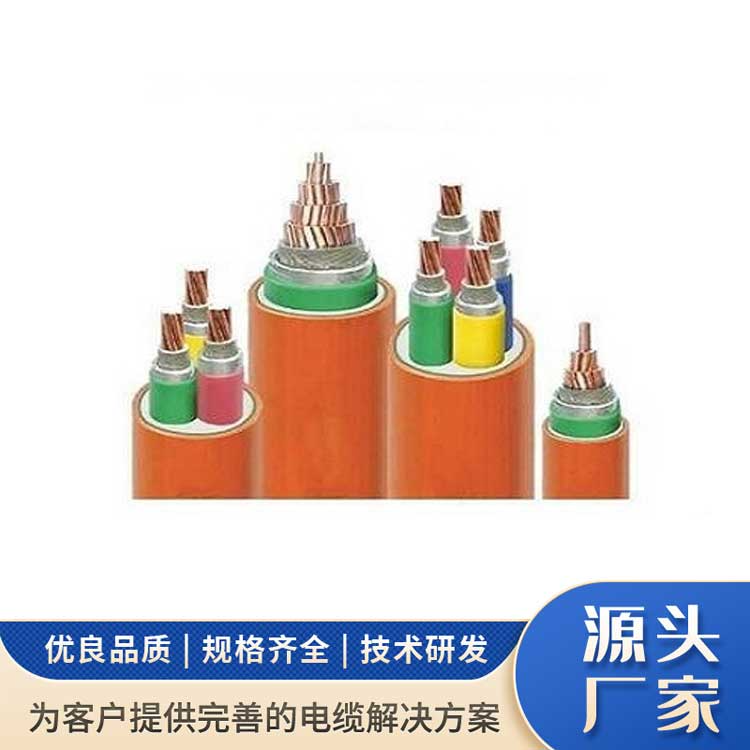


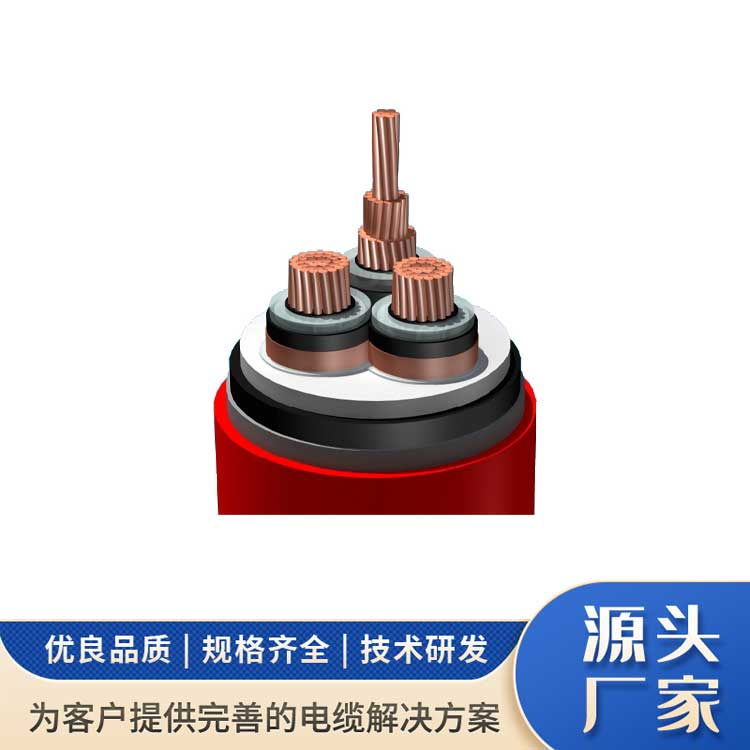
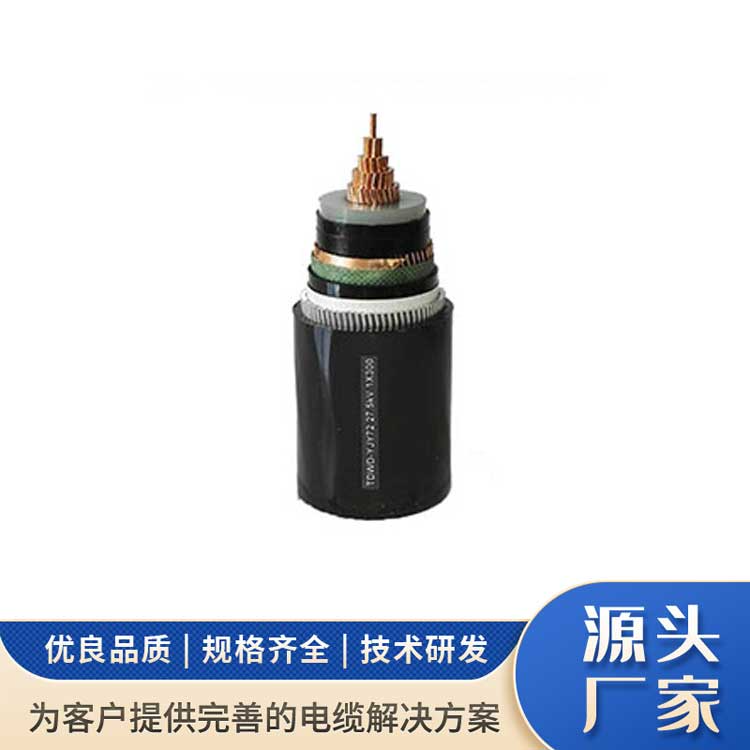
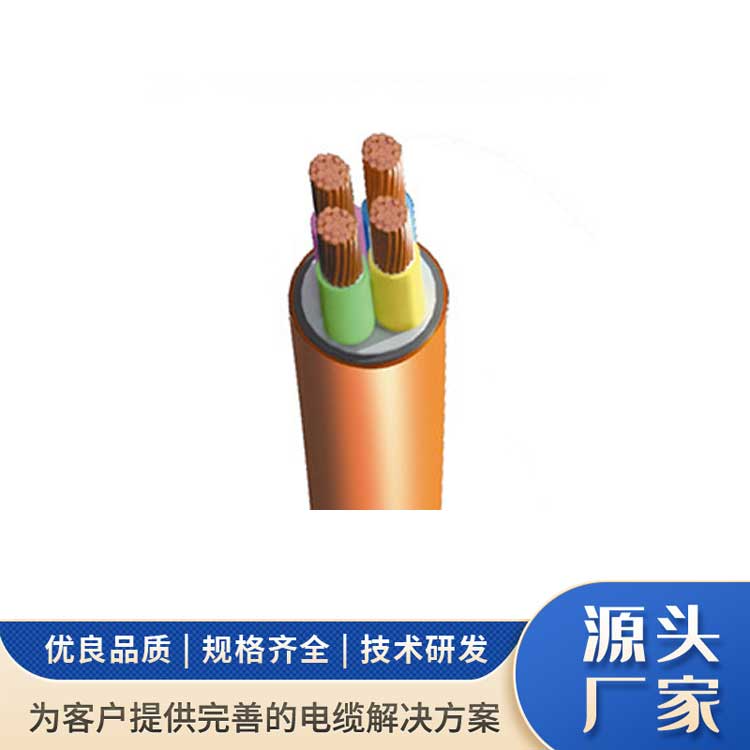
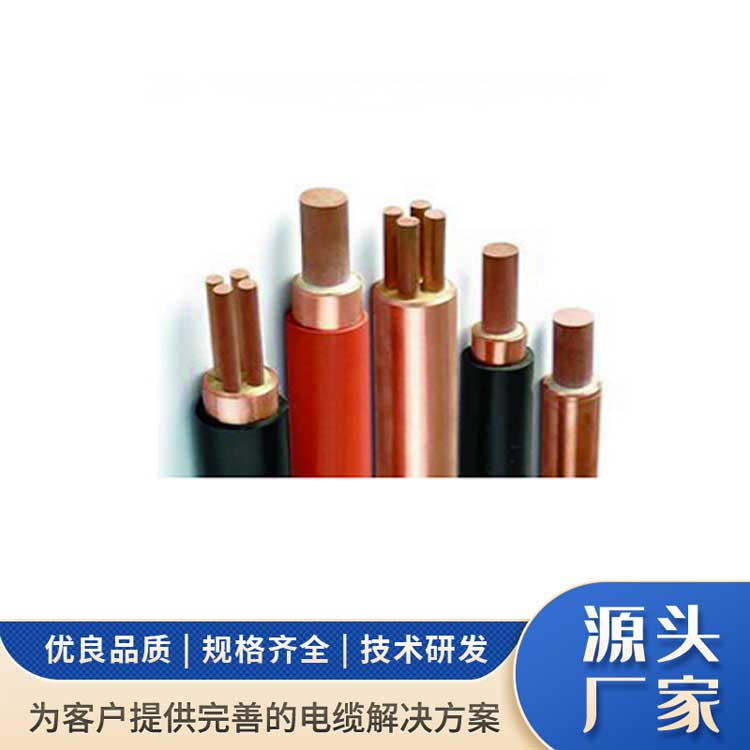





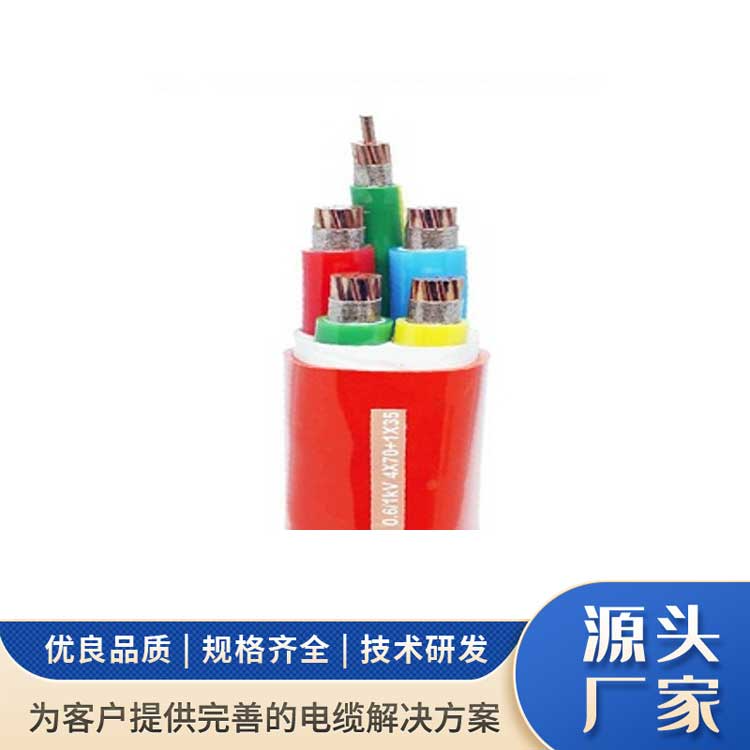
NG-A(BTLY) Flexible Mineral Insulated Cable Product Introduction
The NG-A(BTLY) cable is a new type of fire-resistant cable that overcomes the drawback of limited production length and avoids issues with intermediate joints during installation. It boasts advantages such as an insulation layer that is not easily dampened and ease of installation. As this product continues to be promoted, its excellent performance is increasingly recognized by a wide range of customers, and it is now widely used in both basic industrial and civil construction.
Name and Applicable Voltage
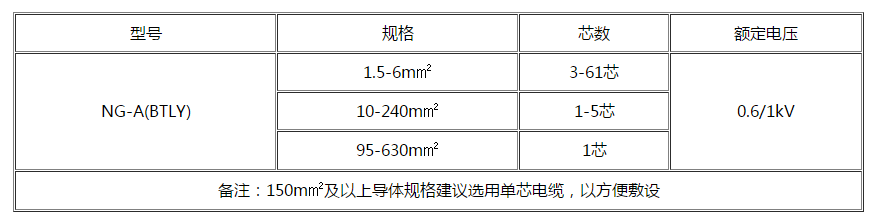
Product Introduction: NG-A(BTLY) Cable
Rated Voltage: 0.6/1 kV
Model, Specification Range
Name and Applicable Voltage
Comparison of Applicable Standards and Index Differences
This product conforms to our company's enterprise standard Q/HYGK 004-2017 "Flexible Mineral Insulated Fireproof Cable," which includes the following main normative references in the enterprise standard: GB/T12706.1 "Cable and Accessories for Power Cables with Extruded Insulation at Rated Voltage from 1kV (Um=1.2kV) to 35kV (Um=40.5kV) - Part 1: Cables at Rated Voltage from 1kV (Um=1.2kV) to 3kV (Um=3.6kV)," JG/T313-2014 "Metallic Sheathed Mineral Insulated Cables and Terminals at Rated Voltage 750V and Below," GB/T13033 "Mineral Insulated Cables and Terminals at Rated Voltage 750V and Below," and BS6387 "Performance Requirements for Maintaining Cable Circuit Integrity under Flame Conditions."
Fire-resistant characteristics: BTLY cables strictly comply with the British BS6387 standard, ensuring at least 3 hours of critical time for personnel and property rescue during a fire.
Non-disaster origin: BTLY cables have strong overload protection capabilities and excellent tolerance against high current surges. Even when the load changes or the line is short-circuited, they will not cause cable fires like ordinary cables, nor will they produce burning and spreading disasters.
Flame Retardant Characteristics: The main material (inorganic or inorganic compound) of BTLY cables determines the non-flammability of the cable itself, thus preventing the spread of fires and the transmission of fire situations.
High current carrying capacity: For the same electrical current transmission, BTLY flame-retardant cables can be reduced by 1-2 cross-sectional grades compared to ordinary cables.
High Voltage Rating: BTLY heavy-duty cables have a voltage rating of 1000 volts, exceeding that of rigid mineral insulated cables.
Explosion-proof characteristics: BTLY cables can be produced to a specified length without intermediate joints, effectively preventing flammable oil vapors, combustible gases, and flames from passing through the cable into electrical equipment connected to it, thereby serving as an explosion-proof measure.
Insulation: BTLY cables feature characteristics such as non-deformation at temperatures above short-circuit, high flame resistance, uninterrupted circuit for three hours in fire, enhanced mechanical properties, and improved chemical resistance, thus offering superior insulation performance.
High-Temperature Adaptability: Standard cables typically operate at temperatures of 70-90°C, whereas BTLY cables can work continuously at an environmental temperature of up to 250°C. Thus, they are suitable for normal operation in environments with specific requirements.
Waterproof Characteristics: BTLY cables maintain excellent resistance to water spray under fire conditions.
Utilize Features
Voltage Class: 0.6/1kV, Operating Voltage - Light Load 500V, Heavy Load 1000V
Work Environment: Long-term working temperature for conductors is 90°C
Minimum bend radius: ≥12D
2. Cable Characteristics
3. Application Fields
This product is suitable for installation in tunnels, cable trenches, bridgeways, conduit boxes, and vertical wells, with a laying temperature not below 0°C. The bend radius for single-core cables is 15D, and for multi-core cables, it is 12D (D refers to the outer diameter of the cable). This product is applicable for explosion-proof systems and equipment, including fire hazard areas and facilities with high safety requirements.
High-rise buildings
Standard lighting, emergency lighting, fire alarms, fire protection electrical wiring, emergency elevator and lifting equipment wiring, computer room control wiring, main and branch distribution system wiring, dual power supply control wiring
2. Oil Platform
Standard Lighting, Emergency Lighting, Hazardous Area Boundary Lines
3. Airport Terminal
Standard Lighting, Emergency Lighting, Fire Detection Systems, Fire Alarm Systems
4. Warships, Vessels
Generator room power lines, fire detection system, fire alarm system, smoke exhaust and ventilation lines, kitchen electrical lines, high-power lines, dual-power control lines, emergency lighting, emergency broadcast lines, computer room control lines
5. Chemical Industry
Standard lighting, emergency lighting, potential hazardous explosive circuit areas
6. Subway Tunnel
Standard Lighting, Emergency Lighting, Fire Detection Systems, Fire Protection Electrical Wiring, Smoke Emission and Ventilation Lines
7. Iron and Steel Metallurgy
High-temperature environment power and control lines, emergency power supply, heavy-duty power lines, uninterrupted power supply lines, generator room transmission lines
8. Power Plant
High-power circuit lines, general lighting, emergency lighting, fire alarm, fire protection electrical circuits
Aerospace
General lighting, emergency lighting, computer room control circuits, heavy-duty power lines, high-temperature environment power and control lines, potentially hazardous explosive area wiring
Department Store
General lighting, emergency lighting, emergency broadcasting, emergency elevators and hoisting equipment circuits
11. Libraries, museums,
Data processing center, fire alarm control circuit, fire protection electrical wiring
Nuclear Power Plant
Standard lighting, emergency lighting, computer room control circuits, heavy-duty power lines, high-temperature environment power and control lines, potentially hazardous explosive area lines
13. Parking lot
Standard lighting, emergency lighting, fire alarms, smoke exhaust, and ventilation systems
14. Historic Sites
General Lighting, Emergency Lighting, Fire Alarm, Fire Protection Electrical Wiring