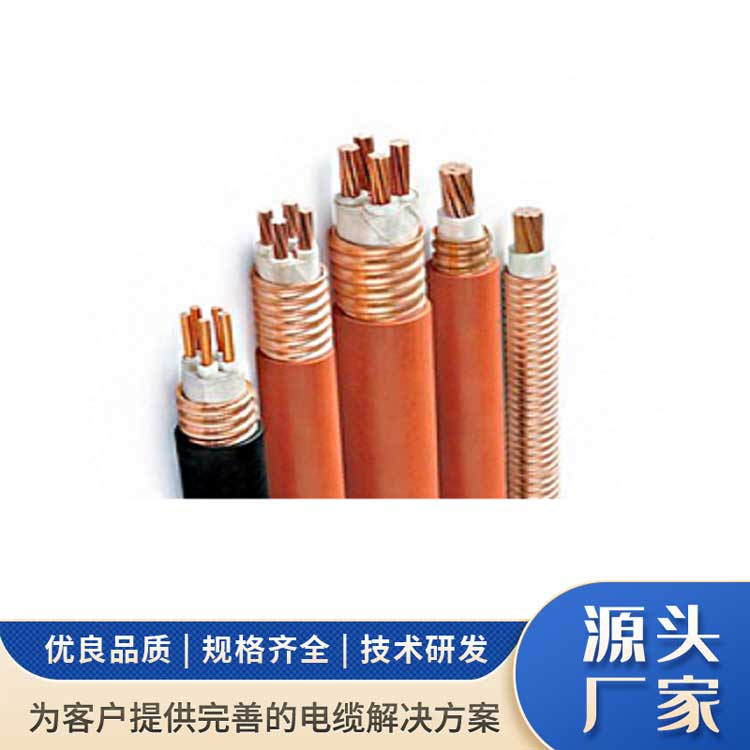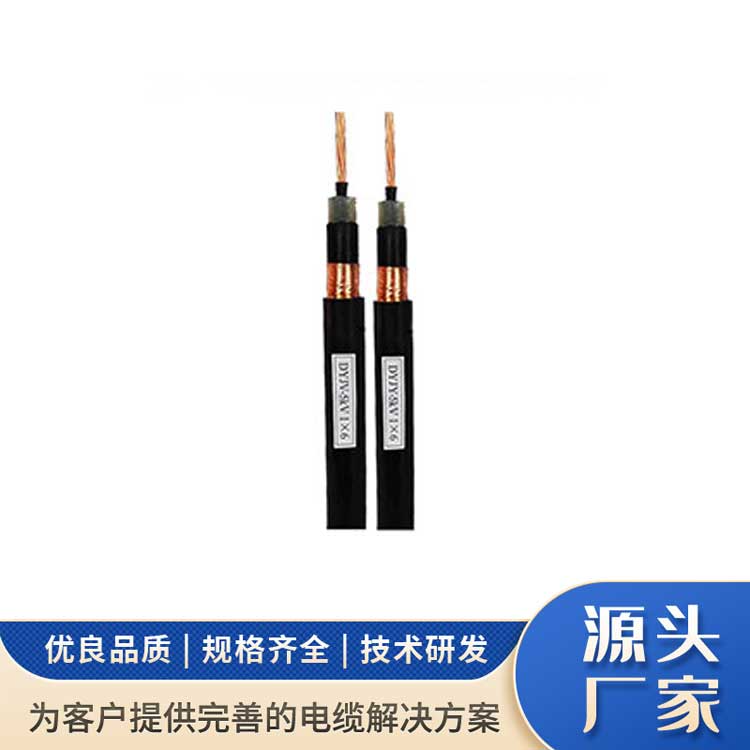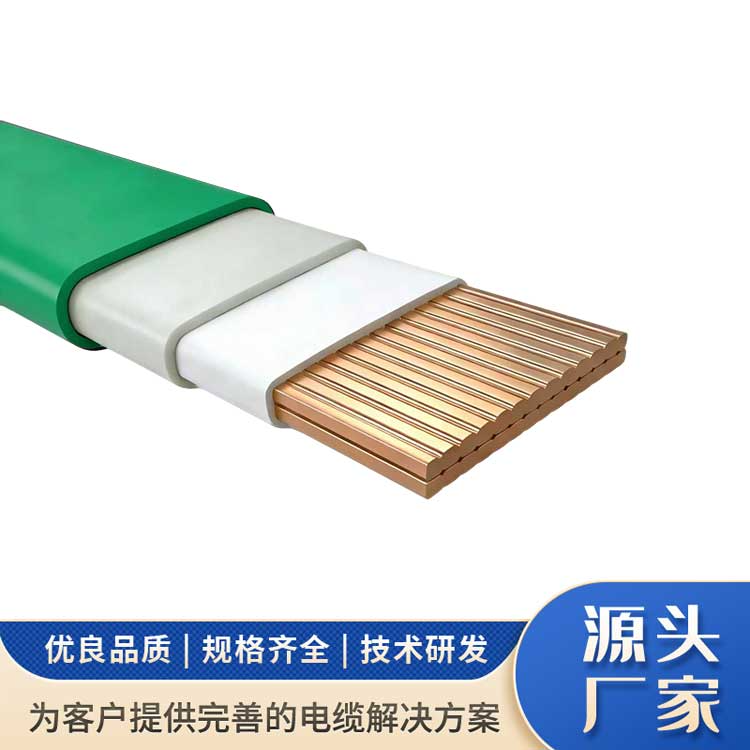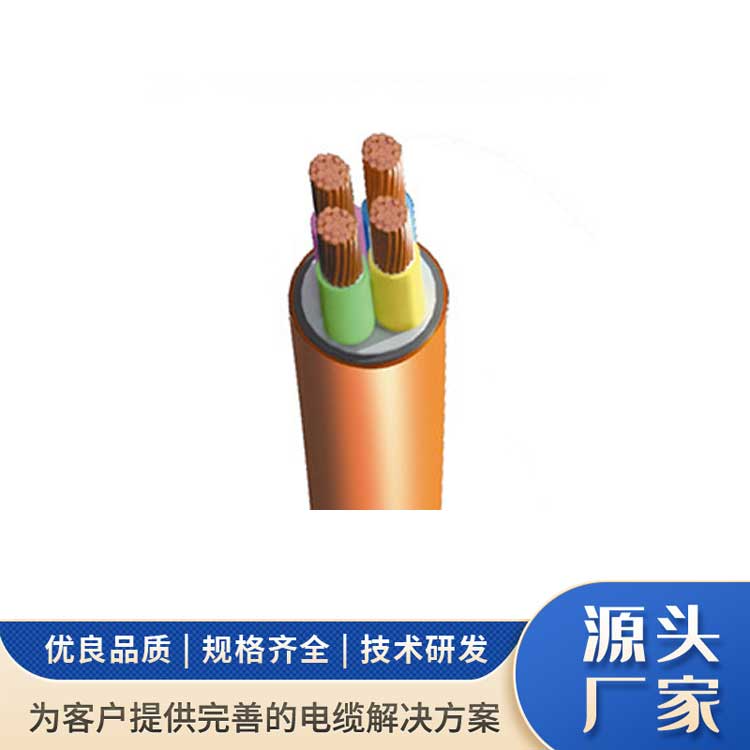


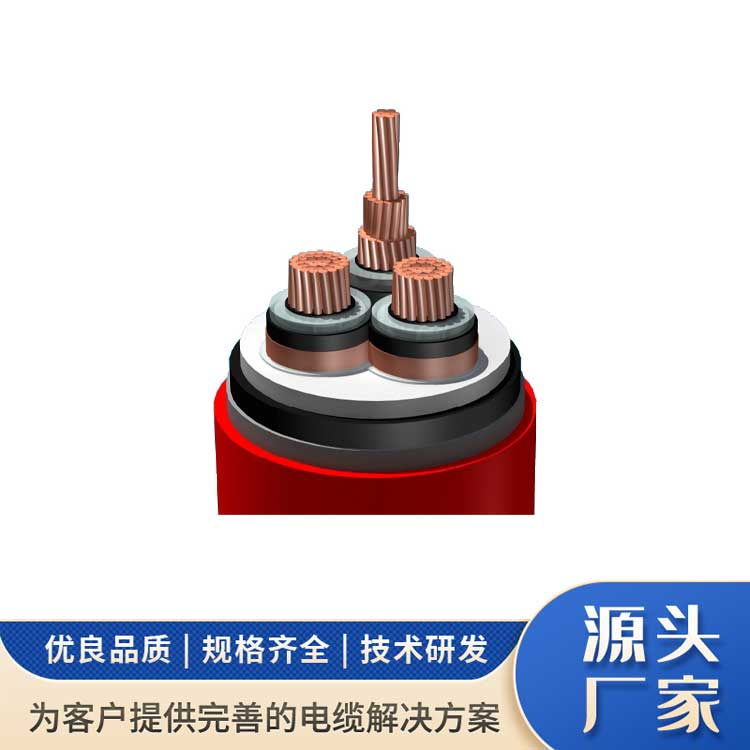
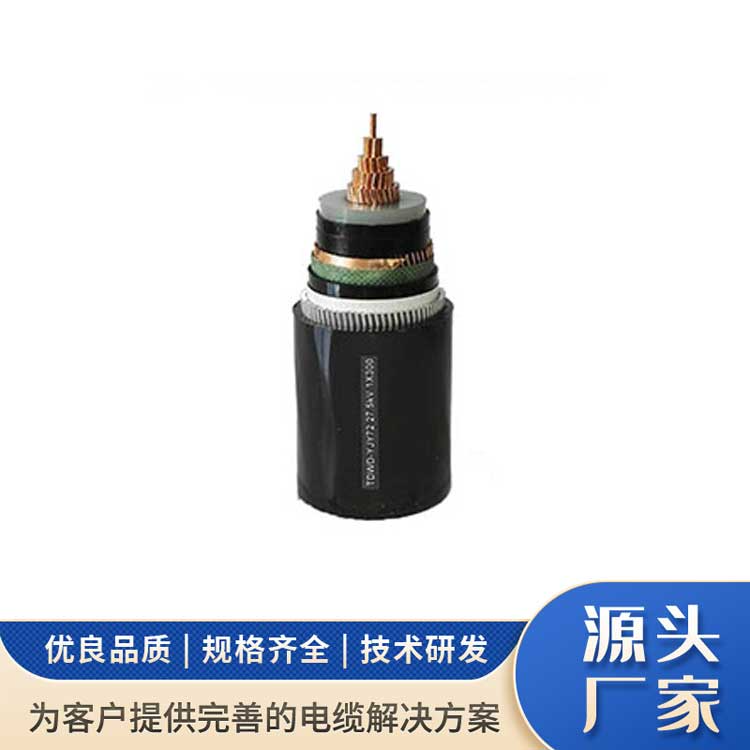
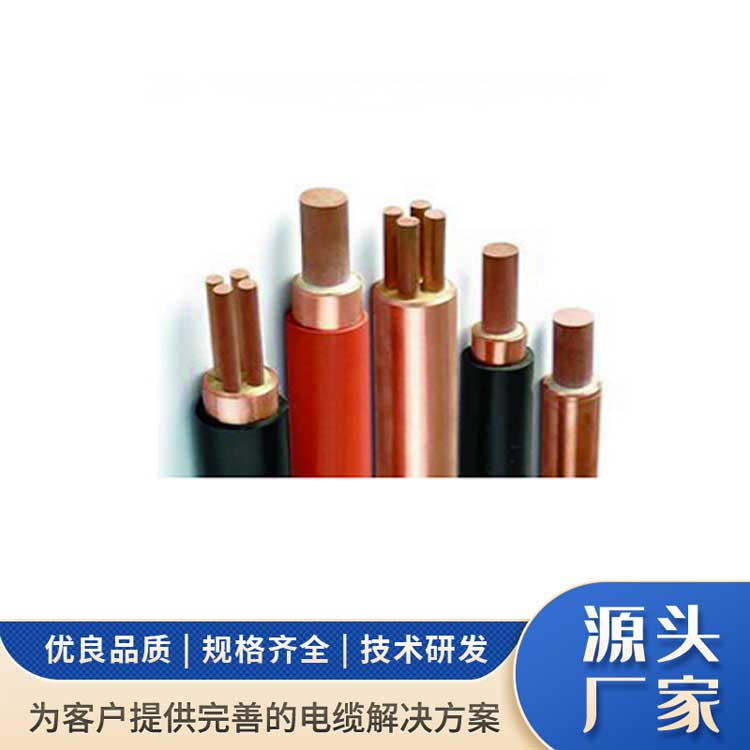
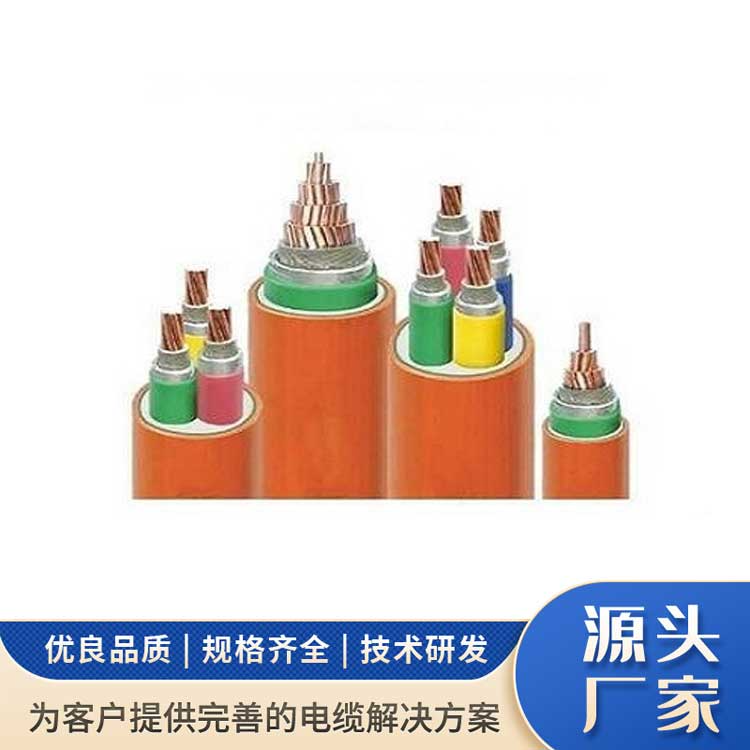





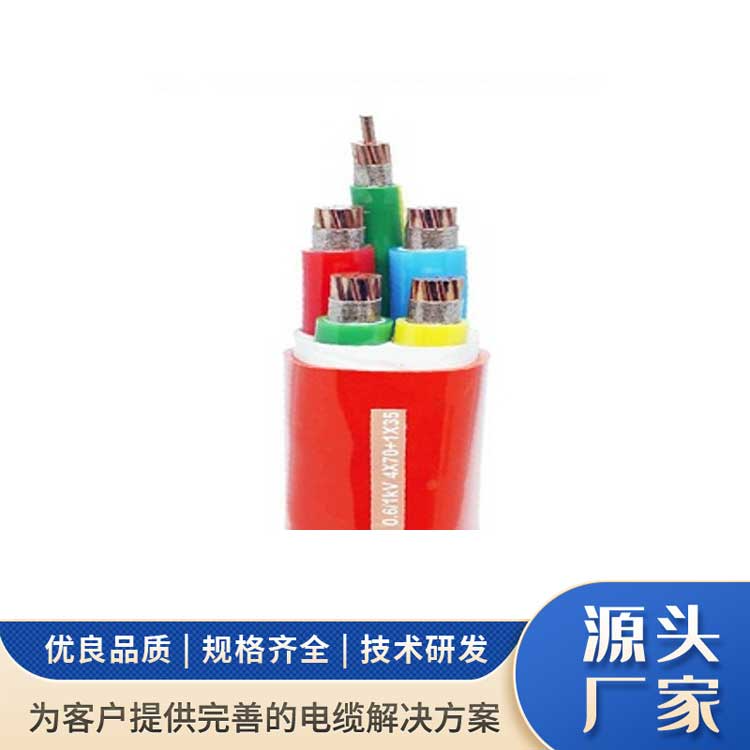
WDZB1 Grade Flame Retardant Power Cable Product Introduction
WDZB1 flame-retardant cable features a B1 flame-retardant performance grade. It replaces traditional fillers with metal hydrates like magnesium hydroxide and aluminum hydroxide, releasing crystalline water during combustion to lower the cable's flame temperature and prevent sustained heat from continuous burning. This structural design not only ensures the height of flame spread is controlled, but also minimizes smoke generation and combustion speed. The B1 flame-retardant performance grade cable is an energy-saving, environmentally friendly product, primarily suitable for areas with high population density and stringent flame-retardant requirements, such as subways, airports, hospitals, skyscrapers, large shopping malls, hotels, convention centers, data centers, and transportation hubs, where the rated voltage is 35kV or below.
Product Name & Applicable Voltage
Name: WDZB1 Flame Retardant Cable
Rated Voltage: 0.6/1 kV
Model, Specification Range
1. Product Execution Standard
GB31247-2014、GB/T31248-2014、GB/T12706.1-2008、GB/T12706.2-2008、 GB/T12706.3-2008、GB/T 19666-2005
2. Product Introduction
Design considerations for fire prevention and safety in construction projects in our country include the use of B1-grade flame-retardant cables in densely populated areas and locations requiring special protection. This serves to make fire safety requirements more scientifically and reasonably structured, while minimizing potential fire hazards. The use of 81-grade flame-retardant cables holds significant importance for the fire safety of buildings.
B1 flame-retardant cable performance grade utilizes magnesium hydroxide, aluminum hydroxide, and other metal hydrates as substitutes for traditional fillers. This allows the cable to release crystalline water during combustion, lowering the cable's flame temperature and preventing the heat from sustained flame combustion. This structural design not only ensures the height of flame spread but also effectively controls the total smoke production and combustion speed to the minimum. The B1 flame-retardant cable performance grade is an energy-saving, flame-retardant, and environmentally friendly product, primarily suitable for areas with high population density and stringent flame-retardant requirements, such as subways, airports, hospitals, skyscrapers, large shopping malls, hotels, convention centers, data centers, and transportation hubs, among others.
Model Descriptions and Product Examples
3. Features
3.1 Rated voltages: 750V, 0.6/1kV, 1.8/3kV, 3.6/6kV, 6/6kV, 6/10kV, 8.7/10kV, 8.7/15kV, 12/20kV, 18/30kV, 21/35kV, 26/35kV.
3.2 The maximum rated temperature for the cable conductor is 90°C.
3.3 During a short circuit (with a maximum duration of 5 seconds), the conductor's maximum temperature shall not exceed 250°C.
3.4 The cable conductor should comply with the requirements of GB/T3956.
3.5 Cable Bend Radius:
3.6 The technical specification for cable combustion performance grading is B1 level combustion, which primarily evaluates:
Flame spread (FS) ≤ 1.5m, representing the maximum carbonization distance measured on the surface of a bundled cable where the flame is detected, simulating the extent of cable burning and spread in the event of a fire.
2. Peak Heat Release Rate (HRR) - 30kW, measured under specified conditions, indicates the amount of heat released by the material per unit of time during combustion. It reflects the danger of flame spread along cables and the potential impact of the ignition source on adjacent areas.
3. Total Heat Release (THR) within fire 12005: 1,200515 MJ, the integrated value of heat release rate over the specified time 12005, and the total heat release within the fire 12005.
4. Index of Flammability Growth Rate (FIGRA) ≤ 150W/5, representing the maximum ratio of the heat release rate to the corresponding time, used for grading combustion performance.
5. Peak Smoking Rate (SPR) Peak ≤ 0.25 m²/5, measures the production volume of smoke within a unit of time.
6. Total smoke production within Fire 12005 is TSP1200 ≤ 50 m2, measure the smoke production rate and total smoke volume within the specified time of 12005.
7. Smoke Density (Minimum Light Transmission Rate) 260%, measures the minimum light transmission rate, reflecting the visibility in the ignition area and the danger posed by smoke to personal safety through the smoke density test.
8. Vertical flame spread ≤ 425mm; the distance between the starting point and the lower starting point on the carbonized section of the cable surface where the measured flame initiates.
9. Including additional combustion properties:
Combustion Droplets/Particle Grades and Classification Criteria

Smoke Toxicity Level and Classification Criteria

Corrosivity Grade

4. Ultra-high flame retardant mechanism
B1-rated flame-retardant cables differ from standard flame-retardant cable designs by using inorganic mineral materials like metal hydrates such as Al(OH)3 and Mg(OH)3 instead of traditional polypropylene tear-resistant yarn or glass fiber filling materials. They are filled with a non-toxic, halogen-free, bromine-free, and halogen-free inorganic metal hydroxide mixture between the cable insulation and outer sheath. Upon exposure to fire, as the cable temperature rises, the mixture decomposes into metal oxides and water, reducing the surface temperature of the cable and suppressing the combustion reaction of the outer sheath material. The mixture composed of Al(OH)3, Mg(OH)3, etc., forms a hard shell around the cable core after combustion, isolating external oxygen from the cable's internal insulation materials and becoming a barrier against heat and oxygen. This enhances the flame-retardant and fire-resistant capabilities of the B1-rated cables.
Due to the B1-rated flame-retardant cables using a special flame-retardant material formula and structural design, they can "cool down" and "insulate" during testing, thus making the non-metallic capacity of bundled flame-retardant cables no longer a "golden monkey" for designers. Even for cables exceeding the A-class standard with 14L of non-metallic material per meter, the carbonization height during flame-retardant testing can be significantly lower than the national standard of 2.5 meters. Moreover, with the combustion of the cable greatly suppressed, the outer sheath ablation is minimal, and the cable core remains largely unburned due to the protective insulation layer, resulting in very low levels of heat and smoke generation. This allows us to easily pass the stringent GB31247-2014 B1-grade test.
Utilizing B1-rated flame-retardant cables effectively suppresses the combustion reaction of flammable materials within the cable, while significantly reducing the non-metallic content of the sheath material. Compared to traditional flame-retardant cables, employing B1-rated flame-retardant cables in densely laid cables in large-scale projects ensures fire safety and offers better cost-effectiveness, making it a new product worthy of promotion and use.
Product Name and Applicable Voltage
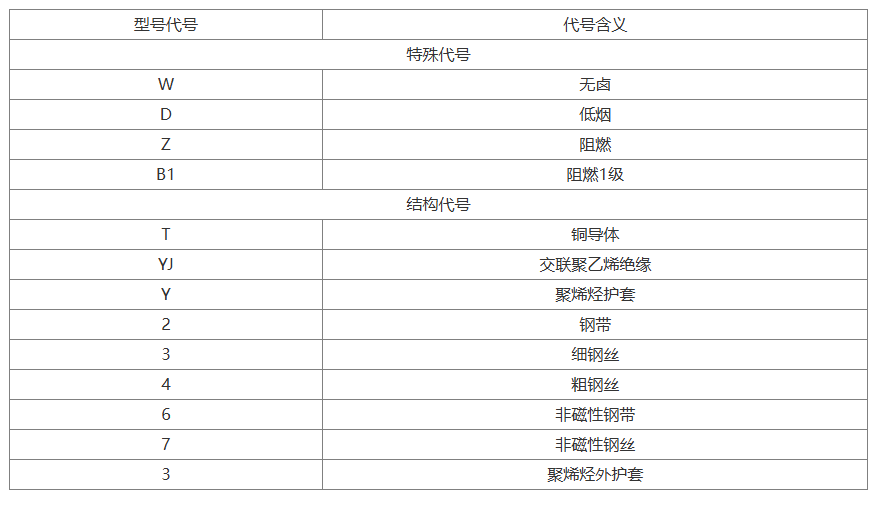
5.1 Product Model Code and Meaning
5.2 Method of Product Representation
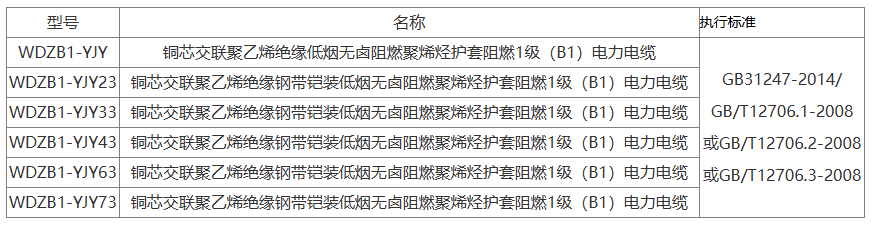
Note: 1. The standard model can also be indicated by adding "Flame Retardant 1 (B1)" after the specifications.
2. Other unmarked products are indicated by the model number according to the product standard.