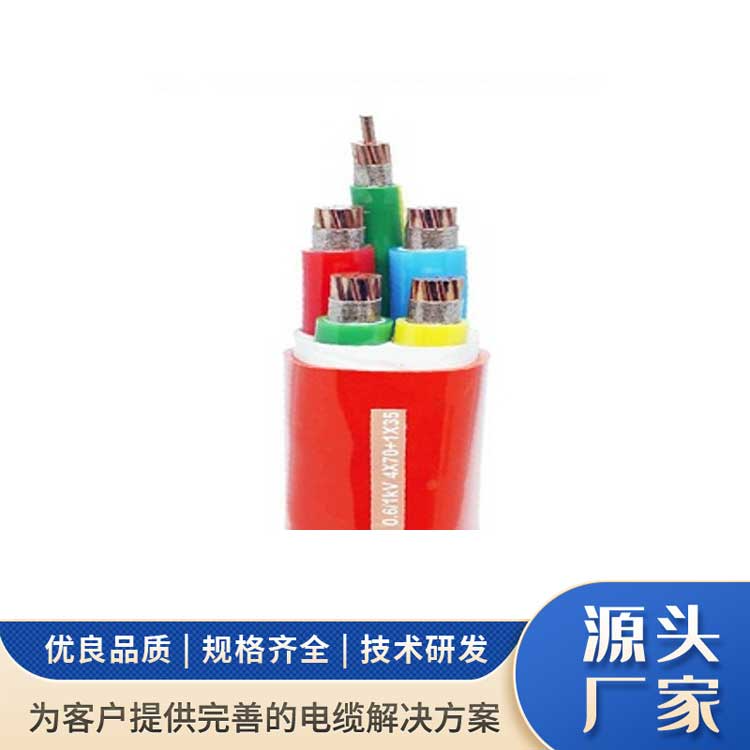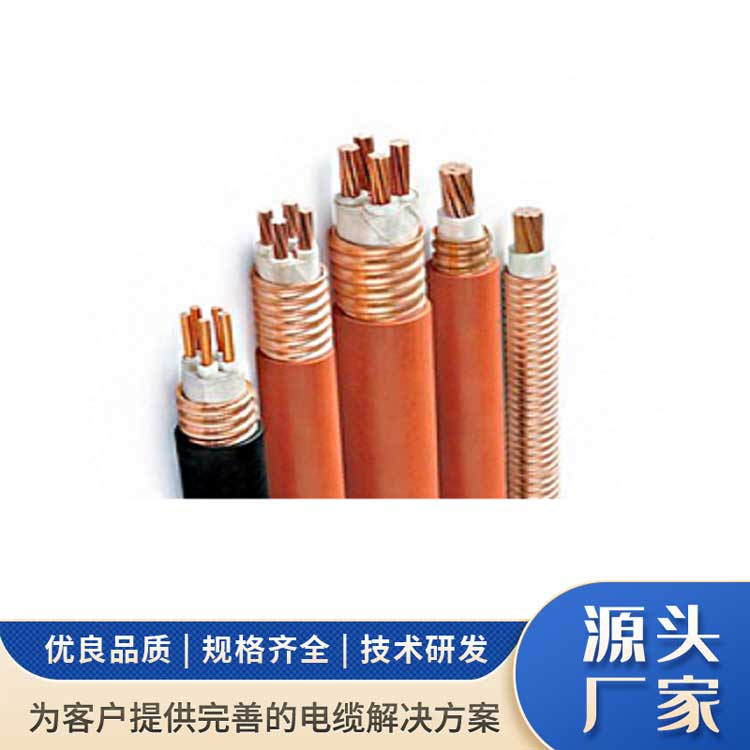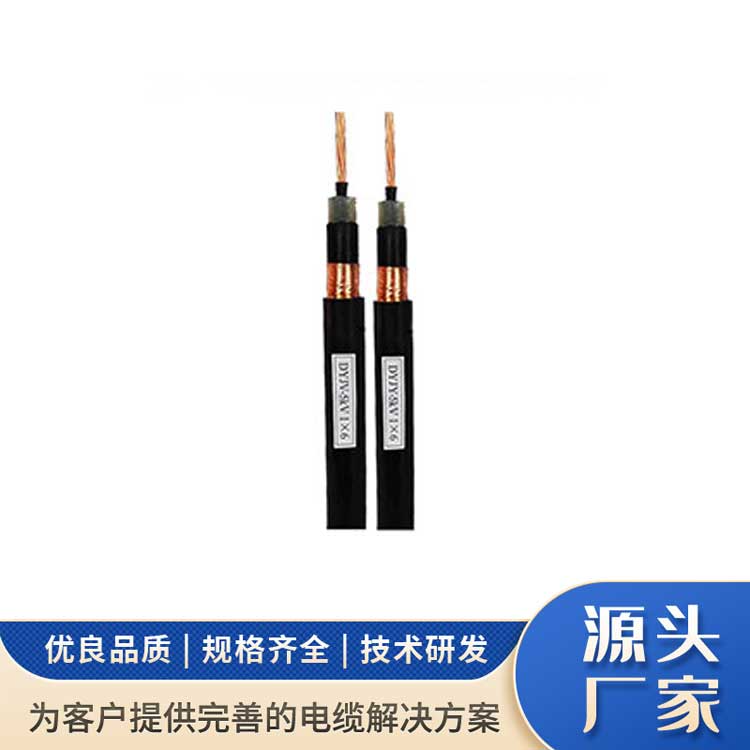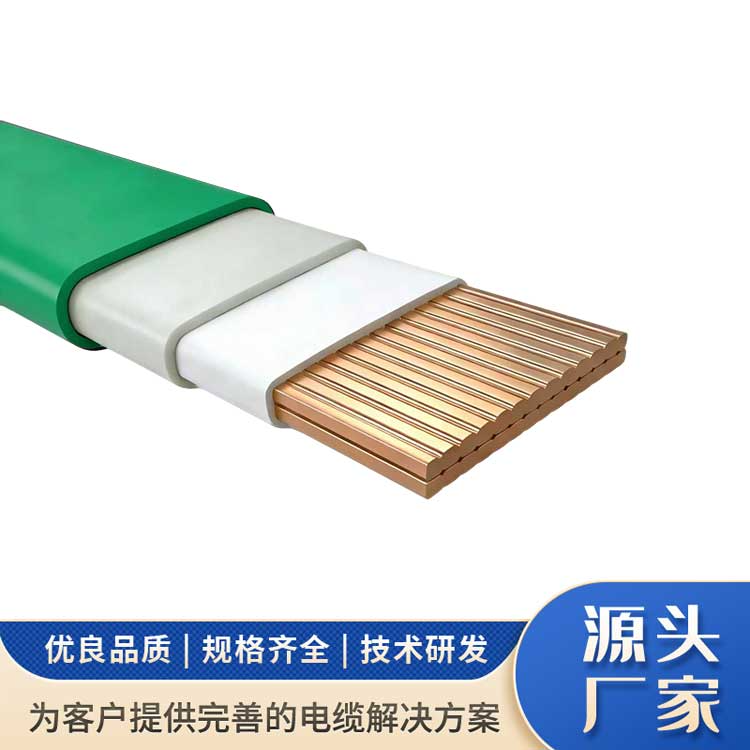

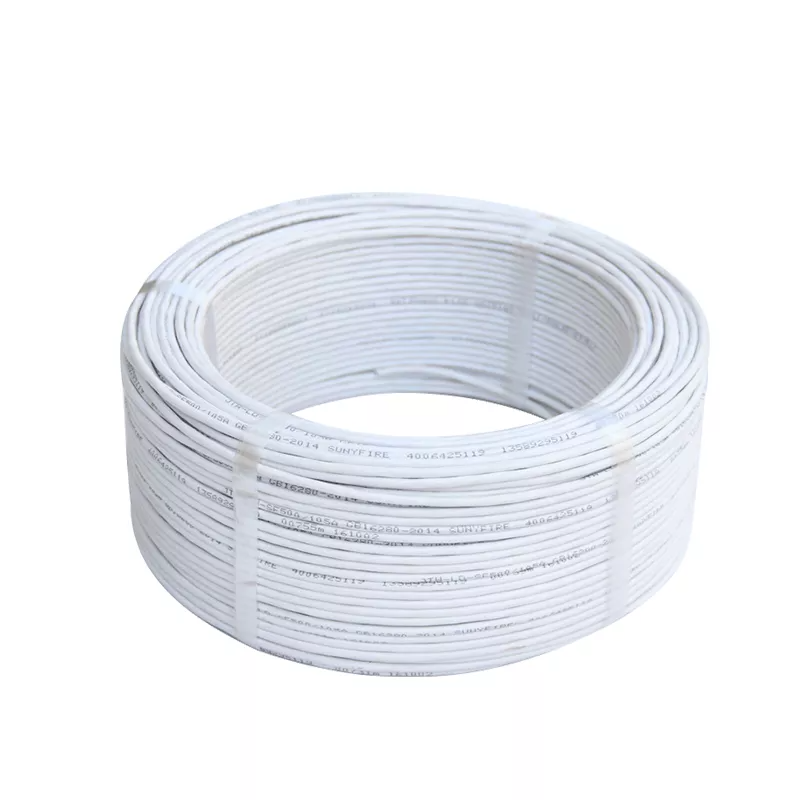


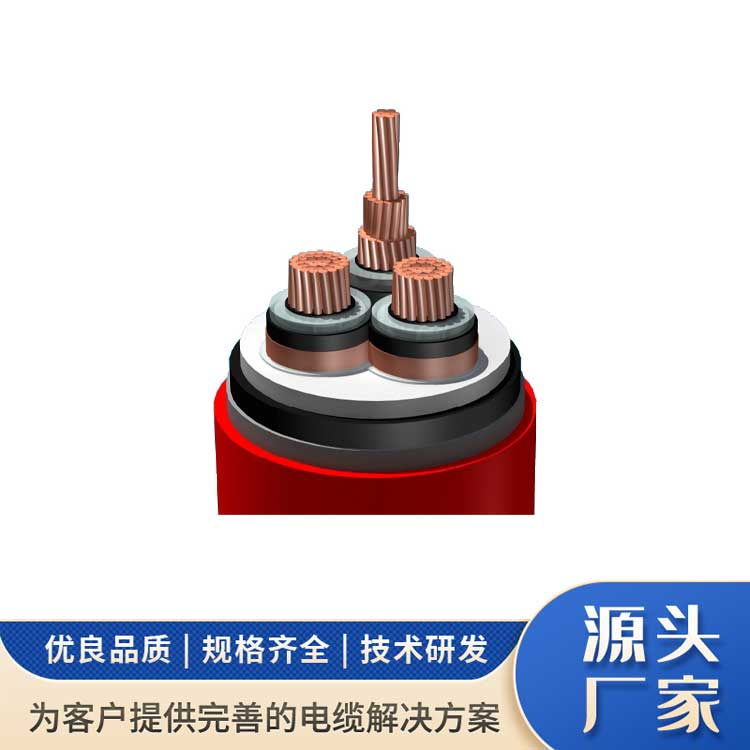
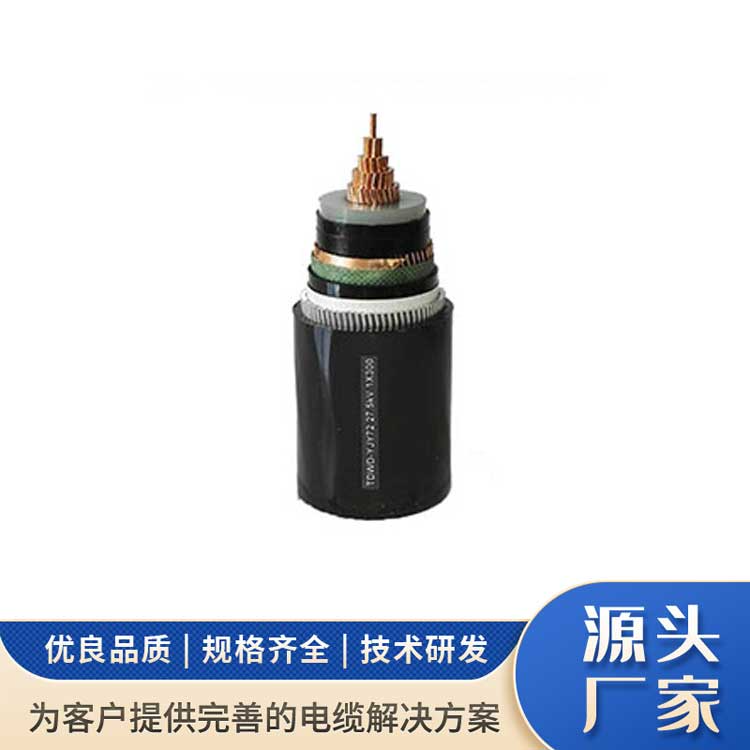
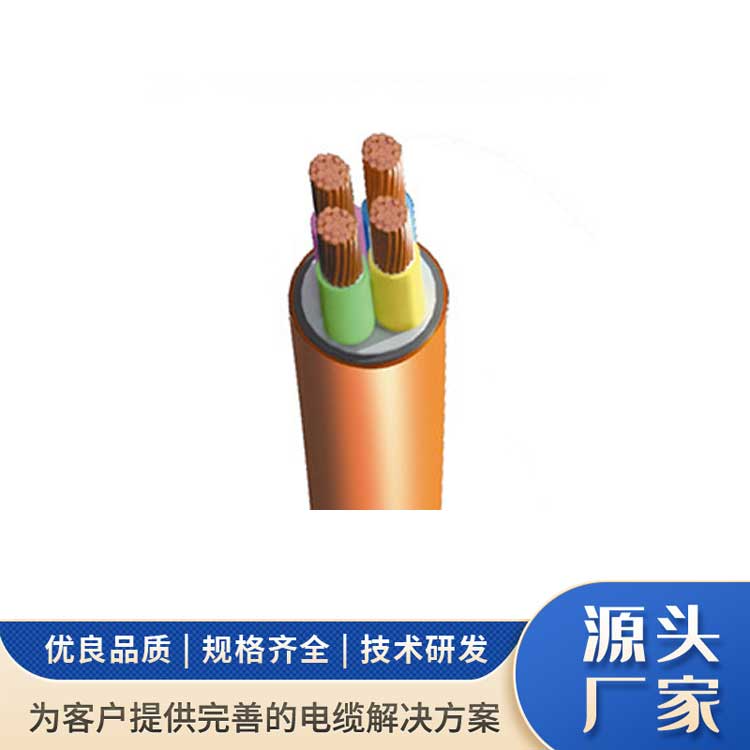






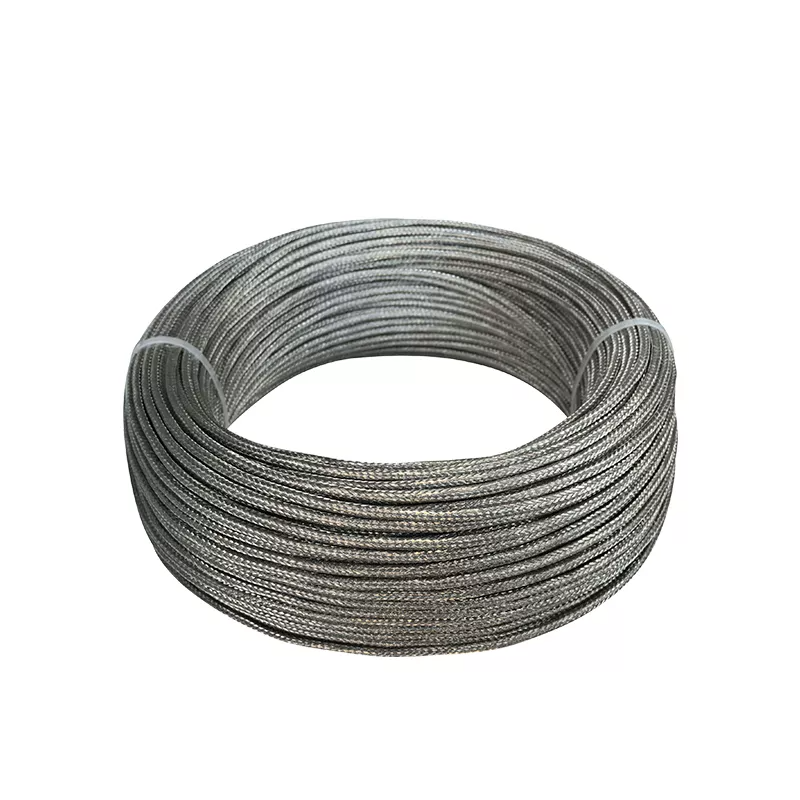
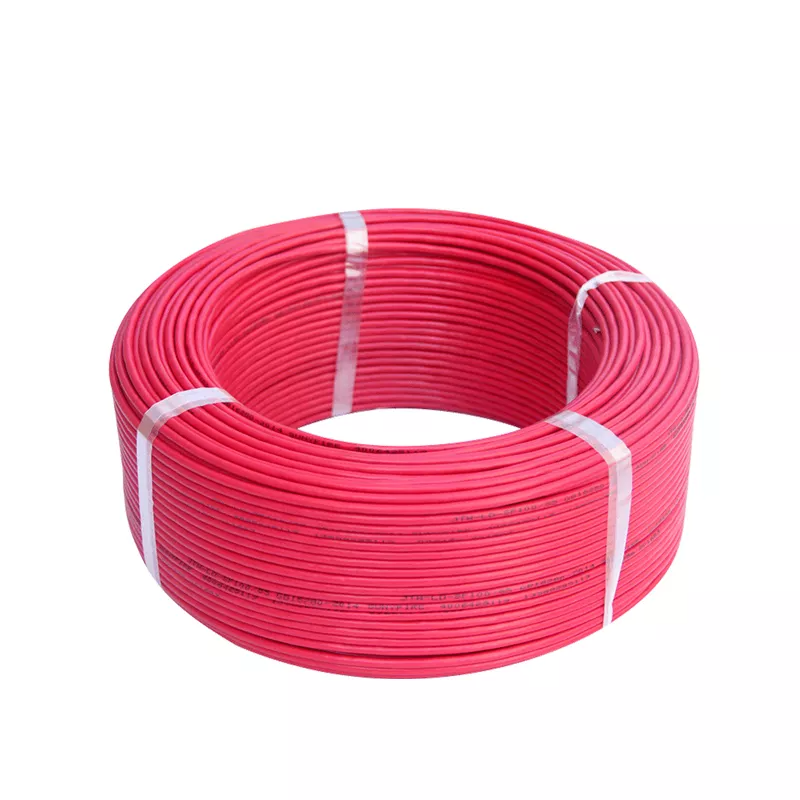
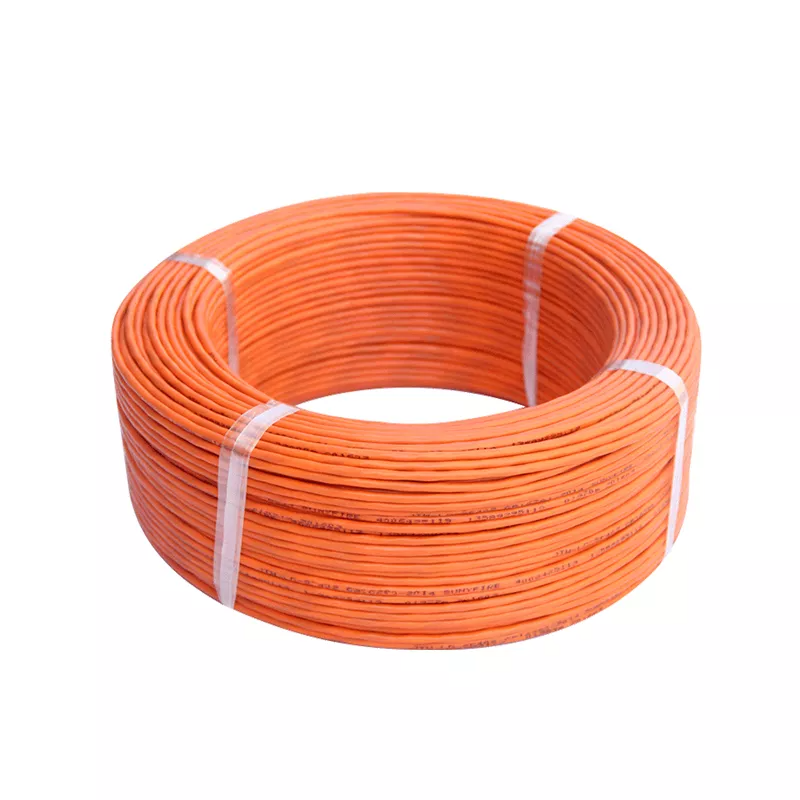
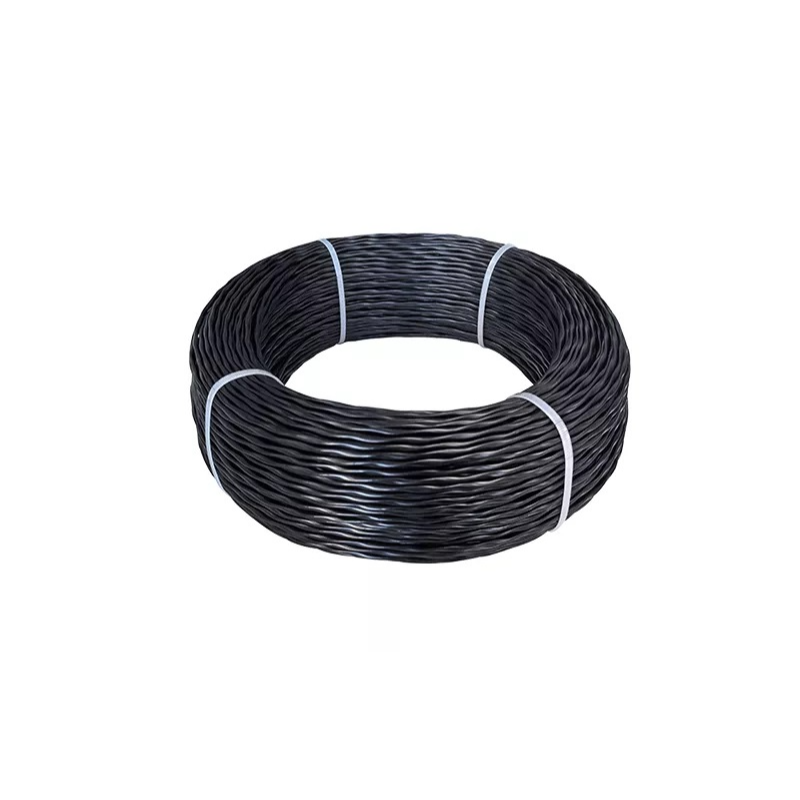
JTW-LD-SF300/105 Cable Type Linear Temperature-Sensing Fire Detector (hereinafter referred to as the detector) is a new type of fire protection patent product designed for long-distance, single-use monitoring of environmental temperature changes, primarily composed of a microcomputer processor, temperature-sensing cable, and terminal box.
Product Features
The temperature-sensing cable of the detector is composed of three insulated wires, each extruded with a thermally sensitive material, twisted together. It can detect temperature changes at any point along its installed length and make fire alarm judgments through the fuzzy mathematics calculation method of a microcontroller.
The main features are briefly described as follows:
The thermally sensitive cable features stable structure, strong anti-interference and tensile properties.
2. Features open circuit and short circuit fault alarms.
3. Microcomputer processors and terminal box casings are made of flame-retardant materials, resistant to corrosion and aging.
4. Features manual fire alarm and fault simulation functions.
5. The detector boasts strong anti-interference capabilities, utilizing isolation detection and software anti-interference technologies, suitable for use in environments with strong electromagnetic field interference.
6. Communicates with all fire alarm controllers via the input module's non-polar two-wire technology.
7. The connection to the dedicated display unit features alarm and location tracking capabilities.
Applicable Scenarios
The探测器exhibits excellent environmental adaptability, capable of operating reliably in close proximity or close protection, in fire detection sites with various levels of humidity, contamination, and dust. It is widely used in warehouses, loading yards, cable tunnels, vehicle tunnels, oil and gas transmission pipelines, transformers, belt conveyors, locomotives, and switchboards, among other fire detection locations. The探测器is equipped with a fixed-temperature alarm function, particularly suitable for early fire detection in power cables and control cables within cable tunnels, cable bridges, and cable wells. It can be utilized in power plants, steel mills, chemical factories, and similar settings.