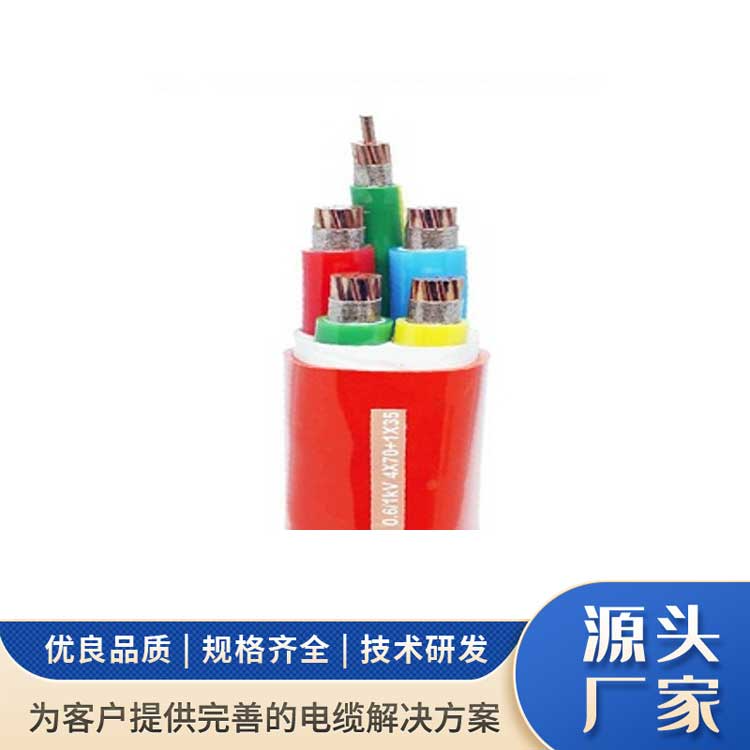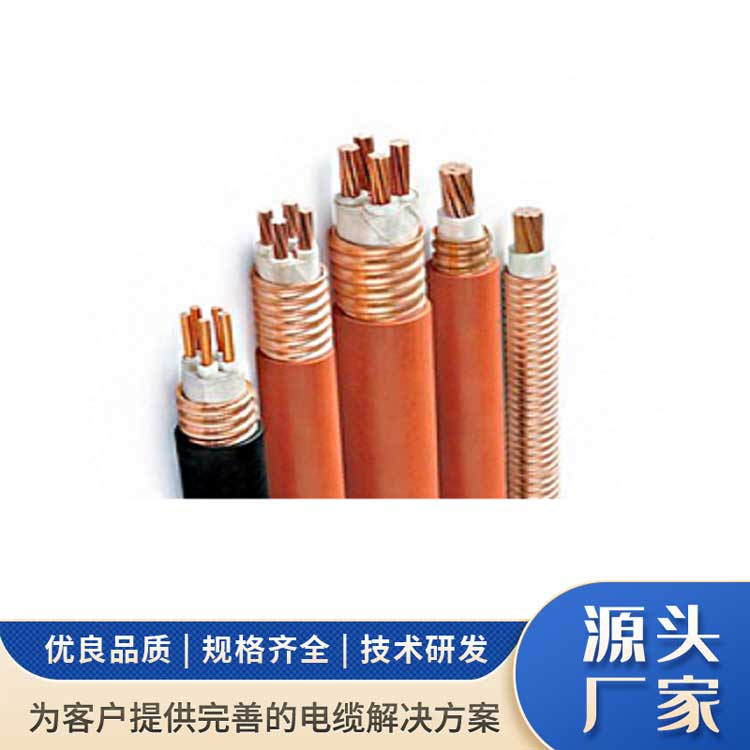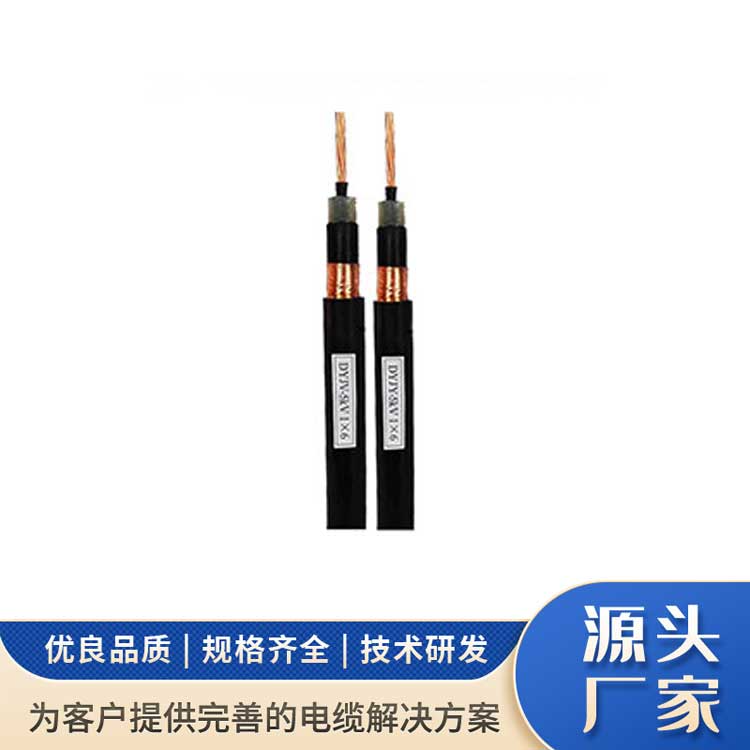



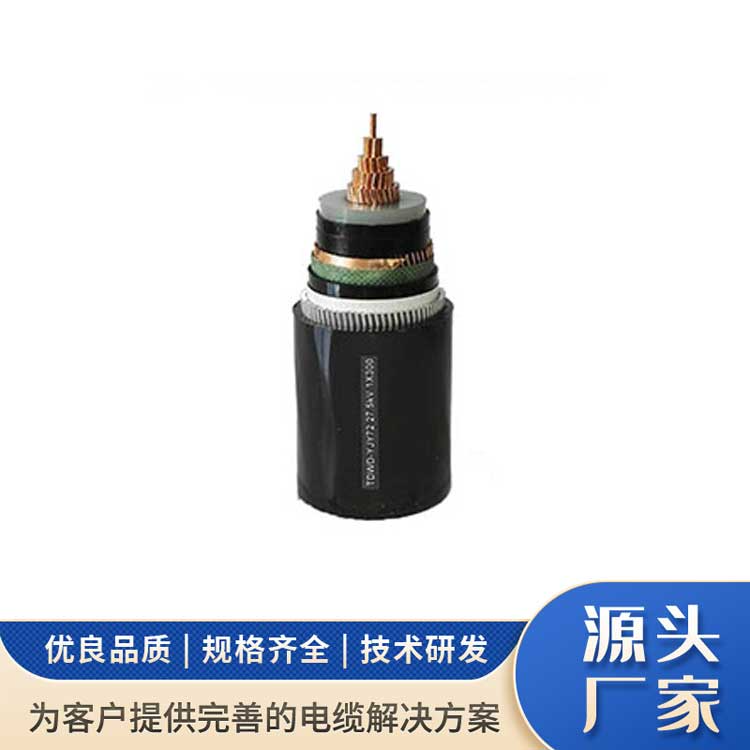
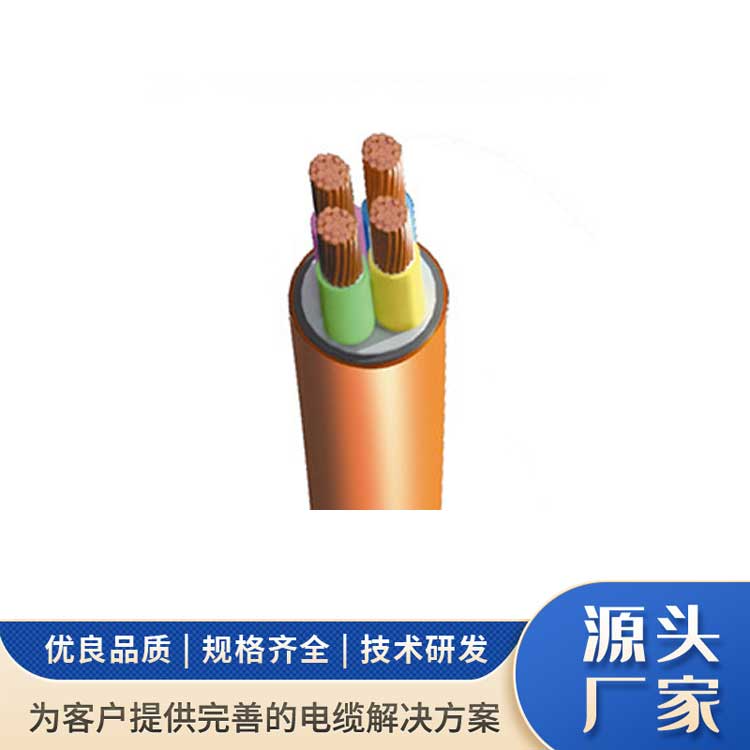
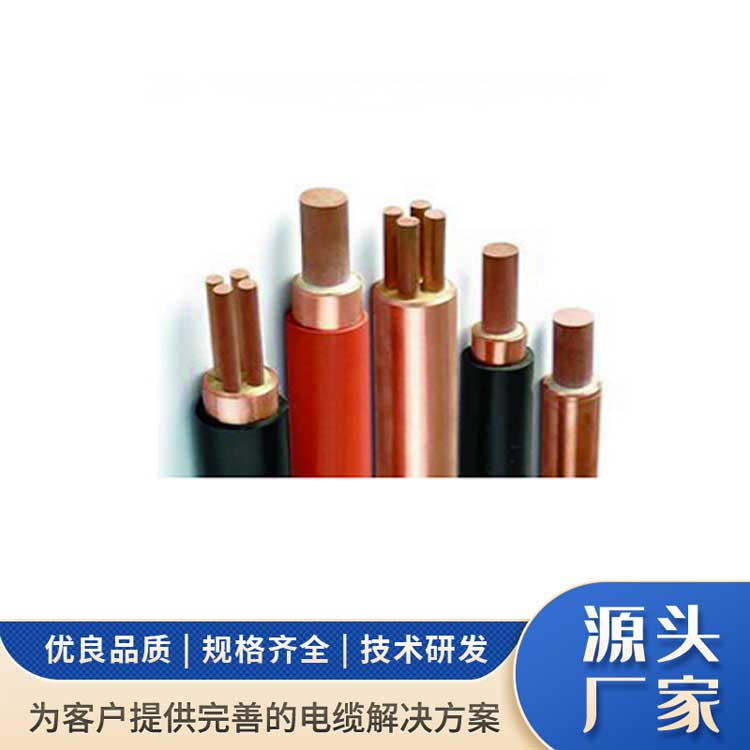
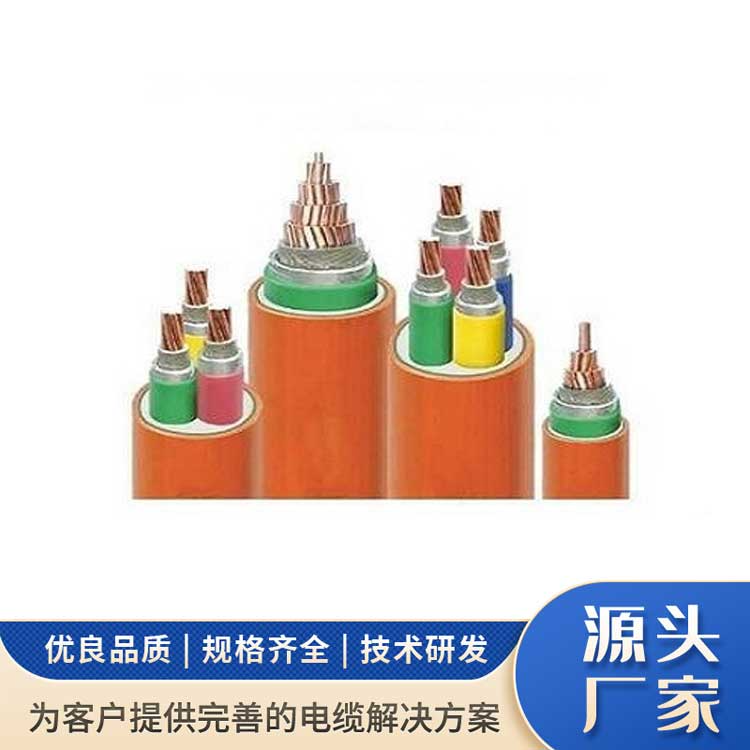






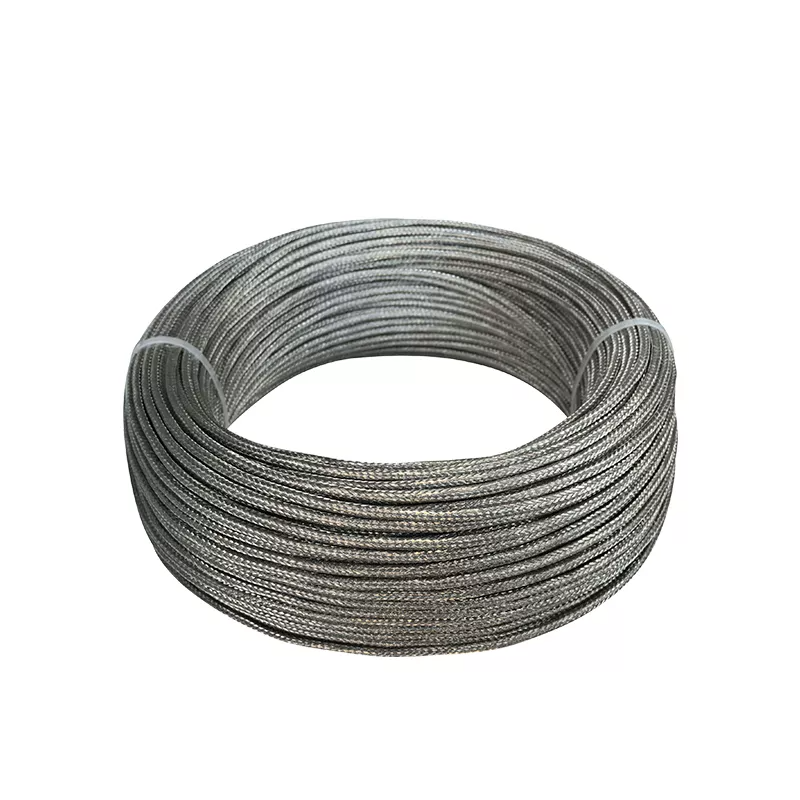
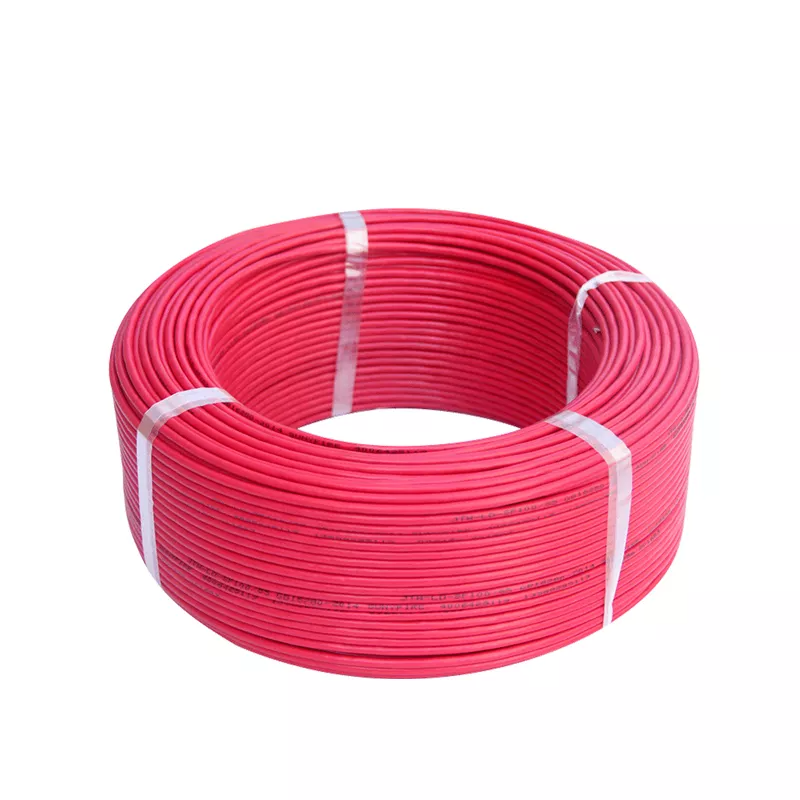
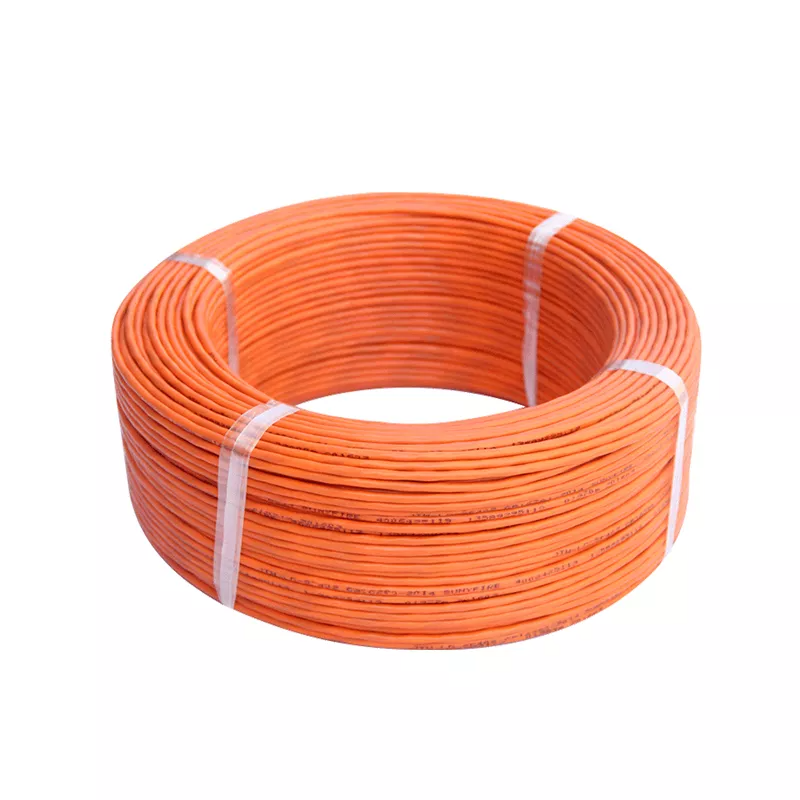
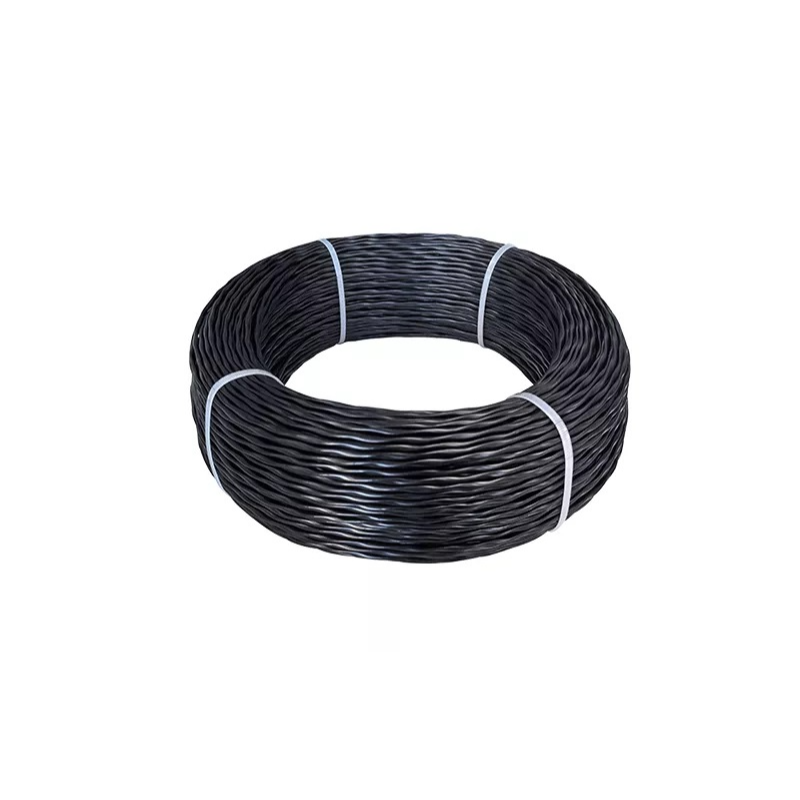
The JTW-LD-SF500/105E Cable Type Linear Temperature-Sensing Fire Detector (hereinafter referred to as the detector) is a recoverable fire detection product. It is designed based on the National Standard GB16280-2014 "Linear Temperature-Sensing Fire Detector" and features fixed temperature fire detection and alarm capabilities. It is mainly composed of a signal processing unit, a temperature-sensing cable, and connecting components. It outputs using relay passive dry contacts, allowing for easy compatibility with fire alarm controllers from different manufacturers.
Product Features
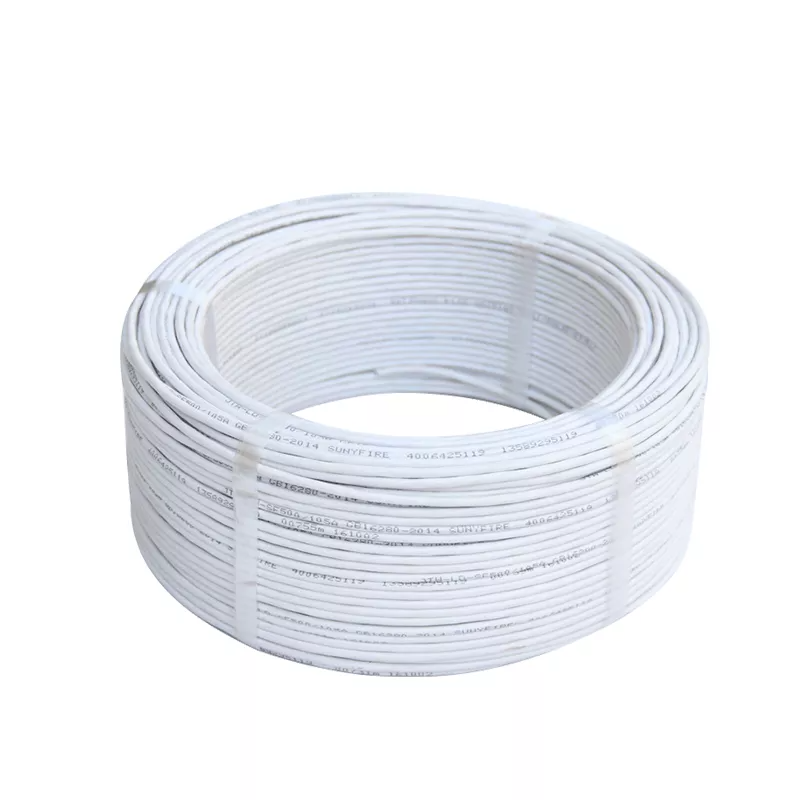
The temperature-sensitive cable of the detector is an element sensitive to temperature. The JTW-LD-SF500/105E temperature-sensitive cable is composed of three wires twisted together, each extruded with a thermally sensitive insulating material, enabling the detection of temperature changes at any point along its installed length. When the temperature rises to the response value, there is a sudden change in resistance between the cores of the temperature-sensitive cable, generating a corresponding signal, which is then processed by a microcontroller using fuzzy mathematics to make a fire alarm judgment.
The temperature-sensing cable remains undamaged after the detector alarms within the safe temperature range, allowing for reusable use.
2. Features open circuit, short circuit, and power failure alarm functions.
3. Temperature-sensitive cable features stable structure, strong resistance to electromagnetic interference, and excellent tensile and compression properties.
4. Features manual fire alarm and fault simulation functions.
5. The detector employs isolation detection and anti-interference software technology, suitable for use in environments with strong electromagnetic field interference.
Applicable Scenarios
1. Power Facilities: Cable tunnels, cable galleries, cable shafts, cable trays, transformers, power stations, distribution systems, etc.
2. Transmission Facilities: Coal conveying belts, industrial process and material conveying systems.
3. Liquid Facilities: hydraulic stations and lubricant storage, oil pipelines and other fuel supply system locations;
4. Storage Facilities: Various tanks, wine cellars, warehouses, and shelving storage areas.