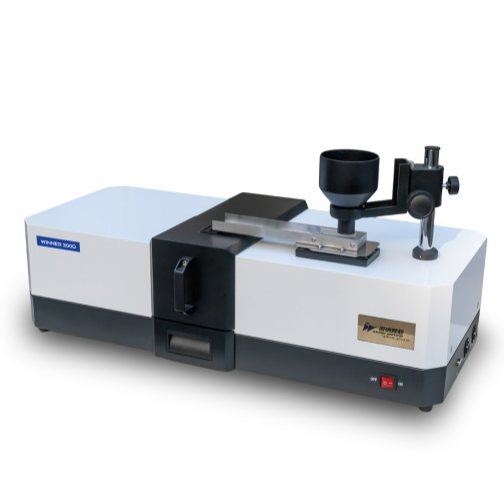


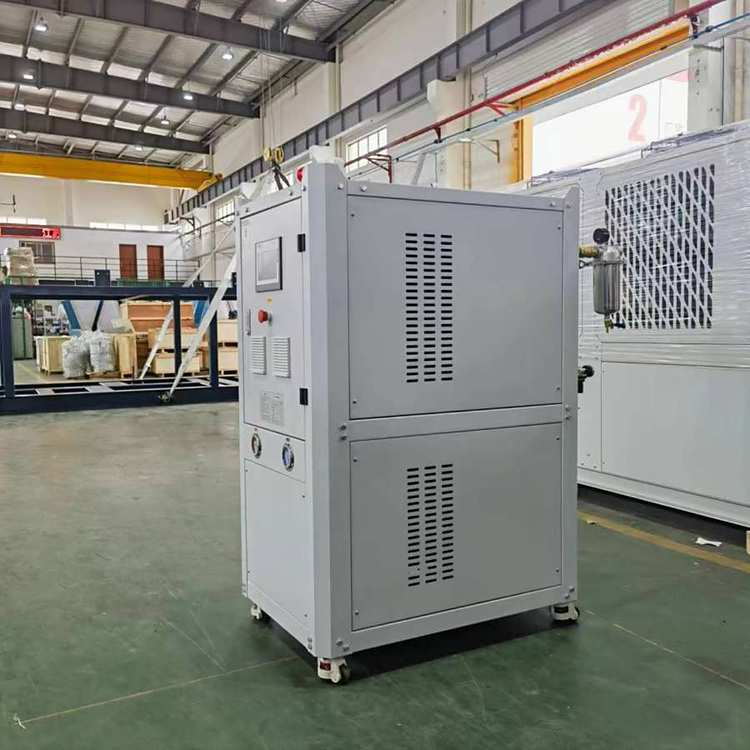
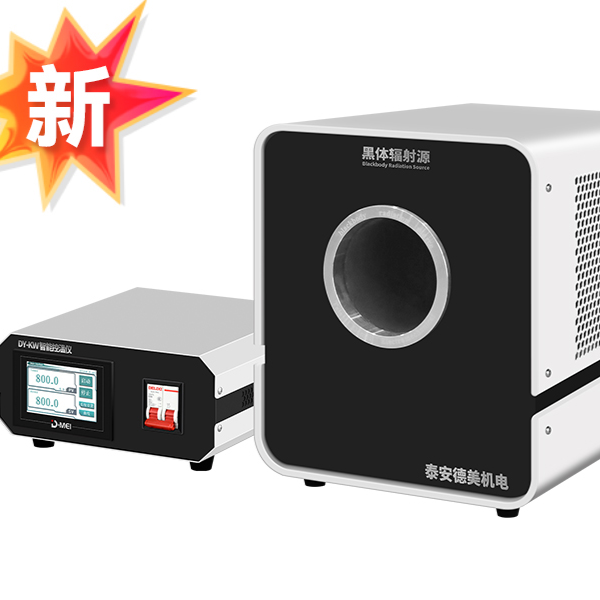
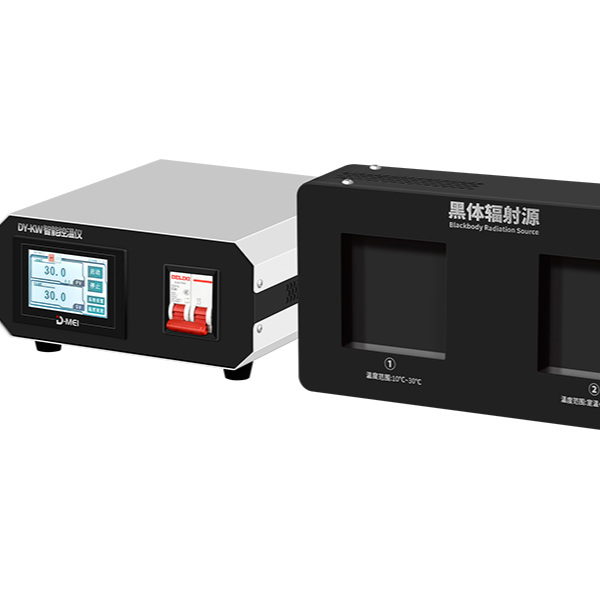






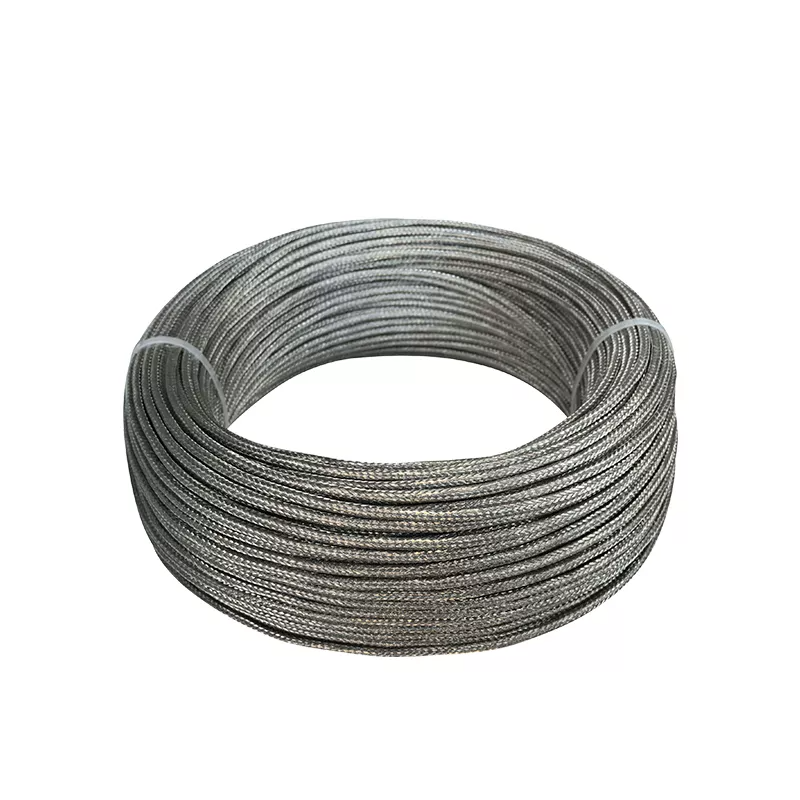
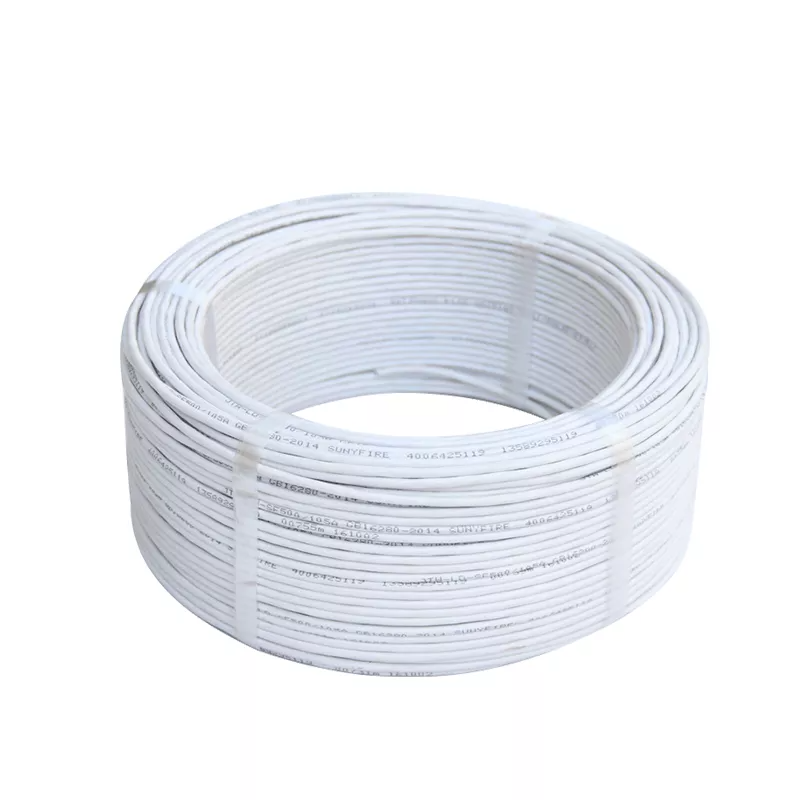
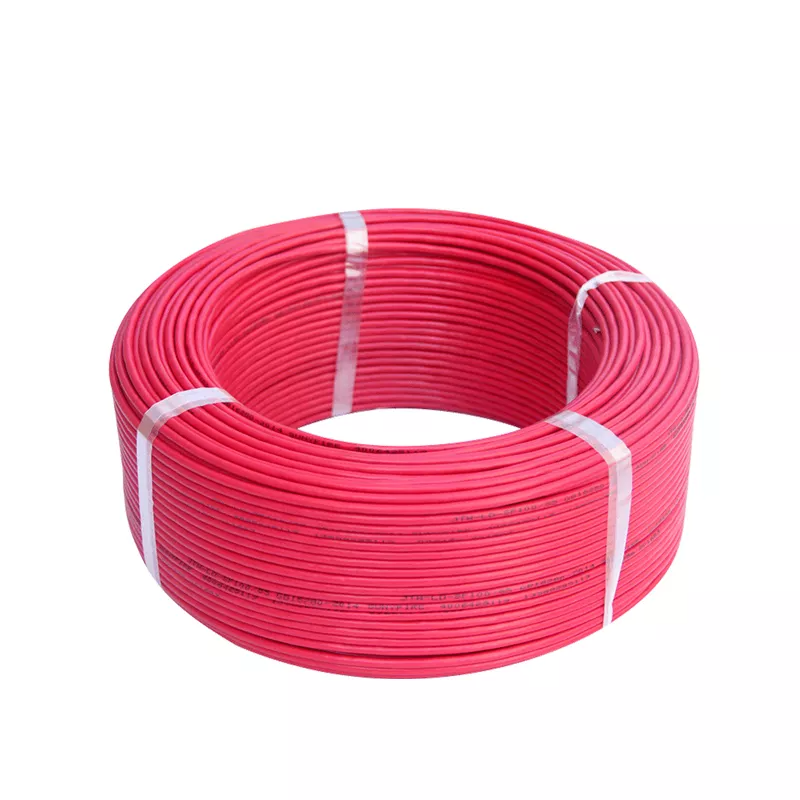
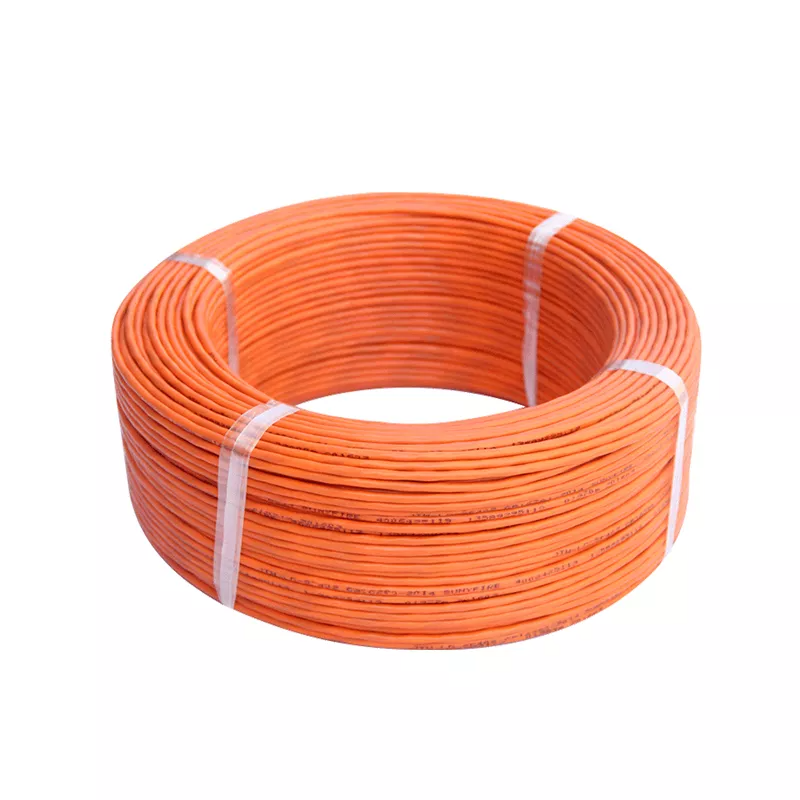
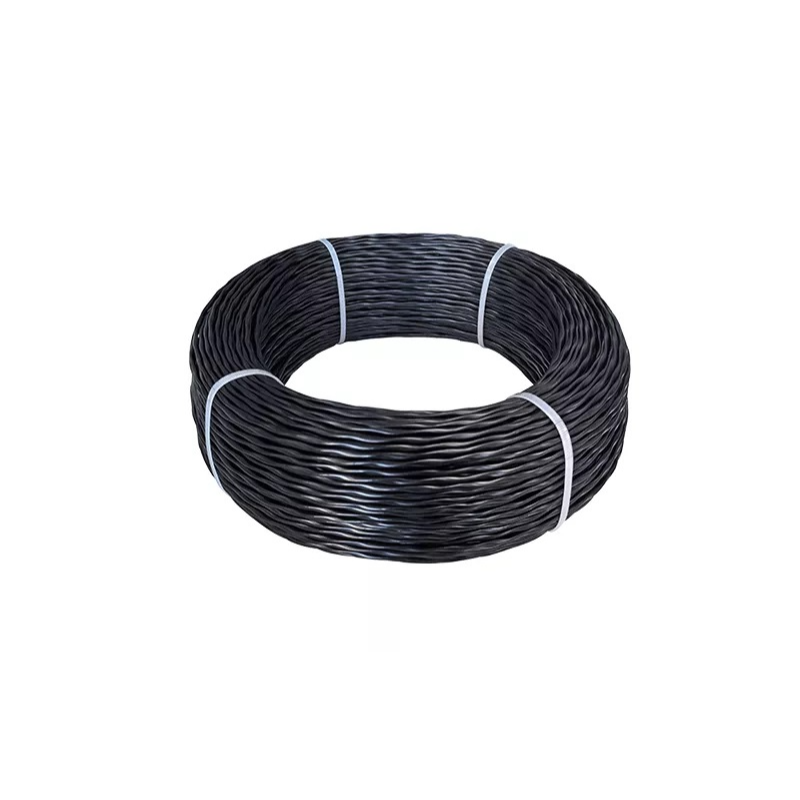
The JTW-XCD-SF800B Linear Fiber Optic Temperature Sensor is a Continuous Distributed Fiber Optic Temperature Sensing System (DTS) that employs advanced OTDR technology and the temperature-sensitive characteristics of Raman scattering light to detect temperature variations along different positions of the fiber, achieving truly distributed measurement. The linear fiber optic differential temperature fire detector not only provides timely warnings of fire hazards but also locates the fire's origin.
As a mature distributed temperature measurement method, the JTW-XCD-SF800B distributed optical fiber linear fire detector boasts advantages such as long measurement distance, high measurement accuracy, rapid response speed, electromagnetic interference resistance, and suitability for flammable and explosive hazardous environments, and can be widely applied toHigh-voltage cable online monitoring, power load flow analysis, traffic tunnel fire detection, oil and gas storage tank fire detection, coal conveyor belt fire detection, dam leakage monitoringIn various fields.
Product Features
The JTW-XCD-SF800B Distributed Fiber Optic Temperature Measurement System boasts the following technical advantages:
Rapidness
System temperature measurement and positioning are extremely fast. To enhance measurement time, we leverage the advantages of high-speed weak signal processing technology, enabling quick polling measurements across four channels in a short span of time, with rapid response times.
2. Distribution Characteristics
The distributed fiber optic temperature measurement system can provide continuous dynamic monitoring of temperature change signals at every 0.5-meter interval within a range of up to ten kilometers (four channels), achieving distributed measurement and detection over a large area.
3. Advanced technology
This system is a cutting-edge distributed temperature measurement product in the industry, known for its high performance indicators, robust functionality, reliability, and advanced technology. The core components are selected from high-performance imported devices from overseas, with key algorithms rigorously tested.
4. Accuracy
The system boasts high accuracy in temperature measurement, fully meeting the requirements of GB16280-2014 National Standard for linear fire detector temperature alarm range, with a standard alarm length of 0.5 meters.
5. Compatibility
The system features real-time online temperature detection and alarm, with alarm signals capable of being linked to fire alarm controllers via the 485 bus. The time for alarm signals within the monitoring range to be uploaded to the fire alarm controller does not exceed 10 seconds.
System host open communication protocol, offering communication interfaces for connection with workstations. Users can display all information such as temperature curves, alarm locations, and alarm temperatures in graphic and textual formats on the disaster prevention and alarm workstation in the central control room through these interfaces.
The system can interface with PC, fire alarm systems, and other control devices via RS485, RJ45 ports, etc., for联动. It offers accurate and complete audio-visual alarm and signal output.
6. Safety
The Fiber Optic Distributed Temperature Monitoring System features a secure recording function, capable of storing no less than 999 historical alarm data entries, and can retain data for at least 15 days after the detector is powered off, and can be effectively audited.
If fiber optic damage occurs, the DTS system can immediately locate the damaged point and fuse it using a fiber optic splicer, without halting the measurement. This is crucial for ensuring effective implementation of online monitoring.
Thermally sensitive optical fiber is inherently safe; it detects fires using optical signals and does not generate electromagnetic interference with power cables.
Application Site
Distributed fiber optic linear temperature-sensing fire detectors are suitable for subway tunnels, utility tunnels, cable trays, oil pipelines, coal conveying belts, oil and gas storage tanks, data centers, as well as industrial spaces that are excessively long, large, or difficult to install fire partitions.