






Novel particle spray disperser
Product Overview:
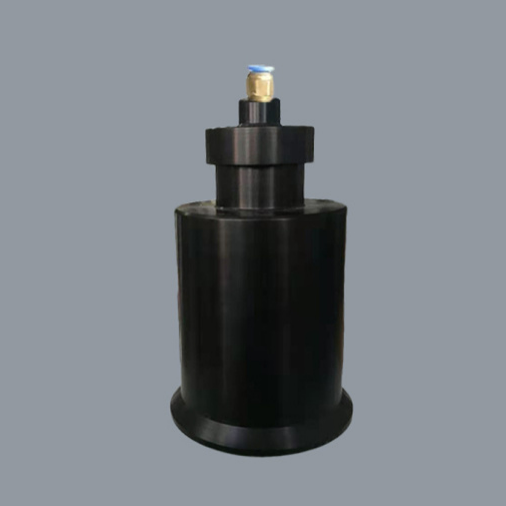
This product disperses particles using compressed air, which, after passing through a specialized dispersing chamber, can generate a rapid airflow to instantly disperse particles within the sample.
Product Advantages:
Good dispersion properties
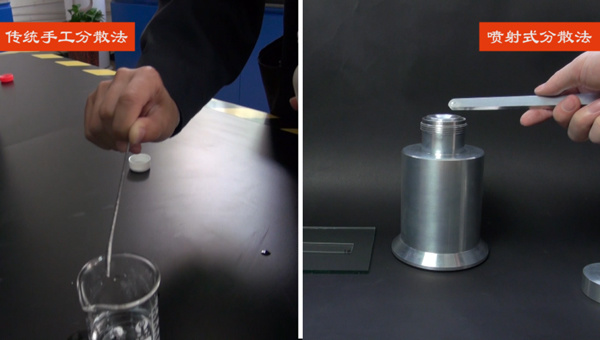
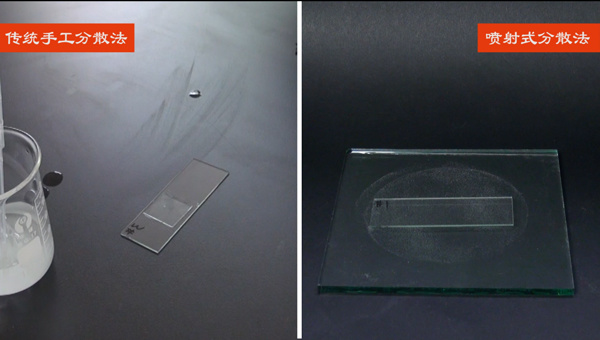
Traditional manual dispersion methods often employ liquid dilution dispersion techniques. First, the sample is placed in a diluent (e.g., pure water or anhydrous ethanol) and uniformly stirred. Next, an appropriate amount of the sample solution is aspirated using a dropper and dropped onto the center of a slide. A cover slip is then pressed onto it. Poor dispersion of particles is common, leading to the formation of bubbles or particle agglomeration.
The new type of particle disperser utilizes compressed air technology to stabilize airflow, which can remove static electricity from particles, quickly and effectively disperse agglomerated particles, prevent particle adhesion, and has excellent dispersibility.
2. Easy to operate
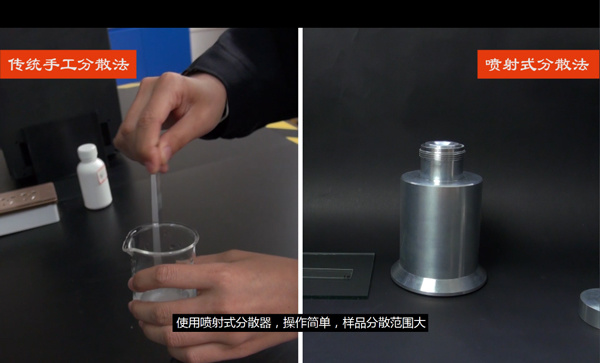
Traditional manual dispersion methods are cumbersome, requiring solvents to increase costs and having certain operational experience requirements. In traditional particle dispersion samples, it is easy for particles not to be fully dispersed, leading to agglomeration phenomena. Microscopic bubbles and other interfering factors may contaminate the slides, affecting the test results.
The new particle disperser features a dedicated independent dispersion chamber, offering mature technology. The particle dispersion operation is simple, requiring no experience, reducing human factors, and ensuring the accuracy of testing results.
Primarily applicable to:
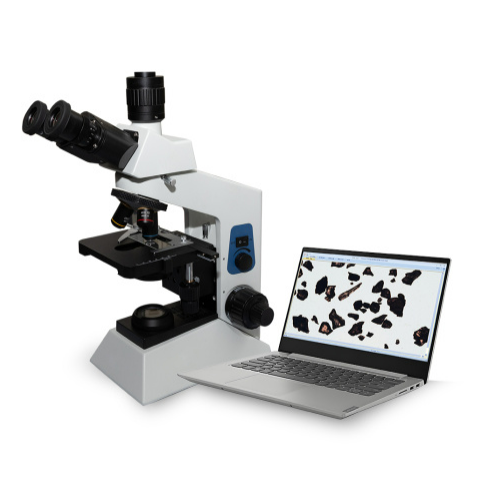
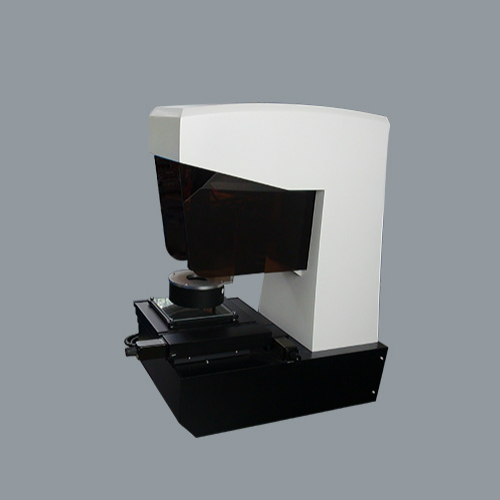
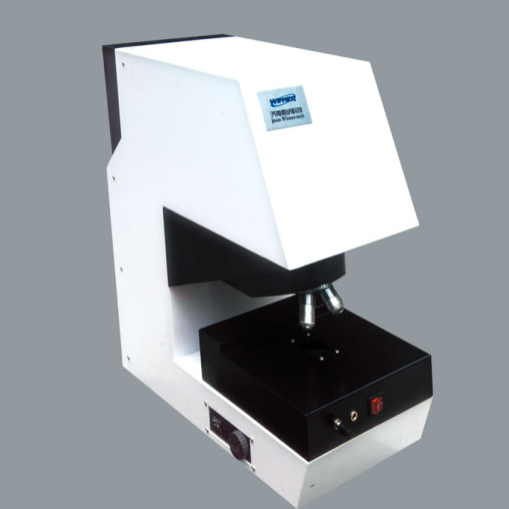
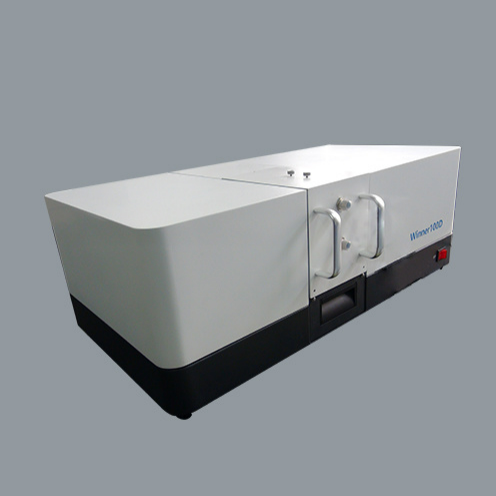
Static or dynamic particle size dispersion, for use with a particle image analyzer.
Technical Specifications:
Particle Size Distribution: 1um ~ 500um
Particle dispersion air pressure: 0~0.04 MP
Particle dispersion area: 88mm diameter particle dispersion circle
Operating Principle:
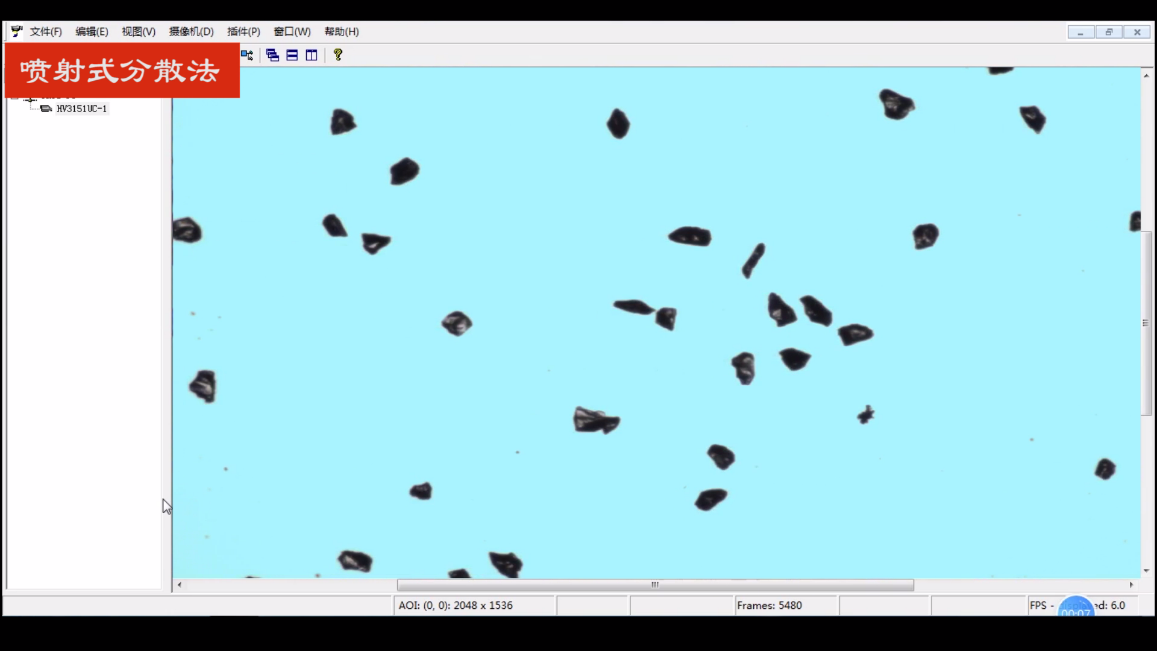
Dry granule positive pressure dispersion utilizes the Venturi tube principle. As the granule flow passes through the dispersion chamber, it disperses agglomerated particles, which then settle onto a glass panel or slide, forming a uniformly dispersed granule test sample.
The particle effect after dispersion is shown as follows.
Structural Characteristics:
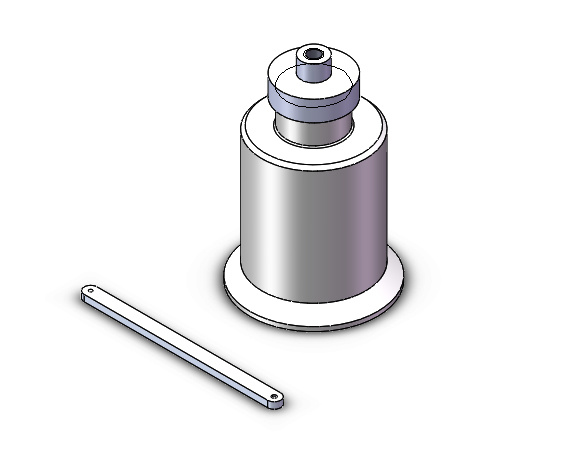
The disperser consists of a sampling spoon and a dispersion chamber, as shown in the figure below.
Sample Testing:

Place the slide on the center of a clean glass plate, ensuring it is properly positioned.
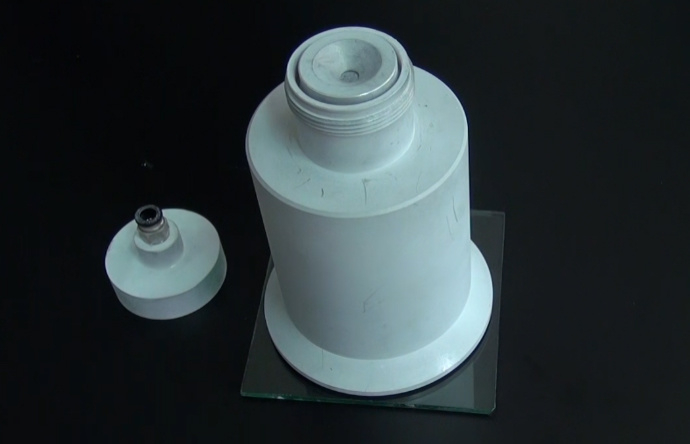
2. Rotate to open the sample window cover of the disperser and wait to place the sample.
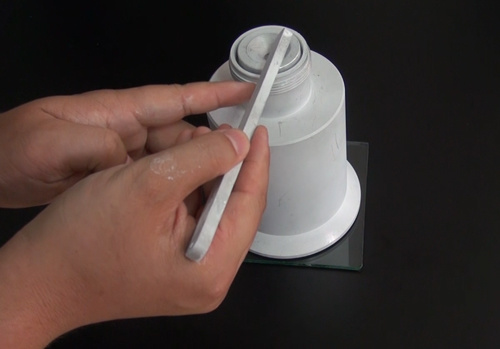
3. Place the test sample particles into the new disperser sample window using a sampler.
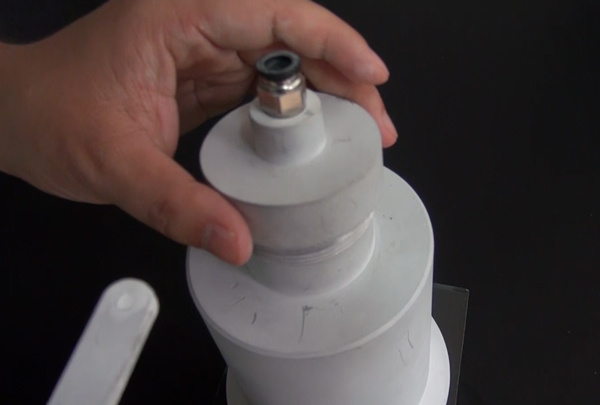
Remove the disperser sample window cover and tighten it above the disperser.
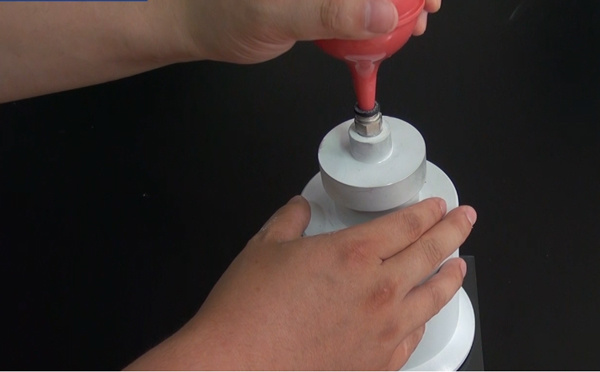
5. Insert the air conduit into the vent hole above the sample window, operate to introduce compressed air, and ensure the sample is thoroughly dispersed.
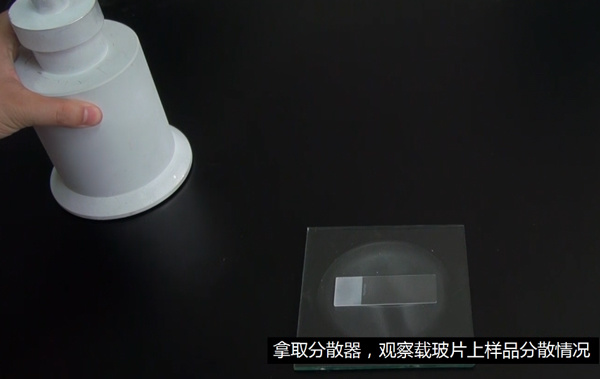
6. Disconnect the air tube and gently remove the new disperser.
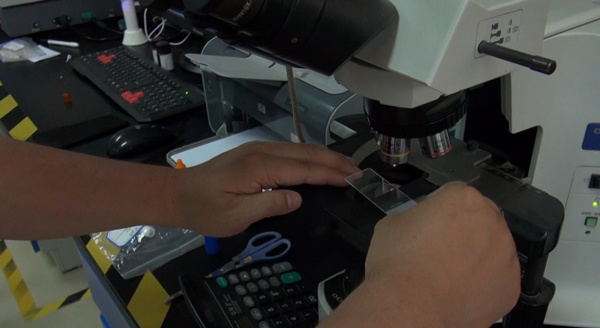
7. Place the slides under the 99E or 219 for testing, and a conclusion report can be obtained.
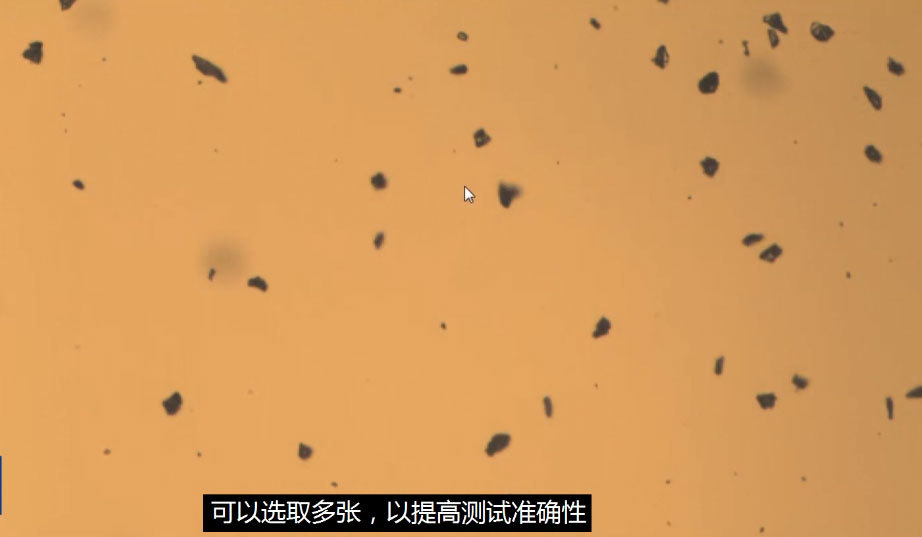
8. Suitable for static or dynamic particle size testing.
Sample Report:
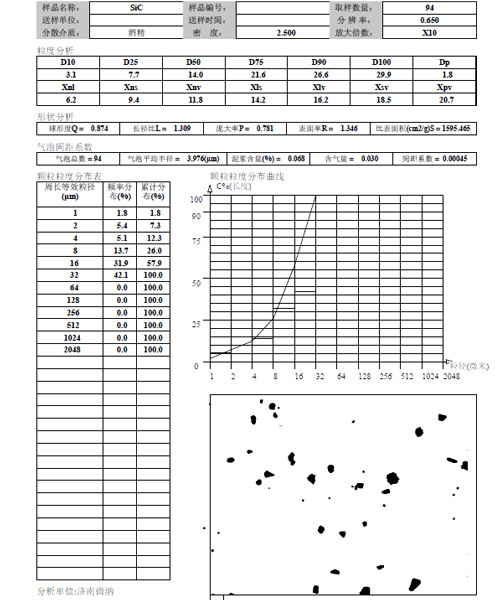
Pellet Morphology and Particle Size Distribution Report