







Loading Dock Platform
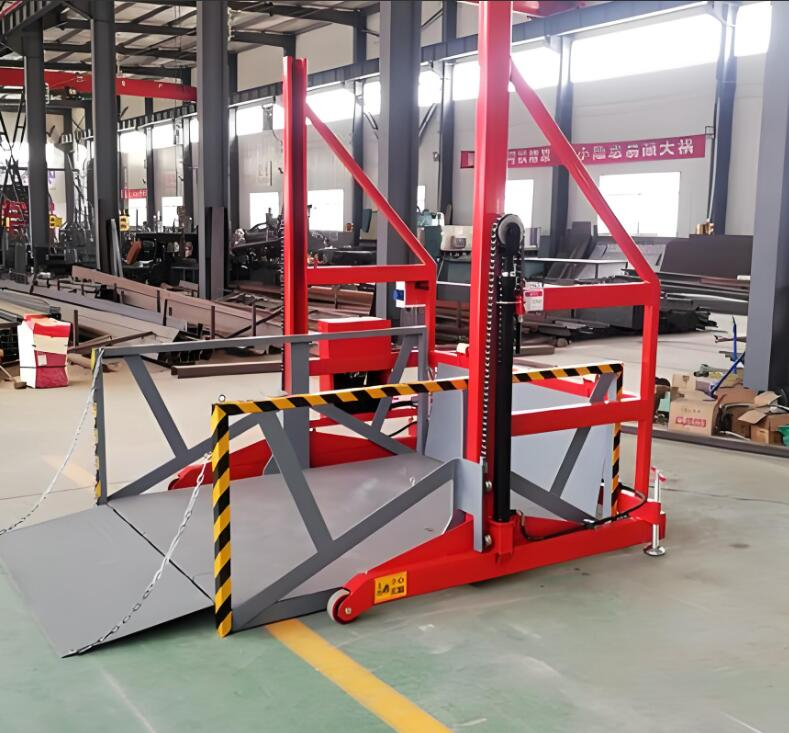
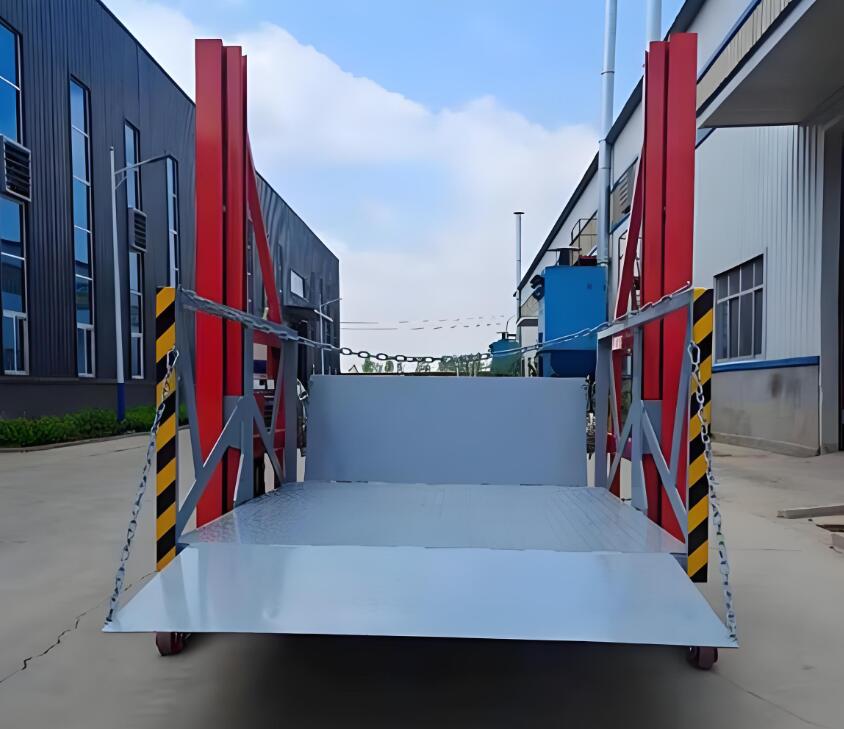
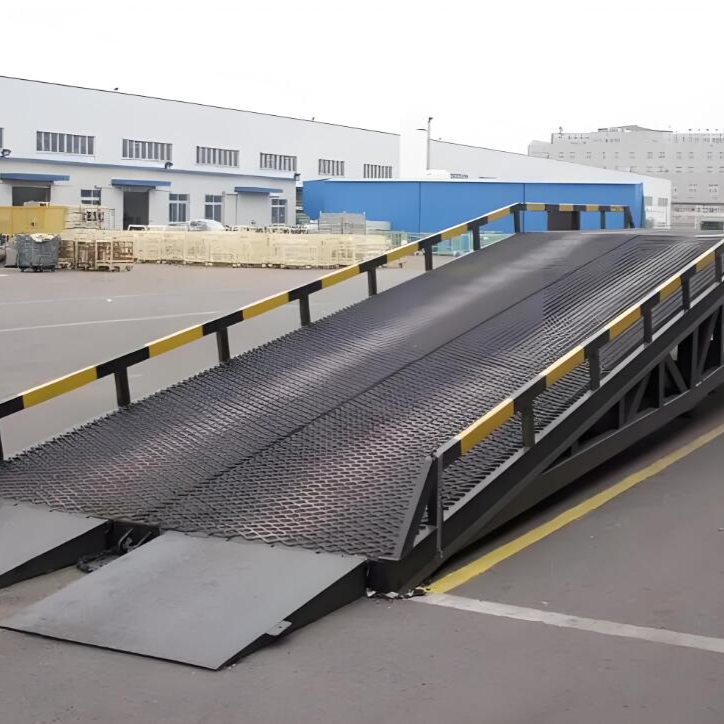
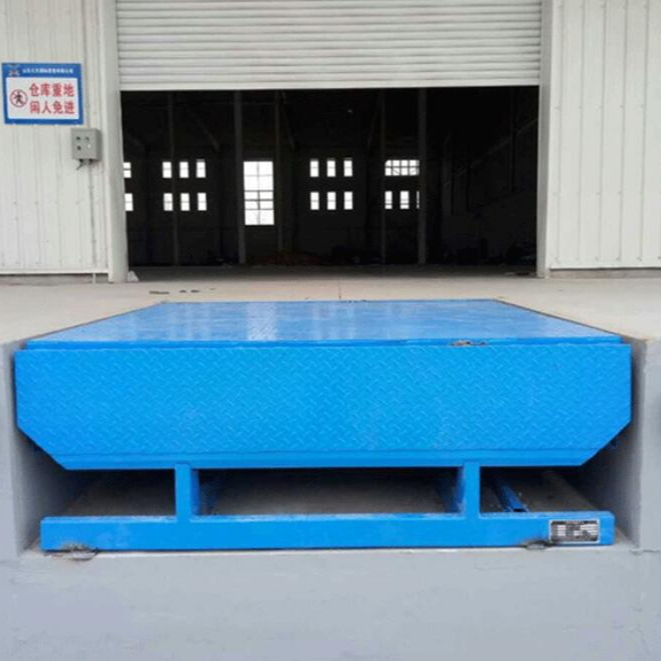
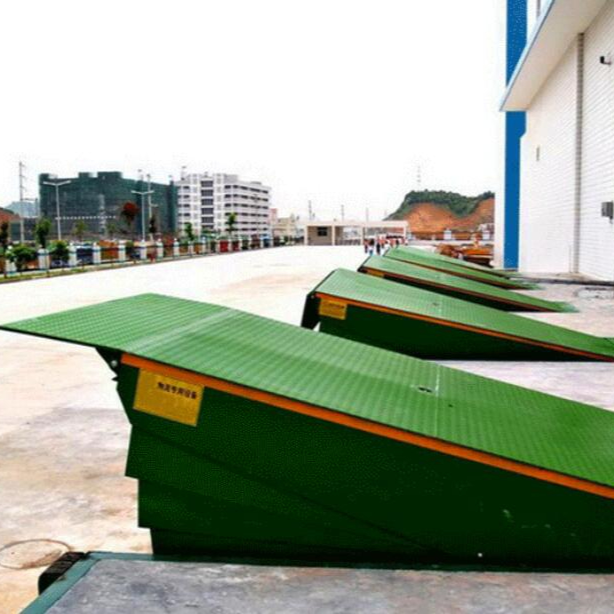
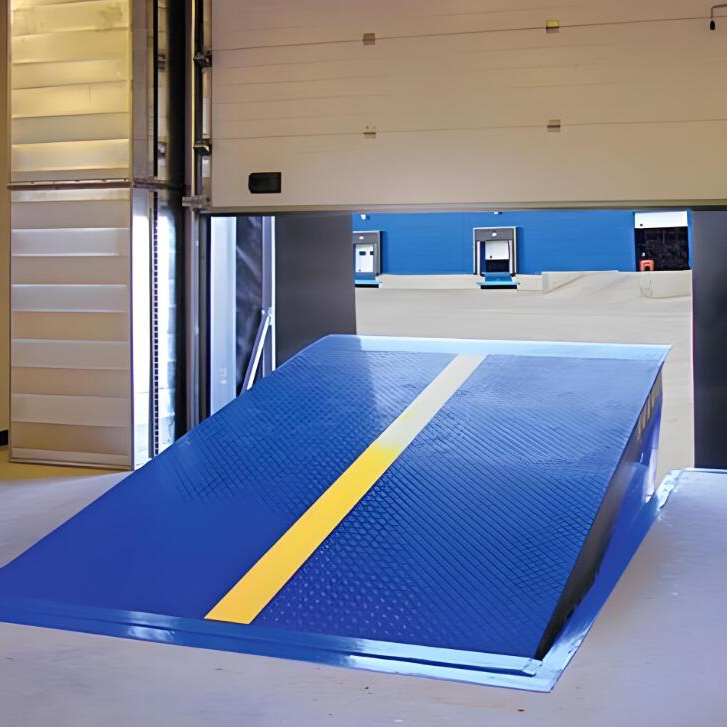
Loading/unloading platform (also known as loading/unloading deck, dock, or loading ramp, height-adjustable platform, etc.). It is a crucial component of the entire facility's process. The loading/unloading platform is the starting and ending point of the material flow within the facility. The platform is a bridge design used during loading/unloading operations to connect the deck with the rear gap of the truck. Different types of trucks have rear ends that are either higher or lower than the deck. The loading platform elevates and lowers to connect with the truck's rear end, allowing forklifts to freely enter and exit the truck for safe and smooth transportation operations.
Safety Operation:
The unloading platform is also a place harboring many dangers (including forklift accidents falling off the platform), thus, its safety design must match the high standards of other systems in the facility, with a focus on minimizing these risks. Caution cannot be taken lightly to ensure the safety of operators and production. Therefore, the unloading platform must be designed by professional manufacturers based on the actual usage needs of the users.
Usage:
Modern loading and unloading platforms usually come equipped with adjustable loading platforms. These adjustable loading platforms are one of the auxiliary equipment for industrial logistics handling and loading/unloading. They are typically (integrated) installed at loading/unloading docks to adjust the height difference and gaps between the docks and transport trucks. This ensures that handling equipment (such as forklifts or manual hydraulic trolleys) can freely enter and exit the truck beds to perform material loading and unloading operations.
Structure and Principle:
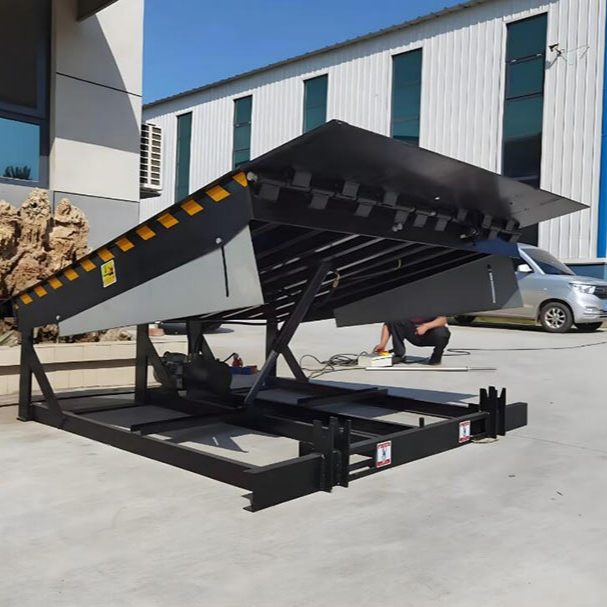
Structure: Consists of three main parts, the base, the load-bearing plate, and the power system.
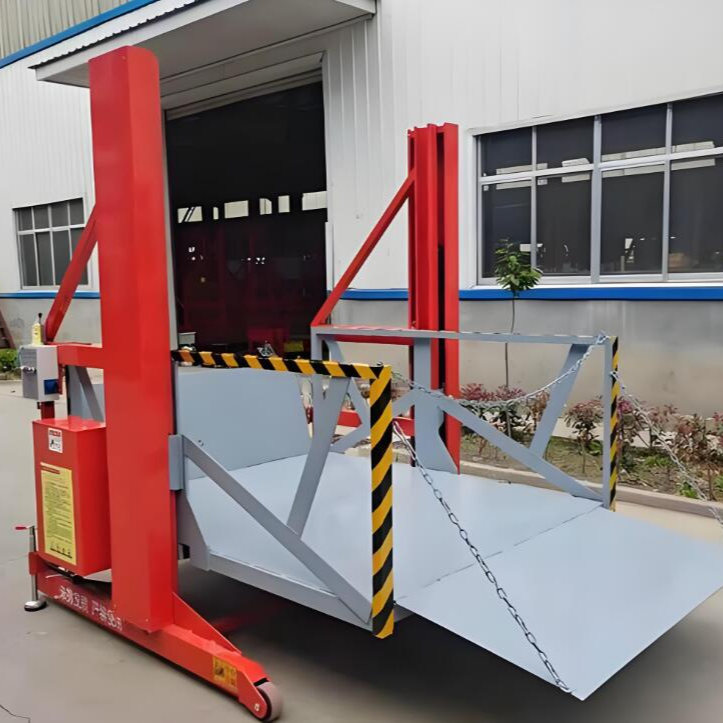
The base is fixed to the loading and unloading platform. The loading board is divided into the main board and the auxiliary board. During operation, the main board is raised by the power system. Once the main board is fully raised, the auxiliary board begins to lift. When the auxiliary board reaches the same level as the main board, the lifting stops and transitions to descending to connect with the undercarriage of the truck. At this point, the bridge between the loading and unloading platform and the truck is connected, allowing for quick and safe back-and-forth movement of handling tools within the truck.
Application of the Loading Dock Height Adjustment Plate:
Adjustable rack height plates are widely used in industrial, commercial, and agricultural warehouses, logistics, and distribution centers. They appear in various forms across different settings and play a crucial role.
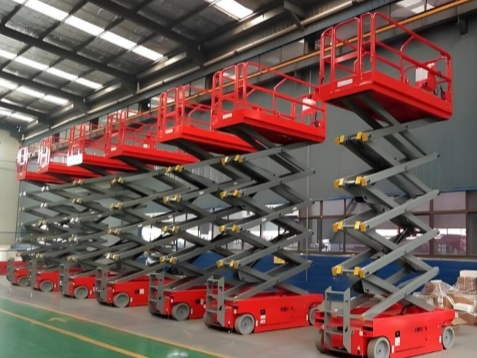
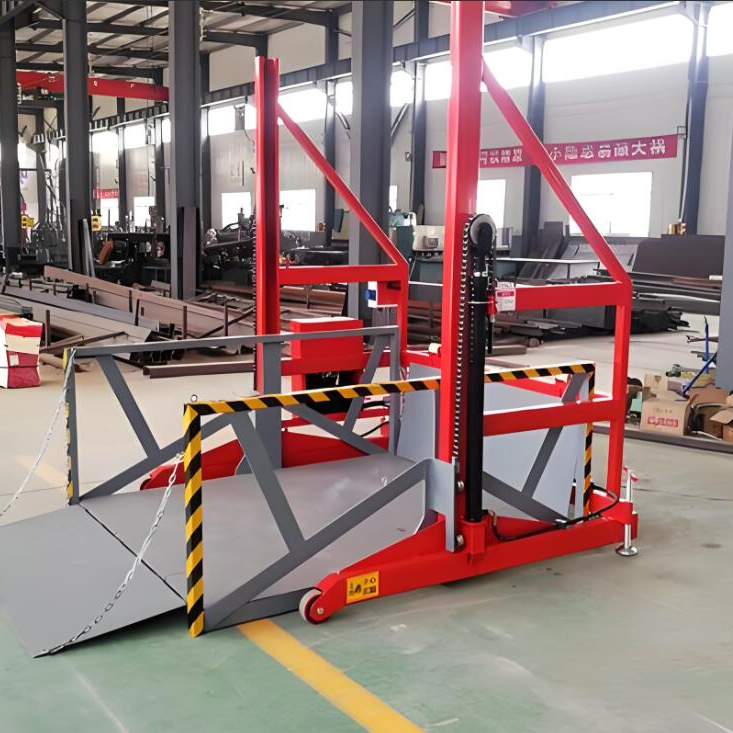
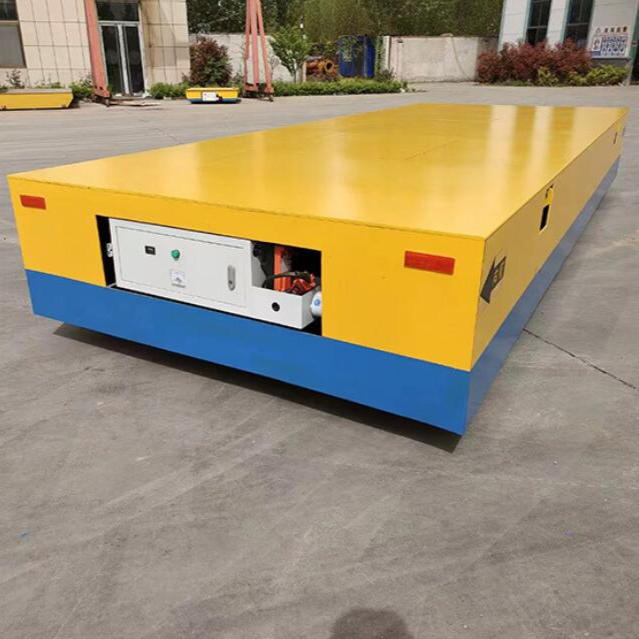
Product Real Photos: