







Fixed Boarding Bridge
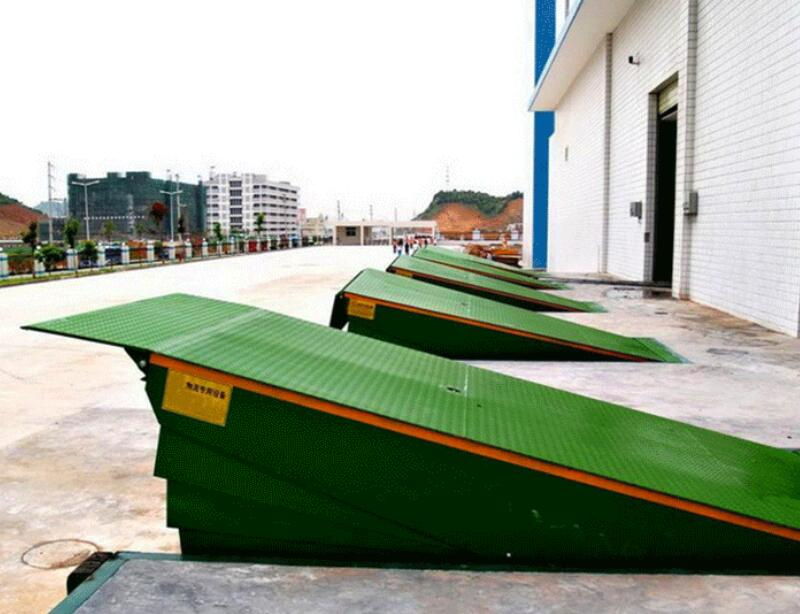
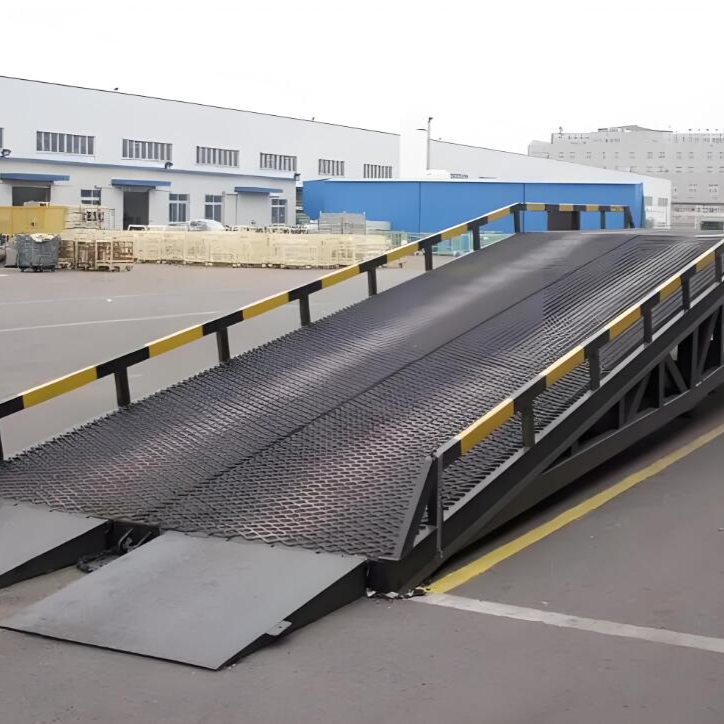
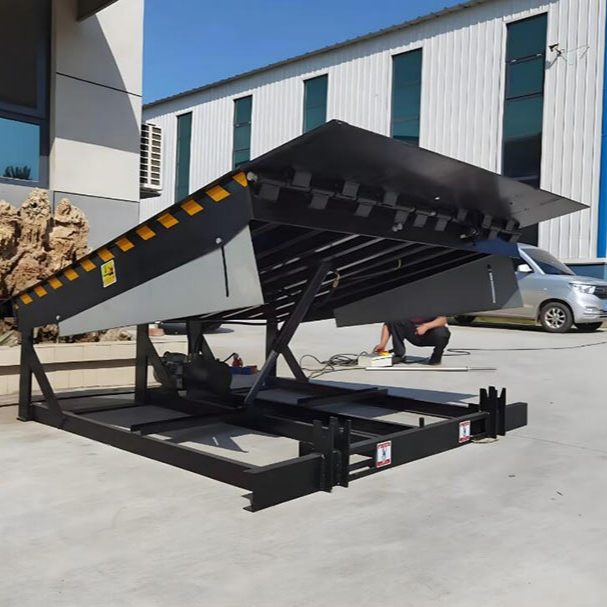
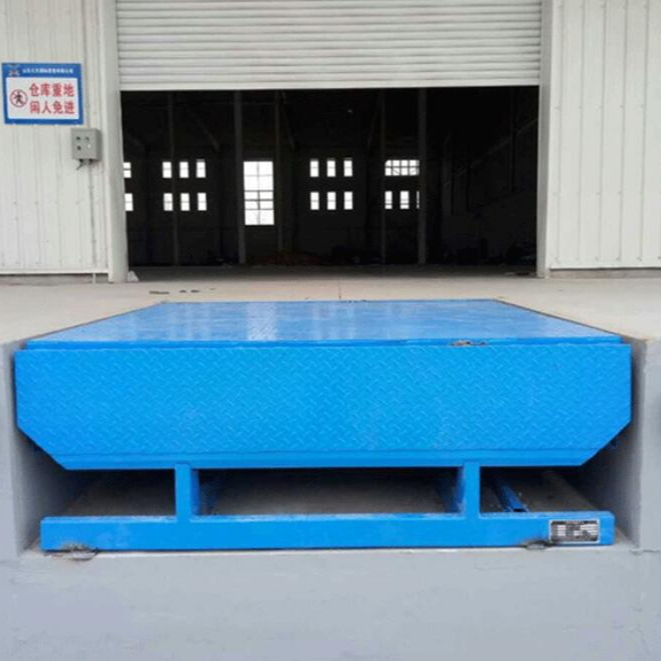
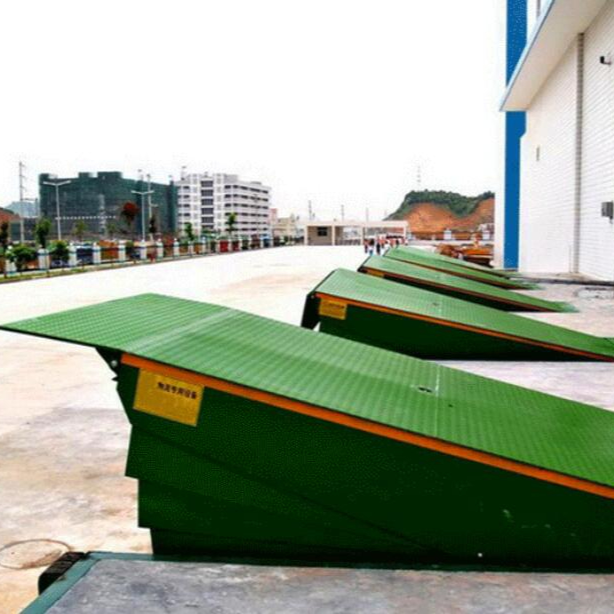
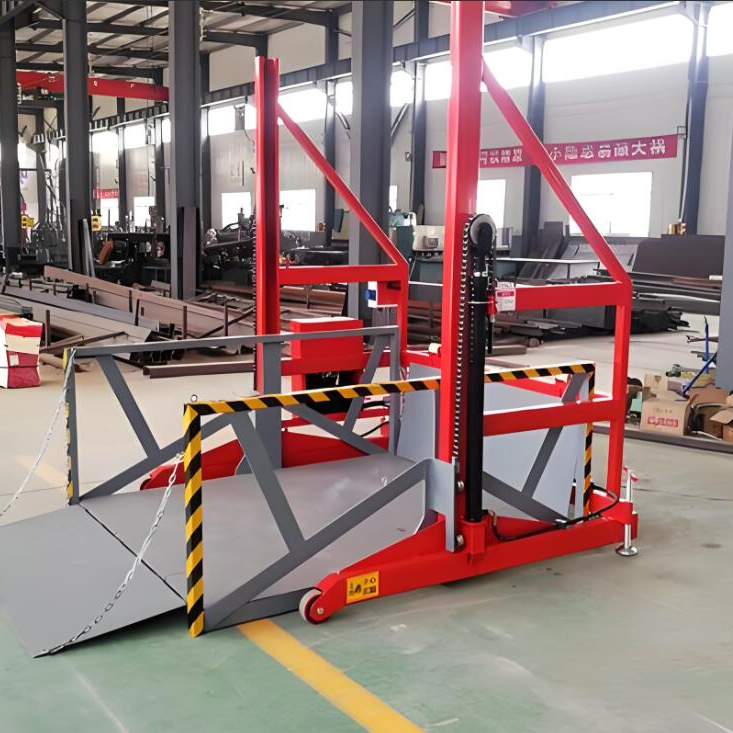
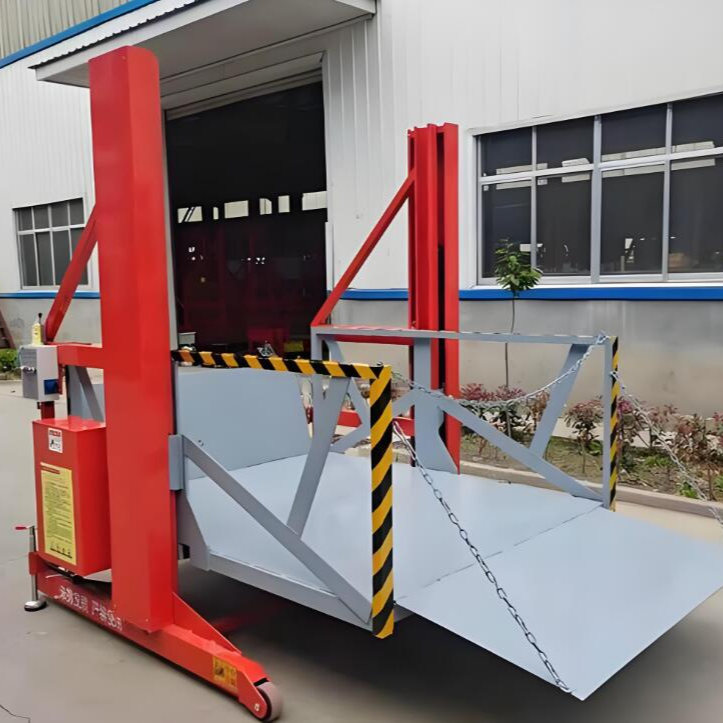
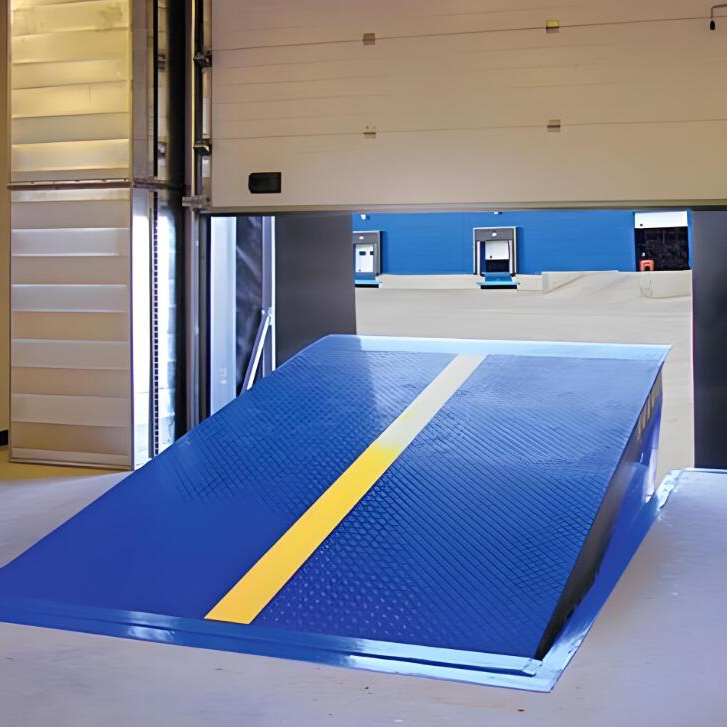
A fixed-type loading bridge is an auxiliary handling equipment used in conjunction with warehouse platforms. It forms an integrated bridge between the truck and the warehouse platform, enabling rapid loading and unloading of goods. Below is a detailed introduction to its features, application scenarios, and purchasing suggestions:
I. Product Features
- All-hydraulic drive
- Utilizing imported hydraulic pump stations, operation is simple and reliable. The main worktop and extension board can be raised and extended through the hydraulic system, ensuring smooth and safe operation.
- Sturdy structure
- Manufactured with high-strength steel (such as superior Q235 steel plate) and utilizing professional welding techniques, the overall structure is robust and durable for long-term stable operation.
- Highly adjustable
- Adjustable to different heights of truck trailers, with a wide range for easy forklift access, enhancing loading and unloading efficiency.
- High safety performance
- Anti-crush aprons are installed on both sides to prevent toes from extending into the platform and causing accidental injury.
- Equipped with safety support poles to ensure the safety of maintenance personnel when entering the interior of the boarding bridge for maintenance.
- The hydraulic system is equipped with a reliable speed valve to prevent free-fall of the loading/unloading platform and its load.
- Low maintenance cost
- Simple structure, with reliable quality of main components; daily maintenance requires only regular inspections and simple care, such as changing hydraulic oil and lubricating moving parts.
- Anti-slip design
- The platform is equipped with anti-slip patterned steel plates, offering excellent anti-slip properties and ensuring safe operation.
- Customizable flexibility
- Customizable to various locations and usage requirements, such as different lengths, widths, and load capacities.
Section II: Application Scenarios
- Logistics and Warehouse Industry
- Container Handling: At cargo terminals, it involves moving containers stacked on the ground onto ships or trucks.
- Product Sorting and Transshipment: Connects different levels of shelves and loading/unloading platforms in large warehouses or logistics centers.
- Factory Workshop
- Production Line Connection: Connects production lines and equipment of different heights for quick transfer of materials and products.
- Heavy Equipment Transportation: Offering stable support and convenient pathways for the transportation of heavy or large equipment.
- Parking and Traffic Facilities
- Large transport vehicle loading and unloading: Offering a convenient loading and unloading platform for trucks, vans, and similar vehicles.
- Public Transportation Infrastructure Maintenance: Connects repair platforms and equipment at different heights for convenient operations by maintenance staff.
- Special circumstances
- Petroleum & Chemical Logistics: Meets high-intensity corrosion resistance requirements and is adaptable to special environments.
- Emergency repair work: Connects different-height repair areas and work platforms for quick operations by repair personnel.
III. Purchase Recommendations
- Define Requirements
- Select the appropriate load capacity based on the weight of goods in daily operations to prevent bridge damage due to overloading.
- Focus on the height adjustment range
- Choose boarding bridges that can accommodate various heights to suit different warehouses and transportation vehicles.
- Materials and Structure
- High-quality steel or aluminum materials offer improved load-bearing capacity and corrosion resistance, with reasonable structural design enhancing stability.
- Safety
- Select a boarding bridge with a non-slip surface, safety guardrails, and adjustable rope chains to ensure safe operation.
- Convenience and flexibility
- Consider the customization flexibility of the boarding bridge, and whether it can accommodate specific site requirements.
- Price and Value for Money
- Compare prices and performance of various products to select one that fits your budget and meets your requirements.
- After-sales Service
- Choose manufacturers with good reputation and word-of-mouth, ensuring quality after-sales service.
Section 4: Technical Parameters Example
- Width: 1.8 meters to 2.5 meters (standard width of 2 meters suits most medium-sized trucks and forklift operations).
- Length: 3.5 to 4.5 meters (ensuring smooth fitting with trucks of varying heights).
- Height: 0.8 to 1.2 meters (adjustable based on warehouse floor and truck chassis height).
- Load Capacity: Typically ranges from 6 to 10 tons, with some custom models capable of higher loads.