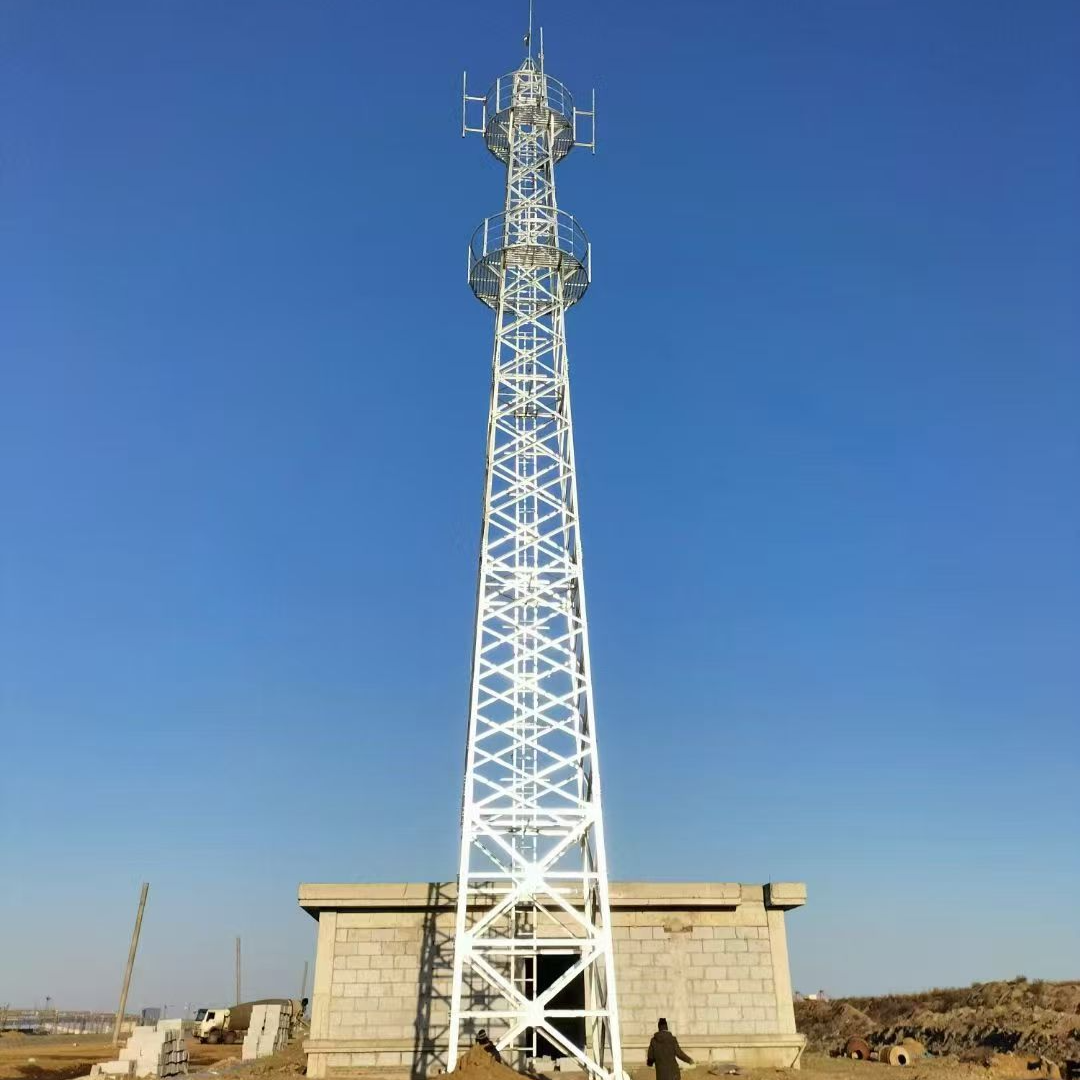















Communication towers are a type of signal transmission tower, also known as signal transmission towers or signal masts. Their primary function is to support signal transmission, providing support for signal transmission antennas. They are used in mobile, Unicom, Telecom, traffic satellite positioning systems (GPS), and other communication departments.
Communication towers are categorized into ground communication towers and rooftop communication towers (also known as telecommunication towers). Regardless of whether the user chooses to build on the ground, hills, mountains, or rooftops, these towers all serve the purpose of elevating communication antennas.
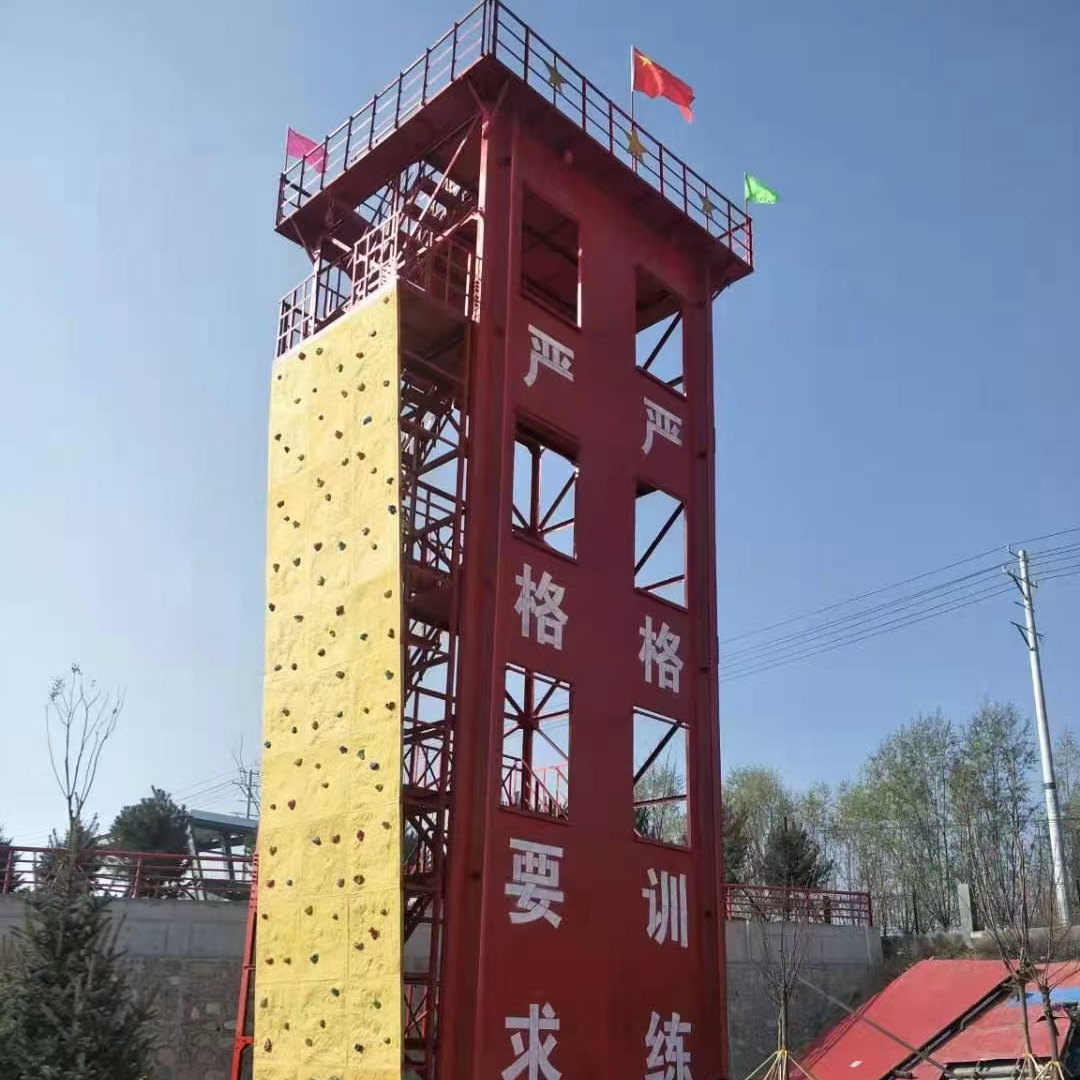
Communication towers are composed of steel structures such as the tower body, platform, lightning rod, ladder, and antenna support, all of which are treated with hot-dipped galvanized corrosion protection. They are mainly used for transmitting and emitting microwave, ultra-shortwave, and wireless network signals. To ensure the normal operation of the wireless communication system, communication antennas are typically placed at high elevations to increase the service radius and achieve ideal communication effects. Since communication antennas require a tower to increase height, communication towers play a crucial role in the communication network system.
The tower typically features a four-leg self-standing design, with wind resistance up to 12 levels and seismic rating of 8 levels. The height is usually over 60 meters, and the weight exceeds 10 tons. The main materials are supplied by domestic large-scale steel mills. The anti-corrosion process ensures an effective service life of over 30 years, and provides 20 years of free maintenance service. Depending on the structure, it can be categorized into three types: four-column angle steel towers, four-column steel pipe towers, and three-column steel pipe towers. Angle steel towers have strong load-bearing capacity but occupy more space, while steel pipe towers offer superior overall performance. Design must comply with steel structure specifications, with a focus on wind speed parameters and the impact of horizontal wind loads on stability.