







Special adaptation of the system for cold chain logistics transportation
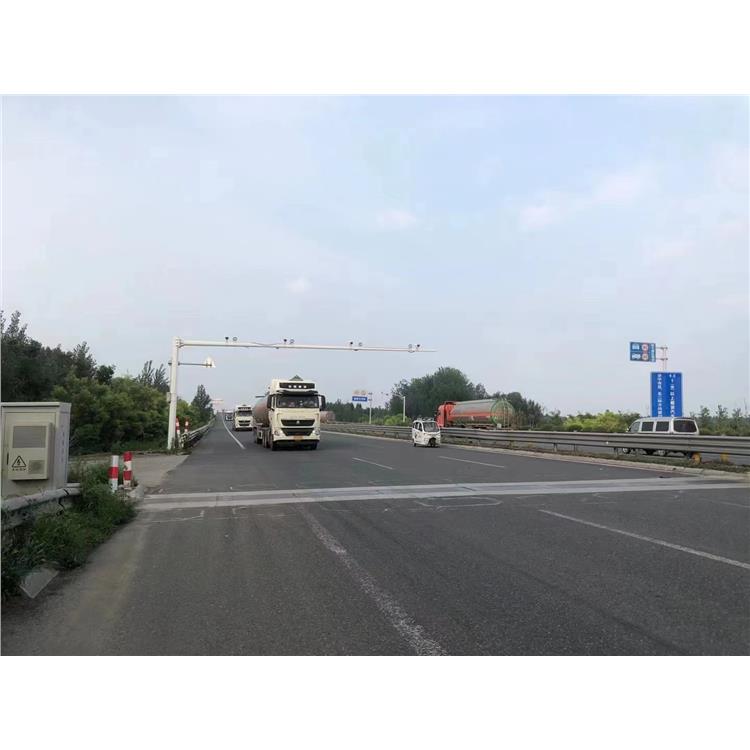
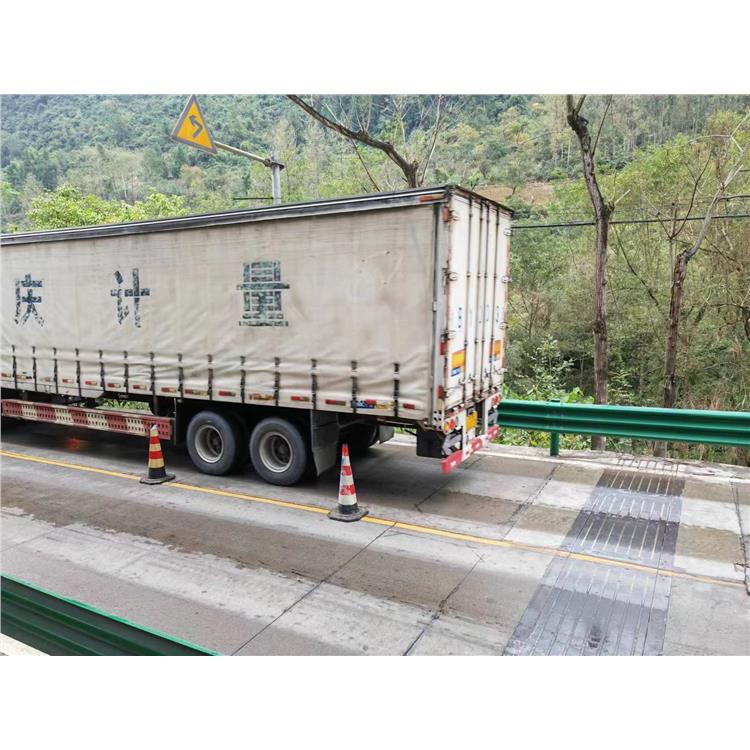
Refrigerated logistics vehicles, due to the installation of refrigeration equipment, have a different body structure from standard trucks, and the goods (such as fresh produce, pharmaceuticals) are sensitive to transportation time. The non-stop over-limit and over-load detection system is specially adapted to these characteristics. During the vehicle identification phase, the system uses deep learning algorithms to train a dedicated refrigerated vehicle identification model, distinguishing between refrigerated vehicles and standard trucks to avoid misjudgment of axle types due to body structure differences. In terms of detection efficiency, the detection process is optimized, reducing the time from entering the detection area to completing data upload to 2 seconds, minimizing the stay time of refrigerated vehicles and ensuring the freshness of the goods. Additionally, the system can be equipped with additional temperature sensors to monitor the refrigeration temperature of refrigerated vehicles in real-time. If the temperature exceeds the normal range, it simultaneously triggers temperature and over-limit warnings, achieving dual supervision of "weight + temperature" to ensure the safety of refrigerated logistics transportation.
Solar Power Supply Technology: "Energy Assurance" for Complex Environments
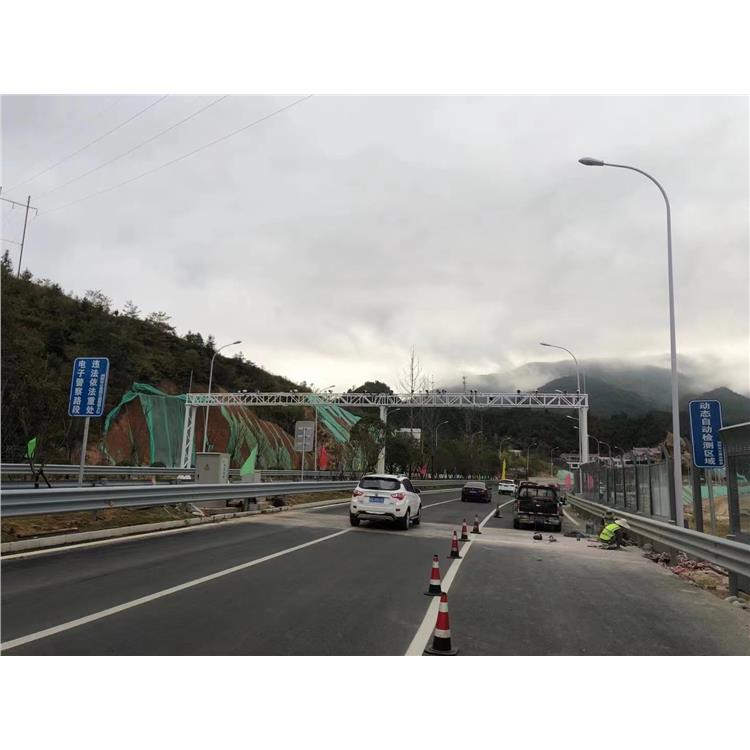
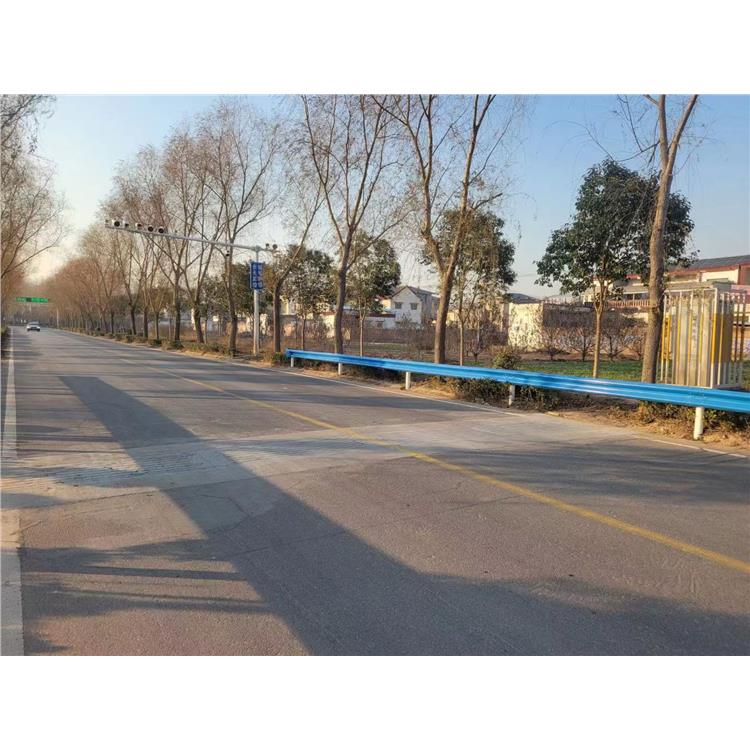
In remote mountainous areas, rural roads, and other environments lacking stable power supply, the non-stop overweight and overloading detection system utilizes solar power technology to ensure continuous operation of the equipment. The system is equipped with solar panels, storage batteries, and an intelligent charging controller. During the day, the solar panels convert light energy into electricity to power the equipment while charging the storage batteries. At night or during rainy days, the stored energy powers the system, ensuring 24-hour continuous operation. The solar power system boasts ease of installation, low maintenance costs, and other advantages, adapting to complex and diverse application environments. It solves the power supply problem for detection equipment in remote areas, extending weight and load enforcement to every key section of the road.
License Plate Recognition and Information Integration: A Key Component of Law Enforcement
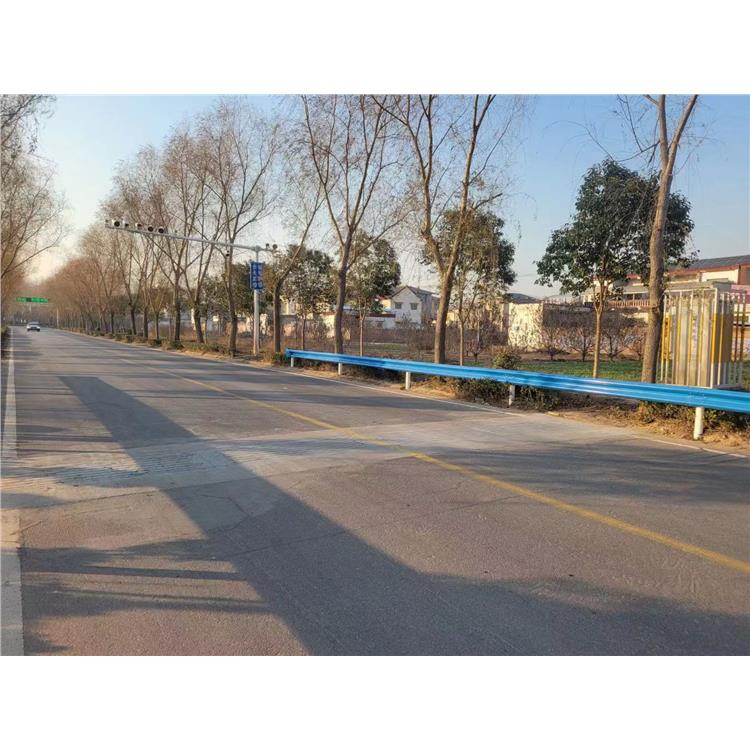
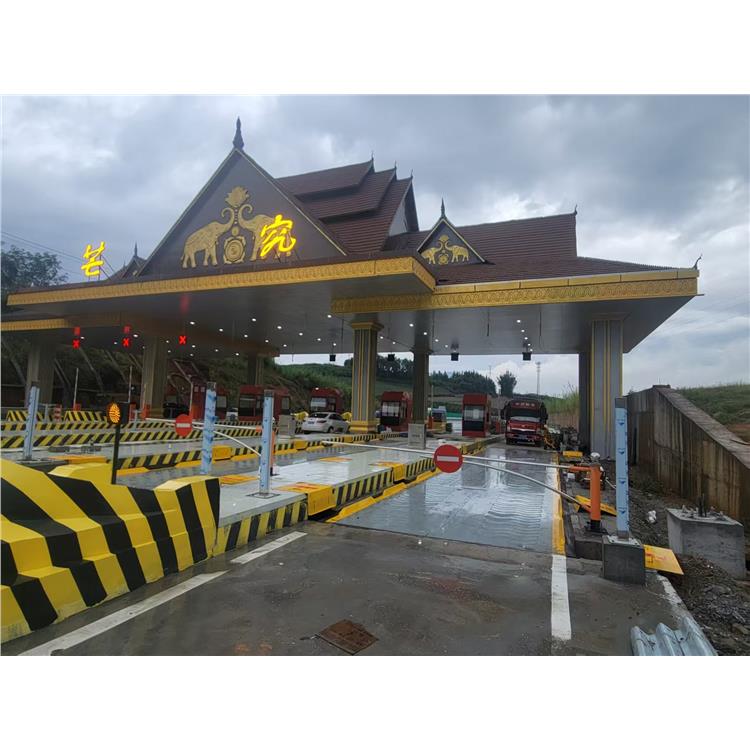
License plate recognition technology is a crucial support for the enforcement of overweight and overloading detection systems without stopping. The system captures vehicle images using high-definition cameras, extracts information such as numbers and vehicle types with image recognition algorithms, and correlates it with dynamic weighing data. At the same time, it accesses the vehicle database of the traffic management department to verify the registered load capacity and axle types in real-time, quickly determining if there is an overload. Once an overload is confirmed, the system automatically generates an evidence chain of enforcement, including weighing data, photos, and driving videos, which is simultaneously uploaded to the enforcement platform, providing the department with complete penalty grounds. This process requires no human intervention, achieving full automation of "detection - recognition - determination - evidence collection," significantly enhancing enforcement efficiency and effectiveness.
Artificial Intelligence Algorithms: The Core Engine for Enhancing Detection Efficiency
The application of artificial intelligence algorithms in the non-stop overloading and overweight detection system is primarily reflected in three aspects: data processing, anomaly identification and judgment. The system employs machine learning algorithms, training models through a vast amount of historical data to continuously optimize the weighing error correction algorithm and vehicle identification algorithm, thereby enhancing detection accuracy; utilizing deep learning algorithms, it can rapidly identify abnormal vehicle behaviors such as jumping scales, rushing through scales, and obstructions, automatically flagging suspicious data and prompting for review; through intelligent matching algorithms, it cross-verifies detection data with vehicle registration information, freight documents, and more to determine the presence of overloading, overweight, and illegal transportation. The integration of artificial intelligence technology equips the system with self-optimization and adaptive capabilities, significantly improving detection efficiency and accuracy.
WeChat Official Account

Scan to follow Official Account