







The role of high-speed toll station dynamic weighing equipment in the handling of emergency events at toll stations.
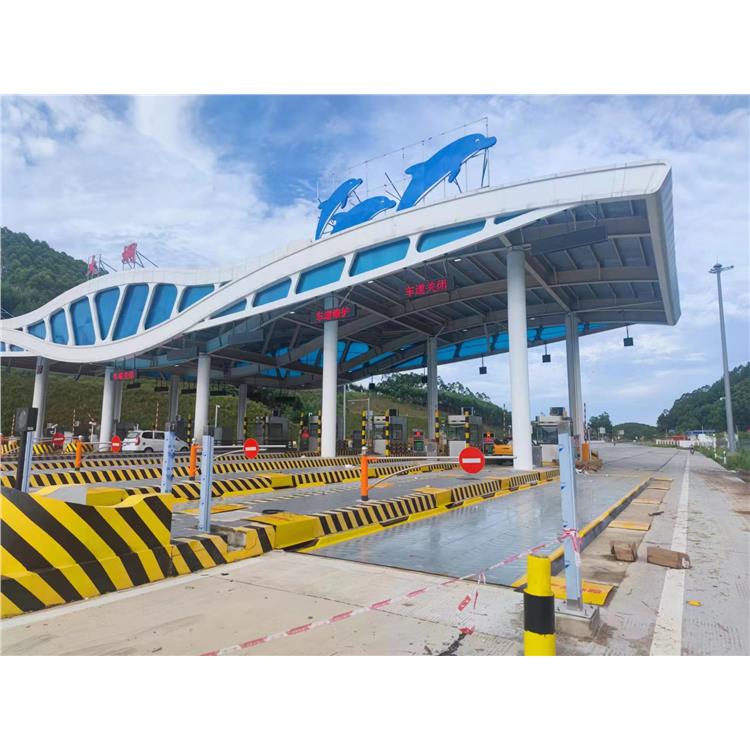
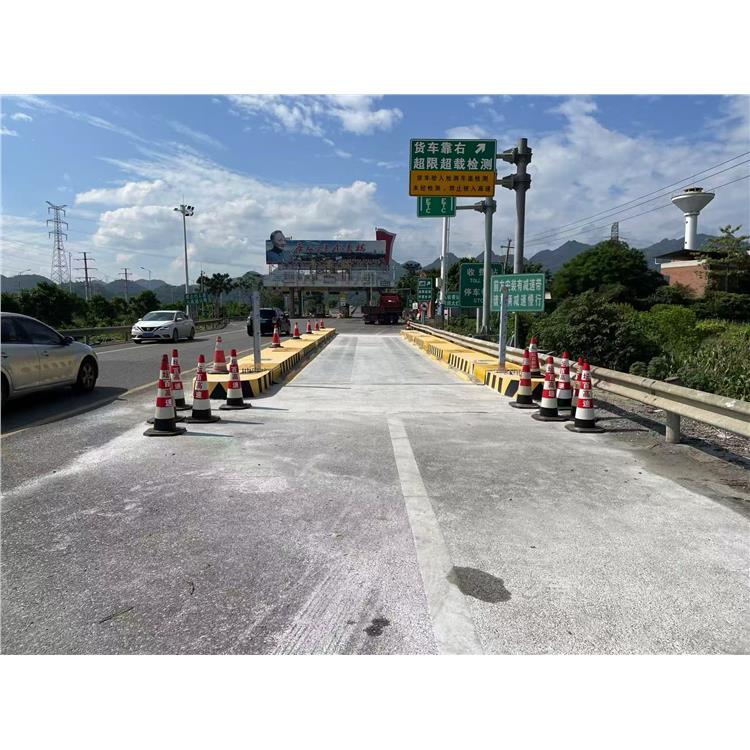
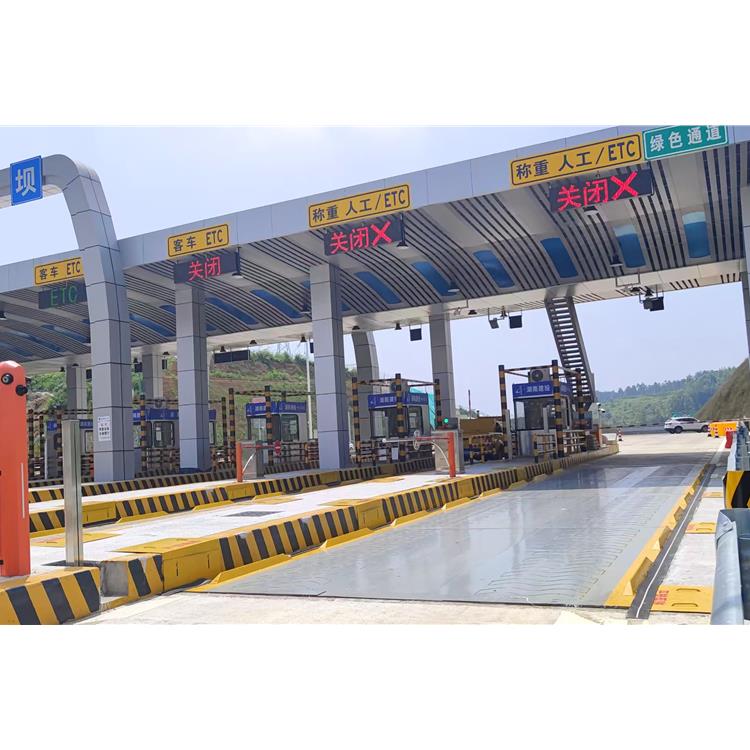
In the event of traffic accidents or equipment malfunctions at high-speed toll gates, dynamic weighing equipment plays a crucial role. When a lane at the toll gate is closed due to an accident, the equipment monitors and statistically calculates the traffic density and vehicle type distribution of the remaining lanes in real-time, and sends the data to the toll gate's emergency dispatch platform. The platform optimizes lane allocation accordingly (e.g., guiding trucks to lanes with dynamic weighing equipment and passenger cars to regular lanes) to avoid traffic congestion. If the accident involves overweight vehicles, the stored vehicle passage videos and weighing data can quickly reconstruct the vehicle's state prior to the accident, providing crucial evidence for accident responsibility determination. Additionally, during equipment repair at the toll gate, portable dynamic weighing equipment can be temporarily deployed to ensure continuous overweight enforcement without interruption, offering strong support for emergency event handling.
Dynamic Weighing Equipment for Toll Gates Integrated into Smart Toll Plaza Construction
In the construction of smart toll stations, dynamic weighing equipment serves as a core sensing device, deeply integrating with various smart technologies. The equipment data is connected to the toll station's smart management platform, where it interacts with systems like license plate recognition, traffic guidance, and emergency dispatch. When oversized vehicles are detected, the platform automatically adjusts the content displayed on the lane guidance screens to direct the vehicles to the appropriate lanes. Additionally, the platform uses AI algorithms to analyze historical data on oversized vehicles, predicting peak times and lanes for such occurrences, and proactively allocates enforcement personnel and equipment resources. Moreover, the equipment supports 5G communication, enabling real-time transmission of high-definition video and weighing data to the cloud for remote real-time monitoring and big data analysis. In unmanned toll stations, the equipment collaborates with unmanned toll collection robots to automatically complete vehicle weighing, oversize determination, and fee settlement processes without human intervention, driving the transformation of toll stations towards "unmanned and intelligent" operations.
The role of high-speed toll station dynamic weighing equipment in the verification of green passage vehicles at toll stations.
For express toll plaza green channel vehicles (fresh produce transportation vehicles), dynamic weighing equipment can complete the "weight verification" step, enhancing the efficiency of green channel verification. Green channel vehicles must meet the "legal loading" requirements (load capacity not less than 80% of the核定载质量 or volume not less than 85%). While detecting the total weight of the vehicle, the dynamic weighing equipment automatically calculates the loading rate by combining the vehicle cargo box volume measured by a laser contour scanner. If the loading rate meets the standard, the device transmits the data to the green channel verification terminal for quick assessment by staff. If the loading rate does not meet the standard, the system prompts "Please manually review the loading situation," to prevent "fake green channel" or "overload green channel" vehicles from improperly enjoying the toll exemption policy. This verification model reduces the green channel vehicle verification time from 3-5 minutes to 1-2 minutes, improving the throughput efficiency of green channel vehicles at toll plazas.
High-speed toll station dynamic weighing equipment anti-interference technology and stable operation guarantee
The complex environment of high-speed toll plazas requires dynamic weighing equipment to ensure stable operation through multiple anti-interference technologies. At the sensor level, a sealed, waterproof, and dustproof design is used, with a protection grade of IP68, capable of withstanding rain immersion and dust accumulation; the sensor surface is covered with wear-resistant alloy material, with a compressive strength of 300kN, capable of withstanding long-term heavy vehicle traffic without damage. In terms of signal processing, the device employs electromagnetic shielding technology to minimize electromagnetic interference from toll plaza ETC devices and surveillance equipment, ensuring stable sensor signals; the software end filters out interference signals from vehicle braking and road irregularities through digital filtering algorithms, correcting errors. Additionally, the equipment features self-diagnostic capabilities, continuously monitoring the working status of sensors, cameras, and communication modules, immediately pushing out warnings in case of faults, ensuring an annual average of over 8,000 hours of trouble-free operation.
WeChat Official Account

Scan to follow Official Account