







Mining and forest areas: the "key leverage" for source-based overweight control
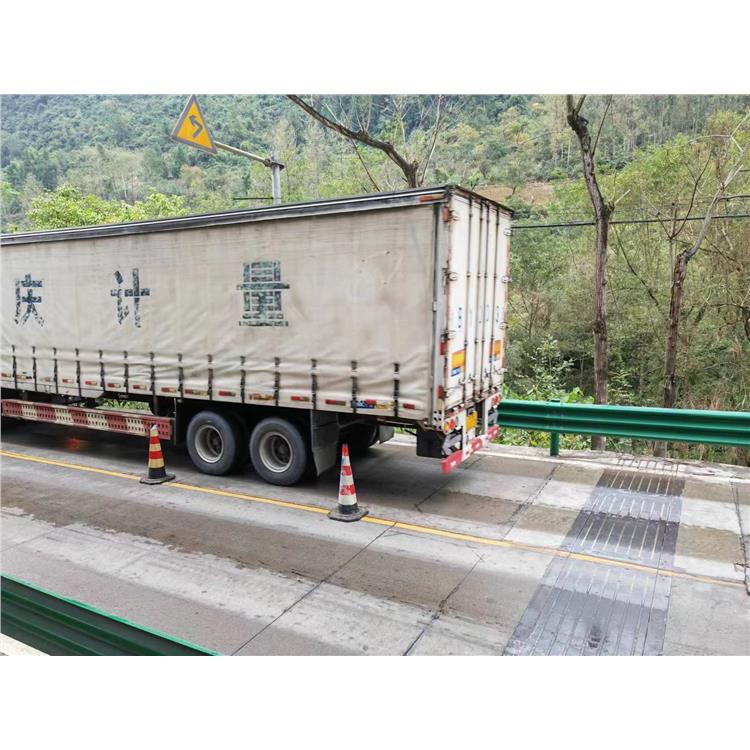
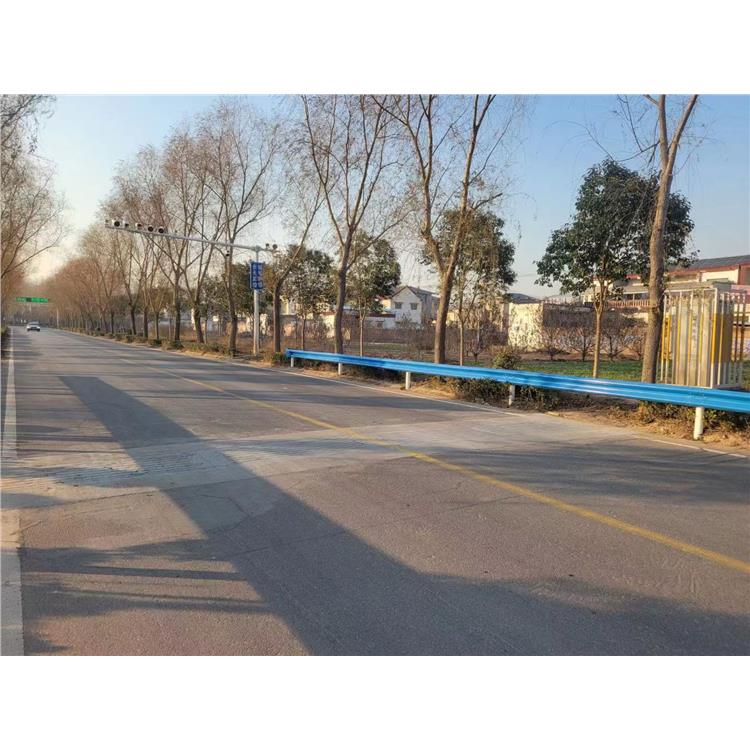
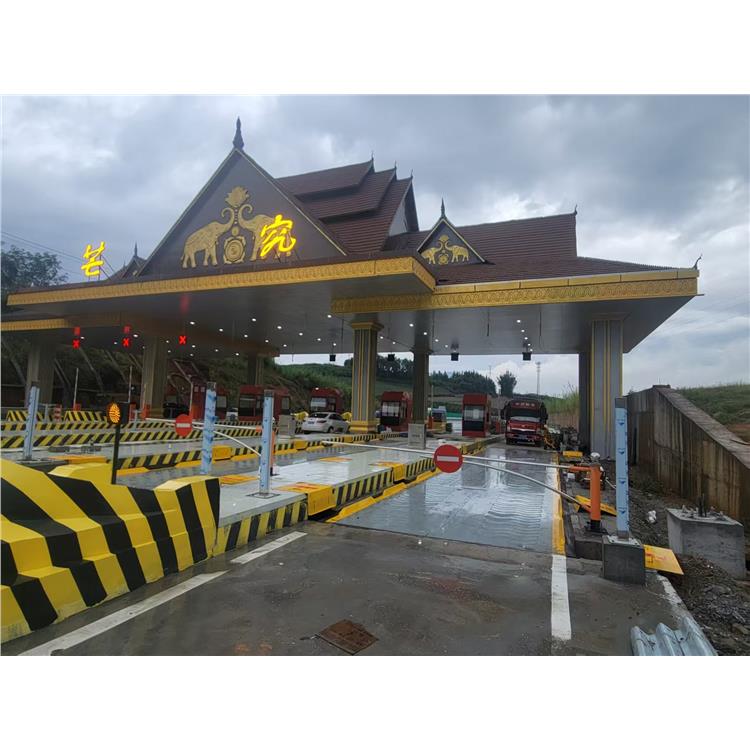
Mining and forest areas are the primary sources of overloading, with large volumes of cargo and complex vehicle types, making traditional weight control difficult. The non-stop overloading detection system focuses on "source control" in this scenario, deploying detection equipment at exit points of mining areas and key roads in forests to monitor outgoing vehicles in real-time. The system can identify vehicle axle types and核定载质量, and upon detecting overload, immediately triggers an alarm and联动 gates to block access, simultaneously synchronizing data to regulatory authorities. By targeting the source, the system effectively curtails the illegal practice of "overloaded vehicles on the road," reducing issues such as road collapses and traffic accidents caused by overloading, and provides technical support for ecological protection in mining and forest areas and traffic safety.
System Installation and Commissioning: Ensure Basic Operation
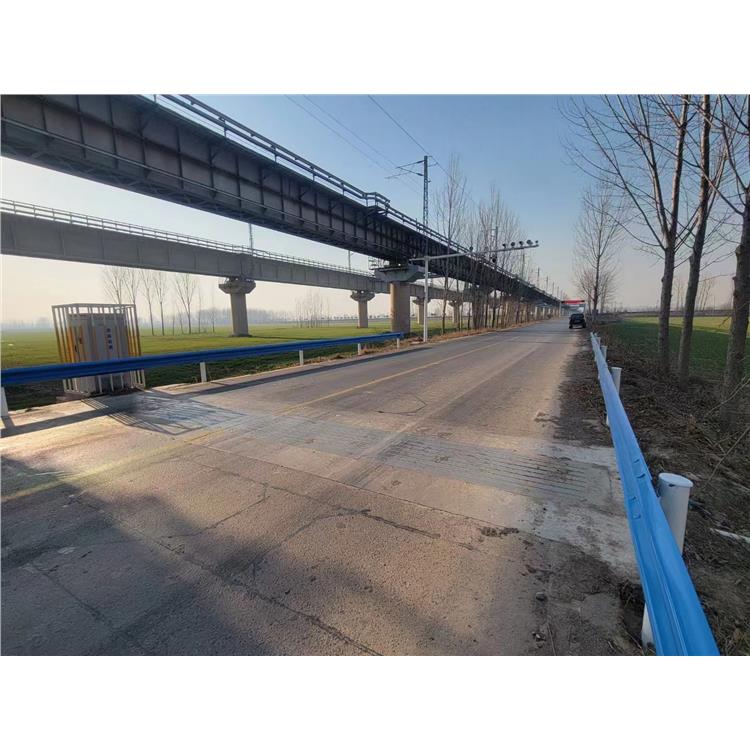
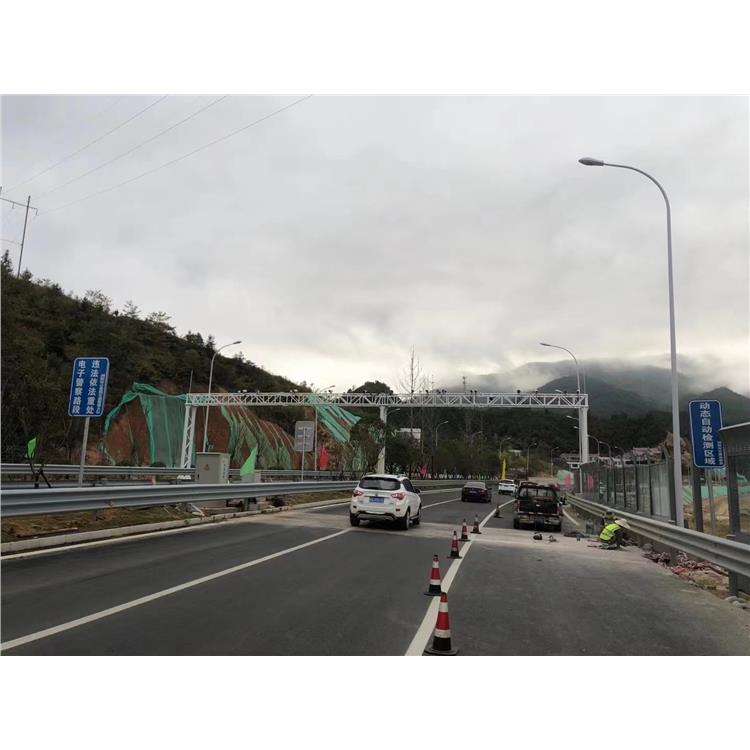
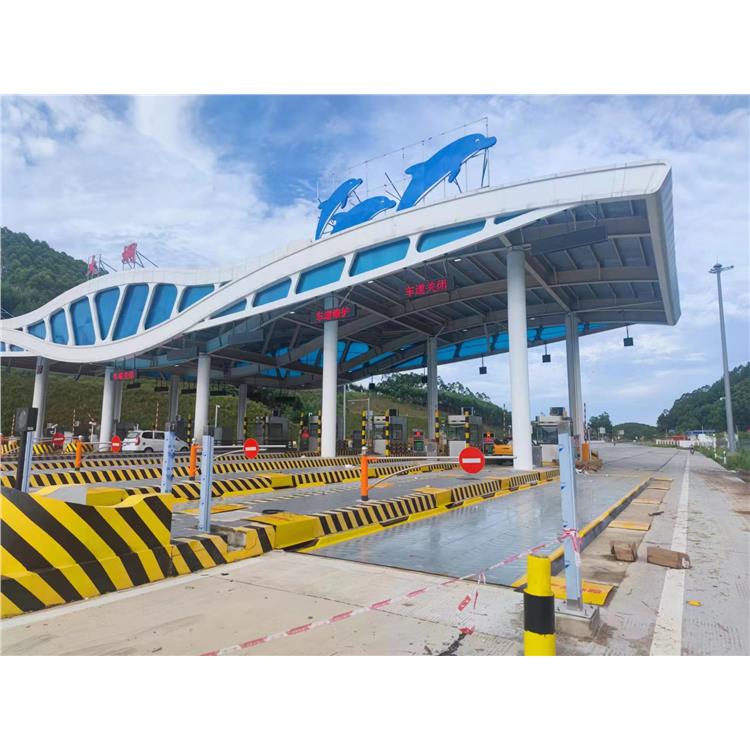
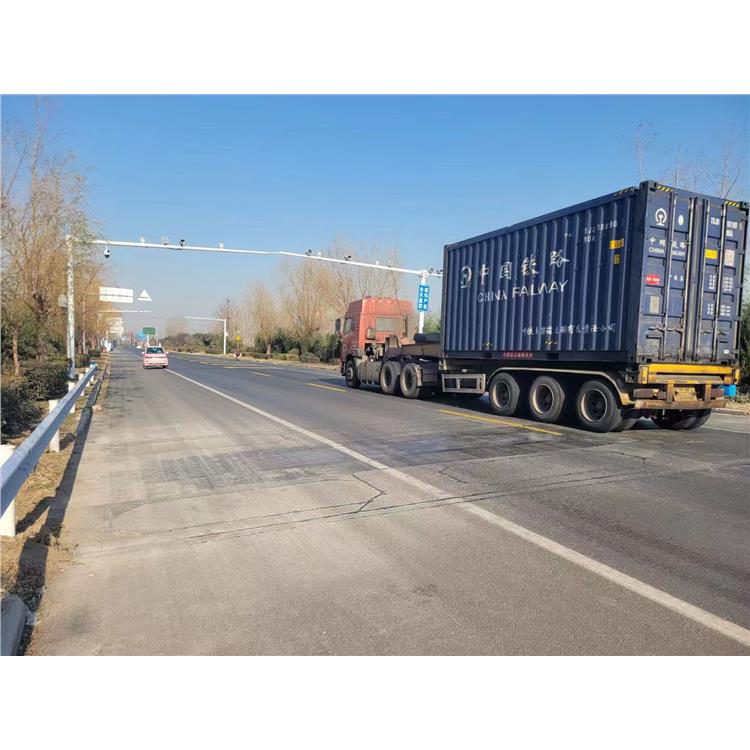
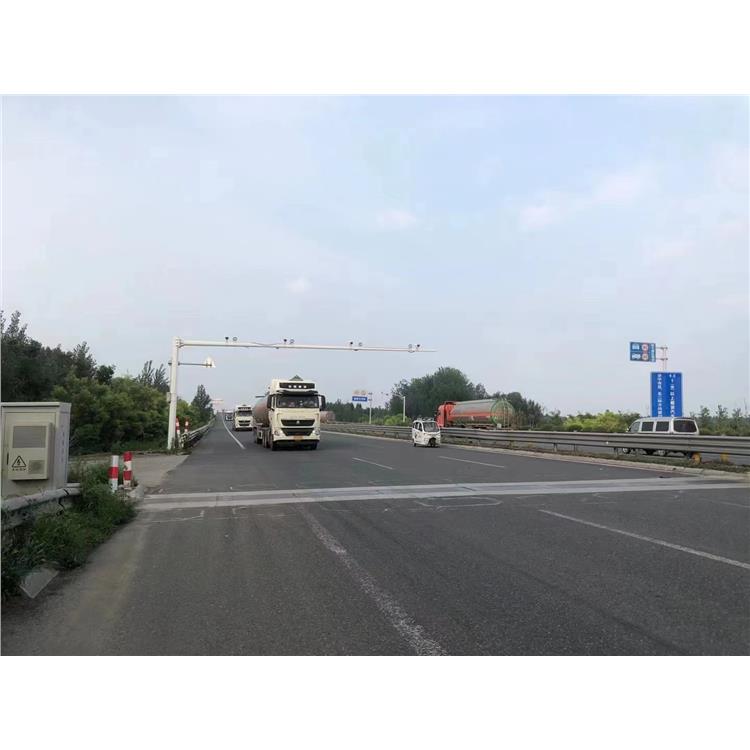
The installation and commissioning of the non-stop overloading detection system directly impact detection accuracy and operational stability. During the installation phase, the construction team must, based on road conditions, traffic volume, and other factors, locate the sensor burial positions to ensure the sensors are flush with the road surface, avoiding weighing errors due to installation inaccuracies; cameras and other equipment must be adjusted for angles to ensure accurate image capture and speed measurement. In the commissioning phase, technicians calibrate the weighing and vehicle recognition algorithms through tests with multiple vehicle types and speeds, correcting equipment errors; simultaneously, network testing is conducted to ensure that detection data can be uploaded in real-time to the cloud platform and linked with enforcement terminals. Standardized installation and commissioning procedures are fundamental to the system's operation, typically requiring 1-2 weeks of trial operation to ensure all metrics meet standards before official use.
Application of lightweight algorithms in mobile detection devices
The mobile detection equipment, due to limited hardware configuration, requires high algorithm lightweighting. The non-stop over-limit and overload detection system achieves a match between detection function and equipment performance through algorithm optimization. In terms of vehicle type recognition algorithms, model compression technology is employed to reduce the volume of the original algorithm model by 60% while maintaining over 95% recognition accuracy, ensuring rapid vehicle type judgment under limited computational power. In weight data processing, the complex error correction model is simplified, retaining core correction parameters. This ensures a 2% accuracy while reducing data processing time to 0.5 seconds. Additionally, the algorithm supports adaptive adjustment, optimizing operational strategies in real-time based on the battery power and storage space of the mobile device. When the battery is low, unnecessary functions are automatically turned off to prioritize core functions such as weighing and data upload. The application of lightweight algorithms allows the mobile detection equipment to still perform detection despite limited performance.
Artificial Intelligence Algorithms: The Core Engine for Enhancing Detection Efficiency
The application of artificial intelligence algorithms in the non-stop overloading and overweight detection system is mainly reflected in three aspects: data processing, anomaly recognition, and judgment. The system employs machine learning algorithms, training models through a vast amount of historical data to continuously refine weight error correction and vehicle type recognition algorithms, thereby enhancing detection accuracy. Utilizing deep learning algorithms, it can rapidly identify abnormal vehicle behaviors such as jumping scales,冲磅, and obstructions, automatically flag suspicious data, and prompt for review. Through intelligent matching algorithms, the system cross-verifies detection data with vehicle registration information and freight documents, determining the presence of overloading, overweight, and illegal transportation. The integration of artificial intelligence technology endows the system with self-optimization and adaptive capabilities, significantly improving detection efficiency and accuracy.
WeChat Official Account

Scan to follow Official Account