







Application of lightweight algorithms in mobile detection devices
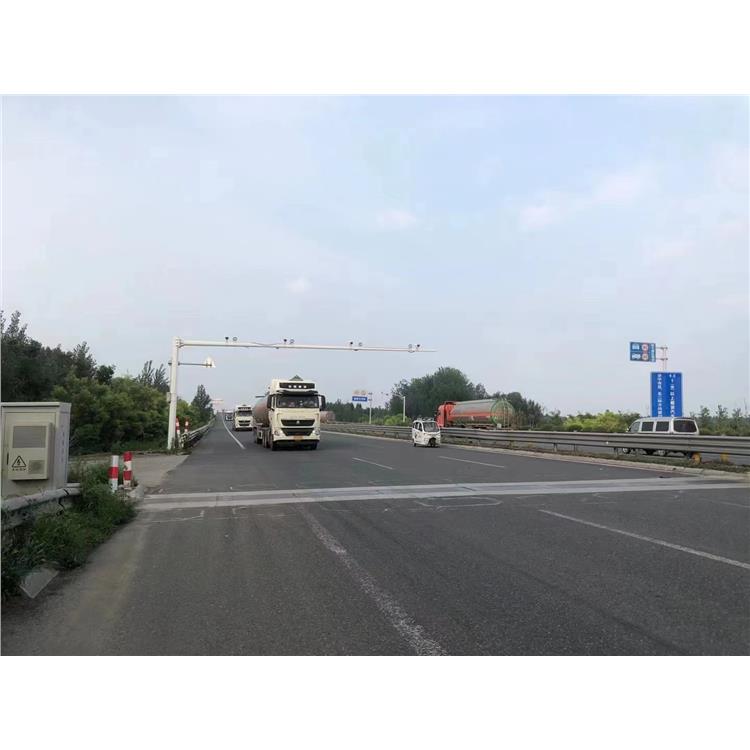
The mobile detection equipment, due to limited hardware configuration, requires high algorithm lightweighting. The non-stop over-limit and over-load detection system achieves a match between detection functionality and equipment performance through algorithm optimization. In terms of vehicle identification algorithms, model compression technology is employed to shrink the original algorithm model volume by 60% while maintaining over 95% recognition accuracy, ensuring rapid vehicle type judgment under limited computational power. In weight data processing, the complex error correction model is simplified, retaining core correction parameters, and reducing data processing time to 0.5 seconds while ensuring 2% accuracy. Additionally, the algorithm supports adaptive adjustments, optimizing runtime strategies based on the mobile device's battery power and storage space in real-time. When battery power is low, unnecessary functions are automatically turned off to prioritize core functions such as weighing and data upload. The application of lightweight algorithms allows mobile detection equipment to still perform detection despite limited performance.
System compatibility and scalability: Adaptable to future development needs
The non-stop overloading detection system has been designed with thorough consideration of compatibility and scalability to meet the evolving needs of the transportation industry. In terms of compatibility, the system supports data interoperability with existing traffic management platforms, enforcement systems, and cargo supervision systems, avoiding "information islands." It supports multiple communication protocols and data formats, allowing for integration with equipment from different manufacturers, facilitating system upgrades and modifications. Regarding scalability, the system has预留function interfaces for future additions such as vehicle exhaust detection, illegal passenger identification, and cargo type recognition. It also supports the expansion of detection equipment, enabling the addition of new detection sites according to road network planning, continuously expanding the coverage area. This flexible design allows the system to adapt to the new requirements of future overweight control work and maintains long-term usability value.
Internet of Things and Cloud Platforms: The "Smart Hub" for Data Sharing
The operation of the non-stop overloading and overweight detection system relies on the technical support of the Internet of Things (IoT) and cloud platforms. The system connects detection equipment, law enforcement terminals, roadside displays, and more across various locations into a unified network using IoT technology, enabling real-time data transmission and sharing. Once the detection data is uploaded to the cloud-based overload platform, it undergoes big data analysis and processing to generate statistical reports on overloaded vehicles, distribution maps of high-occurrence road sections, and rankings of enterprises by overload, providing data support for regulatory bodies in formulating overload policies. Additionally, the cloud platform supports interdepartmental collaboration, allowing transportation, road administration, and other departments to share data through the platform, achieve law enforcement coordination, and avoid duplicate enforcement or enforcement gaps. This "cloud-integrated network" model transforms overload management from "dispersed management" to "centralized control," enhancing governance efficiency.
The Application Value of Overweight Data: Providing Scientific Basis for Decision-Making
Data generated by the non-stop overloading and overweight detection system is not only used for law enforcement penalties but also holds significant application value. Through big data analysis of the detection data, regulatory authorities can gain insights into the temporal distribution patterns of overloading and overweight (such as peak periods at night), spatial distribution characteristics (such as persistently high overweight rates on certain road sections), and vehicle type distribution (such as higher overweight proportions for certain types of trucks). This information provides a scientific basis for formulating targeted overweight control policies. Additionally, the data can be used to evaluate the effectiveness of overweight control efforts by comparing changes in overweight rates over different periods and regions, determining the effectiveness of control measures; it can also be integrated into the credit evaluation system for freight companies, leading to talks and penalties for companies with higher overweight rates, thereby forcing them to standardize their transportation practices. The deep application of overweight control data allows the work to shift from "passive law enforcement" to "active prevention and control."
WeChat Official Account

Scan to follow Official Account