








Special adaptation for cold chain logistics transportation system
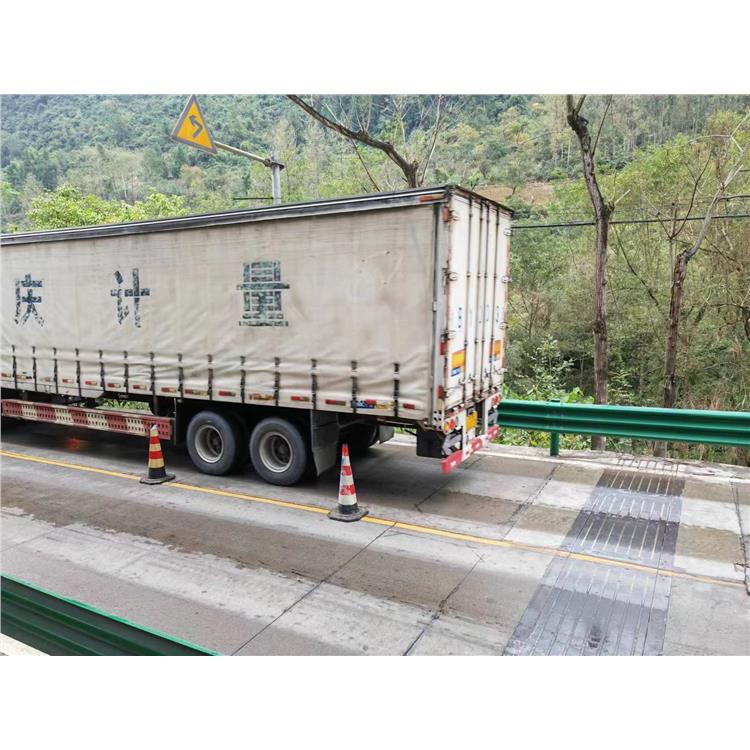
Refrigerated logistics vehicles, due to their carrying refrigeration equipment, have a different body structure from regular trucks. Since goods such as fresh produce and pharmaceuticals are sensitive to transportation time, the non-stop over-limit and overload detection system is specially adapted to these features. During the vehicle identification phase, the system uses deep learning algorithms to train a dedicated refrigerated vehicle identification model, distinguishing between refrigerated vehicles and regular trucks to avoid misjudging axle types due to body structure differences; in terms of detection efficiency, the detection process is optimized to compress the time from entering the detection area to completing data upload to 2 seconds, reducing the停留 time of refrigerated vehicles and ensuring the freshness of the goods; in addition, the system can also be equipped with additional temperature sensors to monitor the refrigeration temperature of refrigerated vehicles in real-time. If the temperature exceeds the normal range, it simultaneously triggers temperature and over-limit alarms, achieving dual supervision of "weight + temperature" to provide safety guarantees for refrigerated logistics transportation.
Solutions for dealing with jumping scale and rushing scale behaviors
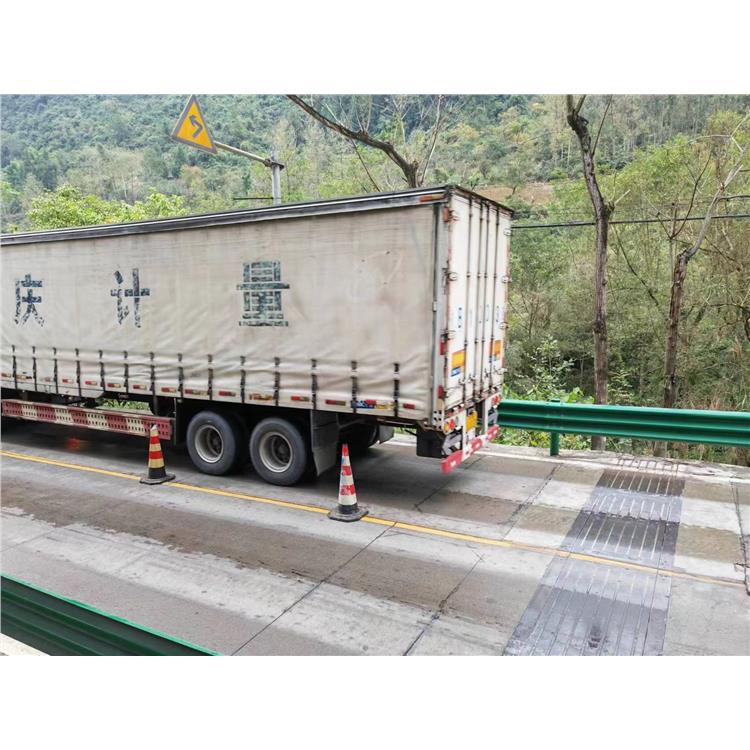
In practical applications, some drivers attempt to evade detection by jumping scales, rushing through them, or driving in an S-shaped pattern. In response to these behaviors, the non-stop overloading detection system has developed a comprehensive countermeasure. The system analyzes speed and weighing data in conjunction, automatically flagging suspicious data when there is a sudden change in vehicle speed (such as a sudden acceleration during a rush through the scales) or when the driving path deviates from the normal lane (such as driving in an S-shape). It then initiates a secondary review process; simultaneously, a laser contour scanner monitors the vehicle's tire position in real-time, triggering an immediate alert if the tires are not fully pressed on the sensors (such as during a jump scale where the tires are suspended). Additionally, the system identifies vehicles that frequently display suspicious data through historical data comparisons, adding them to a list of vehicles under key supervision, thus preventing the behavior at its source and ensuring the authenticity and reliability of the test results.
Highway Mainline: "Invisible Guardian" for round-the-clock overweight enforcement
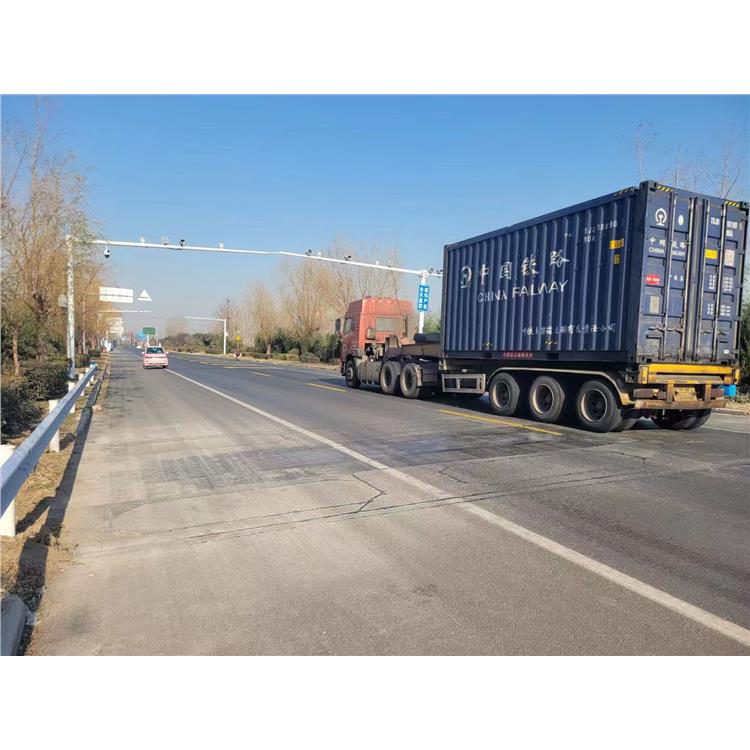
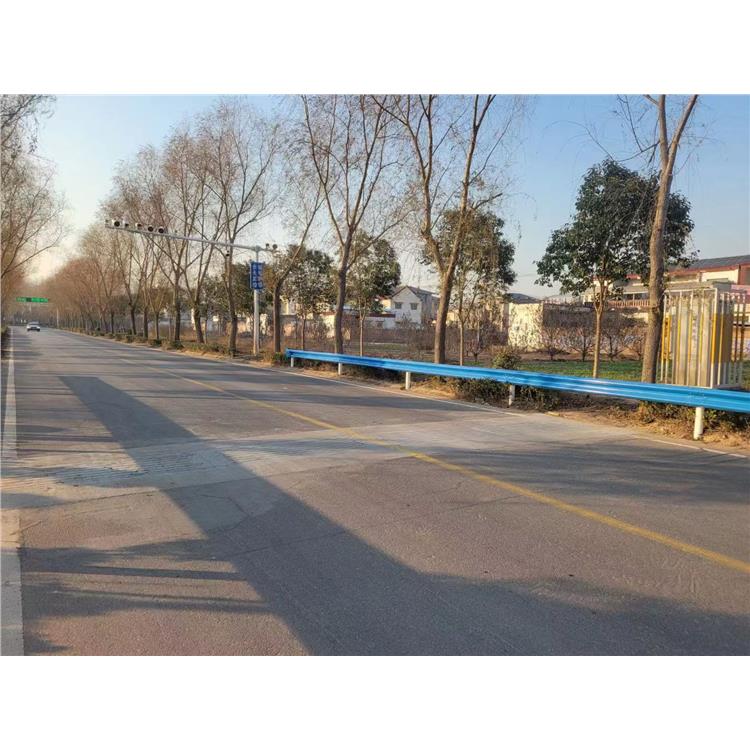
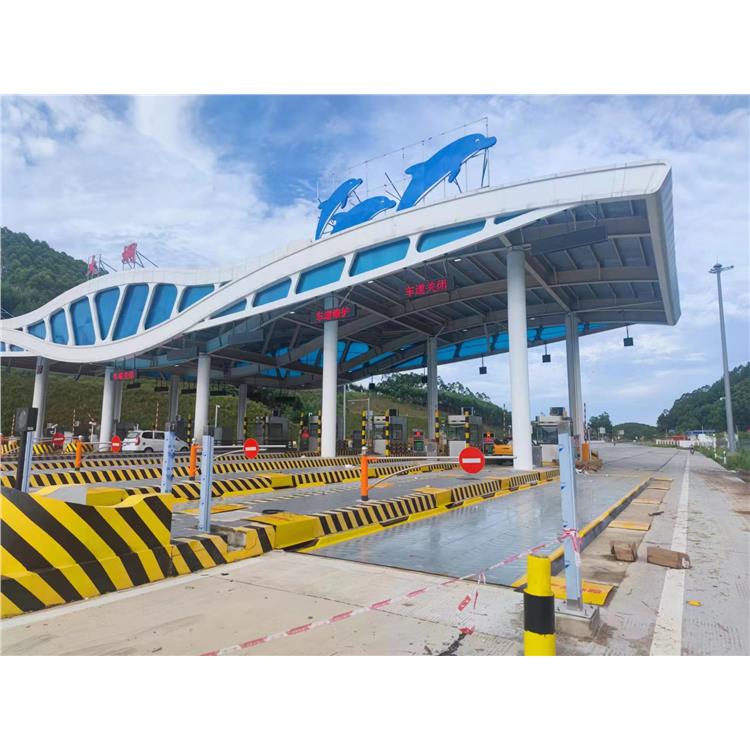
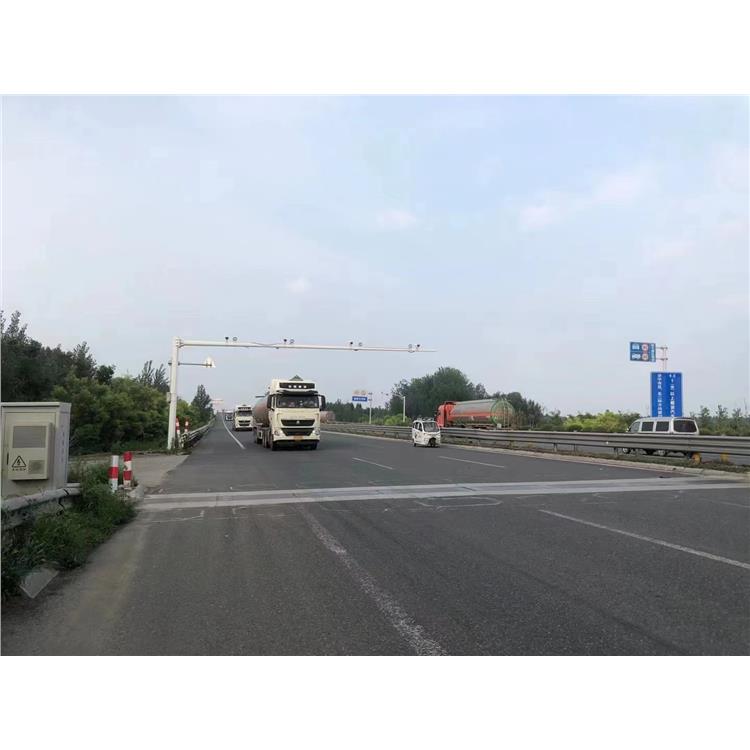
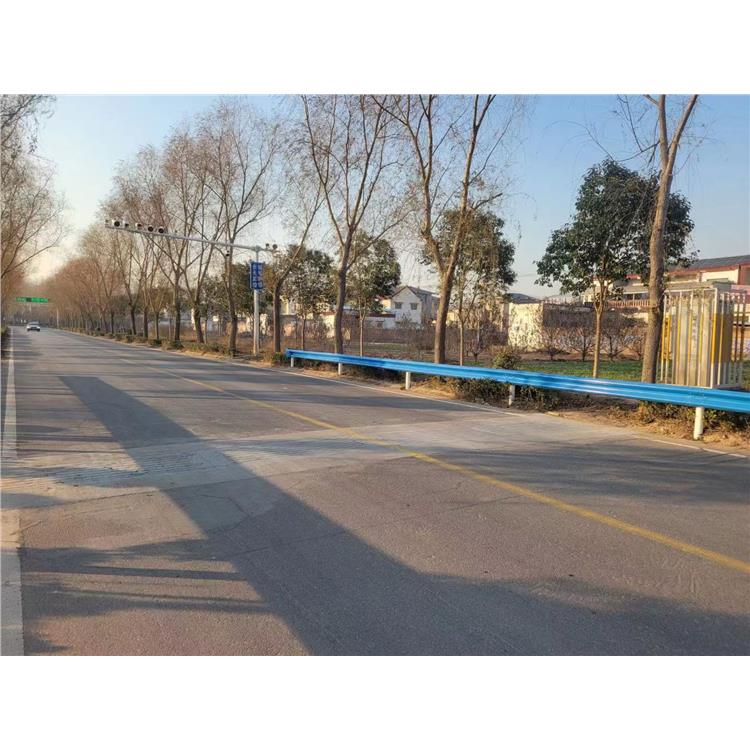
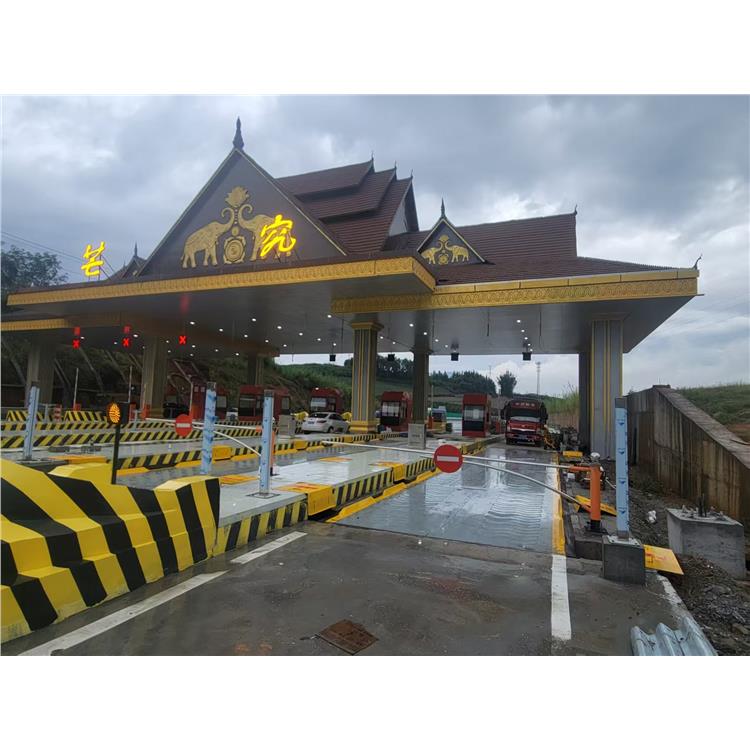
The application of the No-Stop Overweight and Overload Detection System on expressway mainlines has transformed the traditional reliance on manual inspection methods. The system, equipped with weight sensors, high-definition cameras, and devices along the main road, can instantaneously collect and analyze data such as vehicle weight and axle count when vehicles pass through the detection area at normal driving speeds (typically 60-km/h). Compared to traditional weight stations, this system eliminates the need for vehicles to slow down or stop, enabling the inspection of thousands of vehicles per hour, effectively addressing the pain points of mainline congestion and low law enforcement efficiency. Currently, most provincial expressway networks across the country have achieved full coverage of mainline inspections, reinforcing the defense line for road maintenance and traffic safety.
Application of lightweight algorithms in mobile detection devices
Mobile detection equipment, due to limited hardware configuration, requires high algorithm lightweighting. The non-stop over-limit and overload detection system achieves a match between detection function and equipment performance through algorithm optimization. In terms of vehicle recognition algorithms, model compression technology is employed to shrink the original algorithm model volume by 60% while maintaining over 95% recognition accuracy, ensuring rapid vehicle type judgment under limited computational power. In weight data processing, the complex error correction model is simplified, retaining core correction parameters, reducing data processing time to 0.5 seconds while ensuring 2% precision. Additionally, the algorithm supports adaptive adjustment, optimizing runtime strategies based on the battery power and storage space of mobile devices in real-time. When power is low, unnecessary functions are automatically turned off to prioritize core functions such as weighing and data upload. The application of lightweight algorithms allows mobile detection equipment to still perform detection despite limited performance.
WeChat Official Account

Scan to follow Official Account