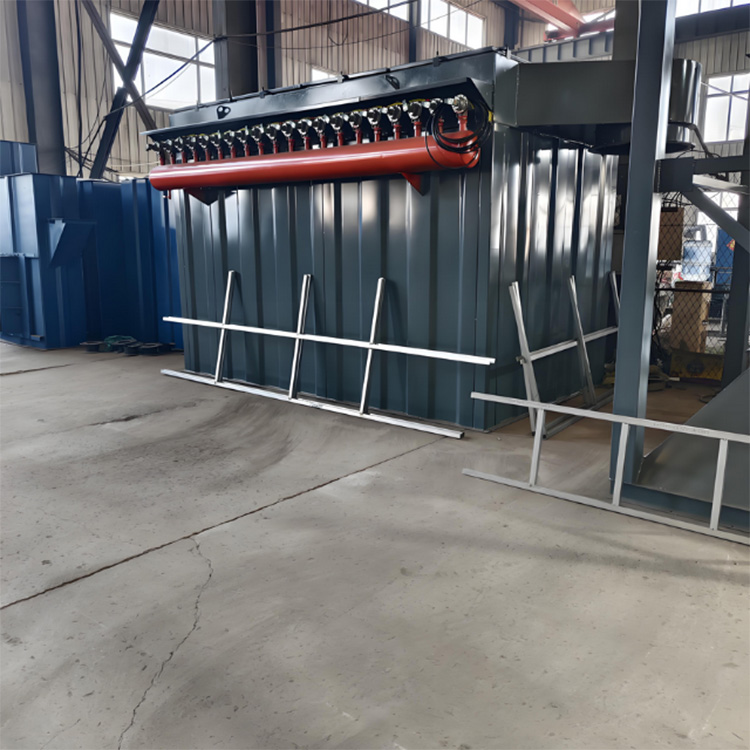

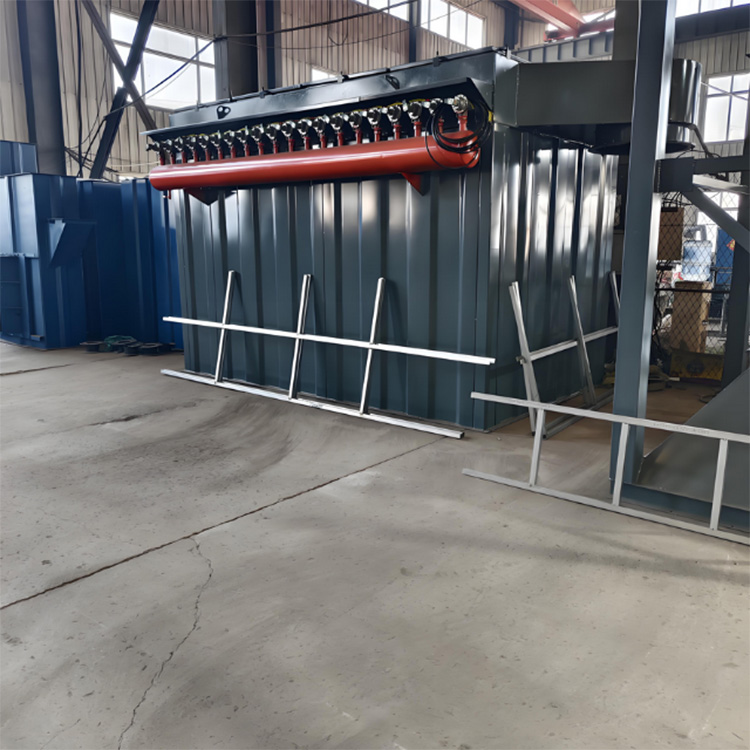
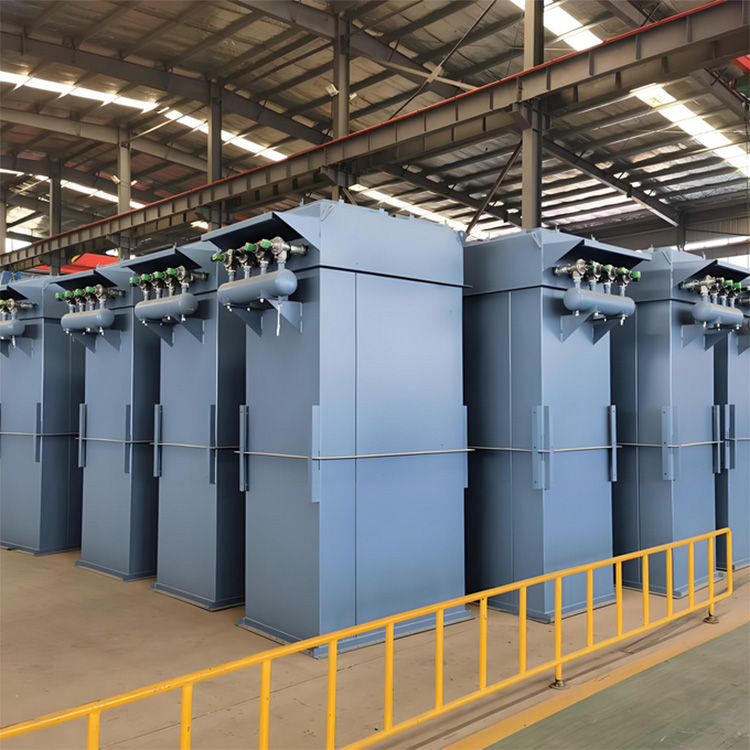
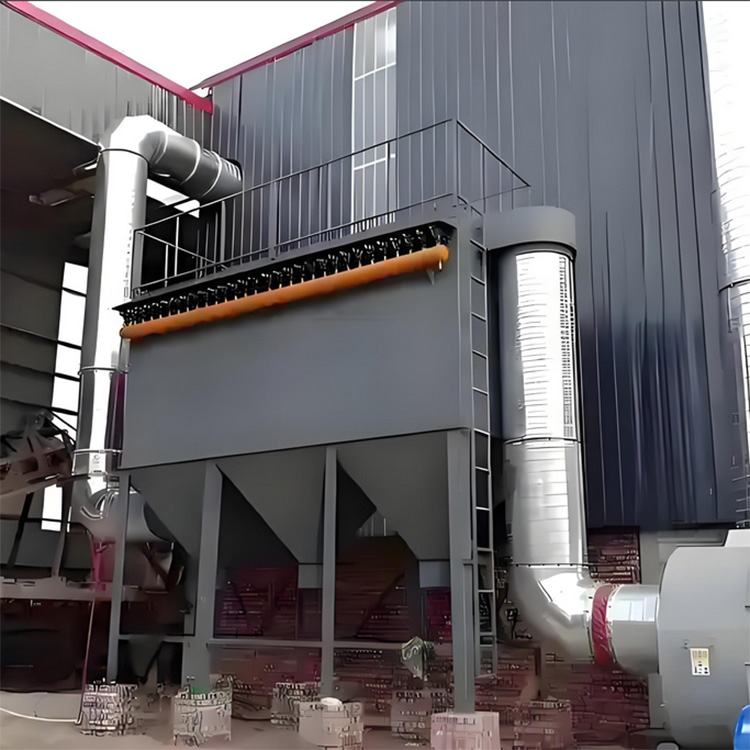


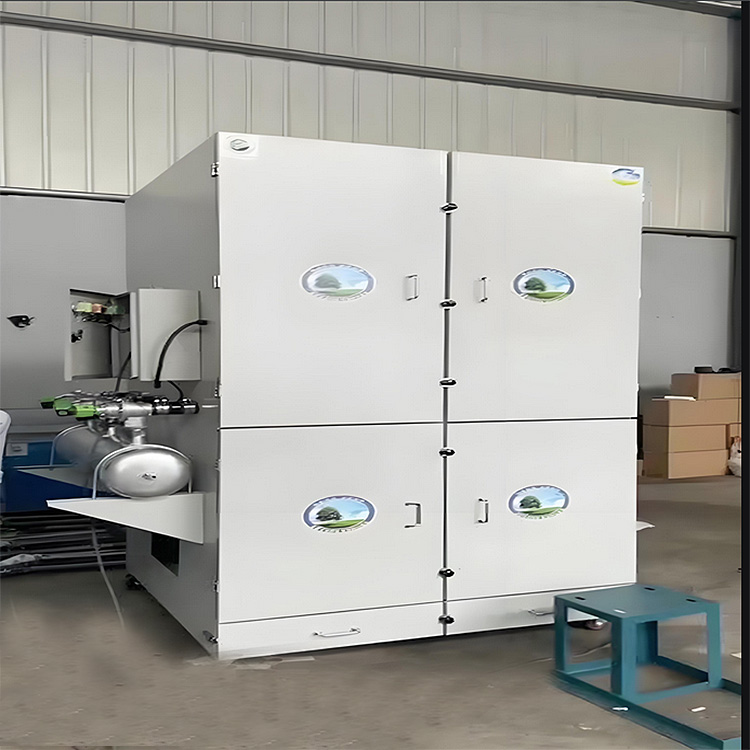
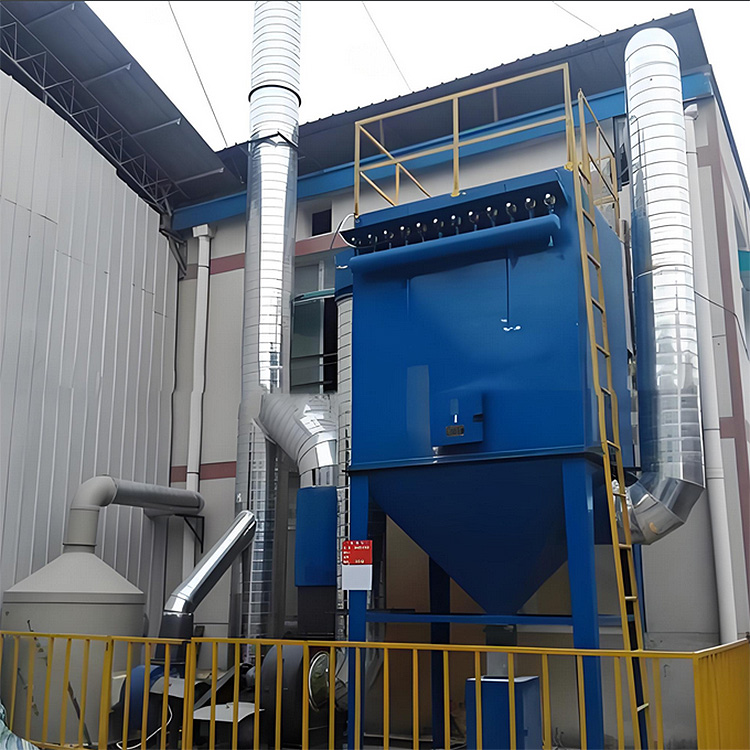
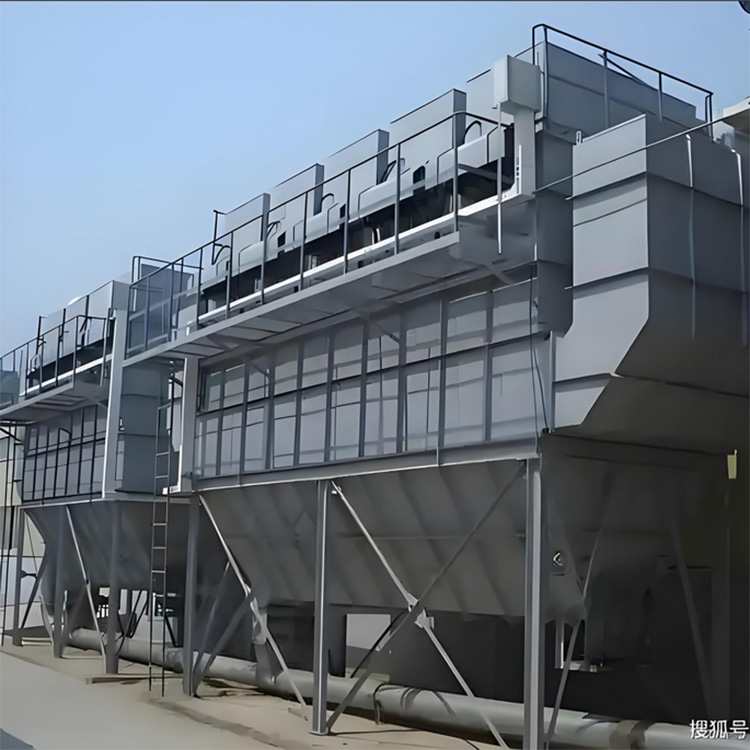
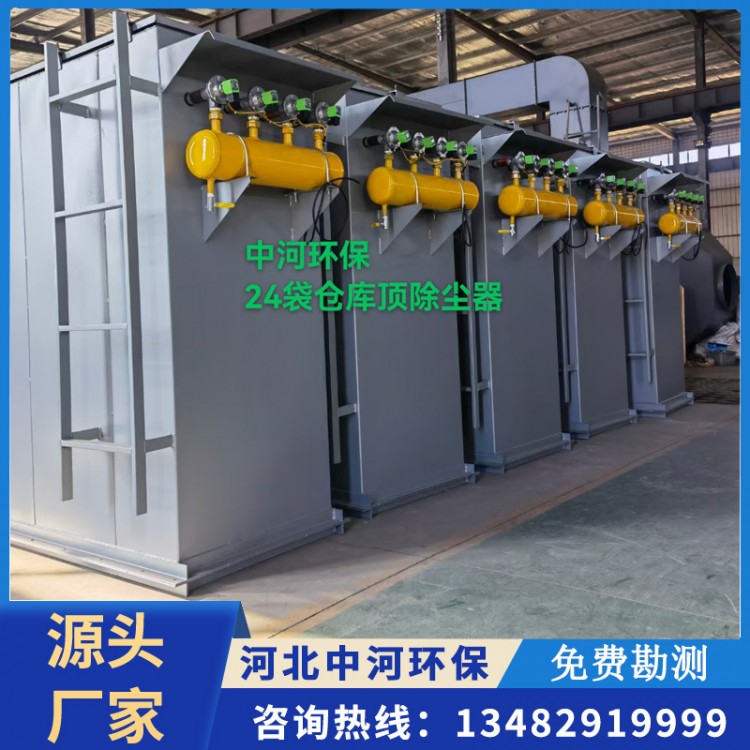





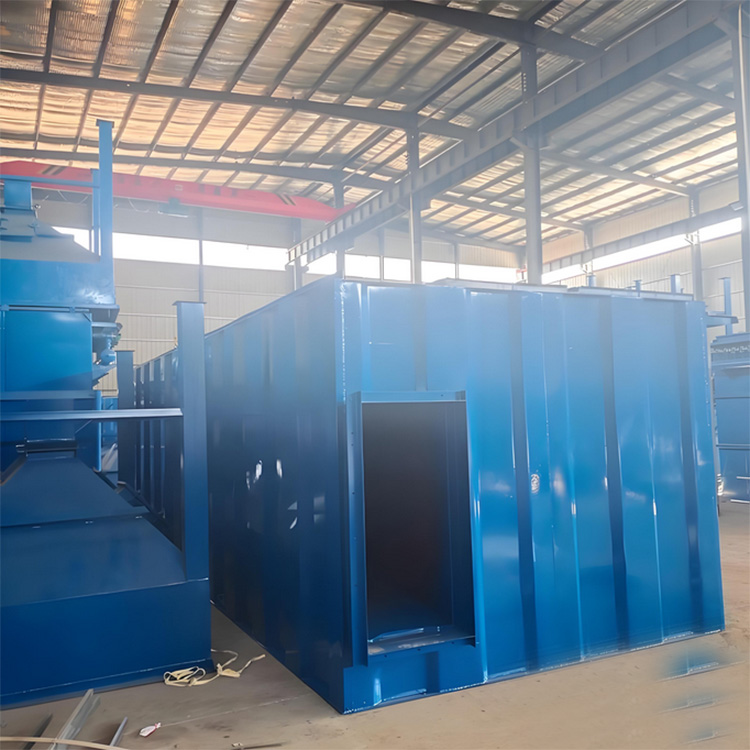
Actually, bag dust removal equipment is quite common in daily use, with a wide variety of models; however, for different working conditions, it is recommended that users _ select reasonable equipment. The editor will now briefly introduce its relevant information, hoping it will be helpful for your purchase and looking forward to cooperation.
I. Overview
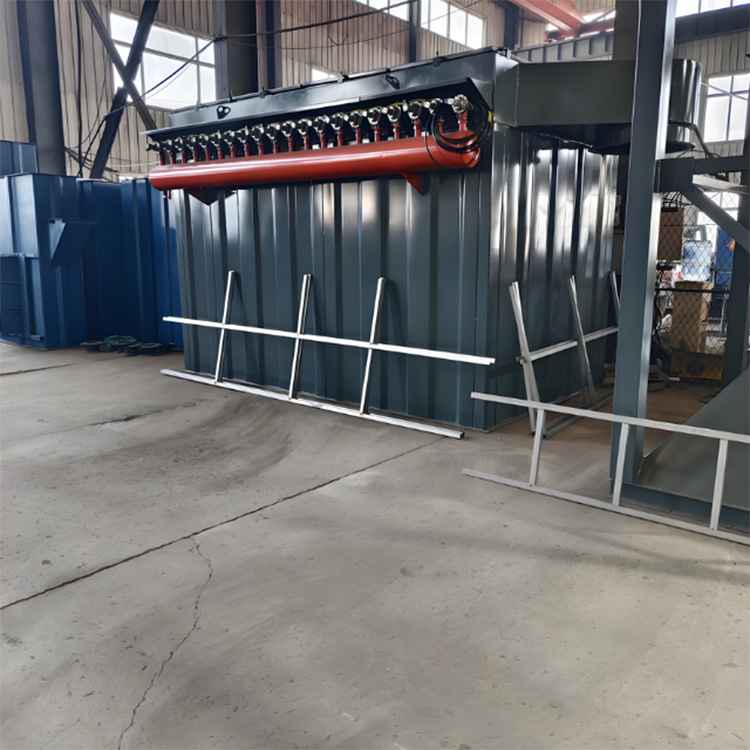
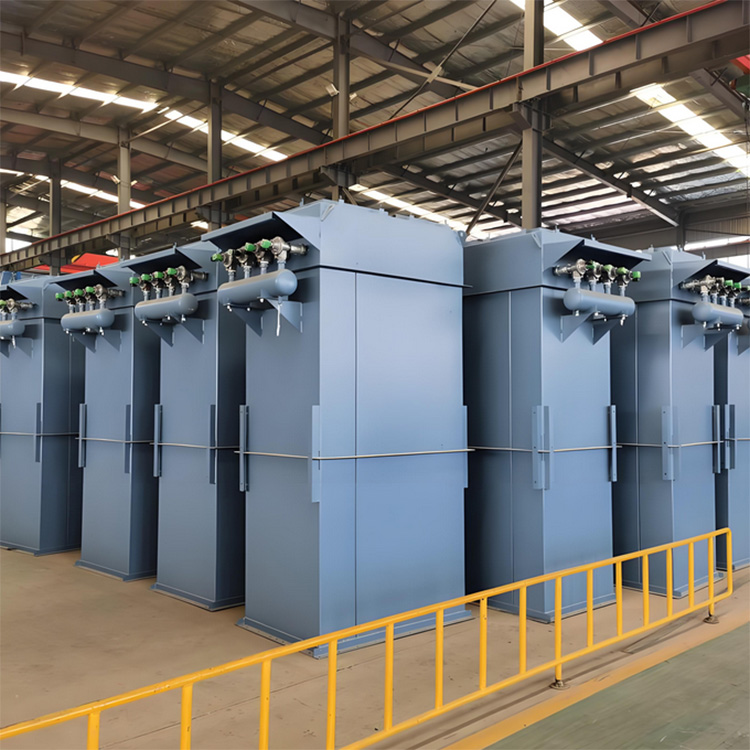
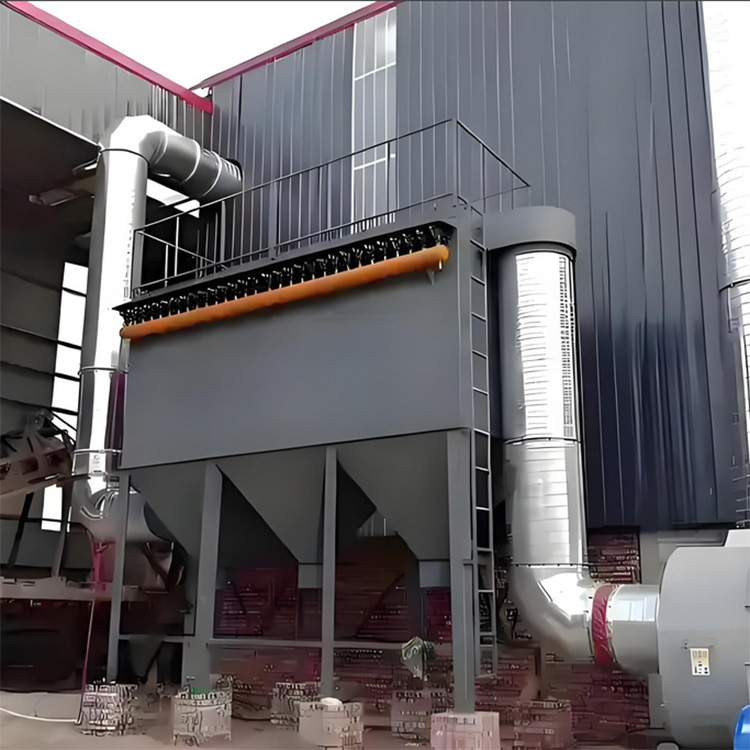
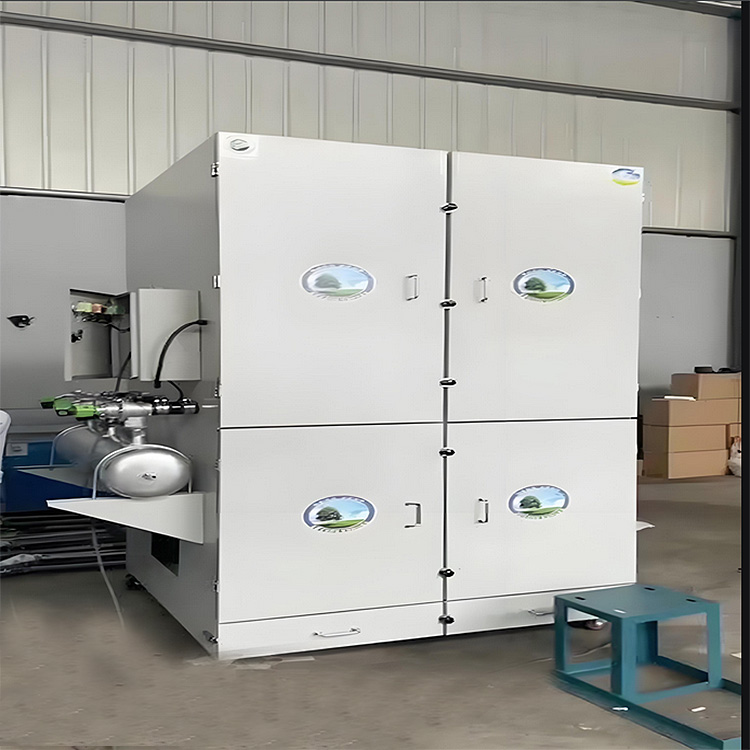
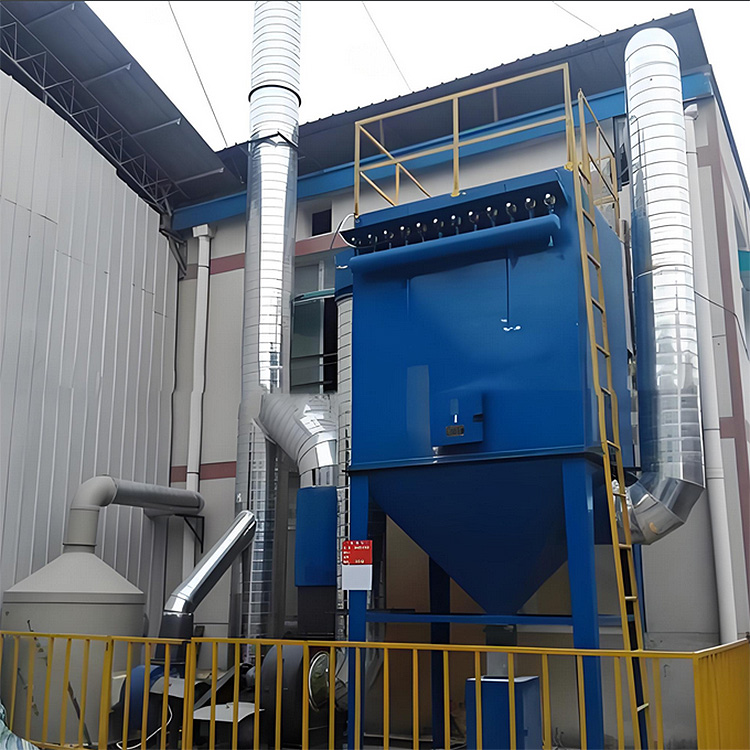
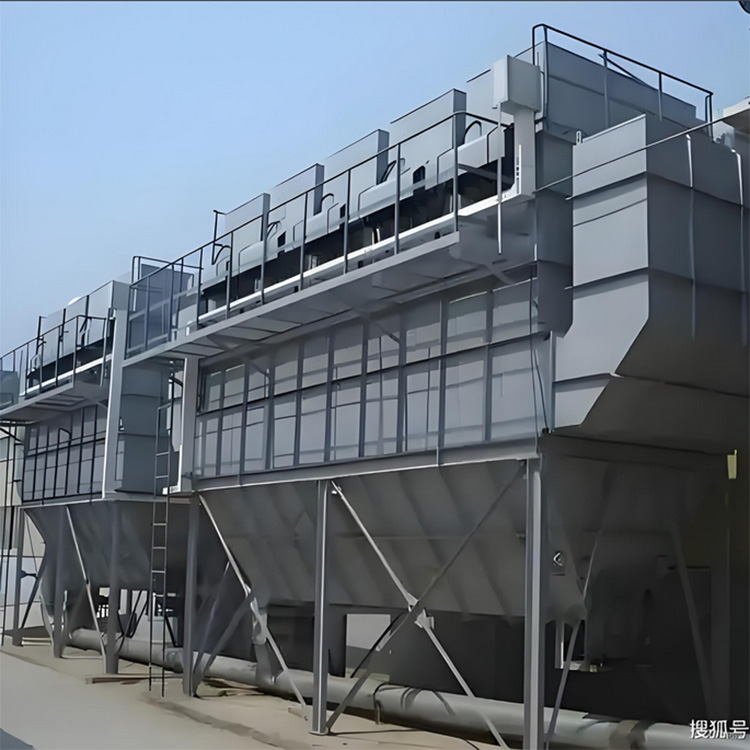
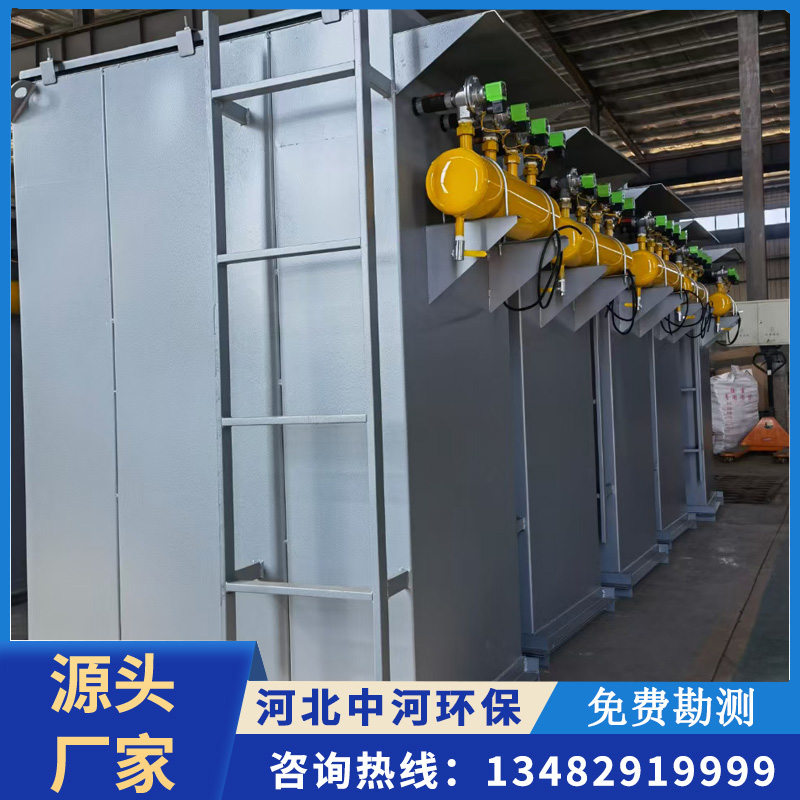
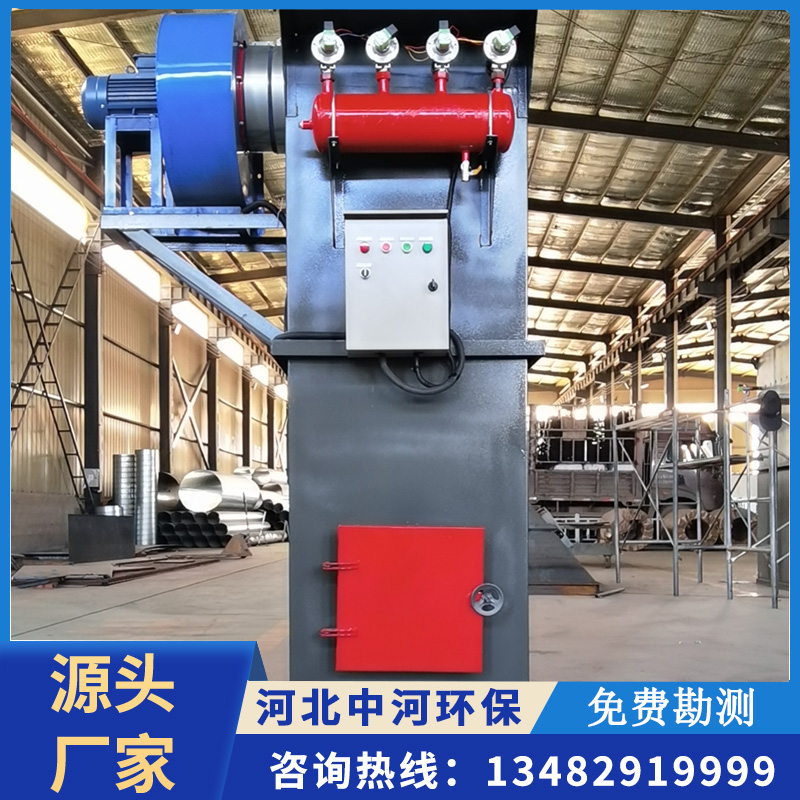
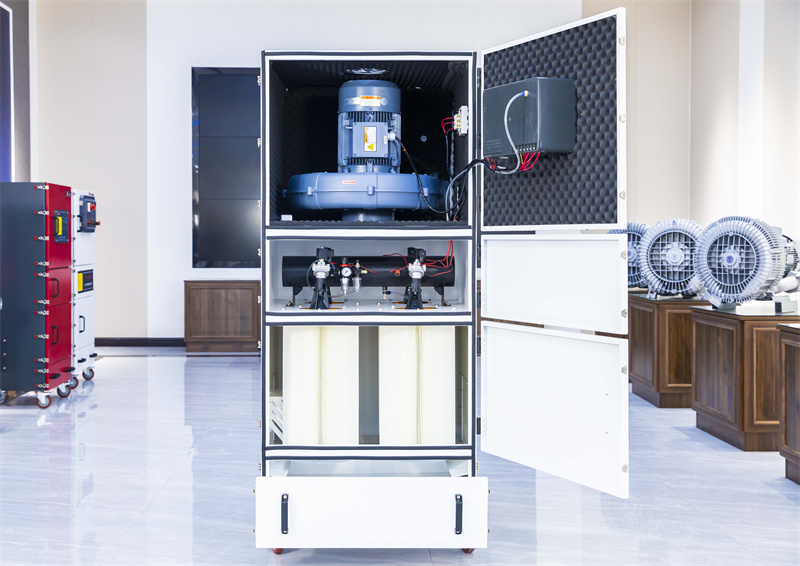
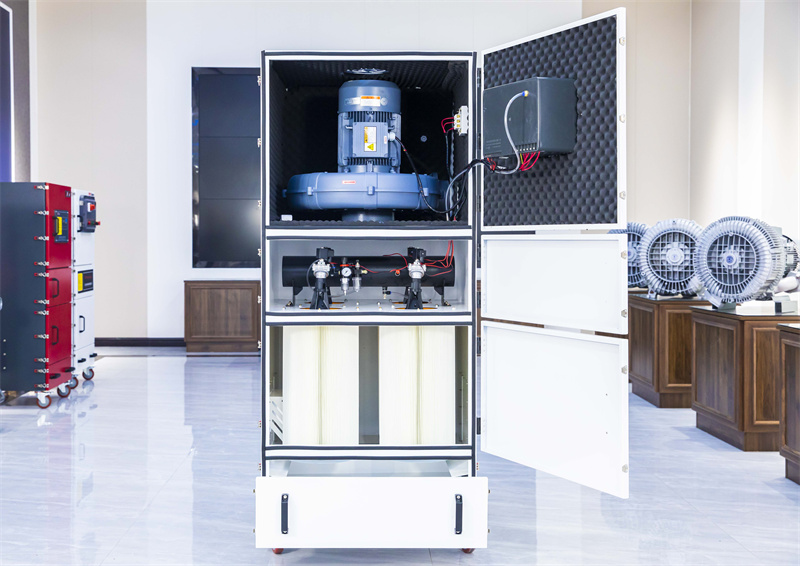
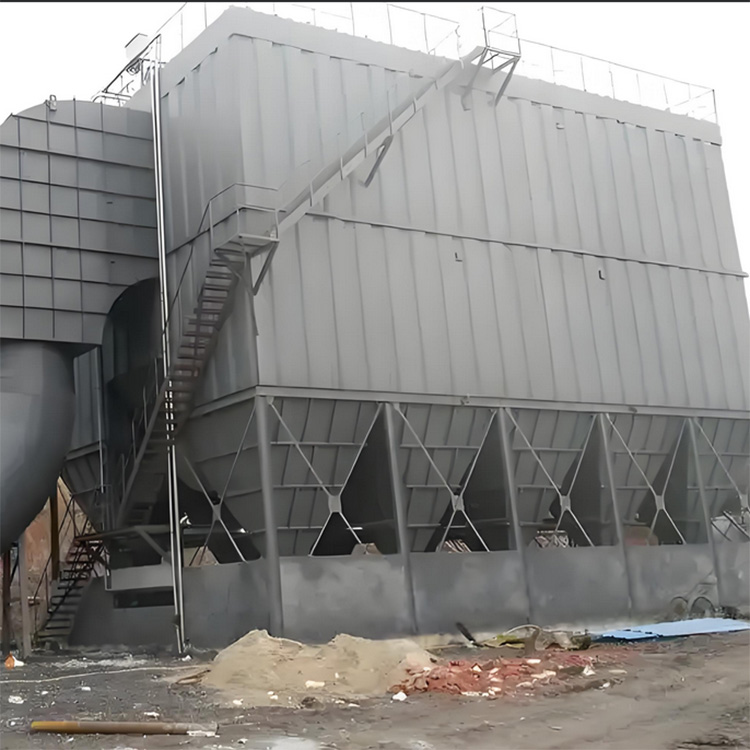
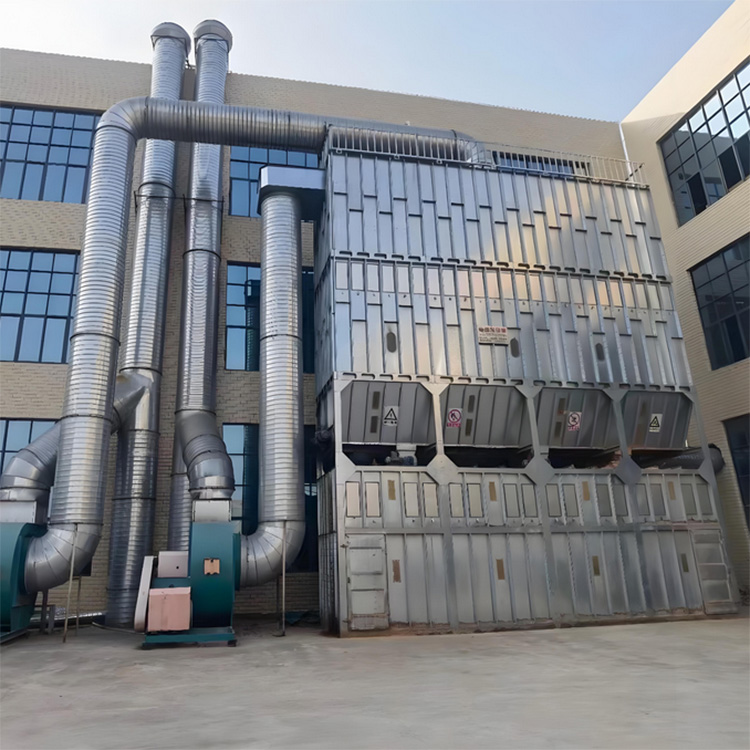
Baghouse dust collection equipment is a filter-type dust collector based on the principle of filtration, using organic or inorganic fiber filter cloth to remove dust from the gas. This machine is a dry dust removal unit suitable for capturing fine, dry, non-fibrous dust. The filtration effect of the fiber fabric is utilized to filter the dusty gas. As the dusty gas enters the collector, particles with large size and high density settle to the bottom due to gravity, falling into the ash hopper. The gas containing finer dust is retained by the filter material as it passes through, resulting in purified gas.
II. Equipment Classification
1. Classified by filtration direction, there are two types: internal filtration and external filtration.
2. Categorized by the intake port location, they can be divided into bottom intake and top intake styles.
3. Classified by the pressure inside the dust collector, it can be divided into positive pressure, negative pressure, and low-pressure types.
4. Categorizing by filter bag shape, they include round bags, flat bags, double-layer bags, and diamond-shaped dust collectors.
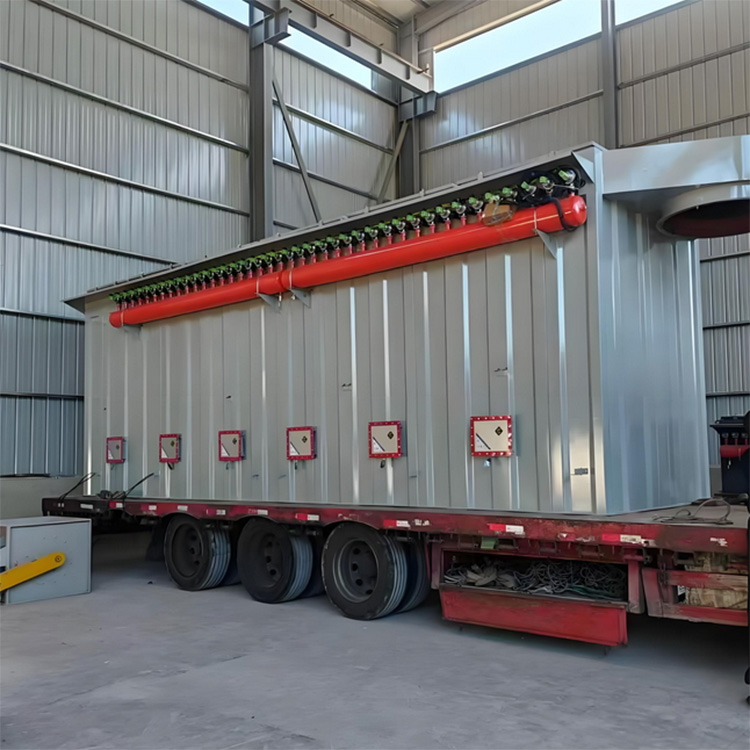
5. Classified by dust removal methods, they can be categorized into five types: mechanical vibration; room-by-room reverse blowing; nozzle reverse blowing; combined vibration and reverse blowing; and pulse jet blowing.
Section 3: Performance Parameters
Including handling gas flow, dust removal efficiency, emission concentration, pressure loss, air leakage rate, and steel consumption.
1. Handle gas flow. Handling gas flow, also known as handling air volume, refers to the amount of dusty gas that a dust collector can process within a unit of time. It is typically represented by volume flow and is measured in m3/h.
2. Equipment Resistance. A technical indicator of energy consumption, its size is related not only to the type and structure of the dust collector but also to the flow rate of the gas when passing through. Essentially, equipment resistance is the mechanical energy consumed when air flows through the equipment, and it is proportional to the power consumed by the fan, thus the lower the resistance, the better. The resistance loss of most bag dust collectors is below 2000pa.
3. Dust Removal Efficiency. Refers to the ratio of the amount of dust collected by the dust collector to the amount of dust entering the collector within the same time frame, expressed as a percentage. Dust removal efficiency is an important technical indicator of the dust collector.
4. Emission Concentration: Refers to the gas concentration at the clean gas outlet, which is a performance indicator for measuring the dust removal efficiency of the dust collector.
5. Air leakage rate. The air leakage rate is an indicator of the dust collector's tightness, referring to the percentage of the air leakage volume under operating conditions to the inlet air volume.
6. Shell Pressure Resistance. As dust collectors often operate under negative pressure, inward collapse of wall panels may occur due to insufficient shell rigidity, resulting in a bang during pressure release. The pressure resistance of the dust collector should be greater than the total pressure value of the fan.
7. Backflush Airflow. Backflush airflow is a critical technical parameter for the backflush bag dust collector. The reverse air time for the filter bags should not be too long; just enough to achieve an instant reversal of the backflush airflow, transforming the filter bags from their inflated state during filtration to a deflated state during backflushing.
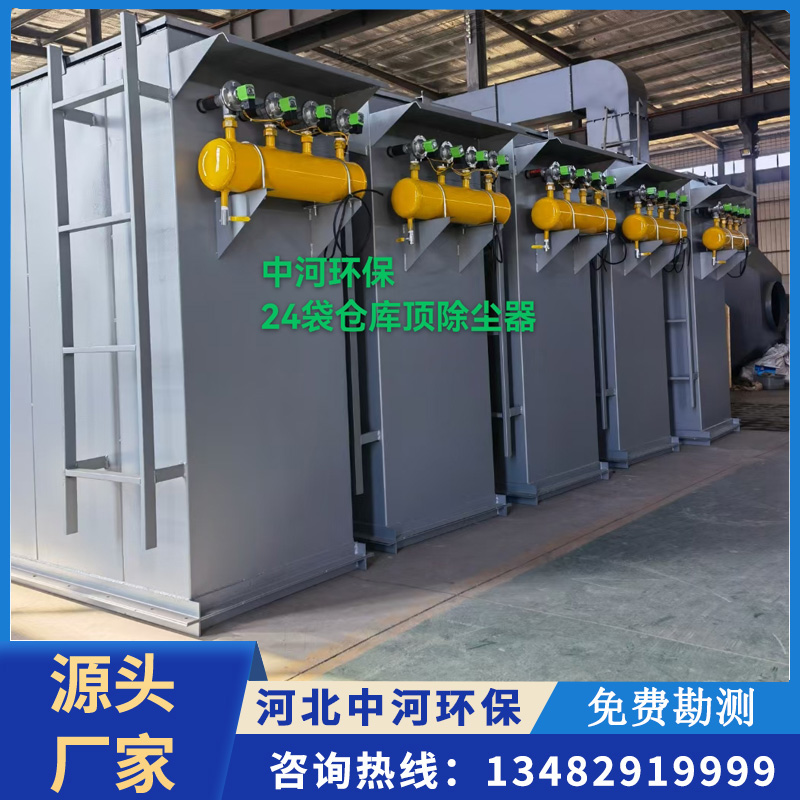
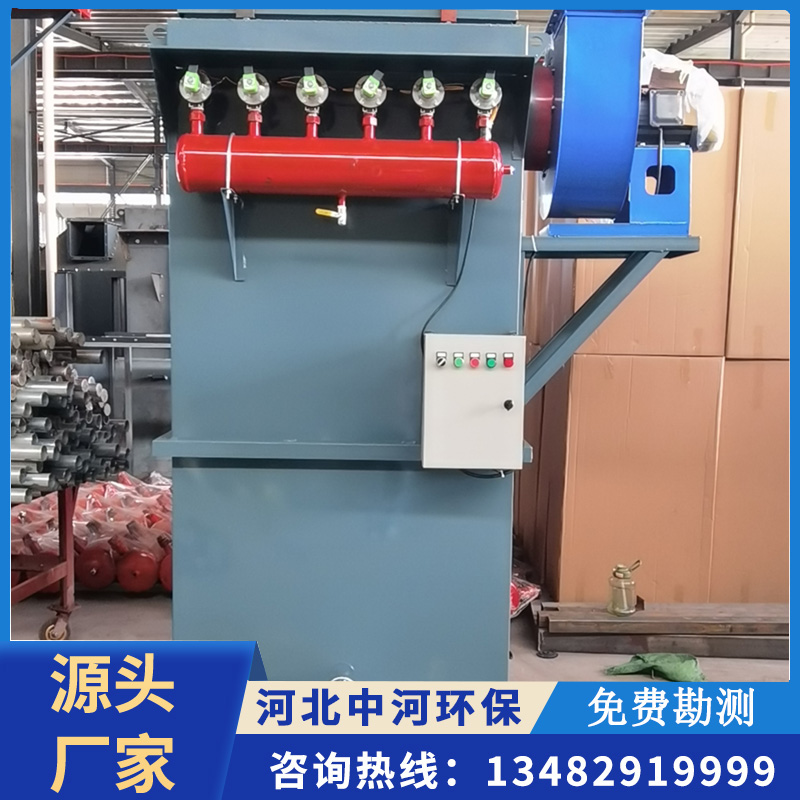
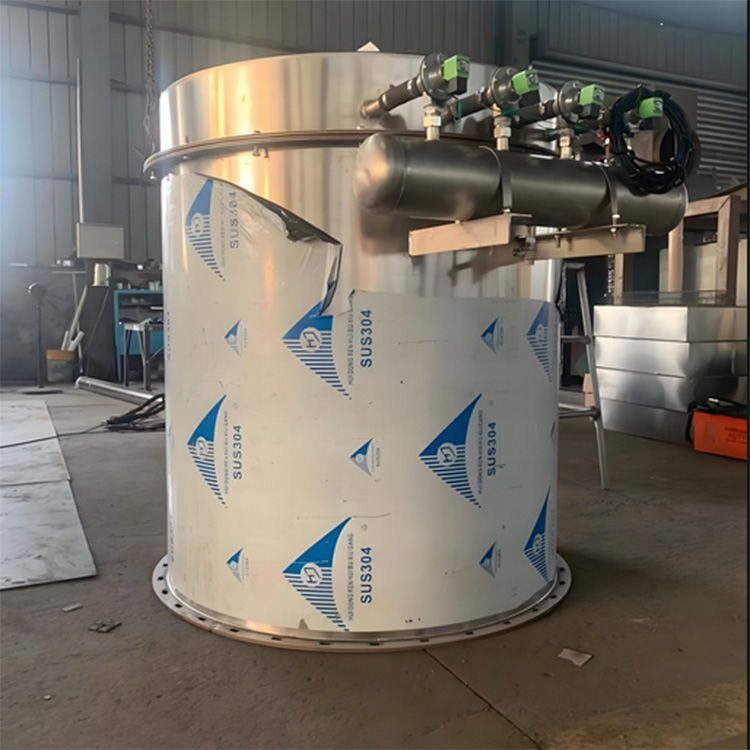
8. Pulsed Jet Parameters. Jet pressure, jet cycle, and jet time are pulsed.Baghouse dust collectorThree essentials of jet blowing.
Above is comprehensive basic information about bag dust removal equipment. When purchasing, please inform the customer service of your operating conditions and industry, and we will assist you in selecting a suitable device. This way, you can achieve our desired work efficiency during use. Welcome to call for ordering.