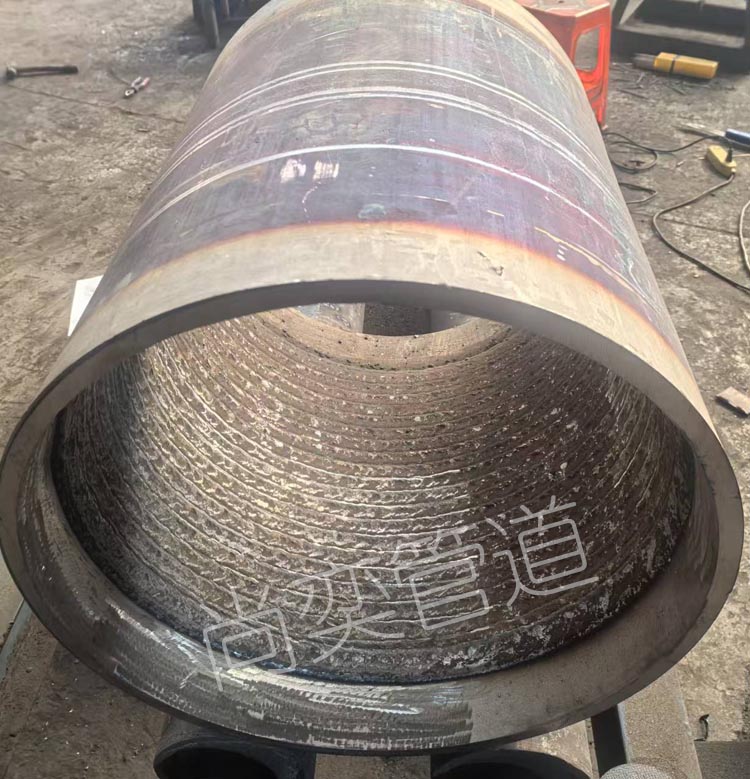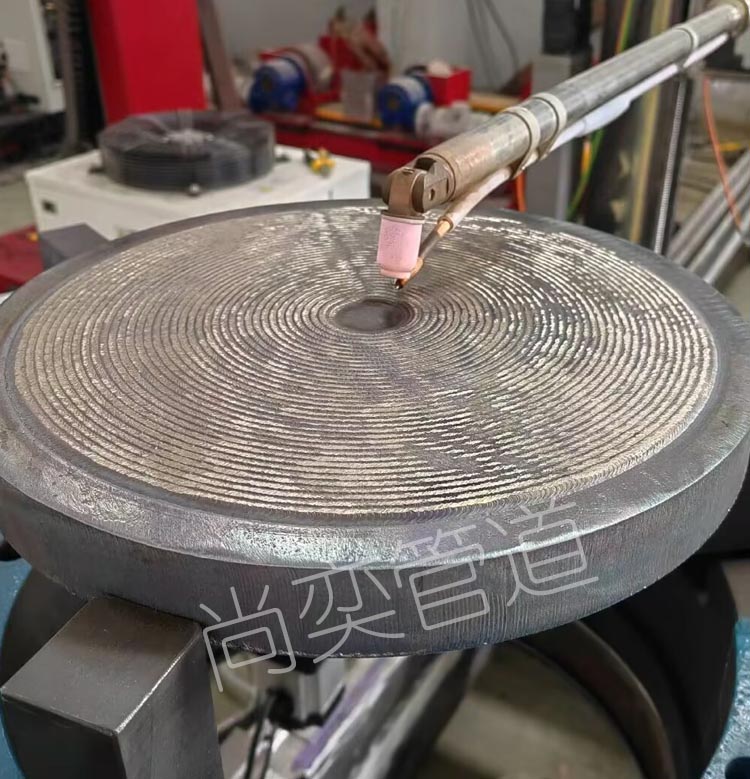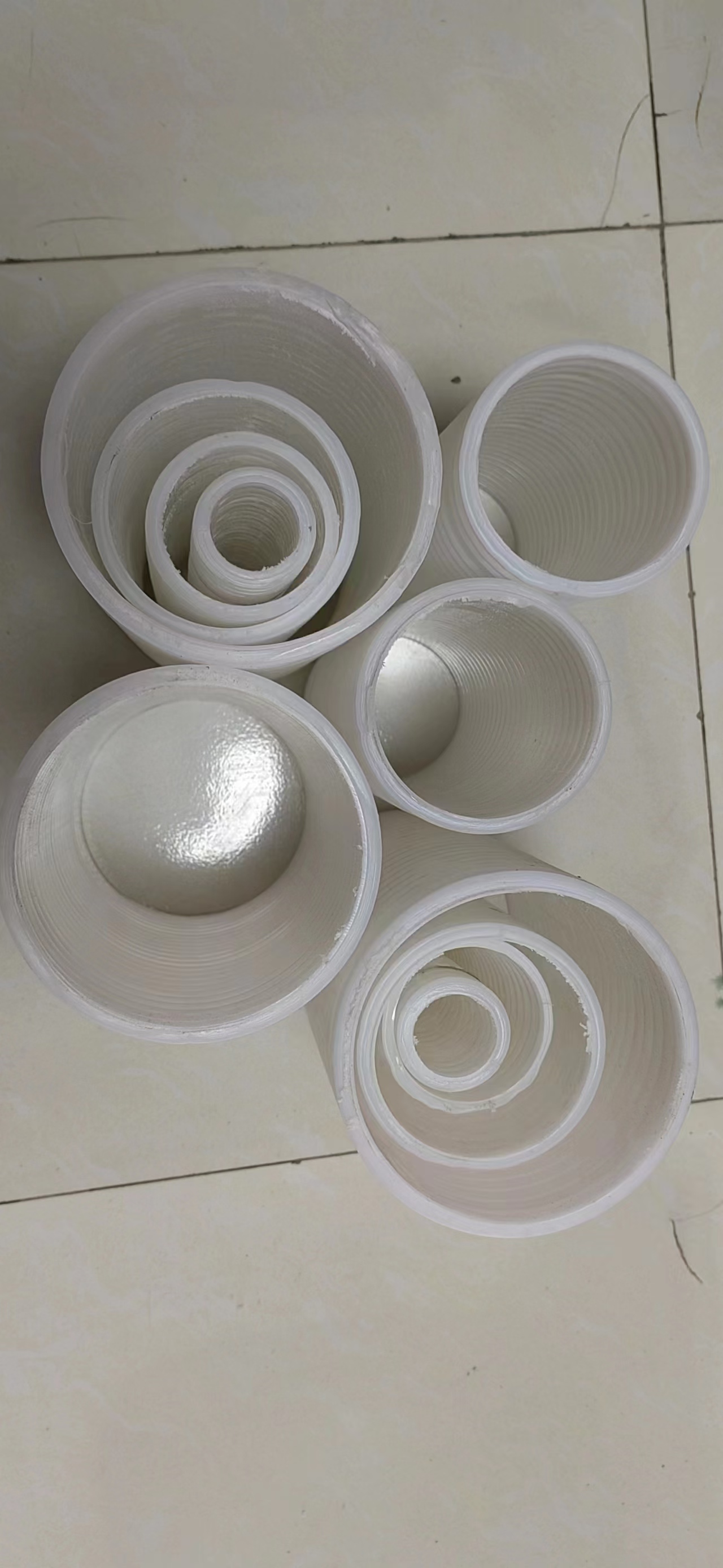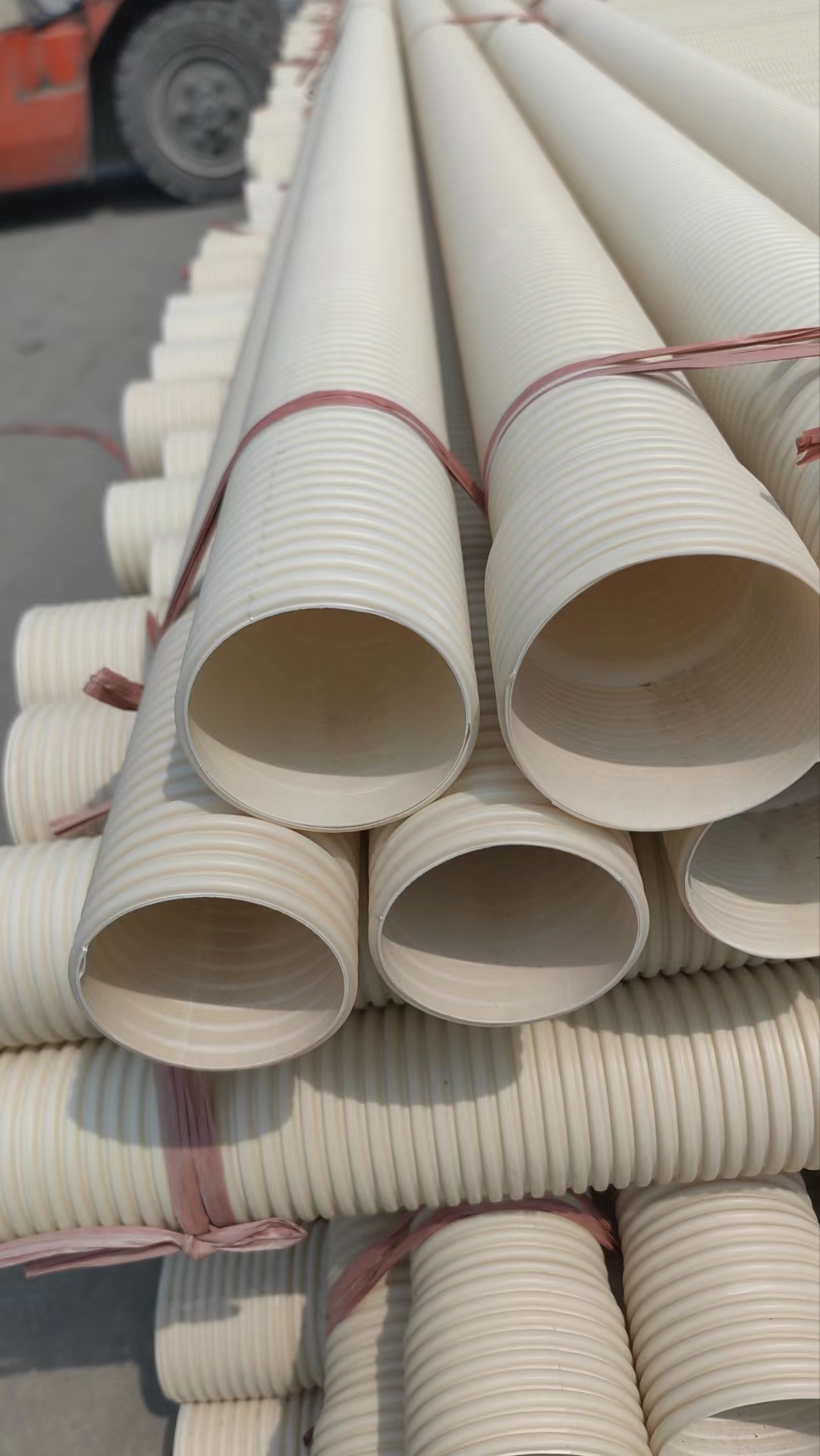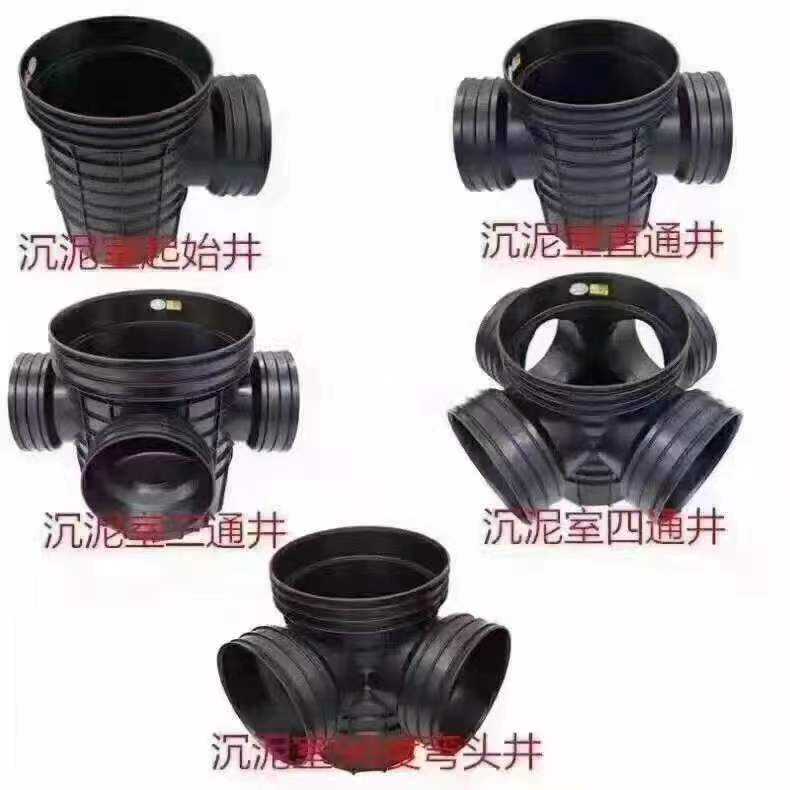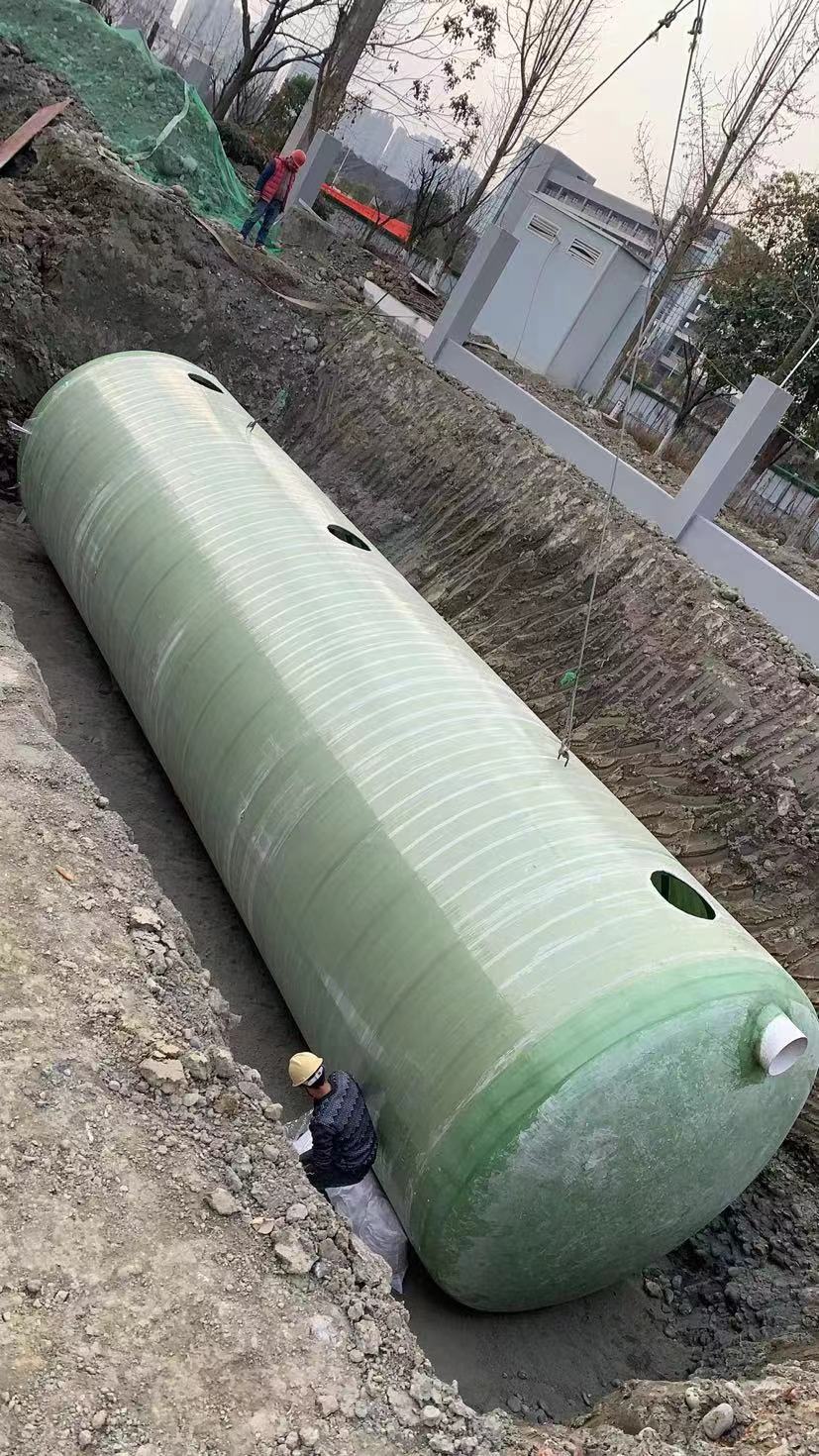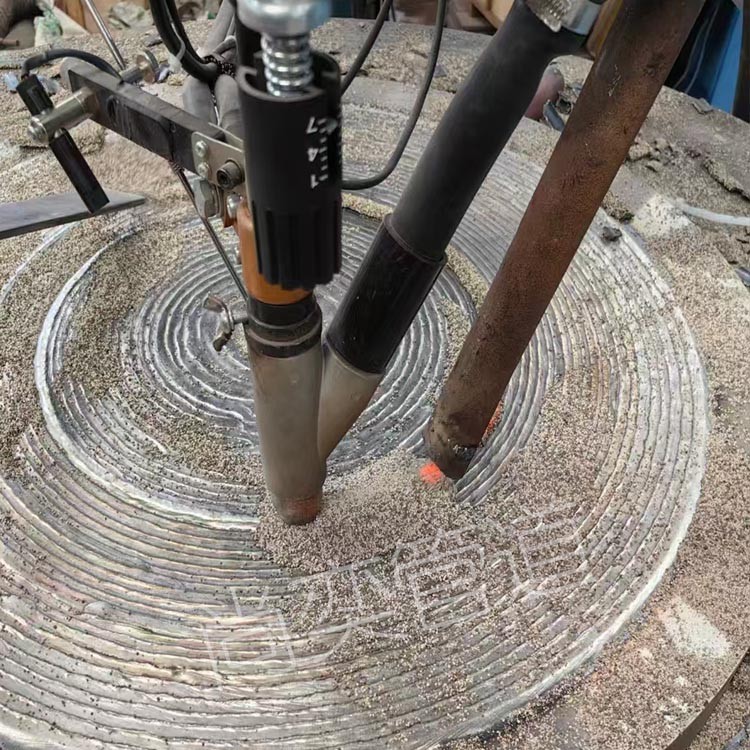



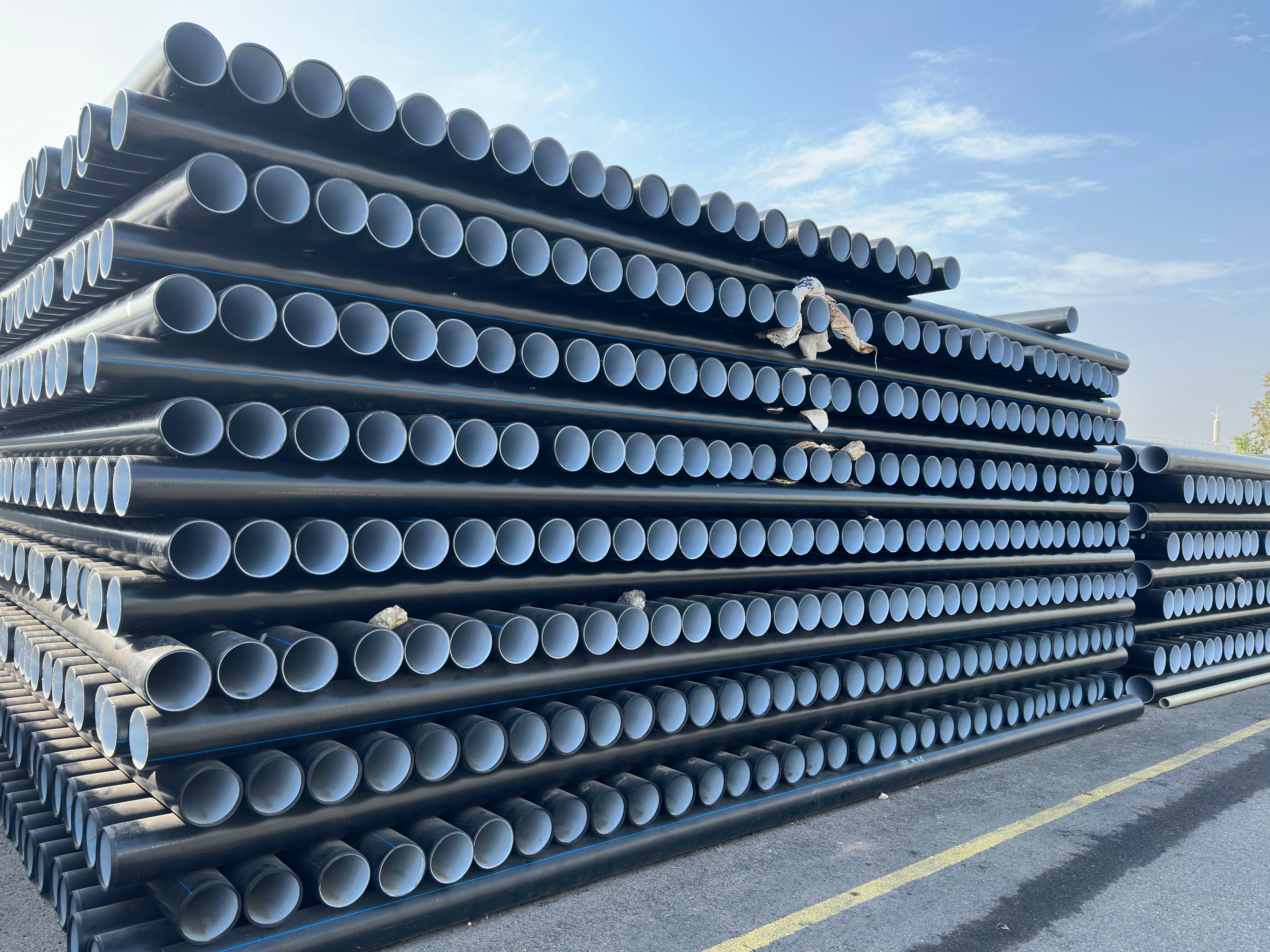
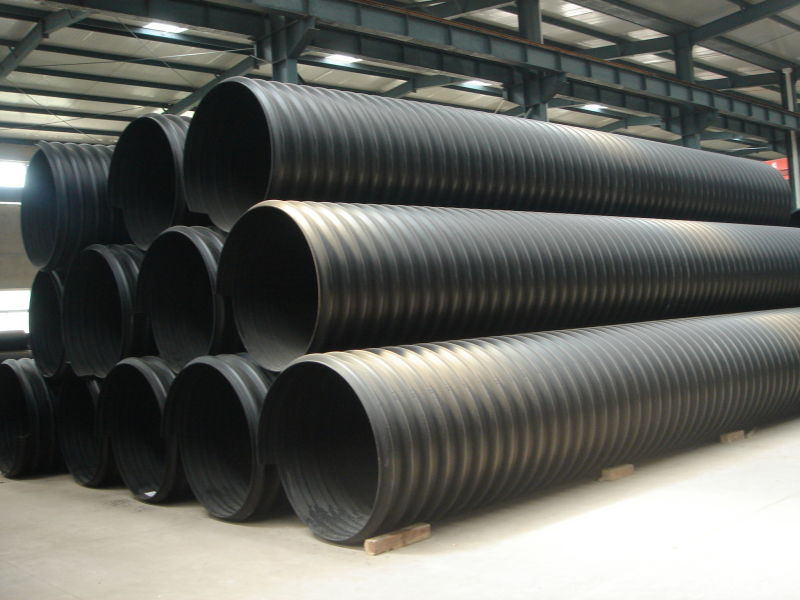





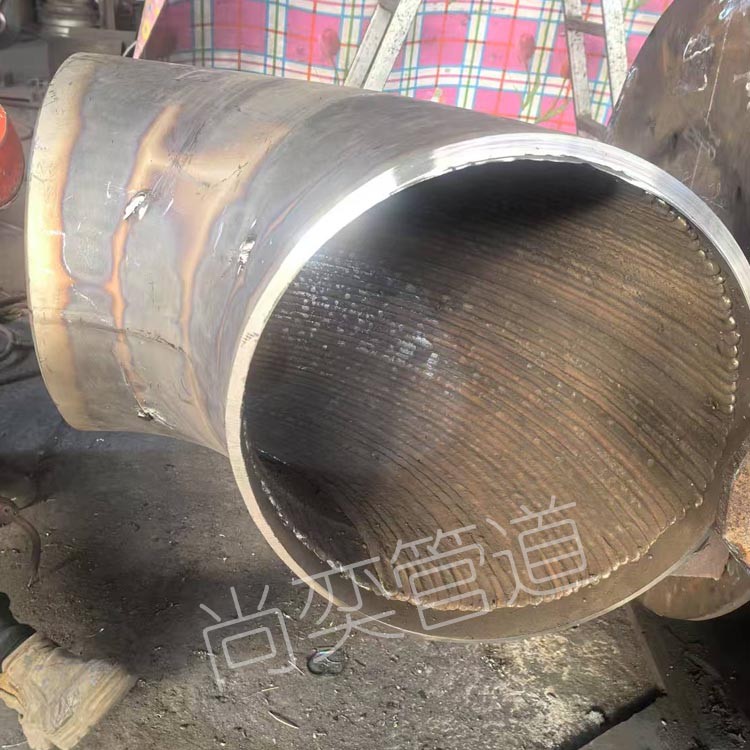
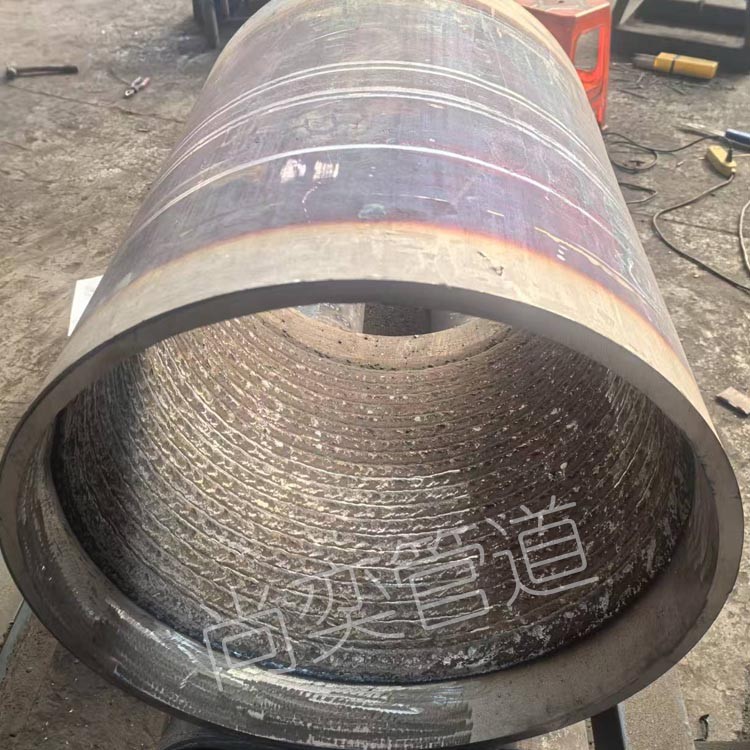
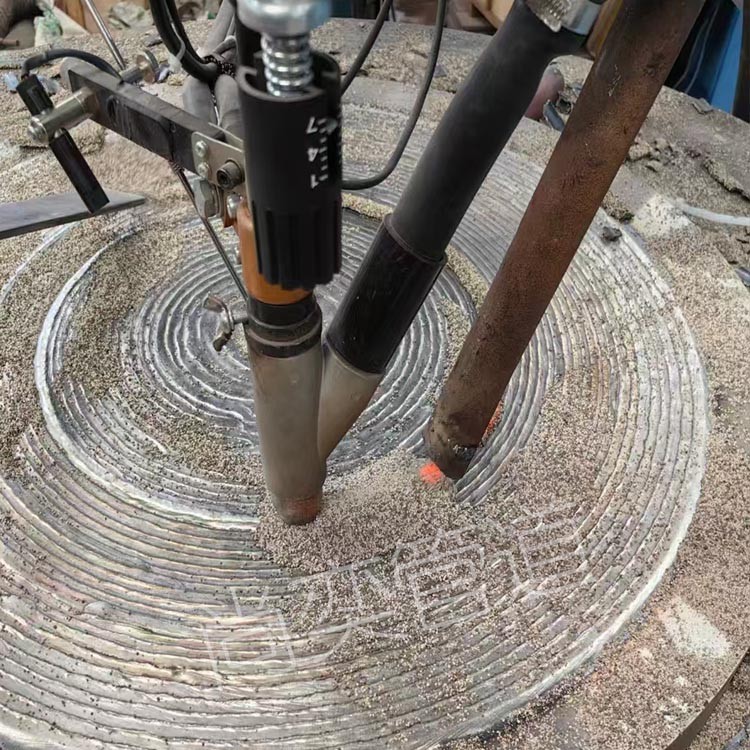
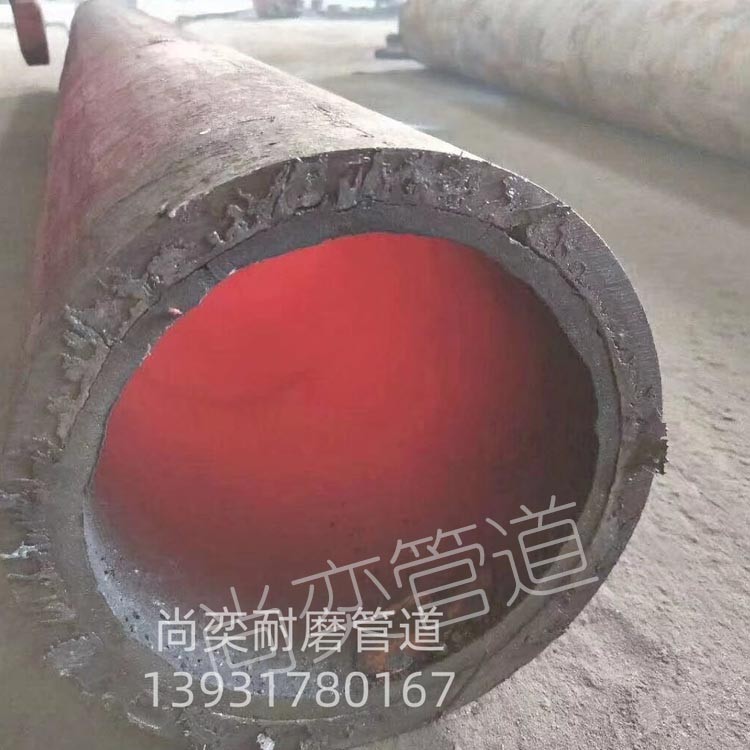
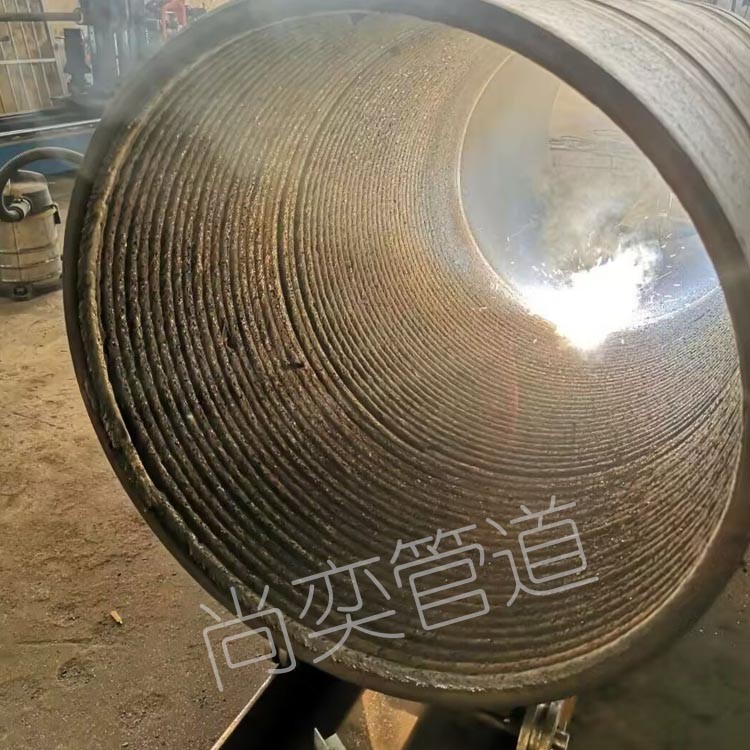
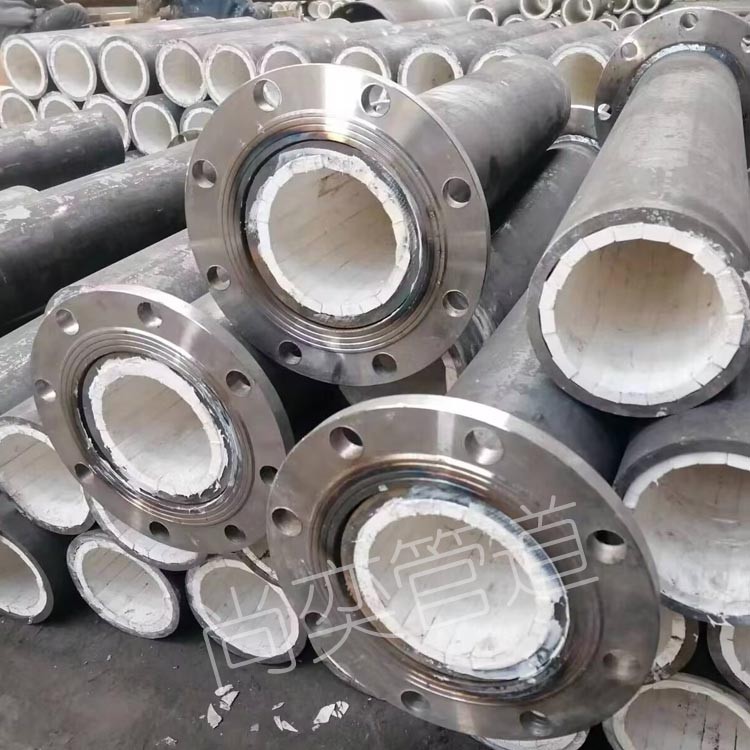
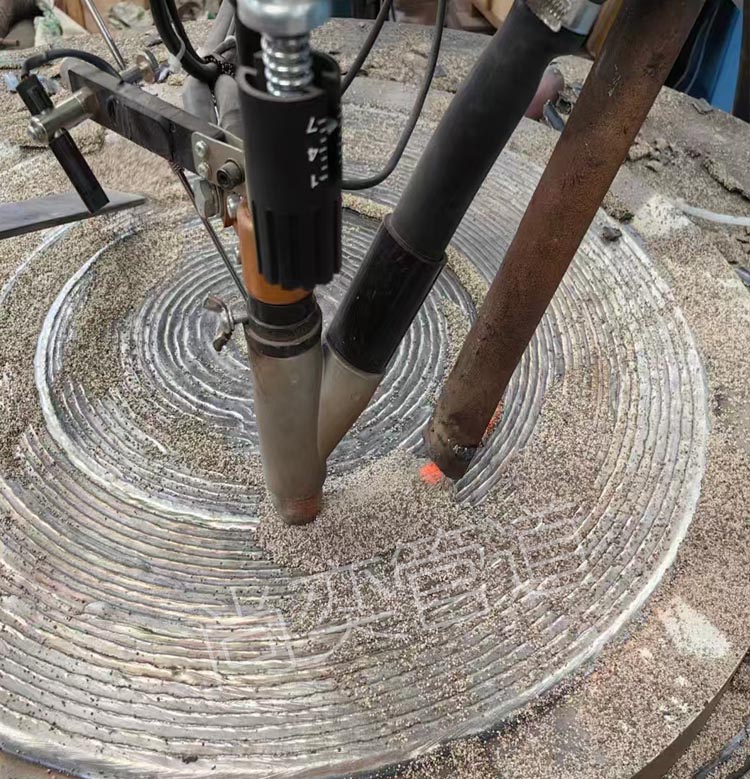
Wear-resistant pipe conveyance has already been widely applied in industries such as power, metallurgy, coal, petroleum, chemicals, building materials, and machinery, and is developing rapidly.
Wear on abrasion-resistant pipes is a common occurrence; any two contacting surfaces with relative motion will experience wear. Pipe wear refers to the damage caused by the detachment or transfer of material surfaces when the pipe material is impacted by flowing water and small, loose particles.
Wear-resistant tubes made from ideal high-strength, high-toughness, and high-plasticity materials are an essential method to reduce abrasive wear.
Wear-resistant pipe materials are generally divided into four categories: 1. High polymer material pipes; 2. Non-metallic inorganic material pipes; 3. Metal material pipes; 4. Composite material pipes.
Wear-resistant pipes are widely used in mining operations for conveying filling materials, ore concentrate, and tailings, as well as in coal-fired power plants for conveying powder, slag removal, and ash transport—these applications are highly suitable for wear-resistant pipelines.