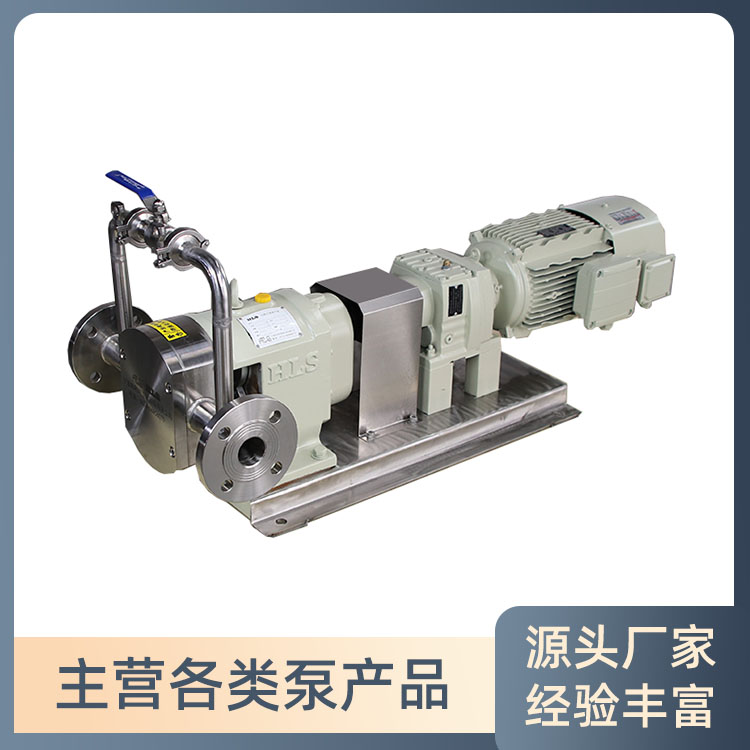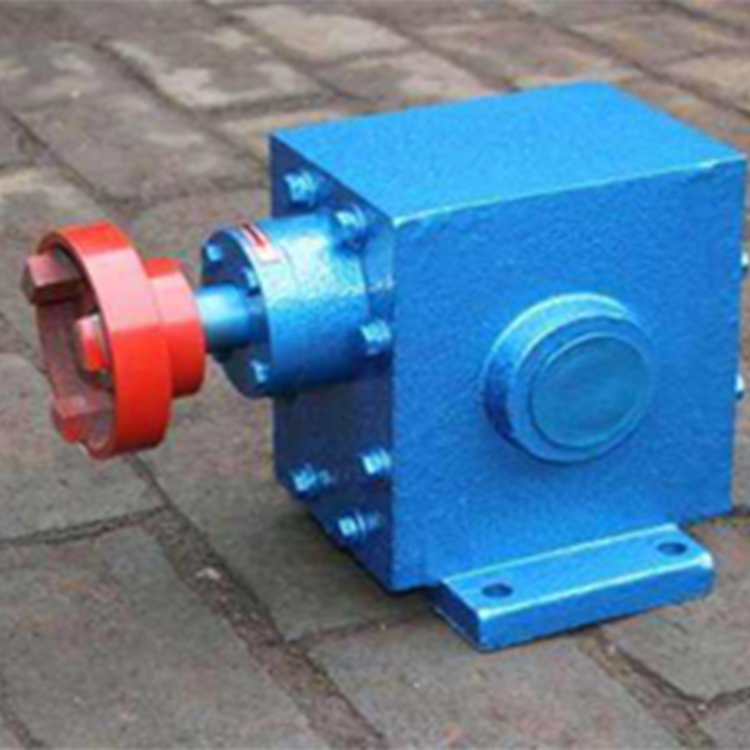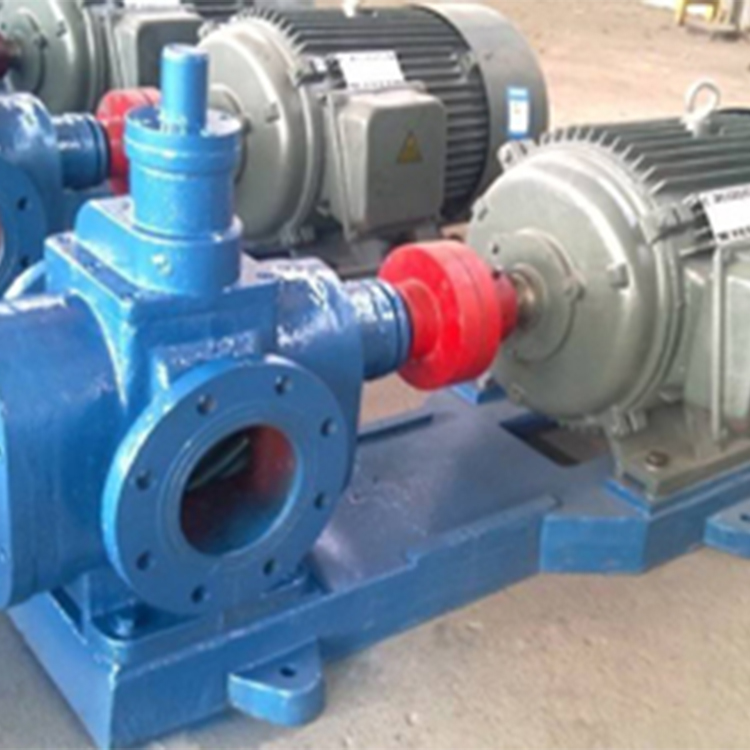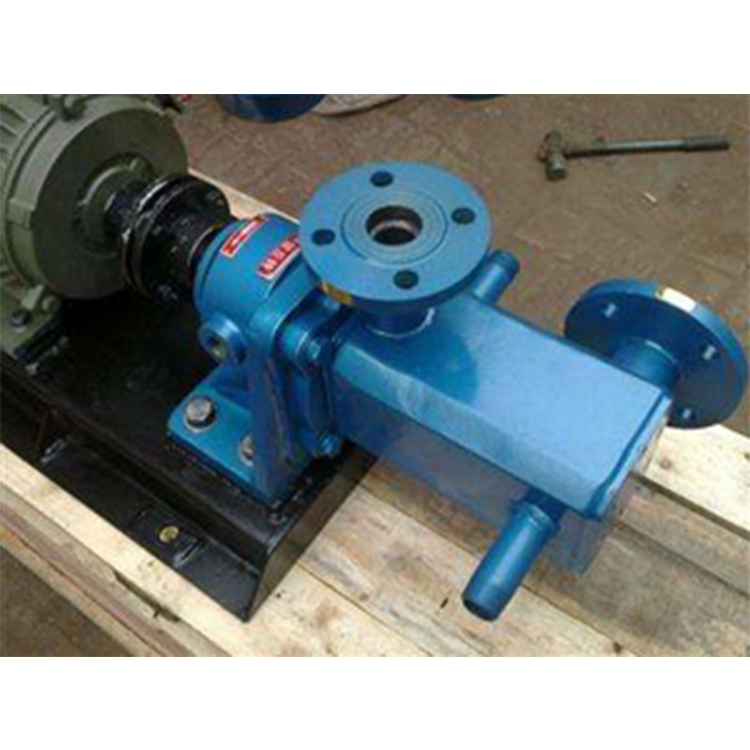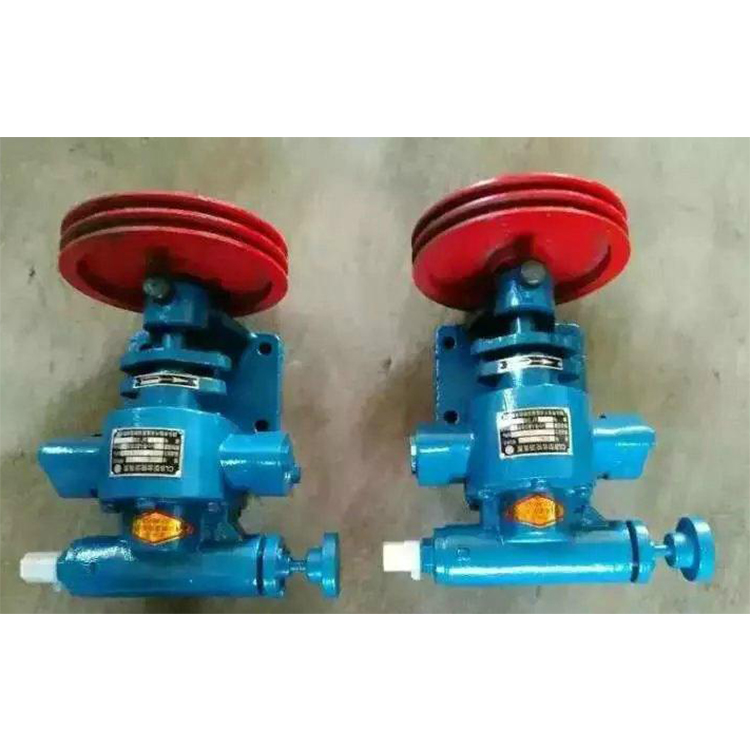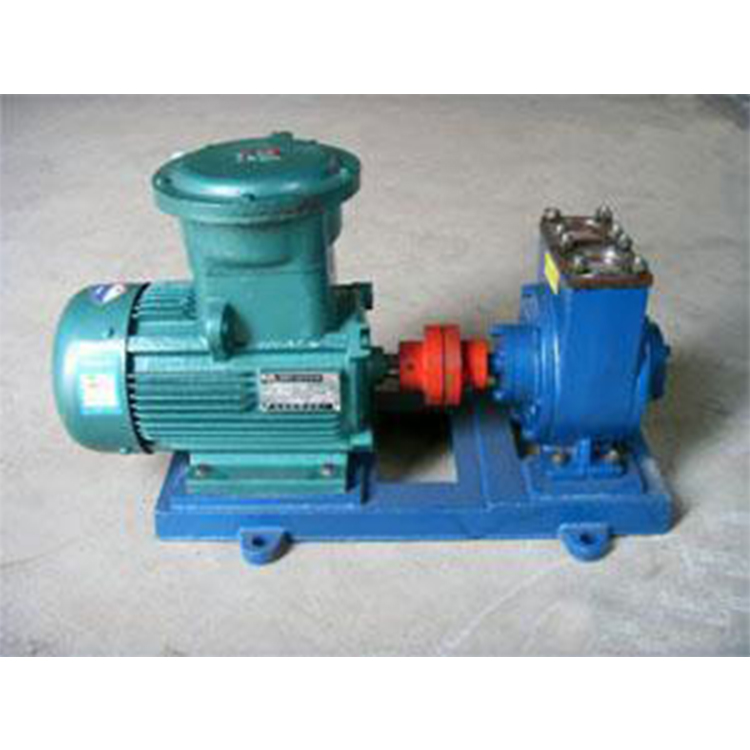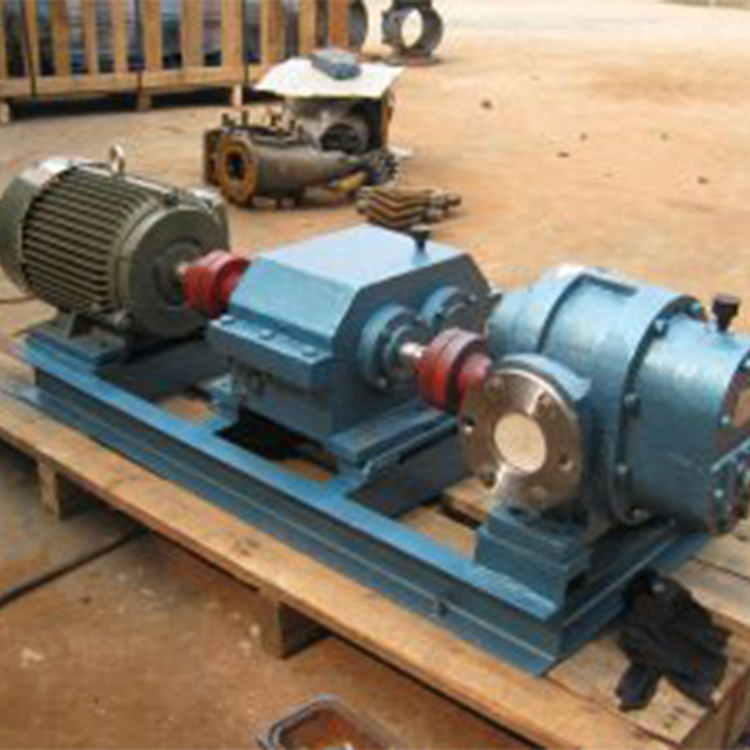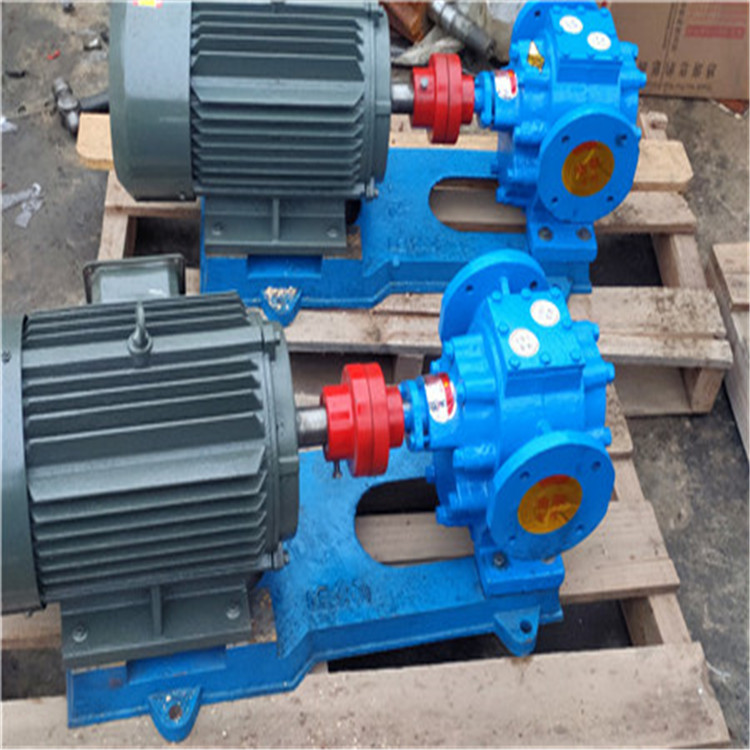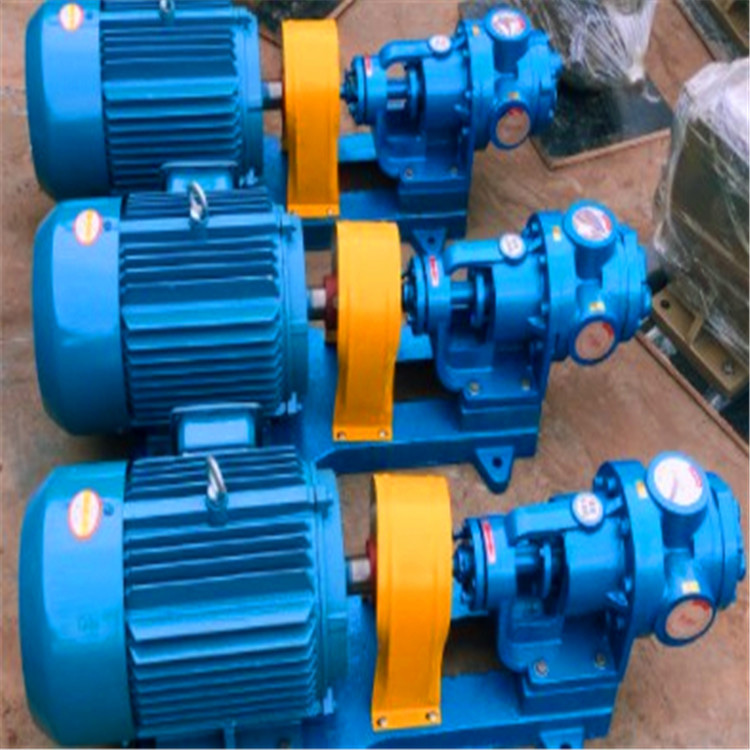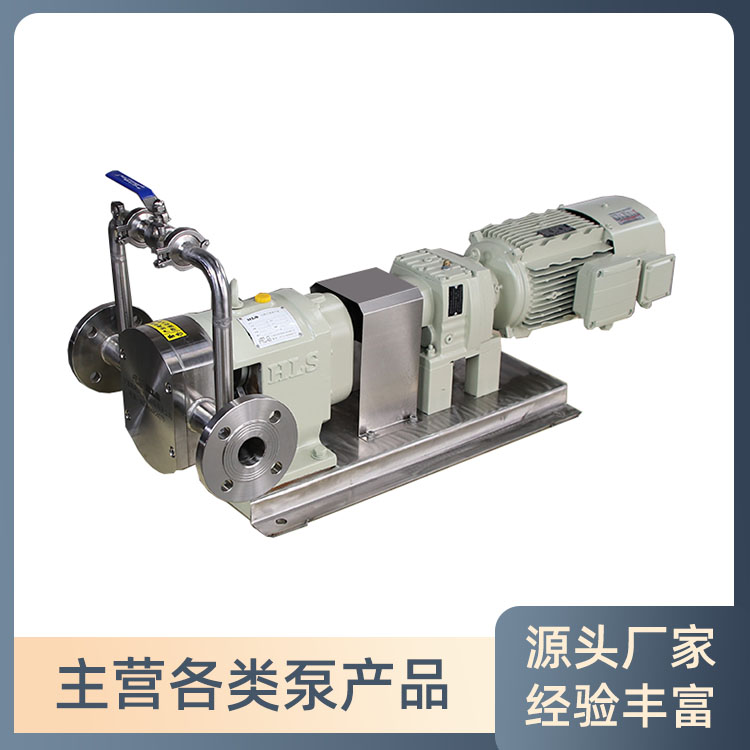
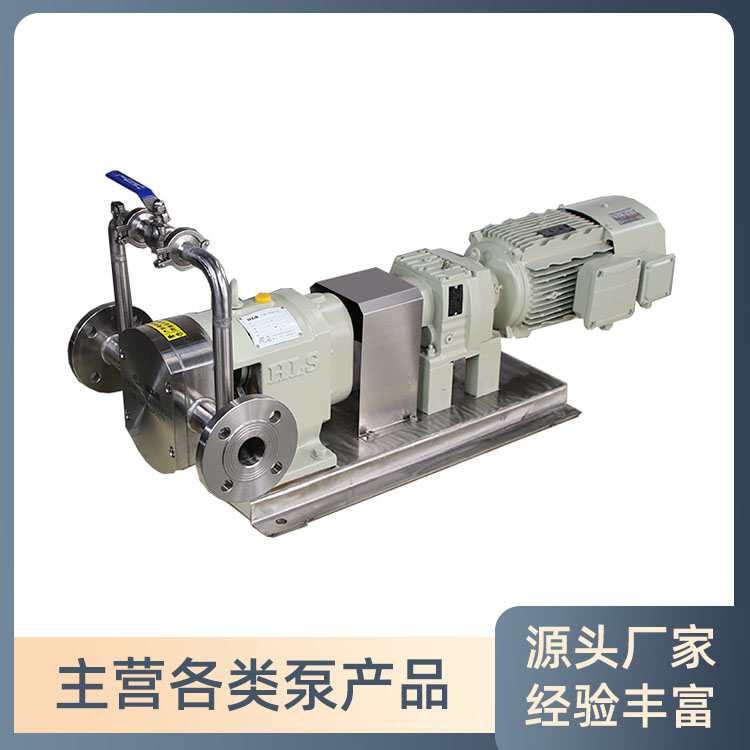
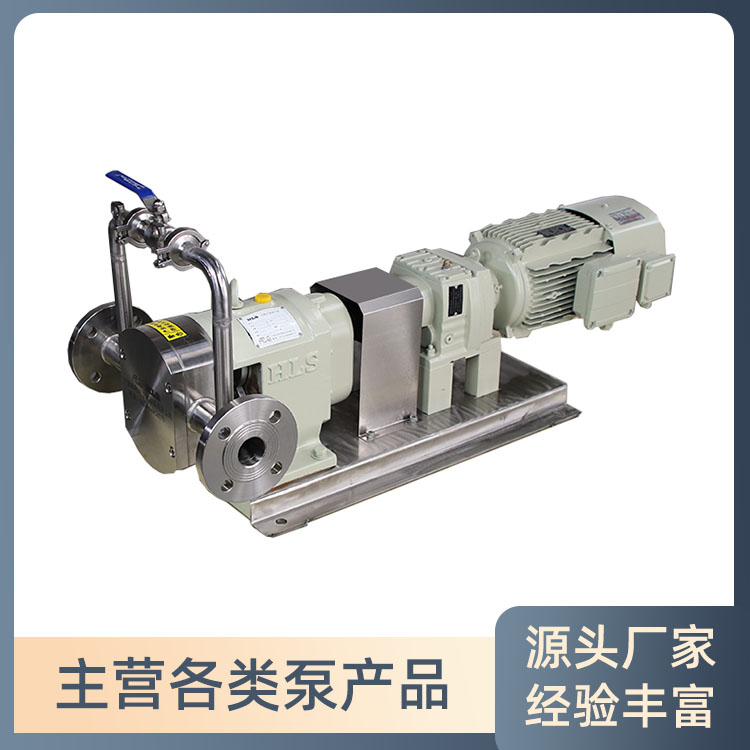



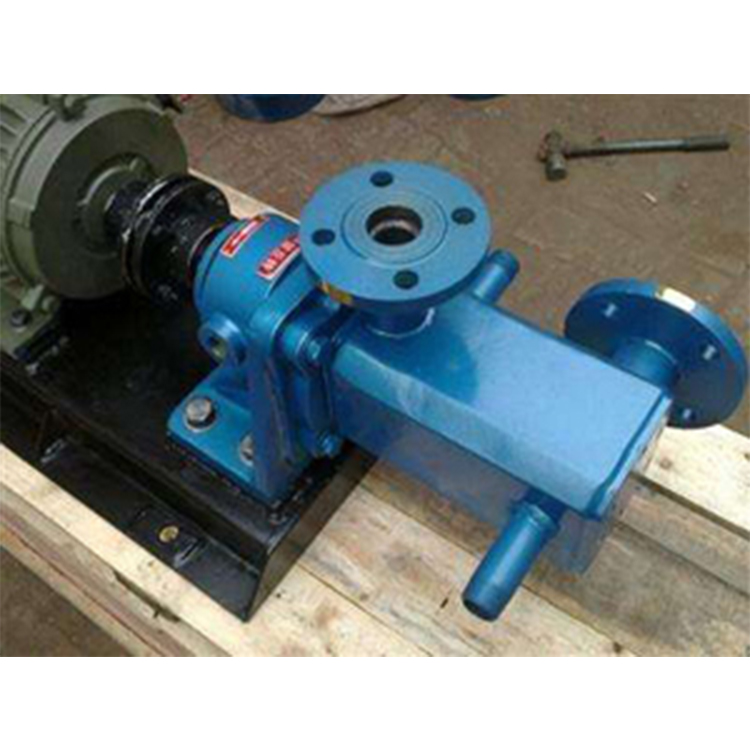





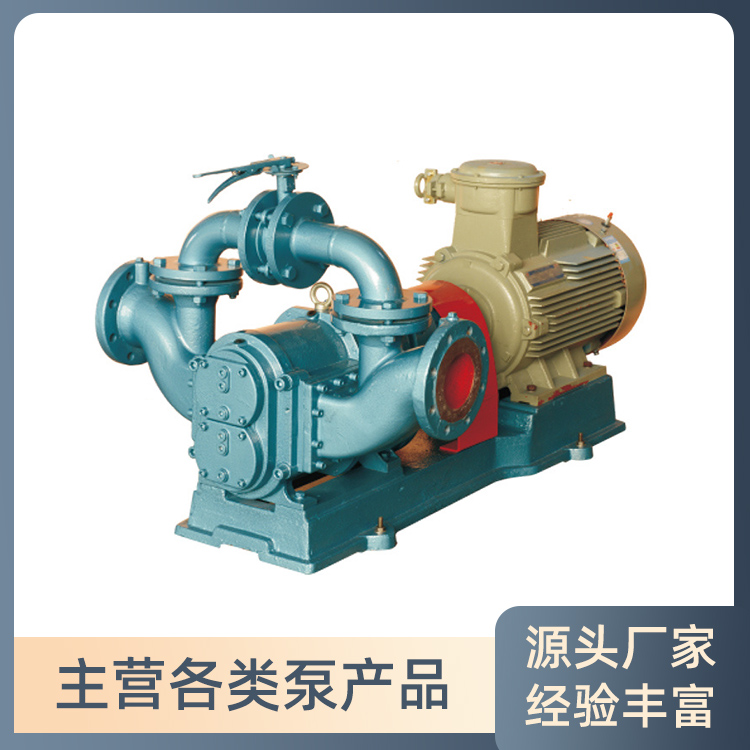
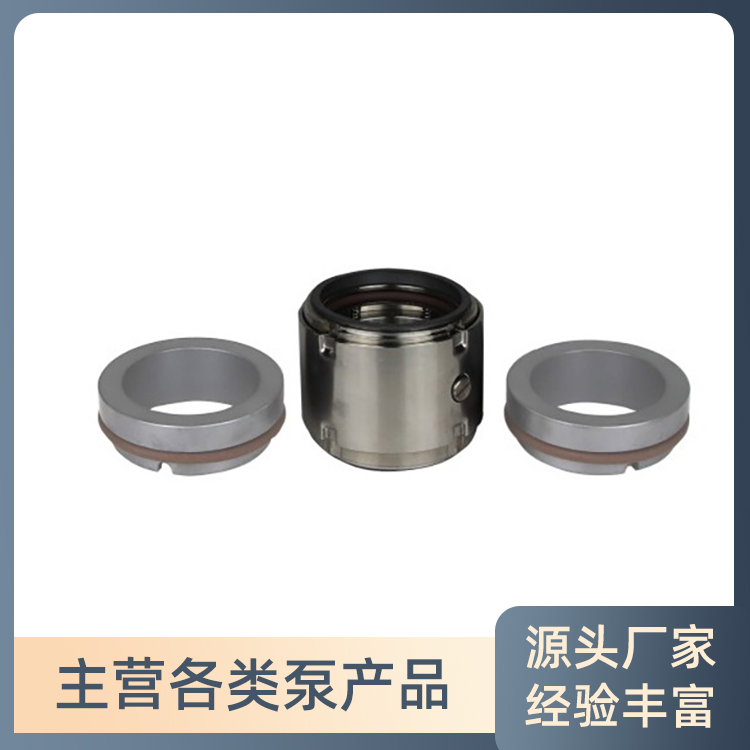
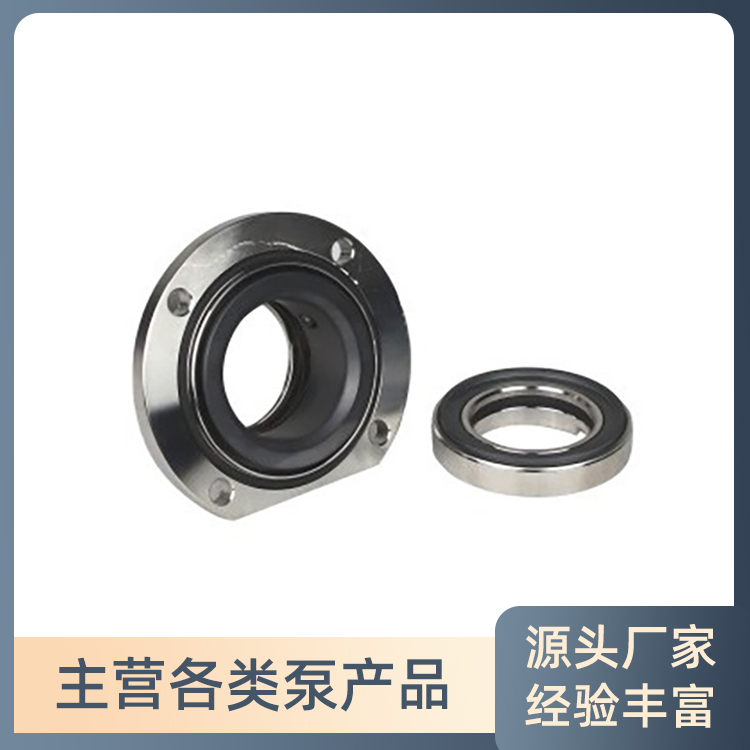
Cylinder rotor pump - TRP cylinder rotor pump - with recirculation unit cylinder rotor pump
Product Overview
A non-return valve equipped cam-type rotor pump connects the pump's inlet and outlet, with a回流阀 installed in the middle. This device allows manual adjustment of the valve opening to return high-pressure material from the pump's outlet to the low-pressure inlet area, thereby regulating the pressure and flow at the pump outlet. This simplifies some operating conditions that require flow and pressure adjustments, featuring a simple structure, easy operation, cost savings, and improved efficiency.
Product Introduction
A cam rotor pump is a positive displacement pump featuring a pair of cams rotating in opposite directions within its pump chamber. Our company is committed to integrating product development with practical applications, continuously improving and upgrading our products. Based on years of research and experience, we have determined a series of cam rotor pumps for various operating conditions, including chemical, food, and general-purpose types. For different operating conditions and media transport, the pumps are configured accordingly, ensuring stable, efficient, and safe performance in a wide range of applications. This provides users with fluid transportation solutions that meet the actual requirements of their operating conditions.
Operating Principle
The cam rotor pump features multiple chambers formed by two rotors and the pump housing. As the two rotors rotate in opposite directions synchronously, these chambers periodically expand and contract to facilitate fluid transportation. The mechanical energy input to the pump's main shaft is converted into kinetic energy of the fluid being transported. The pump flow rate depends on the working chamber volume and its change frequency per unit time, and is theoretically unrelated to the discharge pressure. Driven by the drive shaft, the two rotors (with 1-8 blades) rotate in opposite directions synchronously. During rotation, they generate suction (vacuum) at the inlet as the volume increases, drawing in material. Subsequently, the two rotors and the pump housing create a fixed volume chamber, and as the volume decreases at the pump outlet, the material is discharged, resulting in high vacuum and pressure levels.
Application Fields:
Fine Chemicals: Pigments, dyes, silicone oils, leather oils, various pastes, various adhesives, etc.
Food: Syrups, Honey, Condensed Milk, Milk, Yogurt, Jams, Jellies, Fermented Rice Wine, Meat Sauce, Tomato Juice, Ice Cream, Seasonings, Chocolate, Flour Paste, Concentrated Fruit Juices, Soy Protein, etc.
Papermaking: Filler, coating, starch paste, etc.
Textiles: PVA, polyester, artificial fibers, etc.
Product Features
Rotor and pump housing, with a certain gap between rotors, no contact, and no friction; the pump chamber has no wearing parts, resulting in a long service life.
No need to remove the pump from the pipeline; simply open the pump cover for online maintenance, saving time and making it convenient.
Friction-free pump cavity, low energy loss, low failure rate, reliable sealing, and low noise.
Can handle materials with poor flow properties, such as high viscosity, high concentration, and soft solid particles.
The pump's output flow can be adjusted by varying the pump speed within a certain range, making it suitable for general metering pump use.
Available with flange, screw, and clamp-type connections, directional flow can be horizontal or vertical.
A wide variety of materials are conveyed.
Built-in thermal insulation and cooling structure design, excellent thermal conductivity, space-saving, and easy installation.
Configurable sanitary grade safety valves and integrated pump valves, effectively providing overload protection for pipeline systems.
Rubber rotor pumps are capable of conveying sludge, wastewater, and materials containing solid particles. For more details, refer to the rubber rotor pump introduction.
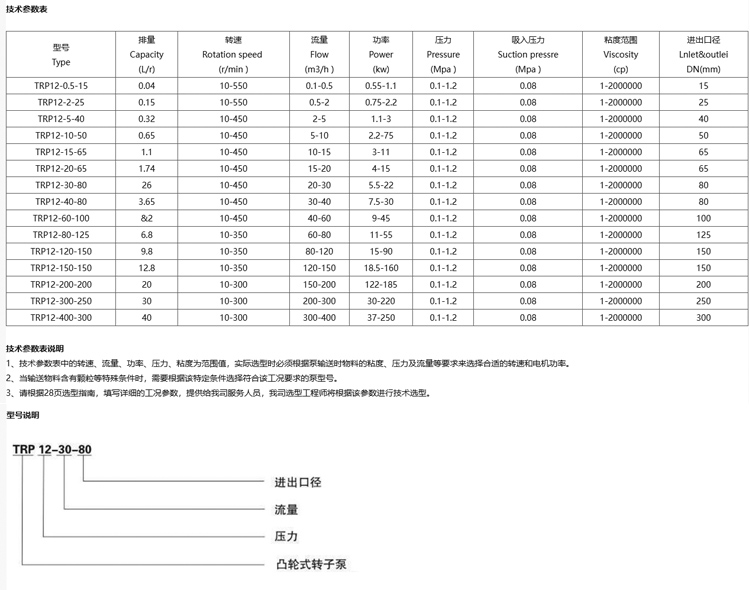
Technical Specifications