








Product Description
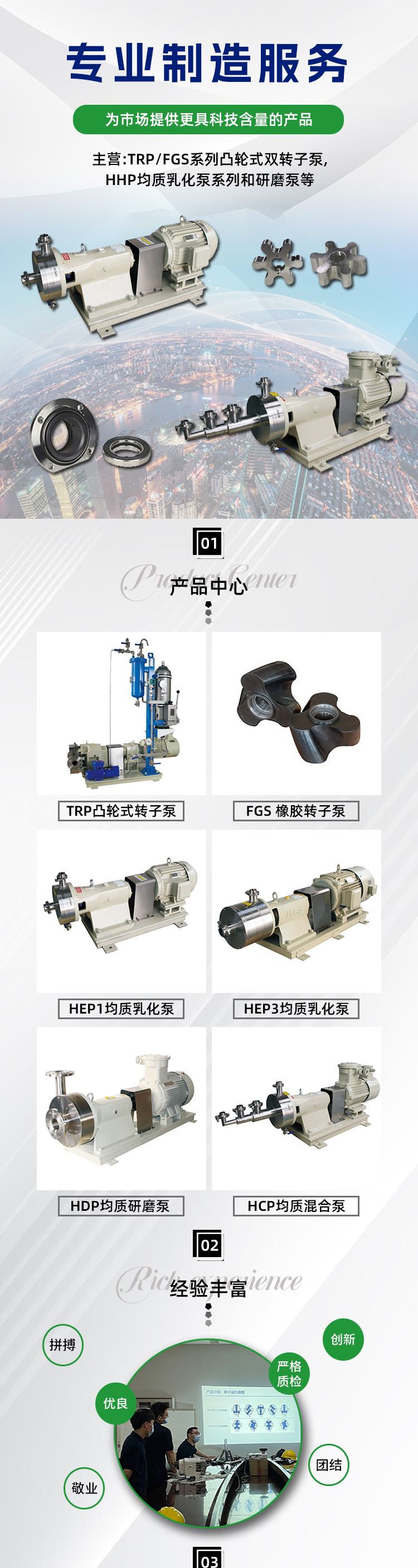
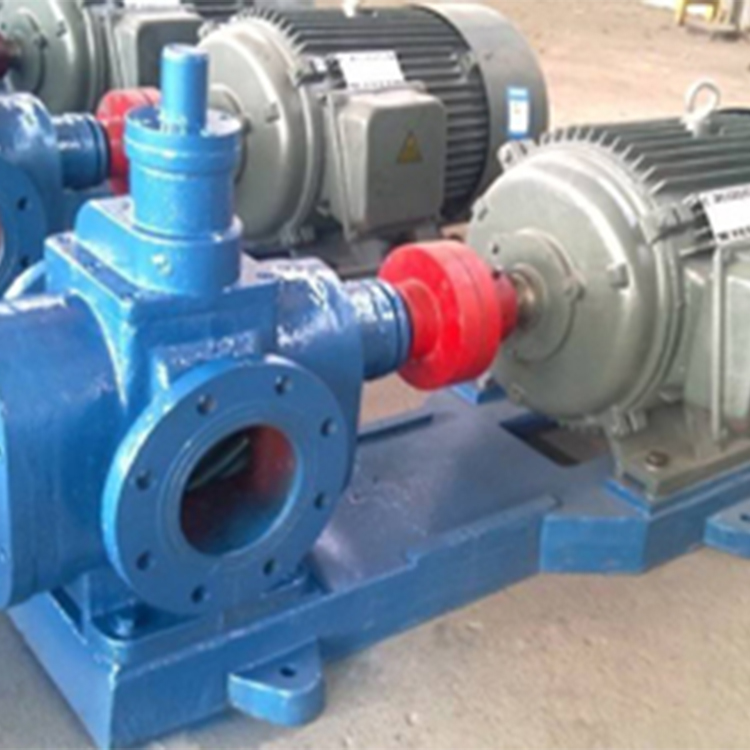
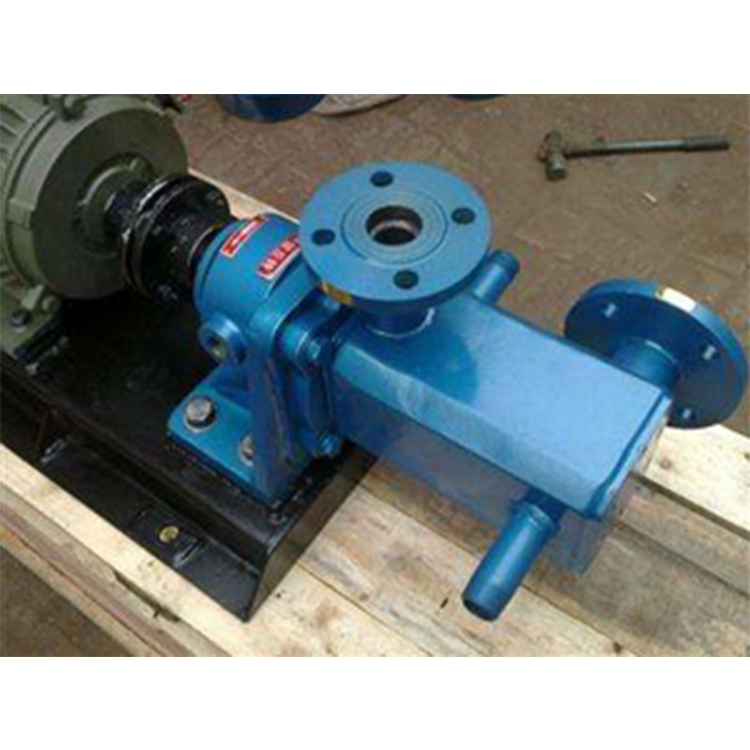
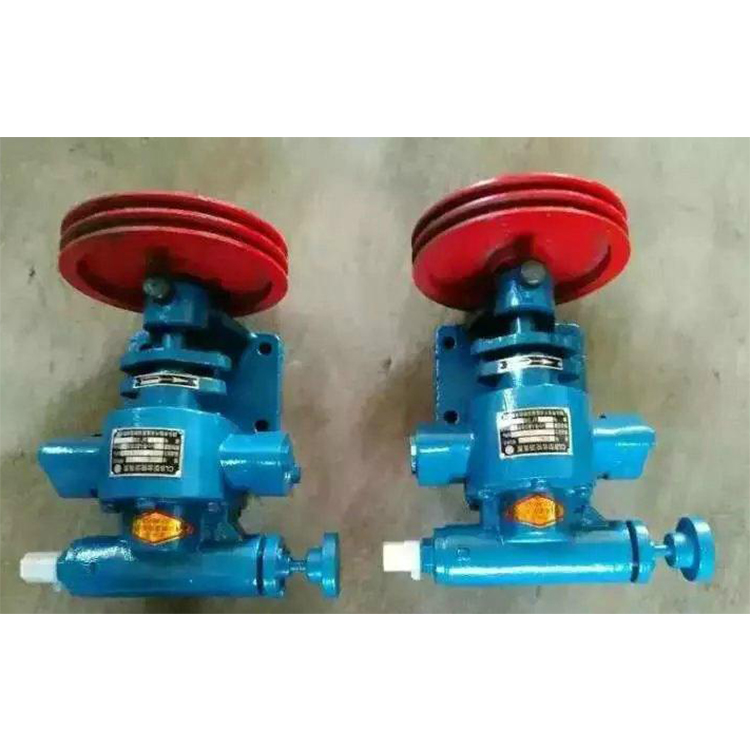
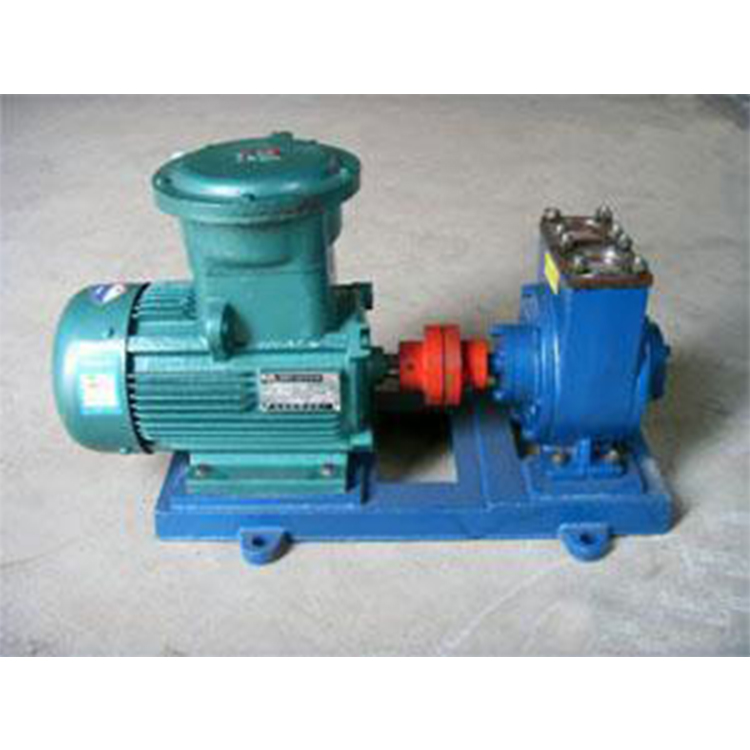
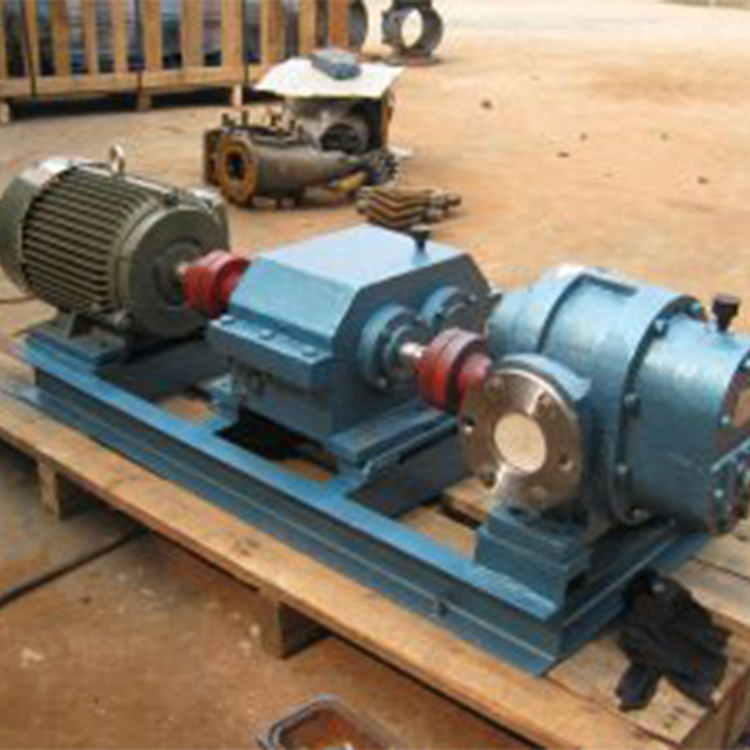
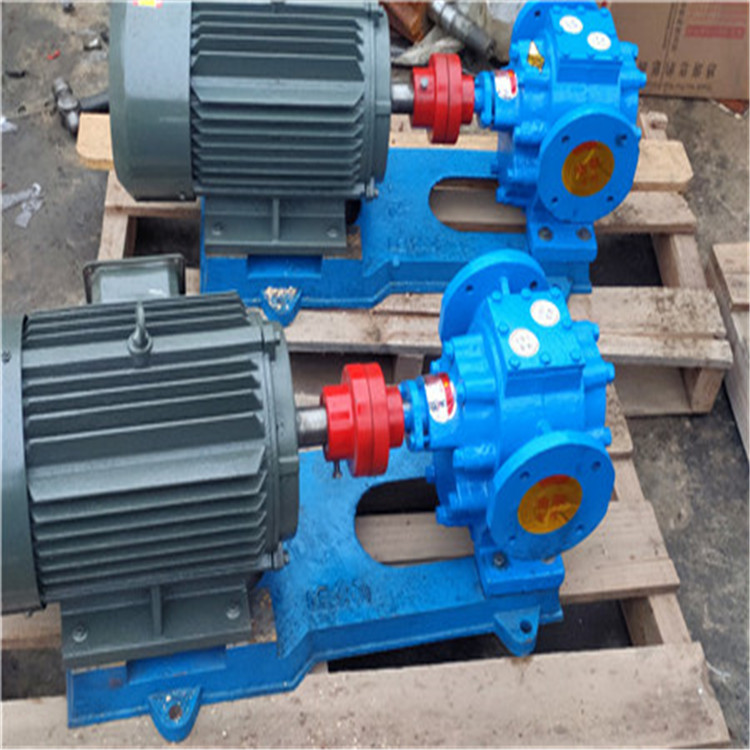
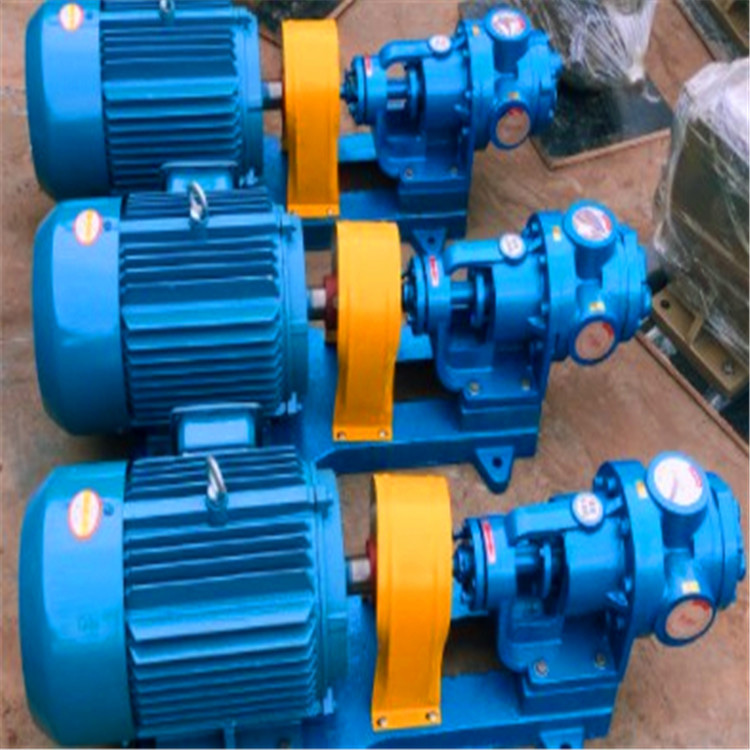
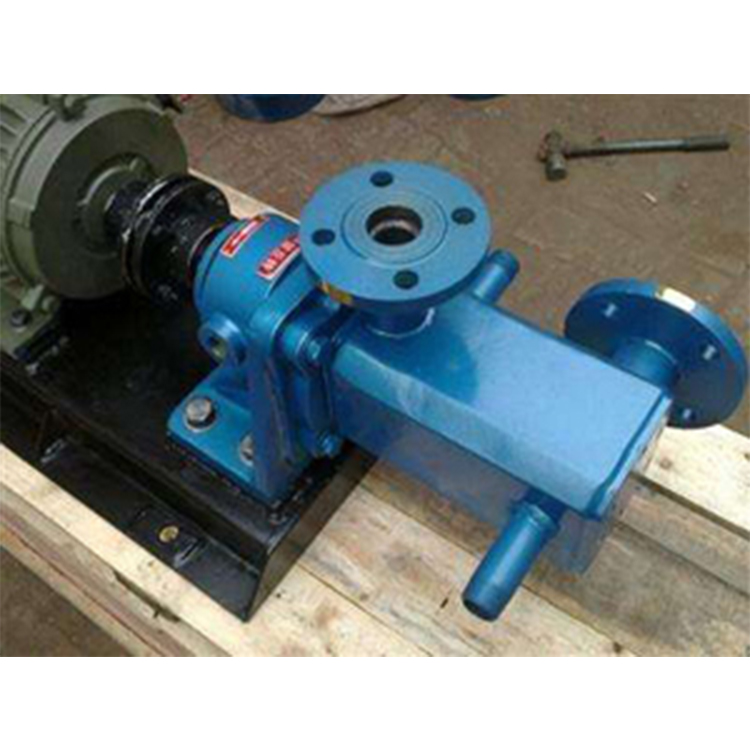
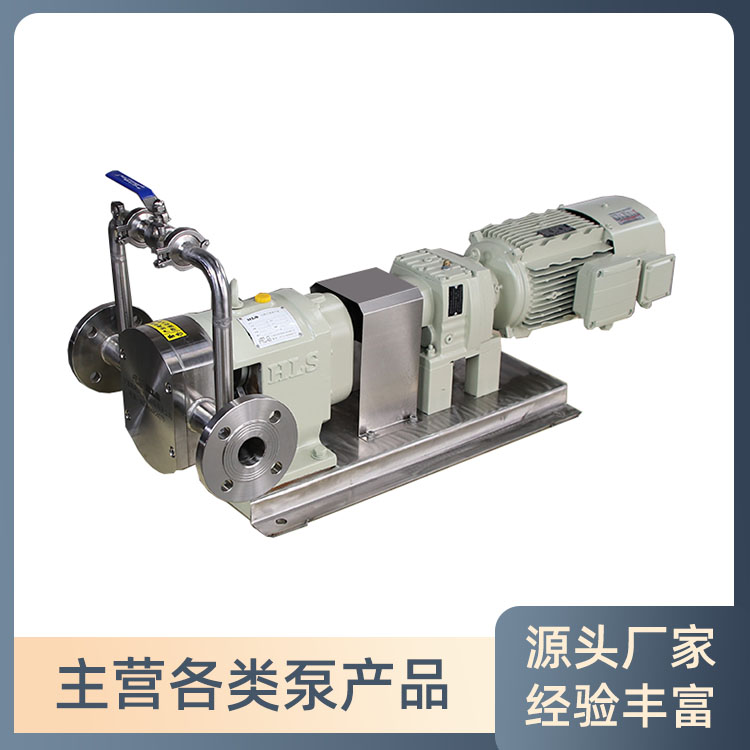
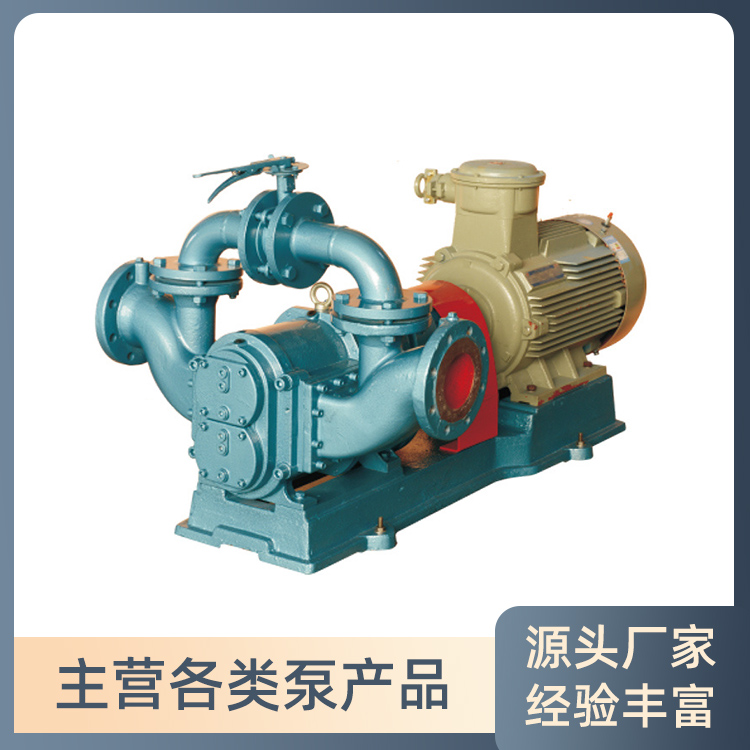
A positive displacement pump, the rotor pump features a pair of cams rotating in opposite directions within its pump chamber. Our company is committed to integrating technology development with practical applications, continuously upgrading and refining our products. Based on years of research and experience, we have determined a series of rotor pumps for various operating conditions: chemical, food, and general-purpose types, among others. Depending on the operating conditions and the medium being transported, the product utilizes the appropriate configuration. This ensures that the rotor pump operates stably, efficiently, and safely across a wide range of applications, providing users with fluid transportation solutions that meet the actual operating requirements.
Working Principle
The HELIS rotor pump consists of multiple volumetric chambers formed by two rotors and the pump housing. When the two rotors rotate synchronously in opposite directions, the volumetric chambers work cyclically – from small to large, to a fixed volume, and then back to small – to achieve the transfer of fluids. The motor and reducer drive the pump shaft rotation, converting electrical energy into kinetic energy of the fluid medium being conveyed through the pump. The flow rate of the pump depends on the volume of the working chamber and its frequency of change per unit time, and is independent of the discharge pressure (theoretically, and without considering the viscosity and fluidity of the material). The rotor pump, driven by a transmission shaft and synchronous gears, allows the two rotors and pump chambers to form a fixed volumetric chamber. The inlet chamber increases in volume, creating suction (vacuum) to吸入 material, while the outlet chamber decreases in volume, forming a conveying pressure to output material. The volumetric chamber characteristics of the pump allow for effective conveying of soft, easily fractured solid materials with large particle sizes, such as the fruit particle material in food materials.
Application Fields:
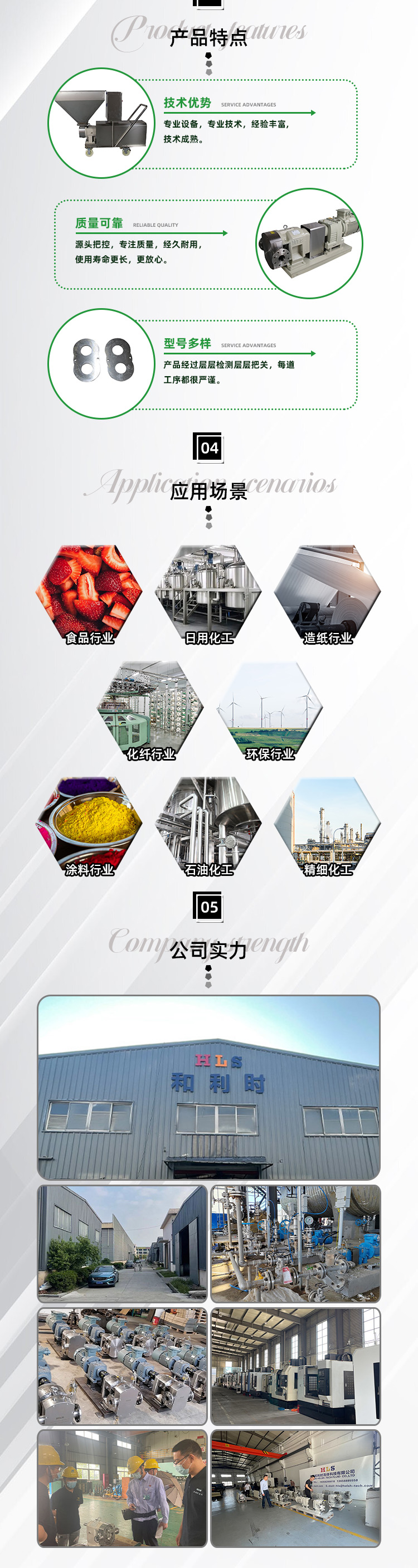
Fine Chemicals: Pigments, dyes, silicon oils, leather oils, various slurries, various adhesives, etc.
Food: syrup, honey, condensed milk, milk, yogurt, jam, jelly, soy sauce, meat paste, tomato juice, ice cream, seasonings, chocolate, flour paste, concentrated fruit juice, soy protein, etc.
Papermaking: Filler, coating, starch paste, etc.
Textiles: PVA, polyester, artificial fibers, etc.
Product Features
Rotor and pump housing, with certain gaps between rotors, no contact, and no friction; pump cavity free of wear parts for a long service life.
No need to dismantle the pump from the pipeline; simply open the pump cover for on-site maintenance, saving time and making it convenient.
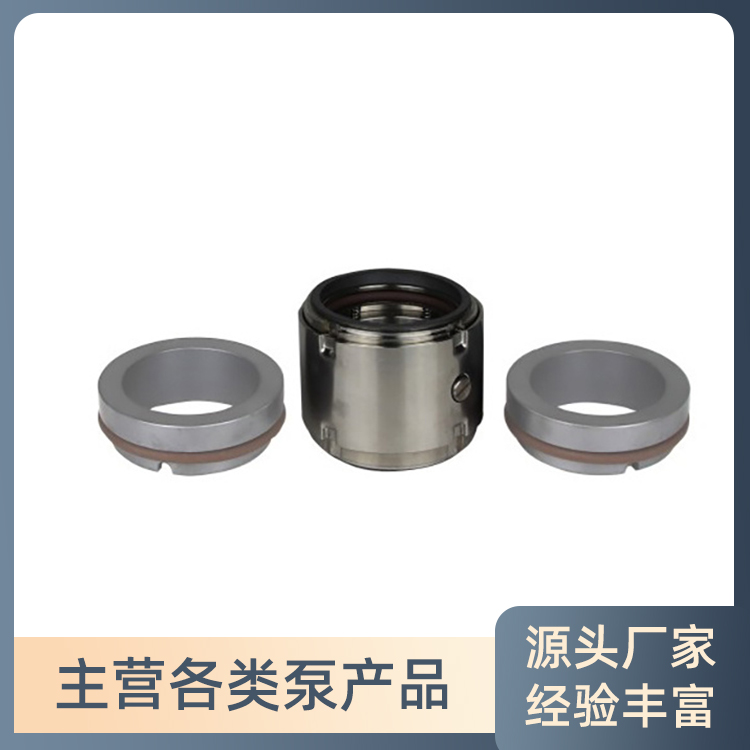
Friction-free pump cavity, low energy loss, low failure rate, reliable sealing, and low noise.
Can transport materials with poor fluidity, such as high viscosity, high concentration, and containing soft solid particles.
The pump's output flow can be adjusted by varying the pump speed within a certain range, making it suitable for general metering pump use.
Available in various connection types including flanged, threaded, and clamp-style, with directional options both horizontal and vertical.
A wide range of material types are conveyed.
Built-in thermal insulation and cooling structure design, excellent thermal conductivity, space-saving, and easy installation.
Configurable sanitary grade safety valves and pump valves integrated, effectively providing overpressure protection for pipeline systems.
Rubber rotor pumps are capable of transporting sludge, wastewater, and materials containing solid particles. For details, refer to the rubber rotor pump introduction.
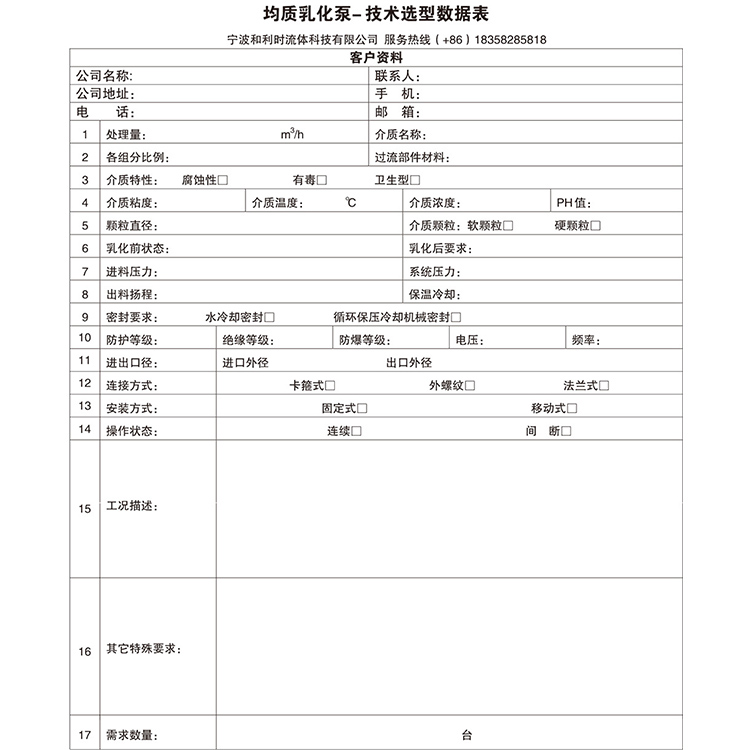
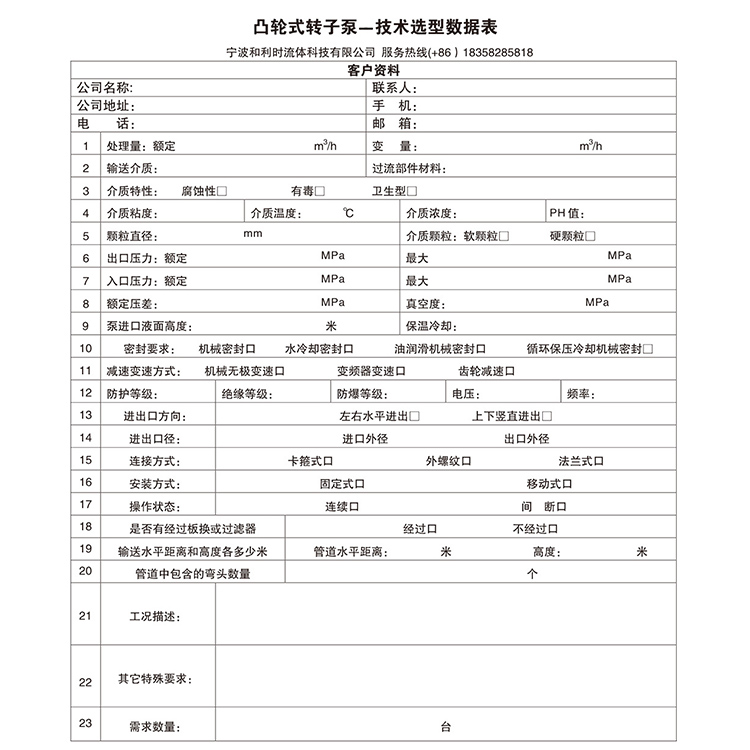
Why choose the Lafa brand among so many self-priming rotor pump brands? Lafa's professional technical team carefully analyzes the basic parameters provided by customers and offers detailed technical specifications and design drawings for model selection. Before installation, we provide professional solutions to complex issues and quickly resolve doubts that arise during the installation and use of food-grade stainless steel rotor pumps. 1. Motor 2. Plastic bushing coupling 3. Pump main components 4. Eccentric reducer flange pipe (straight or 90° connection) 5. Sanitary rotor pump bypass valve flexible hose 6. Mobile rotor pump manufacturer safety relief valve 7. Frame products Lafa uses globally renowned brand production line equipment, with a meticulous mindset, ensuring that every production process meets ISO9001 quality management system standards and API 676 product standards. The products have passed the import and export certification of the Spanish Bureau Veritas Group. Lafa has obtained more than 50 domestic patents to date and continues to improve annually. The company's simulation and testing bench ensures that every original high-pressure rotor pump meets the requirements for new materials, and the types of pumps designed are continuously published to meet the complex requirements of self-priming heat-resistant rotor pump products for customers.
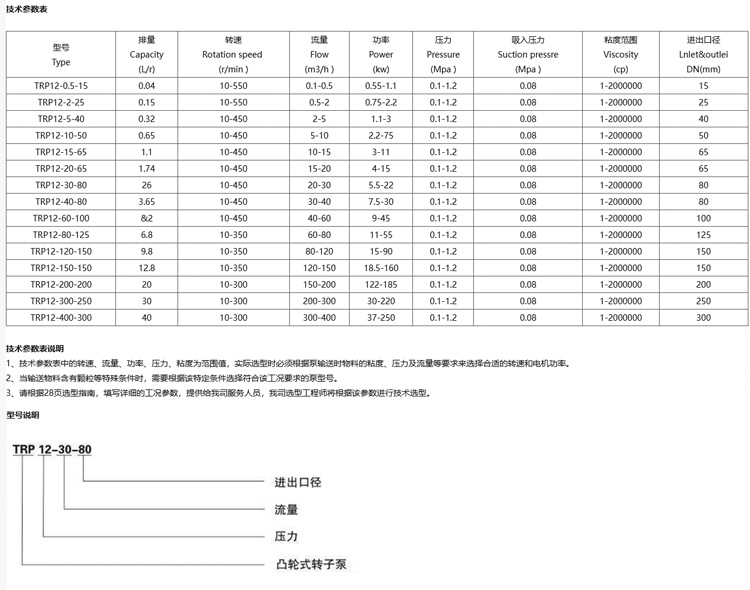
Technical Specifications