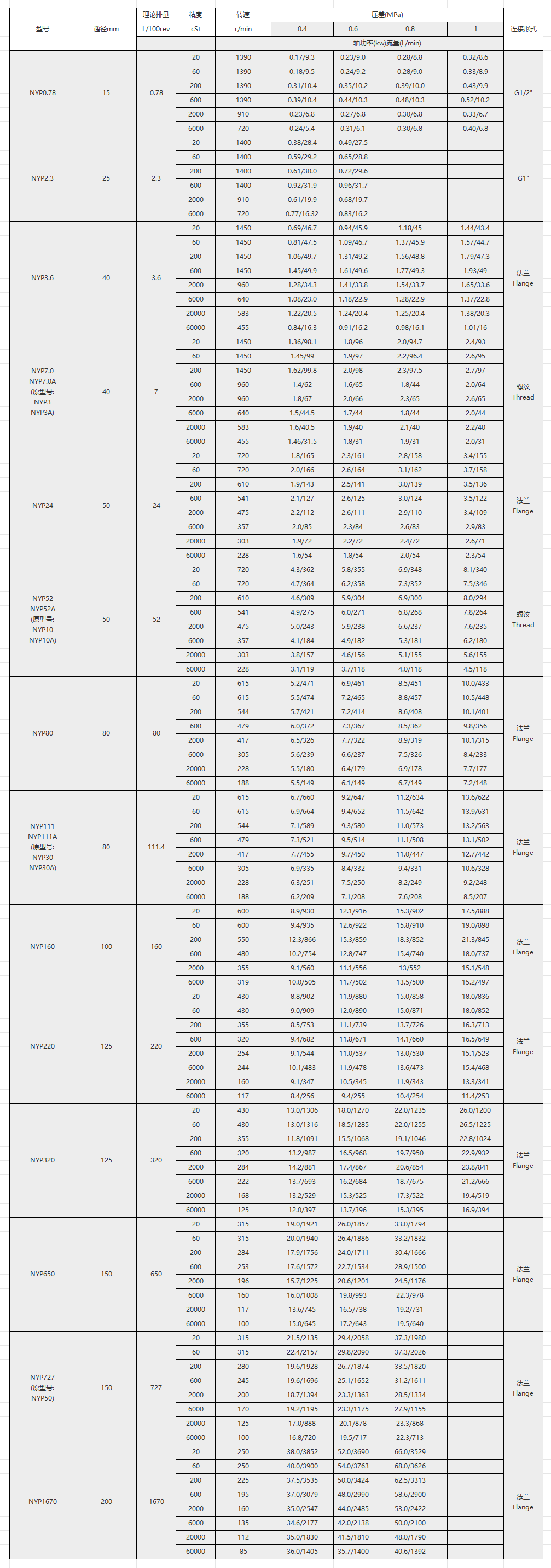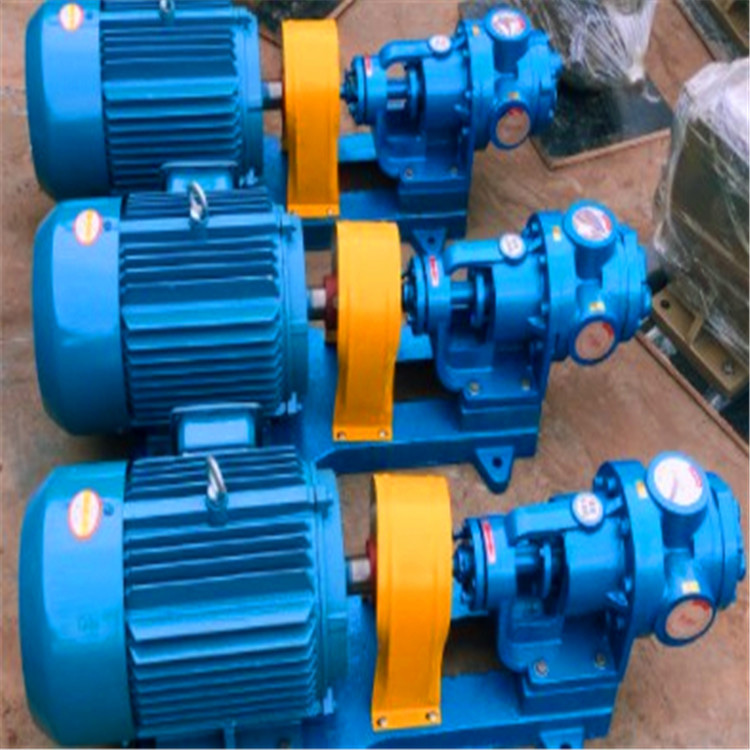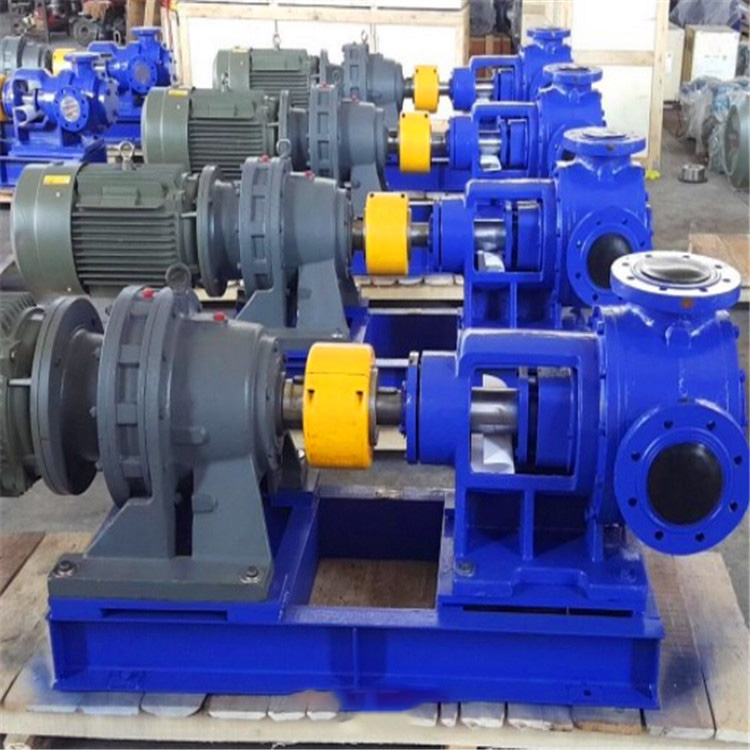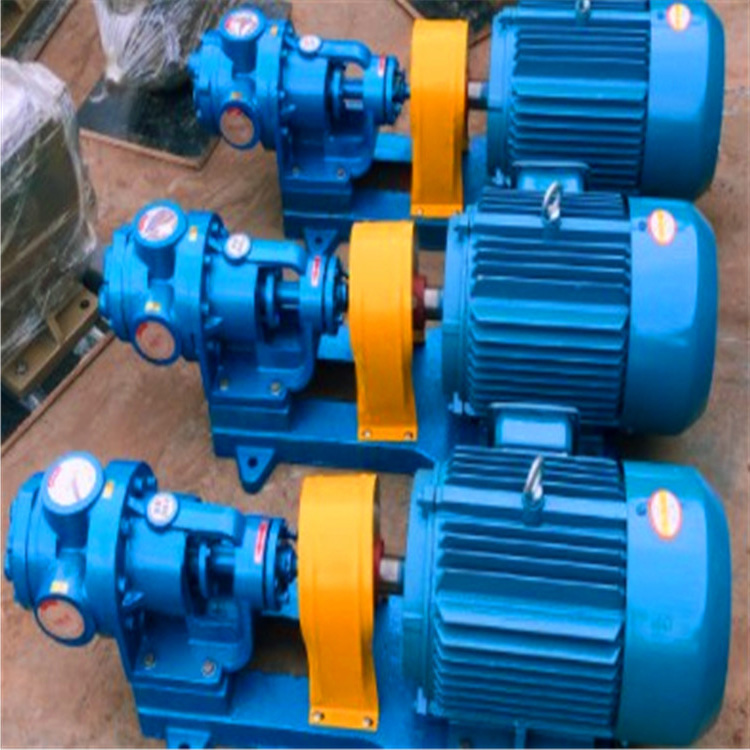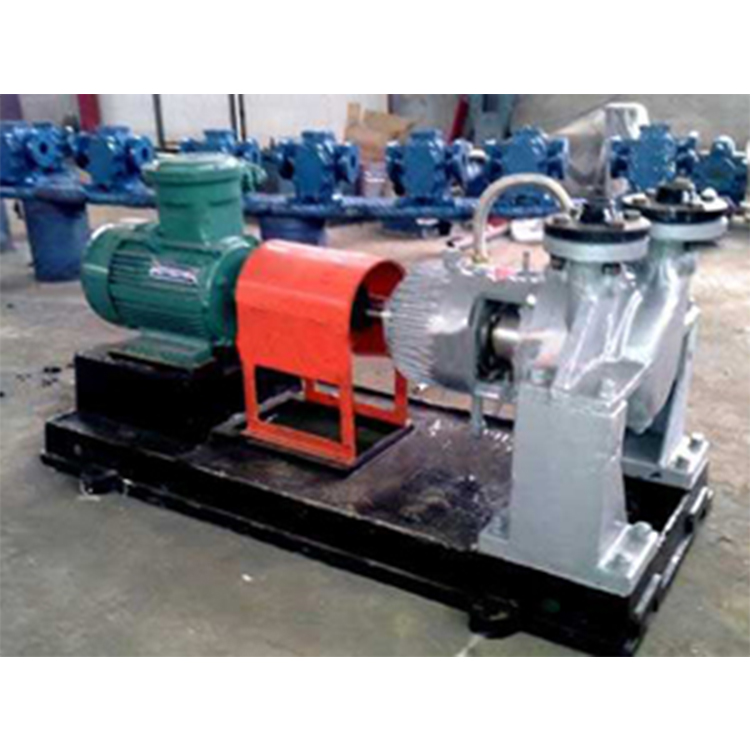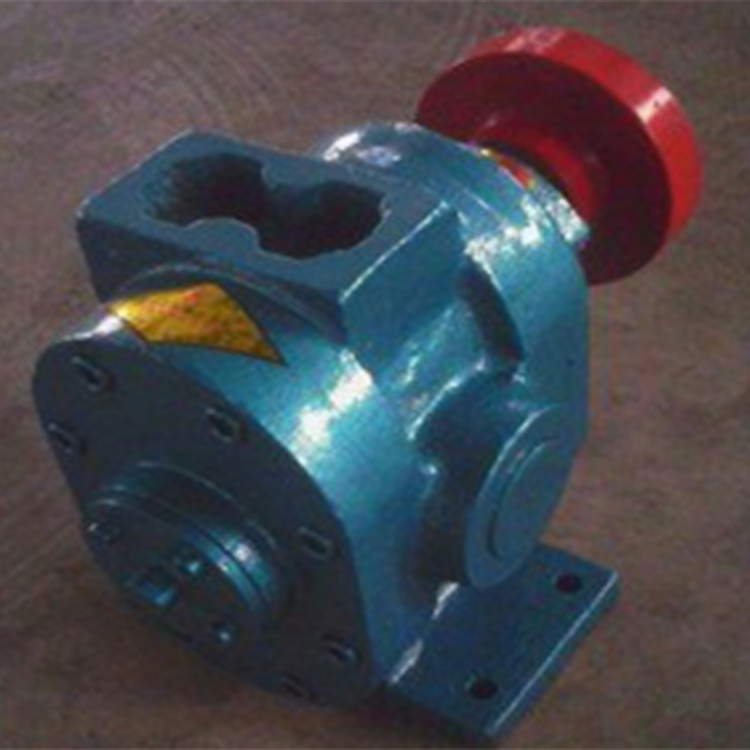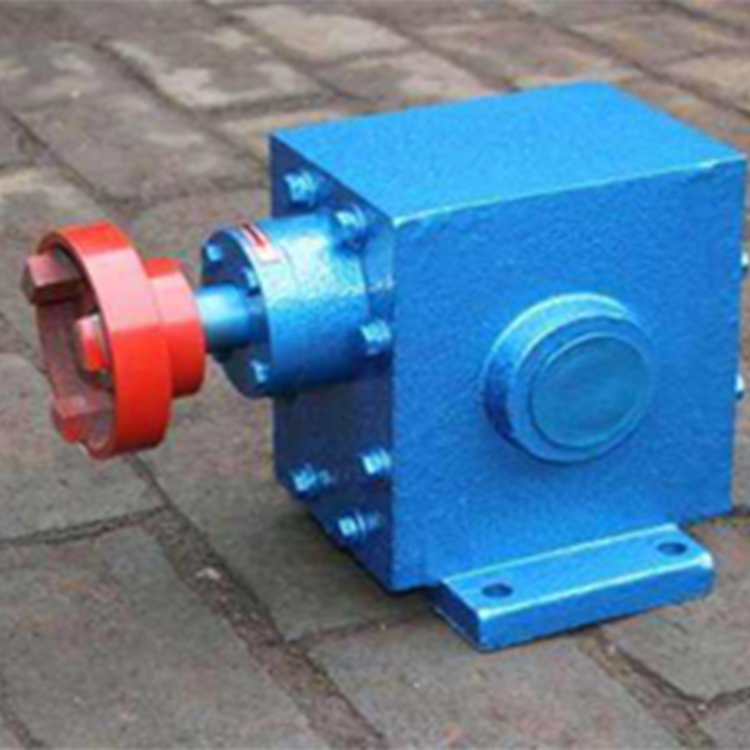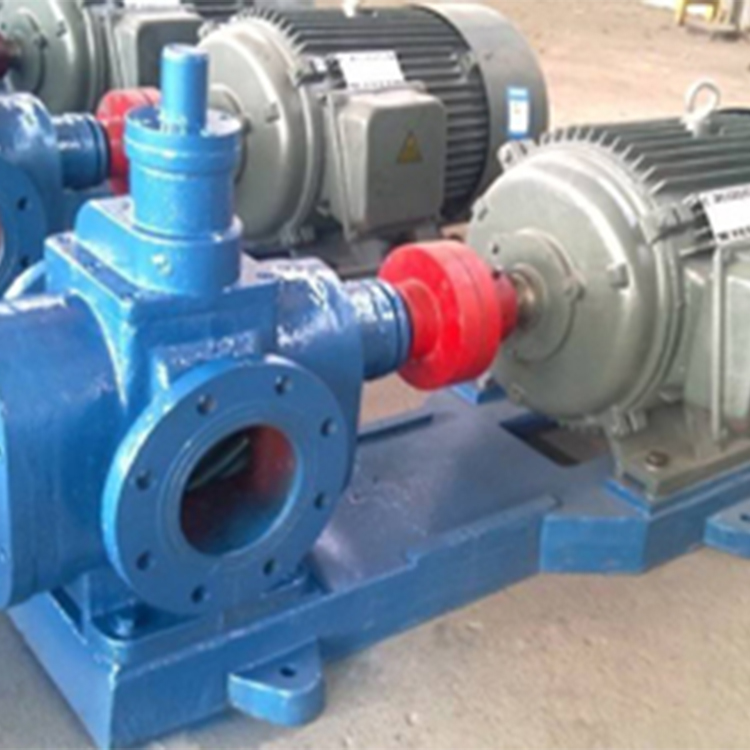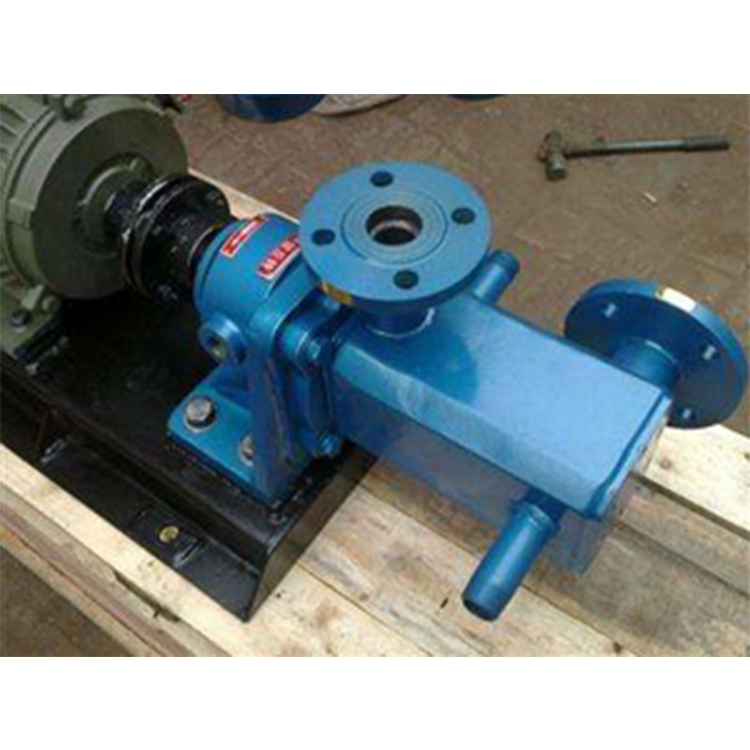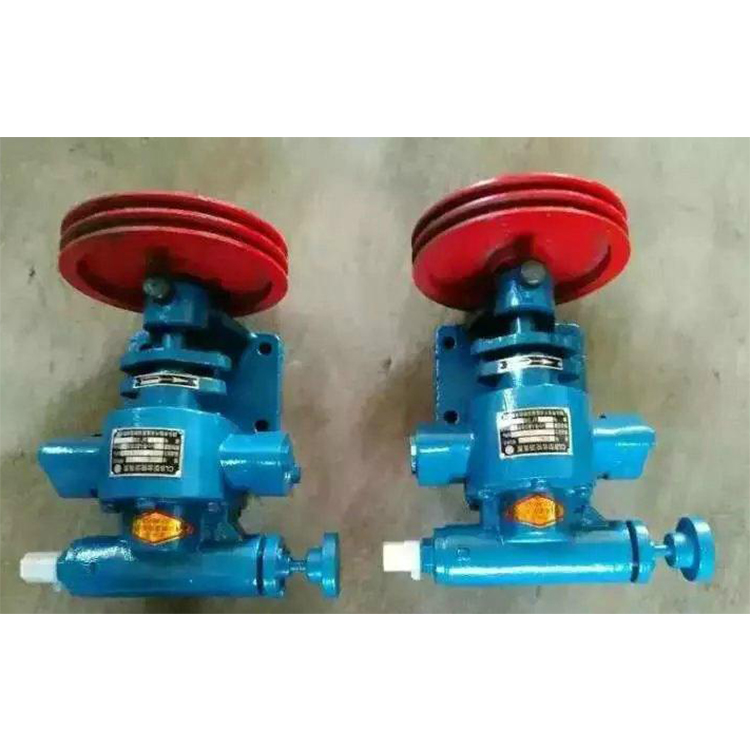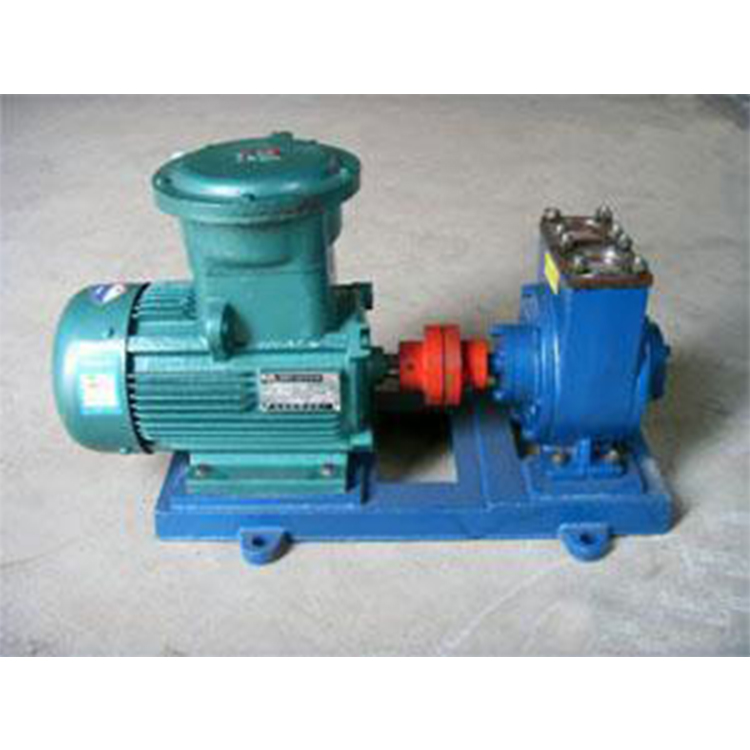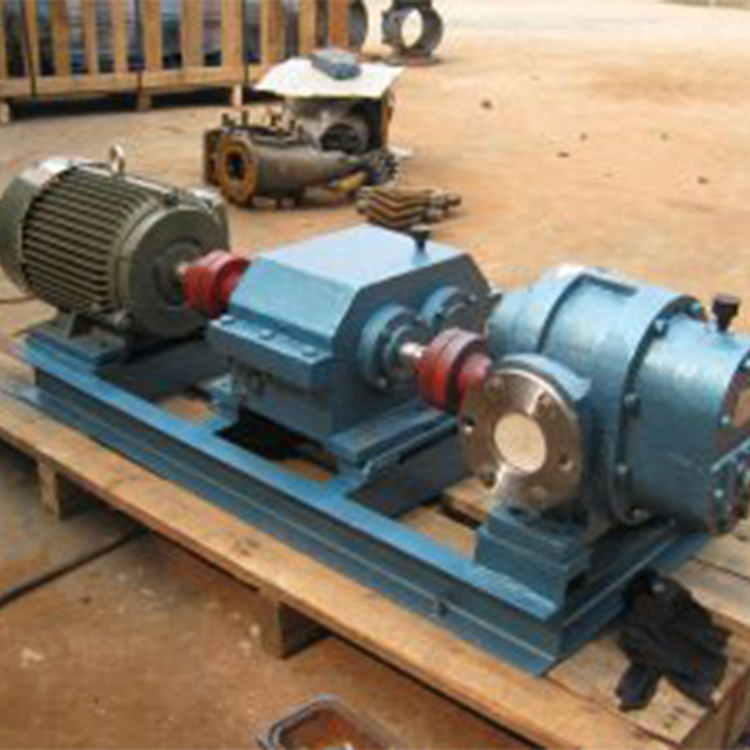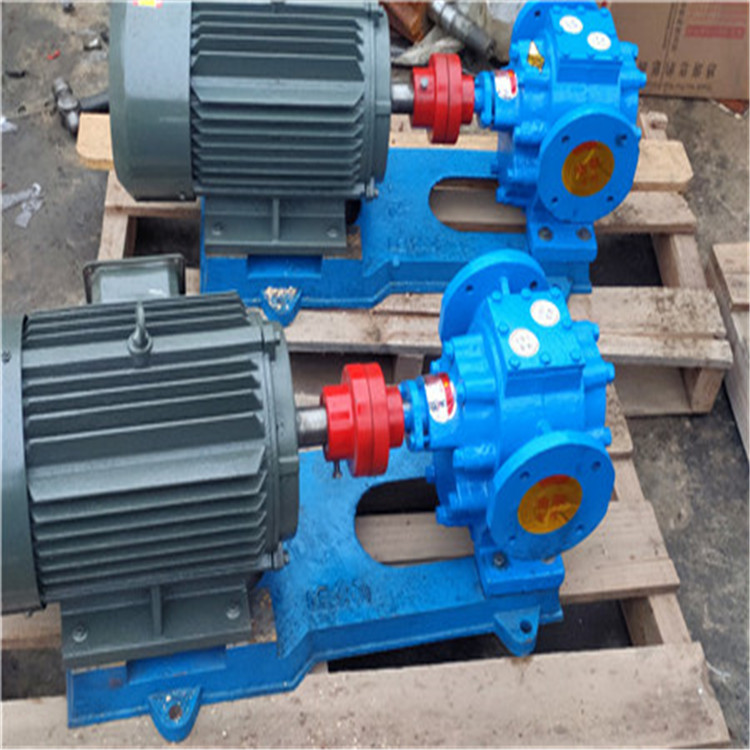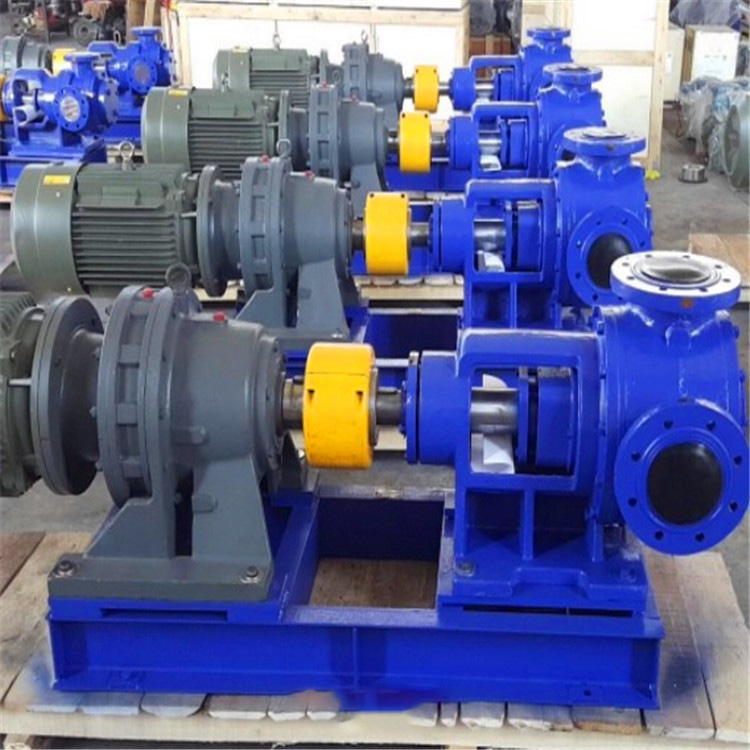
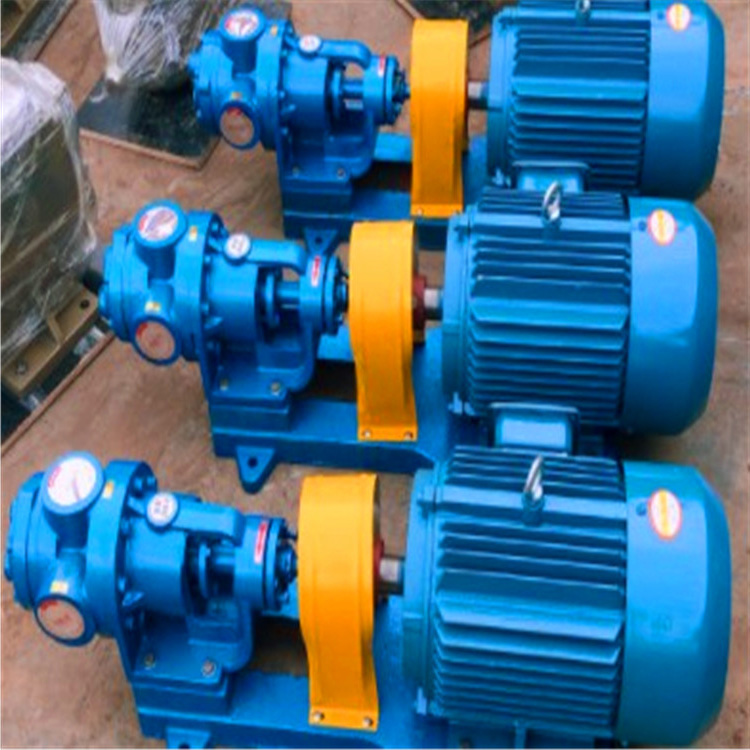


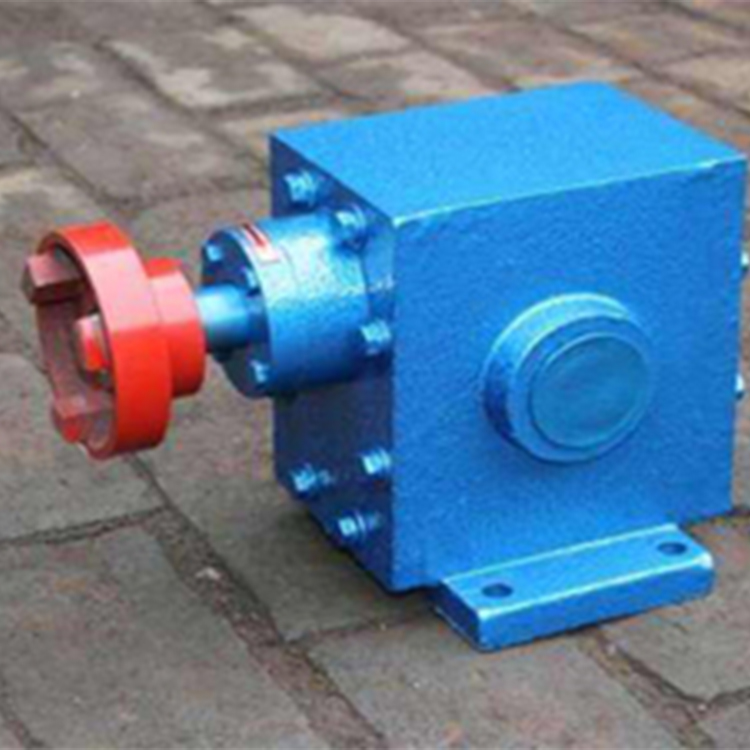

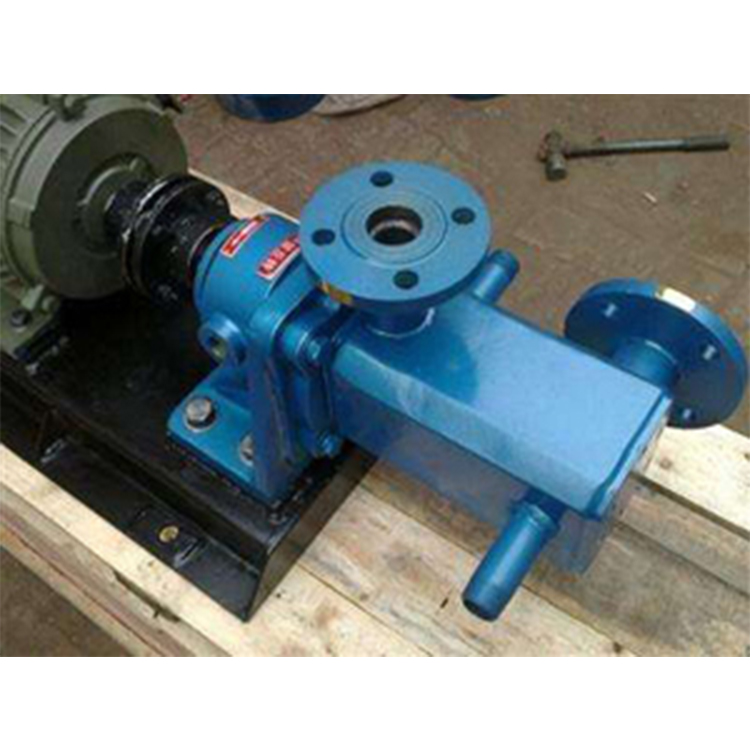







The NYP series asphalt thermal insulation high viscosity rotor pump, when transporting crystalline materials, can be designed with a thermal insulation jacket on the front cover and pump body. During operation, steam is used for insulation and melting. The pump can be equipped with a valve. When the pump or pipeline system exceeds pressure, the valve opens, forming an internal回流, _system.
NYP Series asphalt thermal insulation pump working principle:
The internally toothed drive gear (rotor) drives the inner rotor to rotate in the same direction within the fully enclosed pump body. The crescent shape of the pump body and the front cover separates the suction and discharge ports. As it rotates, a vacuum is formed at the suction port, drawing in the liquid. The rotor then transports the liquid to the discharge port, where it is pressurized and expelled from the pump body, completing the liquid transfer.
NYP series asphalt thermal insulation pump structure:
Primarily composed of internal and external rotors, shaft, pump body, front cover, bracket, seals, and bearings, the seals come in two types: mechanical and packing. For media with high temperature, high viscosity, high density, and strong corrosiveness, packing seals are recommended.
The NYP series asphalt thermal insulation high viscosity rotor pump, when conveying crystalline materials, can be designed with a thermal insulation jacket on the front cover and pump body. During operation, steam is used for insulation and melting. The pump can be equipped with a valve, which opens when the pump or pipeline system exceeds pressure, creating an internal backflow to maintain the system.
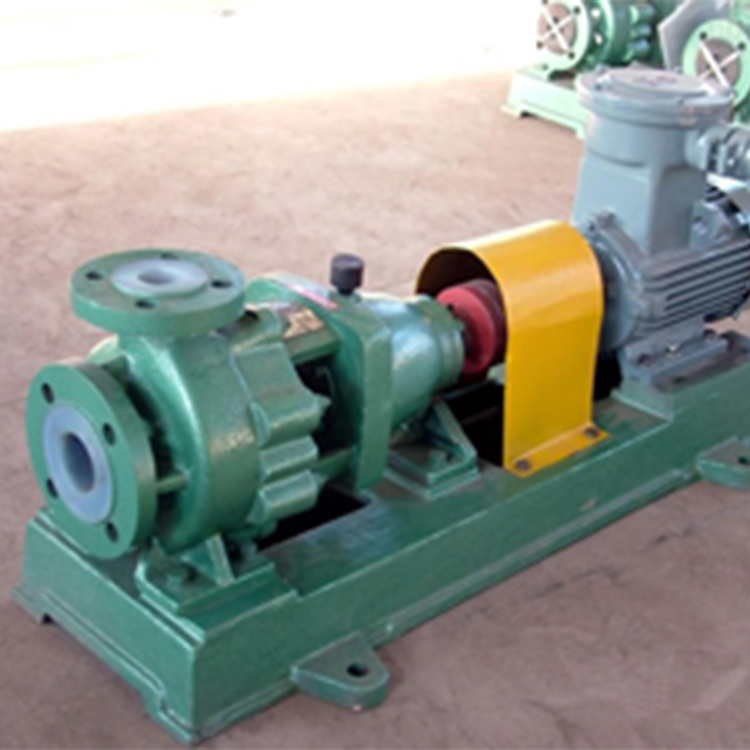
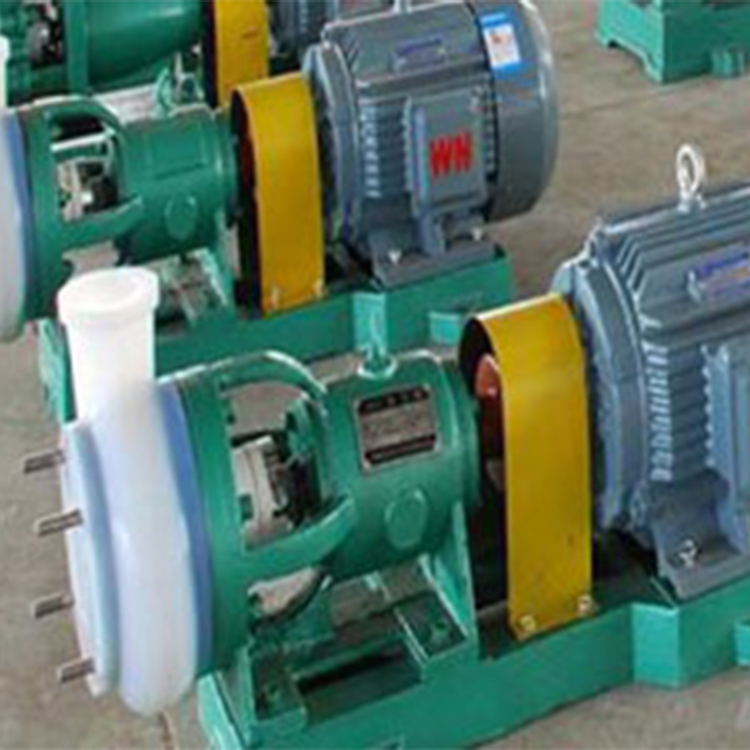
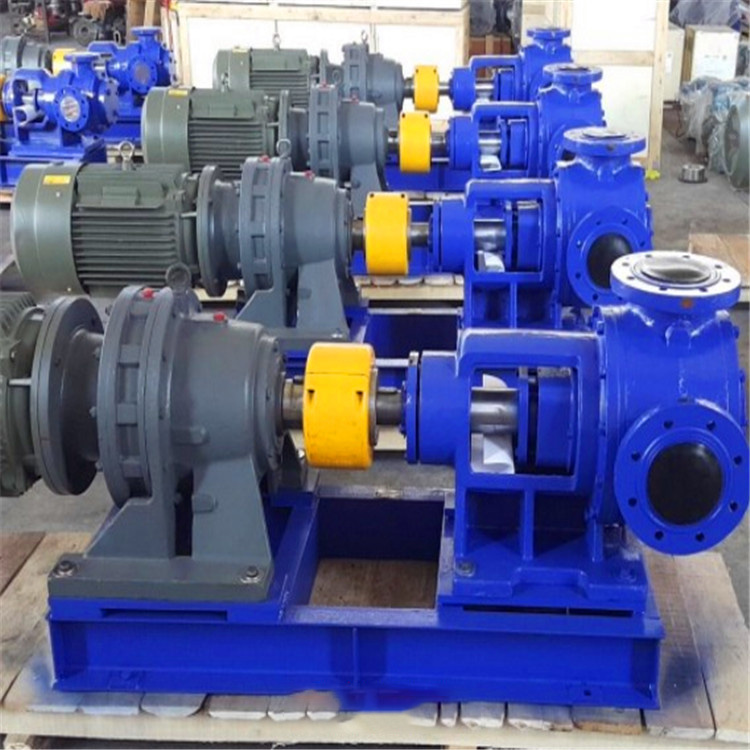
The pump assembly consists of the pump, motor, and base. There are two types of transmission methods: bridge type and direct coupling.
NYP Series Asphalt Insulating High Viscosity Rotor Pump - Specifications Sheet: