












Fixed-bed reactor
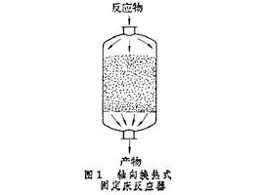
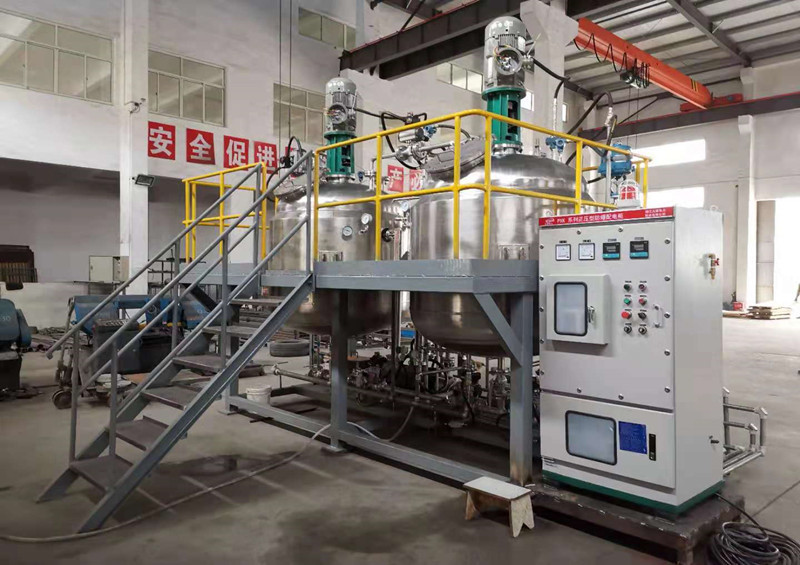
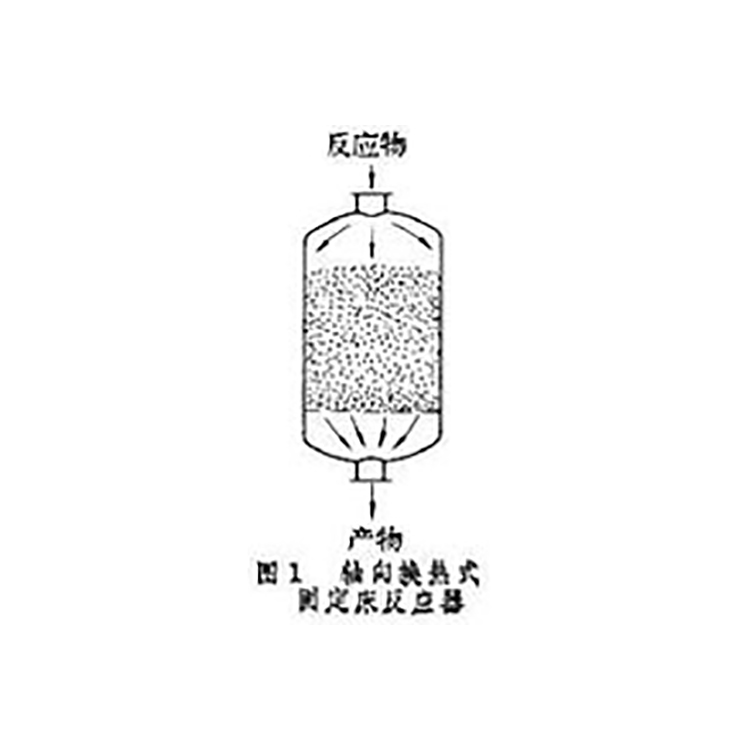
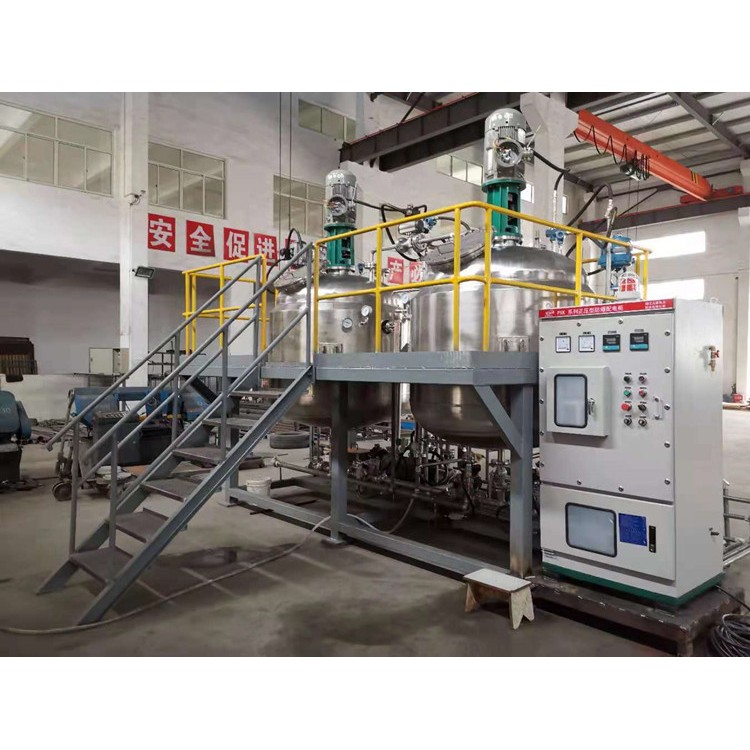
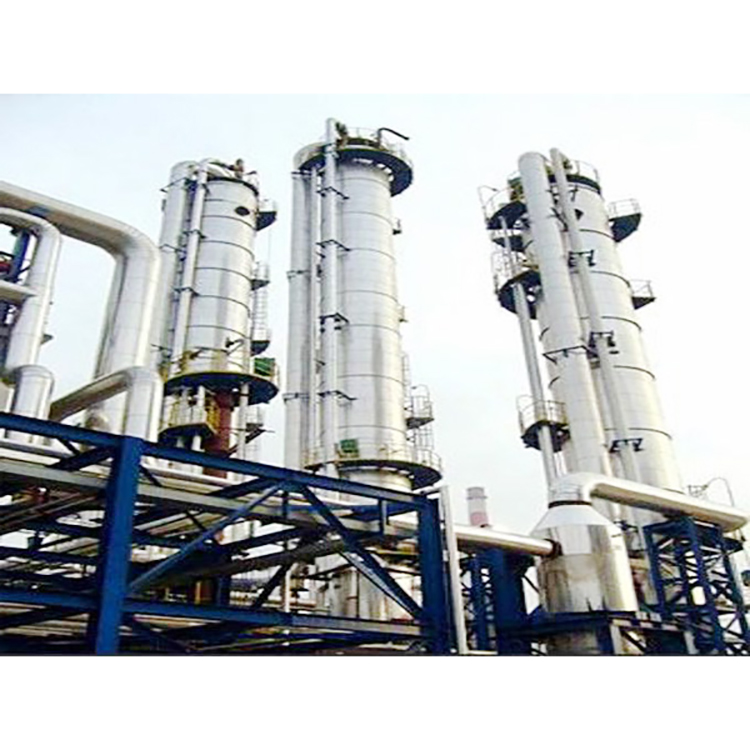
A fixed-bed reactor, also known as a packed-bed reactor, is a type of reactor filled with solid catalysts or reactants to facilitate multiphase reaction processes. The solid material is typically in granular form with particle sizes of about 2 to 15 mm, stacked to form a bed of a certain height (or thickness). The bed remains stationary while fluids pass through it to react. It differs from fluidized bed reactors and moving bed reactors in that the solid particles are in a stationary state. Fixed-bed reactors are mainly used for gas-solid phase catalytic reactions, such as ammonia synthesis towers, sulfur dioxide contact oxidizers, and hydrocarbon steam reforming furnaces. When used for gas-solid phase or liquid-solid phase non-catalytic reactions, the bed is filled with solid reactants. Trickle bed reactors can also be categorized as fixed-bed reactors, where gas and liquid phases flow downwards through the bed in parallel, forming gas-liquid-solid phase contact.
Categories
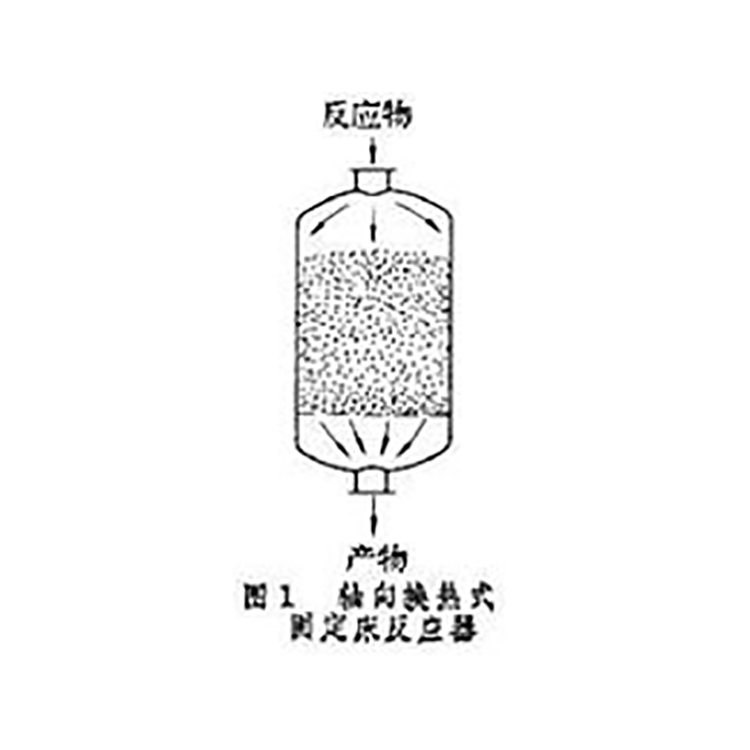
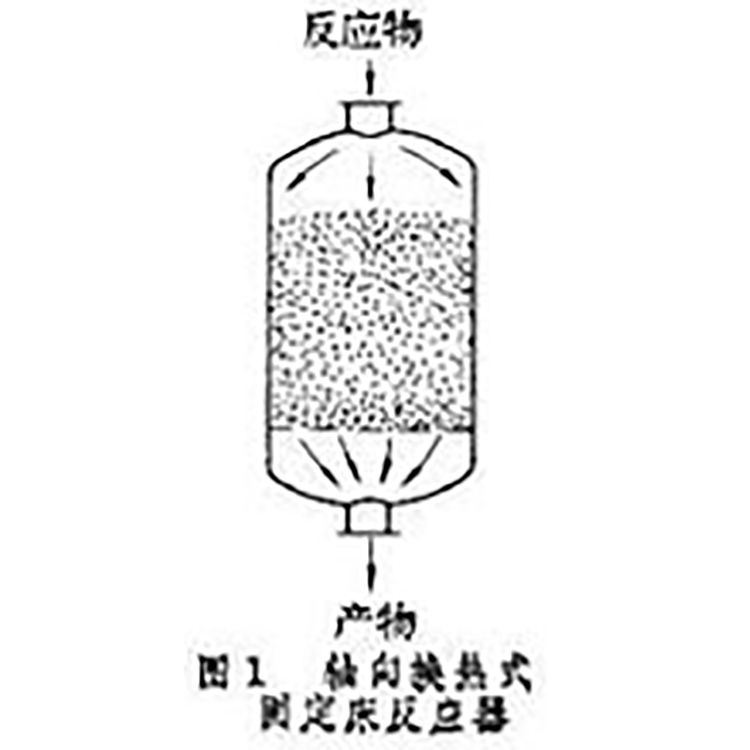
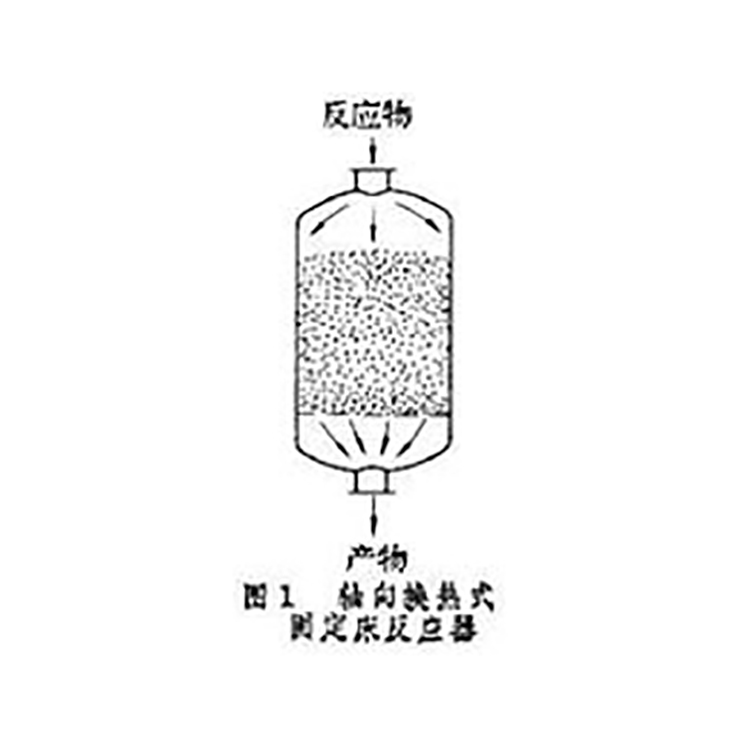
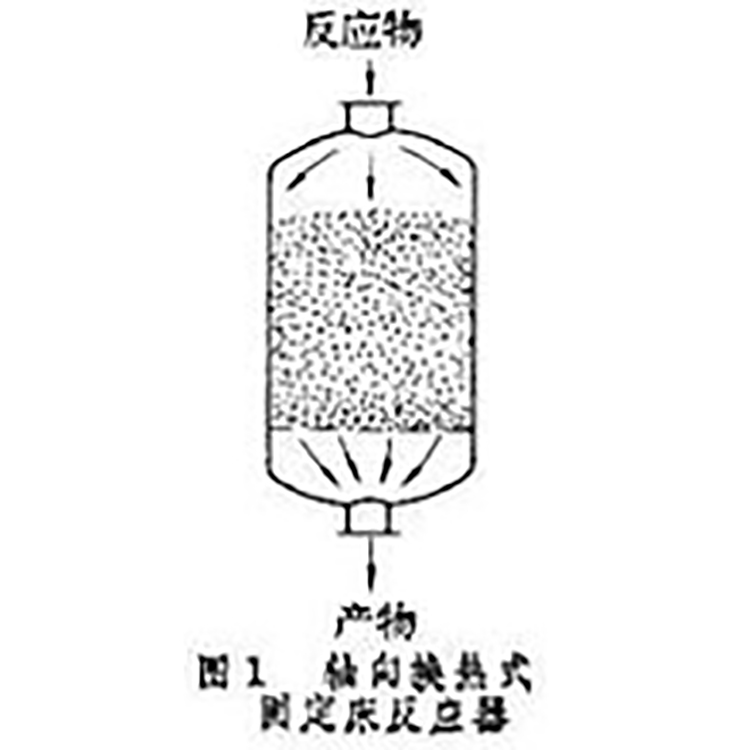
Fixed-bed reactors come in three basic forms: 1. Axial Insulated Fixed-bed Reactor. Fluid flows through the bed layer from top to bottom along the axis, with no heat exchange with the outside environment. 2. Radial Insulated Fixed-bed Reactor. Fluid flows through the bed layer radially, either centrifugally or axially, with no heat exchange with the outside environment. Compared to axial reactors, radial reactors have a shorter fluid flow distance, a larger flow channel cross-sectional area, and lower pressure drop. However, the structure of radial reactors is more complex. Both of these forms are adiabatic reactors and are suitable for situations where the heat effect of the reaction is not significant, or the reaction system can withstand temperature changes caused by heat effects under adiabatic conditions. 3. Tubular Fixed-bed Reactor. Composed of multiple parallel reaction tubes. Catalysts are placed inside or between the tubes, and a heat carrier flows through the spaces or inside the tubes for heating or cooling. Tube diameters are typically between 25-50mm, and the number of tubes can reach tens of thousands. Tubular fixed-bed reactors are suitable for reactions with significant heat effects. Additionally, reactors are available that are combinations of the above basic forms, known as multi-stage fixed-bed reactors. For example, when the heat effect of the reaction is high or temperature分段 control is required, multiple adiabatic reactors can be connected in series to form a multi-stage adiabatic fixed-bed reactor. Heat exchangers or additional materials are installed between the reactors to regulate temperature, allowing operation under near-temperature conditions.
Features
The advantages of the fixed bed reactor are: ①Low back mixing allows fluid and catalyst to come into contact, resulting in higher selectivity when the reaction involves a series of side reactions. ②Reduced mechanical wear on the catalyst. ③Simple structure.
The disadvantages of a fixed-bed reactor include: 1. Poor heat transfer; when the reaction releases a large amount of heat, even a tubular reactor may experience a sudden temperature spike (the reaction temperature loses control, rapidly rises, exceeding the permissible range). 2. The catalyst cannot be changed during operation; reactions requiring frequent catalyst regeneration are generally not suitable, often replaced by fluidized bed reactors or moving bed reactors.
Catalysts in fixed bed reactors are not limited to particulate form; mesh-like catalysts have already been applied industrially. Currently, honeycomb and fibrous catalysts are also in use.
The fixed-bed reactor mathematical model is a well-studied type of multiphase reactor. There are various mathematical models describing fixed-bed reactors, which can be broadly categorized into pseudo-homogeneous models (ignoring concentration and temperature differences between fluid and solid) and multiphase models (considering concentration and temperature differences between fluid and solid). Each category can further be divided into non-mixed and mixed models based on whether back-mixing is accounted for, and into one-dimensional and two-dimensional models based on whether radial concentration and temperature gradients in the reactor are considered.