












Hypergravity Reinforcement Reaction Technology and Equipment
I. Basic Concept of Ultra-Gravity Reaction Technology
The ultra-gravity reaction technology features highly intensified mass transfer, micro-mixing, and instantaneous reactions, with its technical core lying in the intensified mixing of mass transfer and micro-mixing processes. Under the action of the ultra-gravity reactor, gas-liquid, liquid-liquid, and gas-liquid-solid three-phase liquids are instantly cut, dispersed, and crushed by the reactor's rotating device, with their liquid particles torn into micronanometer-sized liquid elements. This creates a continuously renewing surface area. Furthermore, under conditions of high dispersion, high turbulence, strong mixing, and rapid interface renewal, the liquids come into contact with gases at a relatively high speed in the opposite direction, increasing the mass transfer rate between phases by 1 to 3 orders of magnitude compared to traditional reaction towers, thereby intensifying the micro-mixing and mass transfer processes.
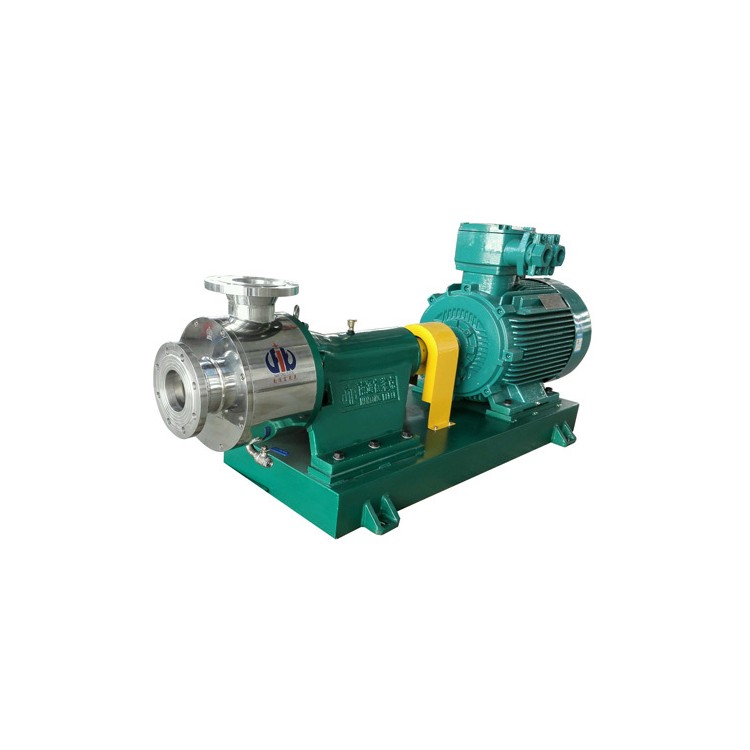
A supergravity reactor is a device that controls the structure and properties of matter by subjecting it to a high-gravity field, thereby entering a supergravity state in an extremely short time. This unique working principle enhances reaction rates and yields, making it highly valuable for rapid synthesis of new materials and catalytic reactions.
Section II: The Operating Principle of the Super-Gravity Reactor
The working principle of the ultra-gravity reactor involves utilizing the ultra-gravity principle generated by the high-speed rotation to react on relativistic physics and chemistry. Under the action of high-speed gravity turbulence, the interactions between its molecules and atoms are controlled and altered, thereby enabling spontaneous chemical reactions. Since the ultra-gravity field can alter the structure and shape of matter molecules, it can produce new compositions of matter and enhance the purity of reaction products.
1. The effect of high-speed gravitational fields in ultra-gravity reactors involves subjecting material reaction components to shearing centrifugal forces, achieving a high-gravity state that is unattainable under normal conditions, typically ranging from 1,000 to 100,000 times the standard gravity. Under ultra-high gravitational fields, the interaction between molecular substances is significantly enhanced, thereby substantially increasing the reaction rate and yield.
2. Changes in molecular conformation occur under the influence of high-speed ultra-gravity shear centrifugal force and turbulence, altering the conformation of the substance's molecules. Parameters such as bond lengths and bond angles of the molecules will be changed, thereby affecting their interactions and reaction mechanisms. This localized change in molecular conformation is beneficial for accelerating the reaction process.
3. Changes in reaction kinetics occur due to the gravitational field control in the ultra-gravity reactor, where the reaction components are subjected to intense shearing turbulence. Consequently, their reaction rates will also change. Some molecular reactions will be in a direct activated state, thereby promoting an increase in reaction rates. Additionally, interactions are controlled, and the stability of reaction intermediates is enhanced, leading to an increase in the reaction yield and overall reaction productivity.
Section 3: Applications of Ultra-Gravity Reactors
The ultra-high gravity reactor can be used for research in various fields such as chemical reactions, material synthesis, biotechnology, and energy development. Some application examples include:
1. Synthesis of new materials
The ultra-gravity reactor is used for synthesizing new nanomaterials, thin-film materials, ceramic materials, and nano-calcium carbonate, among others. These materials generally possess excellent properties and characteristics, such as high strength, low conductivity, and good corrosion resistance.
2. Applications in Biotechnology and Energy Development
Hypergravity reactors are used in biotechnology fields such as cell wall rupture, DNA separation and extraction, protein crystallization, high-temperature plasma, and the development of new nuclear fusion reactors. These applications have promoted the development and advancement of biotechnology.
Section 4: Brief Description of the Application of Super Gravity Equipment in Carbonation Reactions
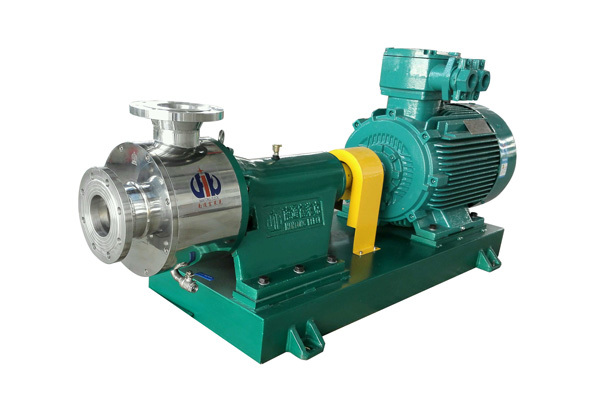
Firstly, material A in the reaction vessel is supplied to the pre-mixing reaction unit by a circulating pump at a constant pressure. Simultaneously, material B in the measuring tank is introduced into the distributor of the pre-mixing reaction unit via a flow meter to undergo an initial mixing reaction with material A. It is then drawn into the reaction chamber of the ultra-gravity reactor. With the stator rotating at approximately 3000 rpm, materials A and B are subjected to high-speed shearing, particle fluid tearing, and crushing grinding under ultra-gravity, forming particles with micro-nanometer gas-in-liquid and liquid-in-gas encapsulation. This leads to continuous mixing and homogenization of materials A and B, and strengthens the reaction. After being processed by the ultra-gravity reactor, A and B are mixed again within the reactor for further homogenization and reaction before being returned to the bottom of the reaction vessel for continued reaction. Material A can be a liquid or a solid slurry, while material B can be a gas, solid, or liquid.
The ultra-gravity reaction system is a new type of reaction system composed of equipment such as a mixing reactor, tubular reactor, ultra-gravity reactor, condensing counter-current reactor, and flowmeters. This technology achieves a tremendous shearing force through the rotation of the packing in an ultra-gravity environment, which promotes the tearing of gas-liquid, gas-liquid-solid, and liquid-liquid particles into micronanometer-sized liquid elements. This results in a two to four orders of magnitude increase in mass transfer rate between phases compared to traditional reaction towers, and strengthens the micro-mixing and mass transfer processes.
V. Major Equipment for the Super Gravity Reaction Unit
1. Mixing Vessel Reactor
Vessel internal stirring is a commonly used reaction method to enhance mixing effects and is also one of the earliest and most widely used mixers. The stirrer shaft can be paddle-type or anchor-type, selected based on the viscosity of different materials. The reaction vessel can be equipped with a cooling jacket or internal coil for cooling and heating purposes.
2. Tubular Reactor
The tubular reactor enhances turbulence and contact area between gas and liquid within the pipeline through the action of multiple structural units fixed in the pipe, significantly improving the micro-mixing within the reactor. Its micro-mixing efficiency can be one order of magnitude higher than that of a conventional empty pipe reactor under the same conditions. Moreover, under the same energy dissipation rate, the tubular reactor can notably improve micro-mixing in both laminar and turbulent flow states, with a higher micro-mixing efficiency than a continuous stirred tank reactor.
3. Condenser tube reactor
The condenser tube reactor is a new type of heat and mass transfer technology that combines a tubular reactor with a condenser. This technology not only enhances the turbulent flow within the tubes to generate secondary vortices, thereby increasing the micro-mixing efficiency, but also boosts the heat exchange area by using a reverse flow of another heat transfer medium, thereby improving the reaction effect of homogeneous mixing and absorption within the tube.
Six, Customer Cases
Calcium oxide reacts with water under supergravity conditions, producing 30% more calcium hydroxide than conventional water bubble method per unit mass of calcium oxide.
2. Dissolved oxygen, the supergravity reaction of oxygen and water, at room temperature, the dissolved oxygen in water reaches 25mg/L, generally reaching 8-925mg/L saturated dissolved oxygen at 20°C. And it can be maintained for 25 days.
3. Non-homogeneous, the reaction between chlorobutane and sodium hydroxide under supergravity can be completed in 12 hours, whereas a conventional reaction requires over 40 hours.
4. Sodium aluminate is carbonated under ultra-gravity conditions, with a carbon dioxide utilization rate approaching 100%.
Section 7: Technical Specifications of the Super Gravity Reactor Main Unit
Model | Liquid Flow Rate: 1.5 m³/h | Gas Flow Rate: 10 m³/h/s | Motor Power: kW | Import/Export Dimensions mm |
CZL~FY5 | ≤5 | ≤50 | ~11 | 40L to 50G to 65Out |
CZL~FY10 | ≤10 | ≤100 | ~30 | 50L to 65G to 80Out |
CZL~FY20 | ≤20 | ≤200 | ~37 | Liquid 65 ~ Gas 80 ~ Output 100 |
CZL~FY30 | ≤30 | ≤300 | ~55 | Liquid 80 ~ Gas 100 ~ Out 125 |
CZL~FY50 | ≤50 | ≤500 | ~75 | Liquid 100 ~ Gas 125 ~ Out 175 |
CZL~FY80 | ≤80 | ≤800 | ~90 | Liquid 125 ~ Gas 175 ~ Out 200 |
CZL~FY100 | ≤100 | ≤1000 | ~110 | 150L ~ 175G ~ 250Out |
For high-pressure supergravity reactors, pressure customization is available.
Section 8: Process Flow Diagram of Ultra-Gravity Reaction Equipment Set
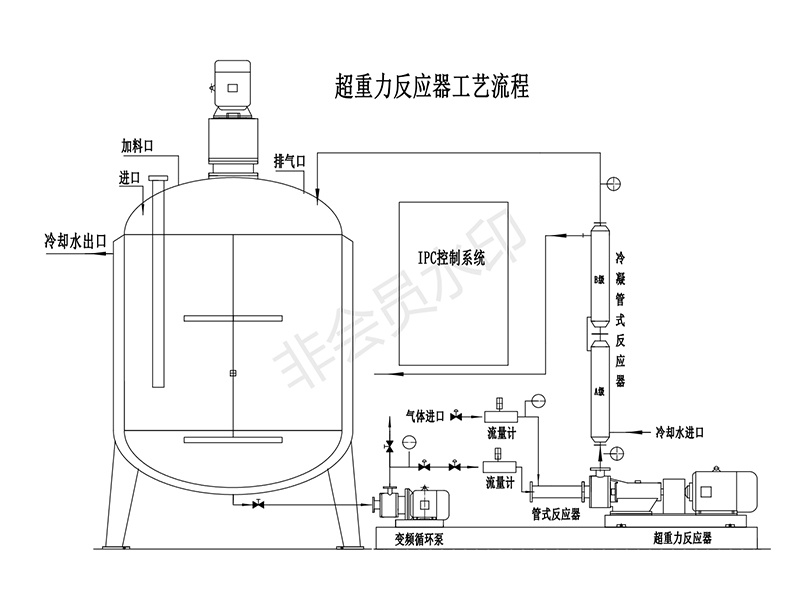

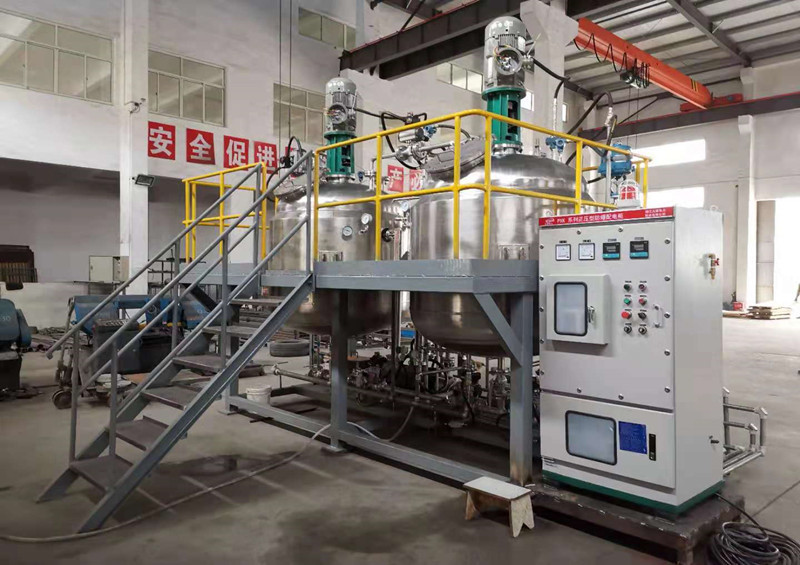
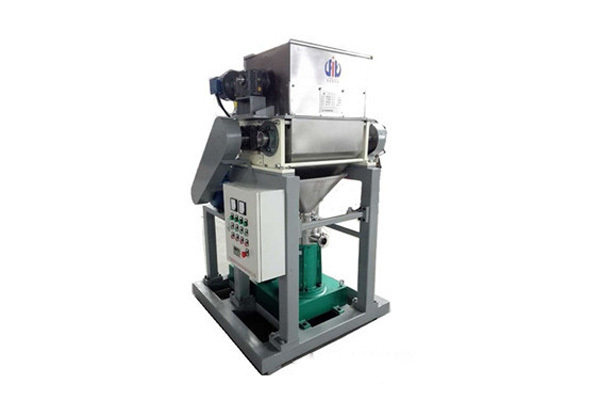
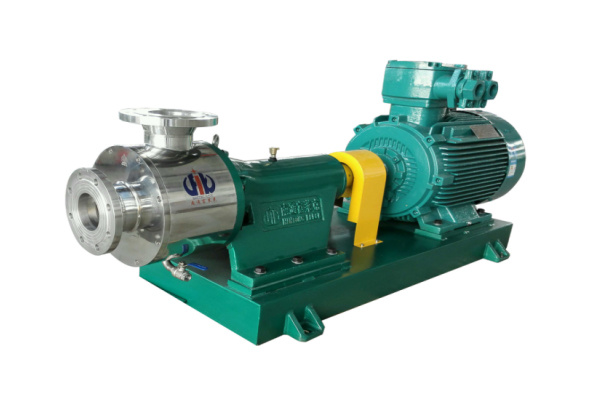
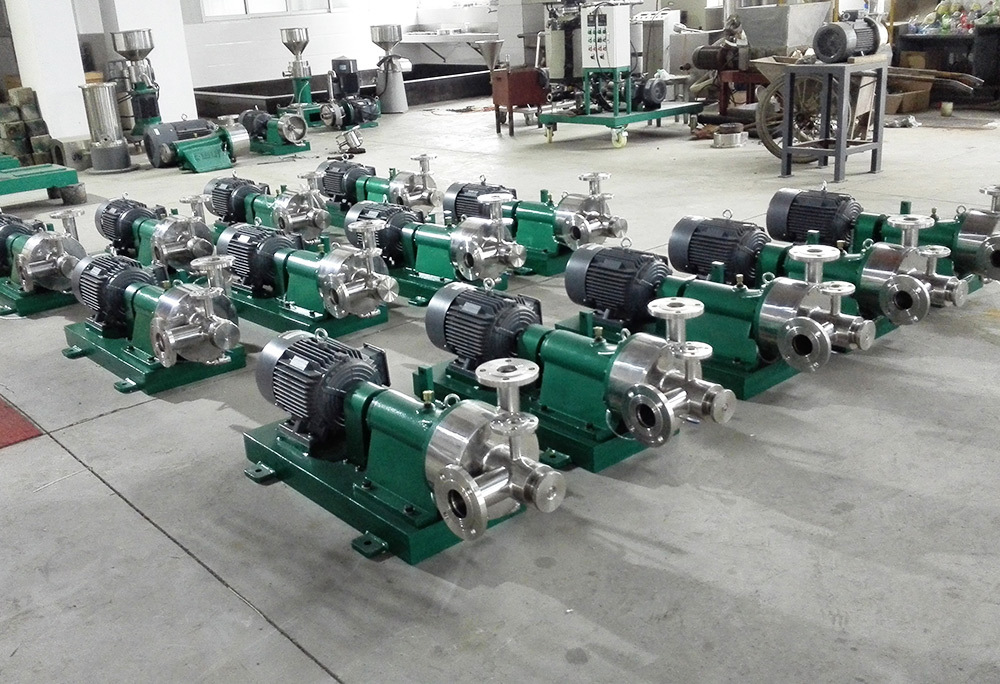
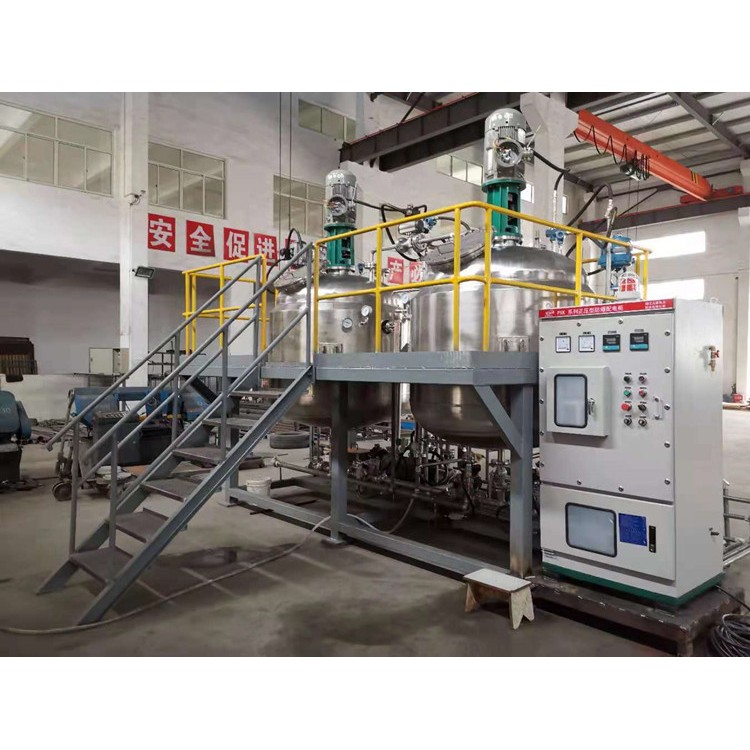
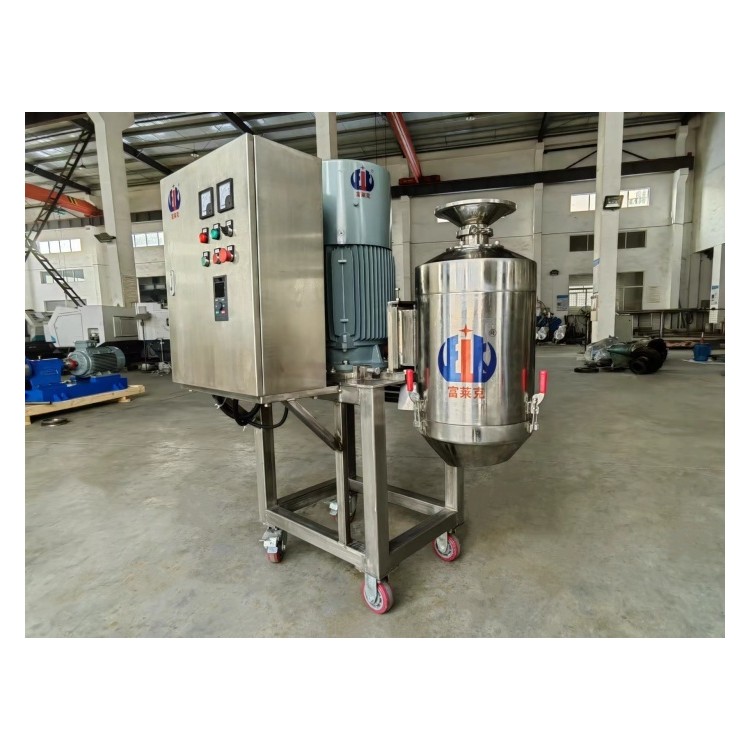
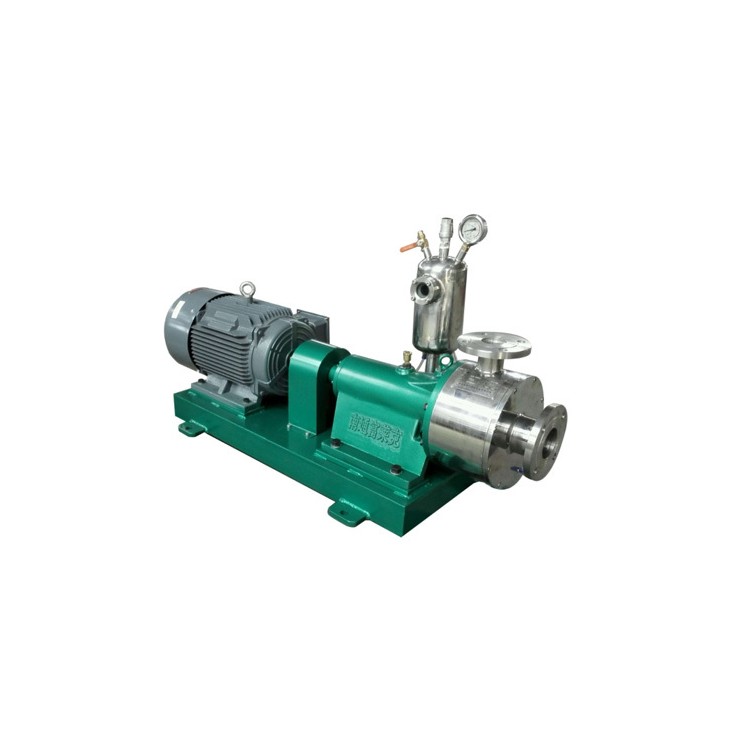
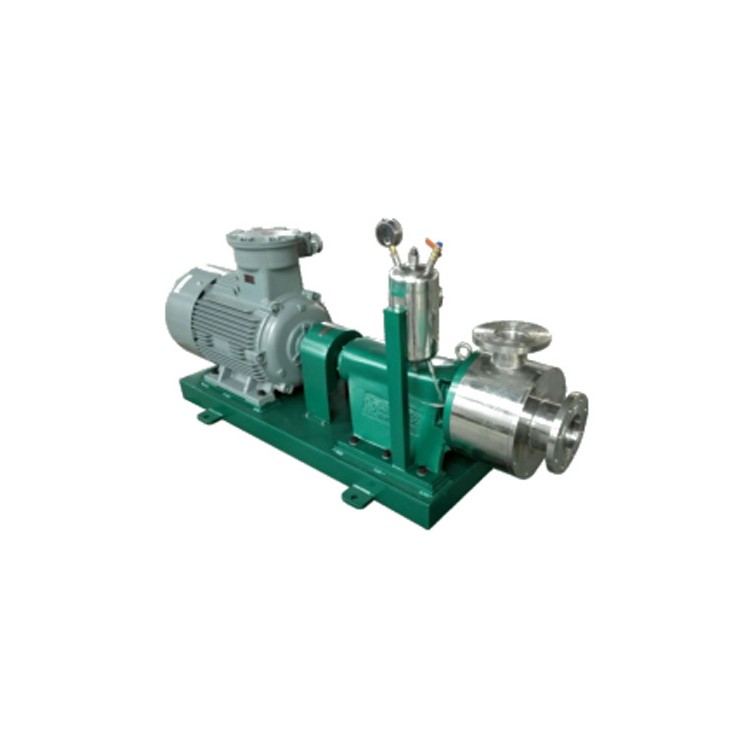
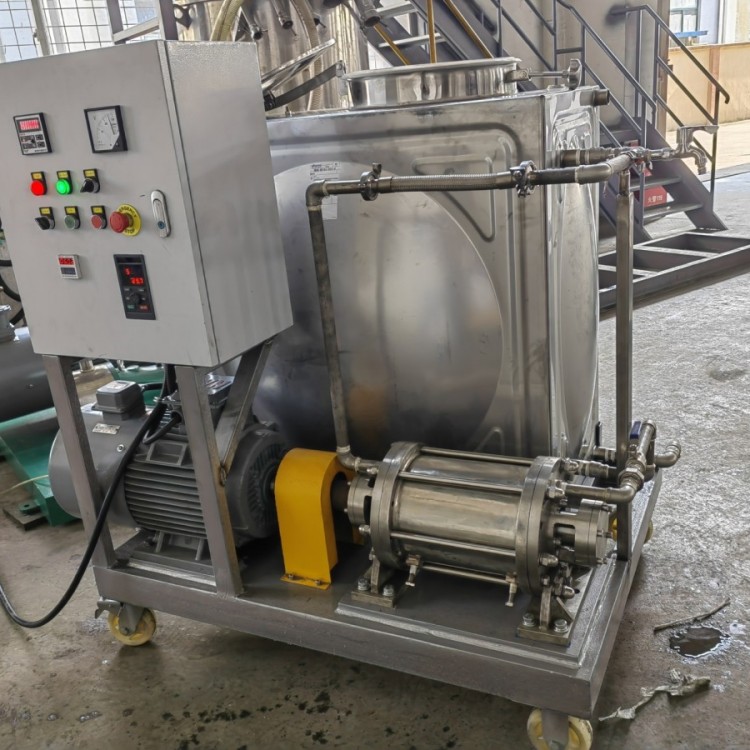
High Gravity Reactor System Pilot Plant
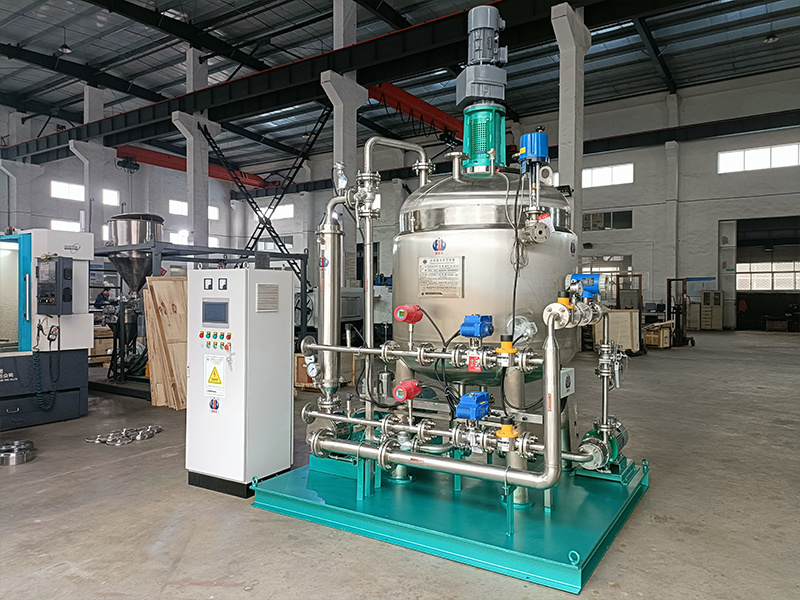
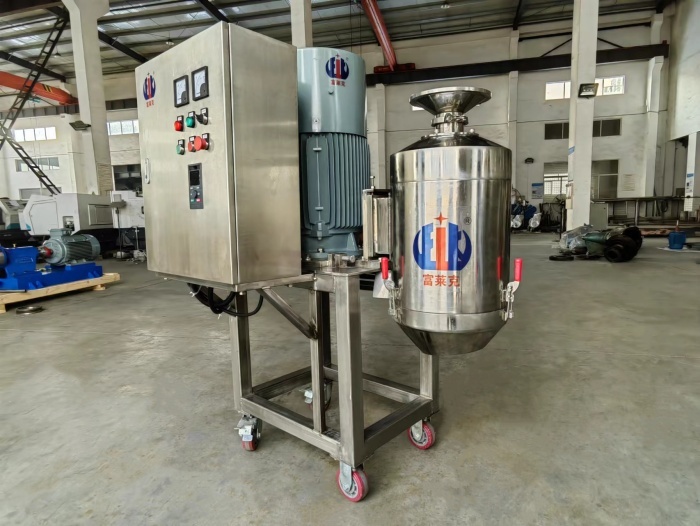
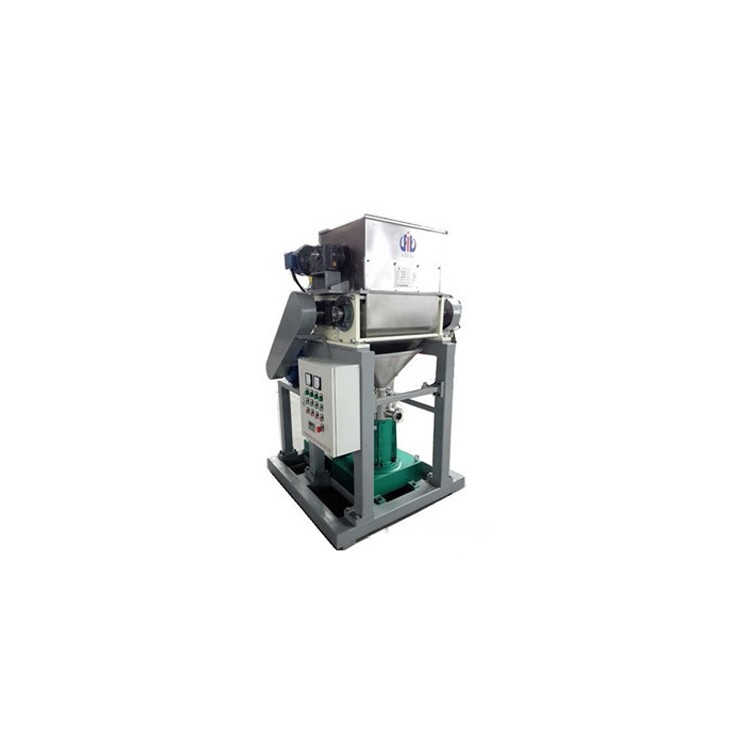
Ultra-Gravity Reactor System Prototype Equipment
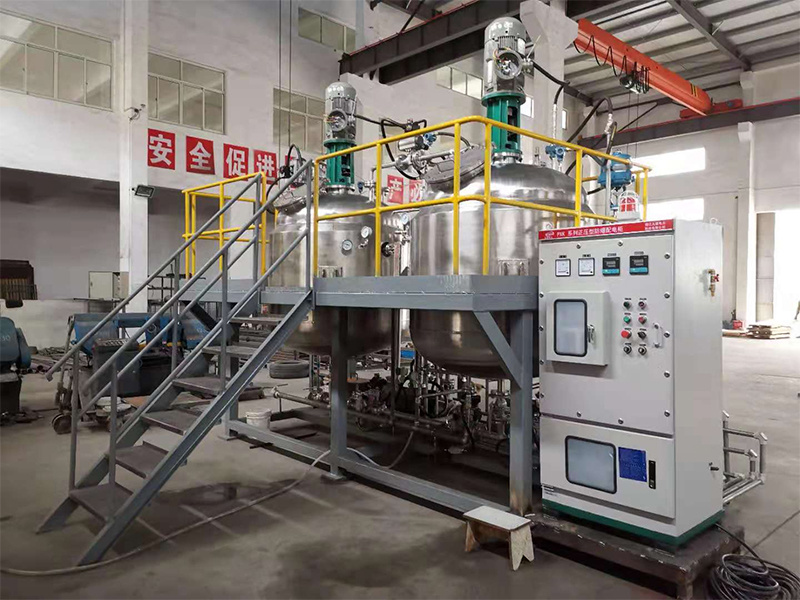
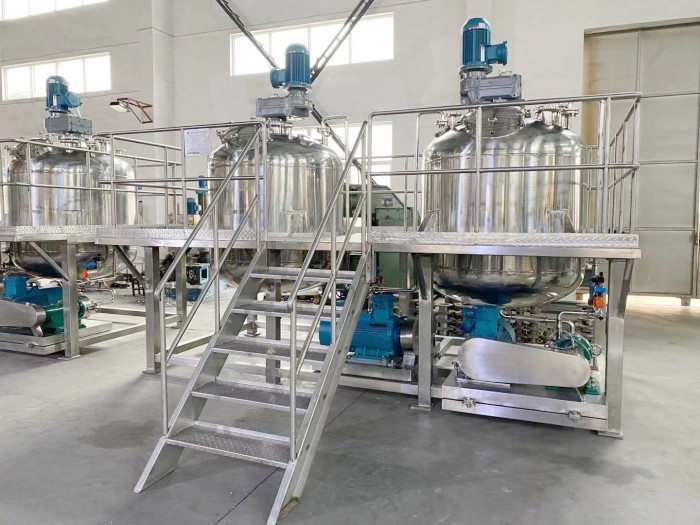
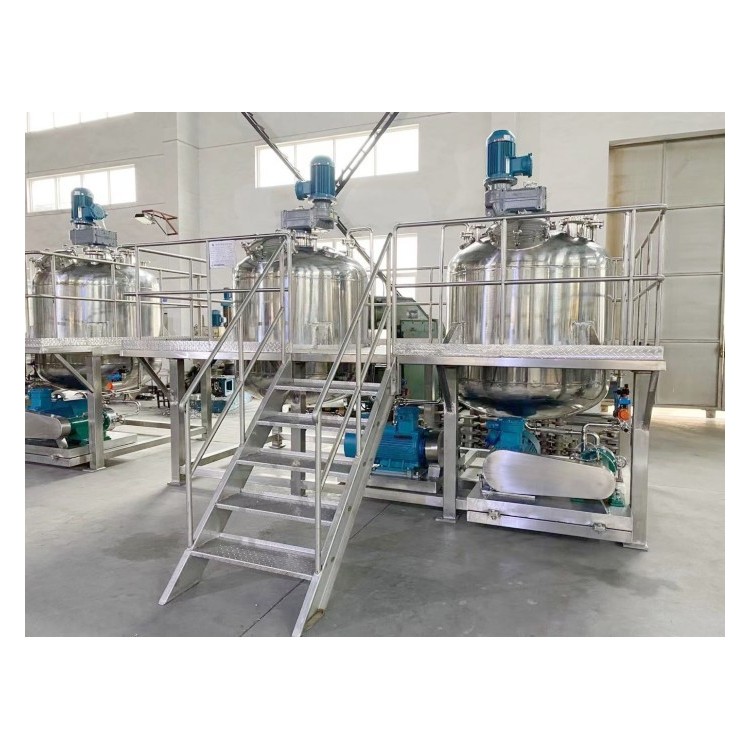
Complete Ultra-Gravity Reactor Equipment Set
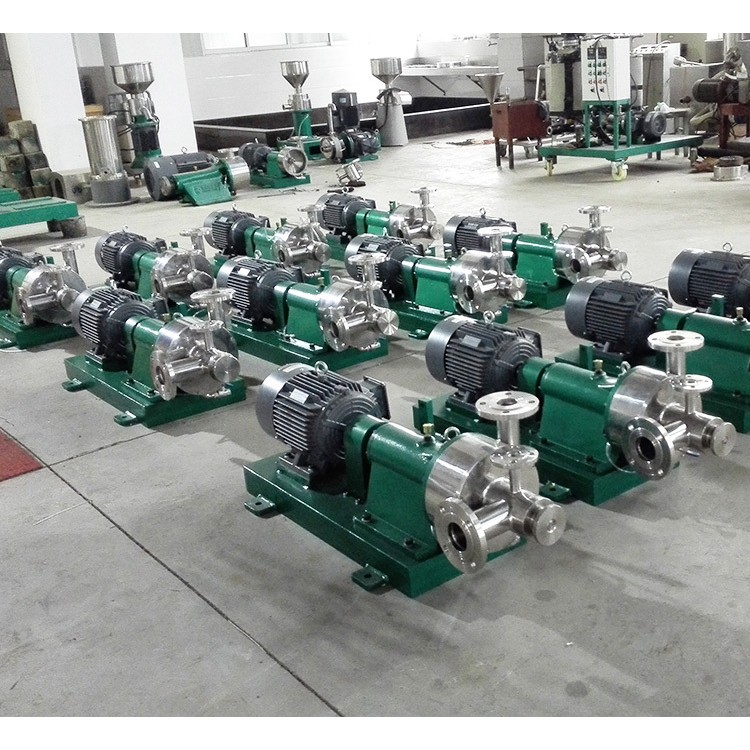
The copyright of this website and the equipment images belong to Nantong Fulaike. Copyright infringement will be pursued.