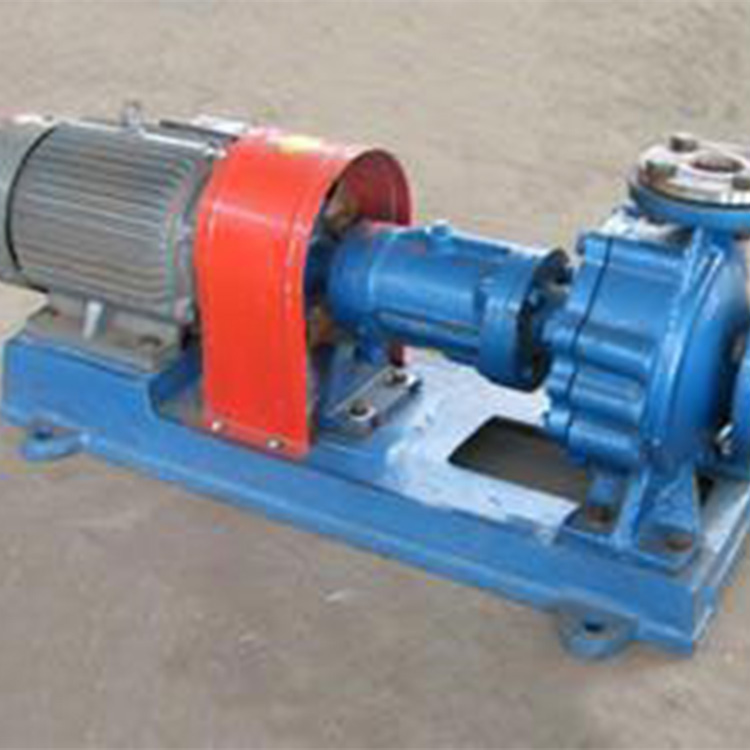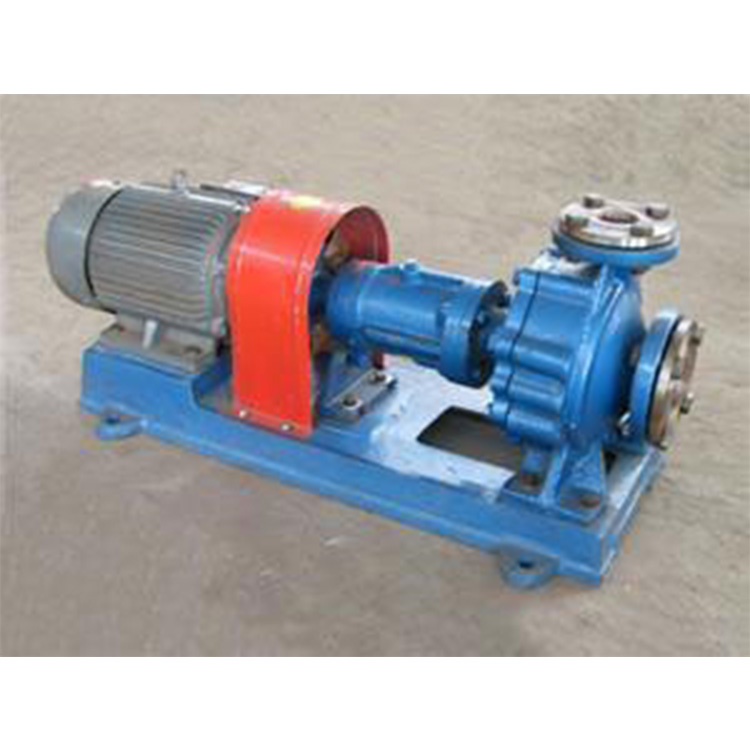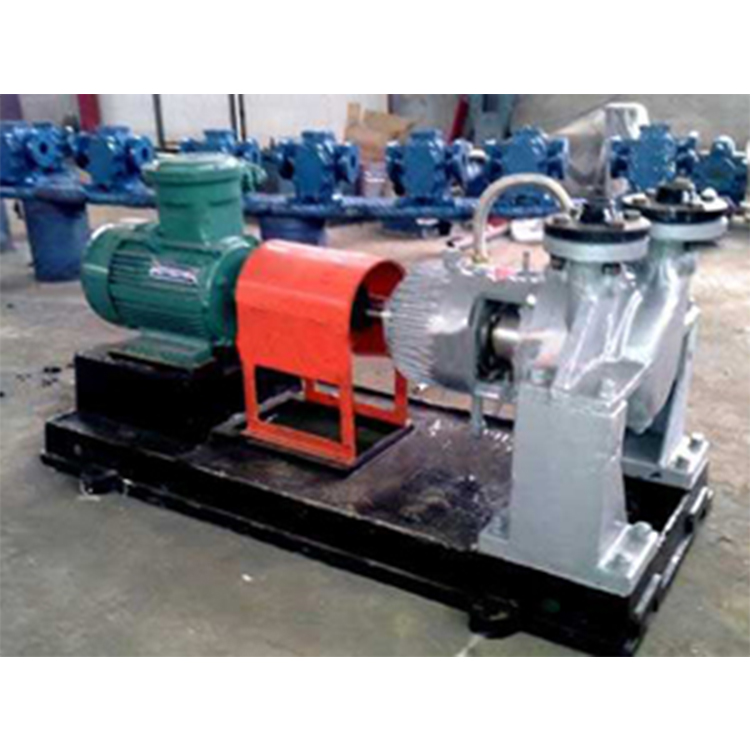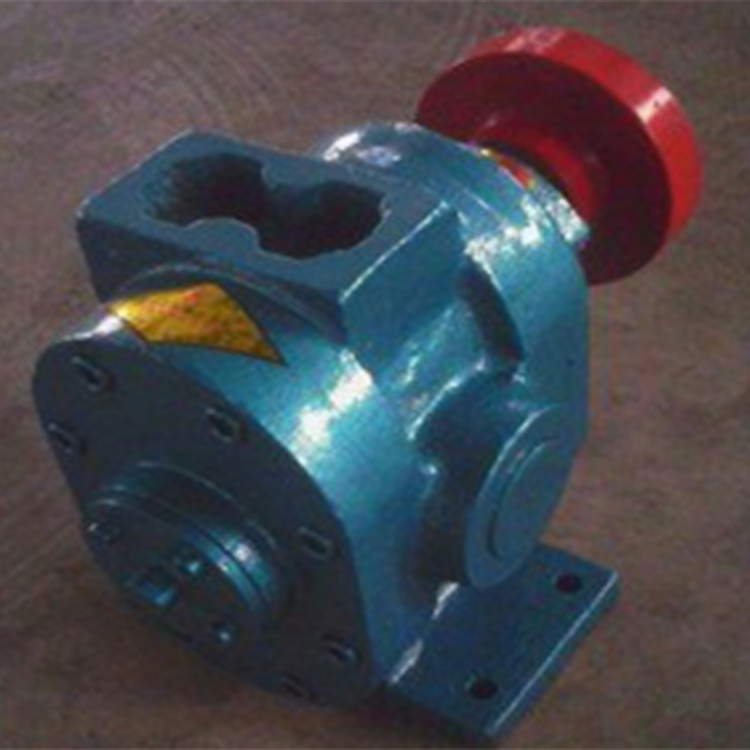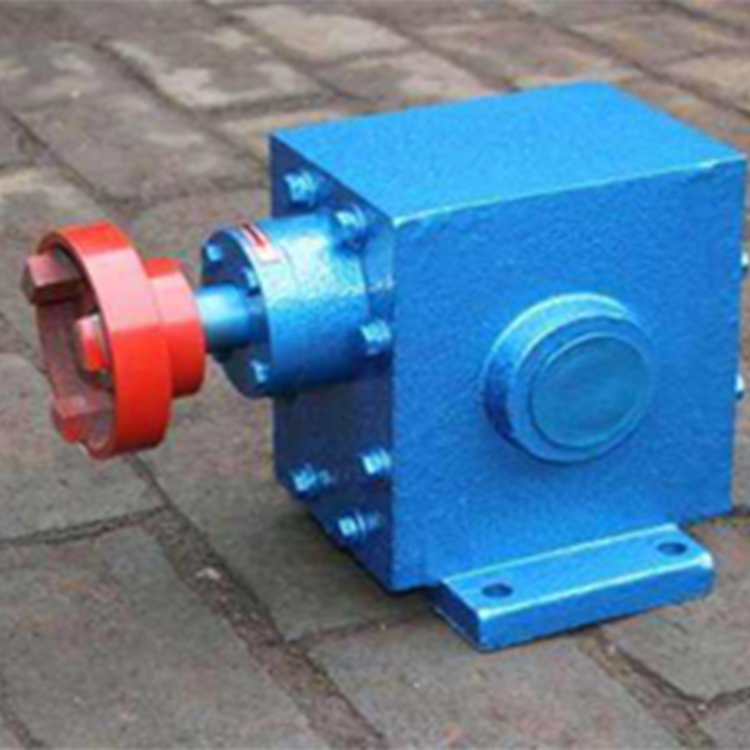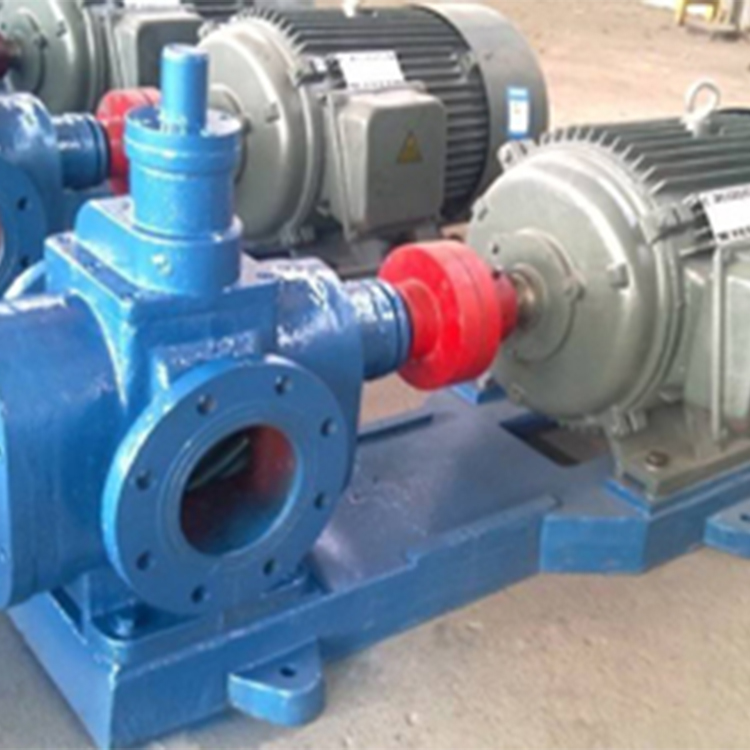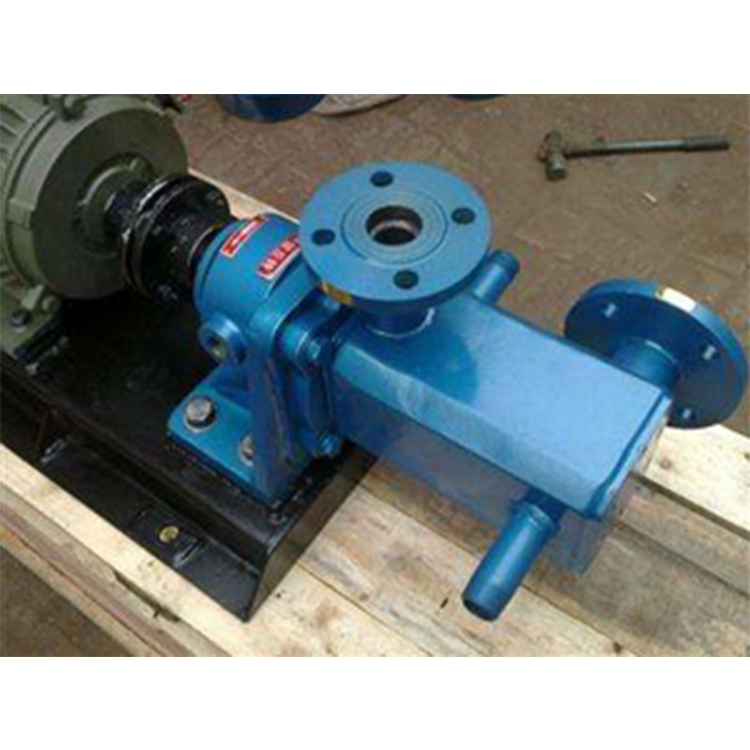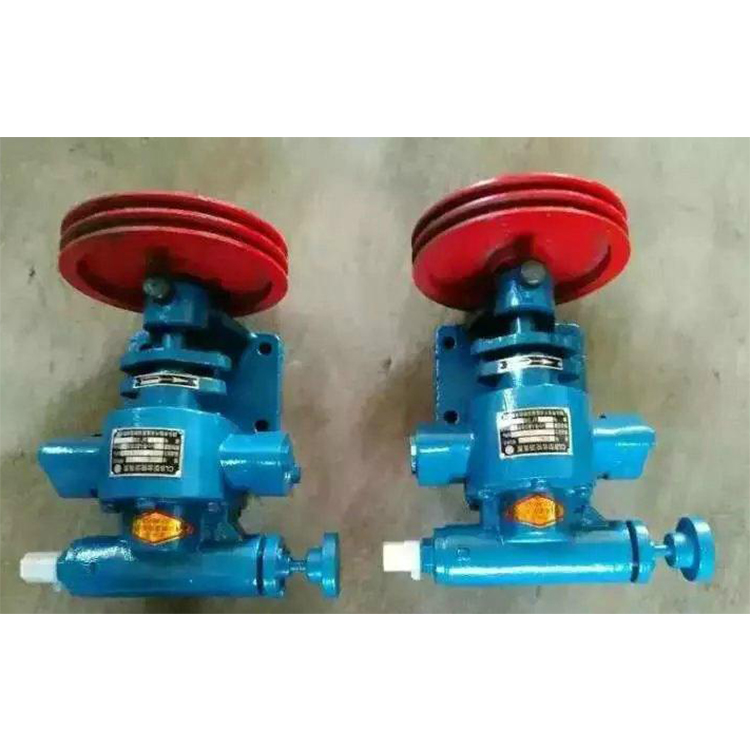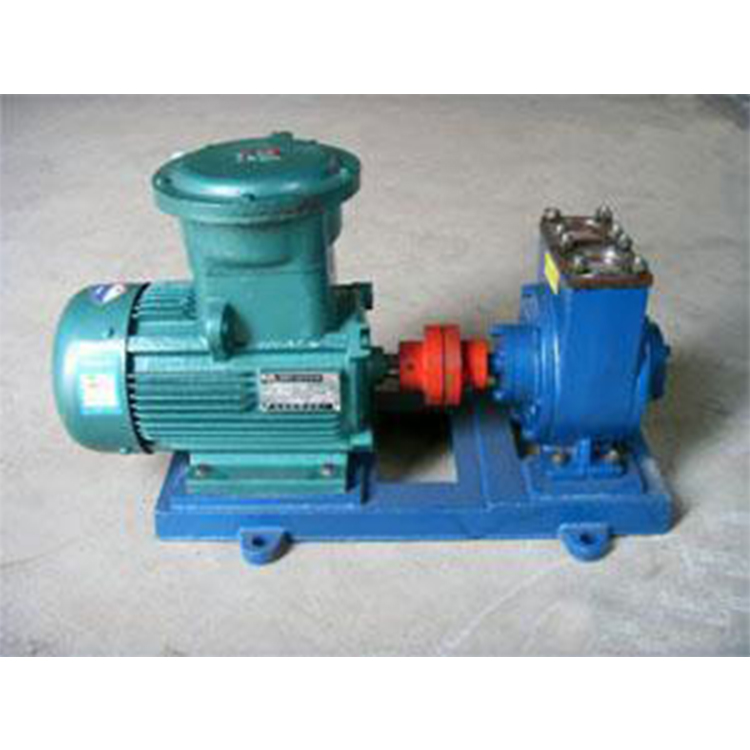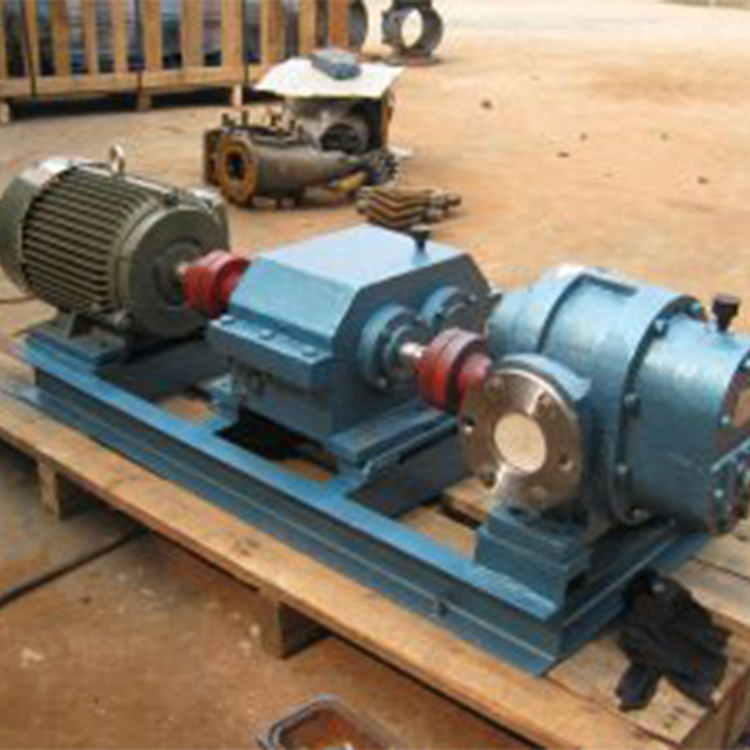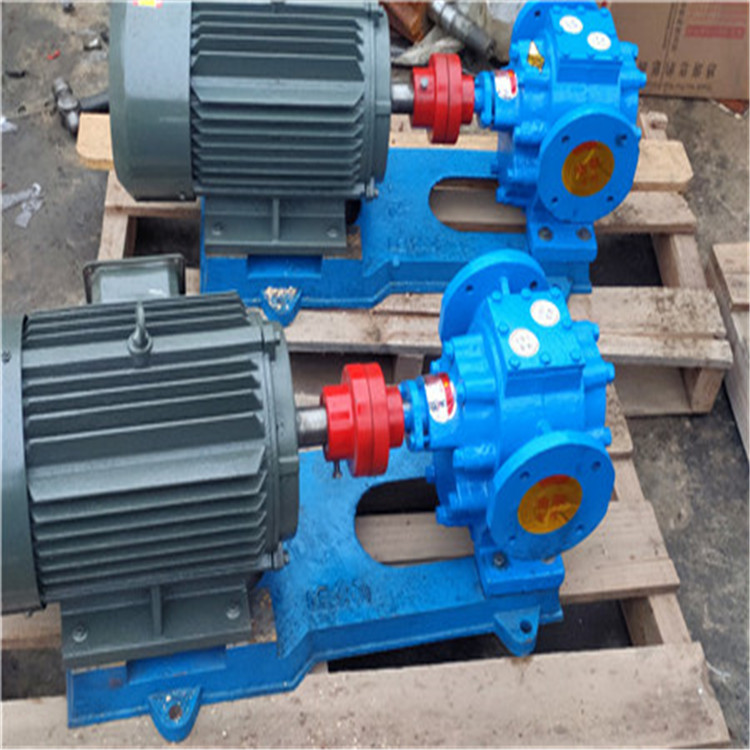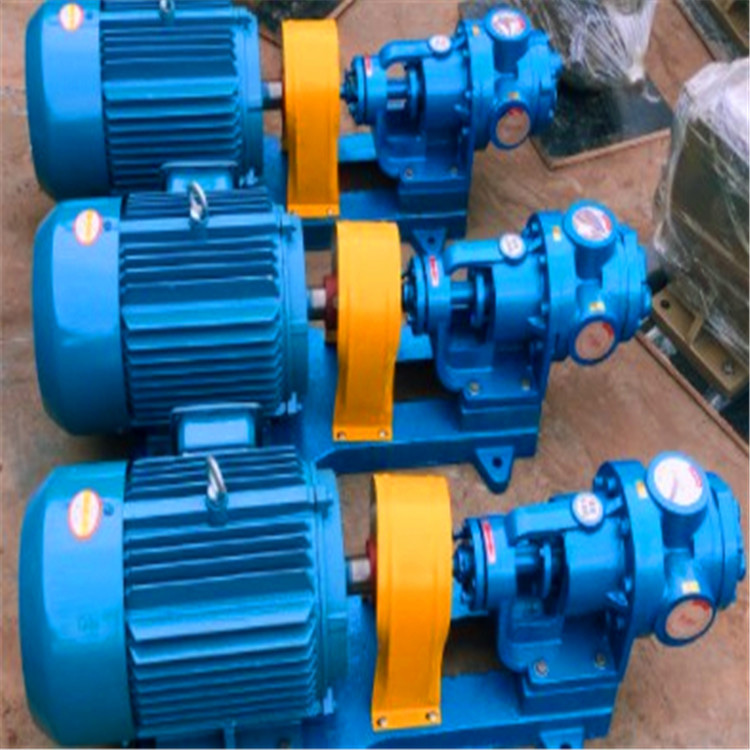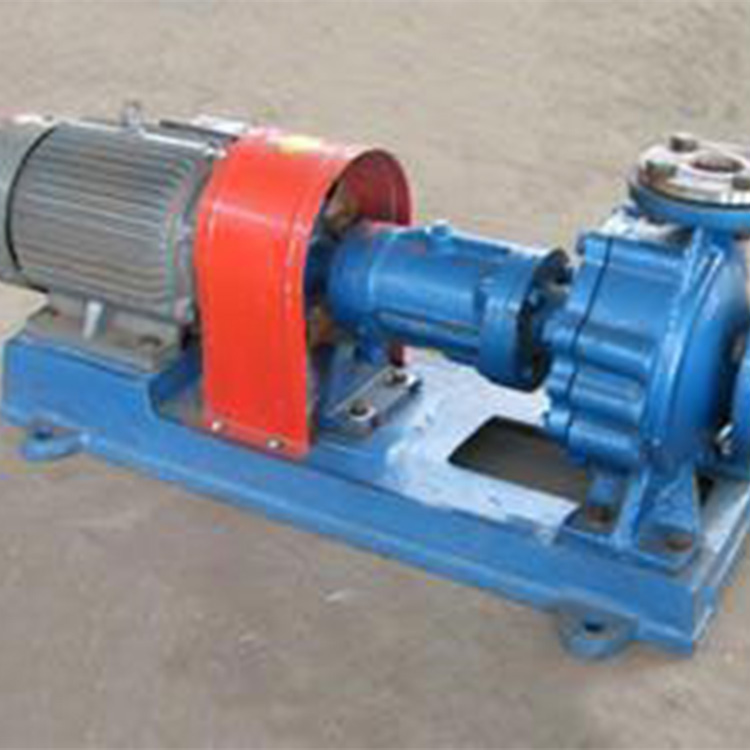

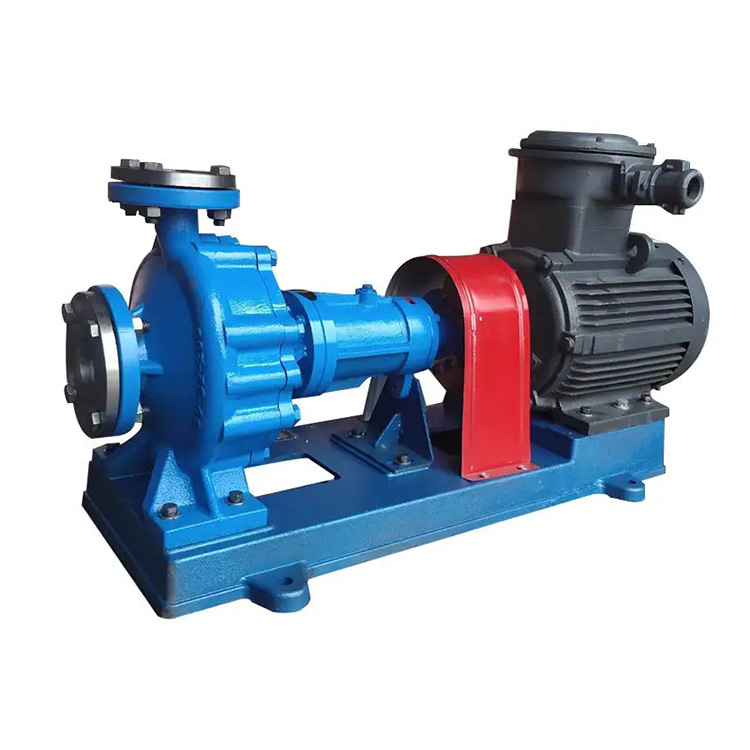



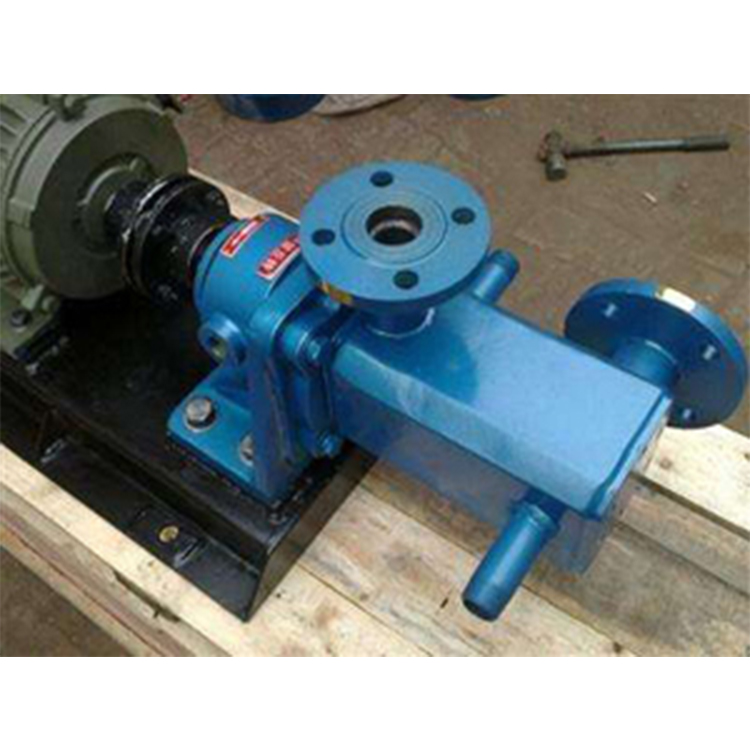






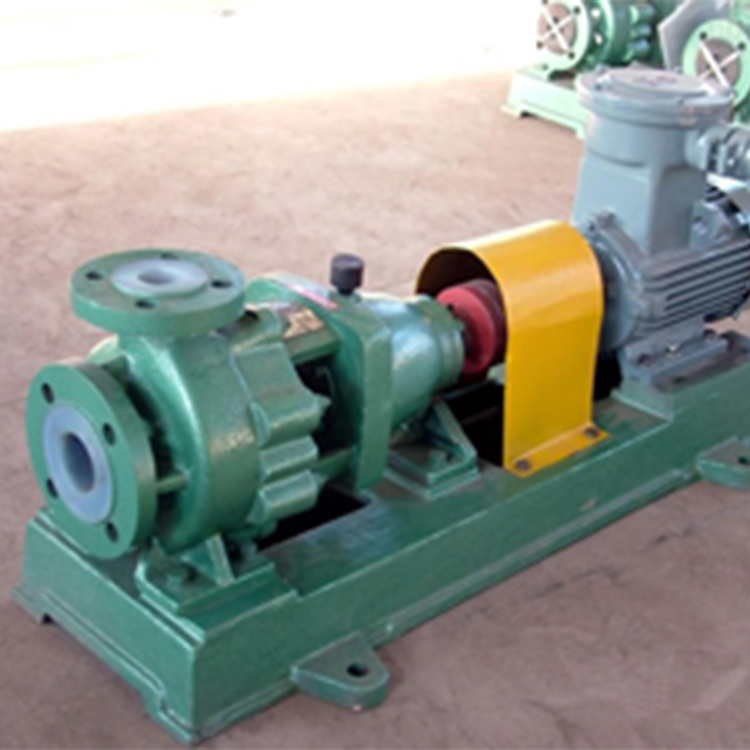
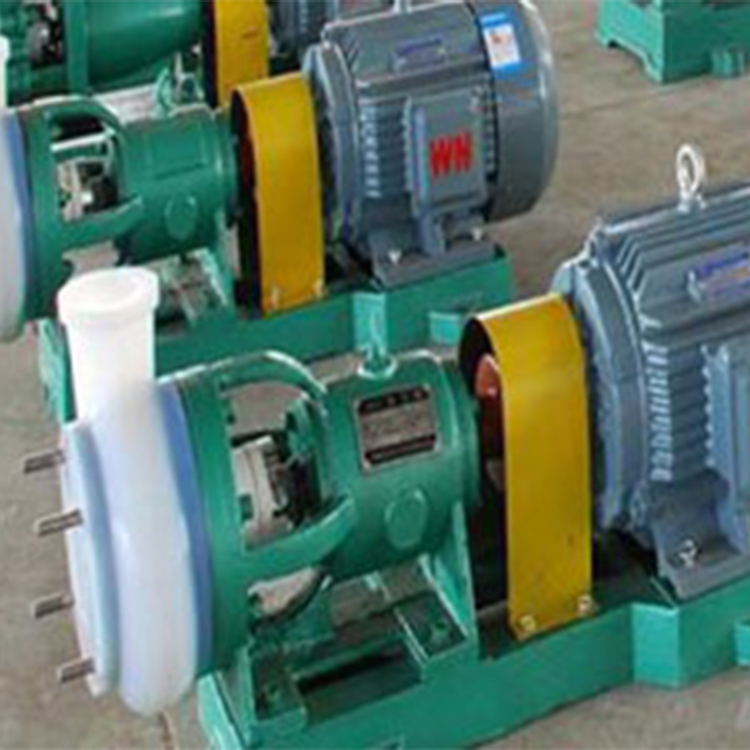
The RY high-temperature heat transfer oil pump features a double-end ball bearing support structure. The front end is lubricated with oil, while the rear end is lubricated with grease. There is a guide oil pipe in the middle for real-time observation of the sealing condition and recovery of the heat transfer oil.
The RY High-Temperature Thermal Oil Pump is an ideal thermal oil circulating pump or heat carrier transport pump, serving as an ideal matching pump for heat exchange equipment. The high-temperature thermal oil pump features reasonable structure, excellent quality, and ease of use.
The RY High-Temperature Heat Transfer Oil Pump is suitable for conveying high-temperature liquids without solid particles. Its efficiency and operating temperature depend on the material of the main parts in contact with the medium. The high-temperature heat transfer oil pump employs an auto-heat dissipation structure, which alters the traditional water-cooling design, making the structure simpler, smaller in size, and more cost-effective to operate. It is a second-generation product developed based on the absorption and digestion of foreign oil pumps, featuring a single-stage, single-suction, cantilevered foot-supported structure. The inlet of the high-temperature heat transfer oil pump is axial intake, and the outlet is vertically upward, both mounted on the base with the motor.
The RY high-temperature heat transfer oil pump features a dual-end ball bearing support structure. The front end is lubricated with oil, while the rear end is lubricated with grease. A guide oil pipe is in the middle for real-time observation of the sealing condition and for recovering the heat transfer oil.
Common Faults of RY High-Temperature Thermal Oil Pumps:
The installation position of the thermal oil pump is too high above the oil surface; this is because, when the pump speed is reduced, insufficient suction occurs due to the inability to maintain the necessary vacuum in the pump's suction chamber, leading to air intake. At this point, adjust the relative height between the pump and the oil surface to meet the specified requirements.
2. Oil and filter separators may become clogged with debris or have insufficient capacity, leading to increased suction resistance and air intake; additionally, larger inlets and outlets can also introduce air. In such cases, cleaning the filter separator or choosing one with a larger capacity and appropriate inlet and outlet diameters is recommended. This way, the high-temperature heat transfer oil pump not only prevents air intake but also reduces noise generation.
3. Insufficient fuel in the tank or the suction pipe not inserted below the fuel level will cause the pump to intake air. In this case, add fuel to the tank until the oil level reaches the marker line; if the return pipe mouth protrudes above the fuel level, air may also be back-siphoned into the system due to a momentary negative pressure in the system. Therefore, the return pipe mouth should generally be inserted below the fuel level as well.
4. The RY high-temperature thermal oil pump typically uses a skeleton-type oil seal for shaft sealing. If the spring that tightens the lip of the seal comes off, the oil seal is installed upside down, or the lip is damaged or worn, it will cause the back end of the seal to frequently be in a negative pressure state and suck in air. Generally, replacing the oil seal with a new one can resolve the issue.
5. Air intake in RY high-temperature thermal oil pumps is a common fault.
RY High-Temperature Thermal Oil Pump Parameter Table: