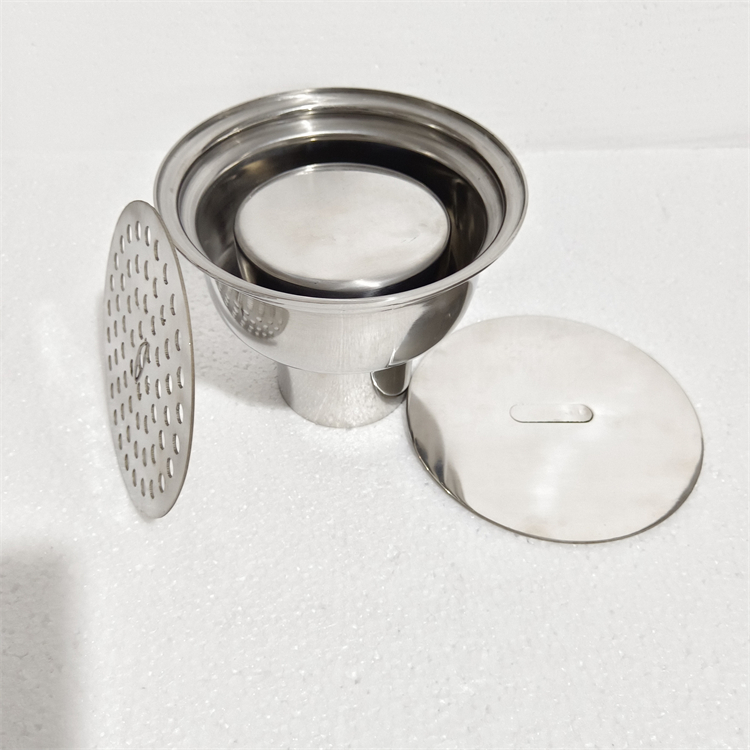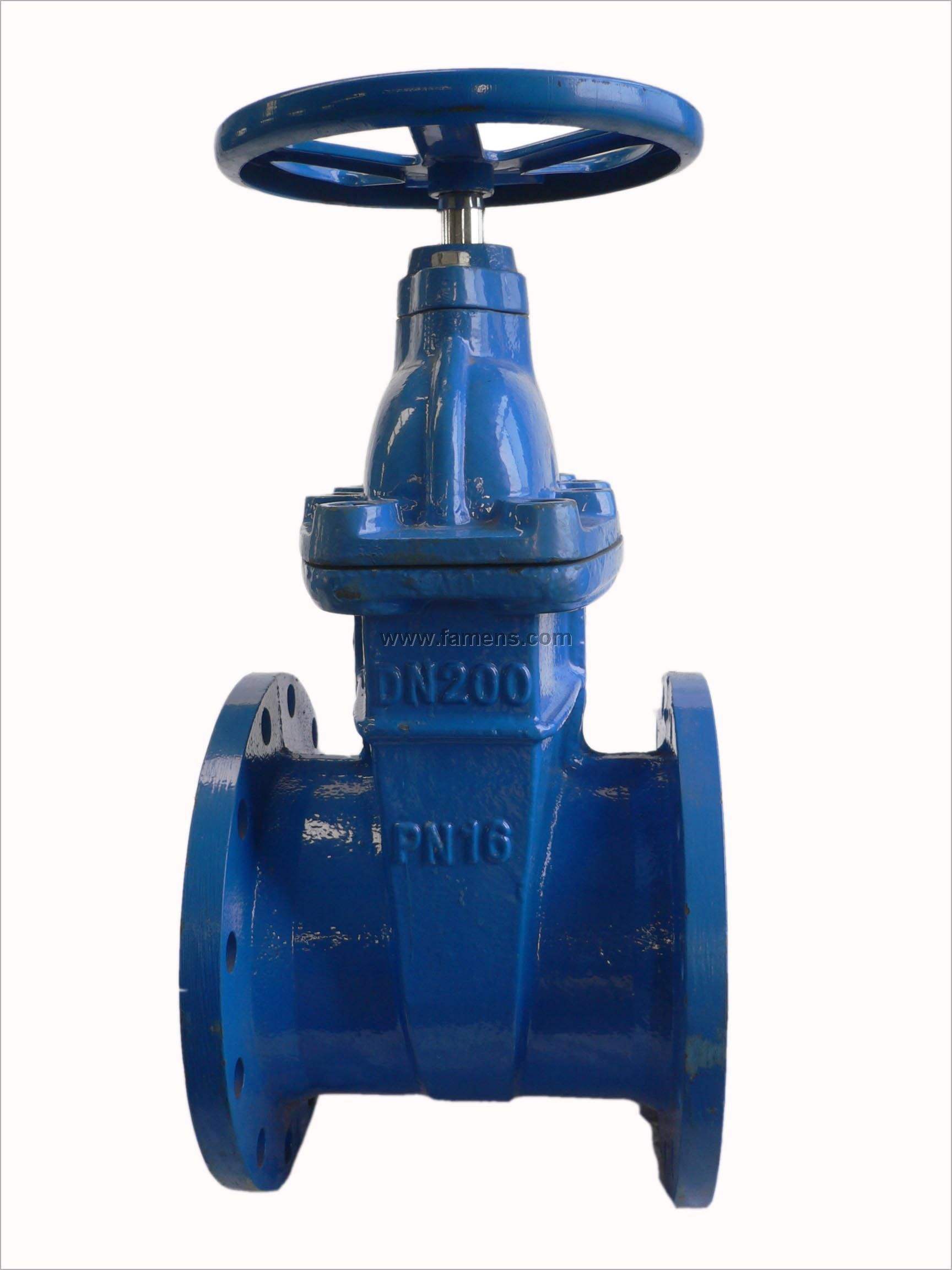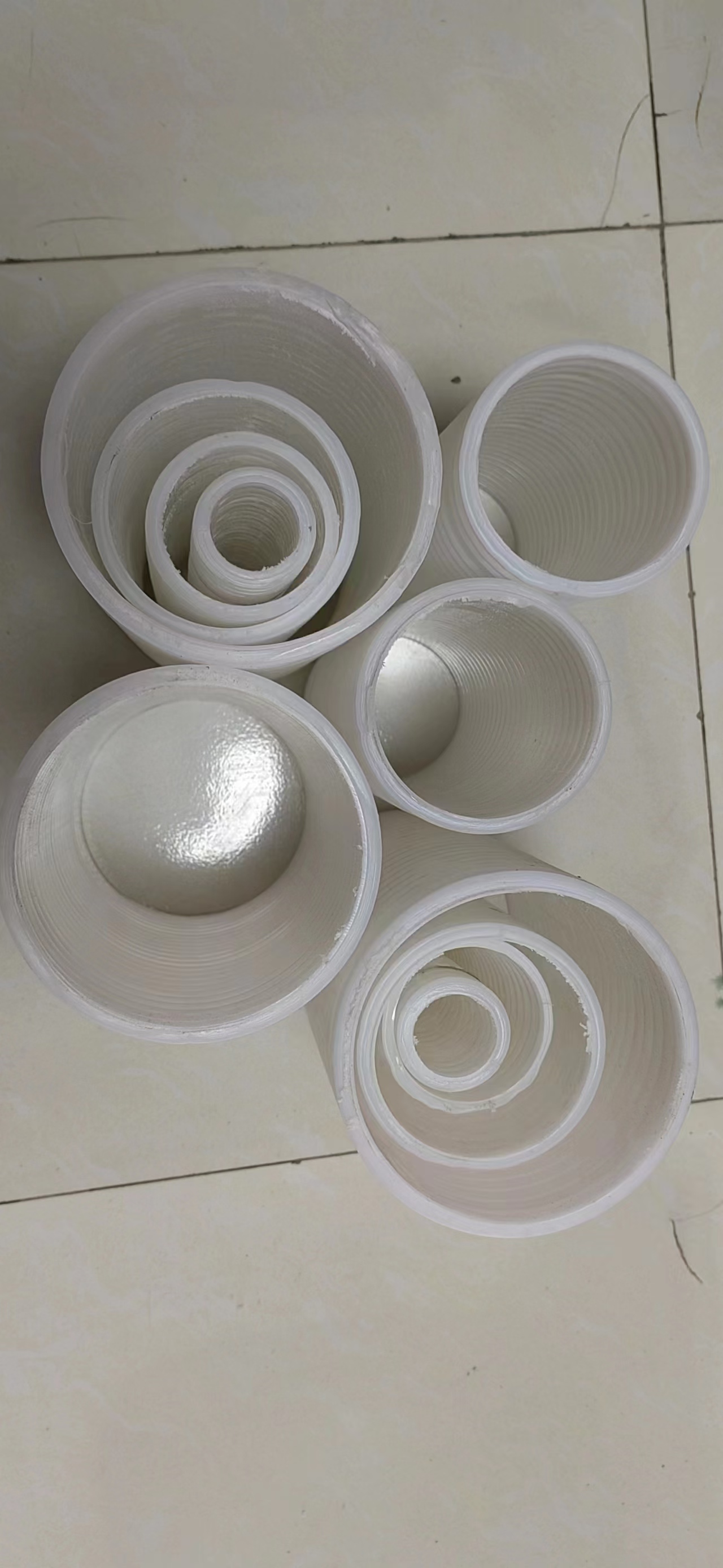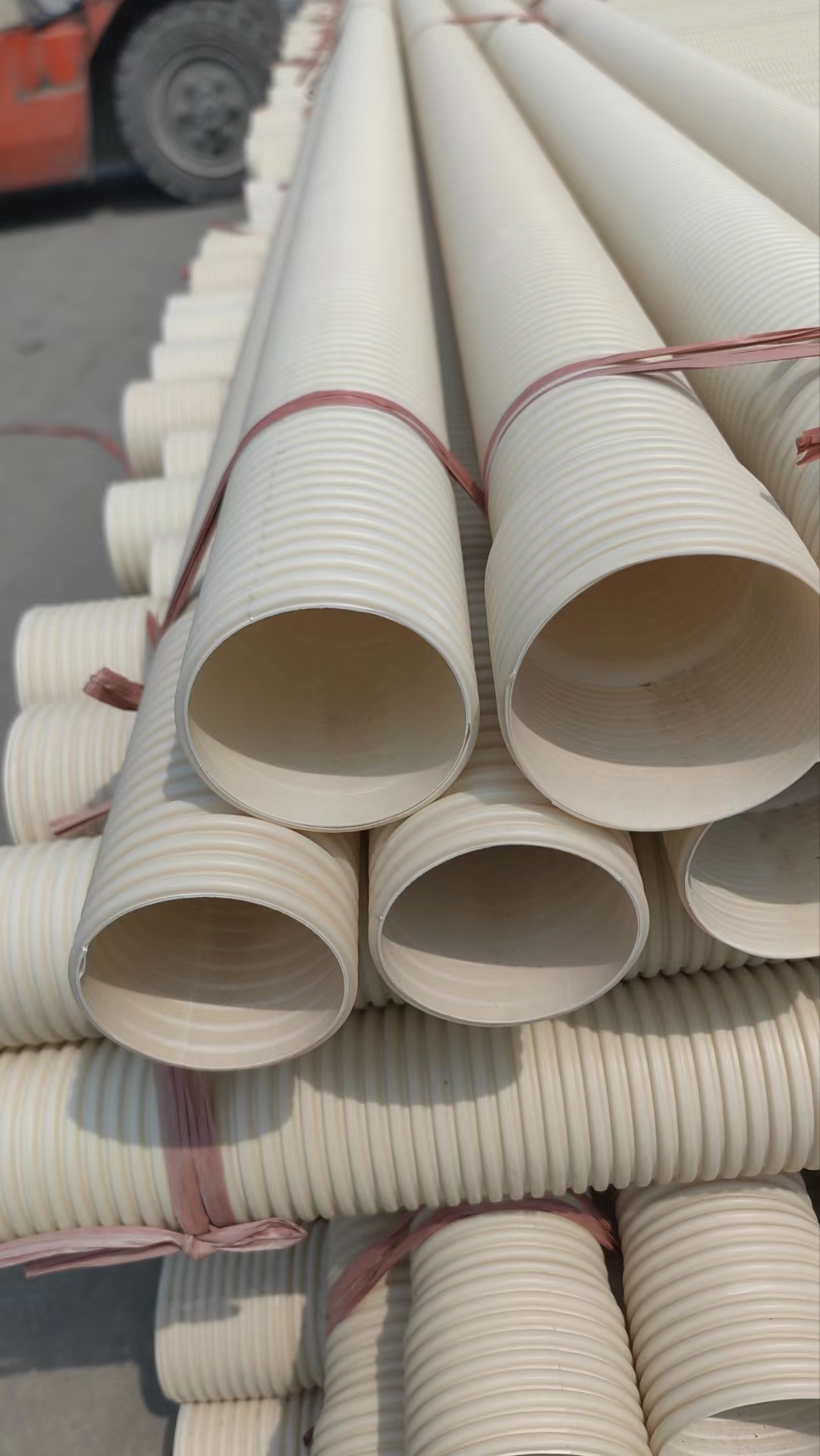





Clean Drainage Grates (also known as Sanitary Grade Drainage Grates) are designed based on the structural features of imported clean drainage grates, combined with the actual conditions in our country, using corrosion-resistant, high-temperature-resistant, and wear-resistant materials such as stainless steel. The following is a detailed introduction to clean drainage grates:
I. Application Scenarios
Clean drainage traps are primarily used in high-purity environments worldwide, such as chemical, petroleum, power industries, GMP-certified cleanrooms, breweries, food factory workshops, dairy and beverage processing facilities, and laboratories.
II. Structure and Features
Product Structure: The clean drain is composed of three main parts: the panel, the filter screen, and the main body. The panel is typically made of materials such as stainless steel and copper. The filter screen is the core component of the drain, designed to filter out debris. The main body serves as the support frame for the drain, connecting the drain pipe to the ground.
Sealing Performance: The clean trap employs dual sealing (a gas seal combined with a water seal) to ensure its seal integrity, preventing unpleasant odors and pests from entering the room.
Corrosion Resistance: Made entirely of stainless steel 304 (316, 316L), with a smooth and shiny surface, offering strong corrosion resistance.
Easiness of Cleaning: The filter and panel of the clean ground drain are easy to remove and clean, facilitating maintenance.
Section 3: Types and Specifications
Types: Clean floor drains are categorized into straight-through floor drains, side-wall floor drains, sealed floor drains, mesh frame floor drains, overflow prevention floor drains, multi-channel floor drains, and direct-bury floor drains, etc.
Specs: Standard sizes include DN50, DN75, DN100, etc., with custom sizes available upon request.
Section 4: Selection and Maintenance
When selecting clean floor drain options, consider factors such as material, sealing performance, corrosion resistance, and ease of cleaning. Additionally, choose the appropriate type and specification based on the specific application and requirements.
Maintenance: Regularly clean and maintain the clean drain to ensure it remains unobstructed and sealed. Avoid prolonged soaking in water to prevent corrosion and extend its service life.