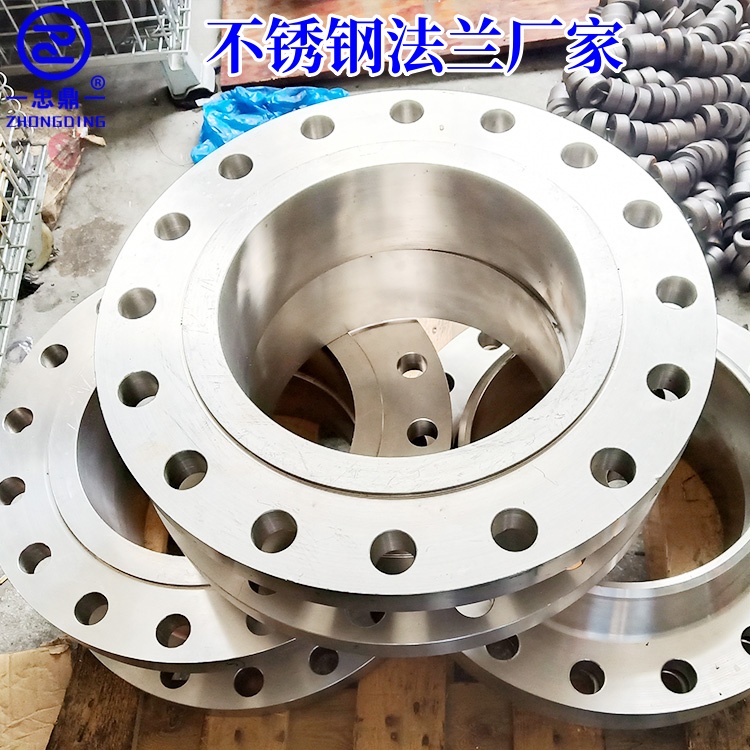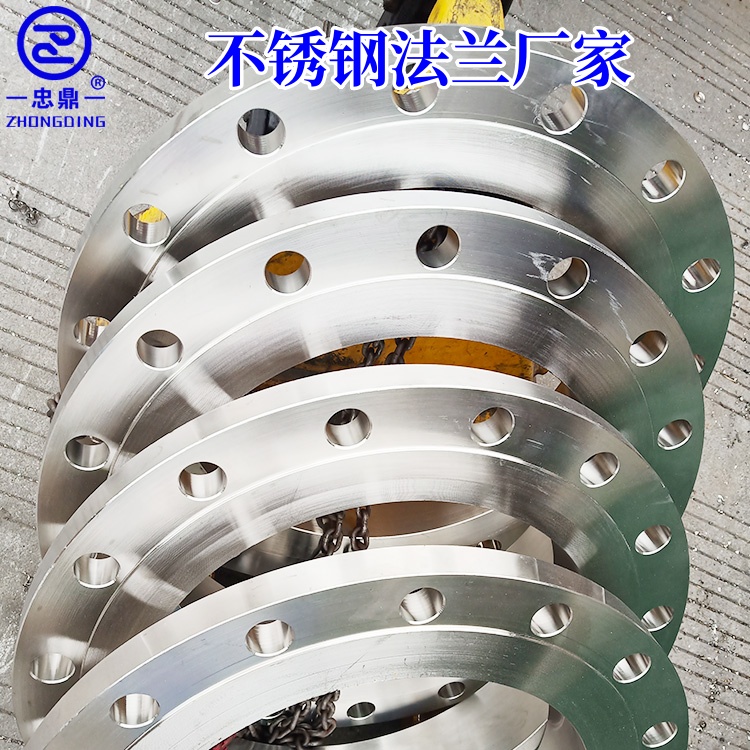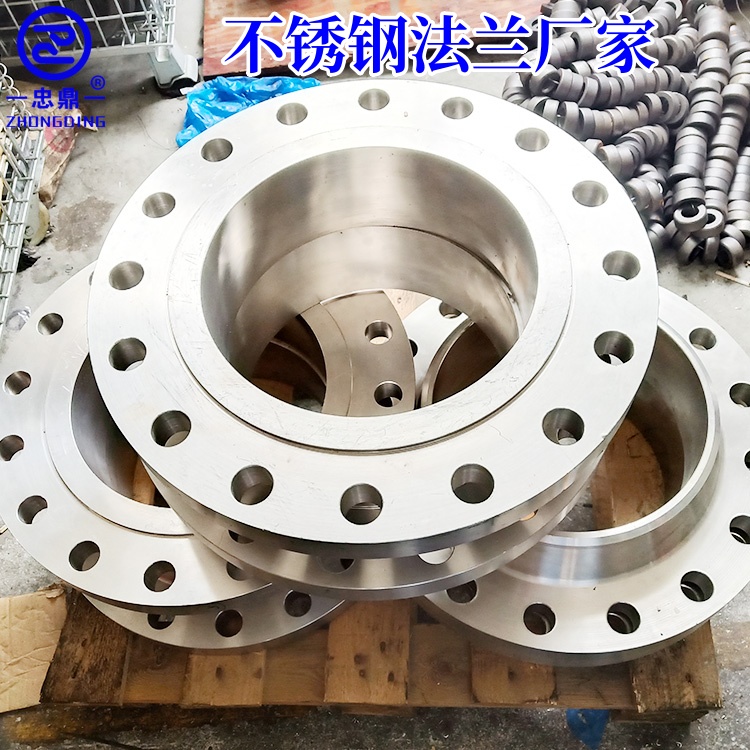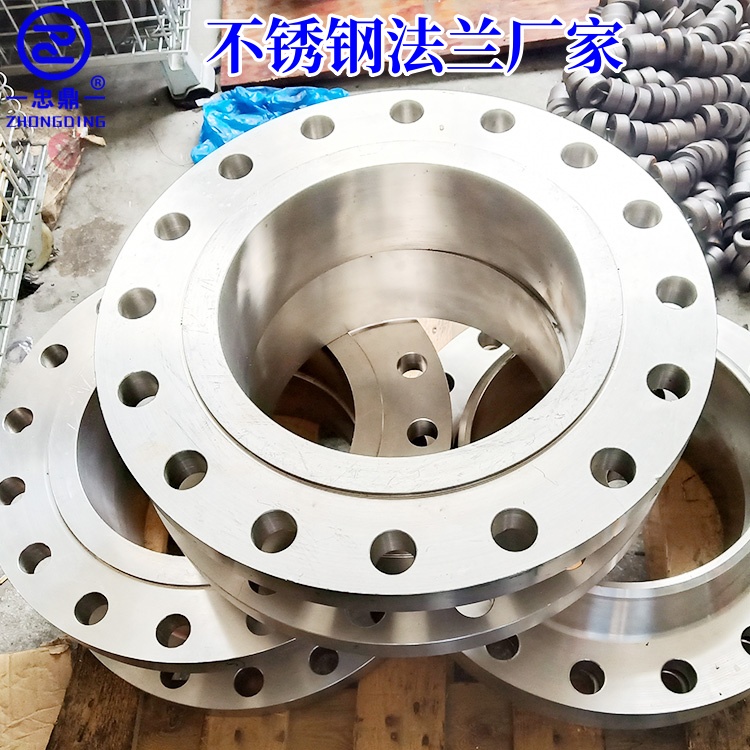

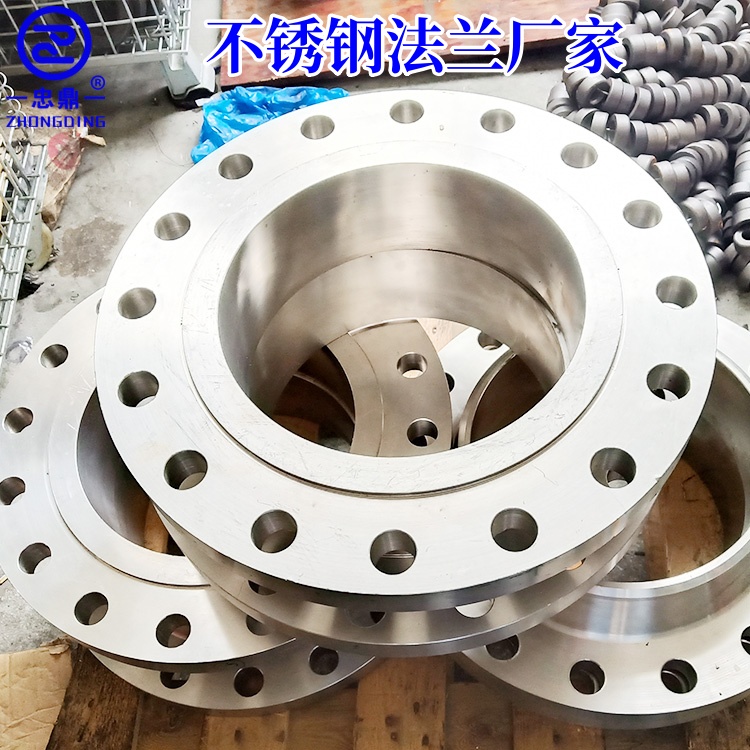
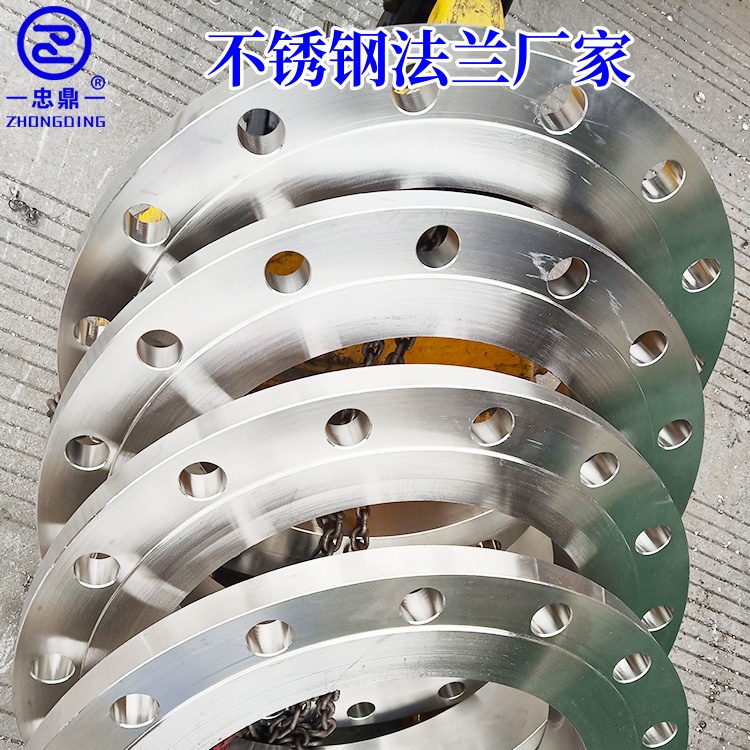












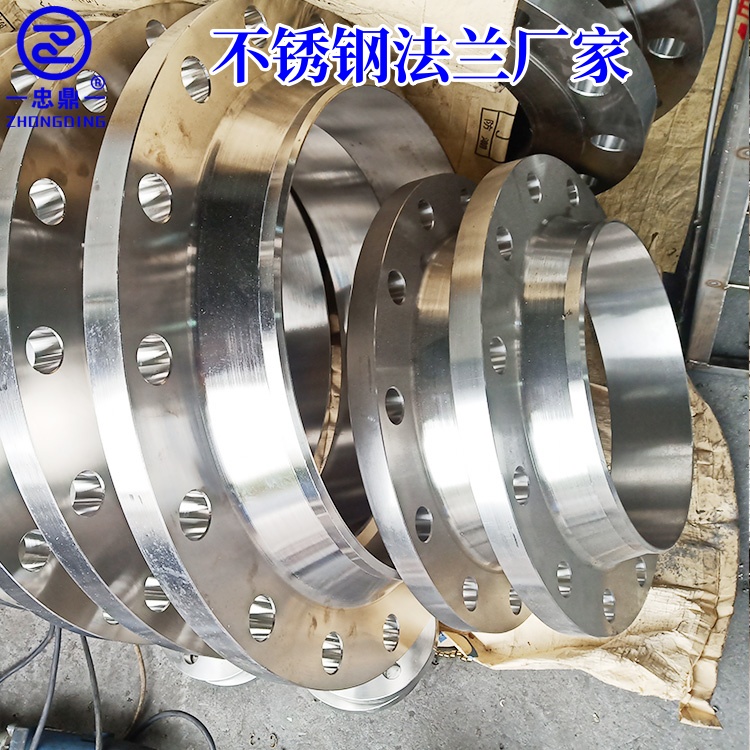
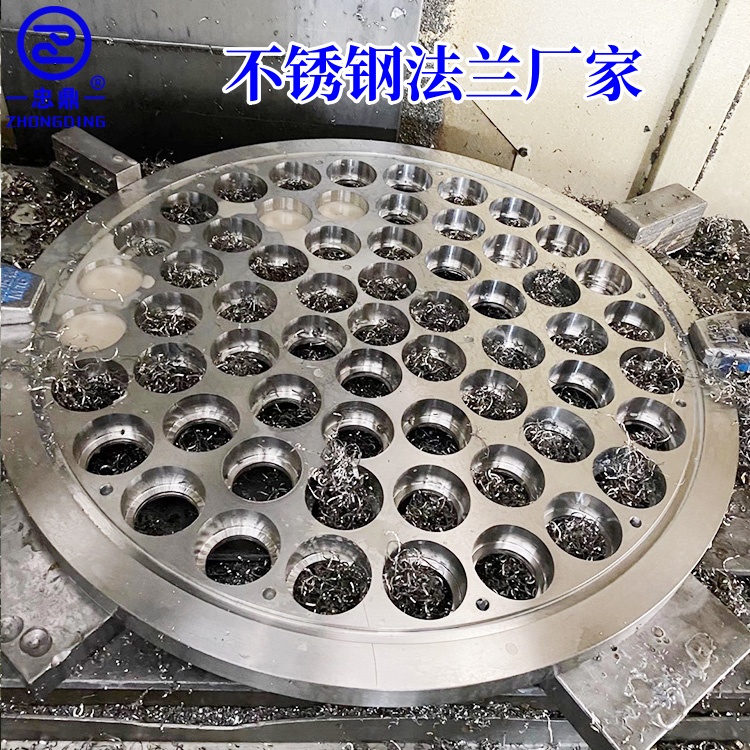
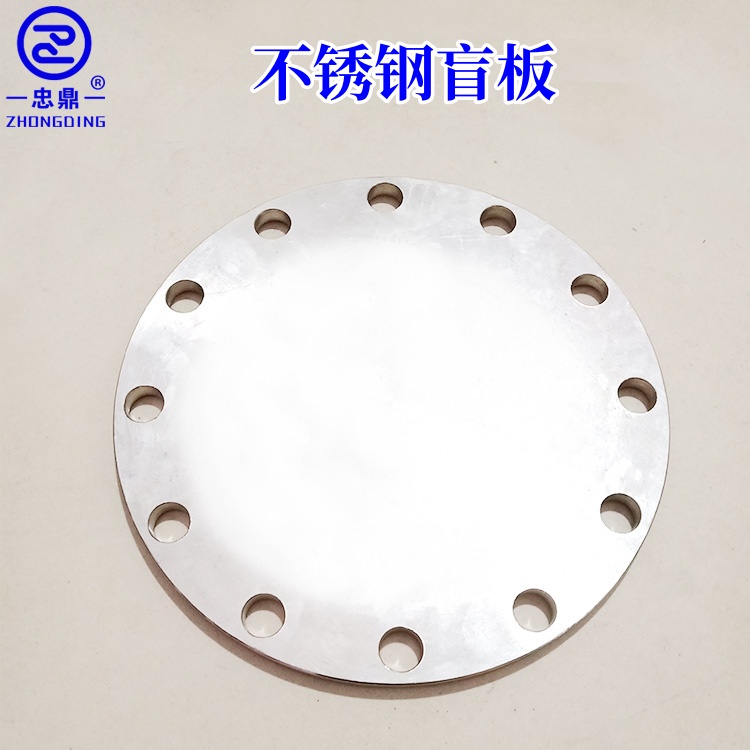
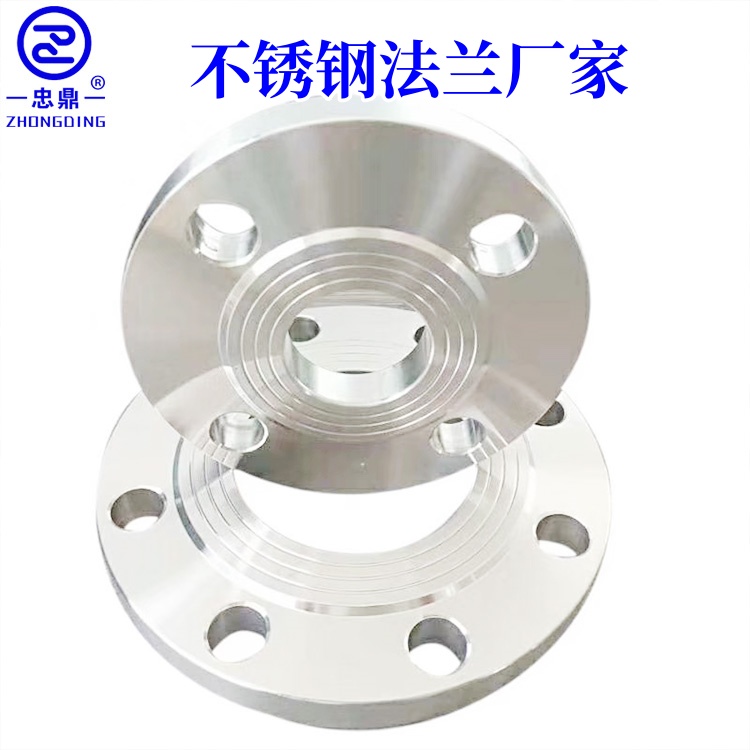
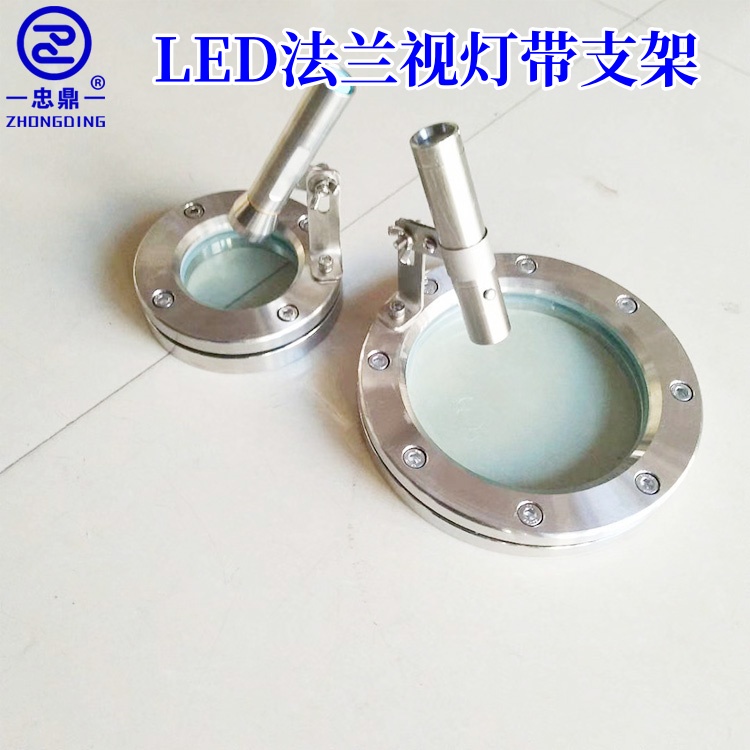
Direct factory supply DN20-DN1000 flanges, blank flanges, complete specifications, discounted prices, hot selling in stock. Custom non-standard flanges and blank flanges available. Sales hotline: 17816237895.
Stainless steel flanges are critical components used for connecting pipes, valves, and equipment, commonly made of stainless steel material and featuring corrosion resistance, high-temperature resistance, and high strength.
Product Images:
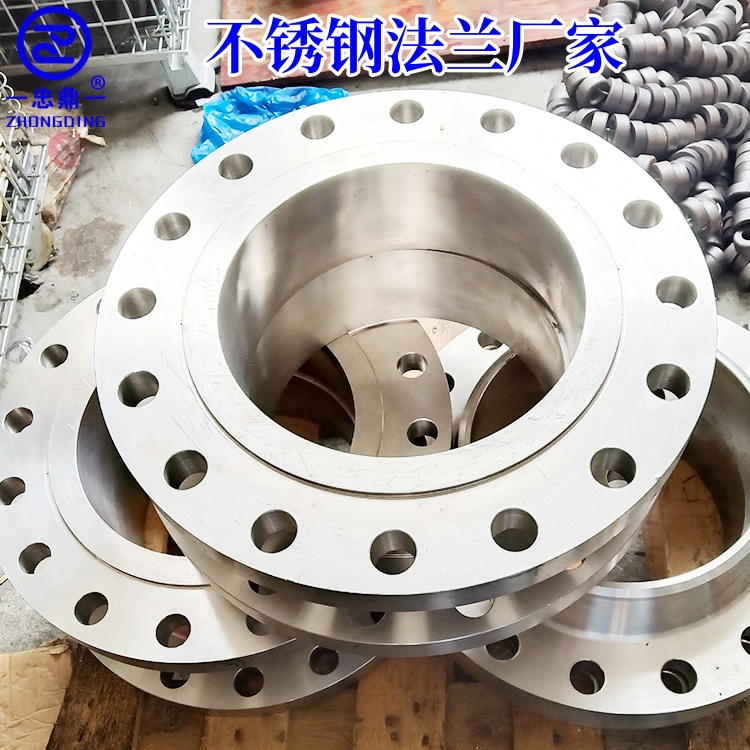
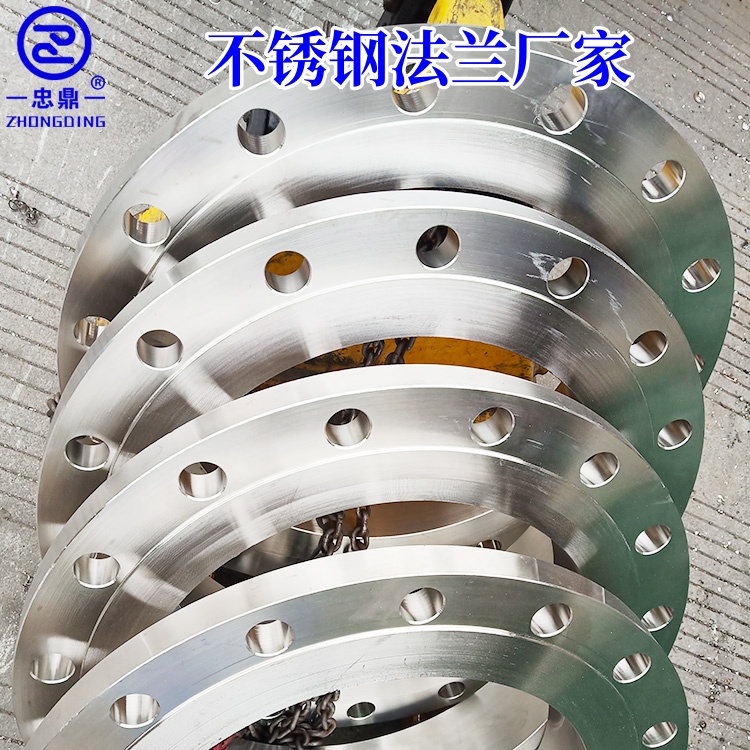
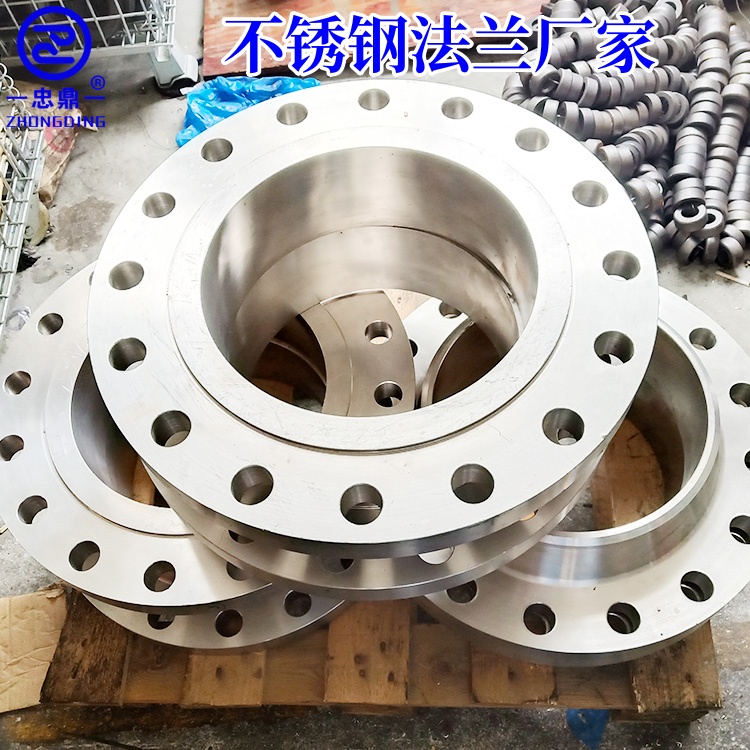
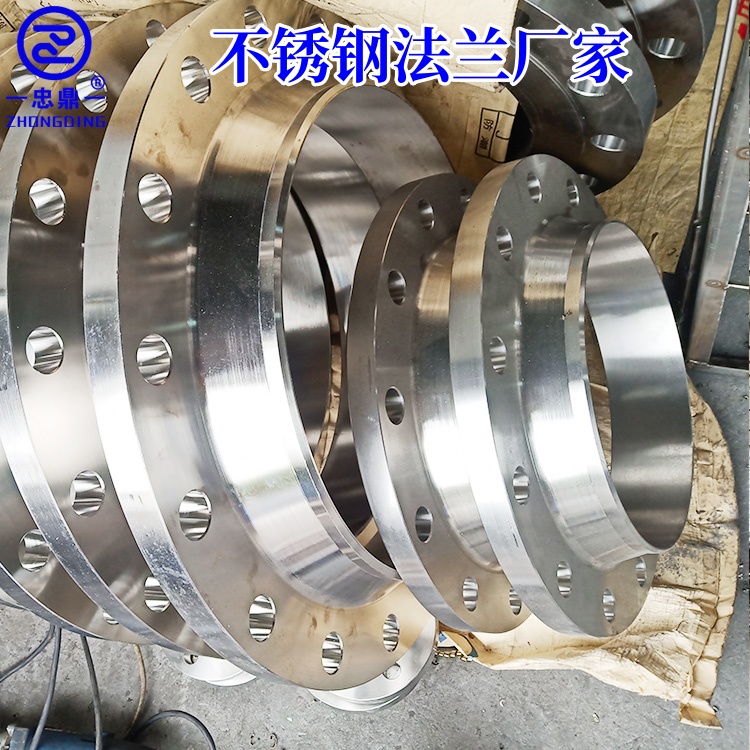
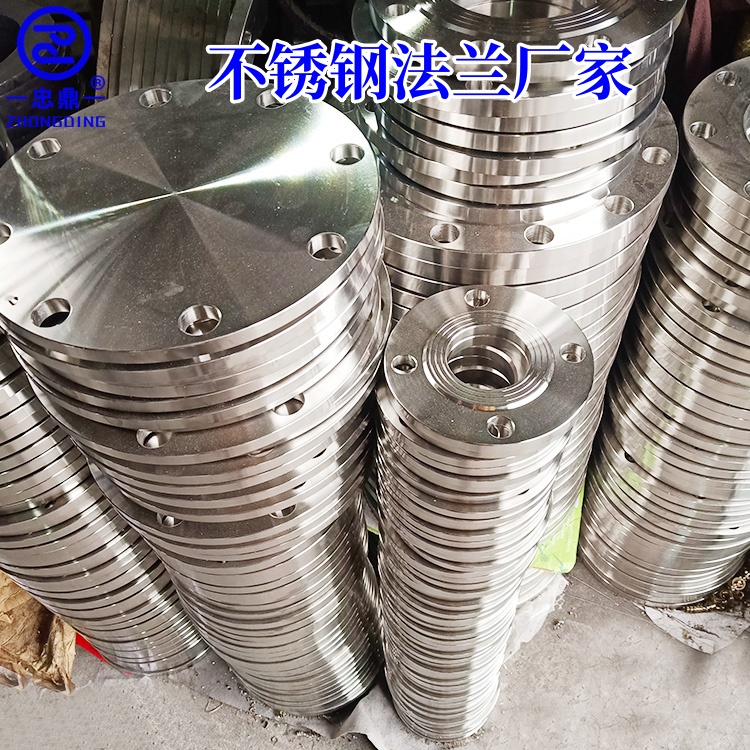
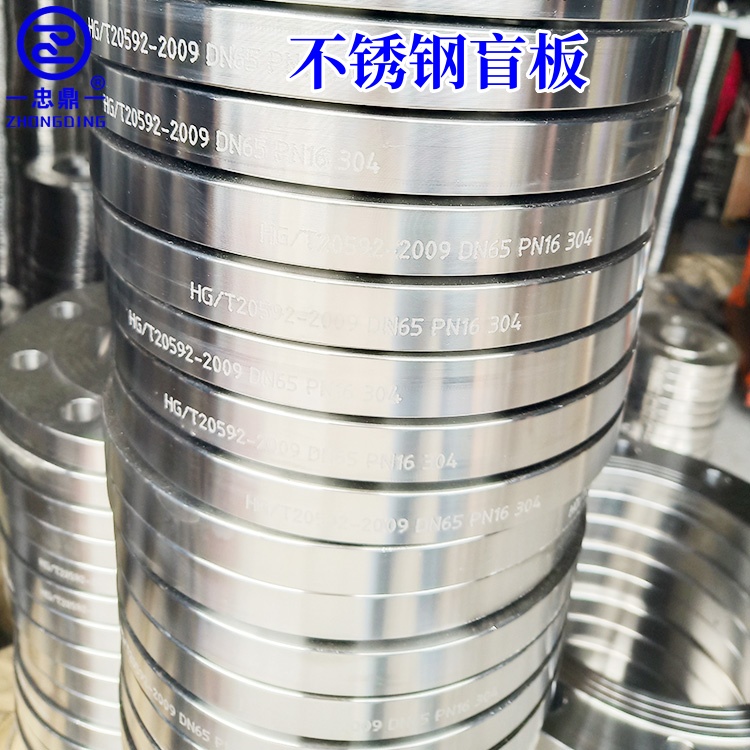
Here is a detailed introduction to stainless steel flanges:
Material
Common materials for stainless steel flanges include:
304 Stainless Steel: General-purpose stainless steel with excellent corrosion resistance and workability, suitable for most environments.
316 Stainless Steel: Contains molybdenum for enhanced corrosion resistance, especially suitable for marine environments or chlorine-containing mediums.
321 Stainless Steel: Titanium added for improved intergranular corrosion resistance, suitable for high-temperature environments.
304L/316L: Low-carbon version, less prone to intergranular corrosion after welding, suitable for applications with high welding requirements.
2. Type
According to the connection method and structure, stainless steel flanges are mainly divided into the following types:
Slip-On Flange: Suitable for low-pressure applications, easy to install.
Weld Neck Flange: Suitable for high-pressure and high-temperature environments, with high strength and excellent fatigue resistance.
Blind Flange: Used to seal the end of a pipeline for easy maintenance.
Threaded Flange: Connects via threads, suitable for low-pressure, small-bore piping.
Loose Flange: Used in conjunction with welding rings, suitable for applications requiring frequent disassembly.
Socket Weld Flange: Suitable for small bore high-pressure pipelines.
3. Standard
The production and manufacturing of stainless steel flanges generally adhere to the following international or national standards:
International Standards: ANSI/ASME B16.5, DIN, EN, JIS, etc.
China Standard: GB/T 9112~9124 series, HG/T 20592~20635 series.
4. Application Fields
Stainless steel flanges are widely used in the following industries:
Petroleum & Chemical Industry: Used for conveying corrosive media.
Food: Meets sanitation requirements, corrosion-resistant.
Shipbuilding: Corrosion-resistant.
Power Industry: Used in high-temperature and high-pressure pipelines.
Water Treatment: Corrosion-resistant, with a long service life.
5. Advantages
Corrosion-resistant: Suitable for acidic, alkaline, and saline corrosive mediums.
High strength: Capable of withstanding high-pressure and high-temperature environments.
Aesthetics: Smooth surface, easy to clean.
Long lifespan: Maintains excellent performance under harsh conditions.
6. Selection Considerations
Medium Characteristics: Select appropriate material and type based on the medium's corrosiveness, temperature, and pressure.
Connection Method: Select the appropriate flange type based on the pipeline design.
Standard Matching: Ensure that the flange is compatible with the connection standards of pipes, valves, and other equipment.
Size Specifications: Select the appropriate flange size based on pipe diameter and pressure class.