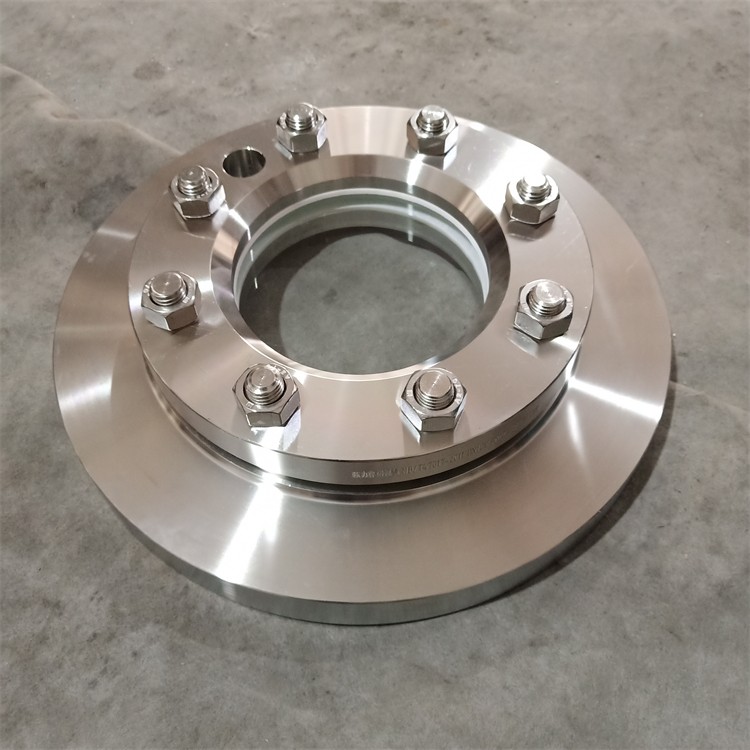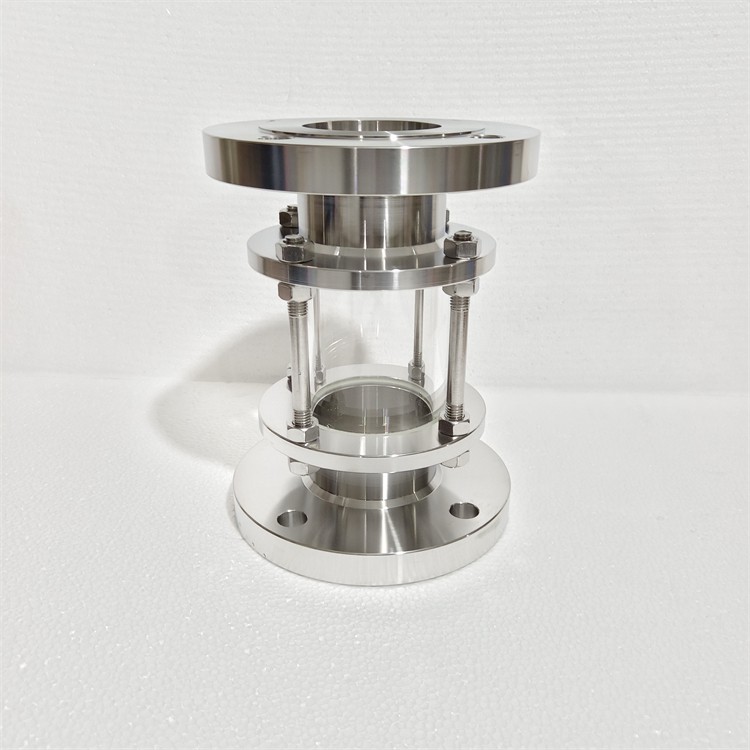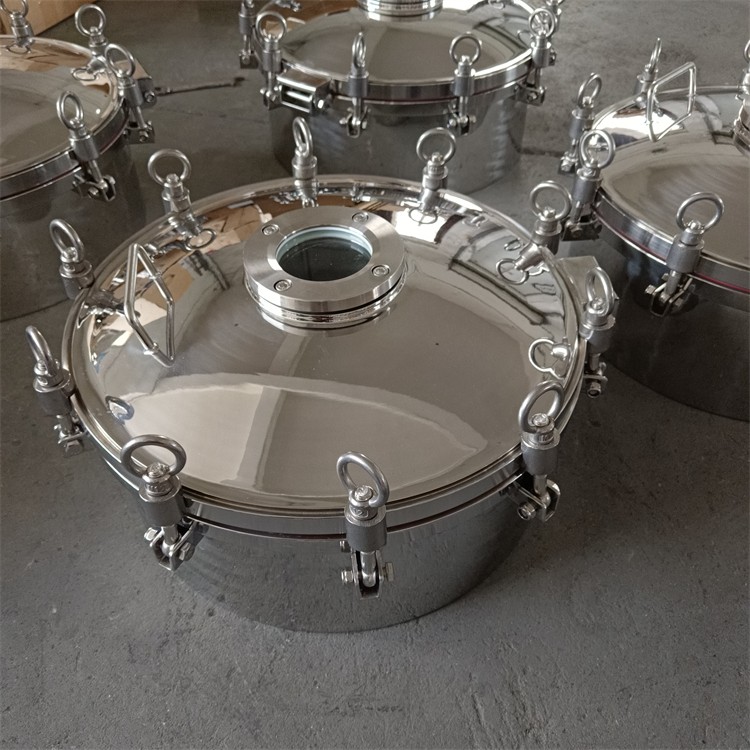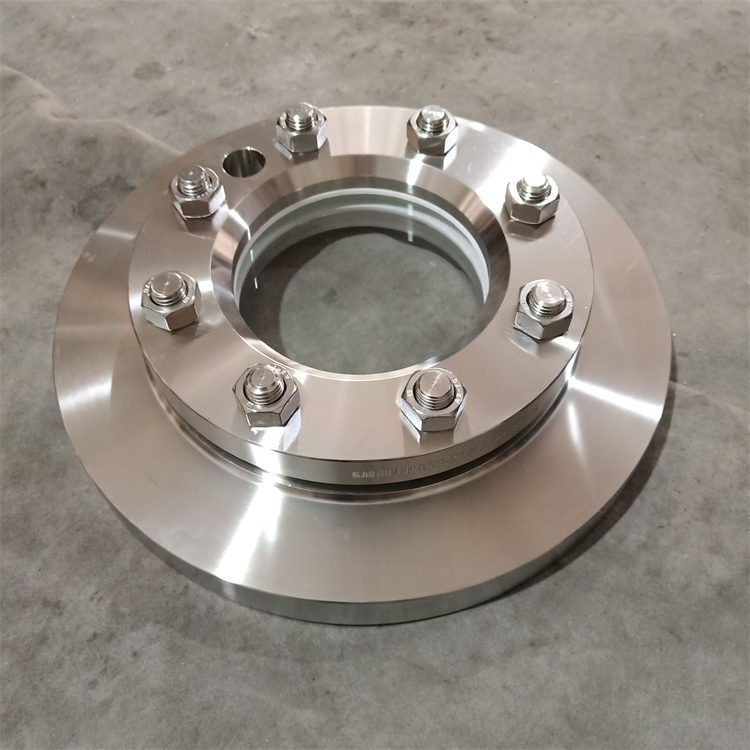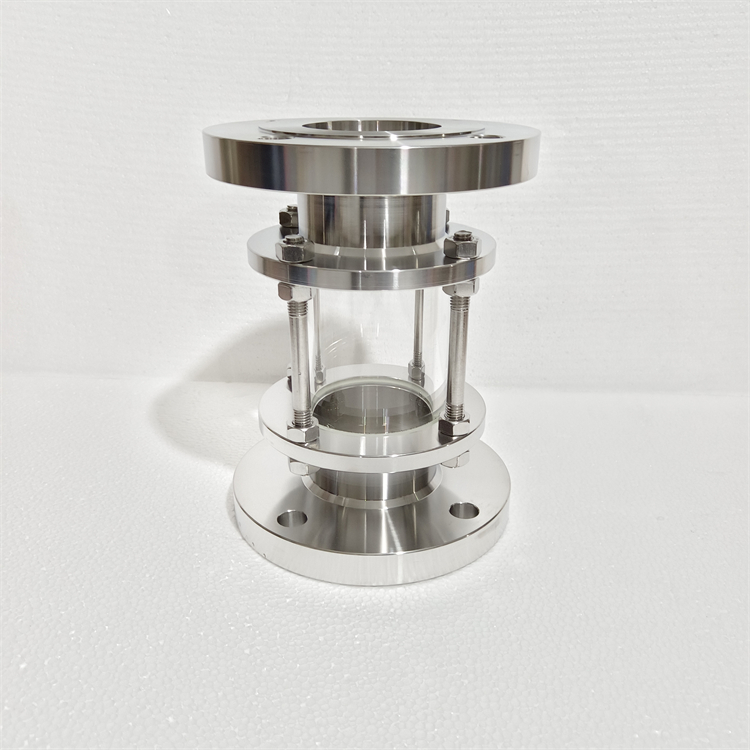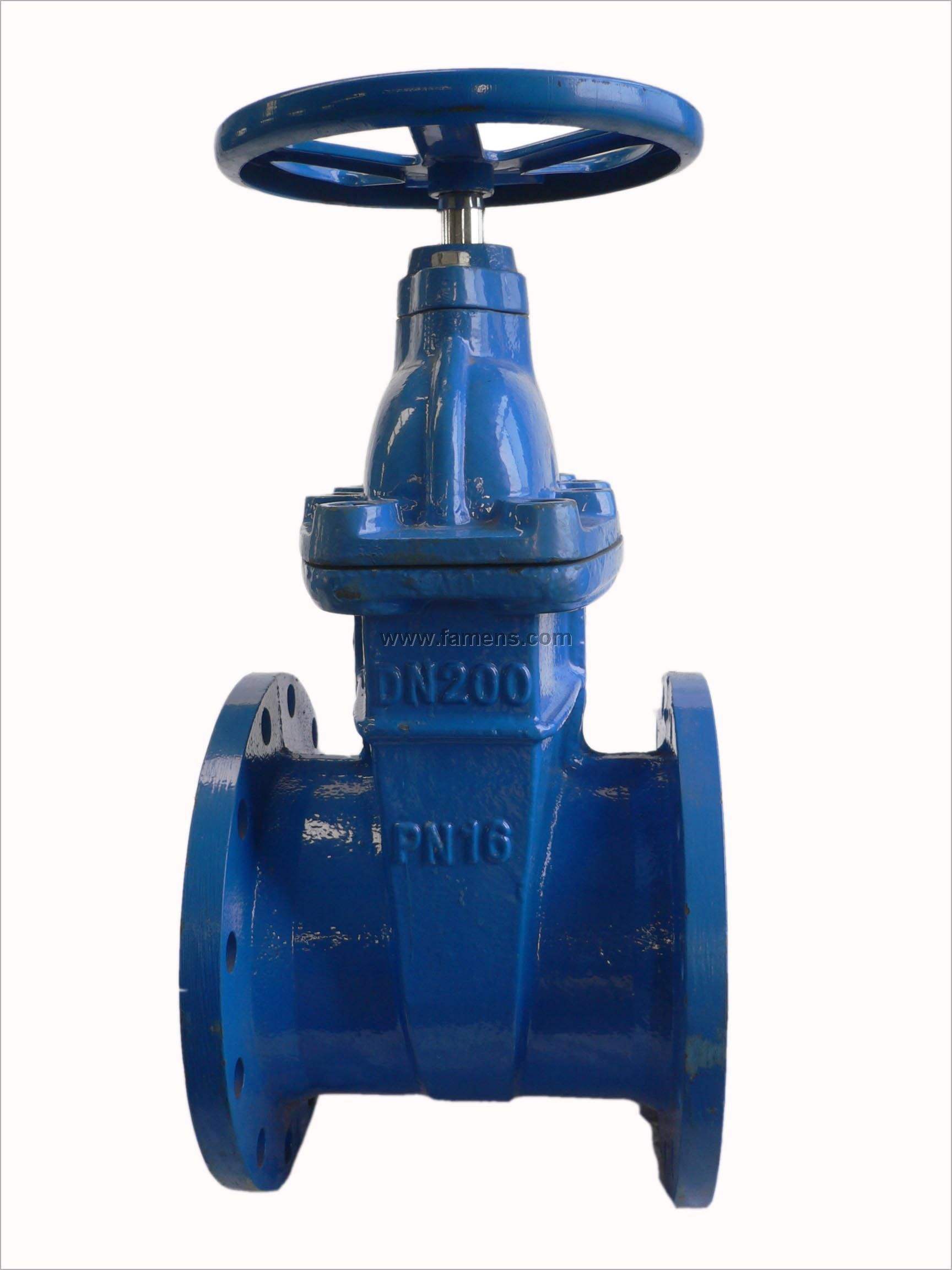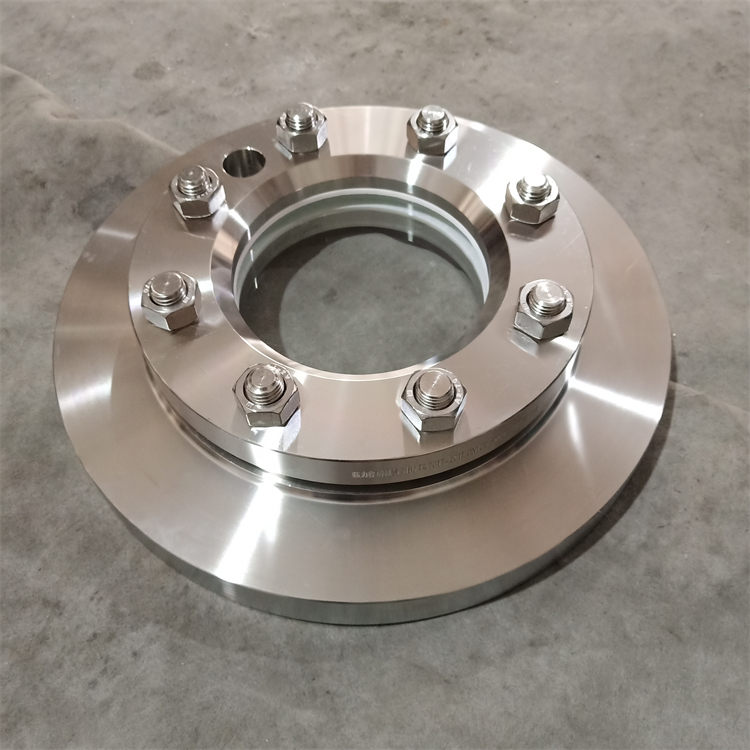

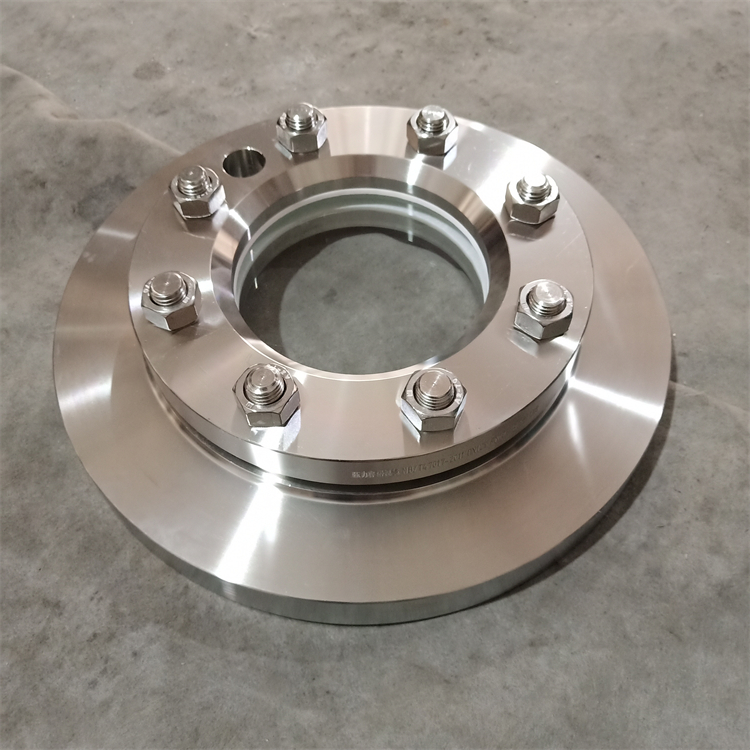
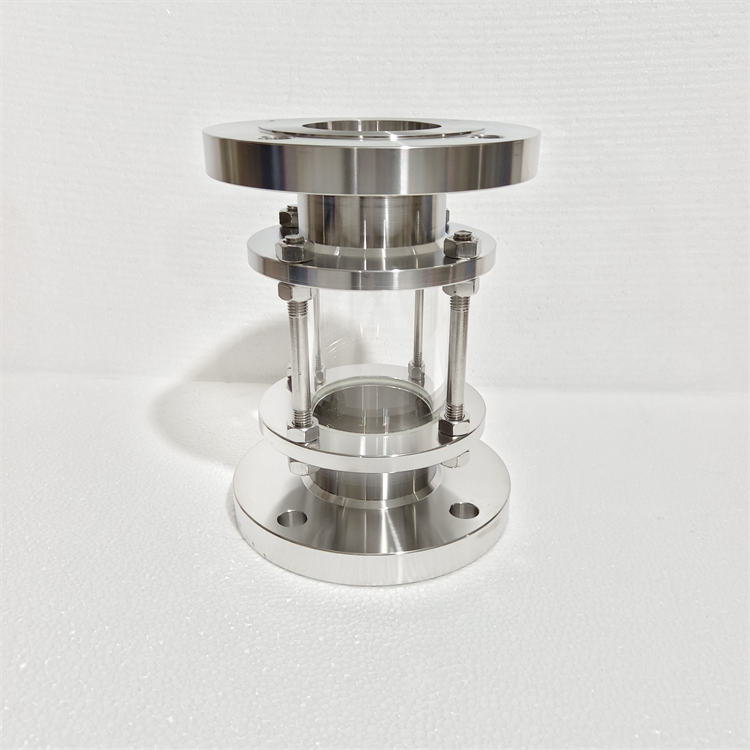
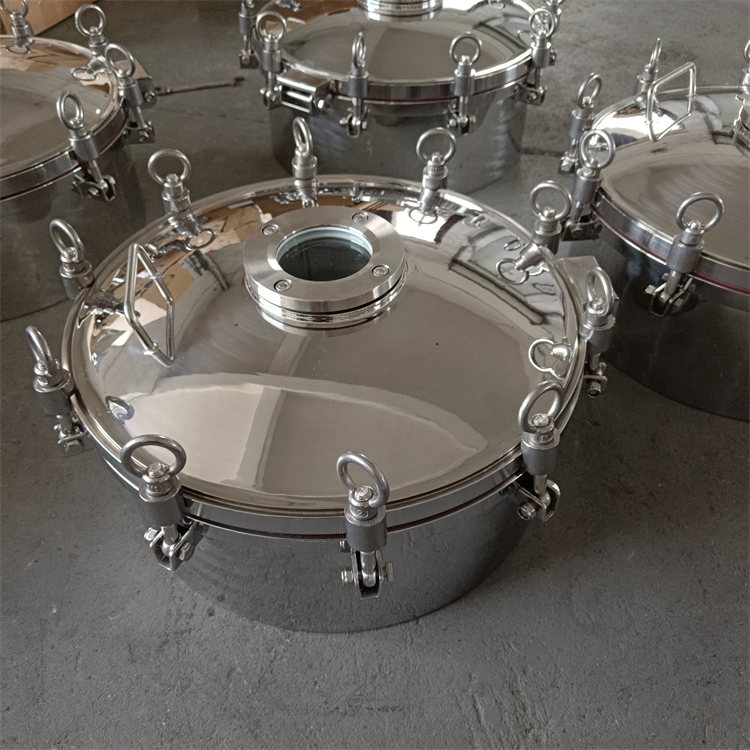







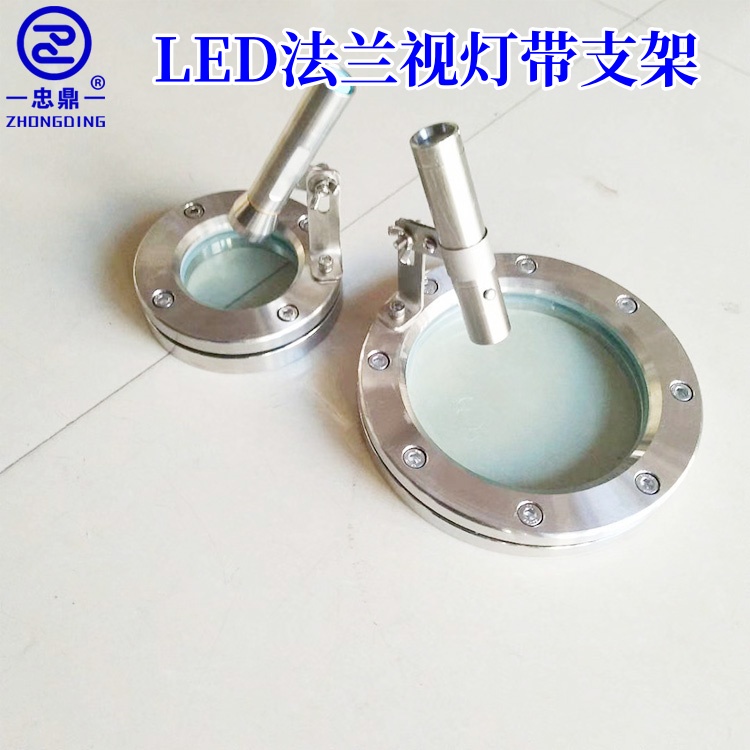
Pressure Vessel Sight Glasses (also known as Equipment Sight Glasses) are a product designed to observe the changes in media within industrial equipment containers. The following is a detailed introduction to pressure vessel sight glasses:
I. Application
Operators can observe the condition of the medium inside the pressure vessel through the sight glass and adjust or control the filling quantity based on the displayed information, ensuring that the medium within the vessel remains within the normal range. Vessels such as liquefied gas storage tanks, tanker trucks, gas-liquid phase reactors, and reactors require sight glasses to prevent accidents caused by overfilling or phenomena of unbalanced material reactions due to excessive feeding.
II. Standard
Currently, the standard for pressure vessel sight glasses is NB/T47017, which was issued by the National Energy Administration on July 1, 2011, and implemented on October 1 of the same year. The NB/T47017 sight glass standard integrates various styles such as the HGJ51-502-1986 pressure vessel sight glasses, HG/T21575-1994 illuminated sight glasses, and HG/T21505-1992 combined sight glasses, and has made significant improvements. For instance, it added sight glass specifications for DN200, increased the operating pressure for some sight glasses, eliminated the flushing holes and adopted flushing devices in accordance with foreign standards, added specifications for sight glasses with spotlights, and increased requirements for sight glass markings and transportation packaging.
III. Style and Material
Pressure vessel sight glasses come in three main types: standard, illuminated, and with flushing device. The shell material commonly used includes carbon steel WCB, stainless steel 304, 321, 316, and 316L; while the window material often includes tempered glass, borosilicate glass, and quartz glass. The sealing material typically used is nitrile rubber, etc.
4. Selection and Installation
When selecting a pressure vessel sight glass, it should be chosen correctly based on factors such as the medium, working pressure, and temperature of the pressure vessel. For example, a pressure vessel containing flammable, extremely or highly hazardous medium should use a high-temperature, high-pressure small bore sight glass, and should have protective devices to prevent leakage. For containers used outdoors in cold regions or when there is a significant difference between the medium temperature and the ambient temperature, a sight glass material with a high rate of temperature change should be selected. If insufficient light is available, a sight glass with a lighting device should be used.
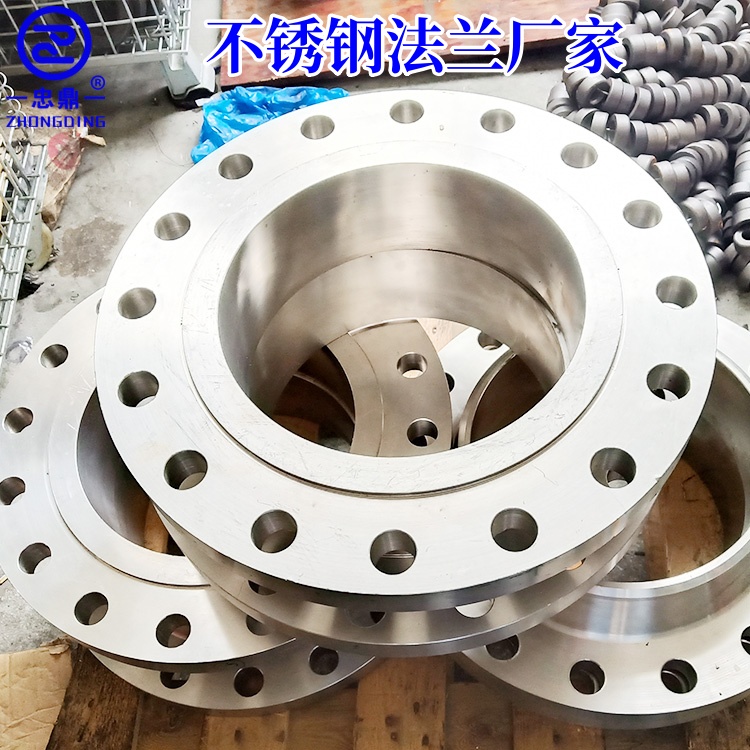
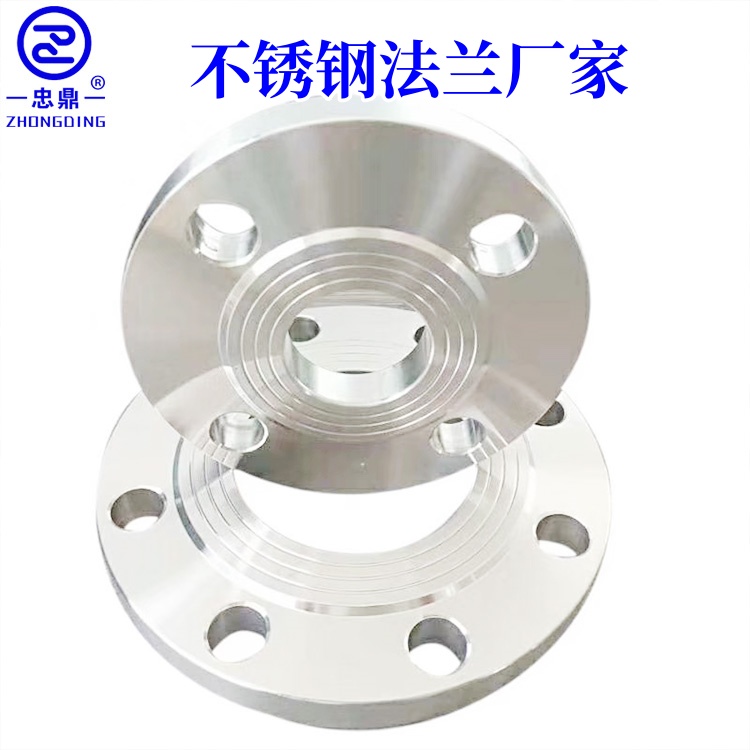
When installing sight glasses on pressure vessels, they should be welded at the location requiring observation, and ensure that the welding flange is clean and undamaged. The holding flange should be cleaned properly and securely fastened with a reasonable sealing gasket. Installation should be performed by professionals to ensure safety and reliability.
Five: Maintenance and Care
To ensure the normal operation and prolong the service life of pressure vessel sight glasses, regular maintenance and care are necessary. For instance, the dirt and dust on the surface of the sight glass should be cleaned regularly to prevent it from affecting the observation. Additionally, the sealing performance of the sight glass and the integrity of the window material should be checked to ensure there are no leakage or damage.