


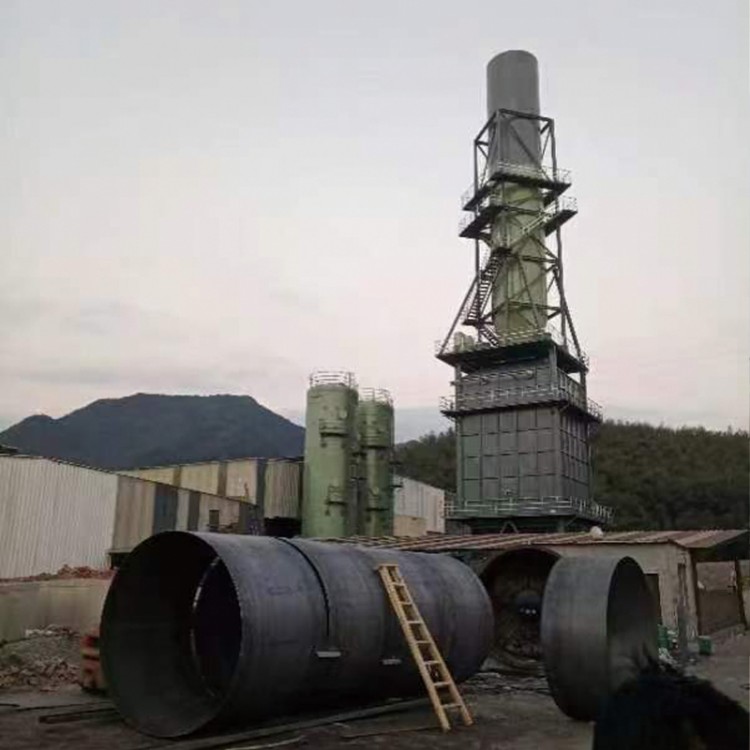
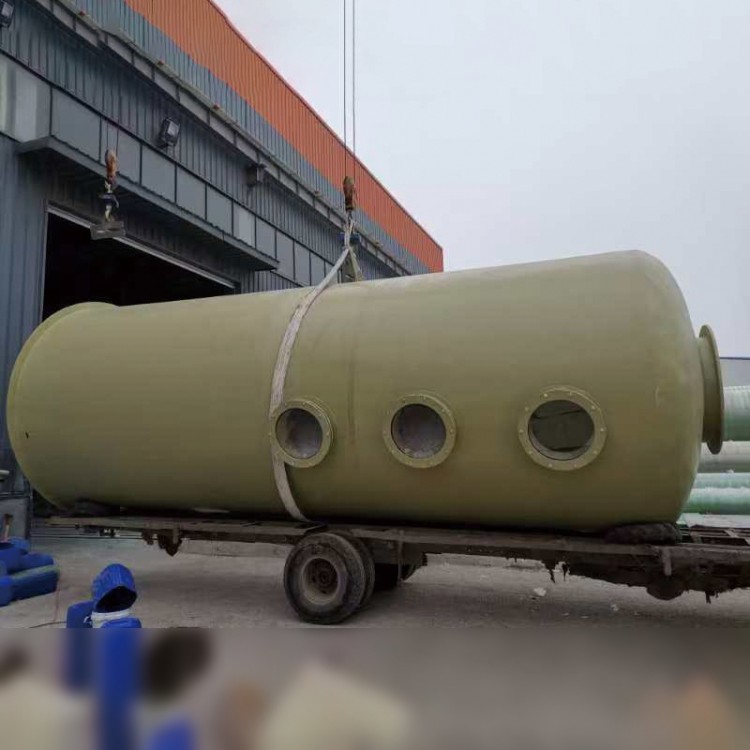


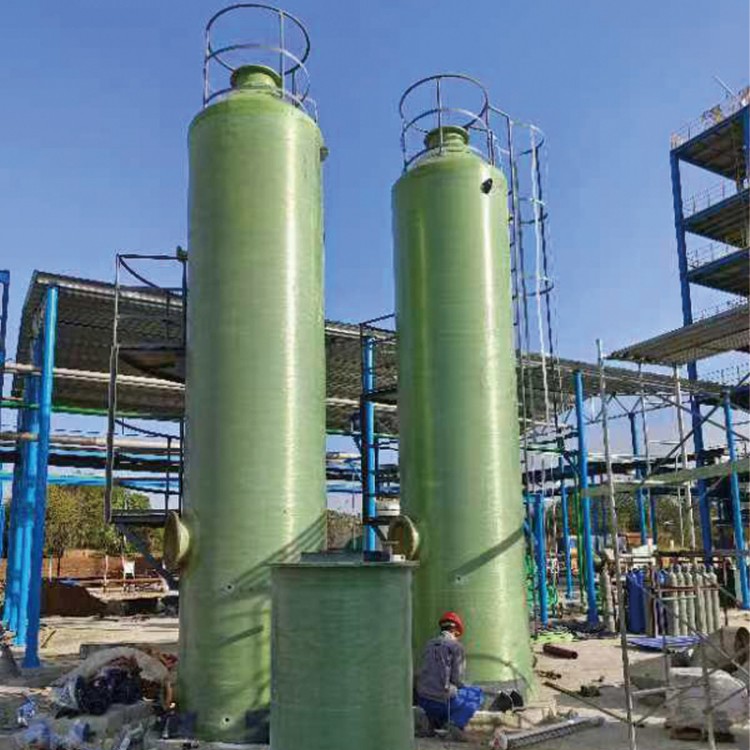







A glass fiber reinforced plastic grease interceptor is a facility used for storing or treating wastewater or liquids containing oil. It is mainly made of glass fiber reinforced plastic, offering advantages such as corrosion resistance, high strength, and good sealing. The design of the interceptor allows oil to settle and separate within the tank, while water flows to the bottom and is discharged through an outlet. This type of grease interceptor is widely used in industrial production and wastewater treatment, effectively preventing oil pollution of the environment and ensuring wastewater discharge.
A fiberglass grease interceptor is a device used for separating and collecting oil pollutants from liquids. Its main functions include:
Isolation Oil: The glass steel oil separator, with its unique structure and design, effectively separates oil from liquids. Utilizing geometric shapes and fluid flow principles, it ensures a certain residence time for the oil within the tank, allowing the oil to settle at the bottom.
2. Collecting Oils: The grease interceptor collects oils that settle at the bottom of the tank via its bottom collection device. This facilitates the processing and recycling of oils, reducing their discharge.
3. Purification Liquid: The grease trap can separate oils from the liquid, thereby purifying it. This is of great significance in protecting the environment and preventing the spread of oil pollution.
4. Preventing Pipeline Clogs: Oil contaminants often lead to pipeline blockages, affecting the normal flow of fluids. The use of oil separators can effectively prevent oil from entering the pipelines, reducing the risk of blockages.
In summary, the role of the fiberglass grease interceptor is to separate and collect oil pollutants from liquids, purify the liquid, prevent pipeline clogs, and protect the environment. It is widely used in industrial and commercial locations such as factories, workshops, gas stations, and more.
Glass-fiber Reinforced Plastic (GRP) septic tanks are equipment used for storing and treating wastewater, sludge, and solid waste, featuring the following functions:
1. Storage of Wastewater: Fiberglass septic tanks can store large amounts of wastewater, temporarily isolating it to prevent environmental contamination.
2. Solid-Liquid Separation: The glass-fiber septic tank is equipped with a special structure that separates solid waste from liquid waste within the tank. Solid waste settles at the bottom, while the liquid is drained out of the tank.
3. Degradation of Organic Matter: The wastewater in the glass-fiber reinforced plastic septic tank undergoes degradation of organic matter over a period of time, reducing the suspended solids and harmful substances in the wastewater.
4. Sediment Removal: Solid waste at the bottom gradually settles to form sludge. The sludge accumulates over time and can be periodically cleaned and disposed of.
5. Reduce Odor and Smell: The glass-fiber septic tank has certain sealing properties, which can effectively prevent the overflow of odors from wastewater, minimizing the impact of smells on the surrounding environment.
6. Wastewater Purification: Through treatment and degradation, fiberglass septic tanks can purify wastewater, removing harmful substances and pollutants, allowing the effluent to be further processed or discharged.
In summary, the function of glass-fiber reinforced concrete septic tanks is to store, separate, degrade, purify, and treat wastewater, achieving the goals of environmental protection and resource recovery.
A glass fiber reinforced plastic (FRP) grease trap, known as a glass steel grease interceptor, features the following characteristics:
High Corrosion Resistance: The glass fiber material possesses excellent corrosion resistance, capable of withstanding the erosion of acids, alkalis, and other chemicals, thereby effectively storing and processing corrosive liquids containing oils, chemicals, etc.
2. Lightweight and High-Strength: Made from glass fiber reinforced plastic, the grease interceptor is lighter and stronger than metal materials. This makes installation and transportation more convenient, reducing installation costs.
3. Excellent leakage-proof performance: The glass fiber separator tank is designed with a seamless structure, offering good integrity and sealing properties, effectively preventing liquid leakage. This makes it an ideal choice for oil storage and protective equipment.
4. Versatile Design: The manufacturing process of glass-fiber grease interceptors offers a wide range of flexibility, allowing for customized designs based on specific needs. These interceptors can be produced in various shapes and sizes to accommodate different site conditions and process requirements.
5. Simple Maintenance: Glass fiber material boasts excellent wear and aging resistance, making it less prone to rust and corrosion. Compared to metal materials, the glass fiber grease trap does not require frequent anti-corrosion maintenance, making it simpler and more convenient to maintain.
Overall, a fiberglass grease interceptor is a device featuring strong corrosion resistance, lightweight high strength, excellent leakage prevention, flexible and diverse design, and simple maintenance. It finds wide applications in oil storage, chemical processing, and environmental protection.
Glass fiber reinforced plastic water tanks are composite structures made from a mixture of glass fibers and resins. They feature the following characteristics:
Corrosion Resistance: The surface of the glass fiber water tank is coated with a special corrosion-resistant layer, which can withstand the erosion of most chemicals, including acids and alkalis.
2. Lightweight yet High-Strength: Compared to traditional metal water tanks, fiberglass water tanks are lighter in weight yet stronger, thereby reducing the burden of transportation and installation.
3. Longevity: Fiberglass water tanks have a long service life, exceeding 20 years, and are resistant to erosion and damage from external environments.
4. Easy Installation: Fiberglass water tanks can be customized as needed, featuring simple installation without welding or sheet metal processing, reducing construction time and labor costs.
5. Excellent Insulation: The fiberglass water tank boasts superior insulation properties, effectively protecting stored liquids from external temperature fluctuations.
6. Safety and Reliability: The fiberglass water tanks are fireproof, theft-proof, and explosion-proof, ensuring the safe and reliable storage of liquids.
7. Aesthetically Pleasing: The glass fiber water tank features a smooth and even surface, offering excellent aesthetics that blend seamlessly into the environment without disrupting the landscape.
In summary, fiberglass water tanks feature corrosion resistance, lightweight yet high strength, long service life, easy construction, good insulation properties, safety and reliability, and aesthetic appearance, making them suitable for liquid storage applications.
Glass-fiber Reinforced Plastic (GRP) septic tanks are suitable for the following scenarios:
1. Rural and countryside areas: Reinforced plastic septic tanks are suitable for waste treatment and storage in rural households, animal husbandry farms, orchards, and farmlands.
2. Urban and town areas: Reinforced plastic septic tanks are suitable for waste treatment and storage in public toilets, residential communities, schools, hotels, shopping centers, and other facilities in urban and town areas.
3. Tourist Attractions and Outdoor Camping Sites: Fiberglass septic tanks are suitable for use in tourist attractions, campgrounds, and outdoor activity locations where temporary fecal waste disposal is required.
4. Construction Sites: Glass fiber reinforced septic tanks can be used as temporary toilets on construction sites and for storing and treating feces.
5. Islands and Remote Areas: Glass-fiber reinforced septic tanks can be used in islands, remote areas, and other locations where there is no access to urban sewage treatment systems, effectively treating and storing feces.
Note that the configuration and dimensions of glass-fiber reinforced septic tanks may vary depending on the specific application, so reasonable planning and design are required prior to selection and use.
WeChat Official Account

Scan to follow Official Account













