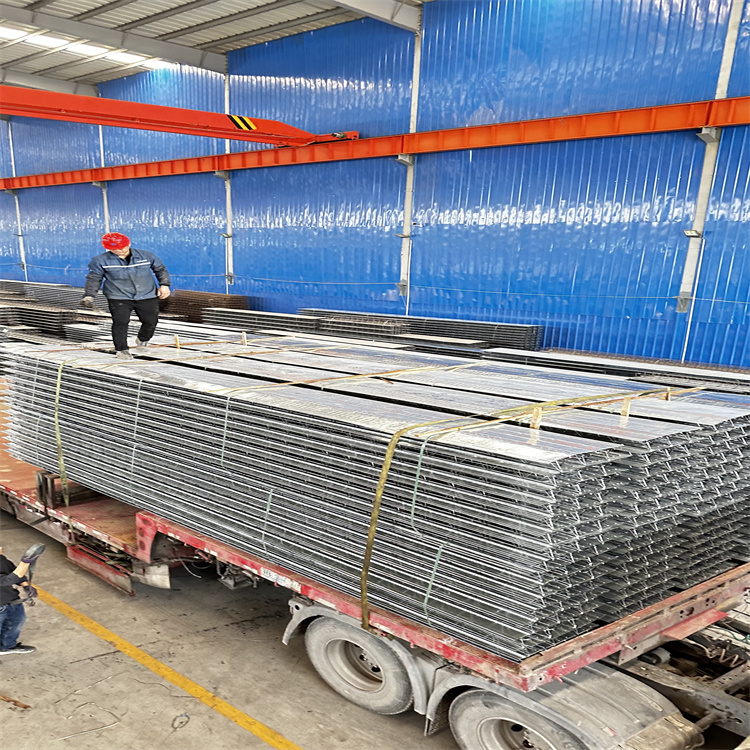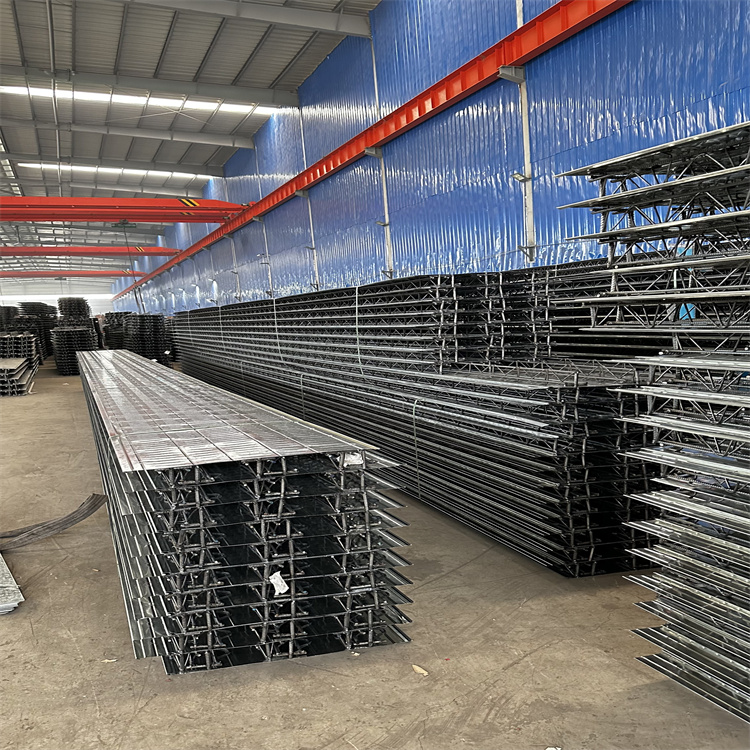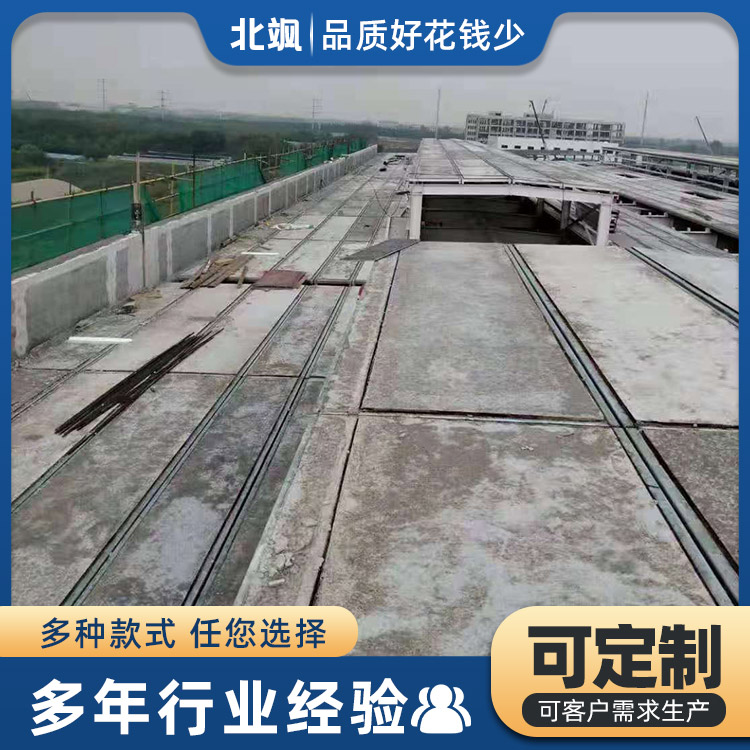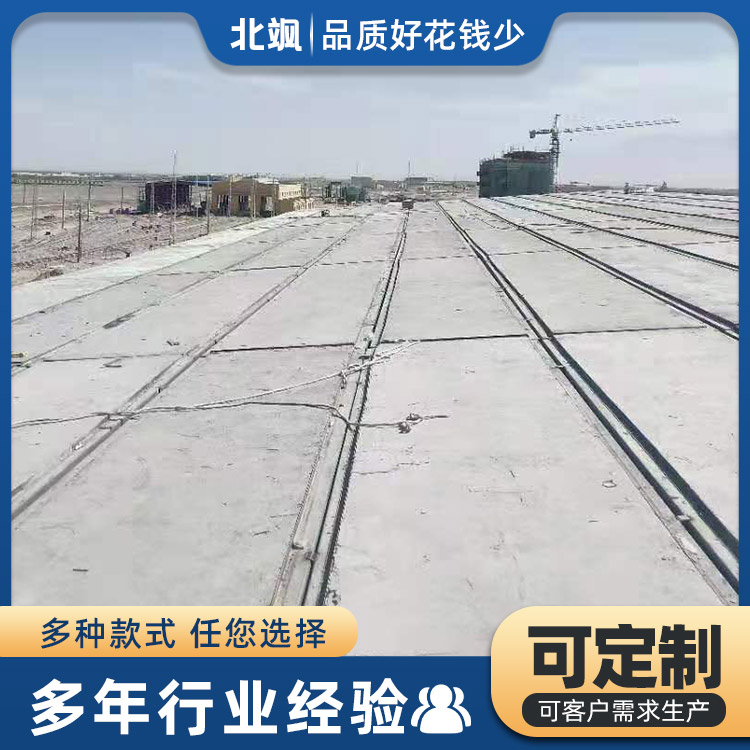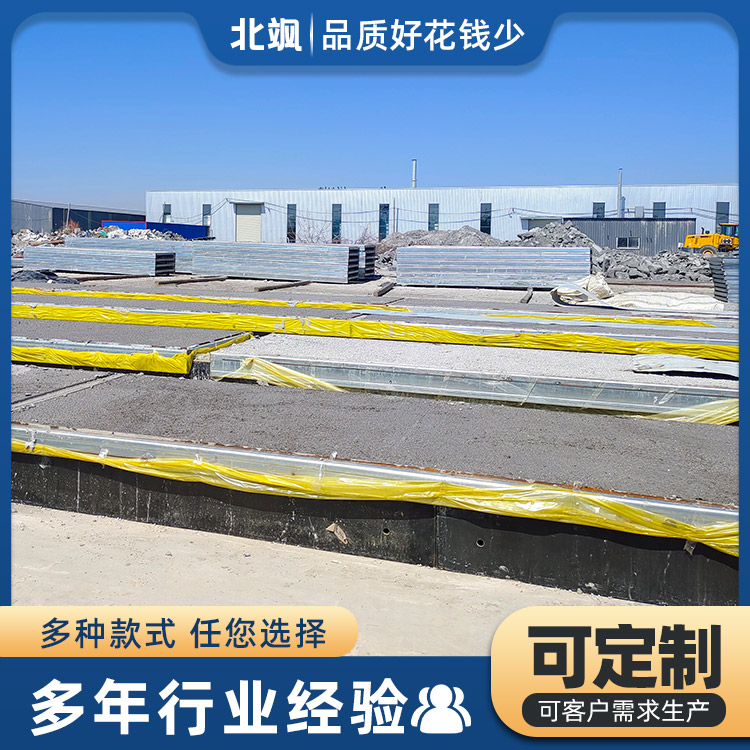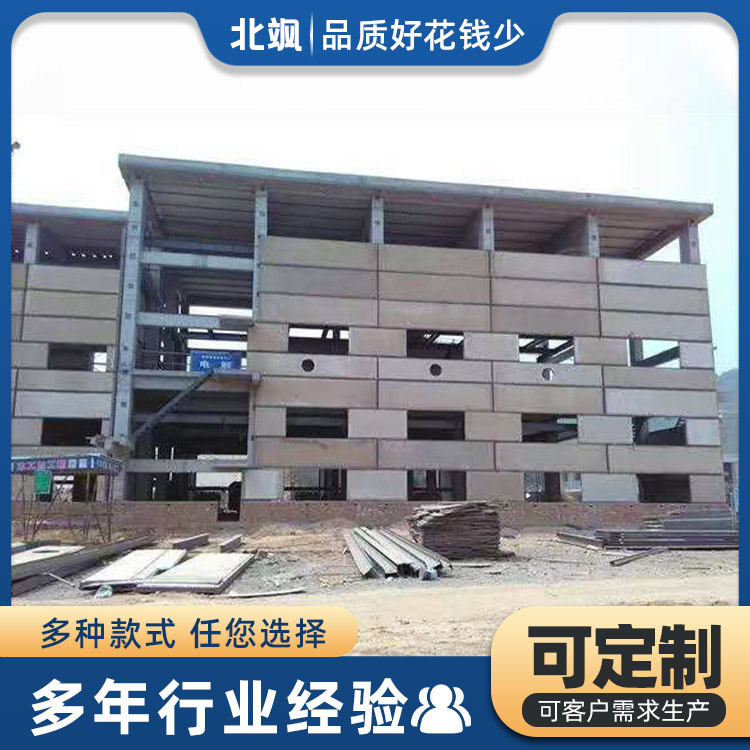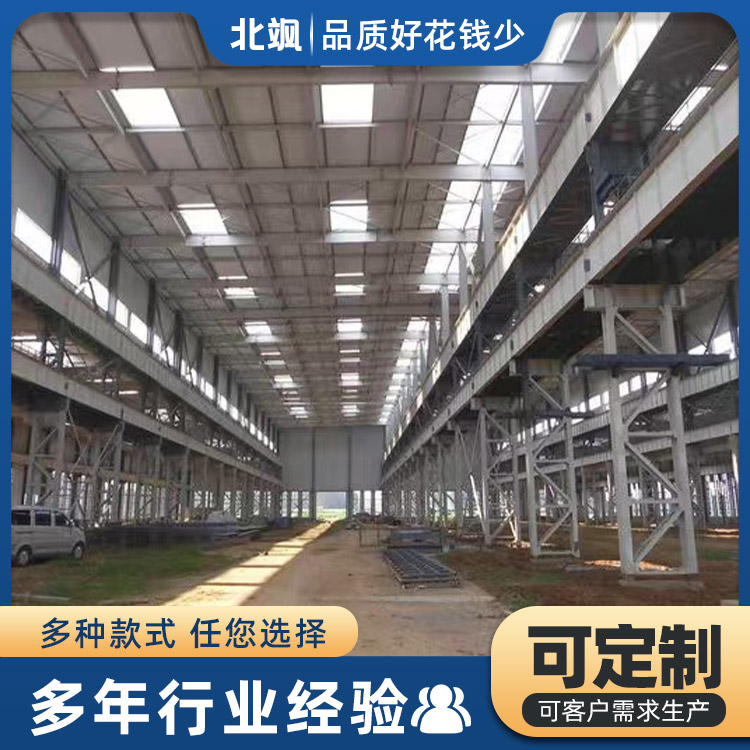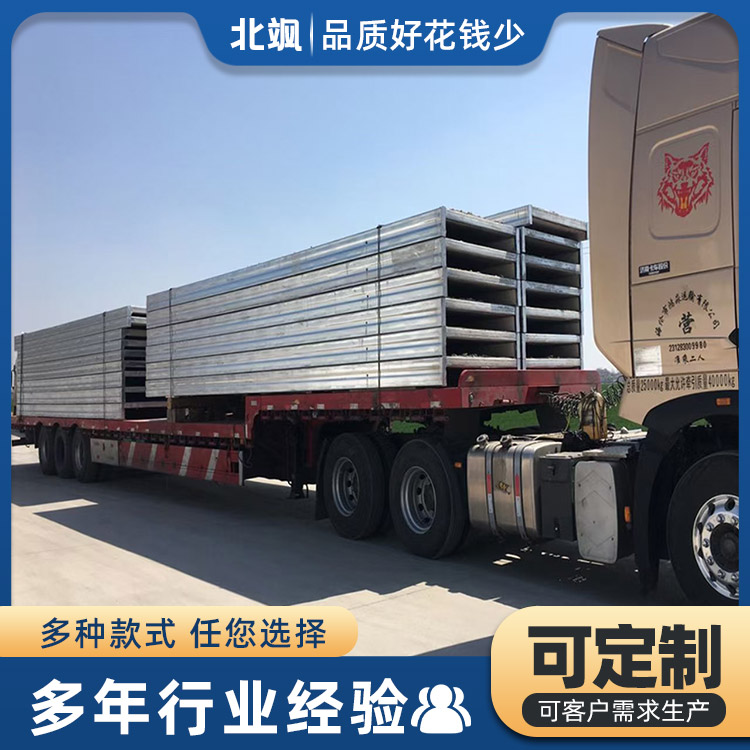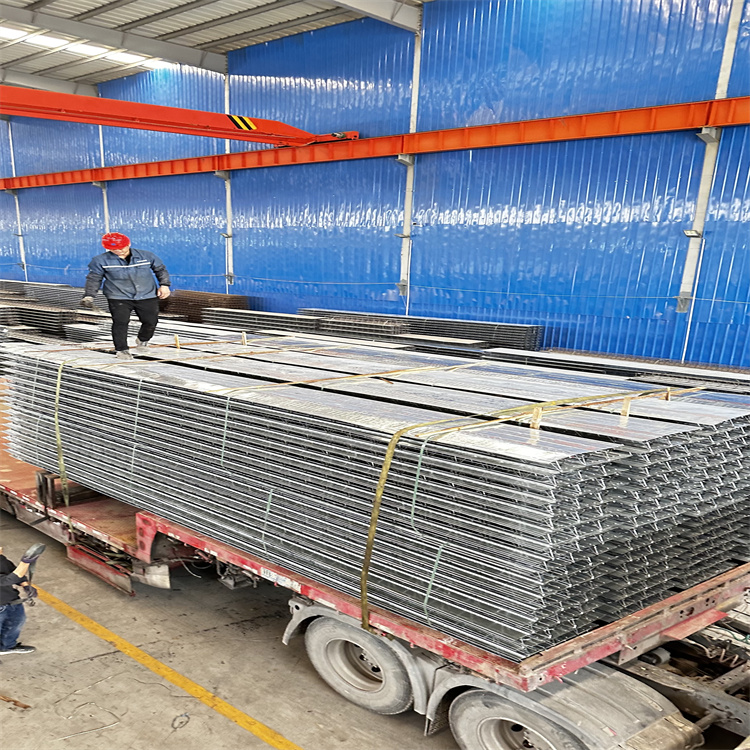

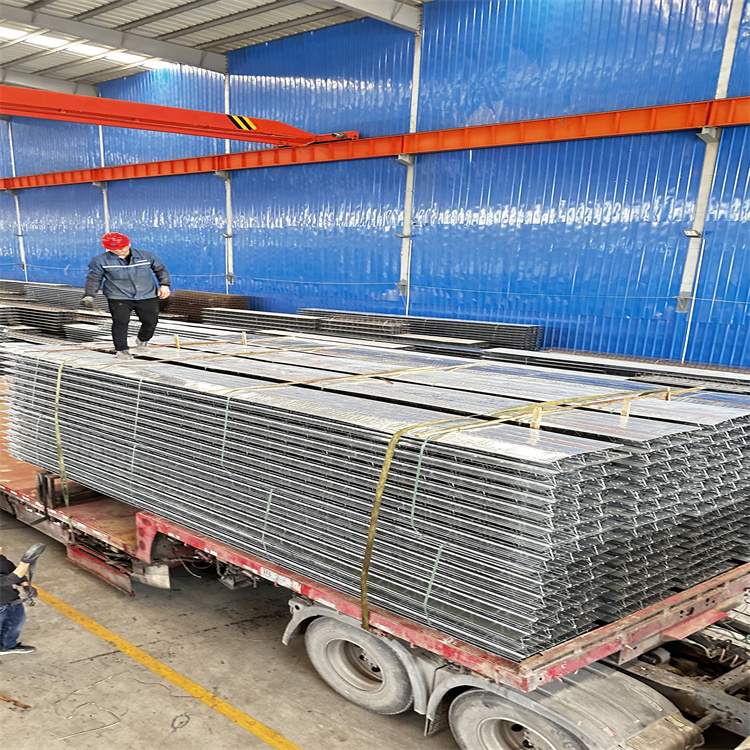
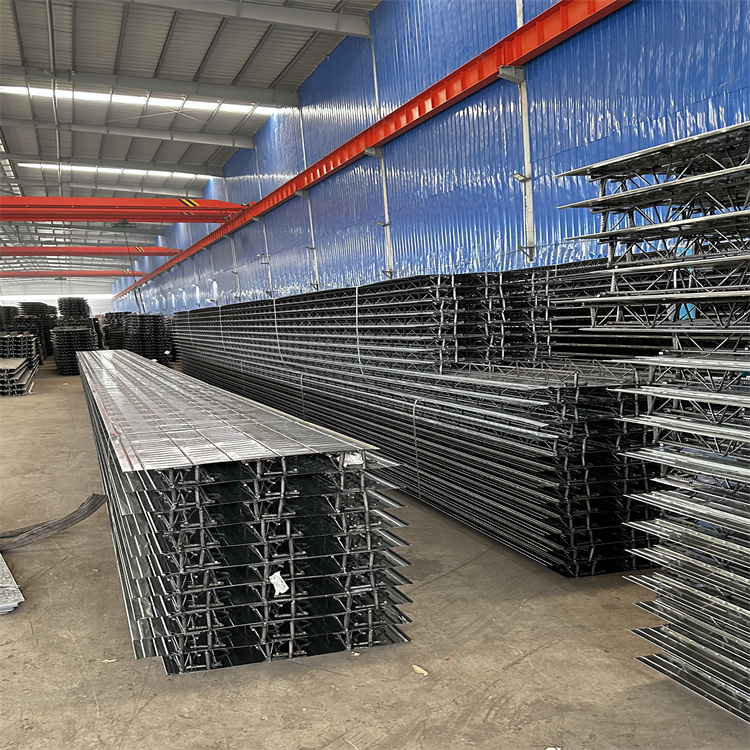
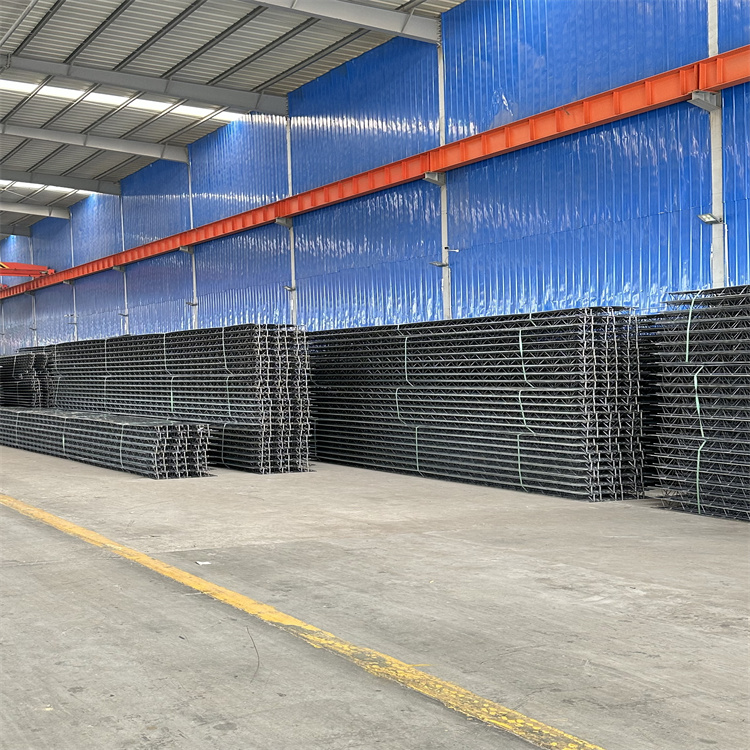









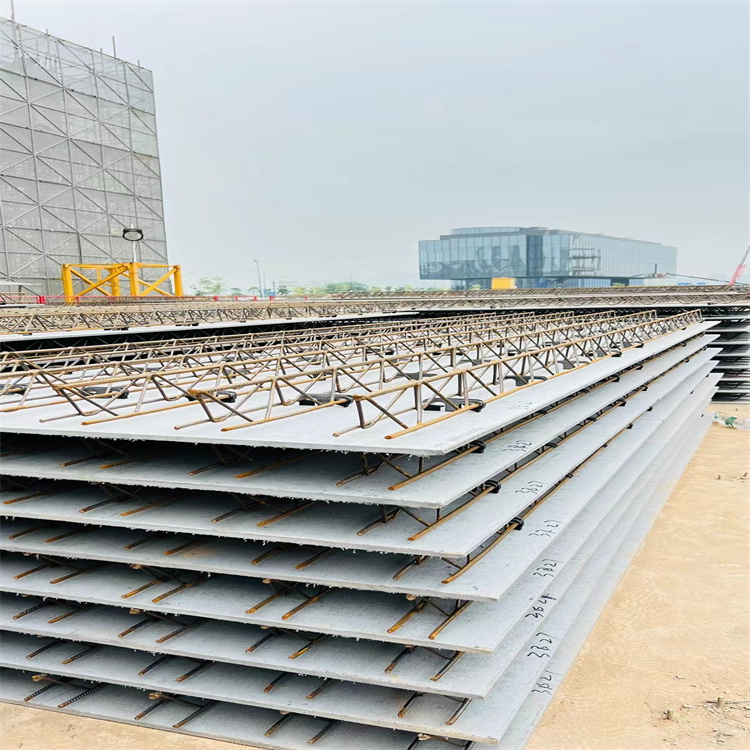
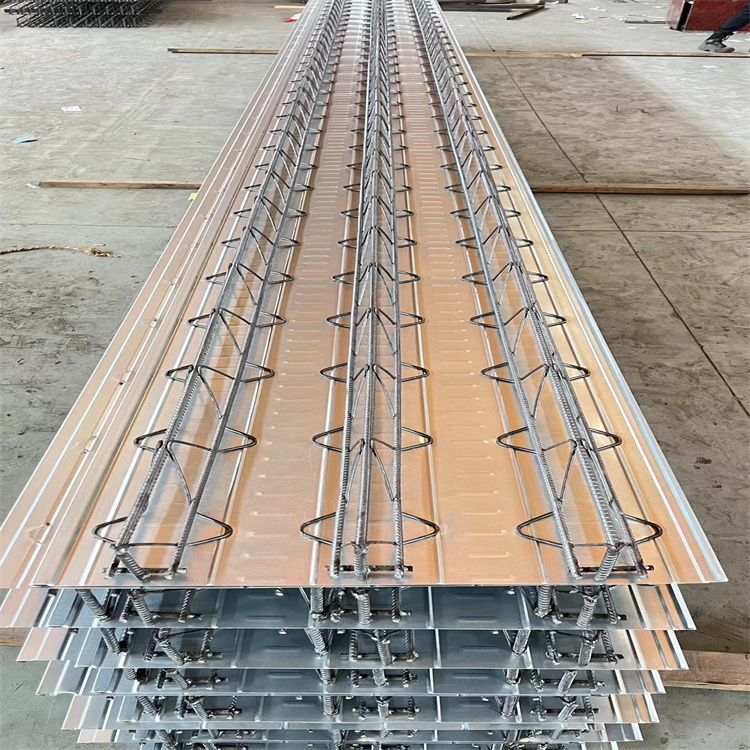
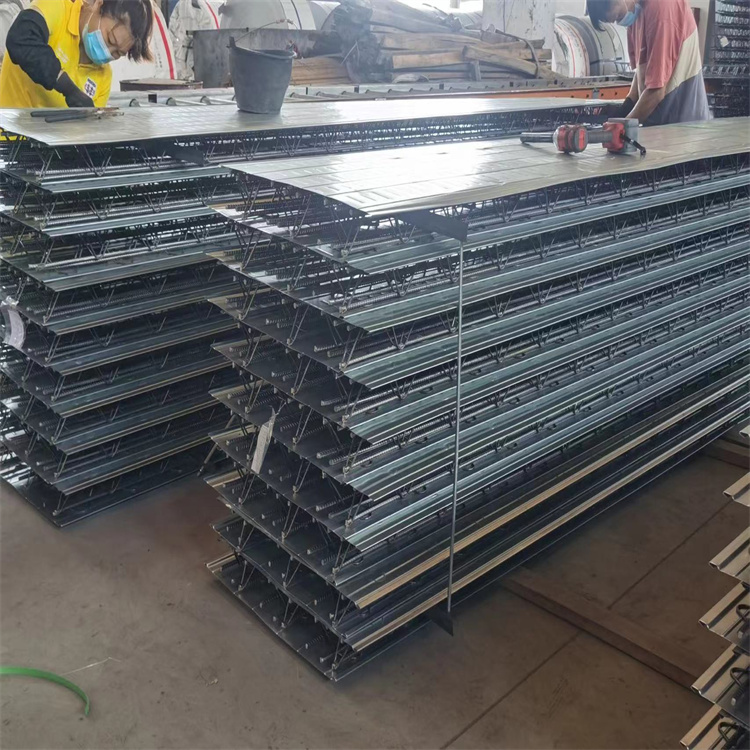
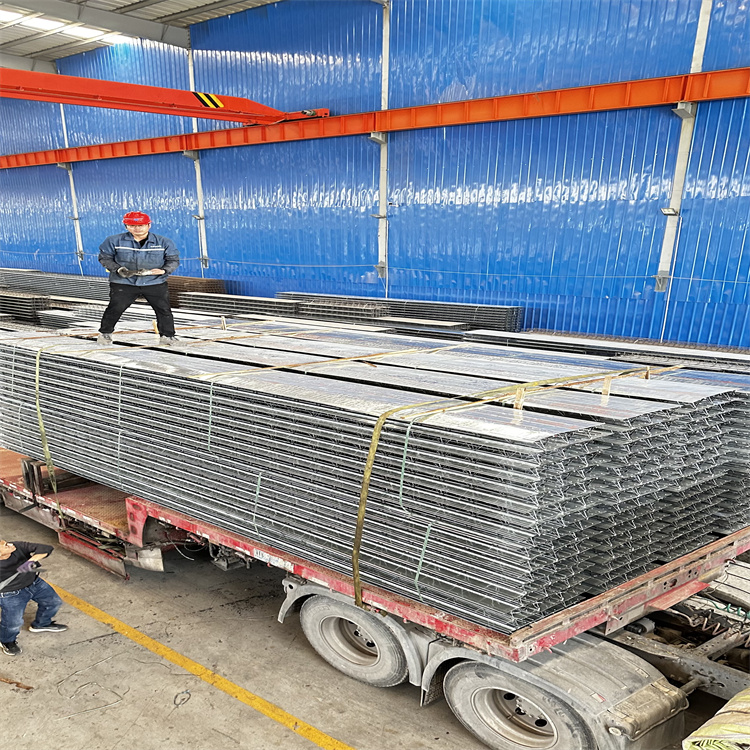

Open-web deck, also known as open-web steel sheet piling, is an essential accessory for steel structure buildings. It is formed by cold rolling and bending of galvanized plates, primarily used as formwork, but also suitable for other applications.
During the construction of open-web steel deck, sealing plates and blocking plates must be added. Leaking of concrete paste is prone to occur during the concrete pouring process on the floor slabs, and rebar binding at the bottom of the plates is required, which will extend the construction period. In contrast, for closed-web steel deck construction, only one blocking plate is needed, without the need for sealing plates. This reduces the likelihood of leakage on the construction site and saves time on rebar binding. The closed-web steel deck is less prone to deformation during installation, whereas the open-web steel deck may see a reduction in height and an increase in width during transportation and installation. Adjustments must be made to accommodate these changes during the installation process to prevent the reduced height of the deck from affecting the cross-sectional properties and causing construction accidents.
Open-web floor deck installation and laying
1. First, locate the centerline of the steel beam in the deck area; the main beam centerline is the control line for the placement of the composite floor deck. The main beam centerline controls the overlap width of the composite floor deck with the steel beam and determines the welding point position for the penetration welding between the floor deck and steel beam. The secondary beam centerline determines the welding position of the penetration rivets. Since it's difficult to observe the position of the secondary beam flange after laying the composite floor deck, the centerline of the secondary beam and its flange width are rebounded onto the main beam centerline. When fixing the rivets, the centerline of the secondary beam and its flange width should be rebounded back onto the composite floor deck on the secondary beam surface.
2. At the material yard, separate and stack the deck sheets according to the material list, and label them with clear indication of layers, sections, and numbers using a marker. Then, transport them accurately to the construction site.
3. During hoisting, soft slings are used to ensure that the composite floor panels do not deform as a whole or curl at the edges. For multi-story steel structures, the design typically employs a 3-layer per section column installation process (for single-story structures, there's no need to elaborate). When installing the composite floor panels, the work should be synchronized with the steel column and beam construction, with at least a 3-story difference. Therefore, during the hoisting of the composite floor panels, they can only pass through the beam and column spaces from above, and the crane operator should control the layers between the beams and columns.
4. Trim edges using a plasma cutter or shears, ensuring excess material is kept within a 5mm range during cutting. Measures should be taken during concrete pouring to prevent leakage.
5. The connection between deck plates and side panels is achieved through a clamp bite method, forming an integrated deck plate. First, spot-weld the side edges of the deck plates, then secure the ends, using bolt pins for fixation.
6. Enhance concrete curing.
Open-web deck panels compared to formwork:
1. Can serve as a structural strength support without the need for disassembly, unlike ordinary formwork.
2. Easy for laying rebar, installing pipes, and tracks.
3. Saves raw material costs; reduces steel rebar usage; and due to the reduced convexity in the opening areas of the floor deck, it can save up to 1/3 of the concrete.
4. Lightweight with high load-bearing capacity, and excellent seismic and fire-resistant properties.
5. Simple and convenient installation, just place directly on the steel beam and secure with bolts; can also serve as a construction platform. Two to four people can cover 500-700 square meters, whereas standard formwork installation is cumbersome, slow, and more hazardous, with two to four people covering only 200-400 square meters.
The back of solid deck panels is flat, while the back of open deck panels features a corrugated surface, making installation more complex. The primary difference lies in the load-bearing strength after the panels are formed. For solid deck panels, the bottom is flat after formation, which facilitates secondary construction. The lower end of open deck panels is also in an open concave shape, affecting aesthetics and complicating installation.
There are many types of open-web floor decks, and they are also highly used in actual engineering construction. The core advantage of open-web floor decks is their affordability and high cost-performance ratio.
Our company sincerely seeks to collaborate with friends from all walks of life, striving to seize development opportunities, market-oriented, leveraging our own strengths, and continuously innovating in technology, market, and management.
WeChat Official Account

Scan to follow Official Account