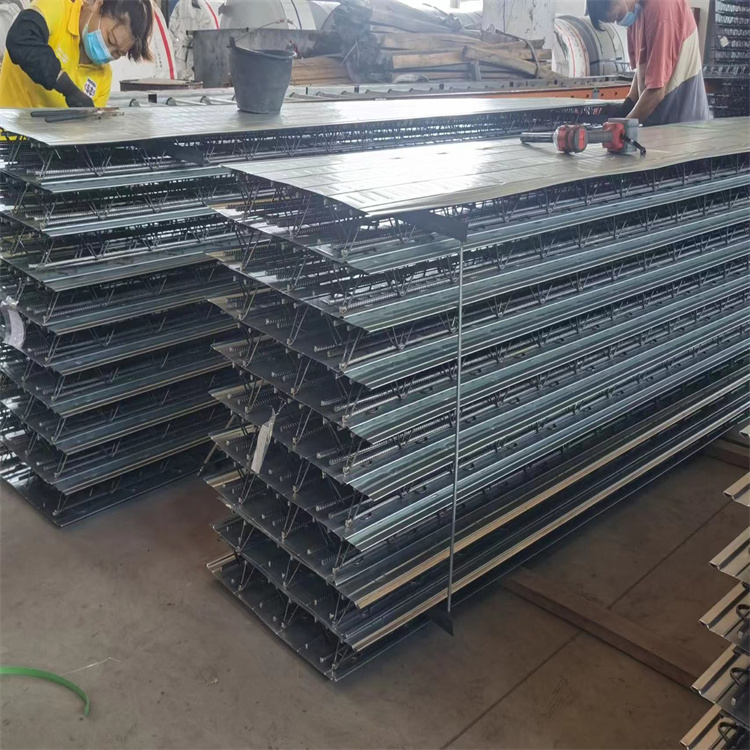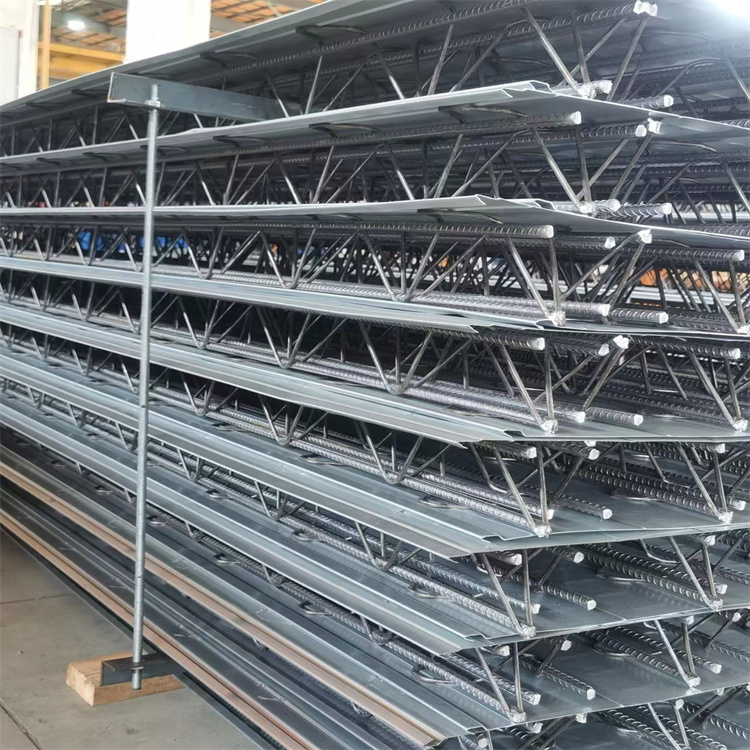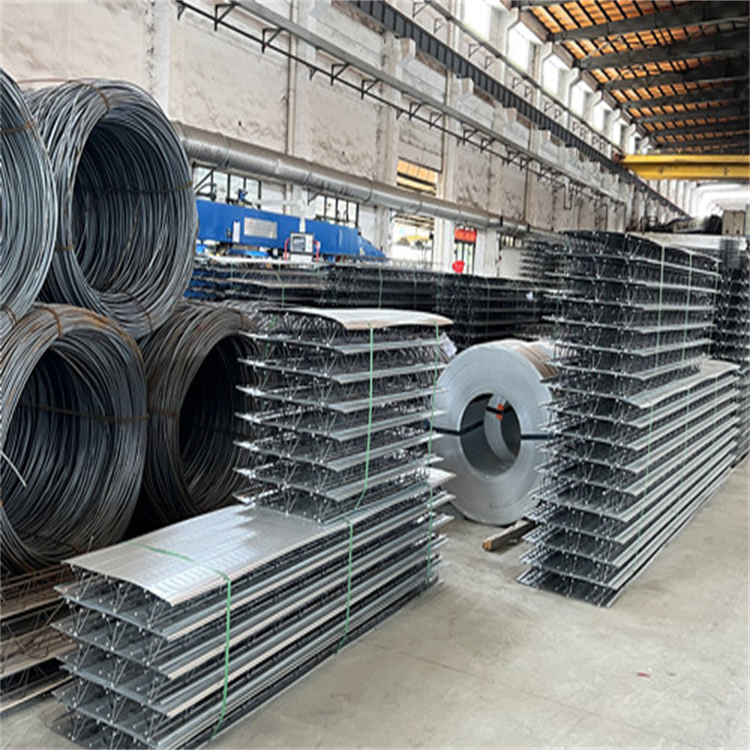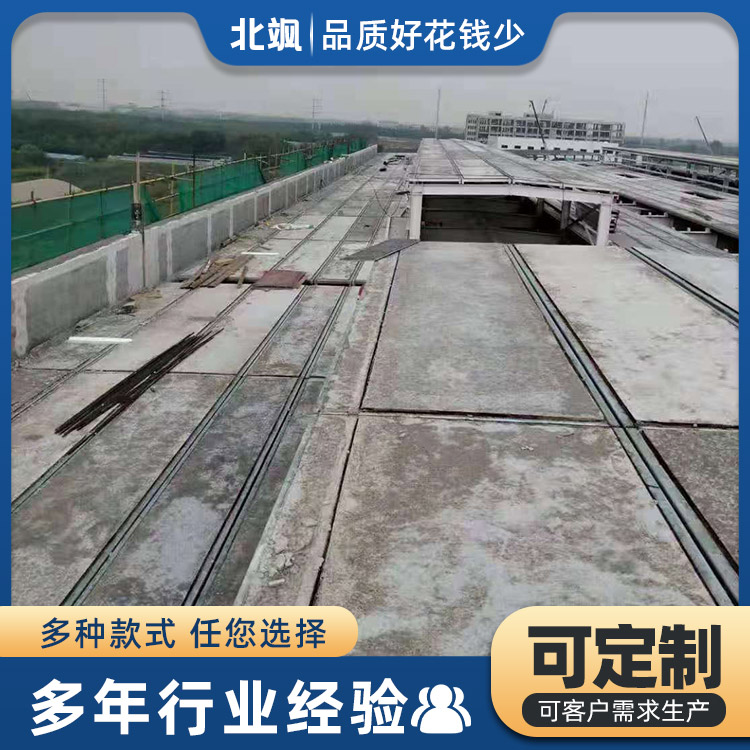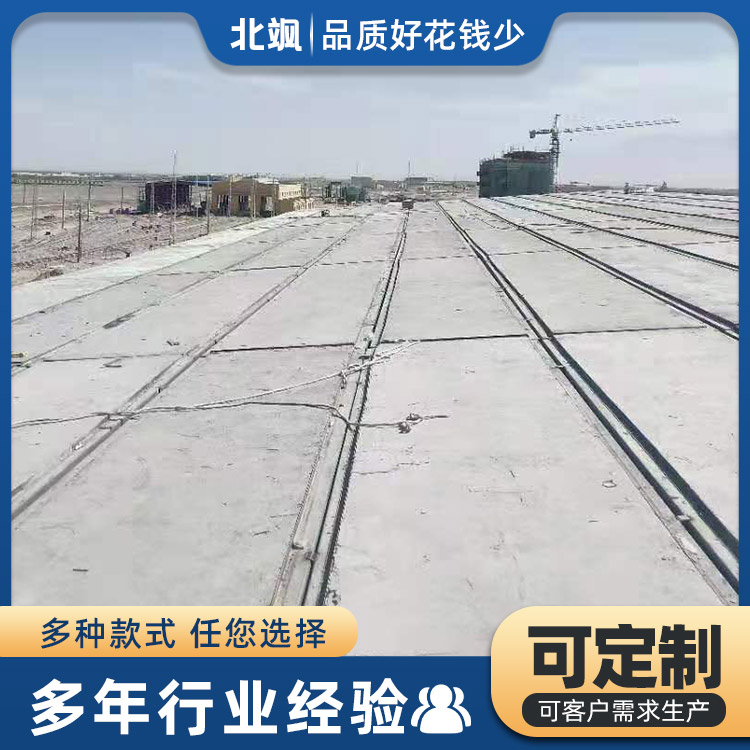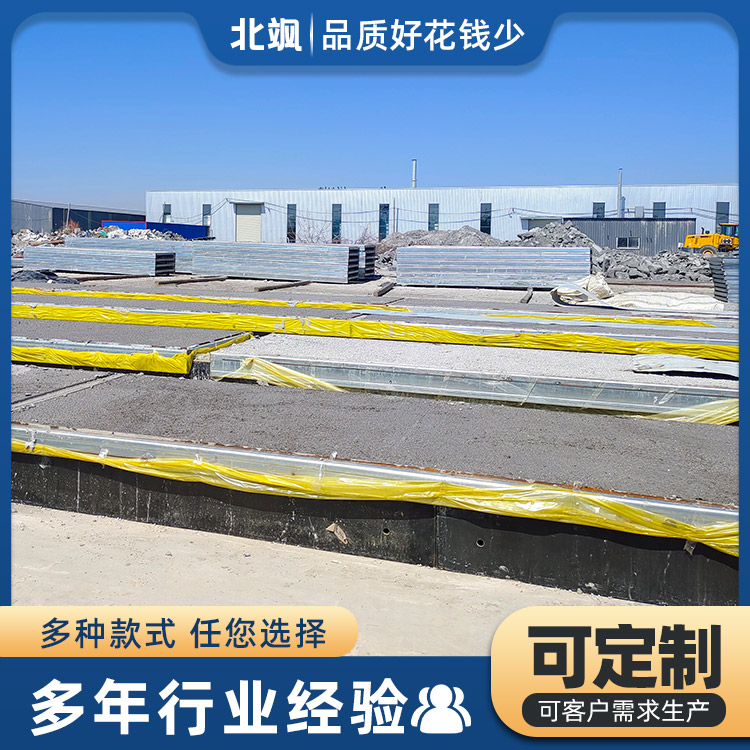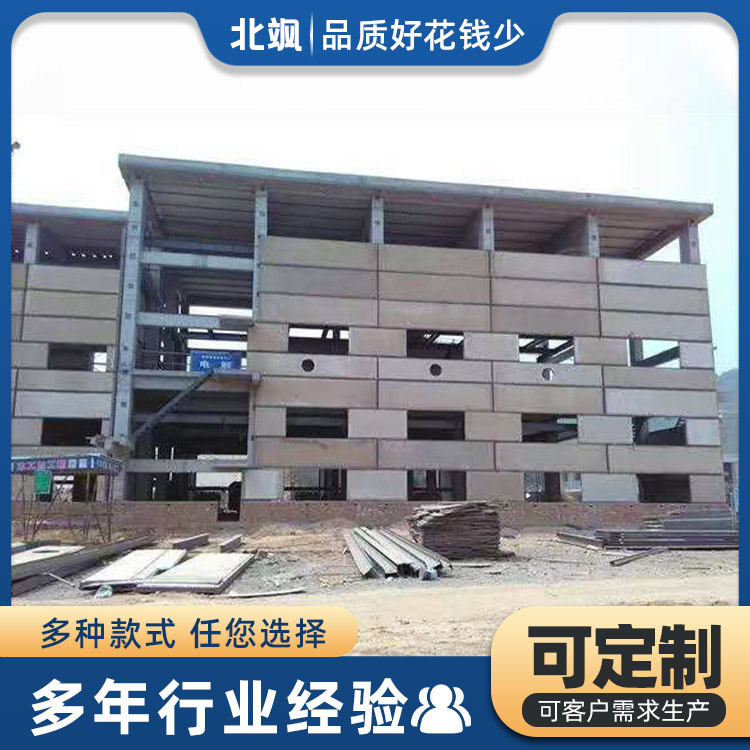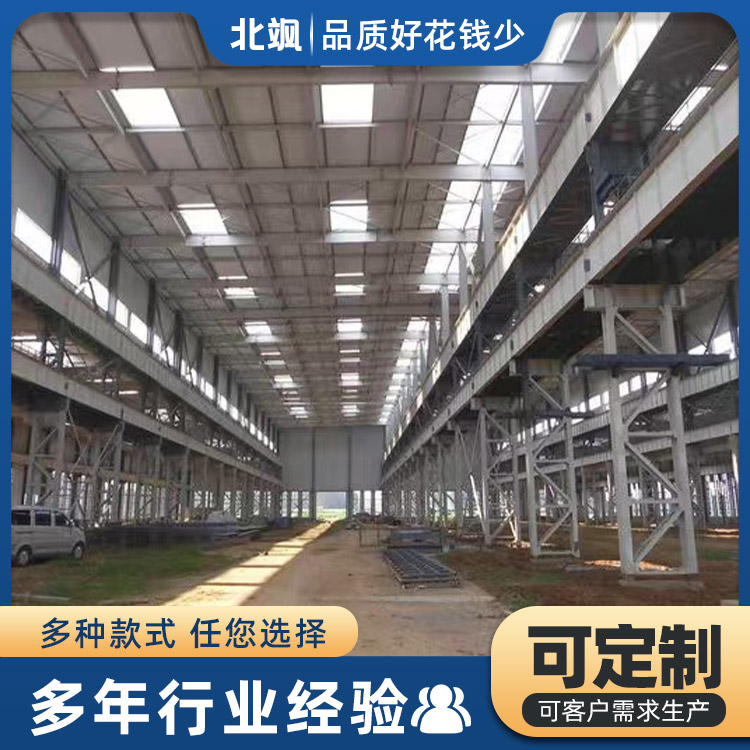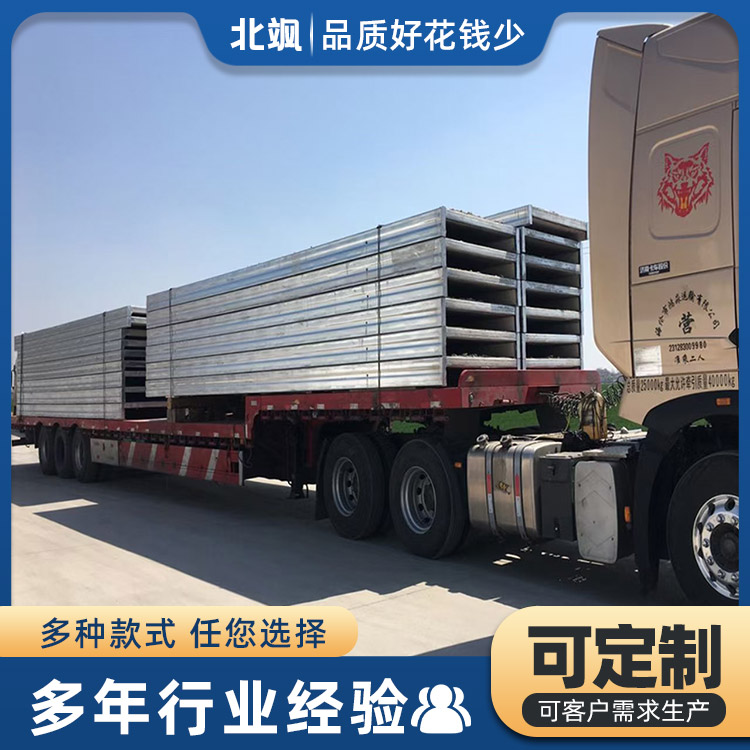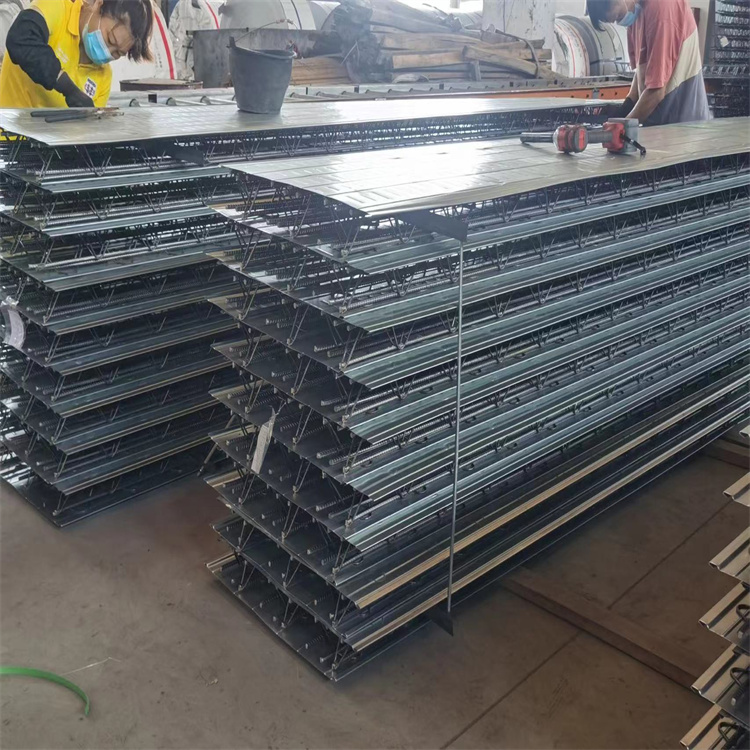
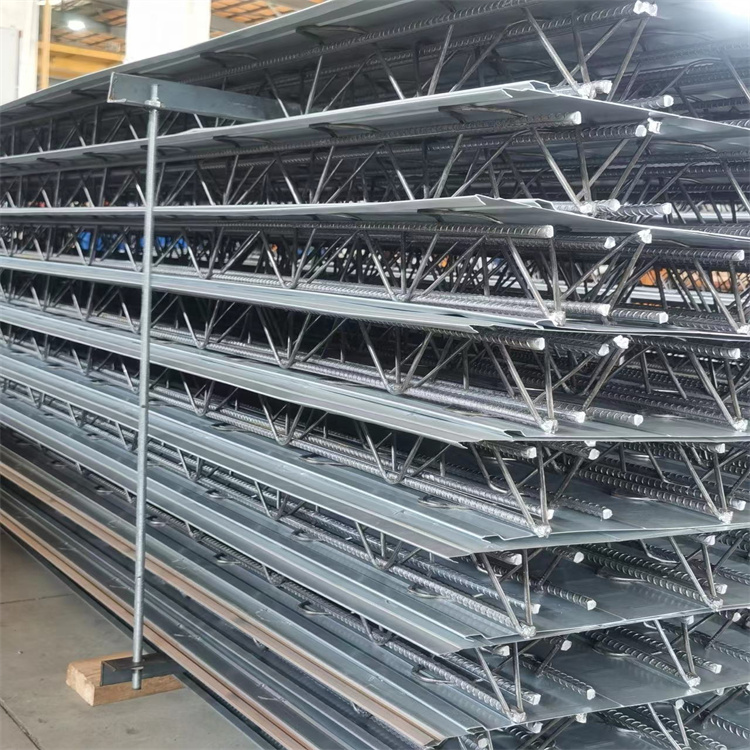
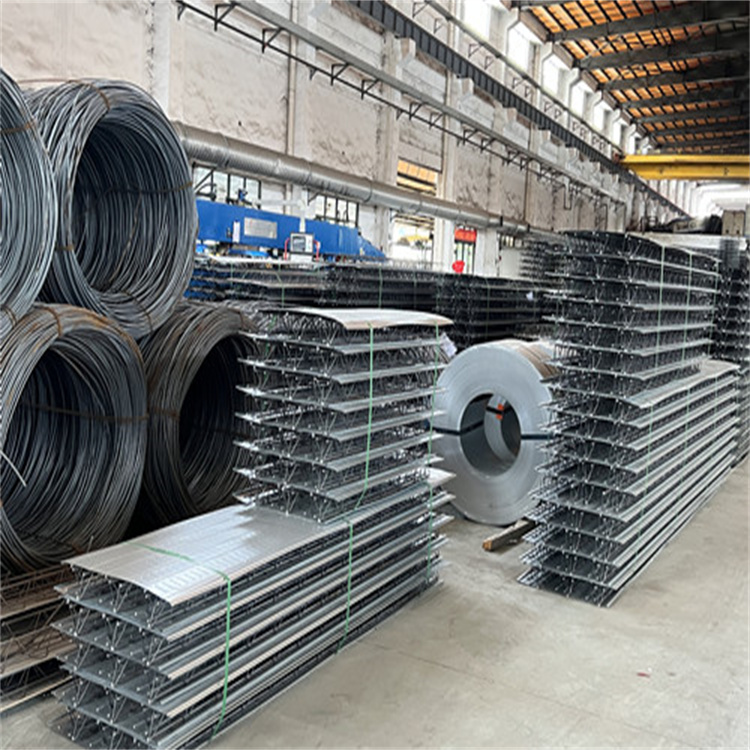


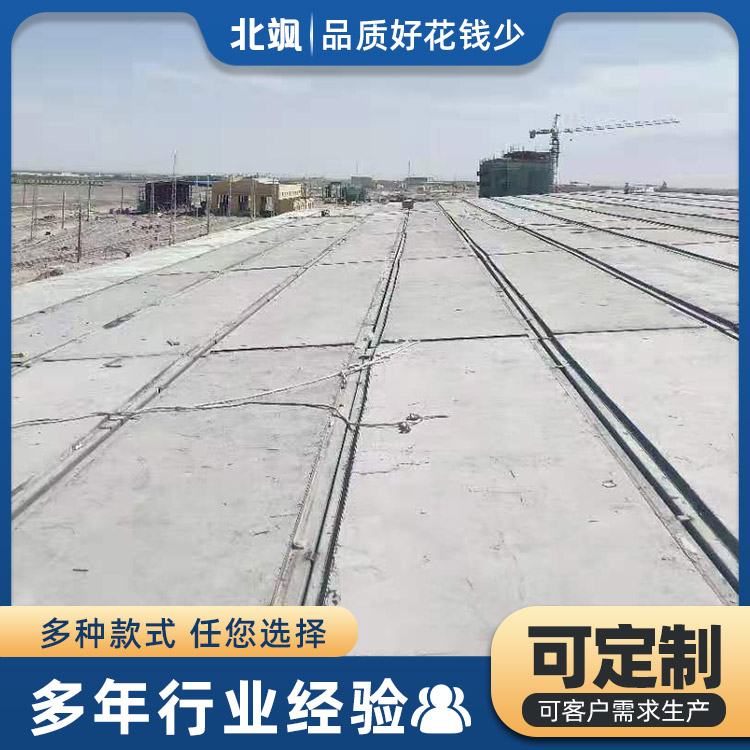





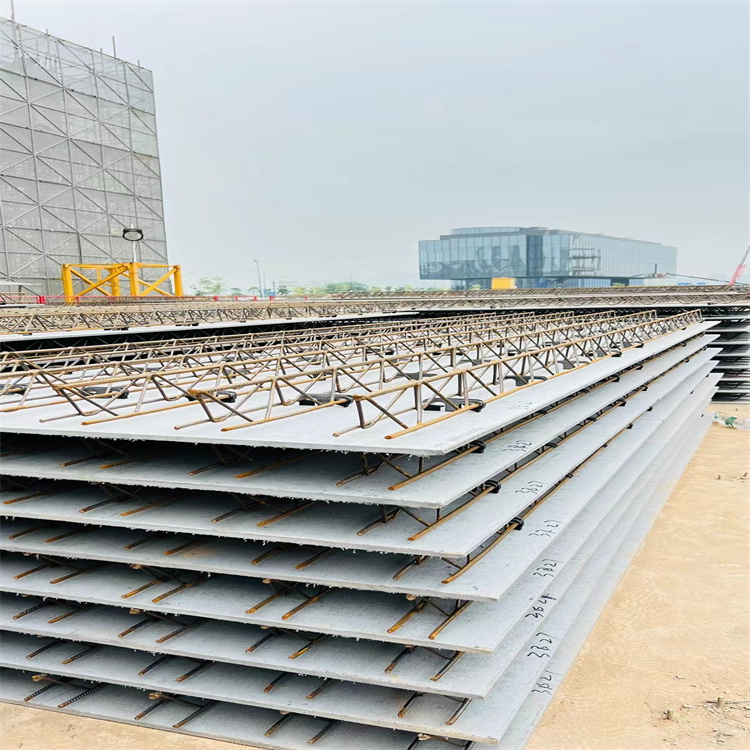
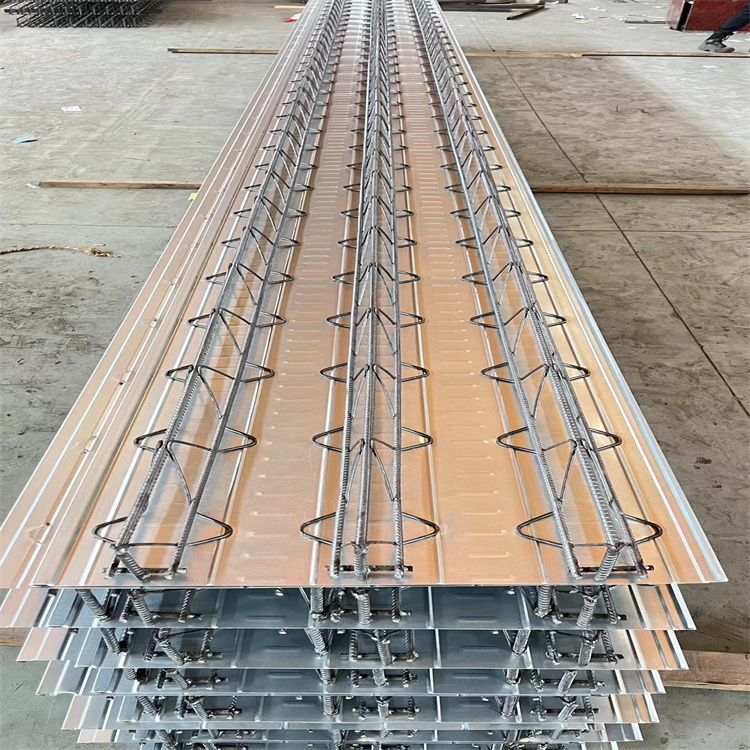
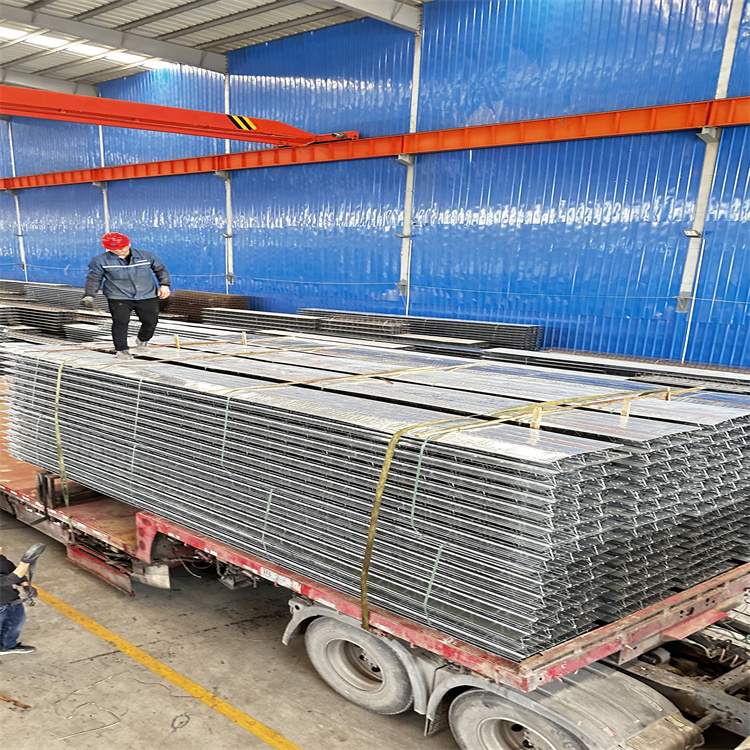

Closed-end deck plates are the third generation of deck plates, a more robust reinforced concrete deck plate compared to open-deck plates, offering greater load-bearing and shear resistance. Due to their design, the webbing of the deck plates can be completely encased in concrete, akin to the reinforcing bars in a chestnut, thus maximizing the properties of steel and concrete. Closed-end deck plates have been successfully applied in load-bearing reinforced deck plate systems and boast superior fire resistance!
Compared to the combination of closed deck slabs and open steel deck slabs, closed deck slabs can eliminate the need for fire-retardant coatings on the bottom of the slabs, completely replace the lower steel reinforcement, and reduce the thickness of the floor slab, saving concrete usage. The suspended system of the closed deck slabs also saves on the cost of mechanical and electrical pipeline installation. Additionally, due to these advantages, the processing speed can be significantly increased, shortening the construction period. Therefore, using closed deck slabs can not only reduce the direct construction costs but also lower the pipeline costs for the project.
Closed form deck reinforcement requirements
1. The base material for closed profiled metal sheets should be cold-rolled or hot-rolled steel plates or strips, with dimensions and shapes as well as permissible deviations conforming to the requirements of GB/T 708 or GB/T 709.
2. Hot-dip galvanized sheets, hot-dip aluminum-zinc coated sheets, and color coated sheets can all be rolled into closed-profiled metal sheets directly. The chemical composition and mechanical properties of the hot-dip galvanized and hot-dip aluminum-zinc coated sheets should comply with the requirements of GB/T 2518 and GB/T 14978.
3. Closed-profile press-formed metal sheets are recommended to use commonly used grades such as S250GD, S280GD, S320GD, S350GD, etc., for structural hot-dip galvanized, hot-dip galvalume, or color-coated steel sheets. The yield strength can be taken according to the provisions of GB/T2518.
4. Closed profiled metal sheets are made of S410GD grade structural hot-dip galvanized, hot-dip galvalume, or color coated steel plates, with a yield strength of 410 N/mm².Or, samples are determined by tensile testing.
5. Closed-profile corrugated metal sheets are primarily made from different categories of thin steel plates or strips, such as hot-dipped galvanized steel, hot-dipped aluminum-zinc steel, and color-coated steel.
6. When using closed-type corrugated metal sheets as composite floorings, hot-dipped galvanized steel sheets should be selected, with a minimum net thickness of the metal sheet base not less than 0.75 mm.
7. When used as a template for composite floor slabs, the net thickness of the metal sheet base of the closed-profile corrugated metal sheet should not be less than 0.5mm.
8. The coating (zinc, zinc-aluminum) on the substrate should be applied using the hot-dip method. The coating weight should be guaranteed as a supply condition according to demand and specified in the purchase contract. When the tongue-and-groove corrugated metal sheet is used only as a template, the double-sided coating weight should not be less than 120g/m².When used as a composite floor, the closed-type pressed metal sheet should have a zinc coating weight of not less than 180g/m² on both sides.'。
9. When using coated steel sheets for closed-profile corrugated metal sheets, the technical requirements such as the type, performance, quality, and inspection methods of the coating on the coated steel sheets shall comply with the provisions of GB/T 12754.
10. The base materials for galvanized, galvalume, and coated steel sheets used in closed-profile corrugated metal sheets should be inspected for all quality documents (chemical composition, mechanical properties, thickness, coating weight, and coating thickness).
Closed deck panels offer installation technical advantages over standard open deck panels.
1. When laying the closed deck plates, simply align them according to the span distance. Due to the flat bottom of the plates, there is ample area for a solid connection with the steel beam. Therefore, no treatment is needed and they can be laid directly over (open plates require cutting and additional panels to avoid a hollow connection with the steel beam).
2. Open-end plates should be sealed at the ports to prevent concrete from leaking through the bottom opening, whereas closed-end floor decks do not require end caps due to the closed webbing.
3. Closed-web deck plates, due to their flat bottom surface, can fully integrate with the top flange of steel beams whether they are laid horizontally or longitudinally, thus eliminating the need for fire-retardant coating on the top surface of the steel beam flange. In contrast, open-web steel deck plates have voids between them and the steel beams, which require filling with shims to seal the gaps.
4. Closed deck steel deck panels completely replace the lower steel bars, reducing the amount of on-site steel fabrication, which can ease labor on-site and accelerate construction speed. Additionally, by eliminating the original design's lower steel bars, it provides more space for laying electrical conduit in the floor.
What's the difference between open-web and closed-web joists?
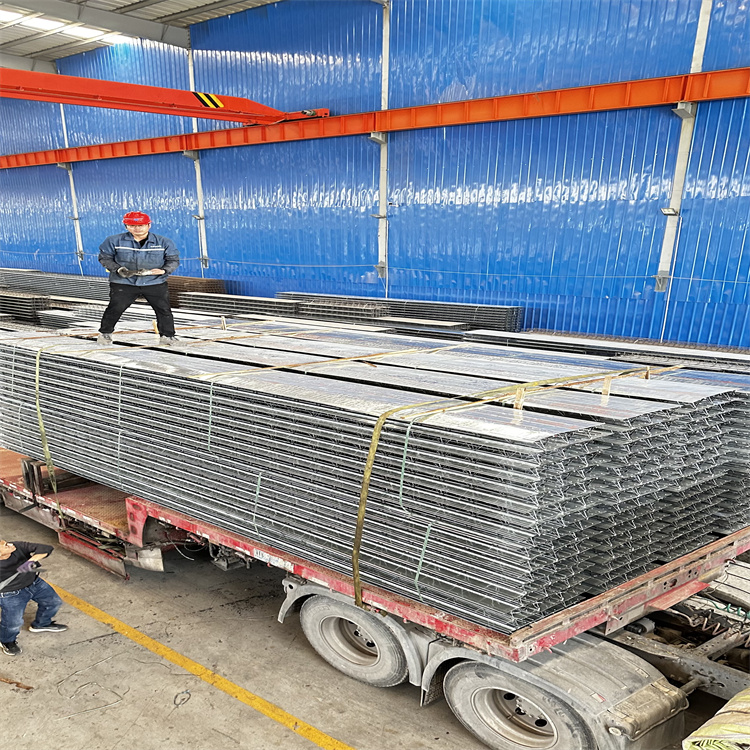
Friction coefficient. Decking plates (steel deck, architectural corrugated steel plate) are made by cold bending and forming of galvanized steel plate through rolling, with their cross-sections in the shape of V, U, trapezoid, or similar waveforms. They are primarily used as formwork but can also be selected for other applications. Decking plates are also known as composite decks, floor decks, or steel decks, with the Wancheng composite deck and pressed steel deck. Decking plates are an important accessory product for steel structure buildings, mainly divided into open-type decking plates, closed-type decking plates, retracted dovetail-type decking plates, and reinforced steel truss decking plates. Honglu Steel Structure has introduced dozens of decking plate production lines, offering a complete range of panel types and specifications. They are robust and provide services for multi-story steel structure buildings. Characteristics include: 1. Lightweight, high strength, good bearing capacity, and seismic performance.
2. Simple and quick installation, easy assembly.
3. Replace traditional templates and improve their shortcomings.
4. Can serve as part of the structural strength, reducing the load-bearing panel of the material.
5. Easy for reinforcement, wiring, and pipeline installation.
Our company, with robust strength, excellent technology and products, and comprehensive services, adheres to the principle of "expanding scale and refining products." We not only provide high-quality products and services to domestic and international customers but also offer technical support.
WeChat Official Account

Scan to follow Official Account