
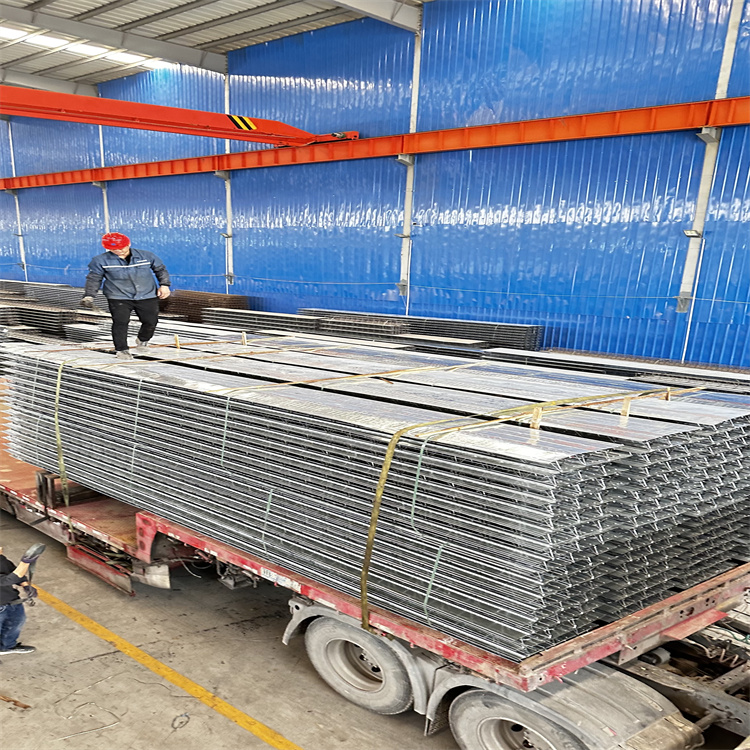







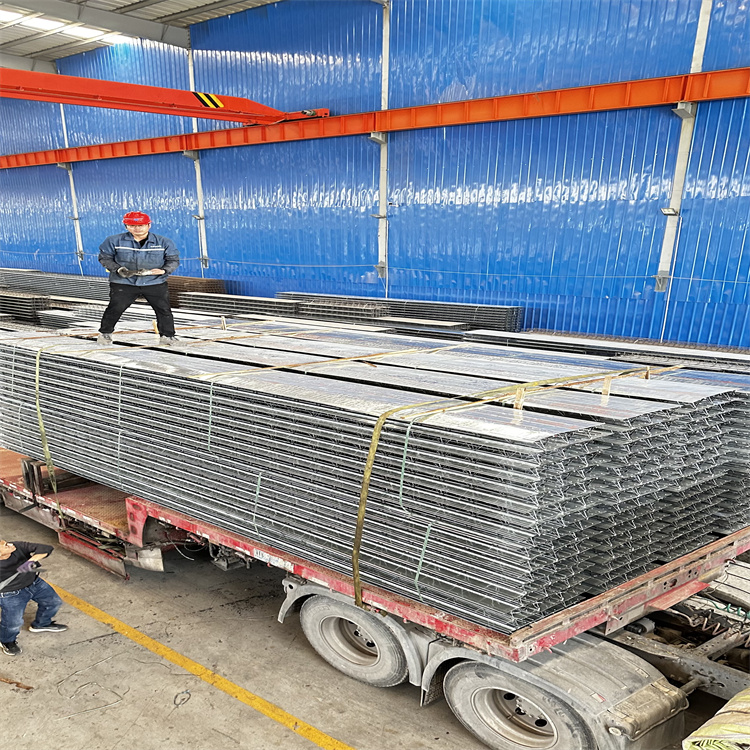
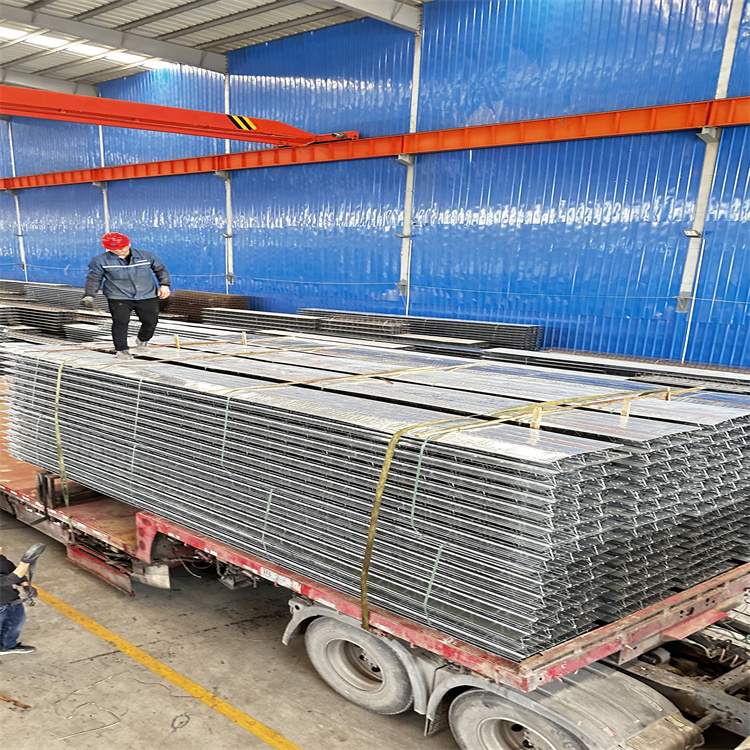

Open-web deck applications
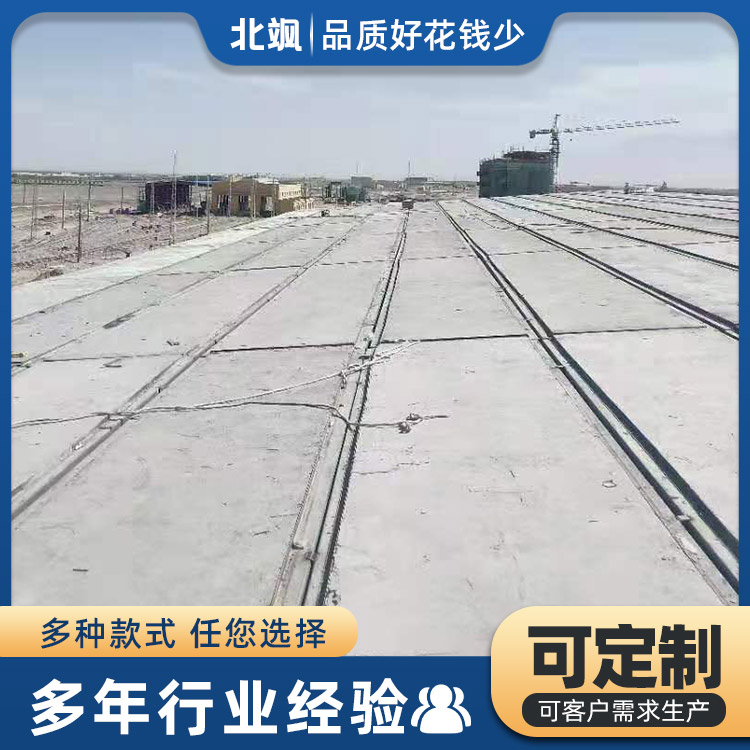
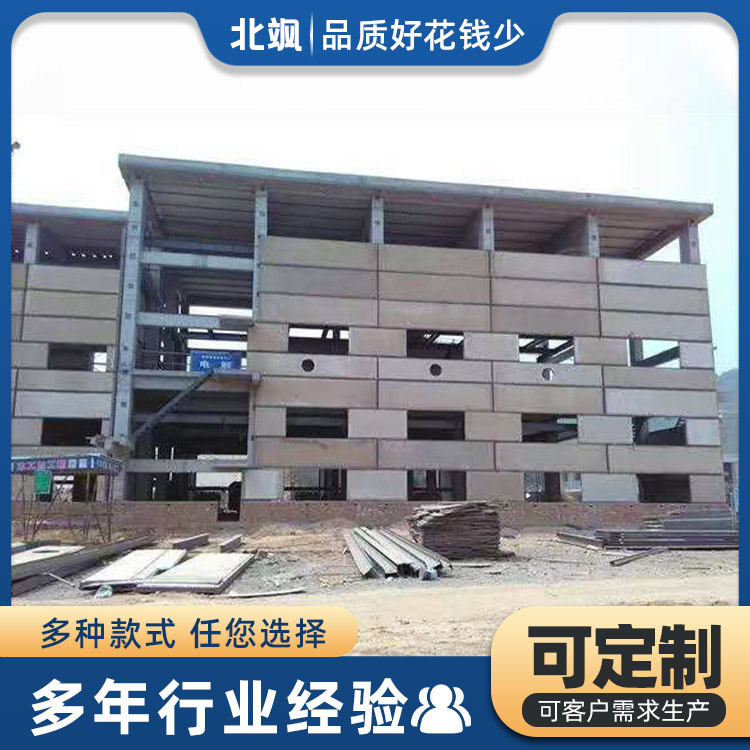
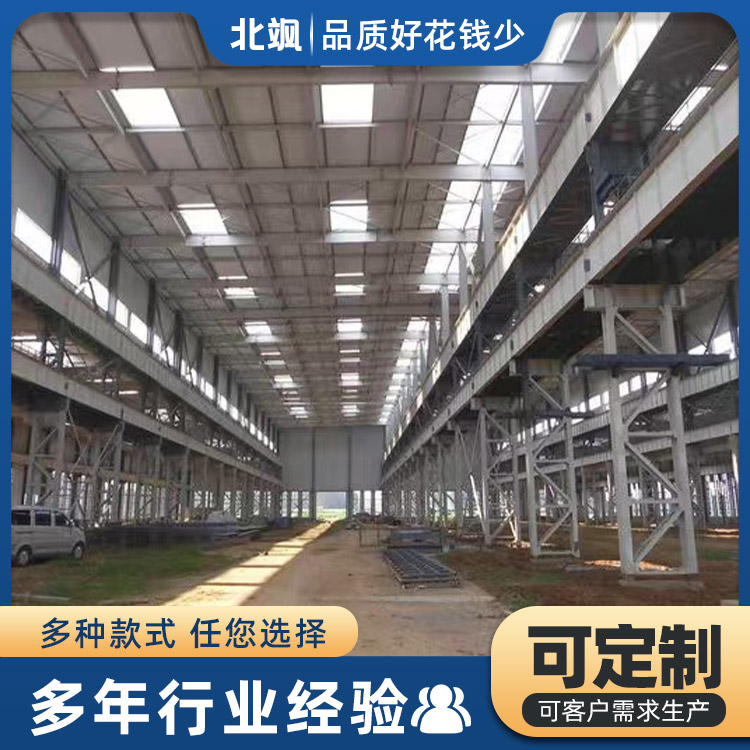
Products are used in power plants, electric equipment companies, car showrooms, steel structure factories, cement storage buildings, steel structure offices, airport terminals, train stations, sports venues, concert halls, grand theaters, large markets, logistics, and other steel structure buildings.
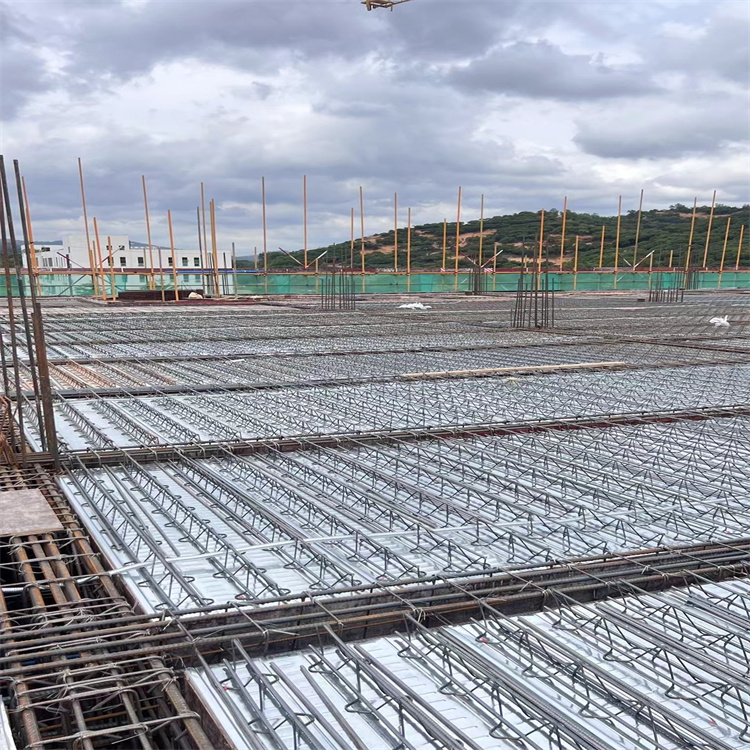
Adaptable to the requirements of main steel structure construction, capable of providing a solid working platform in a short period, and can utilize layered laying of corrugated steel sheets on multiple floors for continuous concrete slab casting.
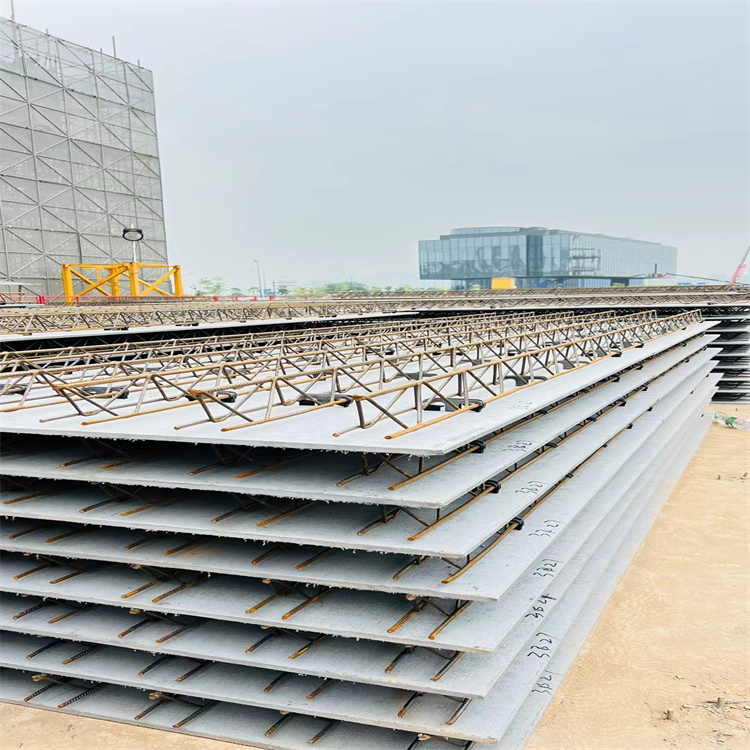
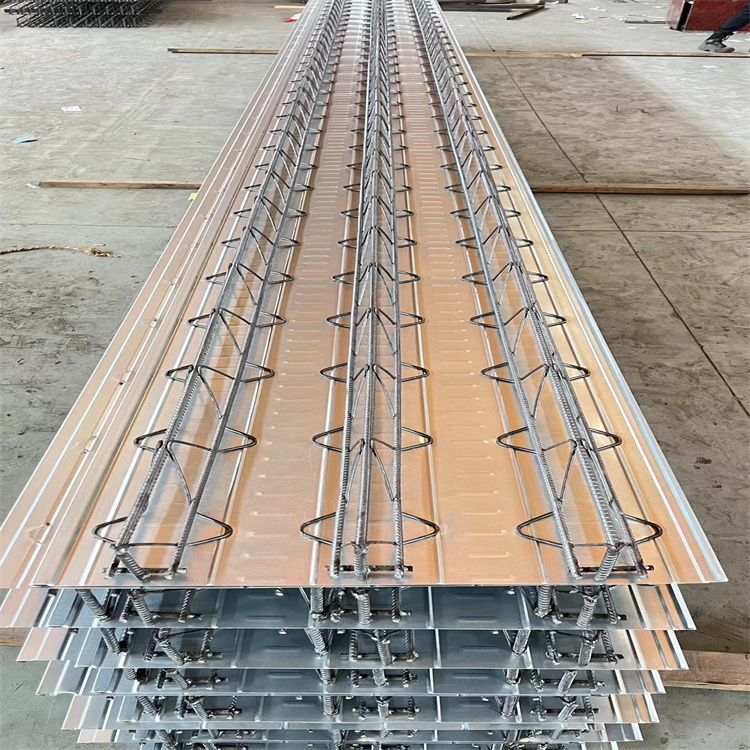
The back of solid deck sheets is flat, while the back of hollow deck sheets features a corrugated surface, making installation more complex. The primary difference lies in the load-bearing strength after the sheet material is formed. For solid deck sheets, the bottom is flat after formation, facilitating secondary construction. In contrast, the lower end of hollow deck sheets is also in an open concave shape, affecting aesthetics and complicating installation.
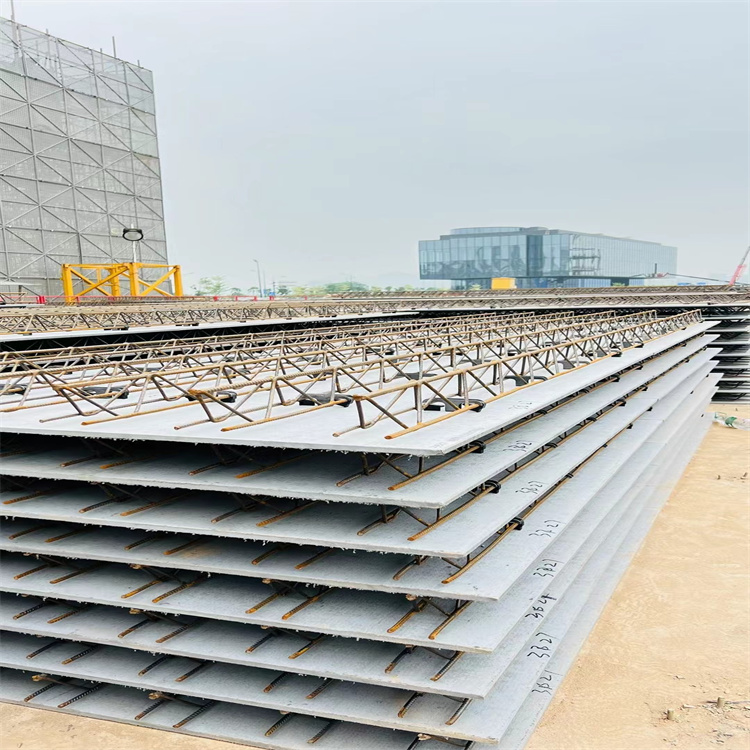
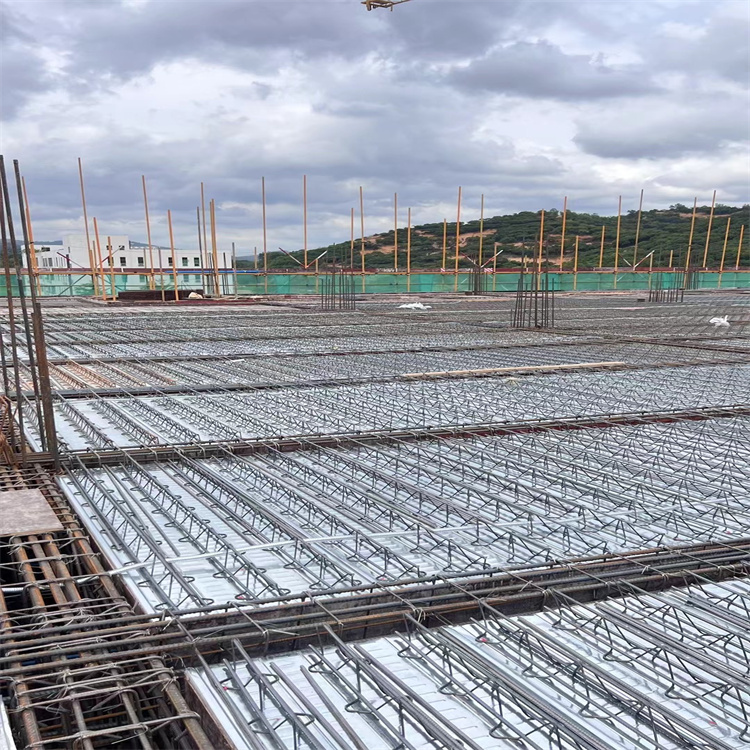
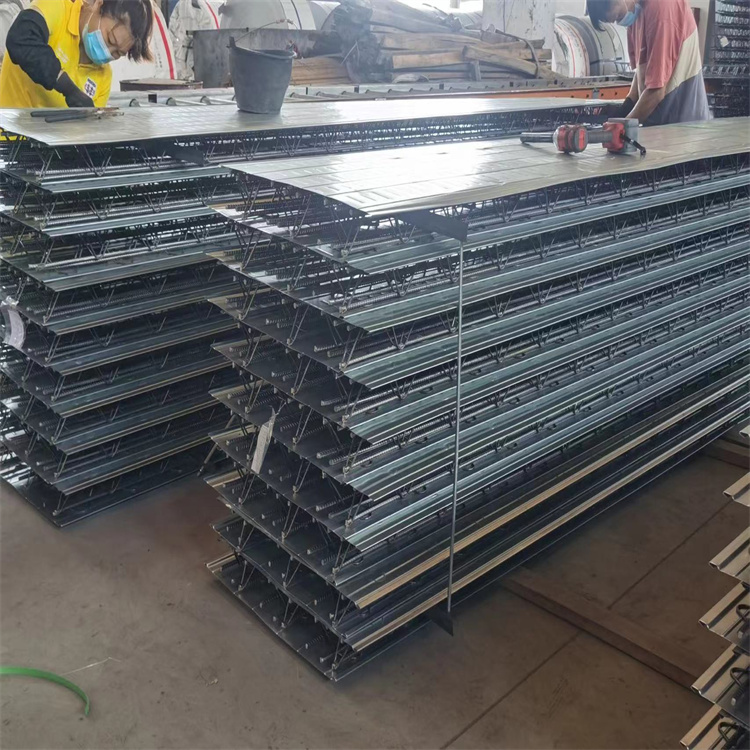
Open-web deck plates come in various models and are highly utilized in actual engineering construction. The core advantage of open-web deck plates is their affordability and high cost-performance ratio.
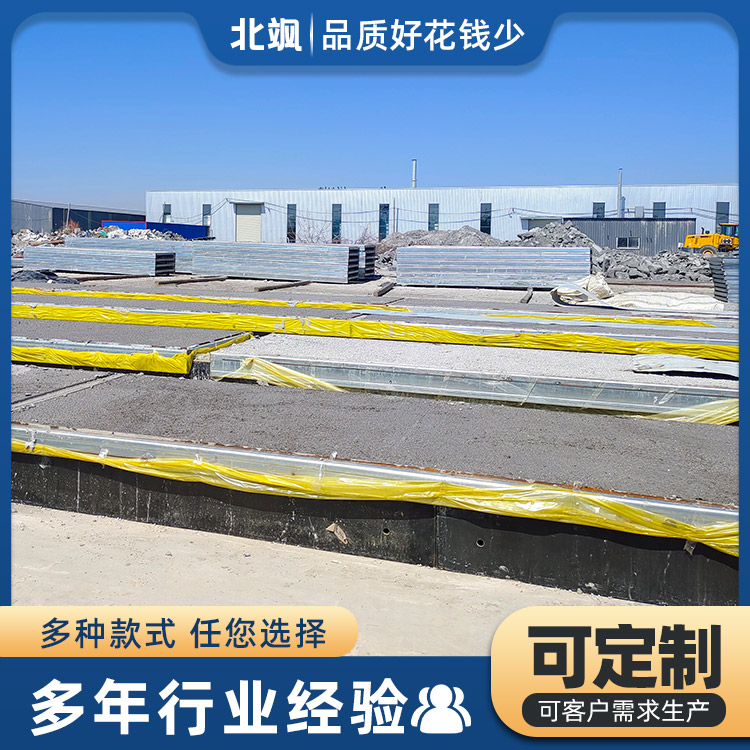
During the construction of open-profile steel sheets, sealing plates and挡板 must be added to prevent leakage during the concrete pouring process for floor slabs. Additionally, rebar binding is required at the bottom of the sheets, which can extend the construction period. In contrast, for closed-profile steel sheet construction, only one挡板 is needed, eliminating the need for a sealing plate, and leakage on the construction site is less likely. Moreover, it saves time on binding rebar for the sheets. Closed-profile sheets are less prone to deformation during installation, whereas open-profile sheets may experience a reduction in height and an increase in width during transportation and installation. Adjustments must be made to accommodate these changes during the sheet installation process; otherwise, the reduced height of the sheets could affect the cross-sectional properties and lead to construction accidents.
Open-web floor deck installation
1. First, locate the centerline of the steel beam in the deck area, as the main beam centerline serves as the control line for the placement of the floor deck. The main beam centerline governs the overlap width of the floor deck with the steel beam and determines the welding points for the full penetration weld between the floor deck and steel beam. The secondary beam centerline determines the welding position of the full penetration weld bolts. Since it's difficult to observe the secondary beam flange location after the floor deck is laid, the centerline and flange width of the secondary beam are rebounded onto the main beam centerline. When fixing the bolts, the centerline and flange width of the secondary beam should be rebounded back onto the floor deck on the secondary beam face.
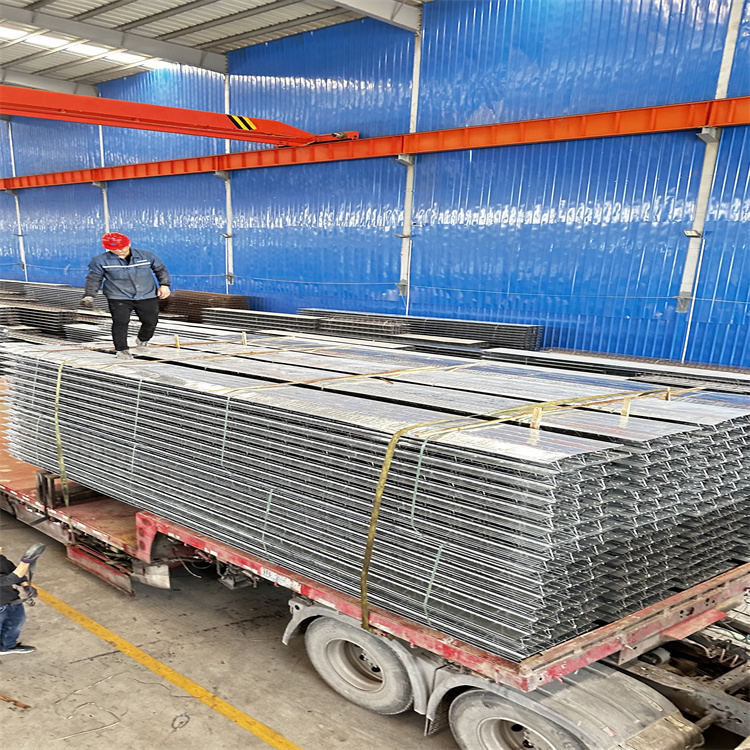
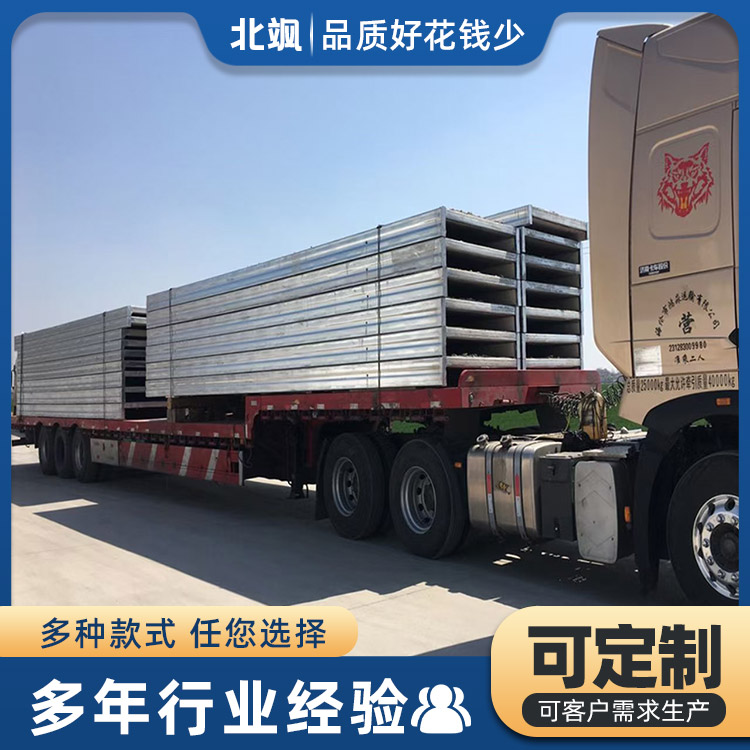
2. At the stockpiling site, separate and stack the deck sheets according to the material list, numbering them clearly by layer, section, and number. Mark them with a marker and transport them accurately to the construction site.
3. During hoisting, soft slings are used to ensure that the composite deck panels do not deform as a whole or have curled edges locally. For multi-story steel structures, the general design process is to install columns in 3 layers per section (single-story structures are self-explanatory). When installing the composite deck, it should be done simultaneously with the steel column and beam construction, with at least a 3-layer difference. Therefore, the composite deck can only be hoisted through the beam and column spaces of the upper layer, and the crane operator should control the layers between the beams and columns.
4. Trim edges using a plasma cutter or shears, ensuring excess material is kept within a 5mm range when cutting. Take precautions to prevent leakage when pouring concrete.
5. The connection between deck sheets and side panels is achieved by using a clamp to press together the interlocking edges, forming an integral deck sheet. First, spot-weld the side edges of the deck sheet, then secure both ends, using bolt fasteners.
6. Enhance concrete curing.
Open-web deck features
1. Replace traditional templates, improve their shortcomings, and eliminate the need for disassembly and installation work.
2. Lightweight, high strength, heavy load-bearing capacity, and good seismic resistance.
3. Can be part of the steel structure's strength, reducing material costs.
4. Simple and quick construction, easy assembly.
5. Easy for reinforcement, wiring, and piping installation.
We adhere to the business philosophy of "Superior Quality, Prime Service" and "Pursuit of Excellence in Technology, High Quality, and Precision in Service." With our unwavering信念 and unchanging commitment, I am confident that we will benefit society and achieve a win-win situation together!
WeChat Official Account

Scan to follow Official Account