










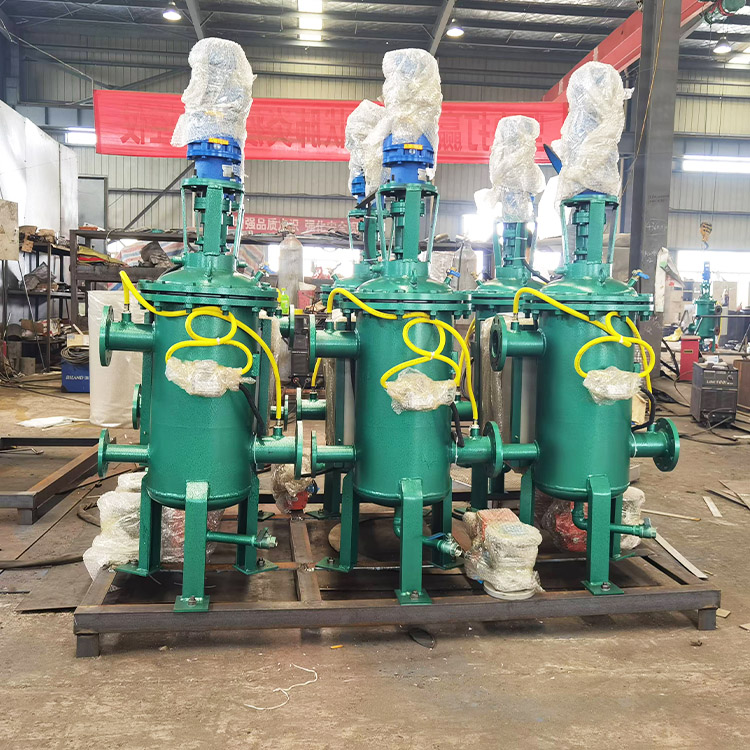
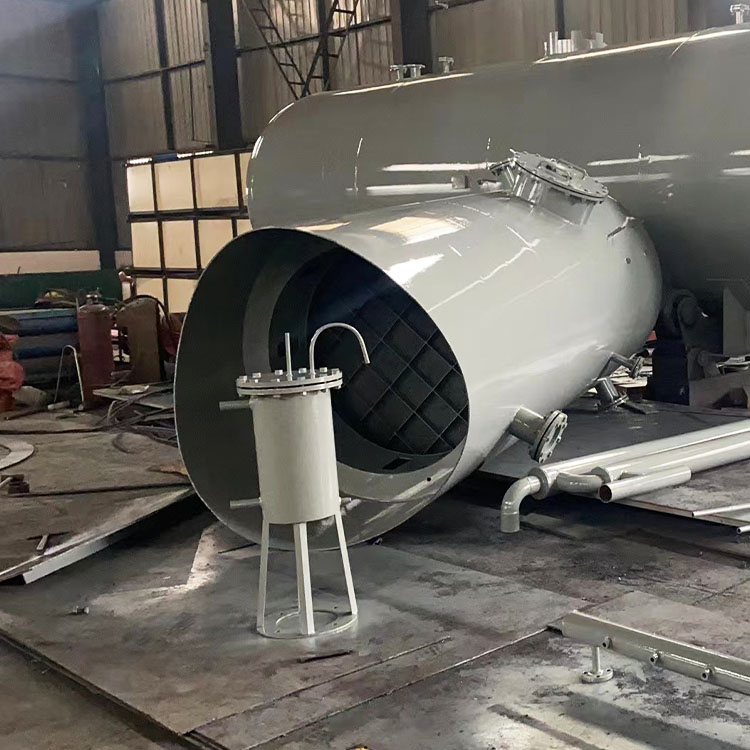
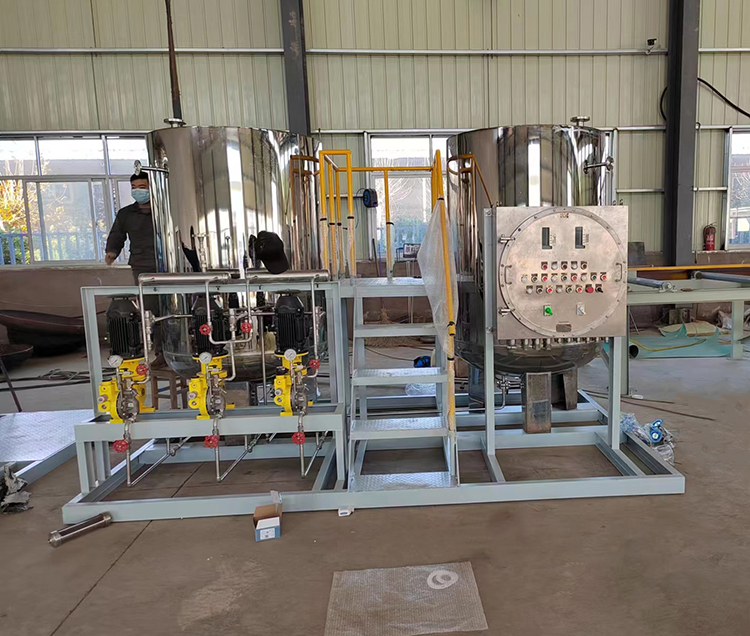
Boiler Feed Additive System, Boiler Water Treatment Additive System, Phosphate Feed Additive System
Operating Principle
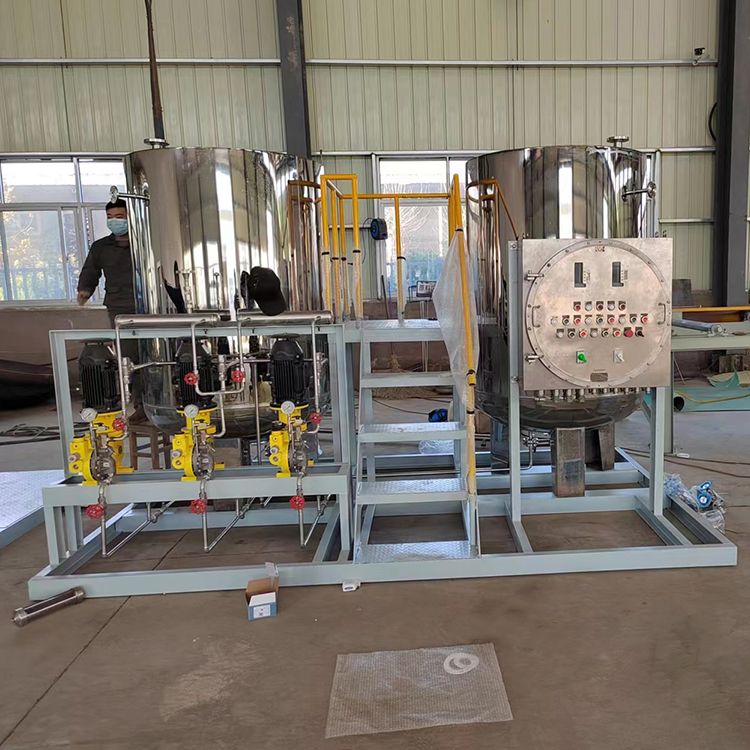
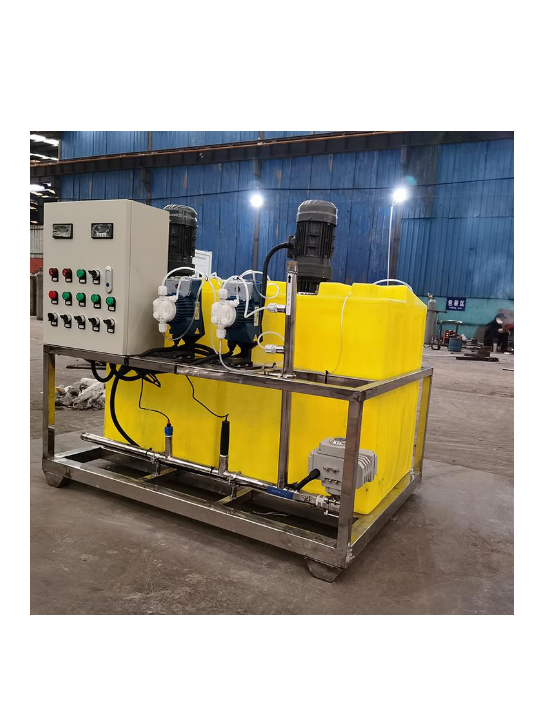
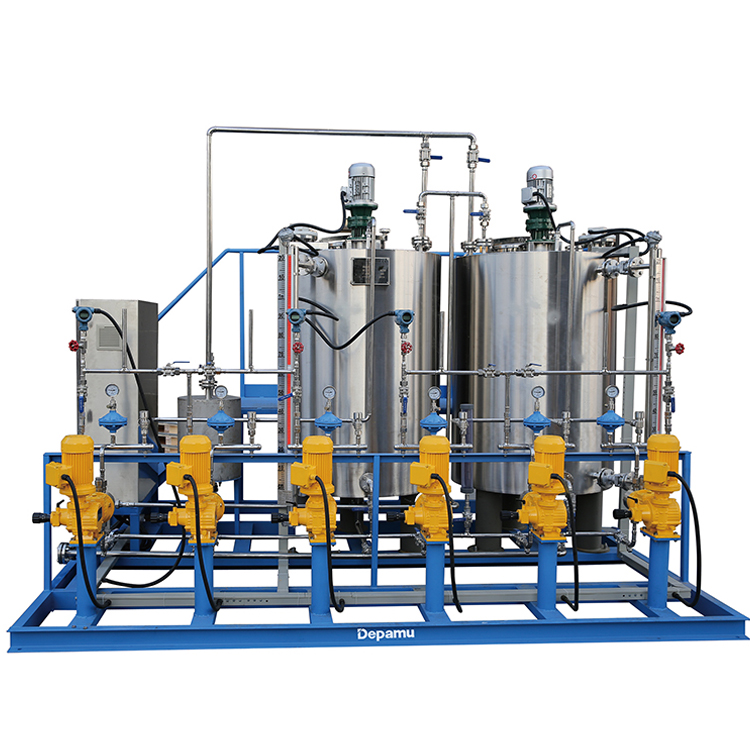
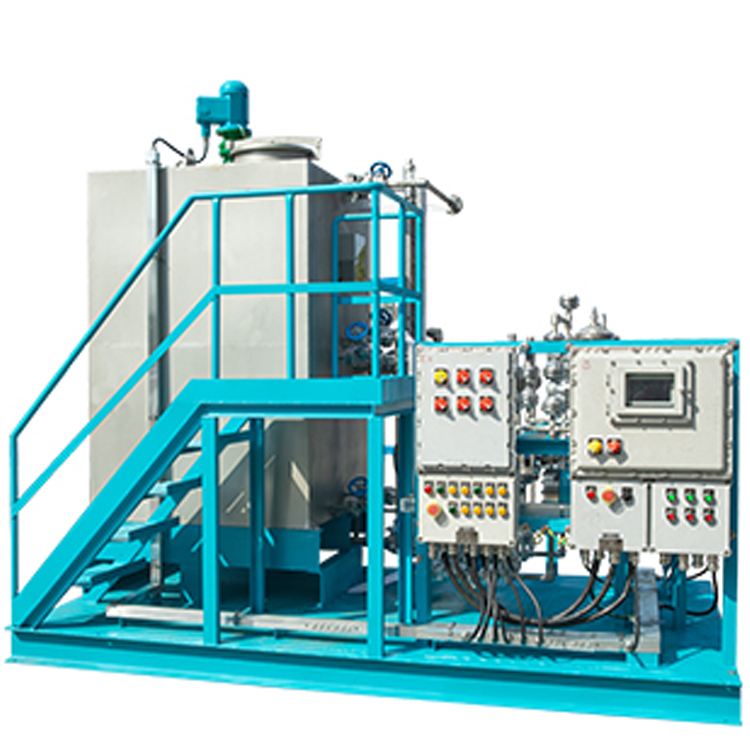
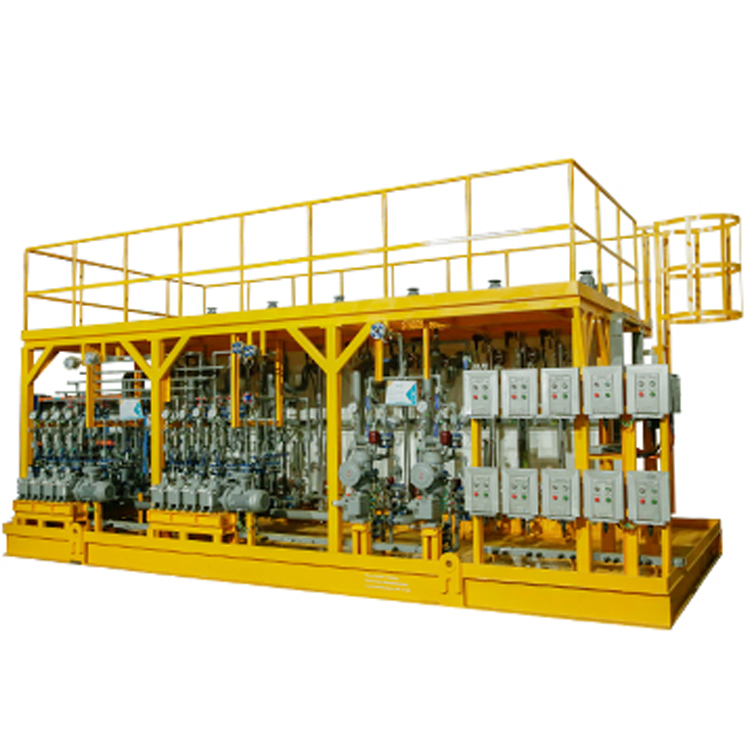
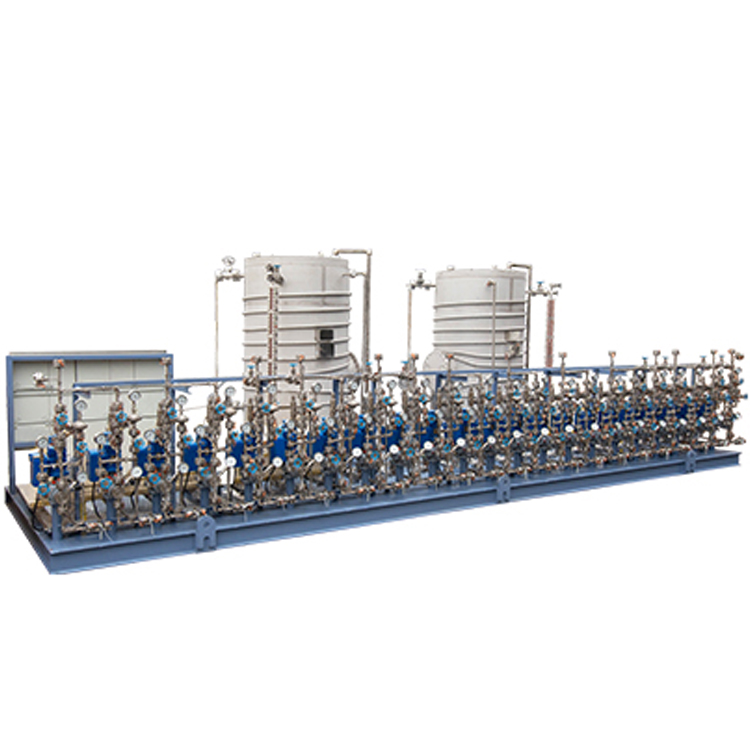
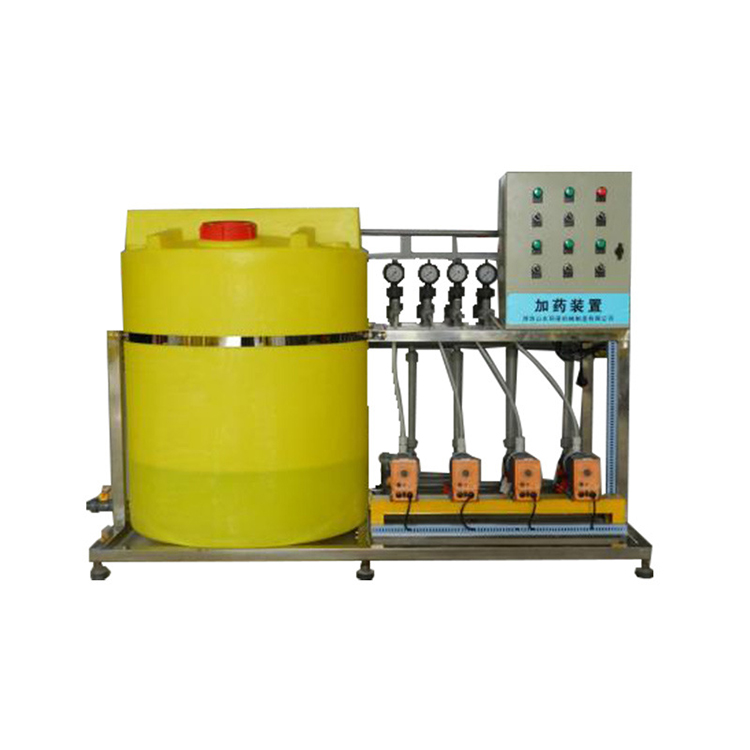
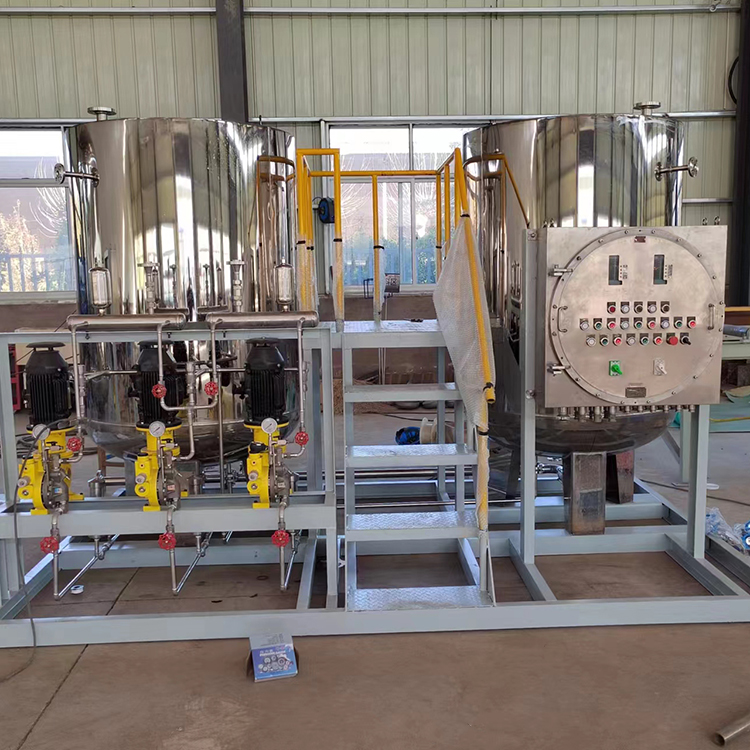
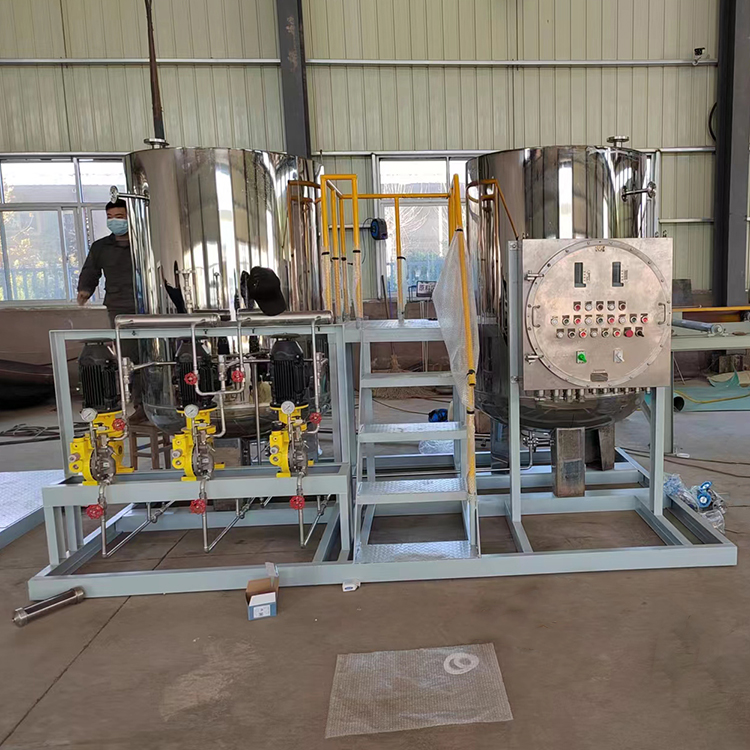
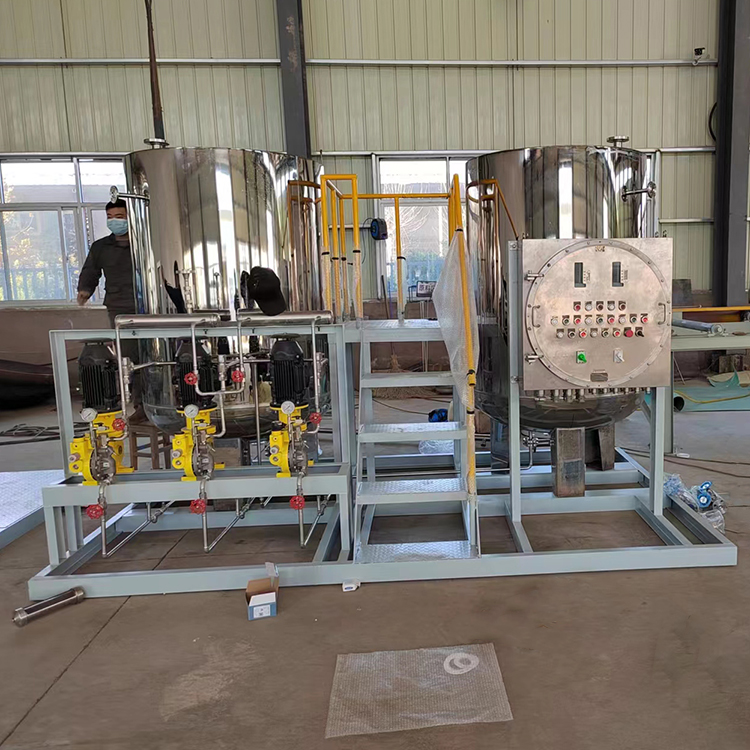
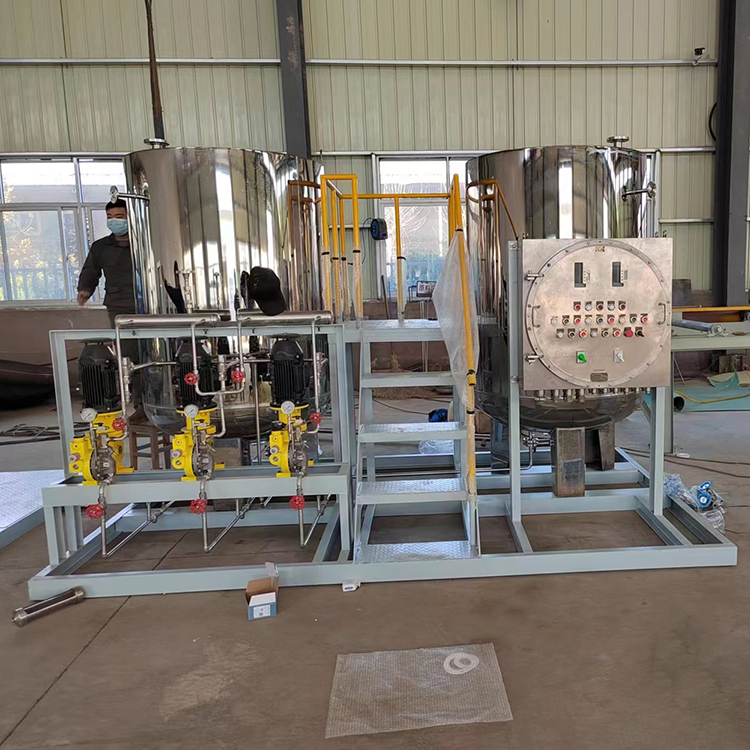
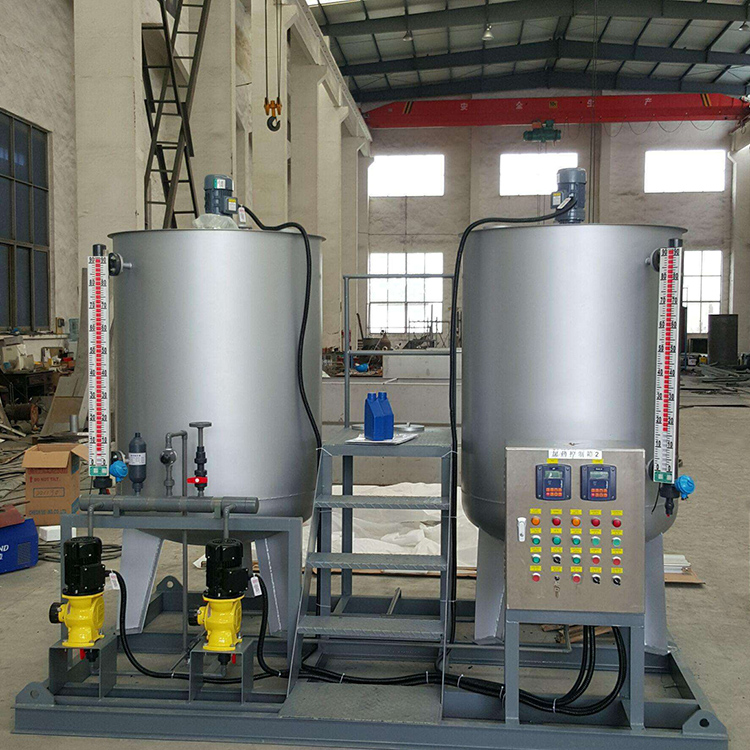
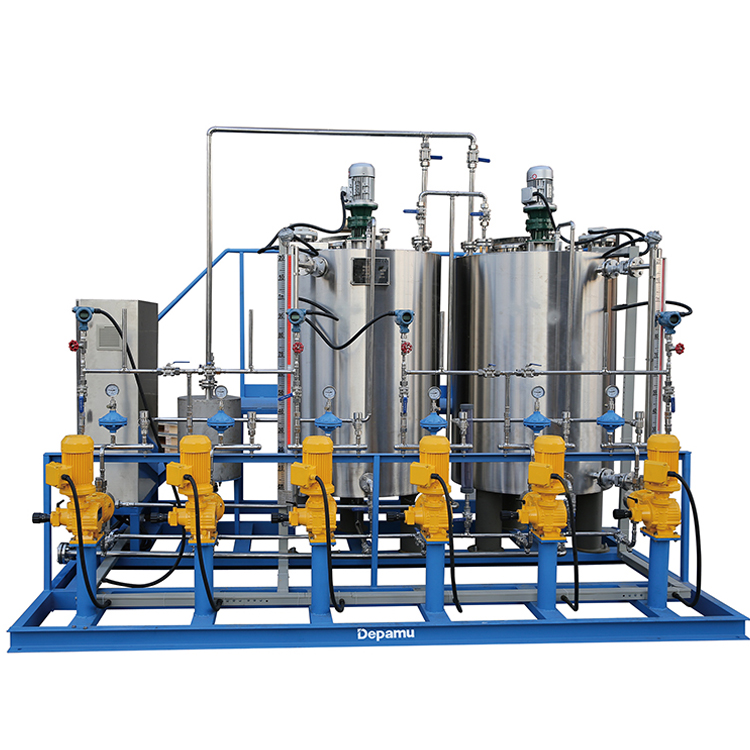
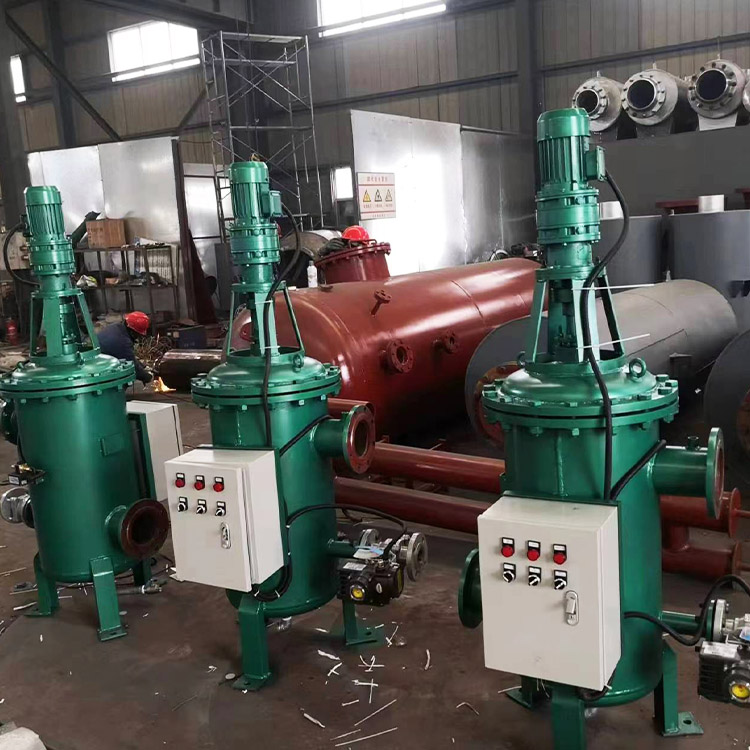
The dosing unit is a modular assembly, also known as skid-mounted unit, which incorporates a metering pump as the primary dosing equipment, along with a solution tank, mixer, level gauge, safety valve, check valve, pressure gauge, filter, buffer, piping, valves, base, ladder, automatic monitoring system, and power control system, all assembled on a common platform according to the process requirements.
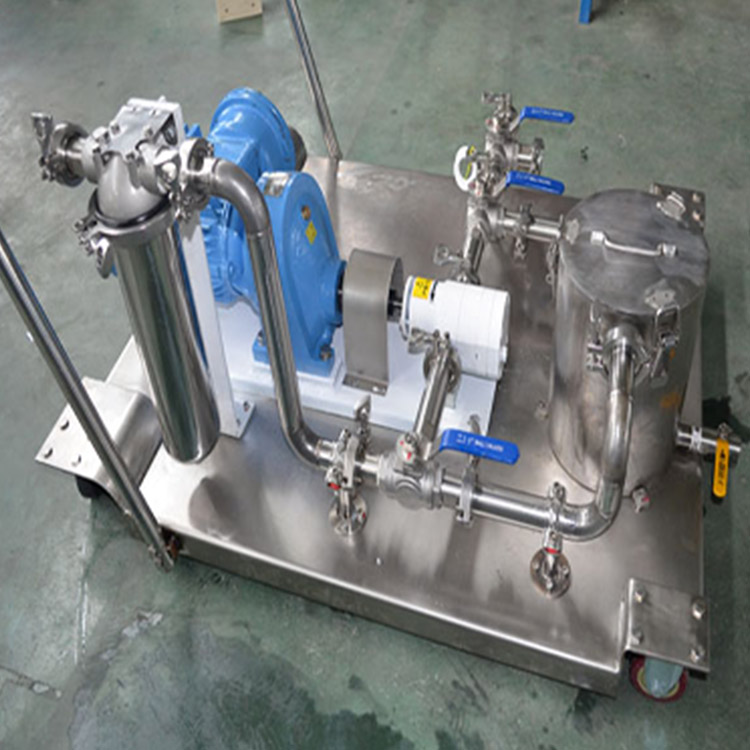
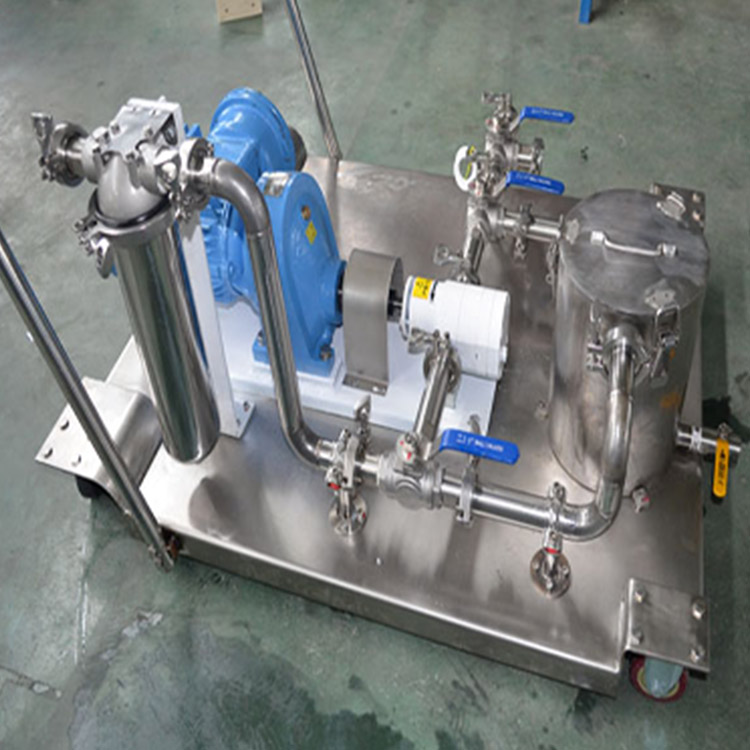
Dosage Unit, featuring an integrated mechanical and electrical structure, is available in fixed and mobile (cart-type) installation options. Each type is equipped with a mixing system, dosage system, and automatic control system. Several fixed units can be combined into an integrated system, along with a variable frequency control system, enabling on-site control, remote automatic control, and manual-to-automatic switching of dosing. It boasts compact structure, small size, low noise, stable operation, easy installation, and user-friendly operation.
The dosing unit accurately configures solutions of various solid and liquid chemicals through different process designs, then precisely adds them using a metering pump to meet various design requirements, such as descaling, deoxygenation, coagulation, acidification, and alkalinization.
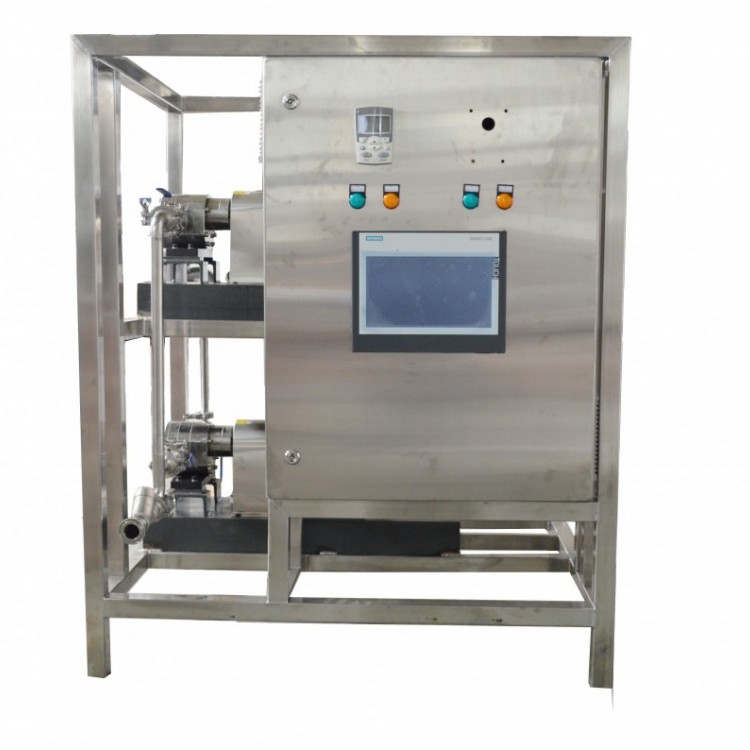
The dosing process can be manually operated or automated through various electrical and instrumental devices such as a PC, magnetic flap level gauge, pH meter, travel controller, and variable frequency drive, transforming the dosing unit into an integrated mechanical and electrical product and achieving automatic control.
The dosing quantity and pressure of the dosing unit can be adjusted according to the requirements of the industrial process. Appropriate metering pumps can be selected. Flow rates from 1L/h to 8000L/h and pressures from 0.1MPa to 25MPa are available for suitable products.
The metering pump boasts a metering accuracy up to ±1% and can simultaneously transport multiple media with individual adjustments.
The solution tank volume in the dosing unit can range from 0.1 m³ to 20 m³, which can be selected according to the dosing quantity. Various materials are available for selection based on the type of conveying medium, including carbon steel (carbon steel lined with rubber), stainless steel, and non-metallic materials (PE, PVC, PP, PTFE), etc.
Performance Description of the Medication Apparatus
The complete set mainly includes the feeding system, drug storage barrel, dosing system, and power control system.
The dissolution drum is equipped with facilities for automatic operation, including a level gauge, low-level alarm, and valves. The outer wall of the drum is fitted with a magnetic flap level gauge for real-time monitoring of the liquid level inside. There are feed openings and standby openings on the top, and the side of the drum features discharge openings, drain outlets, overflow openings, level gauge interfaces, and corresponding doors. When the liquid level inside the drum falls below the set low-level value, the alarm system automatically activates, and the dosing pump is paused.
The dosing system includes centrifugal pumps, electromagnetic flowmeters, and related valves.
Features
System design is at the core, overcoming the systemic defects of traditional products that were designed around a single piece of equipment or component.
Draw on the essence of domestic and international dosing technology, with a brand-new design concept, optimizing the process.
Modular design for product structure, with integrated assembly for easy expansion of capabilities and functions.
Flexible configuration options available for different water qualities and customer requirements.
A wide variety of renowned brands, materials, and equipment of various grades and specifications are available for selection at your convenience.
Choose from manual, automatic, and various other control methods to meet different control requirements.
Common Forms
Chemical补水, Condensate Ammonia System
The ammonia addition system can be fully automated; in addition to manual preparation, ammonia solution can be controlled automatically. When the liquid level in the solution tank falls below the set value, the water valve is automatically opened until it reaches the high level, then it closes automatically. The control of ammonia addition can also be automated, aside from manual control, with the PLC programmable logic controller performing PID calculations and the variable-frequency drive controlling the ammonia dosing pump to achieve full automation of the dosing process.
2. Phosphorus and Salt Mixing System for Boiler Water
Preparation of phosphate solution involves directly adding sodium tripolyphosphate to the solution box's dosing area, then starting the agitator to dissolve it. In addition to manual control, the amount of phosphate can be automatically controlled. After PID calculations by the PLC programmable logic controller, the variable-frequency inverter controls the dosing pump's flow rate to achieve automatic dosing.
Application Scope
Power generation industry boiler water treatment systems, circulating cooling systems, central air conditioning circulating water systems, raw water pretreatment, and wastewater treatment systems.
Petrochemical industry boiler water treatment systems, recirculating cooling systems, chemical additive dosing systems, as well as wastewater treatment and disinfection systems for medical, electronics, and other industries.
Municipal water supply, swimming pool, waterworks, wastewater treatment, and disinfection of building potable water.
Disinfection for industrial recycled water and wastewater treatment.
Other related industries liquid dosing systems.
Selection Considerations
1. When selecting a dosing device, first determine the required dosage volume for the system to choose the appropriate specification (including metering pump parameters, mixing tank capacity, solution tank capacity, and on-site conditions), and then based on the dosing situation, decide the dosing method (usually a "one operating and one standby" or "multiple operating with one standby" approach).
2. Select the material for each component of the dosing unit (stainless steel, carbon steel, non-metallic materials), the type of metering pump (diaphragm pump, plunger pump), or the parameters of the additive (name, concentration, temperature, density, viscosity, corrosiveness, etc.) as needed.
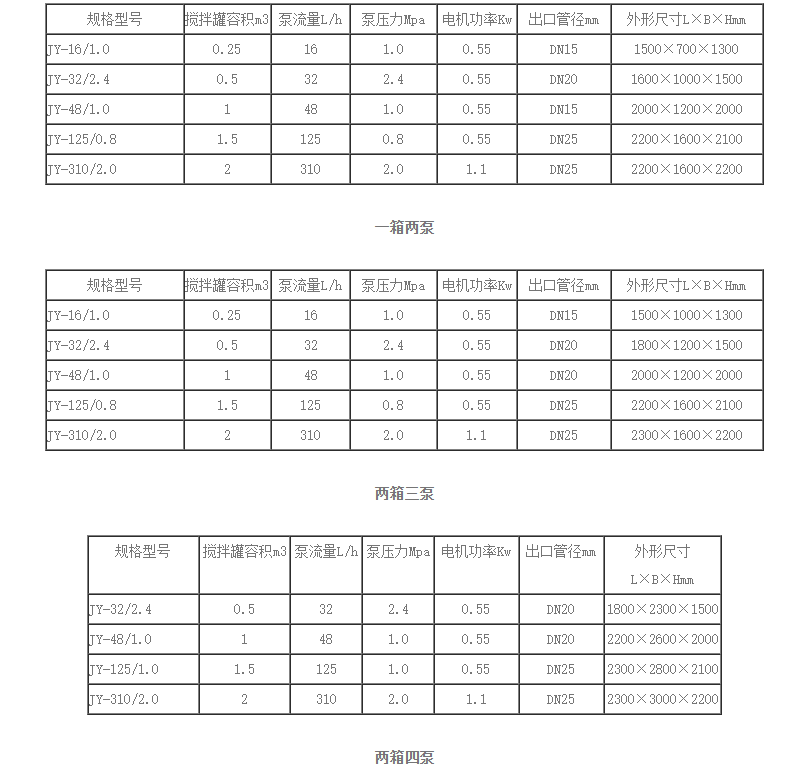
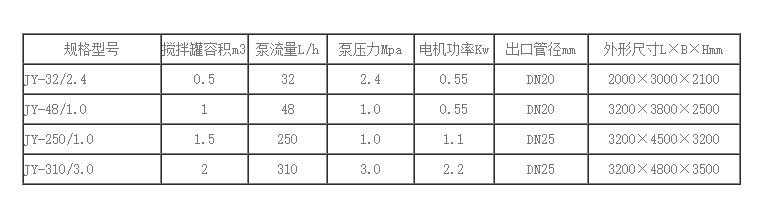
3. Order system for how many cases and pumps;
4. Is the metering pump a plunger pump or a diaphragm pump?
5. Measure pump flow and pressure.
6. Is the system manually controlled or automatically controlled?
7. Special requirements for the dosing device.
Product Model
One carton, one pump