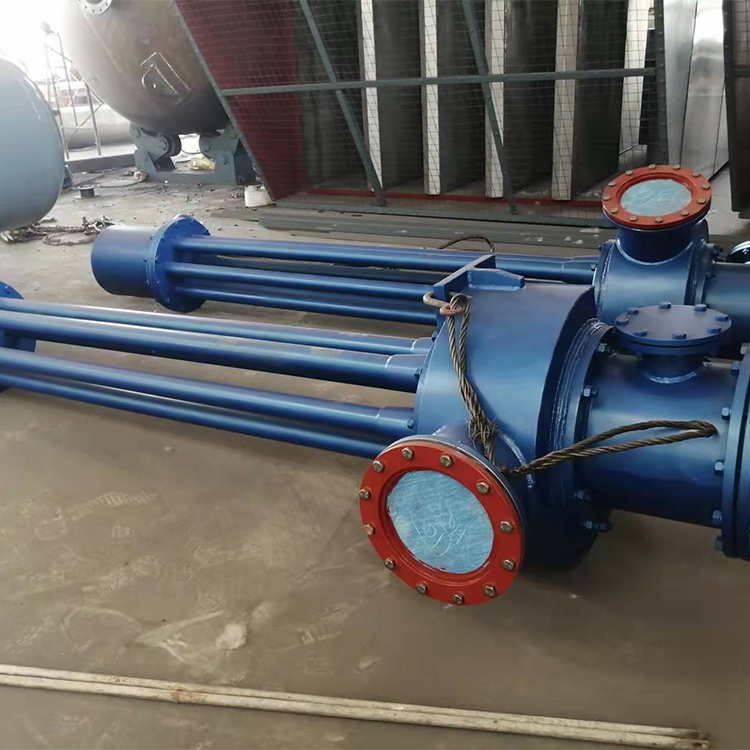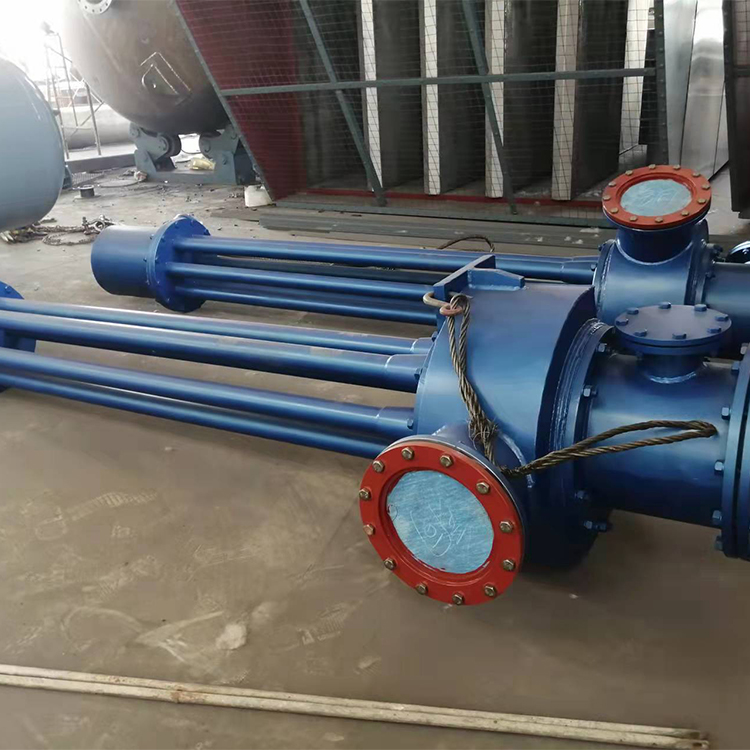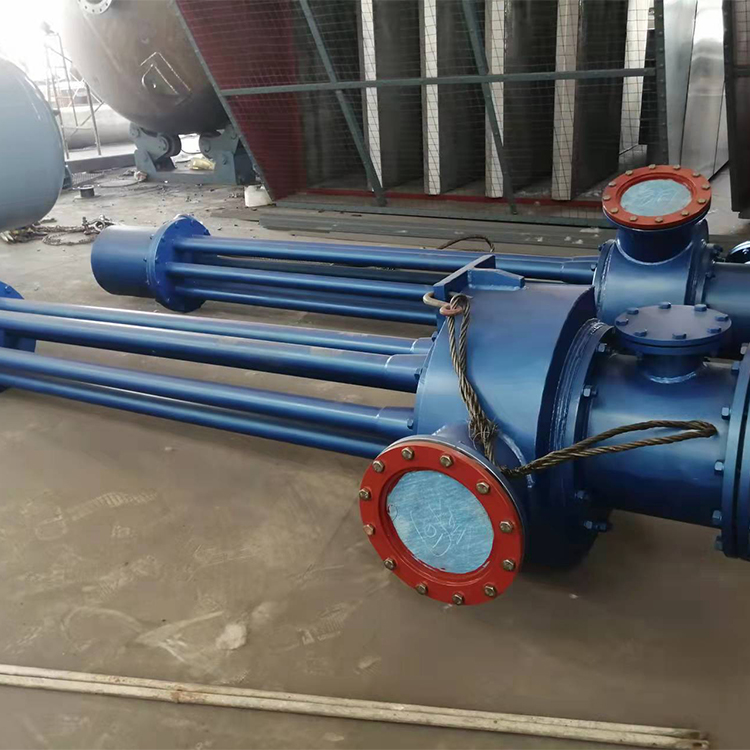


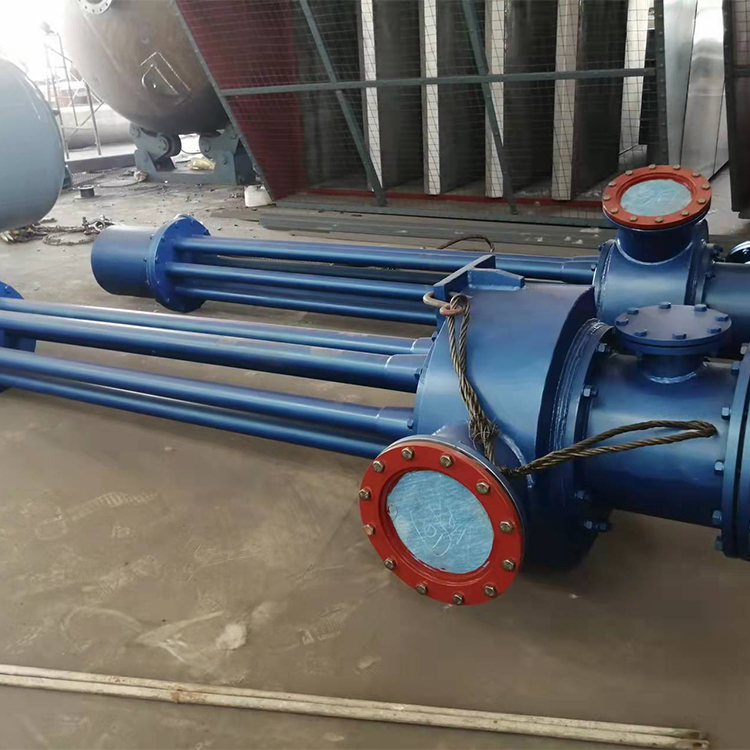
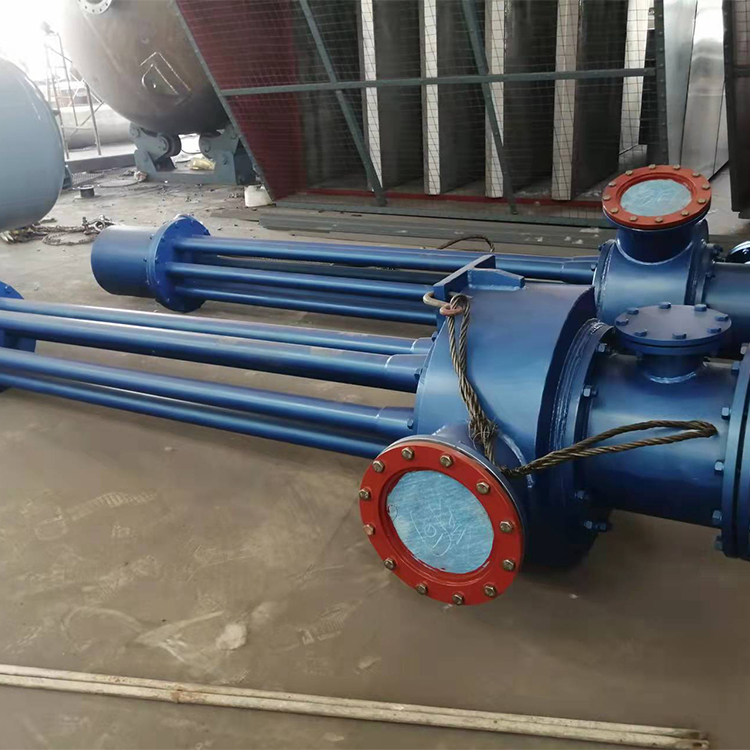











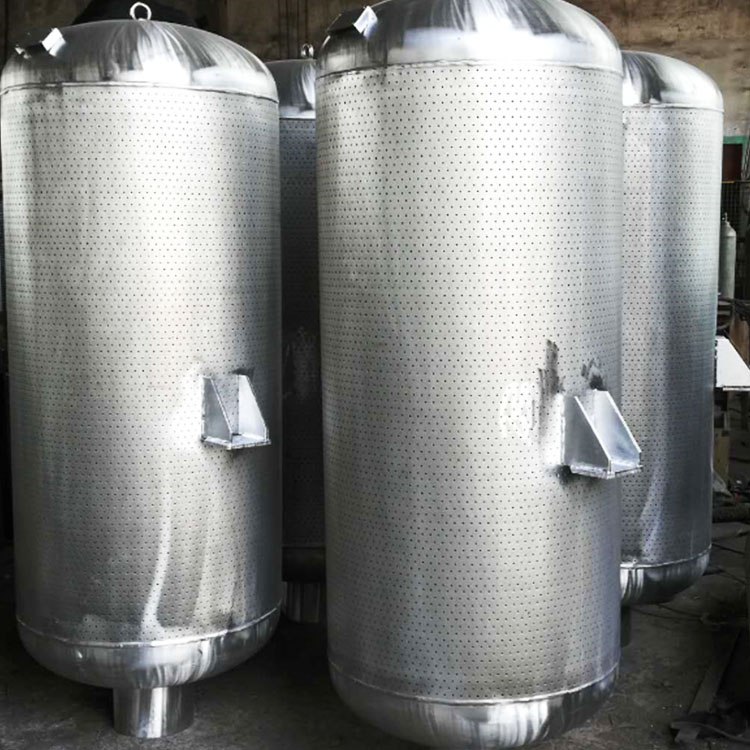
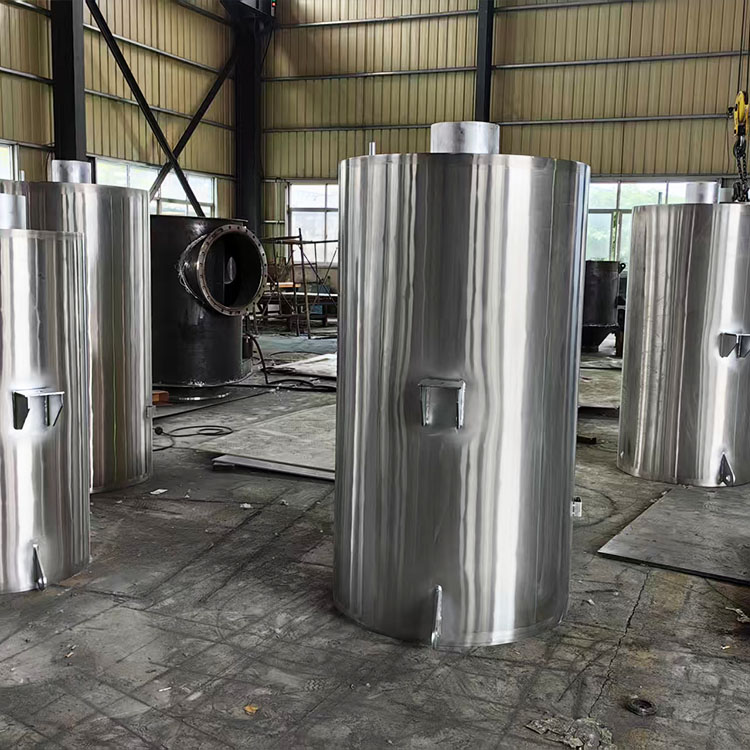
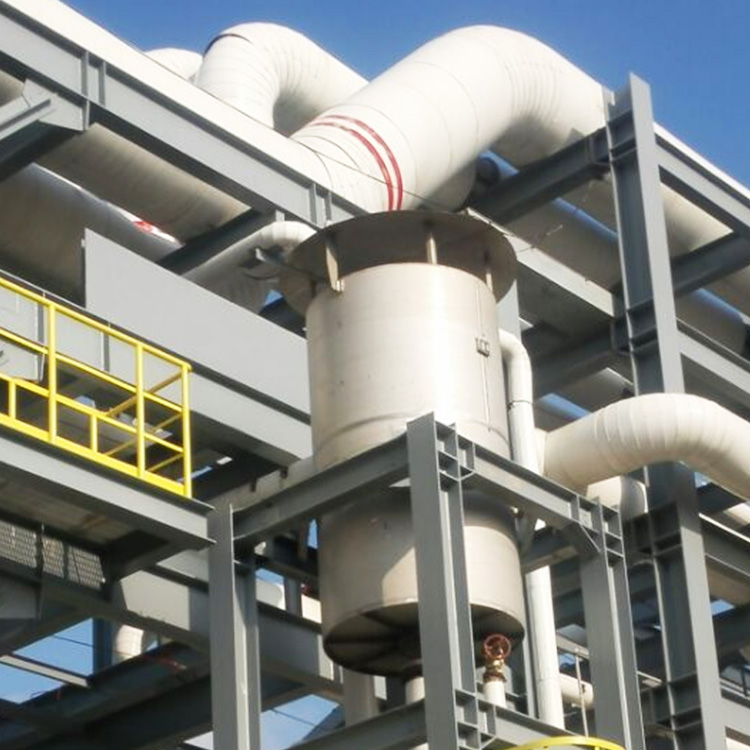
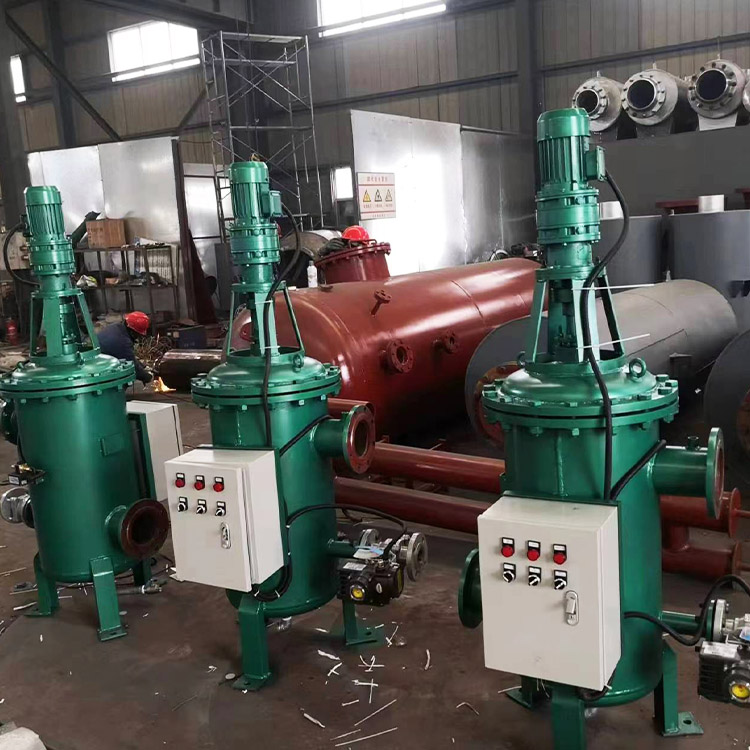
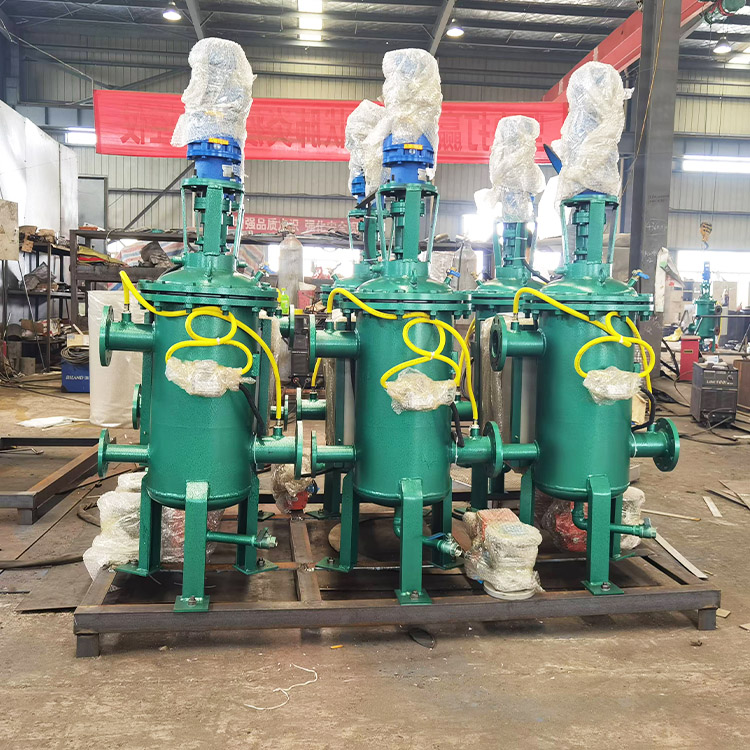
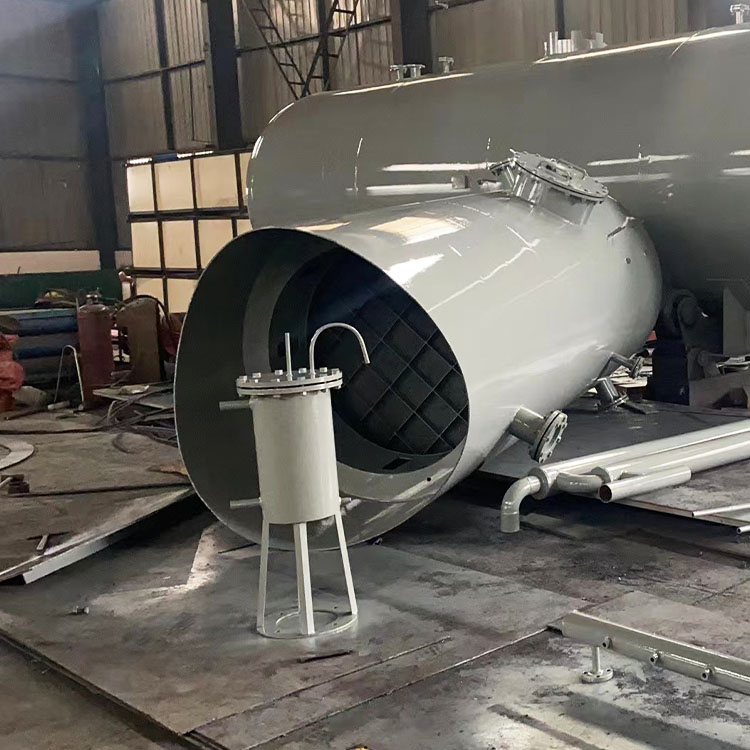

I. Product Applications and Features
This product, the "High-Efficiency Low-Consumption Water Jet Vacuum Pump," is of the fifth-generation environmental protection anti-vibration type (noise less than 85 decibels). It effectively reduces vibration issues during operation of older water jet vacuum pumps. This fifth-generation pump boasts an optimized water chamber分流室 structure, throat area ratio, non-standard throat group, and water jet kinetic energy, placing it at the forefront of domestic technology in performance. The specific energy consumption reaches 1.5 kW/kg of gas.
High-efficiency, low-energy water jet vacuum pump, featuring a simple structure and reliability, it also boasts a construction investment that is one-seventh of a rotary vacuum pump, with the following additional advantages:
No wear and tear on moving and static parts, low life expectancy损耗, high suction efficiency unaffected by operating time, and long maintenance intervals.
2. Achieve the most uniform contact between the indoor water and air.
3. Excellent startability, capable of single-draw startup.
4. Preventing vapor回流 in the initial stage, which is difficult to achieve solely by extending the throat tube.
5. Achieve uniform mixing of two-phase flow in the mixing chamber with a relatively short throat, while minimizing the energy loss during exhaust by utilizing the excess velocity.
The aforementioned requirements are difficult to achieve with traditional design methods, which is also a major reason for the previous inefficiency of vacuum pumps.
The new vacuum pump is designed to meet the above requirements. Structurally, it employs an intake chamber with a分流室 as the main passage and a combination of small holes as auxiliary channels to reduce air resistance. Depending on the specific vacuum system of the unit, the pump is designed as either a single-channel or multi-channel model. It eliminates phase bias flow and enhances two-phase particle energy exchange. To strengthen the mixing process of gas-water two-phase flow in the throat, the throat structure is divided into three sections: the gas injection section, the vortex enhancement section, and the pressure increase section. This device utilizes a new calculation method and confirms the intake chamber's geometric structure, throat shape, throat diameter and nozzle area, and throat length to nozzle diameter ratio through comparative experiments. It selects the number of channels and water pressure based on the different capacities of the vacuum pumps to achieve cross-sectional area and flow rate, ensuring high efficiency in the intake chamber. Corrosion-resistant materials are used for all susceptible components to extend maintenance intervals.
Due to the high velocity at the end of the throat section and the non-interfering nature between the entire throat, this type of vacuum pump is equipped with a rear-mounted vacuum gas extractor at the throat outlet, for the purpose of absorbing condensate gas from the shaft seal heater of the steam turbine field.
This product is suitable for auxiliary equipment matching in new unit design and energy-saving retrofitting for existing units. It can also be customized to design any vacuum extraction equipment with varying vacuum capacities as needed.
II. Product Outline and Interface Dimension Diagrams
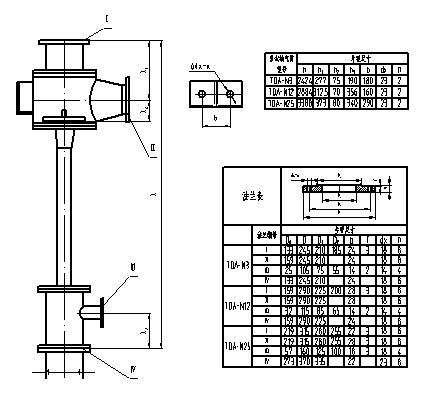

Four: Installation and Precautions for Water Jet Vacuum Pumps
1. Two types of water supply methods for vacuum pumps
There are two water supply methods available for the water jet vacuum pump.
Closed-loop system
This is a traditional arrangement, where the jet water vacuum pump is placed above the jet water tank. It operates in a cycle with the jet pump, vacuum pump, and tank to supply water. A certain amount of make-up water should be added to control the water temperature in the jet water tank during summer use.
② Open-loop circulation
"Open-loop circulation" refers to the intake of the射水泵 coming from the circulating water intake pipe, with the discharge pipe connected to the trench. Its advantages are:
Summer can reduce water temperature by 4 to 8°C, which will increase vacuum by 7 to 15 mmHg.
b. The exhaust blower will not affect the water temperature after installation.
c. Prevents power loss due to over-compression of exhaust gases; its drawback is increased water consumption for the cooling loop.
Before placing an order with our factory, please try to pre-determine the type of recycling method to be used. You may also entrust our factory to determine and install the design on behalf of the user.
2. Selection of Inlet Parameters
Selecting the low-energy, high-efficiency water jet vacuum pump from this series, along with the specified water pump and motor, ensures optimal performance. The intake parameters (flow rate, pressure) of the water jet vacuum pump are crucial for enhancing internal efficiency and reducing energy consumption. This is because the design of the working water nozzle's diameter and water pressure determines the velocity at the nozzle exit. The velocity, in turn, is related to factors such as the jet angle, nozzle throat distance, area ratio, and throat length. Improper selection of the pump-vacuum pump combination can affect the performance.
3. Installation Precautions:
The installation quality of the jet vacuum pump is closely related to its suction capacity. Main attention should be paid to the following aspects:
①Vacuum pump installation should be vertical, each section should be precisely aligned during assembly, and the support brackets should be firmly secured.
② The vacuum pump should be installed at an appropriate height, with the exhaust port of a closed-loop vacuum pump elevated above the water surface by more than 1.5 meters. This low-consumption, high-efficiency vacuum pump, due to its relatively smaller exhaust velocity, should not be submerged too deeply in water. Otherwise, it may affect the suction capacity when the water pressure is low or the water temperature rises in summer. The recommended depth of immersion for the exhaust port is between 250-300mm. The supplementary cooling water for the vacuum pump should be added to the pump inlet to enhance its cooling effect.
③ Double-acting reciprocating vacuum pump, with the outlet pipe kept as short as possible, no more than one bend, and large-radius bends used. The horizontal pipe section should incline outward with an inclination of >3/1000mm. A bend directed towards the outlet should be attached to the pipe when inserted into the circulating water outlet pipe, to facilitate the discharge of the gas-water mixture.
④For vacuum pumps in closed-loop systems, during summer, it is not advisable to use the downward-mounted vacuum pumps. The structure of the water jet tank should facilitate air exhaust. These measures all contribute to reducing the water temperature in the tank.
⑤ The vacuum pump body should undergo a hydrostatic test with 0.5 MPa pressure before installation, ensuring no leakage for five minutes.
⑥When only one vacuum pump is installed per machine, the air duct does not need to be excessively high; when two vacuum pumps are installed, to prevent water from flowing back into the condenser through the emergency vacuum pump check valve, the height of the air connecting pipe should be ≥11 meters.
⑦The air intake port diameter of the vacuum pump is generally the same as the condenser air outlet pipe, and the length should be kept as short as possible to reduce resistance; on the pipeline,法兰 connections are not used except for valves and equipment interfaces to minimize air leakage.